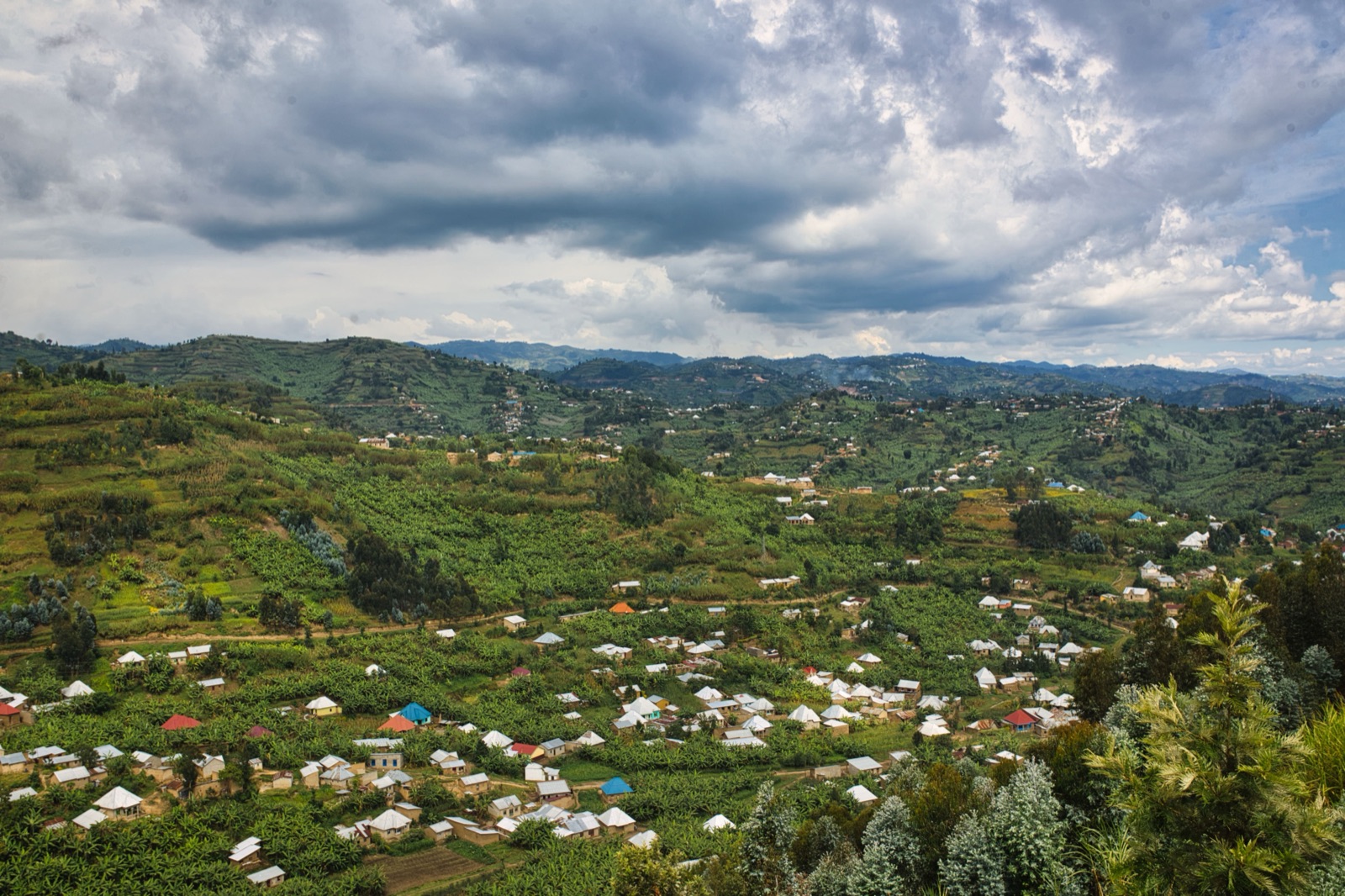
The hills of southern Rwanda. Known as the land of a thousand hills, Rwanda is one of the most densely populated countries in Africa — a landscape of farms and villages where, in the spring of 1994, neighbours were turned against neighbours in a genocide that killed some 800,000 people in a hundred days. Wikimedia Commons / Eric Nkurunziza, CC BY-SA 4.0.
The Rwandan Genocide and the Warnings the World Chose Not to Hear
Rwanda, 1994 — in a hundred days, organised killers murdered some 800,000 people, most of them Tutsi. It was planned, broadcast over the radio, and foreseen — and the powers who could have stopped it decided, deliberately, not to call it by its name
- Category
- State & Intelligence Operations
- Published
- Length
- 4,760 words · 19 min read
- Author
- The editors
The Rwandan Genocide and the Warnings the World Chose Not to Hear
Rwanda, 1994 — in a hundred days, organised killers murdered some 800,000 people, most of them Tutsi. It was planned, broadcast over the radio, and foreseen — and the powers who could have stopped it decided, deliberately, not to call it by its name.
One hundred days
The scale is the first thing to grasp, because it is almost impossible to hold in the mind. In about a hundred days — from the night of April 6, 1994, to the middle of July — somewhere between half a million and a million people were killed in a country smaller than the U.S. state of Maryland. The most commonly cited estimate is around 800,000; the Rwandan government's count is higher. The great majority of the dead were Tutsi, killed for no reason other than their identity, and the rate of killing — by some measures faster, day for day, than the industrialised murder of the Holocaust — was achieved not with gas chambers and railways but mostly with machetes, clubs, and small arms, wielded by hand, person against person, across the hills and roads and churchyards of an entire nation.
It is essential to be precise about what this was, because the way it was first described did lasting harm. This was not a civil war in which two sides killed each other, and it was not, as much early reporting framed it, the sudden eruption of 'age-old tribal hatreds.' It was a genocide: the deliberate, organised attempt to destroy a defined group of people. The targets were the Tutsi as a group — men, women, children, infants — and the killing was directed from the centre and executed by a mobilised population. To call it 'chaos' or 'tribal violence' is not a neutral simplification. It is, in effect, the alibi the perpetrators themselves offered, and the one a watching world found convenient to accept.
The roots of a division
To understand how a country could turn on itself so totally, one has to go back well before 1994, to the way a social distinction was made into a racial one.
The categories Hutu and Tutsi long predated the genocide, but for much of Rwandan history they described something closer to class or occupation than to fixed ethnicity — pastoralists and cultivators, with movement between them, a shared language, a shared religion, a shared territory. It was European colonialism, first German and then Belgian, that hardened the distinction into a rigid hierarchy and then a racial doctrine. The Belgians, governing through a favoured Tutsi elite, embraced pseudo-scientific theories that cast Tutsi as a superior, quasi-foreign 'race' and Hutu as natives; in 1933 they issued identity cards that fixed every Rwandan's group for life. When independence approached, colonial favour switched to the Hutu majority, and the transition was violent: a 1959 uprising and the years around independence in 1962 brought waves of anti-Tutsi killing and drove hundreds of thousands of Tutsi into exile.
It is worth dwelling on how total that racial reconstruction was, because it is the deepest root of what followed. The colonial theory held that the Tutsi were a 'Hamitic' people who had come from elsewhere — taller, supposedly more 'European' in feature, natural rulers — while the Hutu were cast as the indigenous mass born to be ruled. It was pseudo-science, but it was inscribed into administration, schooling, and the church, taught to Rwandans as fact, and stamped onto the identity cards that every person carried. By the second half of the twentieth century, a distinction that had once been fluid had been made to feel primordial and absolute — so that when extremists later called for the Tutsi to be destroyed as alien invaders, they were drawing on a vocabulary that the colonisers had spent decades teaching the country to believe.
Those exiles, and their children, became the seed of the war that set the stage for the genocide. In 1990 the Rwandan Patriotic Front (RPF), a movement of Tutsi refugees based in Uganda, invaded northern Rwanda, beginning a civil war against the Hutu-led government of President Juvénal Habyarimana. The war ground on for three years and ended, on paper, with the Arusha Accords of August 1993 — a power-sharing agreement, monitored by a new United Nations mission, that was meant to integrate the RPF into government and army. To the Hutu extremists around Habyarimana's regime, Arusha was not peace but betrayal, and while the world treated the accords as the end of the crisis, they set about preparing for something else.
The machinery of extermination
The genocide that began in April 1994 was possible only because it had been built in advance, and the evidence of that planning is one of the most important facts of the case — because it refutes, at the root, the story of spontaneous madness.
In the months and years before, the architecture of mass murder was assembled in the open. A militia, the Interahamwe — the name is often rendered 'those who attack together' — was organised and trained, drawing in tens of thousands of young men. Machetes were imported in bulk, far beyond any agricultural need. Lists of Tutsi and of opposition figures were drawn up. And a propaganda apparatus worked to prepare the population psychologically: the newspaper Kangura had published, in 1990, the 'Hutu Ten Commandments,' a charter of anti-Tutsi hatred, and from 1993 a radio station, Radio Télévision Libre des Mille Collines (RTLM), broadcast a steady diet of dehumanisation, calling Tutsi inyenzi — cockroaches — and inzoka — snakes — and urging Hutu to be ready to 'work,' the euphemism for killing, and to 'cut down the tall trees.'
April 6, and the radio
The trigger came on the evening of April 6, 1994, when the aircraft carrying President Habyarimana — and the president of neighbouring Burundi — was shot down by a missile as it approached Kigali airport, killing everyone aboard. Who fired the missile has never been definitively established, and remains disputed between those who blame Hutu extremists opposed to the Arusha peace and those who blame the RPF; it is one of the few genuine open questions of the period. But the question of who downed the plane is, in a sense, a distraction from the central fact, which is that the response was instantaneous and organised. Within hours, before dawn, the Presidential Guard, the army, and the Interahamwe had set up roadblocks across Kigali and begun killing from their lists — Tutsi and moderate Hutu alike. Among the first victims was the moderate Hutu prime minister, Agathe Uwilingiyimana, murdered on April 7 along with the ten Belgian UN soldiers who had been guarding her.
Then the killing spread across the country, and the radio drove it. RTLM broadcast names and locations, told killers where Tutsi were hiding, congratulated them on their 'work,' and kept up a constant stream of incitement that turned a national radio service into an instrument of murder. The roadblocks checked identity cards — the same cards, listing ethnicity, that the Belgians had introduced in 1933 — and those marked Tutsi were killed on the spot. It was a genocide conducted not in secret camps but on the streets, in daylight, by neighbours, with the encouragement of the state coming over the airwaves.
That intimacy is among the genocide's most disturbing features. In most places the killers and the killed were not strangers; they were people who had lived side by side, gone to the same markets and churches, sometimes intermarried. The roadblocks were manned by local men; the lists were drawn up by people who knew exactly who their neighbours were. To carry out a genocide this way — without railways or camps, by mobilising an ordinary population to murder the people next door — required the years of preparation that had gone before, the dehumanising drumbeat of the radio, and the pressure, reward, and threat that turned reluctance into participation. It is part of what makes the Rwandan genocide so studied and so frightening: not a distant machinery of death, but a whole society turned, in a matter of days, into an instrument of slaughter against a part of itself.
The churches
There is a particular horror in where many of the largest massacres took place, and it has to be told plainly. As the killing spread, terrified Tutsi did what they had done in earlier waves of violence: they gathered for safety in the places that had always offered sanctuary — churches, schools, parish halls, stadiums. This time the sanctuaries became traps.
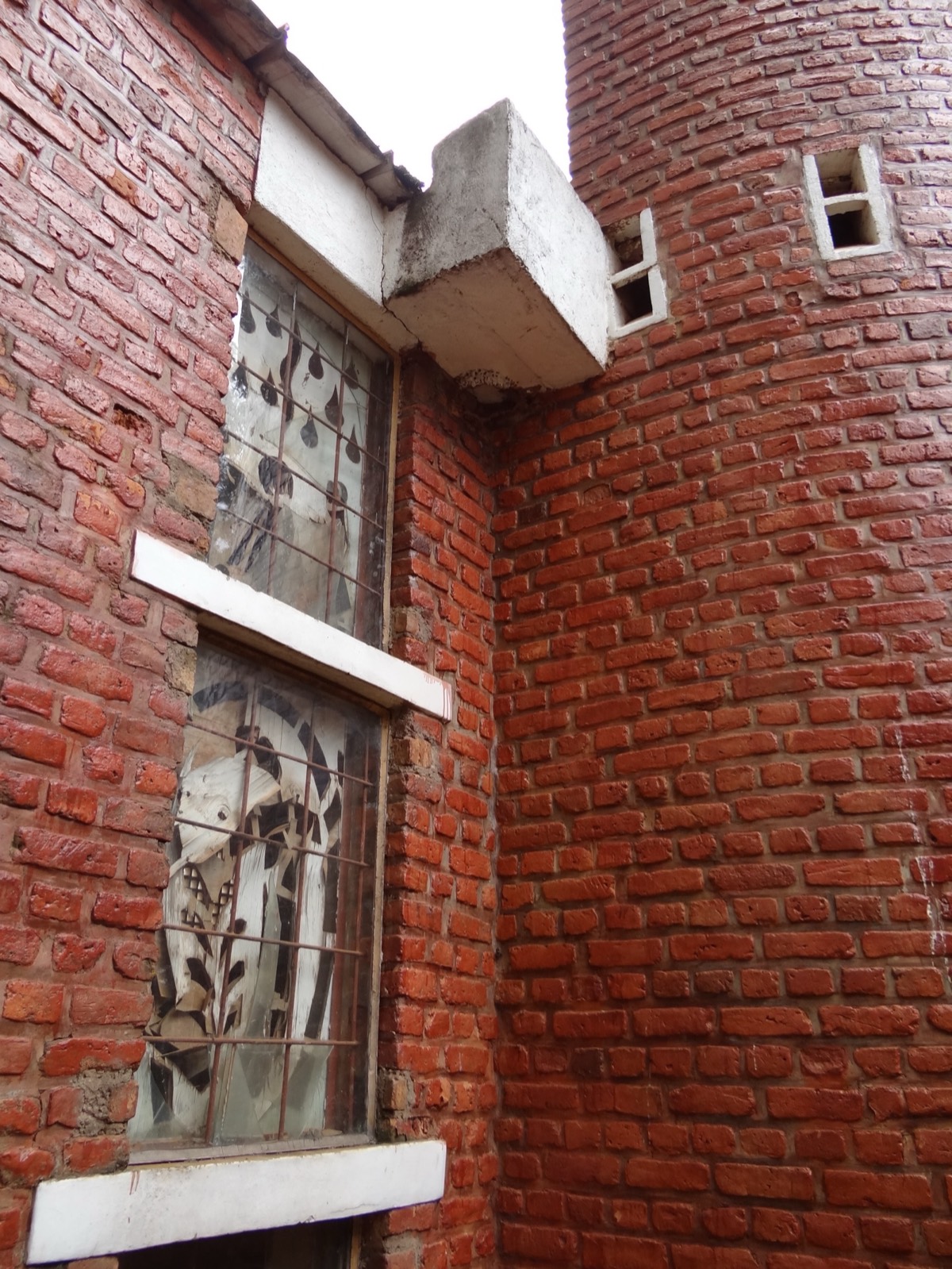
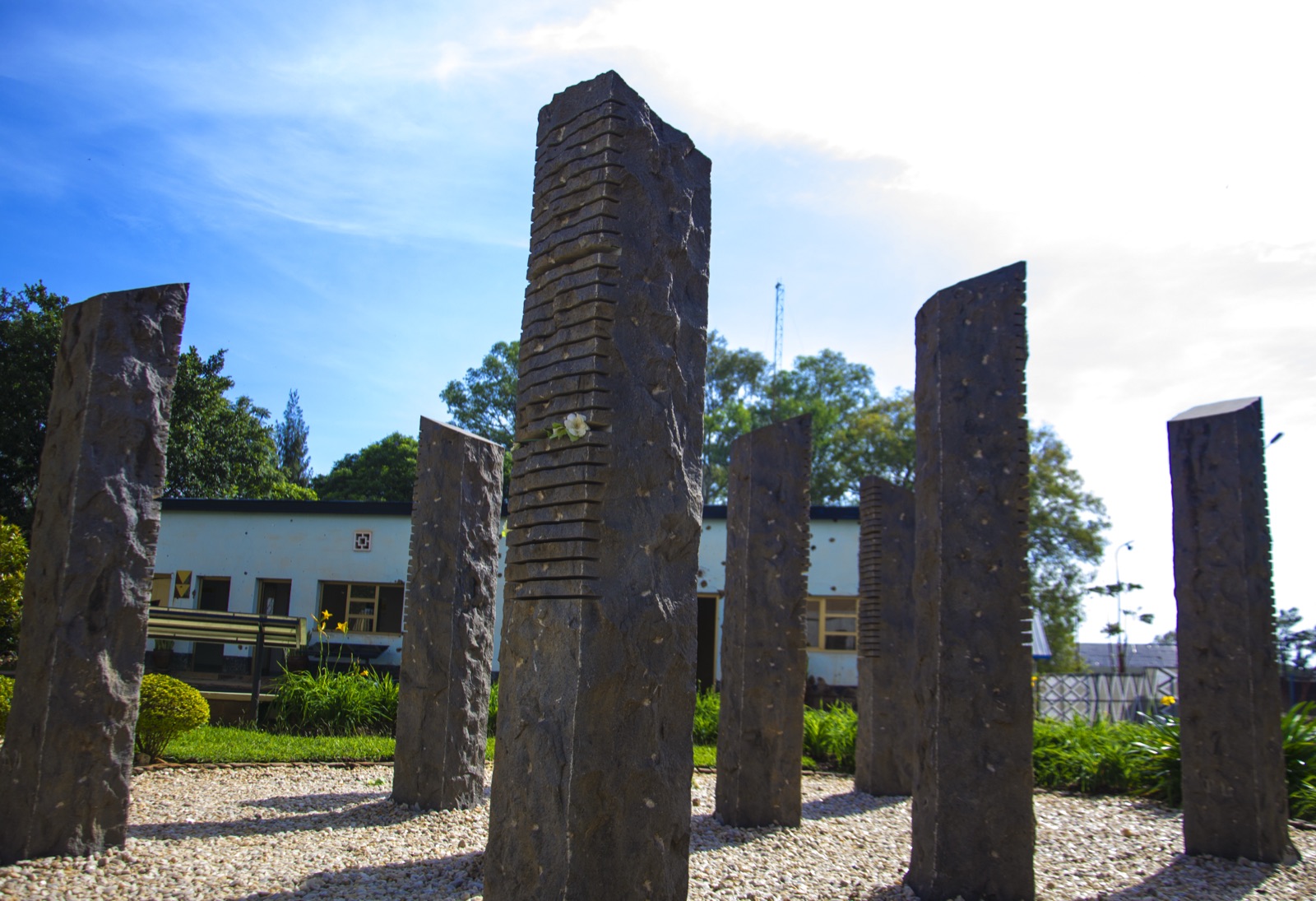
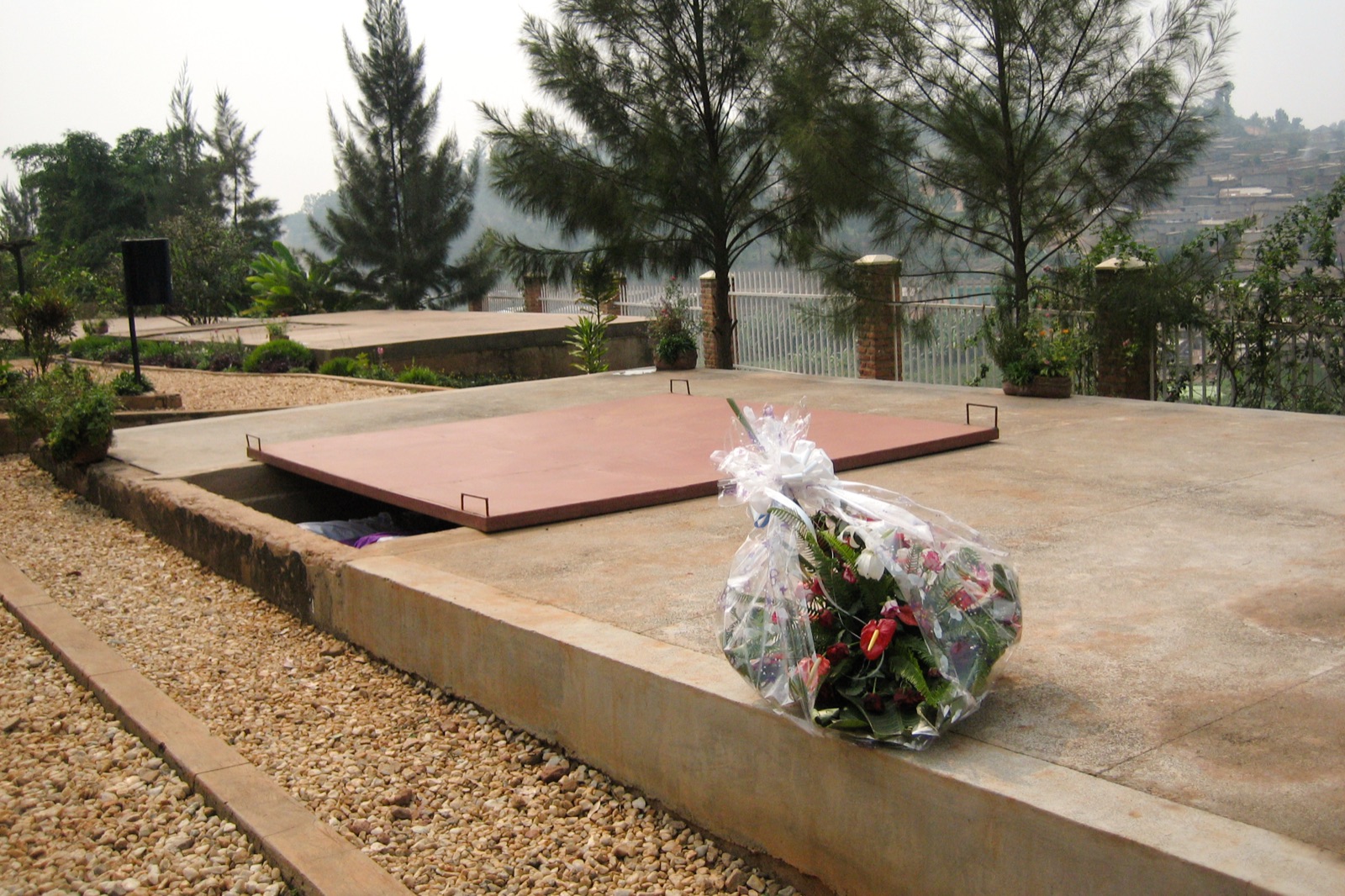
At Nyamata, at Ntarama, at Nyarubuye and Kibeho and many other places, militias surrounded buildings packed with people who had fled to them and killed everyone inside, sometimes over days, sometimes with grenades and then machetes. In a country that was overwhelmingly Christian, some clergy sheltered the hunted at the risk of their own lives; others stood aside, and a few were later convicted of taking part. The church massacres are among the most documented episodes of the genocide, and the buildings where they happened — Nyamata and Ntarama foremost — are now preserved as memorials, kept as they were as a deliberate refusal to let the killing be forgotten or softened. Alongside the murder came mass sexual violence: rape was used systematically as a weapon against Tutsi women, with estimates of victims ranging into the hundreds of thousands, and with the deliberate spreading of HIV as part of the cruelty.
The cables Washington ignored
The most damning part of the Rwandan genocide, for the wider world, is that it was not a surprise — and that the people who could have acted had been told, and chose not to.
In January 1994, more than two months before the killing began, the Canadian general commanding the UN mission in Rwanda, Roméo Dallaire, sent a cable to UN headquarters in New York. An informant, he reported, had described arms caches and a plan by extremists to exterminate Tutsi — and even to provoke the killing of Belgian peacekeepers in order to drive the UN out. Dallaire asked for authority to seize the weapons and act on the warning. The UN Department of Peacekeeping Operations, then headed by Kofi Annan, told him he had no such mandate, and instructed him to pass the information to President Habyarimana — to the very government the plot was being prepared within. The warning, now known as the 'genocide fax,' was filed, and nothing was done.
When the genocide began, the international response was not to reinforce but to retreat. After the ten Belgian soldiers were killed, Belgium withdrew its contingent — the strongest in the mission — and lobbied for the whole force to leave. On April 21, with the killing in full flood, the UN Security Council voted not to strengthen UNAMIR but to slash it, from around 2,500 troops to a few hundred, leaving Dallaire with a skeleton force, no mandate to intervene, and orders, in effect, to watch. The major powers had no appetite for another intervention: the United States, in particular, was haunted by the deaths of its soldiers in Somalia six months earlier, and was determined to stay out.
Dallaire was left, in his own later words, to shake hands with the devil: a commander who could see the genocide happening around his men, who believed a credible reinforcement — he later estimated a few thousand properly mandated troops — could have halted much of the killing, and who was denied both the soldiers and the permission. His small force did shelter some thousands of people where it could, at great risk, and saved lives it had no mandate to save. But the gulf between what was possible and what the world authorised is the heart of the indictment. This was not a genocide that happened in the dark, unseen and unstoppable. It was carried on television and radio around the planet as it unfolded, and the institutions with the power to intervene chose, week after week, to look for reasons not to.
France and Operation Turquoise
The role of France remains the most contested strand of the international story, and it deserves to be stated carefully. France had been a close backer of the Habyarimana government before the genocide, supplying it with military support during the civil war. In late June 1994, with the genocide still under way and the RPF advancing, France launched Operation Turquoise, a French-led, UN-authorised intervention that established a 'safe humanitarian zone' in the southwest of the country. The operation did protect and save some civilians. But it has been heavily criticised on the grounds that it came far too late to stop the genocide, that it gave political and physical cover to the collapsing genocidal regime, and that it allowed many of the perpetrators to escape across the border into Zaire. A French commission of historians, reporting in 2021, concluded that France bore 'heavy and overwhelming responsibilities' and had been effectively 'blind' to the preparation of the genocide through its support of the regime — while stopping short of finding it complicit in the killing itself. It is a judgement that satisfies no one entirely, which is perhaps appropriate to the facts.
The end, and the exodus
The genocide was not stopped by the world. It was stopped by the RPF.
Through the hundred days, even as the killing raged, the Rwandan Patriotic Front under Paul Kagame fought its way across the country, and on July 4, 1994, it captured Kigali; by mid-July it controlled most of Rwanda and declared an end to the war, installing a new government. The genocide was over — not because the international community intervened, but because one side won militarily. As the RPF advanced, around two million Hutu fled the country, into Zaire (now the Democratic Republic of the Congo) and Tanzania, in a vast and chaotic exodus. The refugee population included ordinary civilians who feared reprisal, but also the defeated army and the Interahamwe, who carried their organisation and their weapons into the camps. A cholera epidemic swept the camps and killed tens of thousands more; and the militarised camps in eastern Zaire became the tinder for the catastrophic Congo wars that followed, in which millions would die over the next decade — a long, terrible aftermath that flowed directly from the genocide and the manner of its ending.
The reckoning
What followed, in the realm of justice, was unprecedented in scale — an attempt to hold a whole society's killers to account.
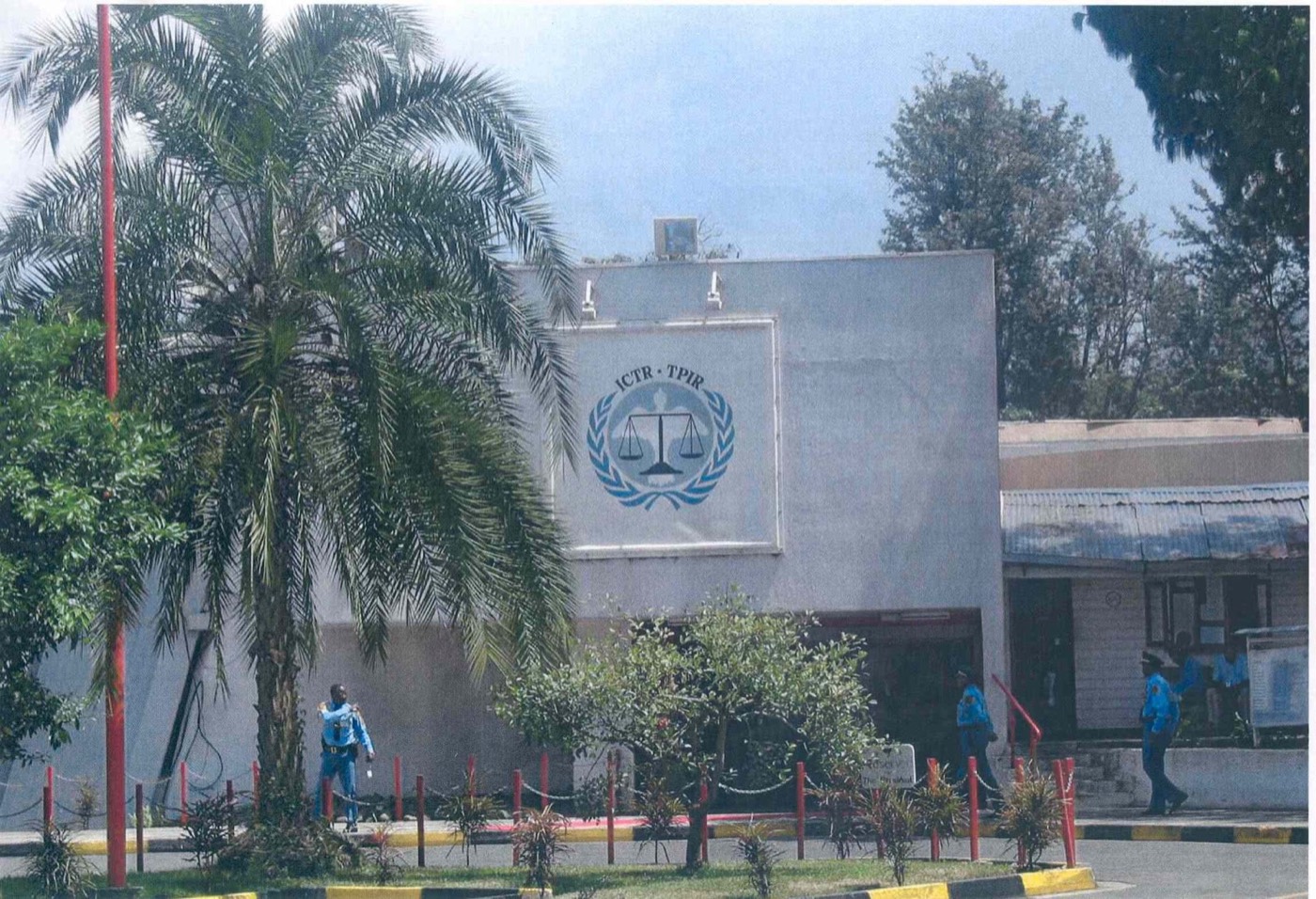
The United Nations established the International Criminal Tribunal for Rwanda, sitting in Arusha, Tanzania, which over two decades convicted many of the genocide's principal organisers. Among them were the interim prime minister Jean Kambanda — the first head of government in history to be convicted of genocide, to which he pleaded guilty — and the senior military figure Théoneste Bagosora, seen as a central planner. In a landmark 'Media Trial,' the tribunal convicted the men behind RTLM and Kangura, establishing in international law that those who use the media to incite genocide are themselves guilty of it. Within Rwanda, the ordinary courts could never have handled the hundreds of thousands of accused, and so the country revived a traditional community justice system, the gacaca courts, which between 2002 and 2012 tried close to two million cases at the village level — a process praised for clearing an impossible backlog and confronting communities with their own history, and criticised for the limits of its procedures. The financier long accused of bankrolling RTLM, Félicien Kabuga, evaded capture until 2020.
No system of justice could be adequate to a crime of this scale, and gacaca's deepest burden was not legal but human: it required survivors and perpetrators to go on living in the same villages, sometimes within sight of one another, after one had helped kill the other's family. Rwanda's path since has rested on a policy of enforced reconciliation — confession, community labour, and a mandated unity that suppresses the old labels — and it has held, in the sense that the killing has not returned. But it has asked of survivors a coexistence with the people who murdered their families that no court could ever truly resolve, and the quiet weight of that arrangement sits beneath the country's much-praised stability.
Remembering
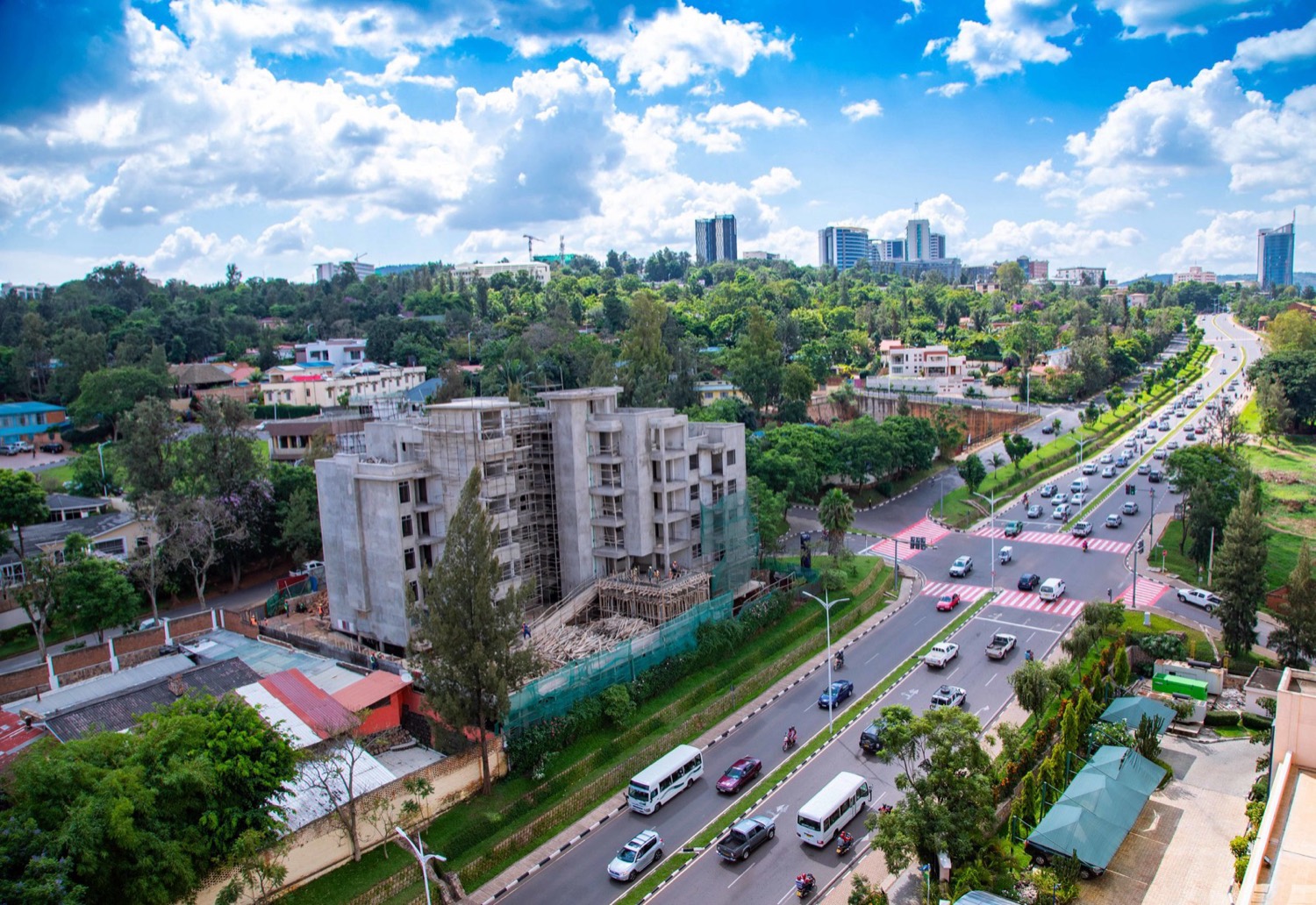
Modern Rwanda is, in part, an answer to its own catastrophe. Under the RPF and Paul Kagame — who moved from rebel commander to long-serving president — the country has rebuilt with remarkable speed and order, banning the public use of the Hutu and Tutsi labels, investing in development, and presenting itself to the world as a model of recovery. That recovery is real, and it is also tightly controlled: critics point to the suppression of dissent and the concentration of power as the shadow side of stability, and the two are not easily separated, both rooted in the determination that 1994 must never recur. Every April, the country marks Kwibuka — 'remembrance' — beginning on the anniversary of the genocide's start, and the official language, endorsed by the United Nations, is now precise: the 'genocide against the Tutsi,' a phrase chosen to name exactly who was targeted and to resist the blurring that the perpetrators always sought.
What it means
The Rwandan genocide is not a mystery in the sense that most cases on this site are. We know who organised it, how it was done, who was killed and largely by whom; the killers were named, many were tried, and the country has spent thirty years documenting the dead. There is no hidden truth waiting to be uncovered at the centre of it. What there is, instead, is a set of established facts so heavy that the mind keeps trying to make them lighter — to call the genocide 'chaos,' to file it under ancient hatreds, to treat it as a tragedy that befell Rwanda rather than a crime that people committed and others permitted.
The hardest of those facts is the one about the watchers. The killing was foreseen and reported in advance; a peacekeeping force was on the ground; the technology of the age carried the news of the massacres around the world as they happened. And the response of the powers that could have acted was to pull back, to argue over words, and to avoid the single term that would have demanded a response. 'Never again,' the promise made after the Holocaust, was tested in Rwanda in 1994 in the clearest possible terms — a documented, unfolding genocide, with the means to intervene available — and it failed. That failure is the part of the story that belongs not to Rwanda alone but to everyone, and it is the reason the genocide is studied as intently in the chancelleries and peacekeeping manuals of the world as in the memorials of Kigali. The dead of Rwanda are remembered there, on the hills where they lived. The lesson of how the world let them die is one it has told itself it has learned, and has not always, since, behaved as though it had.
Sources
Primary
- The January 1994 UNAMIR cable (the 'genocide fax') from General Roméo Dallaire to UN headquarters.
- UN Security Council resolutions on UNAMIR, including the April 21, 1994 reduction of the force.
- Judgments of the International Criminal Tribunal for Rwanda, including those of Jean Kambanda, Théoneste Bagosora, and the Media Trial defendants.
- The report of the French commission on France and Rwanda (the Duclert report, 2021).
- Roméo Dallaire, Shake Hands with the Devil: The Failure of Humanity in Rwanda (2003).
Secondary
- Philip Gourevitch, We Wish to Inform You That Tomorrow We Will Be Killed With Our Families (1998).
- Linda Melvern, A People Betrayed and Conspiracy to Murder: The Rwandan Genocide.
- Contemporaneous and retrospective reporting in the BBC, the New York Times, The Guardian, PBS Frontline ('Ghosts of Rwanda'), and Human Rights Watch (Alison Des Forges, Leave None to Tell the Story).
Academic / reference
- The report of the UN Independent Inquiry into UN actions during the 1994 genocide (the Carlsson report, 1999).
- Scholarship on the planning of the genocide, the role of the colonial construction of Hutu and Tutsi identity, and the media incitement.
- United Nations materials on the designation 'genocide against the Tutsi.'
Inspired this / based on it
Terry George
United Artists. Don Cheadle as hotel manager Paul Rusesabagina, who sheltered over a thousand people; the best-known dramatization.
Philip Gourevitch
Farrar, Straus and Giroux. The landmark literary account of the genocide and its aftermath.
Roméo Dallaire
The UN force commander's own account of the warnings, the failure, and the hundred days.
PBS Frontline
Definitive documentary on the genocide and the international failure to act, for the 10th anniversary.
Filed under
- #rwanda-1994
- #genocide
- #tutsi
- #interahamwe
- #rtlm
- #unamir
- #romeo-dallaire
- #ictr
- #rwanda
- #kigali
- #1990s
- #confirmed
Click any tag for every article carrying it.
Continue reading
Indonesia 1965
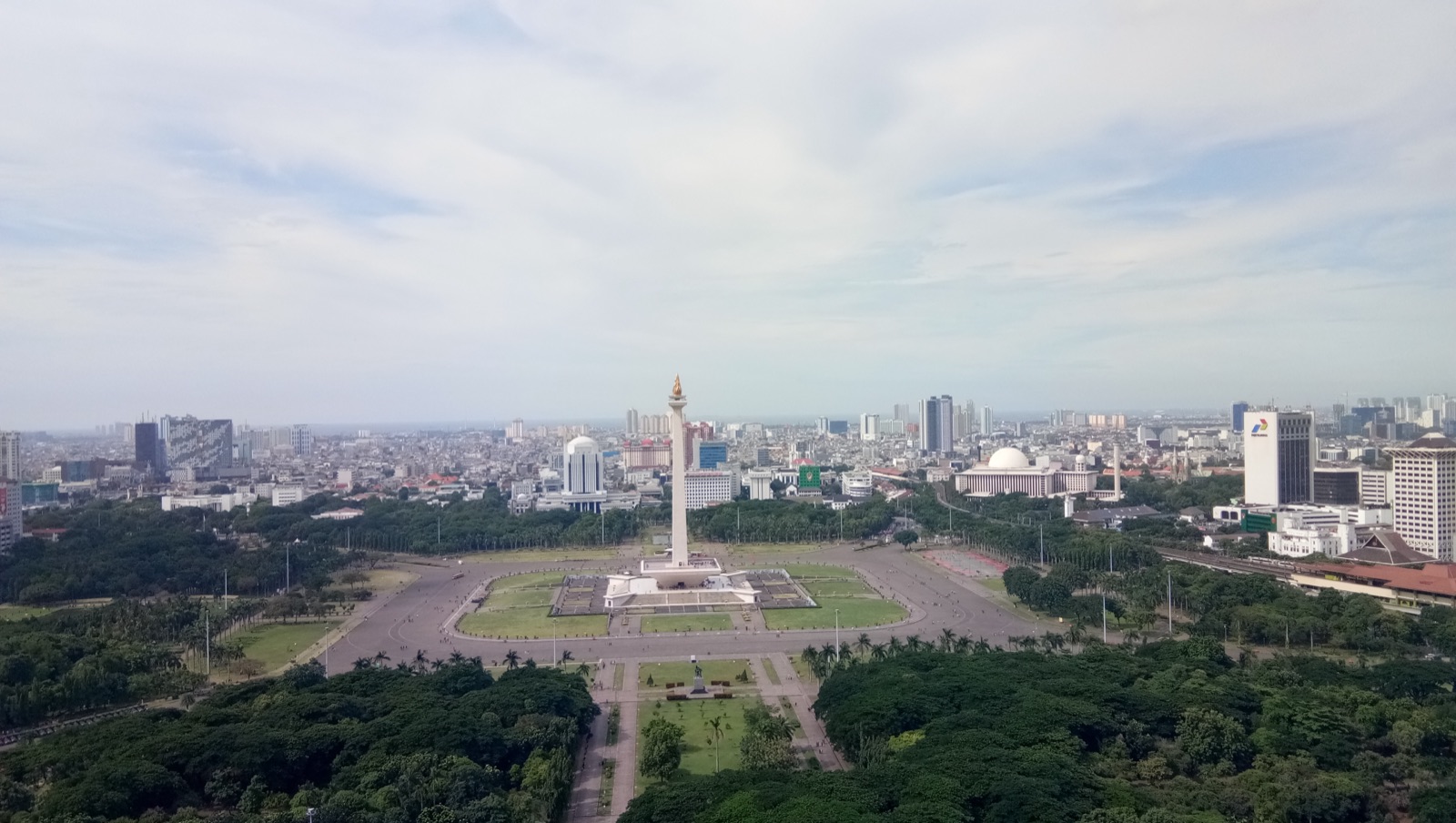
Between October 1965 and March 1966, the Indonesian Army and its civilian and religious militia allies killed between 500,000 and 1 million people. The targets were members and suspected sympathizers of the Indonesian Communist Party (PKI) — at the time, the third-largest communist party in the world after the Soviet and Chinese parties, with approximately 3 million card-carrying members. The killings began in the aftermath of a failed coup attempt on the night of September 30 to October 1, 1965, in which six senior Army generals were murdered. The Army, under General Suharto, blamed the PKI. Within ten days, anti-communist purges had begun across Java; within six months they had spread to Bali, Sumatra, and other islands. The U.S. Embassy in Jakarta — under Ambassador Marshall Green — supplied the Indonesian Army with lists of suspected PKI members. The U.S. State Department declassified approximately 30,000 pages of embassy cables and CIA briefings in October 2017, confirming the operational support pattern that historians had documented from other sources since the 1990s. President Sukarno was forced from power; Suharto formally became President in March 1968. Suharto's 'New Order' regime ruled Indonesia until 1998. The 1965-66 killings were never formally investigated by the Indonesian state. The 2012 documentary *The Act of Killing* (Joshua Oppenheimer) and its 2014 companion *The Look of Silence* brought the killings into international consciousness through interviews with the surviving perpetrators.
The Holodomor
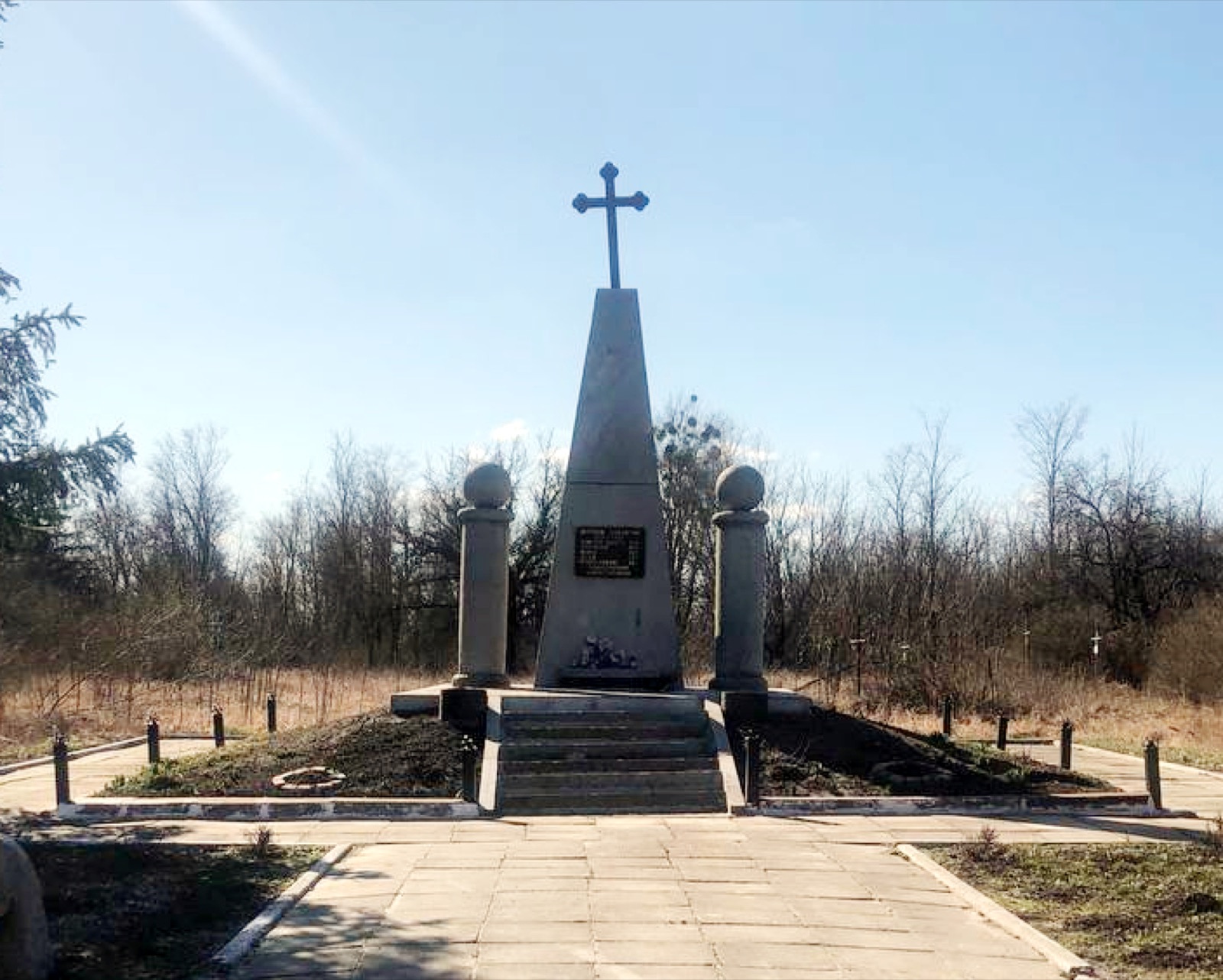
Between the winter of 1932 and the summer of 1933, between 3.5 million and 7.5 million people died of starvation and starvation-related illness in the Ukrainian Soviet Socialist Republic and the adjacent grain-producing regions of the North Caucasus and Kazakhstan. The deaths were not the result of crop failure. The 1932 Ukrainian harvest was below average but not catastrophically so; the deaths occurred because the Soviet state confiscated the harvest. Joseph Stalin's regime, working through Ukraine's Communist Party leadership under Lazar Kaganovich and Pavel Postyshev, imposed grain-procurement quotas that exceeded what the harvest could yield. When the quotas were not met, the state introduced 'blacklists' of villages — barred from receiving any goods, including food, until they delivered the quota. The state introduced an internal-passport system in late 1932 that prevented peasants from leaving their villages to find food elsewhere. Border guards turned back peasants attempting to cross into Russia or Belarus. The death toll, denied by the Soviet government for fifty-seven years, has since been documented through demographic analysis, opening of Soviet archives after 1991, and recovery of the photographic record — particularly the photographs of the Austrian engineer Alexander Wienerberger, who documented the famine in Kharkiv on a Leica camera he smuggled out of the USSR. The Ukrainian word *Holodomor* combines *holod* (hunger) and *moryty* (to kill, exterminate). The word was first used publicly by Ukrainian diaspora writers in the 1980s. The Ukrainian government formally recognized the events as genocide in 2006. As of 2024, the Holodomor has been recognized as genocide by approximately 34 countries and the European Parliament.
Unit 731
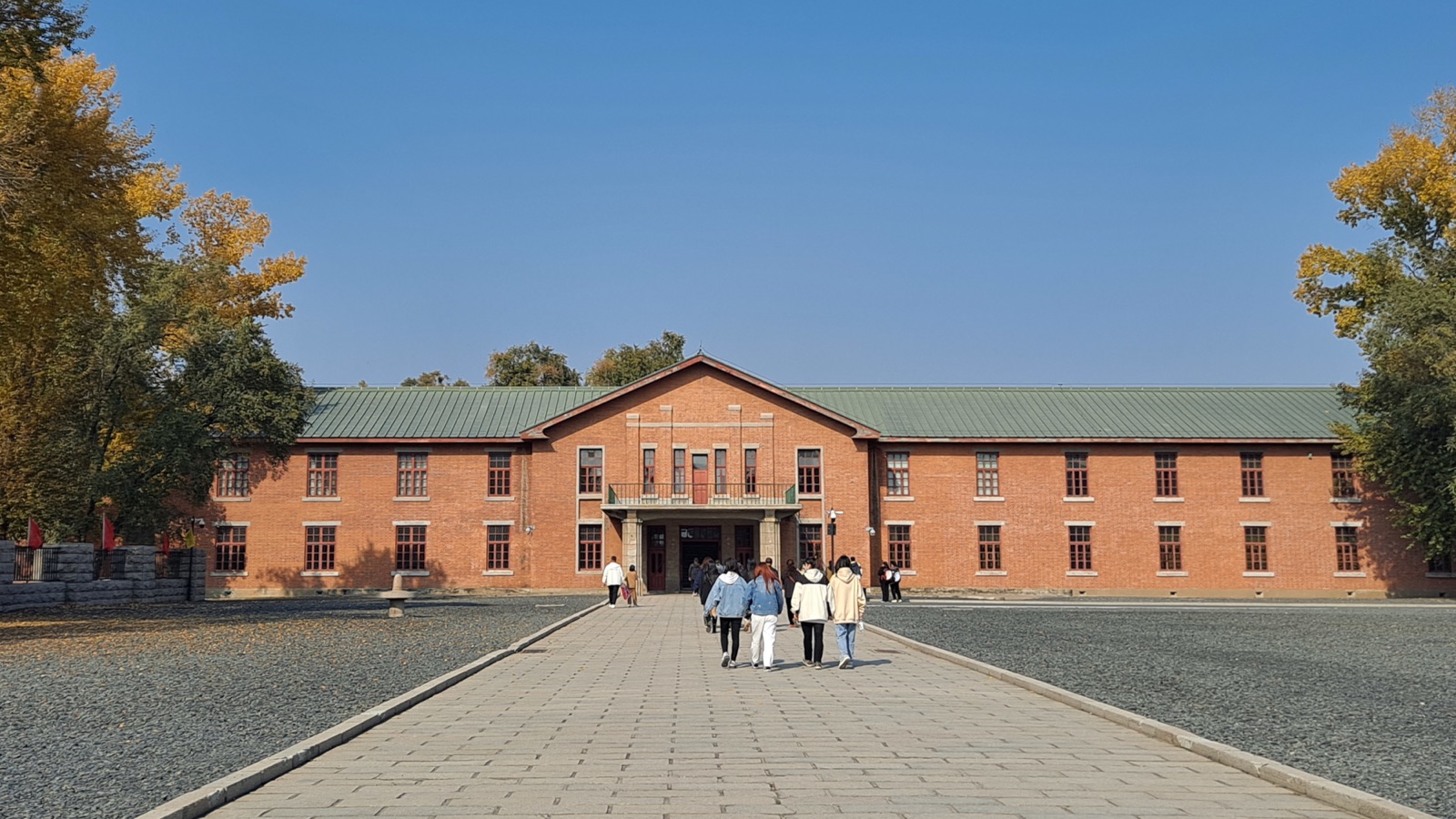
Between 1936 and 1945, the Imperial Japanese Army operated a 6-square-kilometer biological-warfare research compound at Pingfang, 24 kilometers south of the city of Harbin in Japanese-occupied Manchuria. The compound's bureaucratic designation was the *Epidemic Prevention and Water Purification Department of the Kwantung Army* — Unit 731 (七三一部隊, *Nana-san-ichi Butai*) was the unit number. Under its founding director, Surgeon General Shirō Ishii (1892-1959), Unit 731 conducted a sustained program of lethal medical experimentation on prisoners — primarily Chinese, but including Korean, Russian, and Allied POW subjects. The experiments included vivisection without anesthesia, deliberate frostbite induction and amputation, deliberate infection with plague, anthrax, cholera, typhus, and other pathogens, weapons-testing experiments using captured prisoners as targets, and field-testing of biological weapons on Chinese civilians in cities including Ningbo (1940) and Changde (1941). The total number of victims is contested; the most-cited estimates range from 3,000 to 12,000 direct experimental subjects plus a much larger number of Chinese civilians killed in field-deployment operations (estimates range from 200,000 to 580,000 across Chinese cities). When Soviet forces declared war on Japan in August 1945, Unit 731 personnel destroyed the Pingfang compound, killed the remaining ~400 prisoners, and escaped to Japan. Twelve Unit 731 staff were prosecuted at the 1949 Soviet Khabarovsk War Crime Trial; none were prosecuted at the 1946-1948 Allied International Military Tribunal for the Far East (the Tokyo Trials). General Ishii and his senior officers received explicit immunity from prosecution from U.S. occupation authorities under General Douglas MacArthur, in exchange for the surrender of Unit 731's research records and Ishii's personal cooperation. The U.S. Army declassification of approximately 100,000 pages of Unit 731-related material between 1999 and 2007 established the operational details of the immunity arrangement. The Japanese government did not formally acknowledge Unit 731 until 2002; it has not formally apologized.