Tag
#india
2 articles
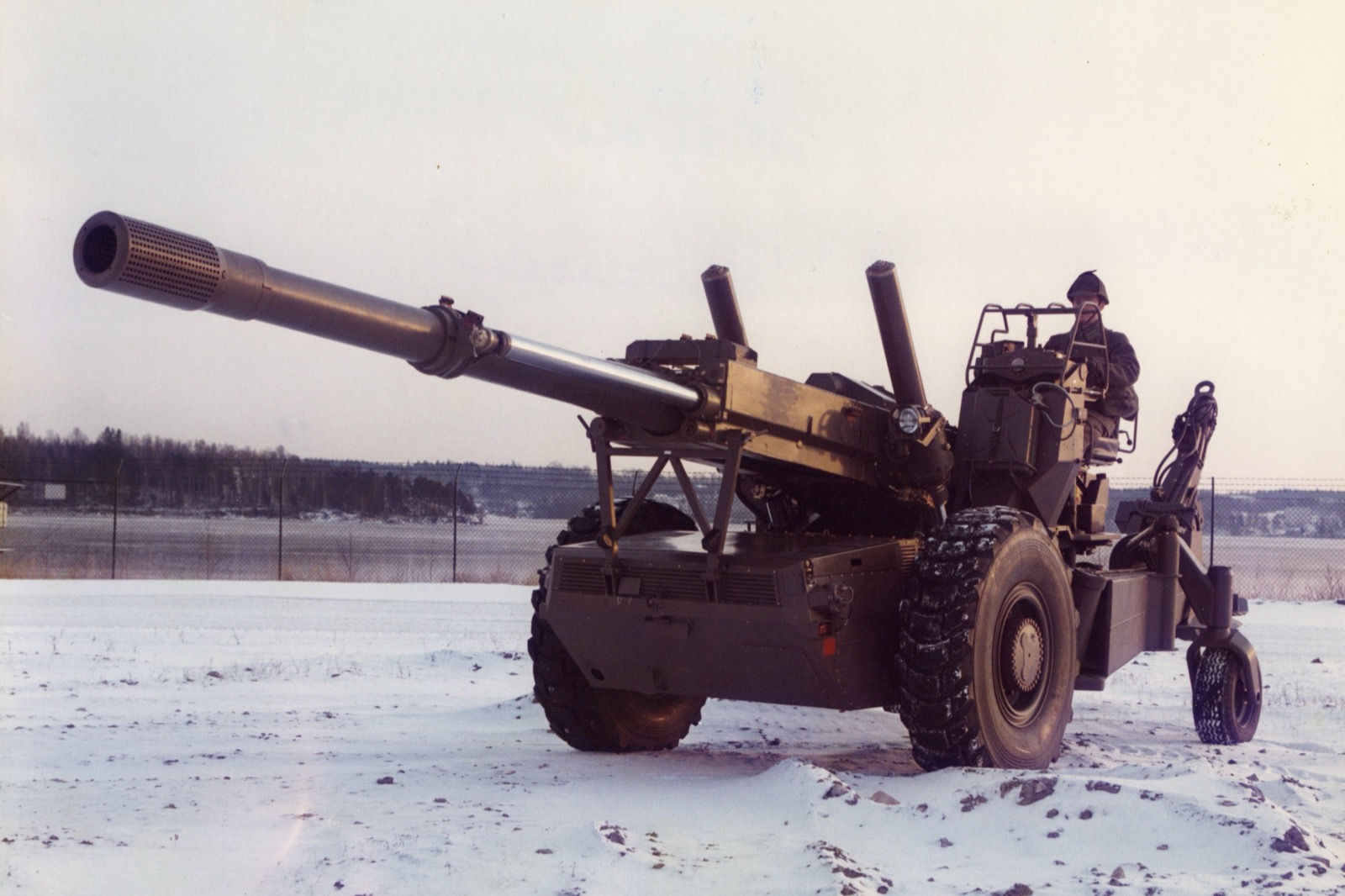
The Bofors Scandal and the Bribes That Felled a Government
In March 1986, the Swedish arms manufacturer Bofors signed the contract of its life: a deal worth around 1.3 billion US dollars to supply 410 field howitzers to the army of India, beating its rivals for one of the largest defence orders of the decade. A little over a year later, in April 1987, Swedish public radio broadcast a revelation that would turn the triumph into one of the most consequential corruption scandals in the history of either country: to win the contract, Bofors had paid roughly 64 million dollars in secret commissions — bribes, in plain terms — funnelled through a web of front companies and secret Swiss bank accounts, in direct violation of India's rules forbidding middlemen and payoffs in defence deals. The question that consumed India for the next two decades was simple and explosive: who received the money? The investigation led through coded Swiss accounts to a circle of intermediaries, and above all to an Italian businessman, Ottavio Quattrocchi, who was personally close to the family of India's prime minister, Rajiv Gandhi. The scandal became a weapon in Indian politics, a symbol of corruption at the highest level, and a central reason Gandhi's government was swept from power in the 1989 election. Yet for all the decades of investigation that followed — across India, Sweden, and Switzerland — almost no one was ever convicted, the key suspect was never extradited, and the precise truth of who pocketed the bribes was never fully established in a court of law. This article sets out what is firmly known about the Bofors affair, what remains contested, and why a Swedish weapons deal became the scandal that would not die.
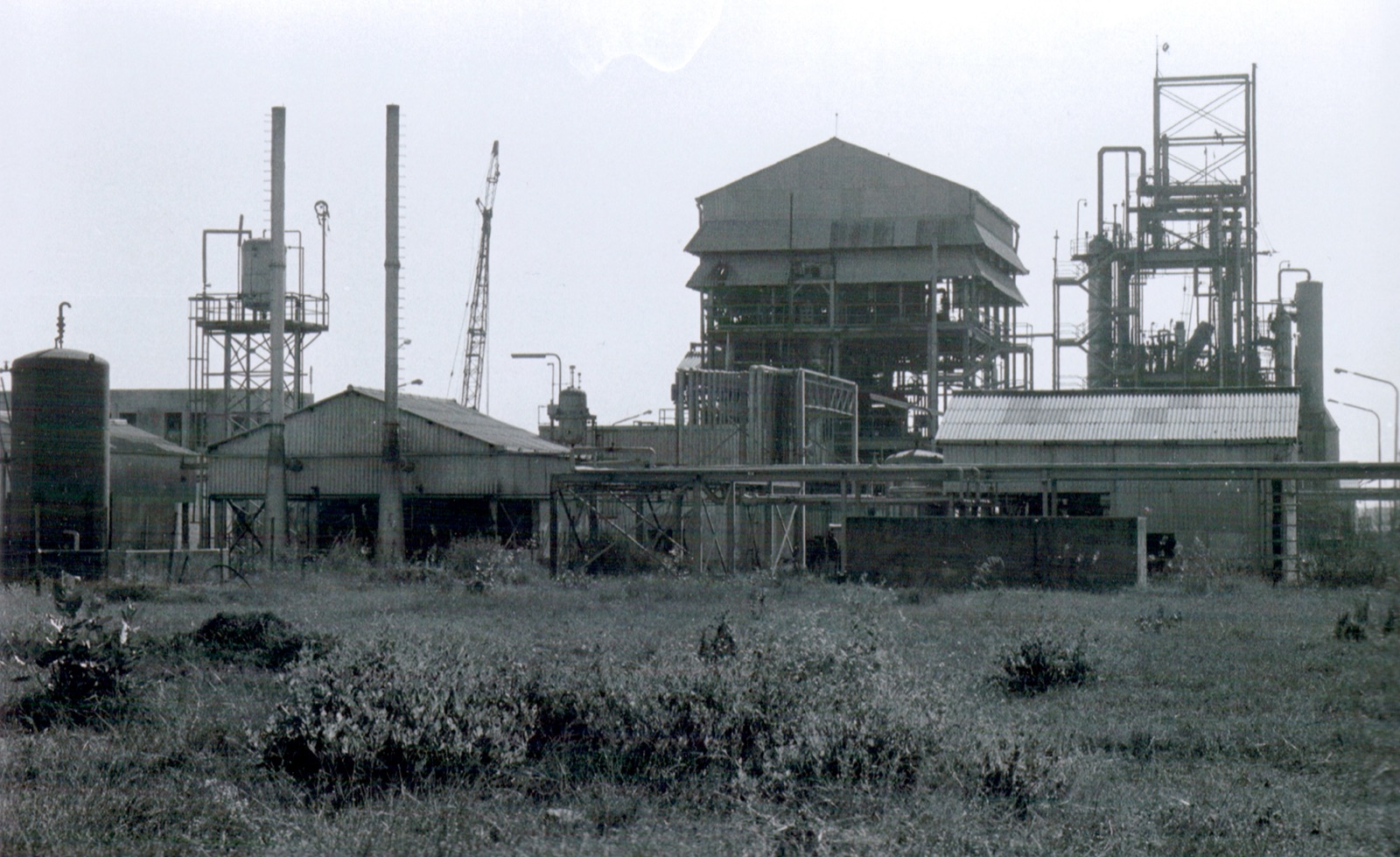
Bhopal
At approximately 11:30 p.m. on Sunday, December 2, 1984, water entered Tank 610 at the Union Carbide India Limited (UCIL) pesticide plant in Bhopal, Madhya Pradesh. The tank contained 42 tonnes of liquefied methyl isocyanate, an intermediate chemical used in the production of the pesticide Sevin. The water-MIC reaction was exothermic. The tank's pressure rose, then its temperature, then both ran away. The refrigeration system that should have kept the tank below 5°C had been disabled to save electricity. The vent gas scrubber that should have neutralized any escaping MIC was offline for maintenance. The flare tower that should have burned residual gas was disconnected. At approximately 12:30 a.m. on December 3, the tank's emergency relief valve opened and approximately 30 tonnes of methyl isocyanate vapor was released into the air above central Bhopal. The wind carried it south-east, across the slum districts of Jaiprakash Nagar, Kazi Camp, and Chola. By dawn, between 3,800 and 8,000 people were dead. The Indian government's final official count was eventually placed at 3,787 directly killed in the first 72 hours and a further ~15,000-25,000 over the following decades from exposure-attributable illness. Approximately 558,125 people received compensation as gas-exposure victims under the 1989 settlement. It remains the worst industrial disaster in history.
2 files · end of the line