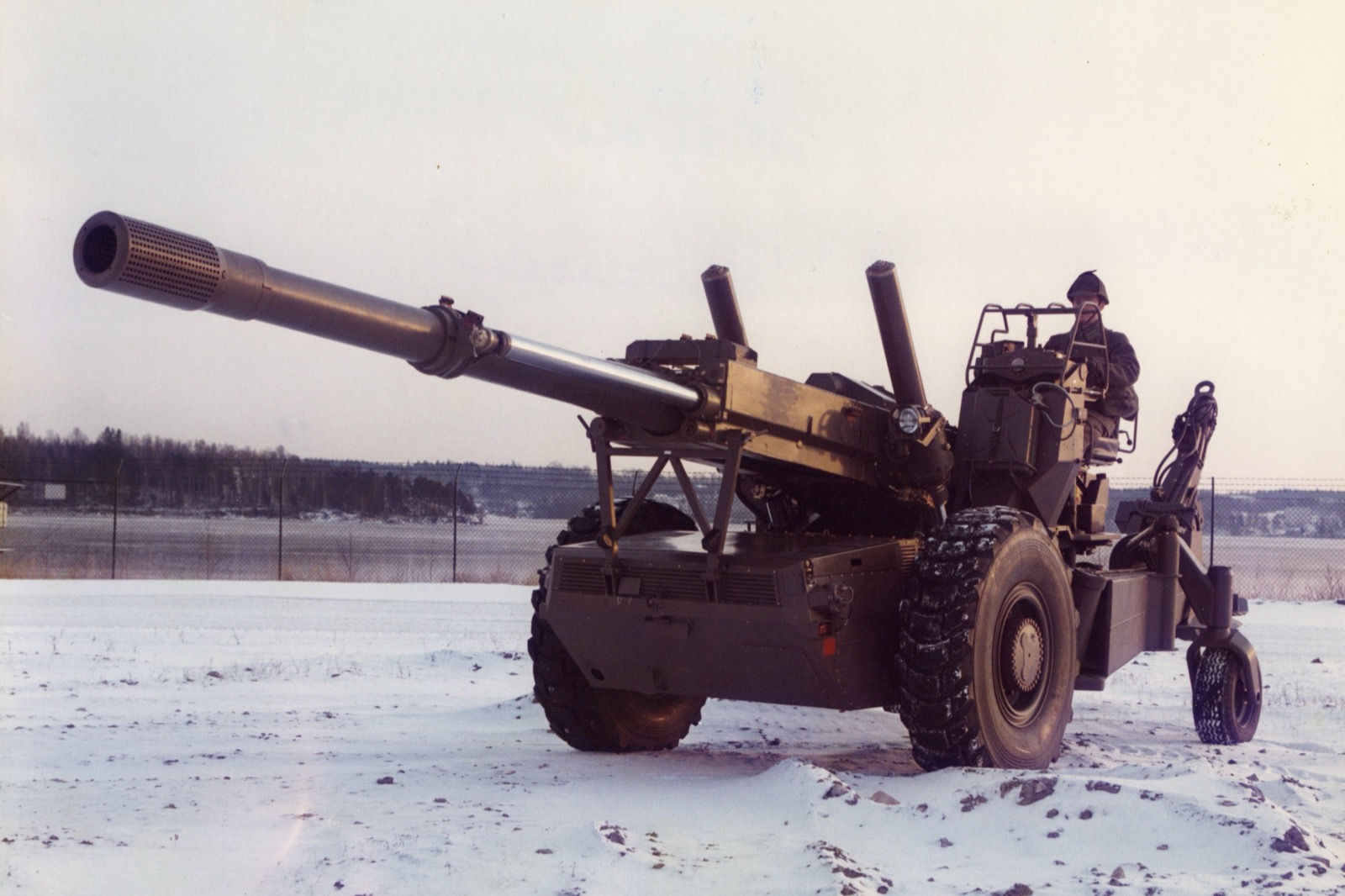
A Bofors FH-77 field howitzer, the weapon at the centre of the scandal. In 1986 Sweden's Bofors won a $1.3 billion contract to supply 410 of these guns to the Indian army — a deal revealed a year later to have been secured with some $64 million in secret commissions. Wikimedia Commons / Miliseum, CC0.
The Bofors Scandal and the Bribes That Felled a Government
Sweden and India, 1986–1989 — a Swedish arms maker won a $1.3 billion contract to sell howitzers to the Indian army, then paid some $64 million in secret commissions to win it. The trail led toward Prime Minister Rajiv Gandhi's circle, brought down his government, and haunted Indian politics for decades
- Category
- Finance & Economy
- Published
- Length
- 4,420 words · 19 min read
- Author
- The editors
The Bofors scandal is two stories bound together. One is Swedish: a question about the morality of a country that prided itself on neutrality and clean government selling weapons abroad, and about how its flagship arms firm greased a foreign deal with bribes. The other is Indian, and far larger: the affair became one of the defining political scandals of the country's history, a byword for high-level corruption that toppled a prime minister and echoed through elections for a quarter of a century. The hard core of fact — that the bribes were paid — is not in dispute. What was never resolved is the question that mattered most to India: who took the money, and did it reach the prime minister himself.
This is the story of that deal, those bribes, and the reckoning that never quite came.
The howitzer and the contract
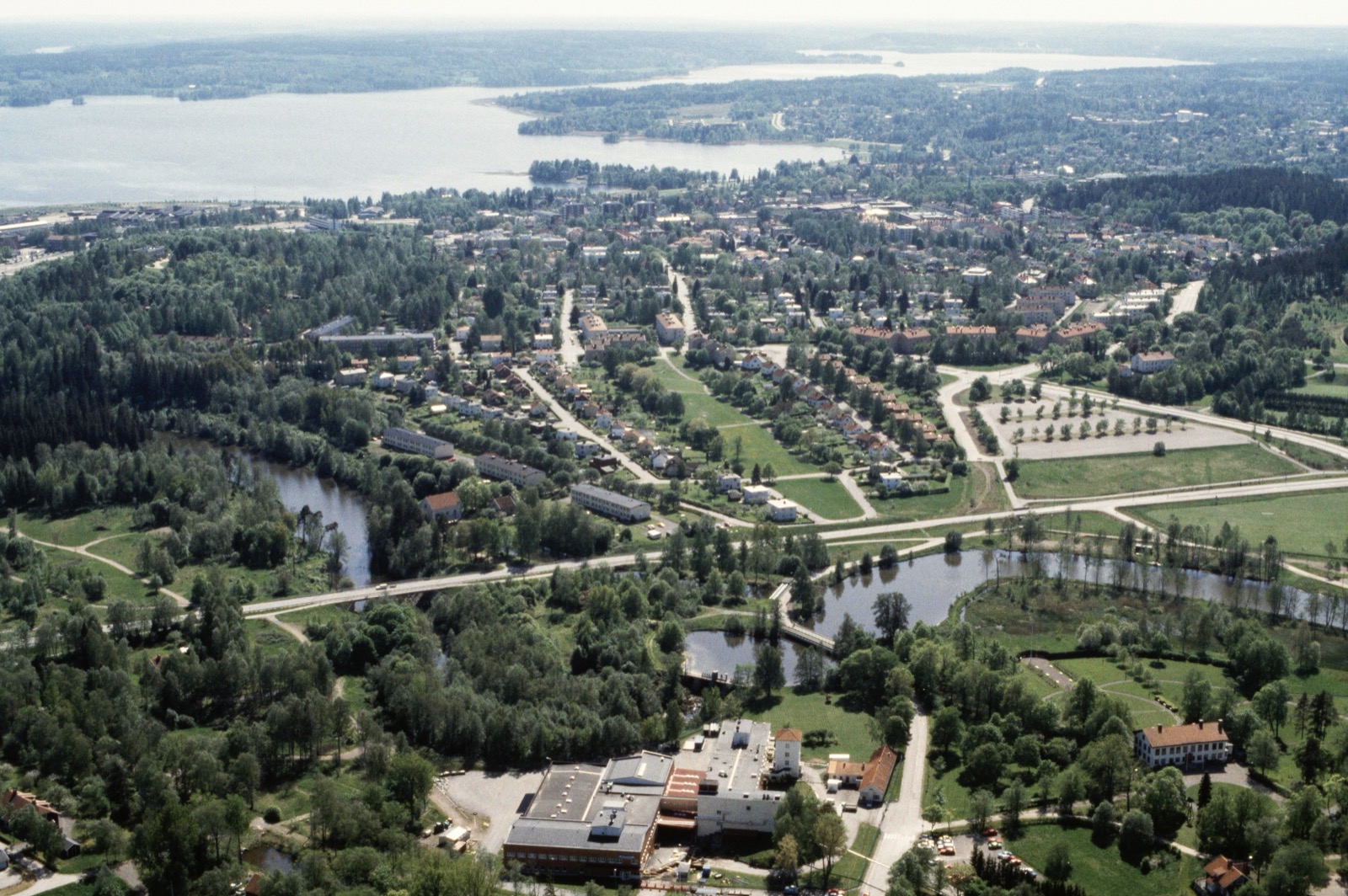
The object at the centre of it all was a gun: the FH-77, a 155mm towed field howitzer made by Bofors, the storied arms manufacturer based in Karlskoga in central Sweden. Bofors had been making weapons for over a century, and the FH-77 was a capable modern artillery piece. In the mid-1980s, the Indian army was looking to modernise its artillery, and the contract on offer — hundreds of guns, with associated equipment, ammunition, and support — was enormous, one of the biggest defence deals in the world at that moment. Several international manufacturers competed fiercely for it.
In March 1986, Bofors won. The Indian government, then led by Prime Minister Rajiv Gandhi, awarded it the contract worth roughly 1.3 billion dollars. There is a poignant Swedish footnote to the timing: the deal had been encouraged at the highest level of the Swedish government, and Prime Minister Olof Palme — who had a personal relationship with Indian leaders and saw the contract as important to Sweden — had been involved in promoting it. Palme was assassinated in Stockholm in February 1986, weeks before the contract was finalised, so he did not live to see either the deal closed or the scandal that would engulf it. The contract went ahead, and for a year it looked like a straightforward commercial triumph for Swedish industry.
For India, the purchase had its own logic and urgency. The army's artillery was ageing, much of it of older Soviet or wartime vintage, and the modern, mobile FH-77 — with its range, its rate of fire, and its ability to "shoot and scoot" before enemy guns could reply — represented a genuine leap in capability. The decision to buy was not itself controversial; India needed the guns, and the Bofors howitzer was, on the merits, among the best available. That is part of what made the later revelations so corrosive: the scandal was not that India had bought a bad weapon, but that a good and necessary purchase had been wrapped in corruption, so that a legitimate national-security decision became inseparable, in the public mind, from the bribes paid to win it. A sound deal and a dirty one were the same deal.
The bribes
That changed on 16 April 1987, when Swedish public radio, Sveriges Radio, broadcast a report alleging that Bofors had paid large secret commissions to secure the Indian contract. The allegation struck at the heart of the deal, because India had an explicit policy against the use of agents or middlemen in defence procurement and against the payment of commissions — the whole point being to keep arms deals free of exactly this kind of corruption. Bofors had, according to the reporting, paid around 64 million dollars to a network of recipients, disguised as legitimate fees, to win the order.
The revelation detonated in both countries. In Sweden, it was a scandal about the conduct of a national champion and the ethics of the arms trade; an internal Bofors investigation and Swedish official inquiries followed. But in India the stakes were political and immense. If Bofors had paid bribes to win a deal personally associated with the prime minister, the question of who had received them led inexorably toward the government itself. The Indian press and opposition seized on the story, and "Bofors" became, almost overnight, a one-word indictment of corruption at the top.
Following the money
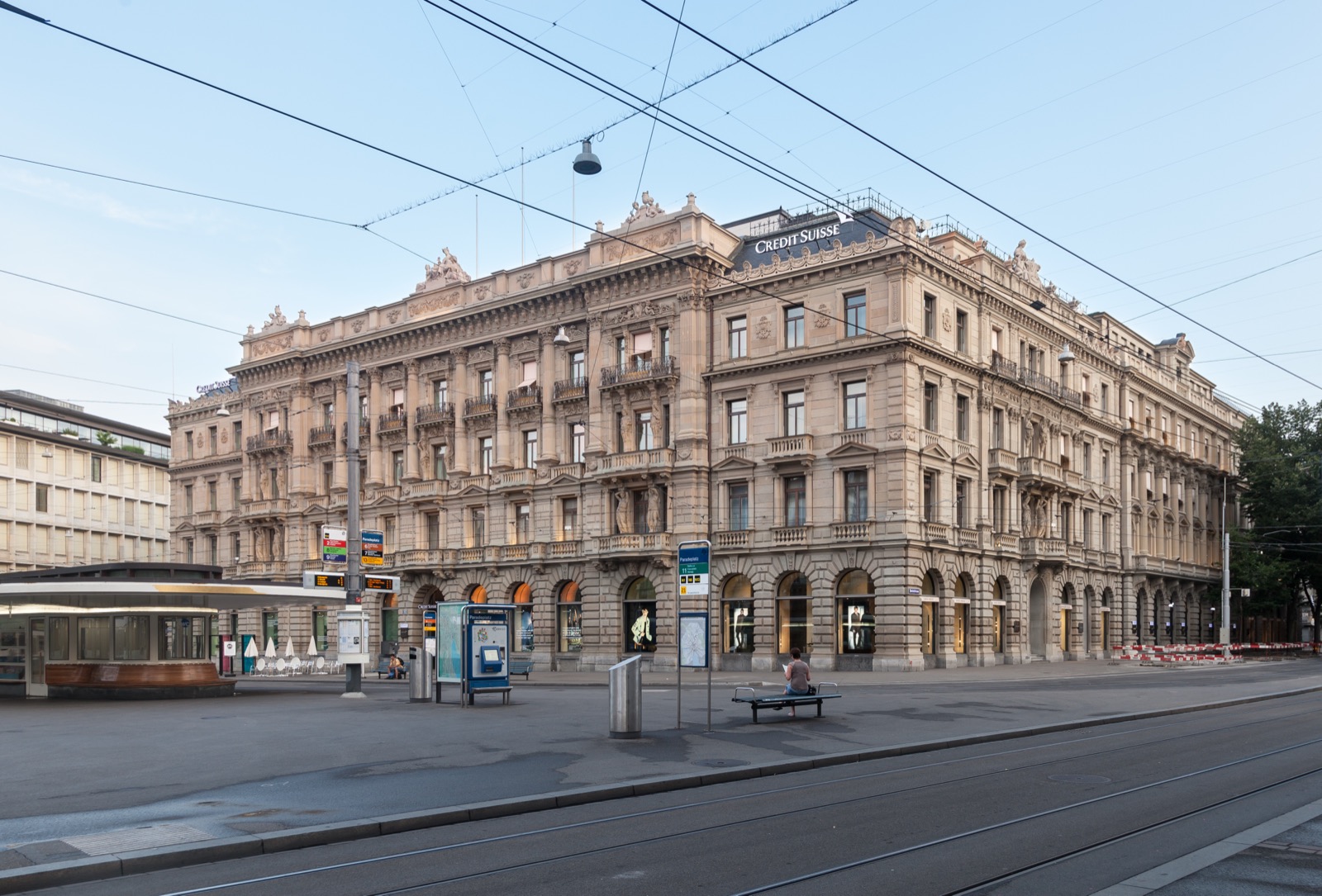
The investigation that followed was a years-long effort to trace the 64 million dollars through the deliberately opaque channels into which it had been paid. The money had gone into Swiss bank accounts held by front companies with anonymous, coded names, and unravelling who controlled them required breaking through Switzerland's famous banking secrecy — a slow process of legal requests, appeals, and partial disclosures that stretched across years and governments.
As the documents emerged, names attached themselves to the coded accounts. Several intermediaries were identified as having received payments, including figures connected to the deal as agents. But the name that came to dominate the Indian scandal was that of Ottavio Quattrocchi, an Italian businessman based in India who represented the chemical company Snamprogetti — and who was, crucially, a personal friend of the Gandhi family, socially close to Rajiv Gandhi and his Italian-born wife, Sonia. Quattrocchi had no obvious official role in an artillery contract, which made the discovery of payments linked to him deeply suspicious: why would an Italian chemicals executive receive money from a Swedish howitzer deal, unless his value lay in his closeness to power?
The Quattrocchi connection was politically radioactive precisely because of what it implied rather than what it proved. There was no public document showing money passing from Quattrocchi to the Gandhi family, and none ever emerged. But the logic of the situation was its own kind of indictment in the public mind: an Italian businessman with no role in artillery, whose chief asset was his intimate access to the prime minister's household, turning up among the recipients of a Swedish arms bribe. To Gandhi's opponents, the inference was obvious and damning — that Quattrocchi was a conduit, a trusted friend through whom the corruption could reach the family without leaving fingerprints on it. To Gandhi's defenders, this was exactly the problem: a case built on inference and proximity rather than proof, in which a man's friendships were treated as evidence of his guilt. Both readings would persist for decades, because the documents that might have settled the matter never surfaced — and the suspicion, unprovable and undisprovable, hardened into political fact.
The fall of Rajiv Gandhi
The political consequences in India were enormous. Rajiv Gandhi had come to power in 1984, after the assassination of his mother Indira Gandhi, with a huge parliamentary majority and an image as a clean, modernising, almost reluctant leader untainted by the grubbiness of politics. The Bofors scandal destroyed that image. Whether or not he had personally known of or benefited from the bribes — and that was never proven — the affair attached itself to him: it was his government's deal, his friend Quattrocchi in the frame, his administration accused of obstructing the investigation and shielding the guilty.
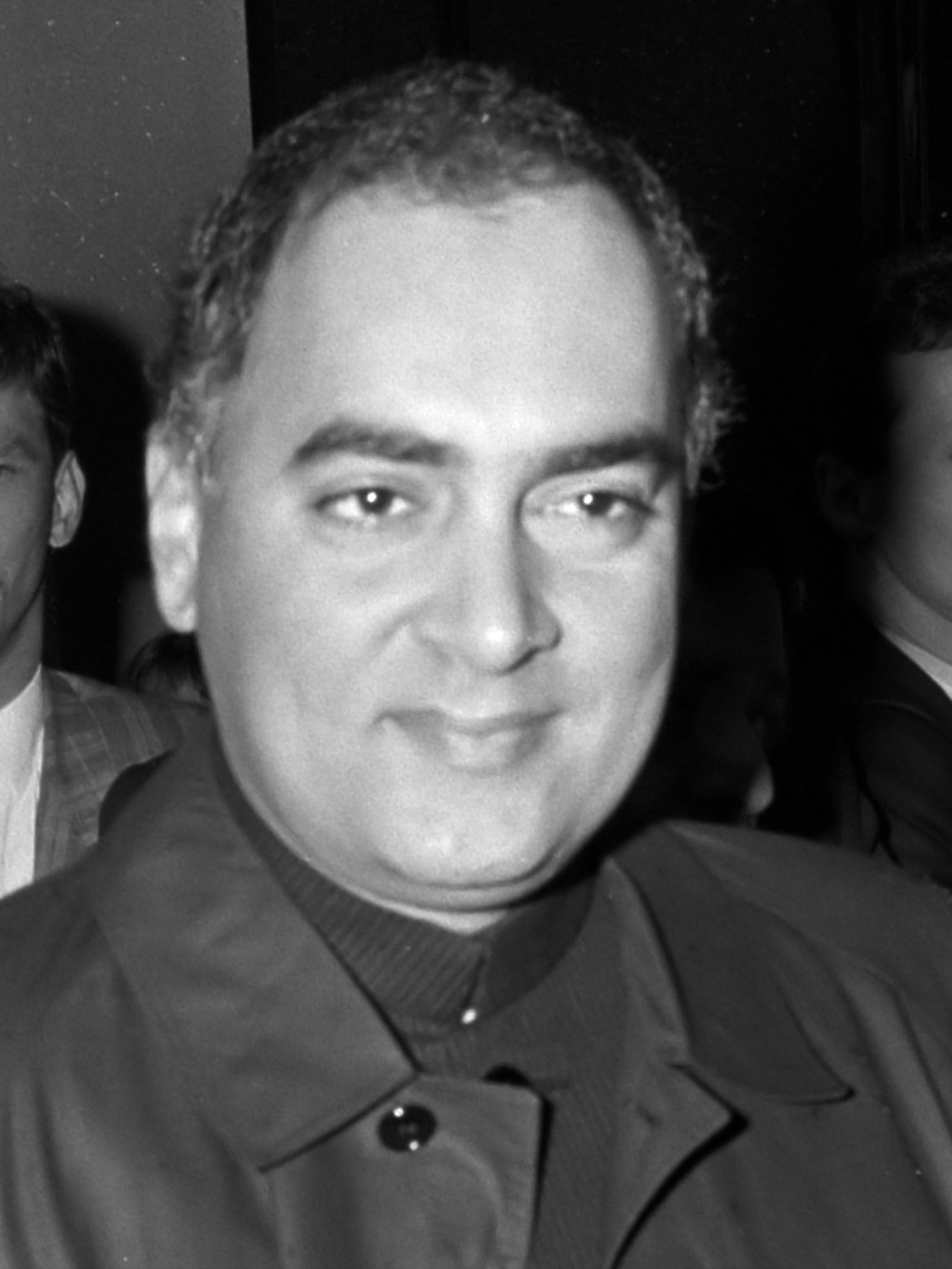
The opposition made Bofors the centrepiece of its assault on the government. V.P. Singh, a former minister in Gandhi's own cabinet who broke with him and positioned himself as a crusader against corruption, rode the issue to national prominence. In the general election of 1989, the Congress party lost its majority, and Gandhi was forced from office; V.P. Singh became prime minister at the head of a coalition partly defined by its promise to get to the bottom of the scandal. Bofors had done what scandals rarely do so cleanly: it had materially changed the outcome of a national election and brought down a powerful government. For Indian politics, it became the template of the corruption scandal as political weapon — invoked, re-investigated, and re-litigated for decades afterward.
The pattern that set in was almost ritualistic. Each time the political wind shifted, Bofors returned: an opposition would promise to reopen the case and expose the guilty; a government would be accused of burying it; new documents or claims would surface, generate headlines, and then dissolve into the familiar morass of failed extradition and inconclusive evidence. The scandal proved useful to everyone and conclusive for no one — a permanent reservoir of suspicion that any party could dip into. Successive Indian governments, of rival parties, all in their turn faced the accusation that they were protecting someone, whether the Gandhis or other beneficiaries, and none ever delivered the reckoning each had promised in opposition. That very continuity — the way Bofors outlasted government after government without resolution — became part of its meaning: evidence, to a cynical public, that the system as a whole was incapable of, or unwilling to, hold its own powerful to account.
The Swedish side
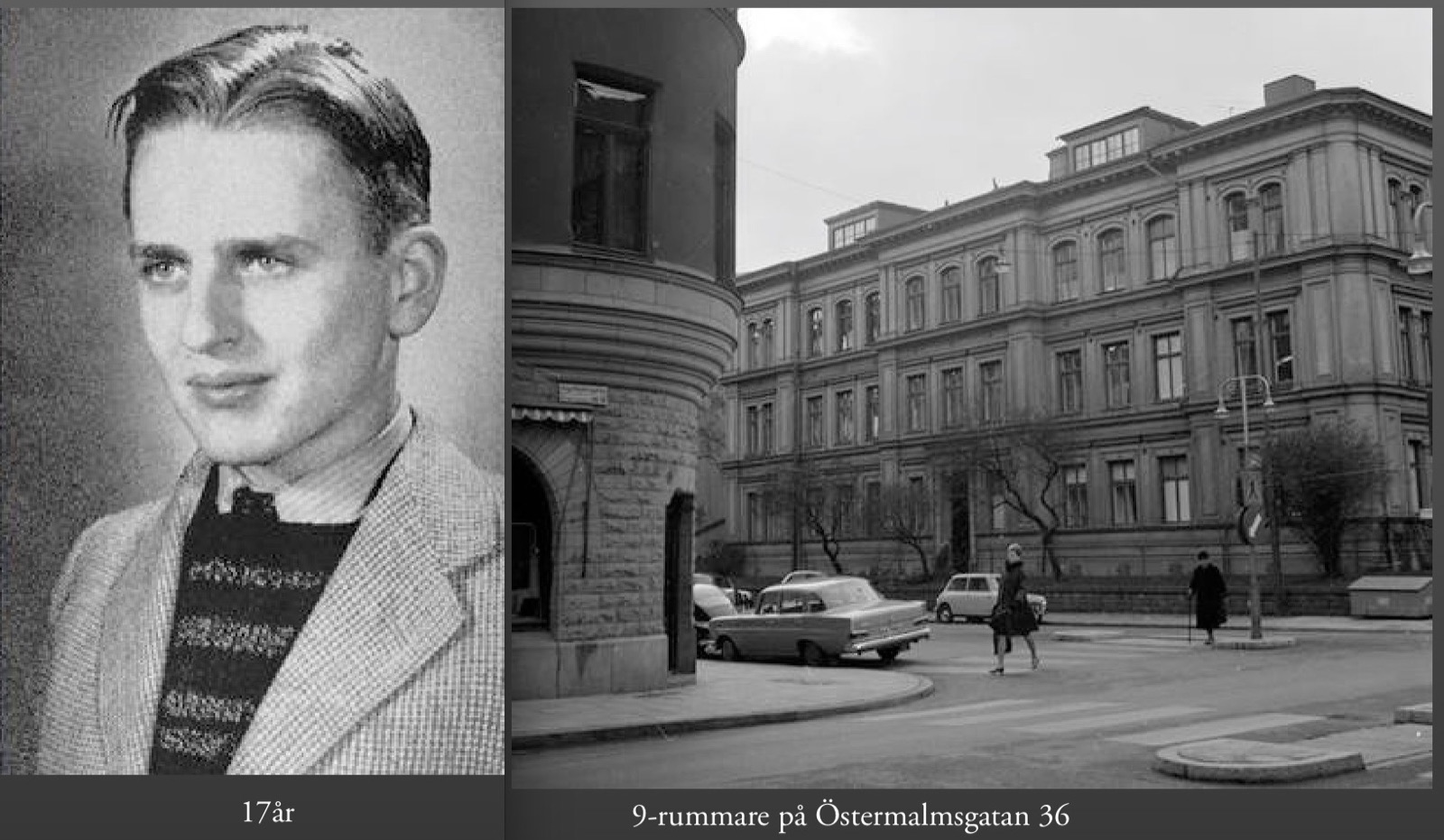
Sweden's reckoning was quieter but real. For a country that cultivated an image of moral leadership in world affairs — neutral, clean, a voice for disarmament and ethics — the spectacle of its premier arms maker bribing its way into a foreign contract was uncomfortable. Bofors's own management was implicated; the company's managing director, Martin Ardbo, was a central figure, and his notes and the internal record became evidence in the long investigation. Swedish inquiries confirmed that the commissions had been paid, even as the question of who ultimately got the money tangled with Indian politics and Swiss secrecy.
The affair forced an awkward national conversation about the arms trade itself — about how a country could sell weapons on the international market, where bribery was effectively the cost of doing business, while maintaining the ethical self-image Sweden prized. It was a contradiction the scandal laid bare and never fully resolved: the same exports that brought jobs and revenue to towns like Karlskoga also dragged Sweden into the grubby realities of the global weapons business, where deals of this size were rarely won clean.
The affair also had a journalistic dimension that deserves note, because it shaped how the truth came out. Much of the most important investigative work was done not by Swedish reporters but by an Indian journalist, Chitra Subramaniam, who pursued the Swiss documents doggedly over years, working sources in Switzerland and Sweden and publishing a stream of revelations in the Indian press that kept the case alive when official investigations stalled or were obstructed. Her work, and that of the Swedish radio reporters who broke the story, is a reminder that in a scandal protected by banking secrecy and political power, it was persistent journalism — chasing paper across borders — that did much of what prosecutors could not. The documents existed; someone had to be willing to spend years dragging them into the light.
Decades of investigation
What makes the Bofors scandal singular is how long it refused to die, and how little, in the end, it produced in the way of convictions. India's Central Bureau of Investigation (CBI) pursued the case for many years; a Joint Parliamentary Committee investigated; documents trickled out of Switzerland; suspects were named, charged, and pursued across borders. And yet the case kept slipping away.
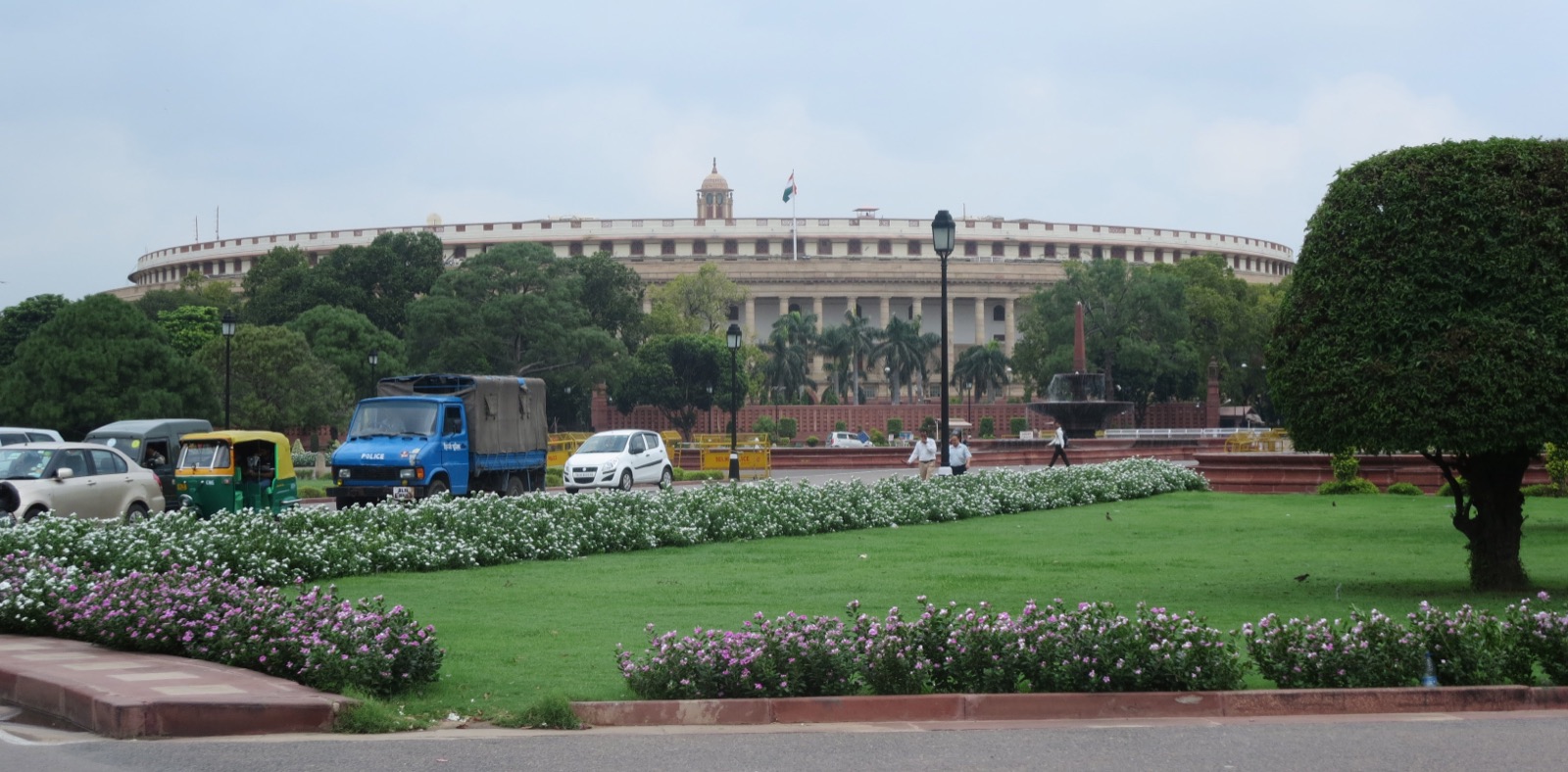
Ottavio Quattrocchi, the figure at the centre, proved impossible to bring to account. He left India in 1993, before the net closed, and despite Indian efforts to extradite him over the following years — from Malaysia and later Argentina — he was never successfully returned to face trial; the extradition attempts failed on legal grounds. His frozen accounts were, controversially, unfrozen. In 2011, India's CBI moved to drop the case against him entirely, citing the impossibility of securing a conviction after so many years — a decision critics saw as a final surrender, and others as a recognition of reality. Quattrocchi died in 2013, never having been convicted. Rajiv Gandhi, assassinated by a suicide bomber in 1991 during an election campaign, was posthumously named in some proceedings but never proven to have taken a rupee; an Indian court in 2004 effectively cleared his name of the central bribery charge. After all the years and inquiries, the legal system had established that bribes were paid but had convicted essentially no one of paying or receiving them.
The howitzer that redeemed itself
There is a final irony to the Bofors story, and it belongs to the gun. For all the corruption that surrounded its purchase, the FH-77 howitzer turned out to be an excellent weapon. In 1999, during the Kargil conflict between India and Pakistan in the high mountains of Kashmir, the Bofors guns proved decisive: their range and accuracy in the difficult terrain were widely credited with helping India prevail, and the howitzer that had been a national symbol of corruption became, improbably, a symbol of military success. Indian soldiers who had grown up hearing "Bofors" as a synonym for scandal now used the guns in battle and praised them.
It is a strange coda. The weapon was good; the deal was dirty; both things were true. The scandal had never been about whether India needed the howitzers or whether they worked — it was about the bribes paid to sell them and the corruption that reached toward the summit of power. That the guns went on to serve India well did not cleanse the deal that bought them, any more than the dirtiness of the deal made the guns less effective. The two facts simply coexisted, as they often do in the messy reality of the arms trade.
What is established, and what is not
As with the other contested cases in this archive, it is worth drawing the line precisely. What is established beyond serious dispute: that Bofors paid roughly 64 million dollars in secret commissions to win the Indian howitzer contract; that this violated India's rules against middlemen and kickbacks; that the money flowed through front companies and Swiss accounts; that payments were linked to several intermediaries including Ottavio Quattrocchi, a friend of the Gandhi family; and that the scandal helped bring down Rajiv Gandhi's government in 1989. These are facts, supported by the Swedish reporting and inquiries, the Swiss documents, and the long Indian investigation.
What remains unresolved or contested: above all, the ultimate destination of the money and the question of whether anyone in the political leadership, including Rajiv Gandhi personally, knew of or benefited from the bribes. Despite decades of effort, this was never proven in court; Gandhi was effectively cleared by an Indian court, Quattrocchi was never convicted and the case against him was dropped, and the precise recipients of much of the money remain, legally speaking, unestablished. The honest conclusion is the uncomfortable one: the bribery is a documented fact, and the identity of the people who pocketed the bribes is, after everything, still a matter of suspicion rather than proof.
In the end, the Bofors scandal is a study in the limits of accountability. A great Swedish company bribed its way to a billion- dollar contract; the bribes were real and the records exist; a government fell and a nation's politics were reshaped around the suspicion of corruption at the top. And yet, after twenty-five years of investigation across three countries, no one of consequence was convicted, the money's path was never fully lit, and the question that obsessed India — did it reach the prime minister? — was answered, in the only place that could answer it definitively, with a no that satisfied almost no one. The howitzers fired true in the mountains of Kargil. The truth about how they were sold never quite came into range.
Sources
- Sveriges Radio's April 1987 broadcast revealing the Bofors commissions — primary.
- India's Joint Parliamentary Committee report on the Bofors contract — primary.
- India's Central Bureau of Investigation (CBI) case files and the 2011 decision to drop the case against Quattrocchi — primary.
- Swiss judicial documents and banking disclosures relating to the Bofors accounts — primary.
- The internal Bofors record, including the notes of managing director Martin Ardbo — primary.
- Chitra Subramaniam, Bofors: The Story Behind the News (and her investigative reporting for The Hindu and Indian Express) — secondary.
- Reporting by The Hindu, The Indian Express, and Swedish media on the scandal and its decades-long aftermath (1987–2013) — secondary.
- Indian court judgments relating to the Bofors case, including those concerning Rajiv Gandhi's name (2004) — primary.
- Scholarship on the arms trade, defence-procurement corruption, and the politics of the Bofors affair — academic.
Inspired this / based on it
Chitra Subramaniam
By the journalist who pursued the Swiss documents and broke much of the story in the Indian press.
Filed under
Click any tag for every article carrying it.
Continue reading
The Panama Papers
At approximately 6:00 p.m. Central European Time on Sunday, April 3, 2016, news organizations on six continents simultaneously published the first results of an 18-month coordinated investigation into 11.5 million leaked documents from a single Panama-based law firm. The firm was Mossack Fonseca. The documents — totaling 2.6 terabytes, the largest single data leak in journalism history at that time — exposed the operations of 214,488 offshore corporations and the identities of their ultimate owners. The owners included 12 sitting heads of state, 128 senior politicians and government officials, members of the inner circles of Vladimir Putin and the Saudi Royal Family, the families of Xi Jinping and David Cameron, the President of Iceland (who resigned within 48 hours), Lionel Messi, Pedro Almodóvar, and dozens of others. The leaking source — known only as 'John Doe' and never identified — had delivered the documents over a period of approximately 12 months to two reporters at the Munich newspaper *Süddeutsche Zeitung*. The investigation was coordinated by the International Consortium of Investigative Journalists (ICIJ), based in Washington, D.C. 376 reporters at more than 100 news organizations in 76 countries worked on the documents in shared secure infrastructure for the entire 18 months without any pre-publication leak. The story won the 2017 Pulitzer Prize for Explanatory Reporting and triggered approximately $1.36 billion in unpaid-tax recoveries by governments worldwide between 2016 and 2024.
Iran-Contra
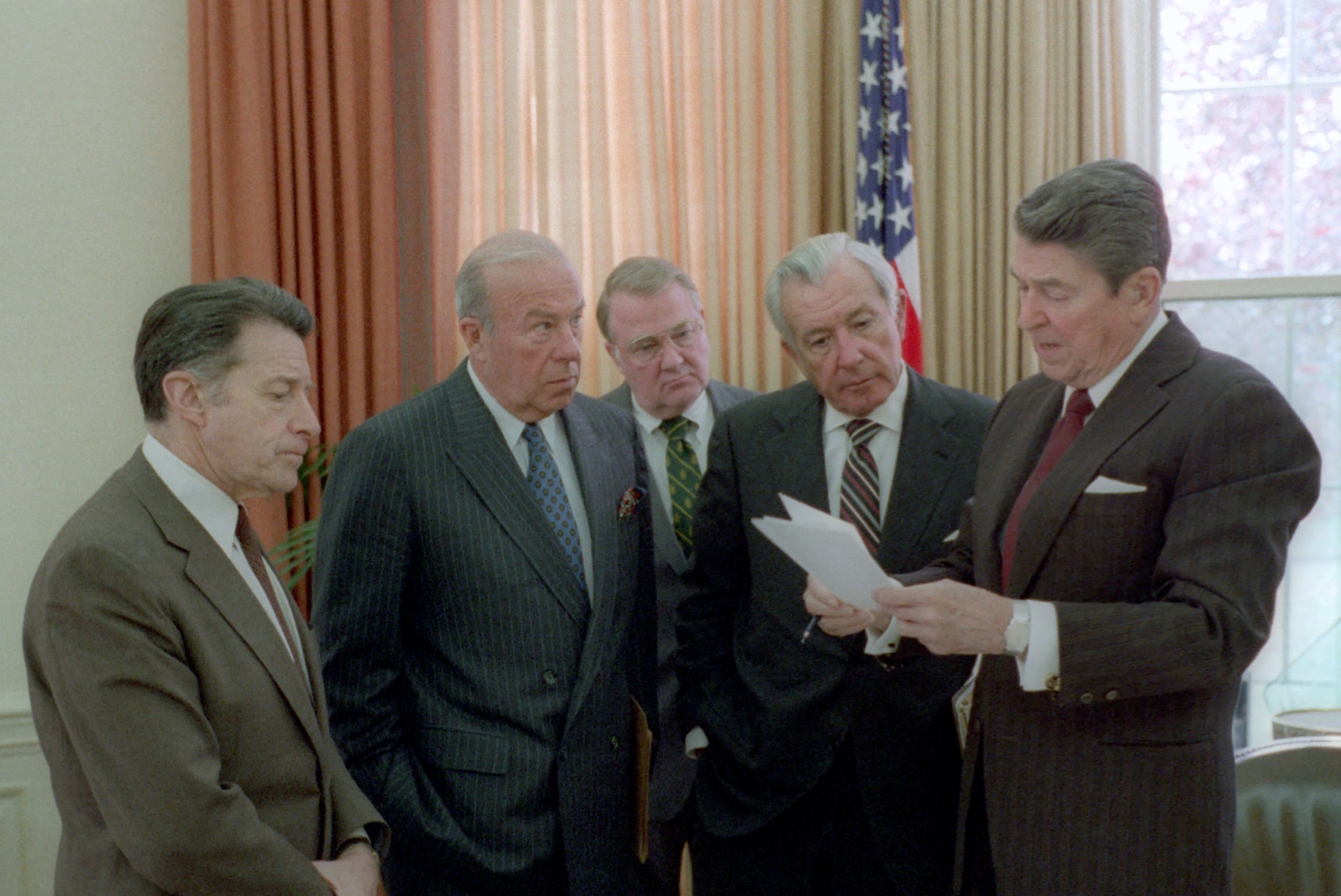
Between August 1985 and October 1986, the Reagan administration secretly sold anti-tank and anti-aircraft missiles to the Islamic Republic of Iran — an officially designated state sponsor of terrorism, in the middle of a war with Iraq. The cash went into Swiss bank accounts. From there a portion was diverted, in defiance of two congressional bans, to the Contra rebels fighting the Sandinista government in Nicaragua. The scheme was exposed by a Lebanese magazine, dismantled by a special commission, and partly prosecuted before President George H. W. Bush issued the pardons that ended the cases.

The Olof Palme Assassination
At 11:21 p.m. on Friday, February 28, 1986, the Prime Minister of Sweden, Olof Palme, was shot in the back at point-blank range on Sveavägen, Stockholm, while walking home from a cinema with his wife Lisbet. Lisbet Palme was grazed by a second shot. Olof Palme was 59 years old. He had been the Prime Minister of Sweden from 1969 to 1976 and again from 1982. He had no bodyguards that night. The killer ran east up Tunnelgatan and disappeared. He has never been positively identified. Sweden's Palme Commission and its successor police investigation ran for 34 years. On June 10, 2020, Chief Prosecutor Krister Petersson publicly named the most likely perpetrator — a Swedish graphic designer named Stig Engström, the so-called "Skandiamannen" — and simultaneously closed the case because Engström had died in 2000 and could not be tried. The 40-year-old investigation produced 22 binders of investigative material, dozens of failed theories, one wrongful conviction, and no court ruling. It is the largest unsolved political assassination in modern European history.