Tag
#indonesia
2 articles
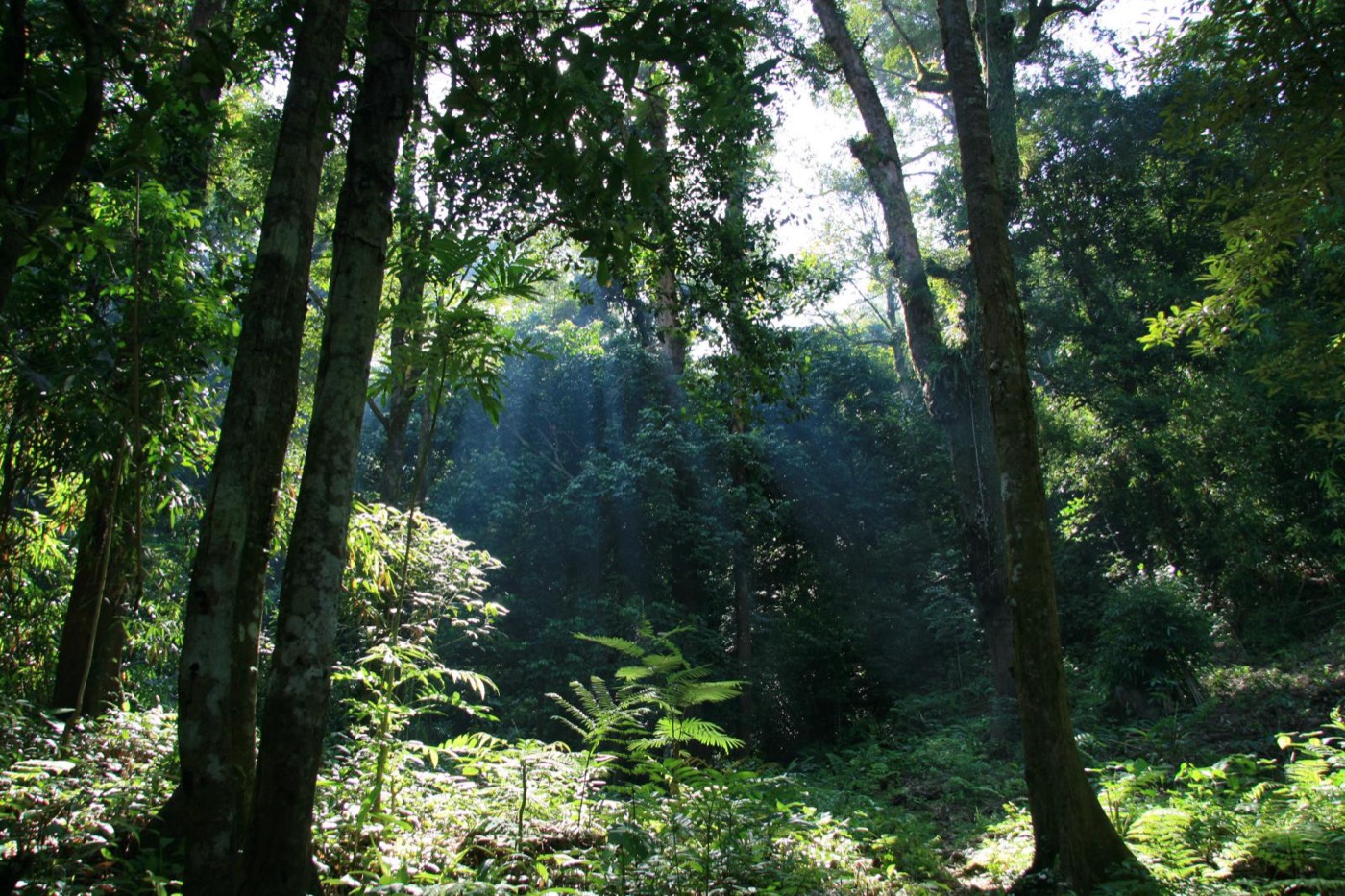
Bre-X and the Biggest Gold Discovery That Never Existed
In the mid-1990s, a small, obscure Canadian exploration company called Bre-X Minerals announced that it had found something extraordinary in the jungles of Borneo: a gold deposit at a site called Busang, in the Indonesian province of East Kalimantan, that appeared to be one of the largest in the history of the world. As the company drilled and reported ever more spectacular results — tens of millions of ounces of gold, then more, then more still, eventually an estimated 70 million ounces or beyond — a frenzy took hold. Bre-X's stock, which had once traded for pennies, rocketed upward, at its peak valuing the company at around six billion Canadian dollars. Ordinary investors, pension funds, and mining giants alike scrambled to get a piece of the find of the century; the government of Indonesia and powerful interests jockeyed for control of the riches. There was only one problem, and it was as complete as a fraud can be: there was essentially no gold. The astonishing drilling results had been faked, the rock samples salted by hand with gold dust — much of it, it was later determined, panned from rivers or bought, sprinkled into the crushed core samples to simulate a deposit that did not exist. When a rival company's careful testing finally exposed the truth in 1997, Bre-X collapsed to nothing, vaporising billions of dollars. And at the centre of the unravelling, the company's chief geologist, Michael de Guzman, fell to his death from a helicopter over the Borneo jungle — a death officially ruled suicide but shrouded, like the whole affair, in lasting mystery. This article tells the story of the largest mining fraud in history: the gold that was never there, the salting that created it, and the fortune that vanished into the rainforest.
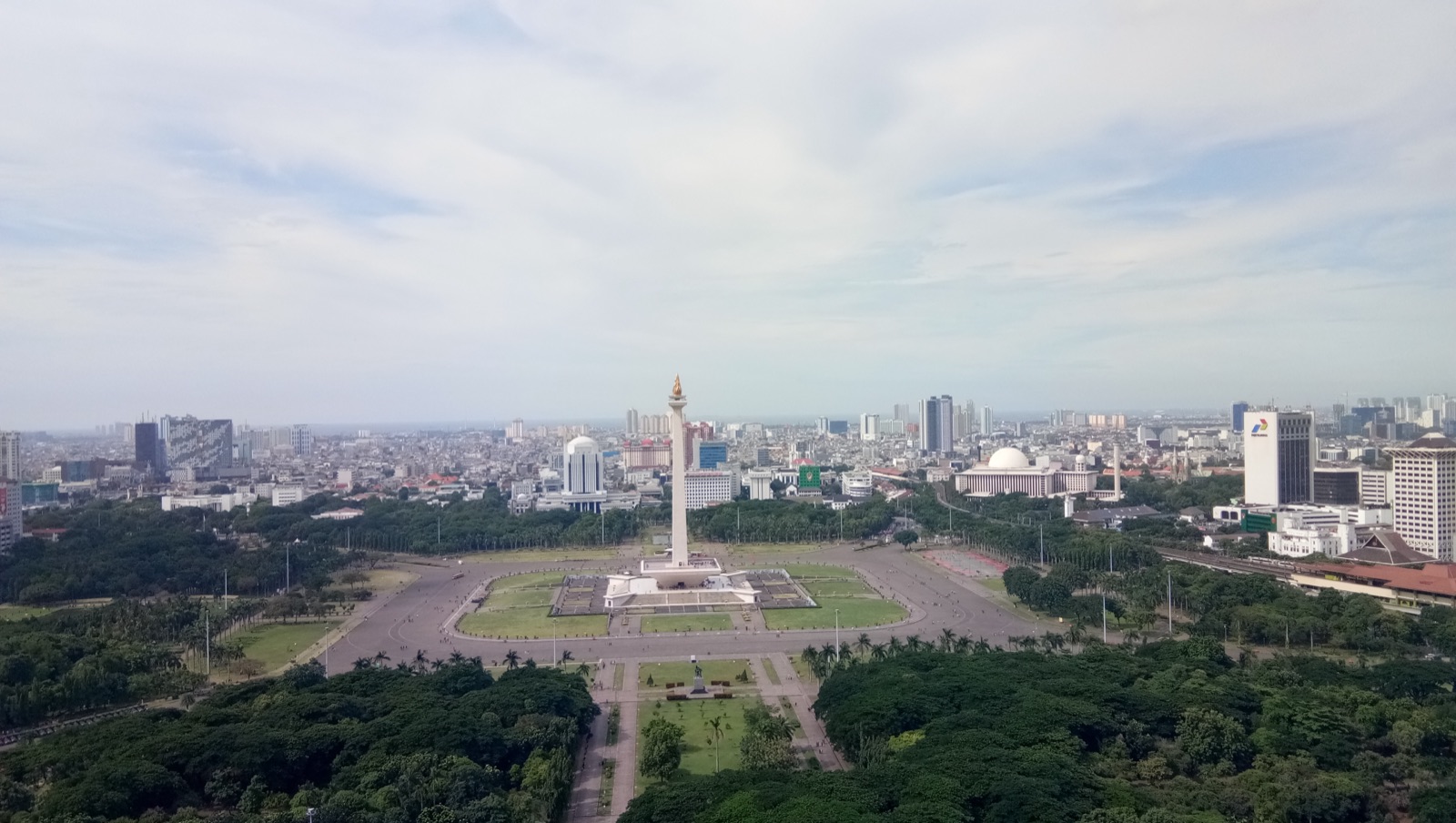
Indonesia 1965
Between October 1965 and March 1966, the Indonesian Army and its civilian and religious militia allies killed between 500,000 and 1 million people. The targets were members and suspected sympathizers of the Indonesian Communist Party (PKI) — at the time, the third-largest communist party in the world after the Soviet and Chinese parties, with approximately 3 million card-carrying members. The killings began in the aftermath of a failed coup attempt on the night of September 30 to October 1, 1965, in which six senior Army generals were murdered. The Army, under General Suharto, blamed the PKI. Within ten days, anti-communist purges had begun across Java; within six months they had spread to Bali, Sumatra, and other islands. The U.S. Embassy in Jakarta — under Ambassador Marshall Green — supplied the Indonesian Army with lists of suspected PKI members. The U.S. State Department declassified approximately 30,000 pages of embassy cables and CIA briefings in October 2017, confirming the operational support pattern that historians had documented from other sources since the 1990s. President Sukarno was forced from power; Suharto formally became President in March 1968. Suharto's 'New Order' regime ruled Indonesia until 1998. The 1965-66 killings were never formally investigated by the Indonesian state. The 2012 documentary *The Act of Killing* (Joshua Oppenheimer) and its 2014 companion *The Look of Silence* brought the killings into international consciousness through interviews with the surviving perpetrators.
2 files · end of the line