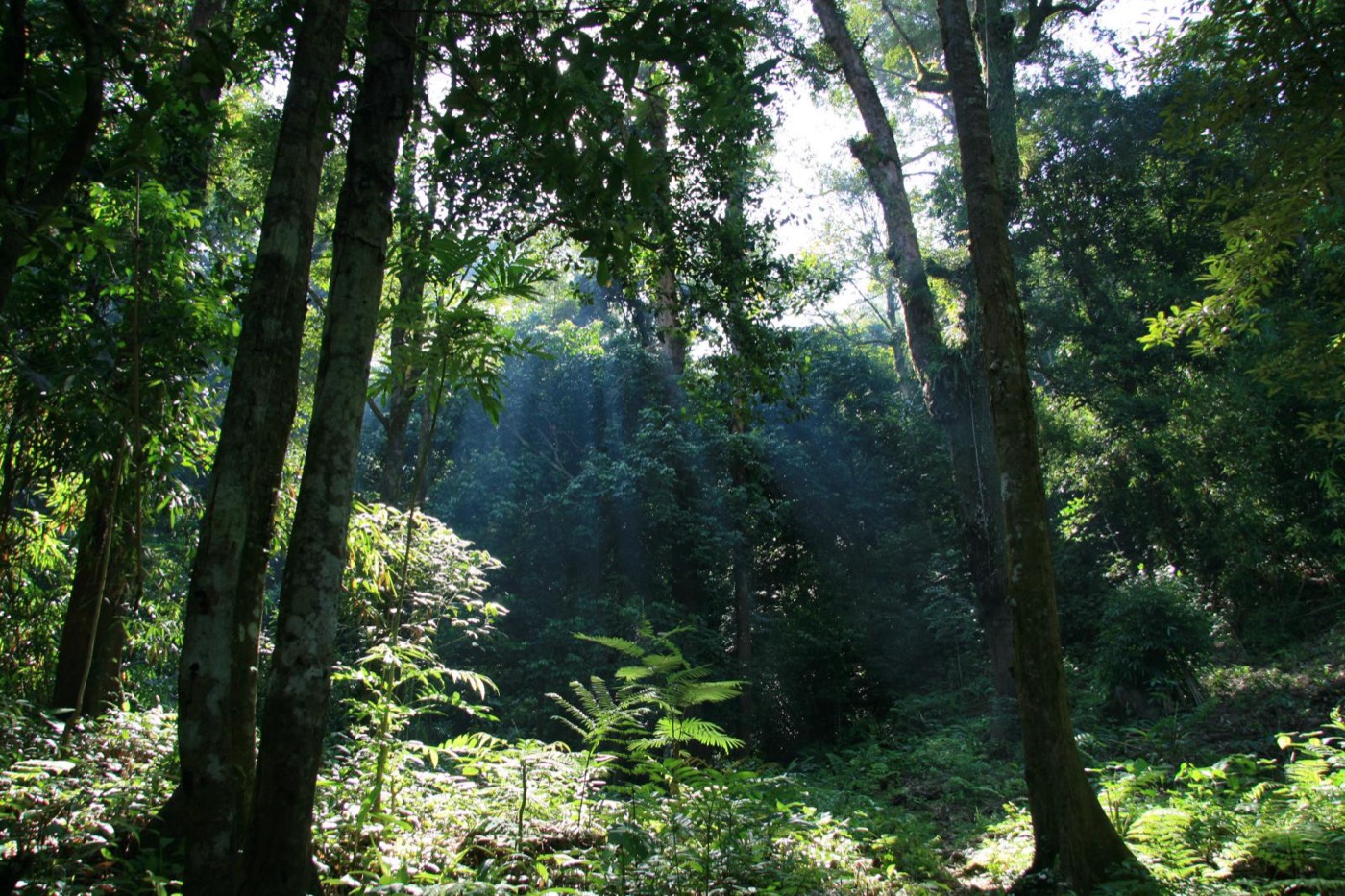
The rainforest of Borneo. Deep in the jungle of East Kalimantan, Indonesia, the Canadian company Bre-X claimed to have found the largest gold deposit in history at a site called Busang. The remoteness of the jungle was part of what allowed the fraud — and what concealed, for a time, the fact that there was no gold at all. Wikimedia Commons / Tom from the Netherlands, CC BY-SA 2.0.
Bre-X and the Biggest Gold Discovery That Never Existed
Canada and Indonesia, 1993–1997 — a tiny Canadian mining company claimed to have found the largest gold deposit in history deep in the Borneo jungle. Its stock soared to billions. The gold was a fraud — the samples salted by hand — and the geologist at the centre fell from a helicopter into the rainforest
- Category
- Finance & Economy
- Published
- Length
- 4,180 words · 18 min read
- Author
- The editors
The Bre-X scandal is the great mining fraud of the modern era, and it has a quality that sets it apart from the accounting frauds and Ponzi schemes elsewhere in this archive: its central deception was physical, almost artisanal. Where Enron manipulated numbers and Madoff fabricated statements, Bre-X's fraud was committed with a pan, a vial of gold dust, and a pair of hands, sprinkling real gold into fake samples to conjure a mountain of riches that did not exist. And it is wrapped in a genuine unsolved mystery — the death of the geologist at its heart — that has kept it haunting and unresolved for decades.
This is the story of the biggest gold discovery that never was.
The find of the century
Bre-X began as a tiny, almost worthless Canadian company run by a promoter named David Walsh, the kind of penny-stock mining-exploration outfit that hunts for a big strike and usually finds nothing. Its fortunes transformed when it acquired an interest in the Busang property in the remote jungle of East Kalimantan and began, in the early 1990s, to report drilling results suggesting gold. The man overseeing the geology was Michael de Guzman, a Filipino geologist, supported by a team on the ground in Borneo. As the drilling continued, the reported gold content of the samples grew, and then grew again, and the estimates of the deposit's size swelled from impressive to staggering to almost unbelievable.
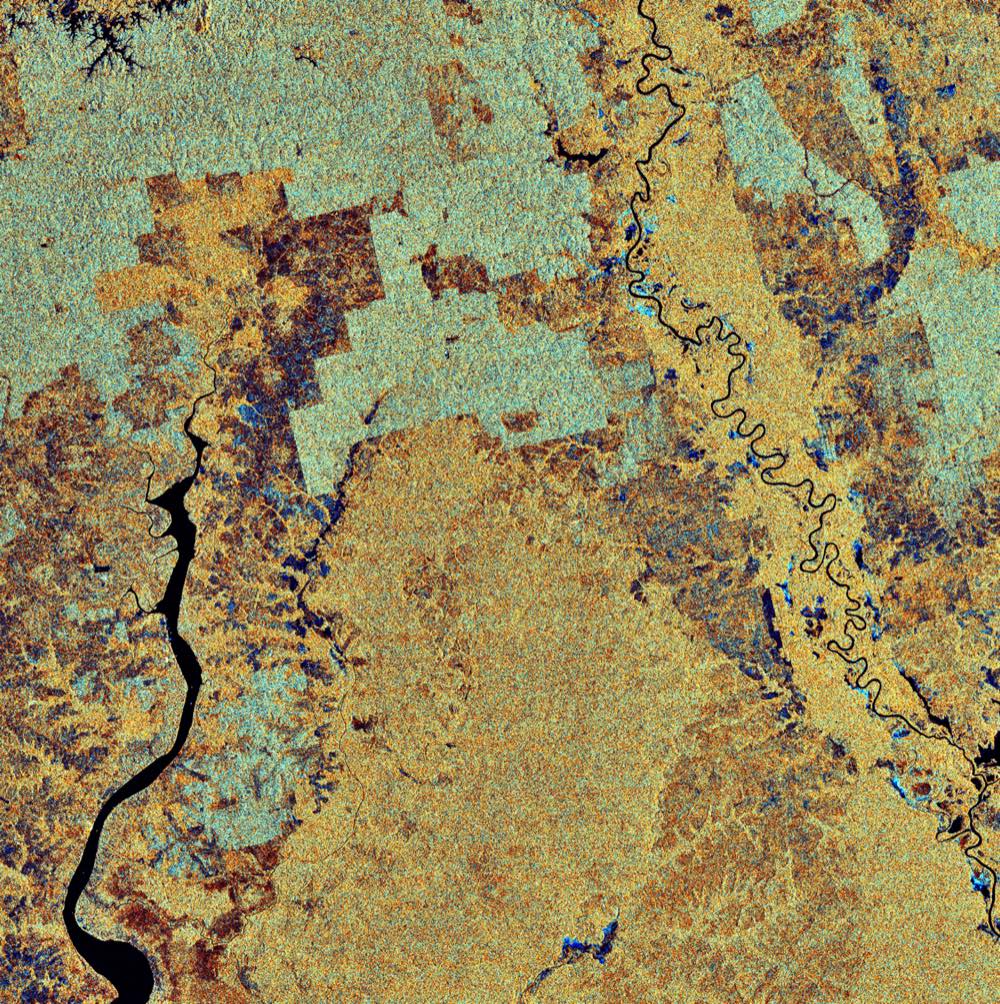
By the mid-1990s, Bre-X was claiming that Busang held one of the largest gold deposits ever discovered — estimates climbed toward and past 70 million ounces, a quantity of gold that would be worth tens of billions of dollars and would rank among the greatest finds in mining history. The effect on the stock was electric. Bre-X shares, once nearly worthless, soared by thousands of percent, turning early investors into millionaires and making the company, on paper, worth around six billion Canadian dollars. It became a sensation in Canada and beyond, a story of an underdog exploration company that had stumbled onto the find of the century in a far-off jungle.
The salting
The reported gold was real, in a sense — there really was gold in the samples that Bre-X tested. That was the cunning of it. The fraud was not inventing numbers out of thin air but "salting" the physical samples: as the drill cores (cylinders of rock brought up from underground) were processed, gold was secretly added to them by hand, so that when the crushed rock was assayed, it showed gold that had not actually come from the deposit. By all accounts, much of the gold used was alluvial gold — rounded gold panned or bought from rivers, which has a different physical character from the gold that would naturally occur in a hard-rock deposit like the one Busang was supposed to be.
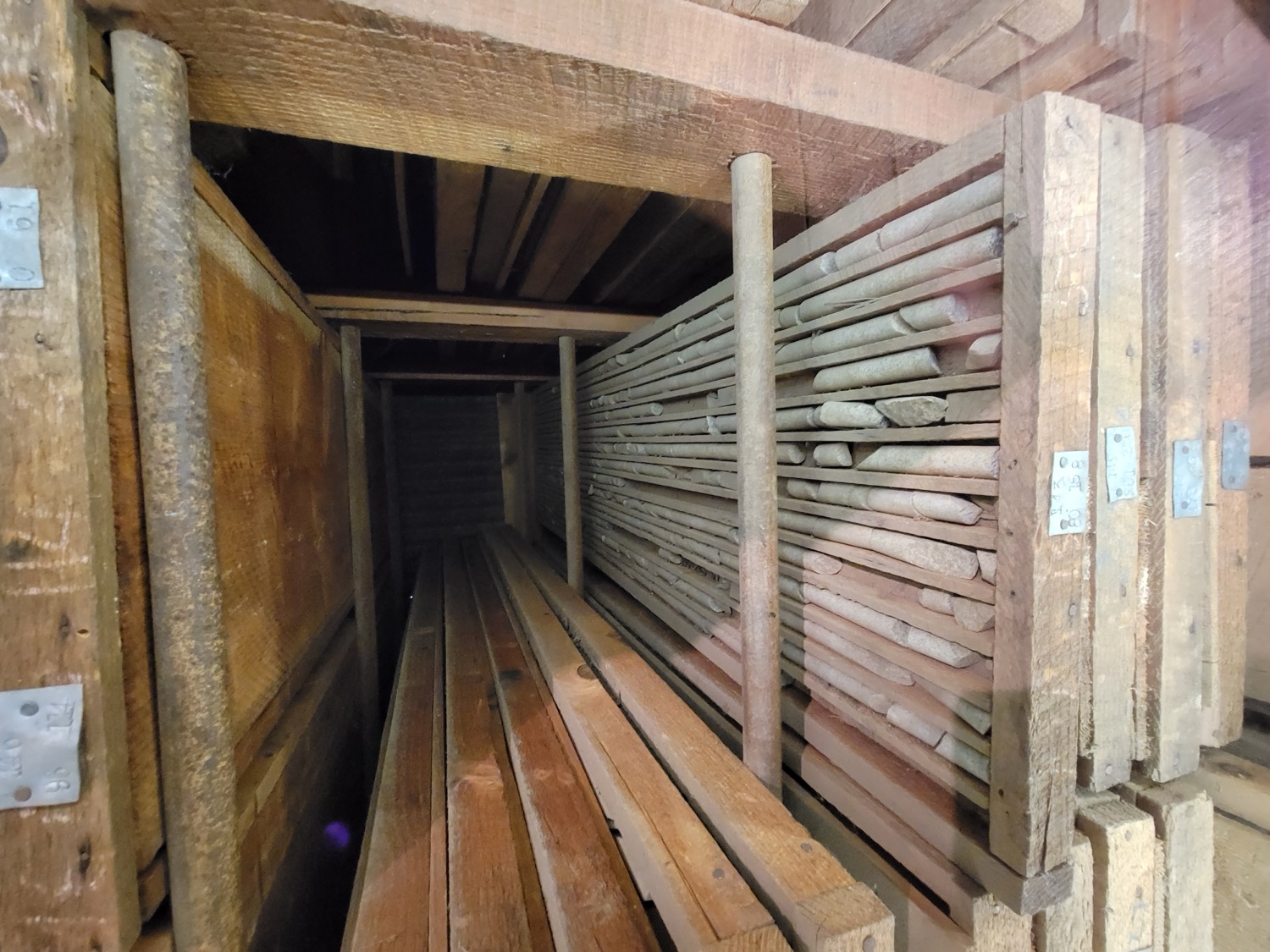
This salting, repeated across sample after sample over a long period, created the illusion of a vast and consistent gold deposit. It was a laborious, hands-on fraud, and a remarkably effective one, because the gold in the samples was genuine — anyone testing those specific samples would indeed find gold. The deception lay in the gap between the samples and the ground: the gold was in the crushed rock that Bre-X presented, but not in the deposit it was supposed to represent. The remoteness of Busang, deep in the jungle and controlled by Bre-X's own people, meant that for a long time no truly independent party drilled the site and tested fresh, un-tampered samples — and so the illusion held, and the stock climbed, and the world believed.
The frenzy
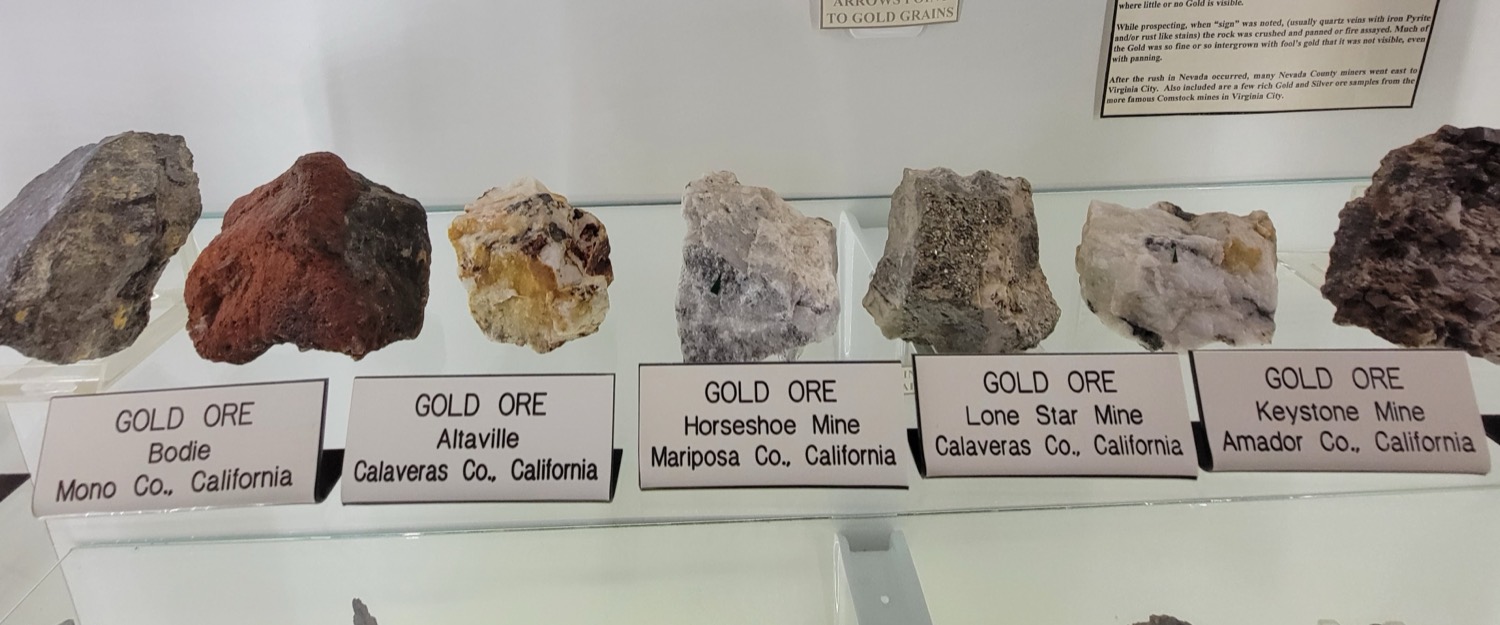
As Busang's reported riches grew, Bre-X became the centre of a financial and political storm. Its soaring stock made fortunes and drew in waves of investors — ordinary Canadians, big institutions, pension and mutual funds — all desperate to share in the find of the century. Major mining companies competed fiercely to partner with or take over Bre-X and gain a share of Busang. And in Indonesia, the deposit became entangled in the politics of the Suharto regime, with powerful figures and the president's own family circle maneuvering for a piece of the wealth — a scramble over treasure that, unknown to almost everyone, was not there.
The very scale of the excitement became part of the fraud's protection. So many powerful and sophisticated parties — mining giants, banks, analysts, governments — were now invested, financially or politically, in Busang being real that skepticism became difficult and unwelcome. The momentum of belief, the fortunes riding on it, and the sheer audacity of the claimed discovery all worked to suppress the obvious question of whether anyone truly independent had confirmed that the gold was in the ground. As with the other great frauds, a critical mass of invested believers made the illusion harder, not easier, to puncture.
The unravelling and the fall
The end came when due diligence finally caught up with the claims. As a major mining company moved toward a deal involving Busang, independent drilling and testing of the site began — fresh holes, fresh samples, tested by parties not under Bre-X's control. And those samples showed almost no gold. The discrepancy between Bre-X's spectacular results and the new independent ones was so vast that it could mean only one thing. An independent review of the affair concluded that the Bre-X samples had been tampered with — salted — and that there was no economic gold deposit at Busang at all. The find of the century was a fraud; the gold did not exist.
In the midst of this unravelling came the affair's enduring mystery. In March 1997, just as the independent results were casting doubt on Busang and the truth was closing in, the chief geologist Michael de Guzman died: he fell from a helicopter flying over the Borneo jungle, and his body was found days later in the rainforest. The death was officially ruled a suicide — a note was reported, and de Guzman, who was at the centre of the salting, had every reason to fear what was coming. But the circumstances were murky enough, the body decomposed enough, and the stakes high enough that doubts and conspiracy theories have persisted ever since: that he was murdered to silence him, even that he faked his own death and escaped. The truth of de Guzman's fall has never been established beyond doubt, and it remains the haunting, unresolved core of the Bre-X story.
When the fraud became undeniable, Bre-X collapsed with stunning speed. Its stock, which had made the company worth billions, became worthless almost overnight, wiping out investors large and small — pension funds, institutions, and ordinary people who had believed in the gold. Billions of dollars of paper wealth simply evaporated. It was, and remains, the largest gold-mining fraud in history.
The reckoning that wasn't
One of the most unsatisfying aspects of the Bre-X affair is how little legal accountability followed, given the scale of the fraud. The man best positioned to explain the salting, Michael de Guzman, was dead. The company's founder, David Walsh, who had become wealthy from the stock, moved abroad and died of a stroke in 1998, before any reckoning. Years of legal proceedings in Canada largely failed to convict anyone of the fraud; a key figure, the Bre-X geologist John Felderhof, faced charges related to insider trading and was ultimately acquitted, and no one was ever convicted of the salting itself. Investors who had lost billions were left with little recourse and few answers about exactly who had done what.
This near-total absence of accountability — a colossal fraud, billions lost, and essentially no one held criminally responsible — is itself part of the Bre-X lesson. The fraud's structure, with its key perpetrator dead, its founder dead, its evidence in a remote jungle, and its mechanics deliberately hands-on and deniable, left prosecutors with little to grasp. It is a reminder that the exposure of a fraud and the punishment of it are very different things, and that some of the largest frauds end not with justice but with a void where accountability should be.
What is established, and what it means
What is established is clear: the Busang gold deposit did not exist, the samples were salted, and Bre-X's multi-billion-dollar value was built on a physical fraud. What remains genuinely unresolved is the death of Michael de Guzman and the precise allocation of responsibility — who knew, who did the salting, who orchestrated it. The lessons, though, are sharp.
The first is the indispensability of independent verification, especially when the prize is huge and the source is remote. Bre-X's entire fraud depended on no truly independent party testing fresh samples from the ground until very late. The samples everyone relied on came through Bre-X's own controlled process; the moment outsiders drilled their own holes, the truth appeared instantly. The lesson — which echoes Theranos and the others — is that a claim, however exciting and however many important people believe it, must be checked at the source by someone with no stake in the answer. Where that independent check is absent, especially in a remote and controlled setting, the door to fraud stands open.
The second is the seductive danger of the physical "proof." Part of what made Bre-X so convincing was that there was real gold in the samples; people could hold it, assay it, see it. The tangibility felt like proof. But the gold in the sample proved only that gold was in the sample, not that it was in the deposit — a distinction that the excitement obscured. It is a warning that even physical, seemingly verifiable evidence can be manufactured, and that the right question is not just "is there gold?" but "where did this gold actually come from, and does it represent what it is claimed to represent?"
In the end, Bre-X is the great fraud of gold and greed, a tale as old as prospecting dressed in the modern clothes of a stock-market frenzy. A near-worthless company claimed the find of the century in a far-off jungle; the world, hungry for the oldest treasure there is, believed; and the believing drove a near-worthless stock to a value of billions — all of it resting on rock that had been sprinkled, by hand, with gold panned from rivers. When someone finally drilled the ground itself, there was nothing there, and the billions evaporated, and the geologist who could have explained it all was already dead in the rainforest, his fall a mystery to this day. Bre-X endures as the warning that the most convincing proof can be the most carefully faked, that distance and greed are the fraudster's allies, and that no discovery, however dazzling, should ever be believed until someone with nothing to gain has drilled the ground and seen for themselves. The gold was never there. Only the wanting was real.
Sources
- The independent review of the Busang/Bre-X samples confirming the salting and the absence of an economic deposit (1997) — primary.
- Ontario Securities Commission proceedings and the trial of John Felderhof — primary.
- The official Indonesian and Canadian investigations into the affair and de Guzman's death — primary.
- John McBeth and others, contemporary reporting on Busang and Bre-X (1996–1997) — secondary.
- Books on the Bre-X scandal, including accounts by journalists who covered it — secondary.
- Gold (film, 2016, loosely inspired by the Bre-X affair) — secondary.
- Reporting by The Globe and Mail, the Financial Post, and others on the collapse, the losses, and the legal aftermath (1997–2007) — secondary.
Inspired this / based on it
Brian Hutchinson
An account of the Bre-X scandal and its collapse.
Filed under
Click any tag for every article carrying it.
Continue reading
Enron and the Most Innovative Company That Never Really Made Money
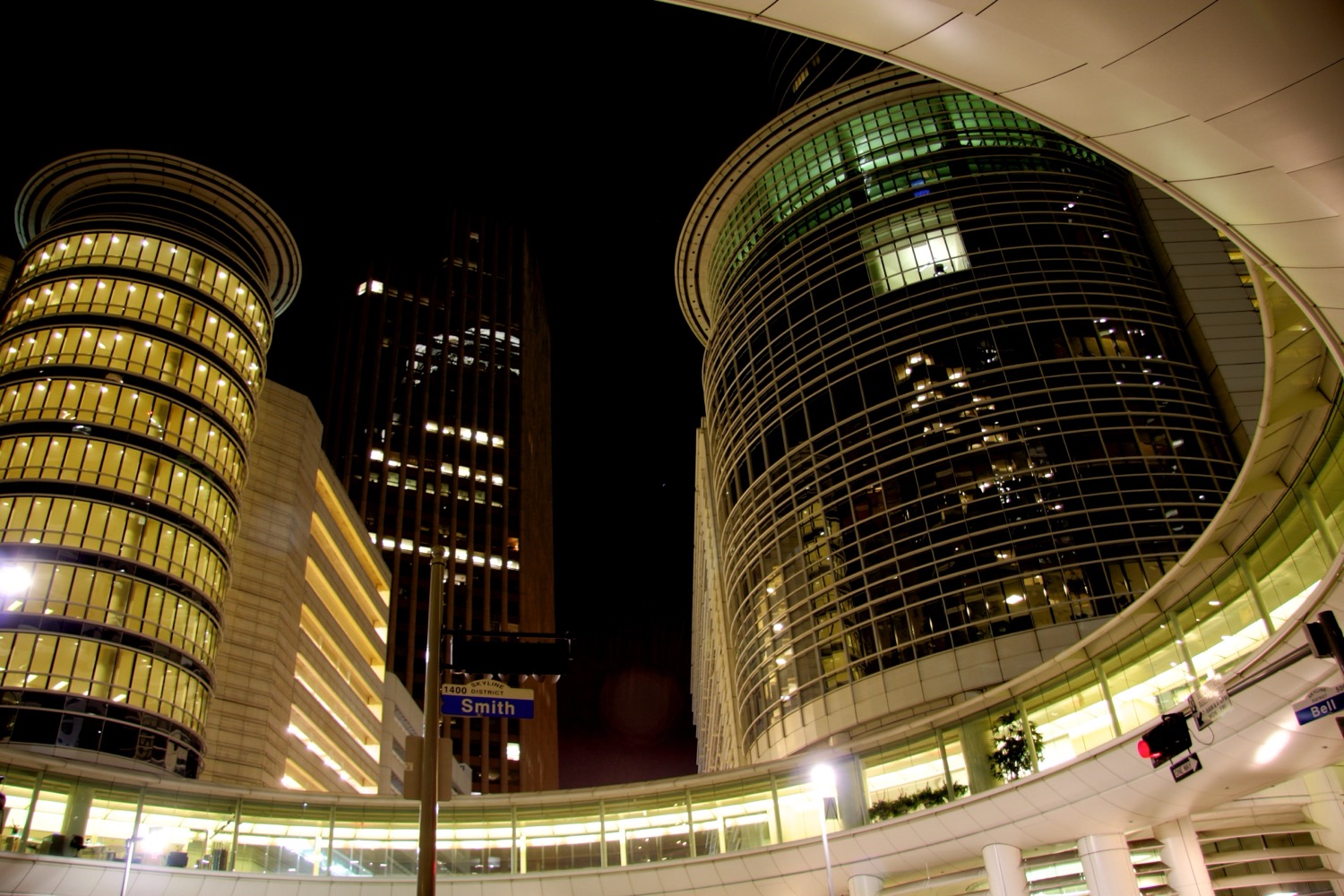
For six consecutive years, Fortune magazine named Enron the most innovative company in America. The Houston-based energy company had, the story went, transformed itself from a sleepy operator of natural-gas pipelines into a dazzling new kind of business — a trading powerhouse that bought and sold energy and almost anything else, light on physical assets and heavy on financial genius, the very model of the modern corporation. Its stock soared; its executives were celebrated as visionaries; its revenues, on paper, rocketed past $100 billion. And then, in the autumn of 2001, it all came apart with breathtaking speed. It emerged that Enron's reported profits were substantially an illusion, manufactured through aggressive and deceptive accounting; that the company had hidden enormous debts and losses in a web of hundreds of secretive off-the-books entities, some named after Star Wars characters; and that the 'innovation' the world had admired was, to a damaging degree, the art of making a company that did not really make money look as though it made a great deal. In about six weeks, Enron went from a $60 billion blue-chip giant to the largest corporate bankruptcy in American history to that point. Twenty thousand employees lost their jobs and, in many cases, their retirement savings, which had been tied up in Enron stock. Its auditor, Arthur Andersen — one of the five great global accounting firms — was destroyed in the fallout. The scandal sent executives to prison, prompted landmark reforms, and became the defining symbol of corporate fraud at the turn of the millennium. This article tells the story of how the most admired company in America turned out to be a confidence trick, and how the trick unravelled.
Charles Ponzi and the Scheme That Bears His Name
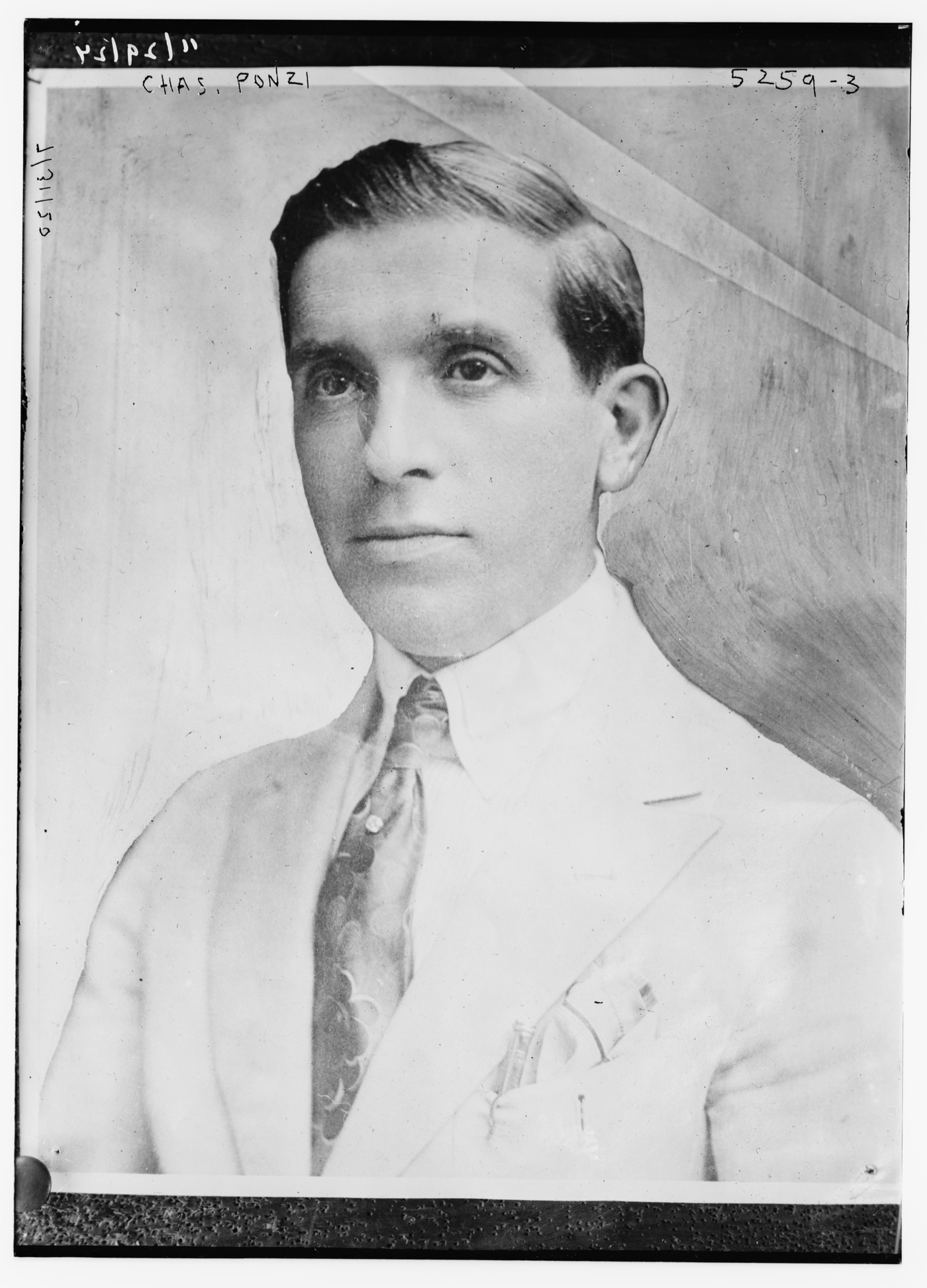
In the summer of 1920, a small, dapper Italian immigrant named Charles Ponzi was the most talked-about man in Boston. From a modest office on School Street, he was offering something that sounded impossible and turned out to be exactly that: a 50 percent return in 45 days, a 100 percent return in 90 days, on an investment he said was backed by a clever arbitrage in international postal reply coupons. Money poured in — from labourers and police officers, from widows and shopkeepers, from people who mortgaged their homes and emptied their savings to get a piece of it. At the height of the mania he was taking in hundreds of thousands of dollars a day, and crowds lined up outside his door pressing cash into his hands. The arbitrage he described was real in theory and worthless in practice; the coupons were never traded in any meaningful volume. What Ponzi was actually doing was paying his early investors with the money of his later ones — sustaining the illusion of fabulous profits only as long as new money flowed in faster than old money was withdrawn. It could not last, and it did not. Within months a newspaper, a financial analyst, and a disillusioned publicity man had pulled the structure apart, a run emptied his company, and an audit revealed that behind the millions he had collected there was nothing but debt. He went to prison, was deported, and died penniless in a charity ward in Rio de Janeiro. But his name did not die with him: the confidence trick he performed so memorably — paying old investors with new investors' money and calling it profit — has been known ever since as the Ponzi scheme. This is the story of the man behind the name.
Theranos and the Drop of Blood That Wasn't There
Elizabeth Holmes dropped out of Stanford at nineteen to build a company around an idea that sounded like the future: a small machine that could run a comprehensive battery of medical tests — hundreds of them — from a single drop of blood drawn painlessly from a finger-prick, cheaply and instantly, in any pharmacy or home. She called the company Theranos, dressed in a black turtleneck in conscious imitation of Steve Jobs, and spoke in a deep voice about democratising health care and saving lives. Silicon Valley believed her. So did some of the most powerful men in America, who joined her board: former secretaries of state Henry Kissinger and George Shultz, former defense secretary James Mattis, and others. So did the pharmacy giant Walgreens, which put Theranos blood-testing centres in its stores. By 2014 the company was valued at around nine billion dollars and Holmes, on paper, was the youngest self-made female billionaire in the world, hailed on magazine covers as the next Jobs. There was only one problem, and it was the whole problem: the machine did not work. It could not do what she claimed, it never had, and inside the company the tests on real patients were secretly being run, badly, on ordinary commercial analysers — producing results so unreliable that people received dangerously wrong information about their own blood. Theranos was not a brilliant idea that failed; it was, a court would eventually find, a fraud. This article tells the story of how a company built on a drop of blood that wasn't there fooled so many for so long, who finally exposed it, and what it revealed about the culture that made it possible.