Tag
#israel
2 articles
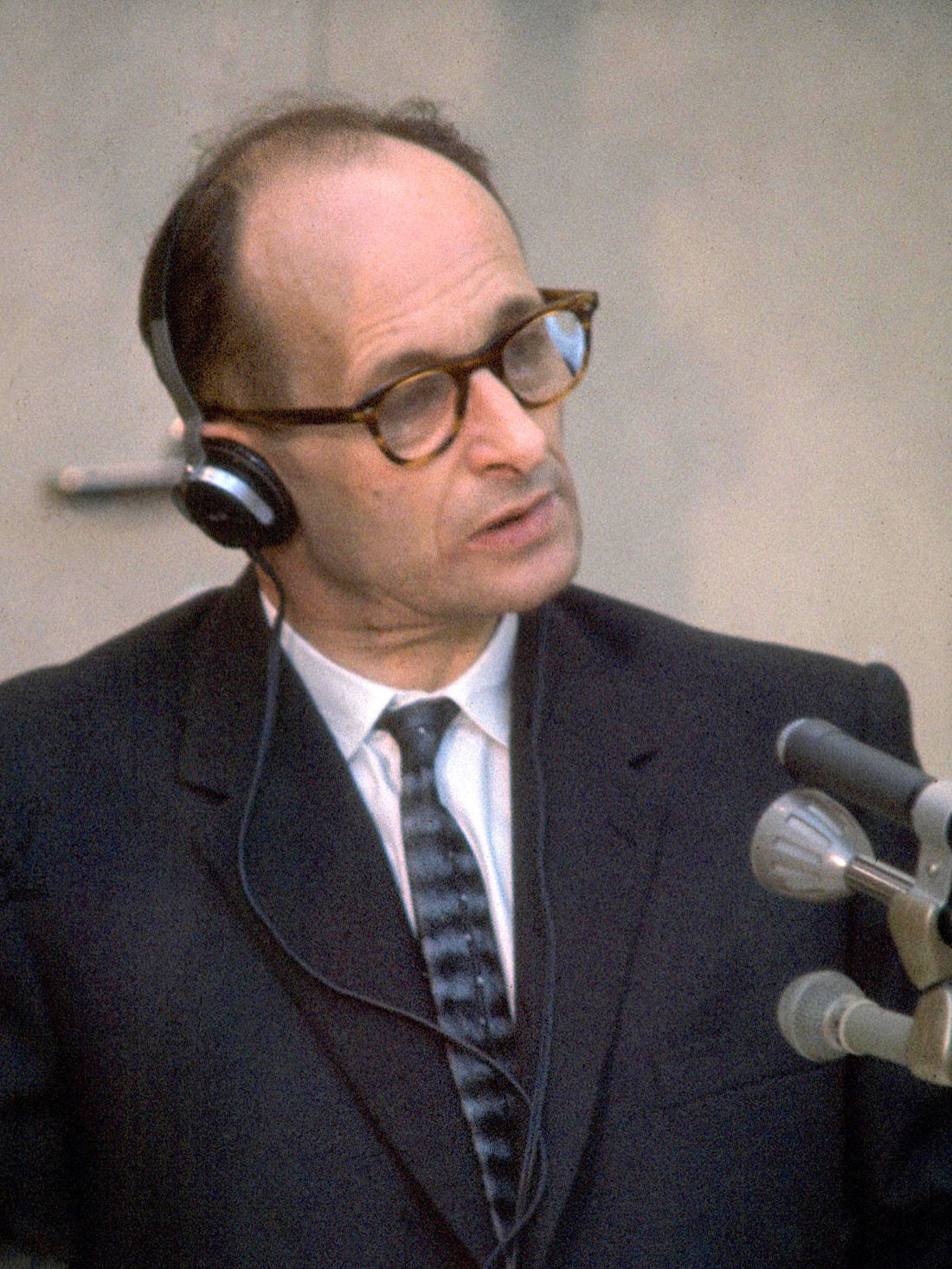
The Capture of Adolf Eichmann
Adolf Eichmann had been one of the principal administrators of the Holocaust — the SS officer who managed the vast machinery of deportation that carried millions of Jews to the ghettos and the killing centres of Nazi-occupied Europe. When the Second World War ended, he slipped away, hid his identity, and eventually escaped along the clandestine routes that carried fugitive Nazis to South America. By the 1950s he was living in Argentina under the name Ricardo Klement, an unremarkable factory worker in the suburbs of Buenos Aires, his family around him, his past apparently buried. But he had not been forgotten. A chance tip, passed through a courageous West German prosecutor who did not trust his own country's institutions to act, reached the intelligence service of the young state of Israel. In 1960 a small team of Israeli operatives travelled secretly to Argentina, confirmed that the quiet Herr Klement was indeed Eichmann, and on the evening of 11 May seized him as he walked home from the bus near his house on Garibaldi Street. They held him in a safe house, secured his signature on a statement agreeing to be tried, and then — because Argentina would never have handed him over — smuggled him out of the country disguised as a member of an airline crew, aboard a flight that had brought an Israeli delegation to Buenos Aires. Days later, Israel's prime minister announced to a stunned parliament that Eichmann was in Israeli hands and would face justice. The trial that followed, in Jerusalem in 1961, became one of the defining events in the world's reckoning with the Holocaust. This is the story of how he was found, taken, and brought to account.
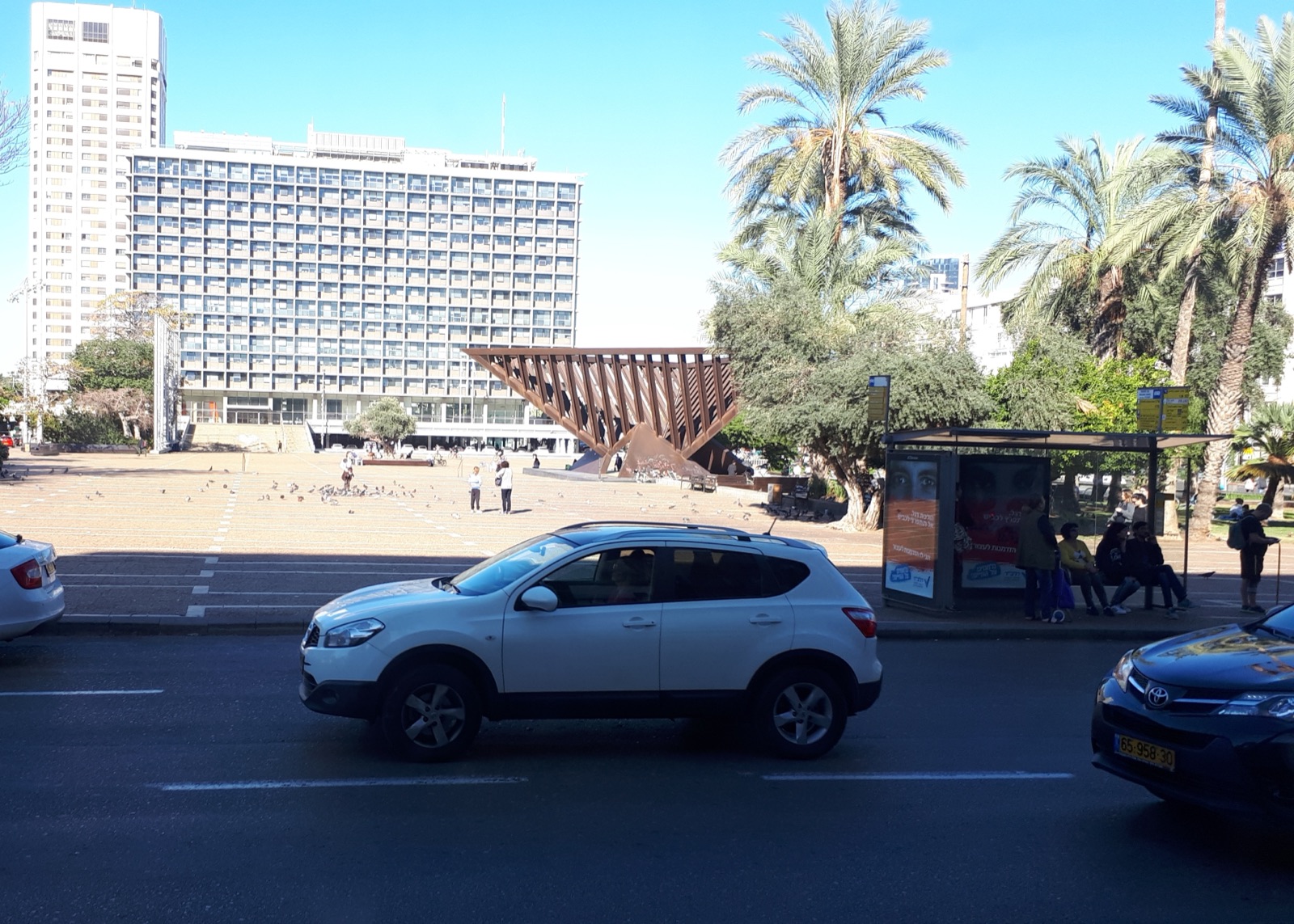
The Assassination of Yitzhak Rabin
On the night of Saturday, November 4, 1995, the Prime Minister of Israel, Yitzhak Rabin — soldier, chief of staff in the Six-Day War, and a year earlier a Nobel Peace laureate for the Oslo Accords — stood on a stage above a crowd of more than a hundred thousand people in Kings of Israel Square in Tel Aviv and sang 'Shir LaShalom,' the Song for Peace. He folded the printed lyrics and put them in his breast pocket. A little after half past nine he came down the stairs at the side of the city hall toward his waiting car, and a 25-year-old law student named Yigal Amir, who had been loitering in the supposedly sterile parking area for some forty minutes, stepped forward and fired a semi-automatic pistol loaded with hollow-point bullets into his back. Rabin was driven to the Ichilov hospital a few hundred metres away and died on the operating table; the song sheet in his pocket came back soaked in his blood, and his aide read its scorched, stained words aloud to the world. Amir did not run. He was seized on the spot, and he confessed at once, calmly, explaining that he had acted alone and on what he understood to be the command of Jewish religious law, to stop a prime minister he regarded as a traitor handing the Land of Israel to its enemies. None of the central facts of the case has ever been in doubt. And yet Rabin's killing has generated, in the decades since, both a thriving undergrowth of conspiracy theory — that the bullets were blanks, that the Shin Bet staged it, that Rabin was killed elsewhere — and a set of genuinely uncomfortable questions that have nothing to do with those fantasies: how the country's security service failed so completely; what its own agent provocateur, embedded in the violent fringe and personally acquainted with the assassin, knew and when; and how a year of placards depicting a sitting prime minister in an SS uniform curdled into a gunshot. This article separates the two — the established murder from the manufactured mystery, and both from the failures that were real.
2 files · end of the line