Tag
#middle-east
2 articles
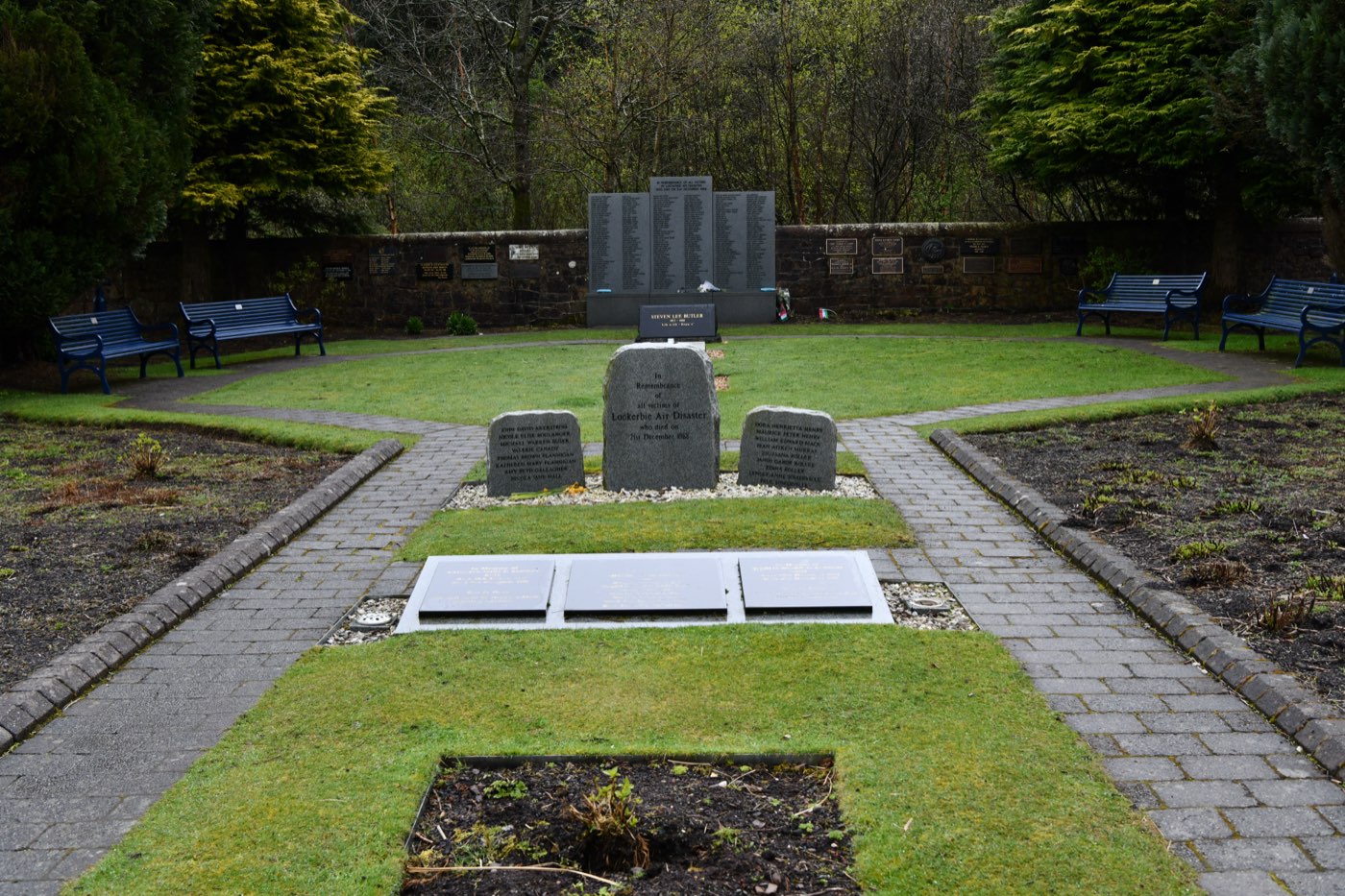
Lockerbie / Pan Am 103
At 19:02:50 Greenwich Mean Time on Wednesday, December 21, 1988, Pan American World Airways Flight 103 — a Boeing 747-121 named *Clipper Maid of the Seas*, registration N739PA, on the daily transatlantic service from London Heathrow to New York's John F. Kennedy International Airport — was at flight level 310 (31,000 feet) and approximately 38 minutes into its scheduled 7-hour 50-minute flight when a 312-gram improvised explosive device detonated inside the forward cargo hold. The bomb had been concealed within a Toshiba RT-SF 16 BomBeat radio-cassette recorder packed inside a brown Samsonite hardshell suitcase. The aircraft broke up immediately. The forward fuselage section — including the cockpit — separated from the airframe and fell intact for approximately 90 seconds before impacting at Tundergarth, three miles east of the small Dumfriesshire market town of Lockerbie. The remaining airframe broke into thousands of pieces across an area subsequently mapped at 845 square miles. Of 243 passengers and 16 crew aboard, all died. On the ground in Lockerbie, 11 residents of Sherwood Crescent were killed when the centre-wing fuel tanks impacted at the southwestern edge of the town. Total deaths: 270 — the highest single-incident terrorist casualty figure on British soil in the 20th century. The investigation that followed has had two principal evidential phases. The first phase (December 1988 – November 1990) focused on the Popular Front for the Liberation of Palestine – General Command (PFLP-GC), a Syrian-sponsored Palestinian faction. The second phase (from November 1990) re-directed the investigation toward Libya and produced the November 1991 U.S. and U.K. indictments of two Libyan Arab Airlines employees: Abdelbaset al-Megrahi and Lamin Khalifa Fhimah. The temporal coincidence between the investigative shift and the Gulf War coalition-building of late 1990 (which brought Syria into alignment with the United States) has been the subject of subsequent academic and journalistic debate. The Camp Zeist trial of 2000-2001 — held under Scottish law in a Dutch facility designated as Scottish soil for the trial — convicted Megrahi (January 31, 2001) and acquitted Fhimah. Megrahi was released by the Scottish Government on compassionate grounds (terminal prostate cancer) on August 20, 2009, after serving 8 years 6 months of his life sentence; he died in Tripoli on May 20, 2012. A second Libyan defendant — Abu Agila Mohammad Mas'ud Kheir Al-Marimi, identified as the bombmaker — was extradited to the United States from Libya in December 2022 and is currently awaiting trial in the District of Columbia. The case is formally closed in legal terms; substantive aspects of the evidence — including the identification of the timer fragment that linked Megrahi to the bomb — remain disputed in independent forensic reviews.
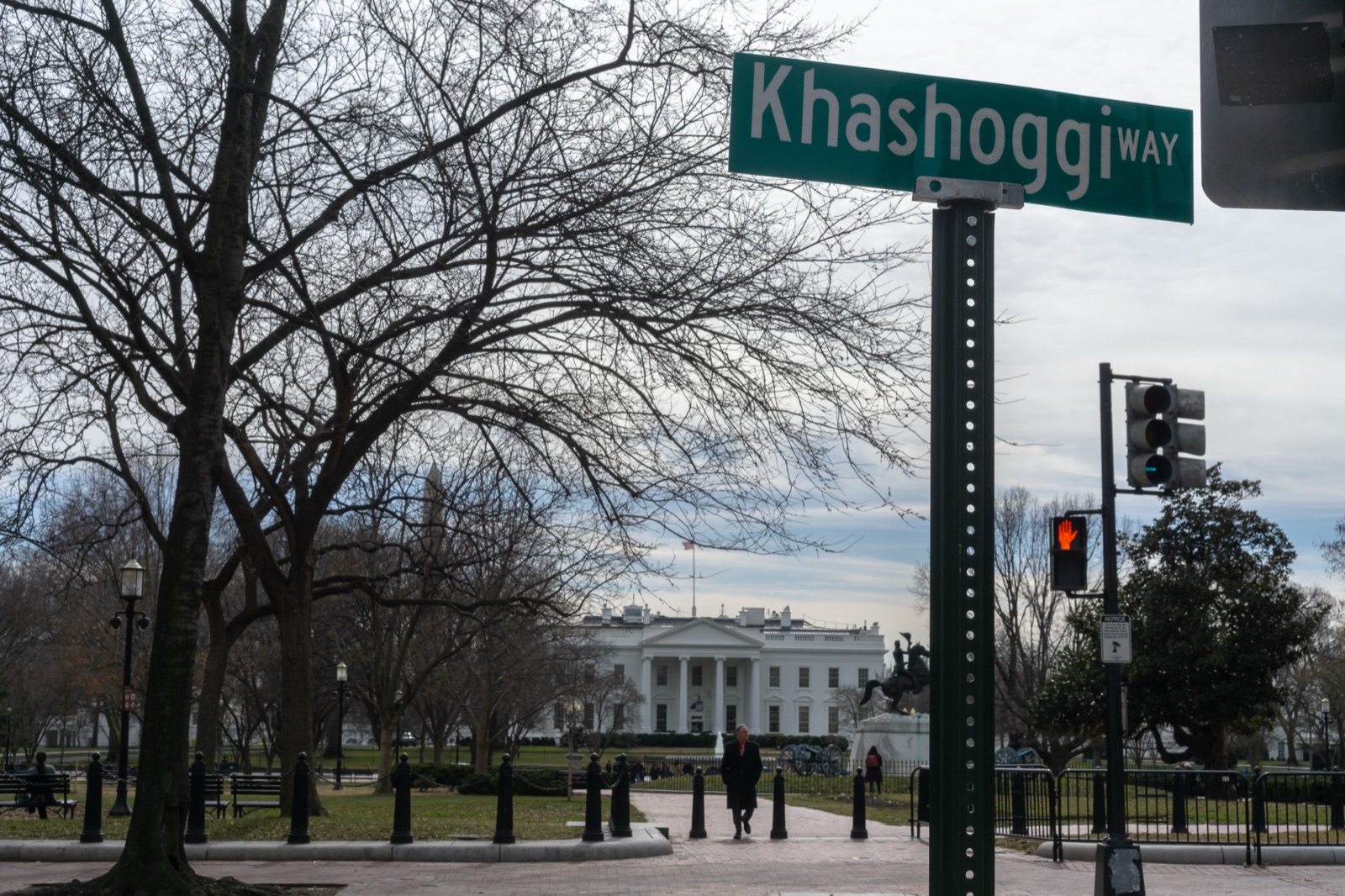
The Khashoggi Murder
At 1:14 p.m. on Tuesday, October 2, 2018, the Saudi journalist and *Washington Post* columnist Jamal Khashoggi walked into the Saudi Arabian consulate at 4 Saadabad Caddesi in the Levent district of Istanbul. He was 59 years old. He had an appointment to collect divorce papers he needed for his upcoming marriage to his fiancée Hatice Cengiz, who waited outside in his car. He never came out. A 15-man Saudi operational team had flown into Istanbul on private jets earlier the same day on two separate flights. The team included Saudi intelligence officers, military personnel, and a forensic pathologist named Salah Mohammed al-Tubaigy who specialized in autopsies and had brought a portable bone saw. Within approximately seven minutes of Khashoggi's arrival at the consulate, he was killed. His body was dismembered. The dismembered parts were carried out of the consulate in suitcases. The body has never been recovered. The U.S. Central Intelligence Agency's classified assessment, completed in November 2018, concluded with 'medium-to-high confidence' that the operation had been ordered personally by Mohammed bin Salman, the Crown Prince of Saudi Arabia (commonly known as MBS). The Trump administration declined to release the assessment publicly. The Biden administration released a four-page unclassified version on February 26, 2021. Saudi Arabia conducted its own closed-court trial in 2019 that convicted eight Saudi nationals; five received initial death sentences subsequently commuted to twenty-year prison terms after pardons from Khashoggi's sons. The Saudi narrative — that the operation was an unauthorized rogue action by intelligence officers acting without MBS's knowledge — has been substantially contradicted by the U.S. intelligence assessment, by the Turkish forensic and audio evidence, and by the operational logistics that would not have been possible without senior authorization. As of mid-2026, MBS is the de facto and de jure ruler of Saudi Arabia.
2 files · end of the line