Tag
#nuclear-weapons
2 articles
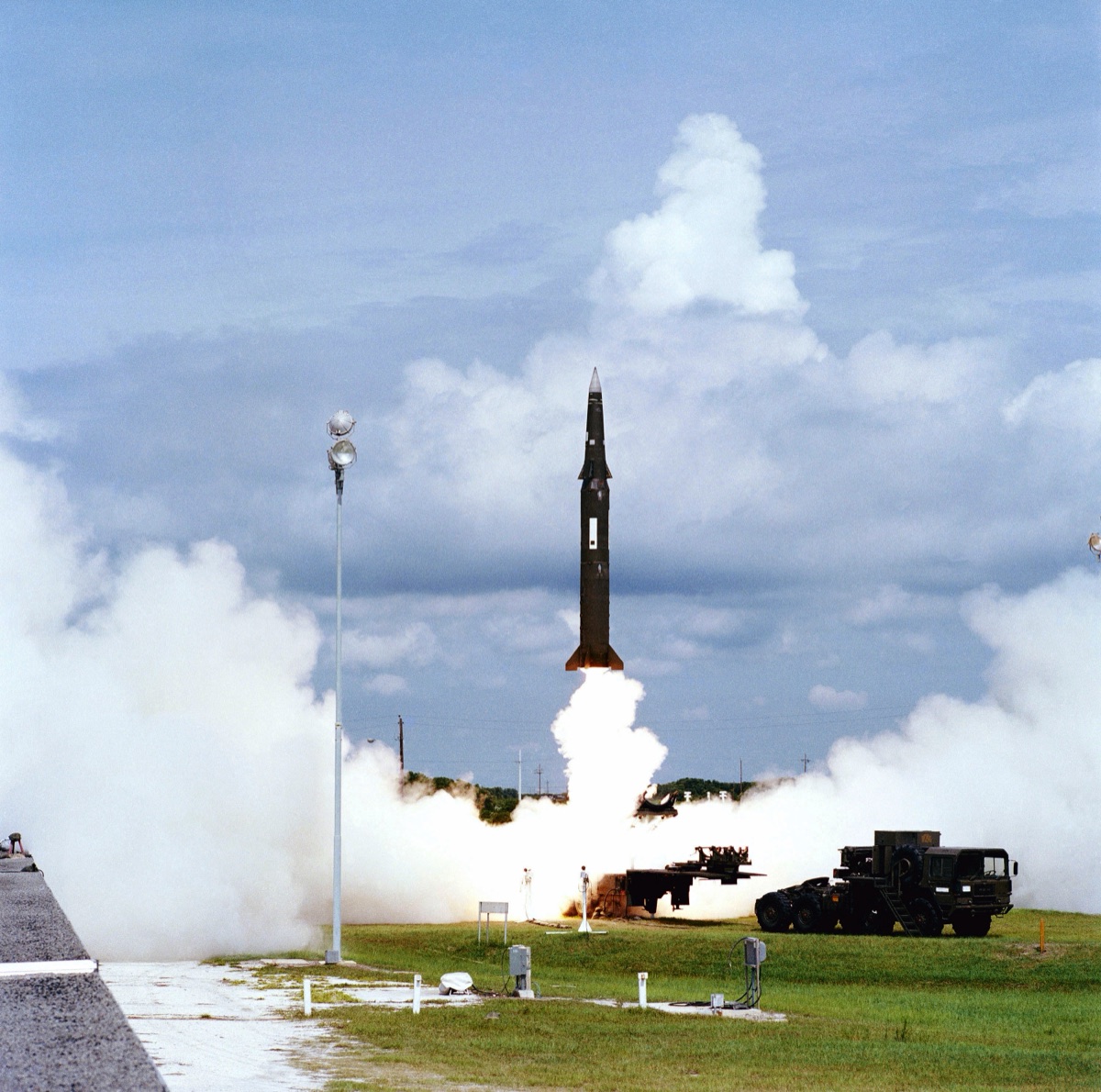
Able Archer 83: The NATO Exercise That Nearly Started a Nuclear War
In November 1983, at the tensest moment of the late Cold War, NATO conducted a command-post exercise called Able Archer 83, simulating the procedures for escalating a conflict all the way to nuclear war. It was, on its face, a routine drill. But it took place against a backdrop of extraordinary danger: a year in which President Reagan had branded the Soviet Union an 'evil empire' and launched his 'Star Wars' missile-defense plan; in which NATO was deploying Pershing II missiles in Europe that could strike Moscow in as little as six minutes; and in which the Soviets had, weeks earlier, shot down a Korean airliner, killing 269 people. Above all, it took place while the Soviet leadership, under the ailing and deeply suspicious former KGB chief Yuri Andropov, was in the grip of a genuine fear that the United States was preparing a surprise nuclear first strike — a fear so acute that the KGB was running a vast intelligence operation to watch for the signs. Into this atmosphere came Able Archer, so realistic in its simulation of a march to nuclear release that some in Moscow reportedly feared it might be the real thing, a cover for an actual attack — and the Soviets may have begun to ready their own nuclear forces in response. Whether the world truly stood on the brink, or whether the danger has been exaggerated, is debated to this day. This is the story of Able Archer 83 — the exercise that may have brought the world closer to nuclear war than anyone realized at the time.
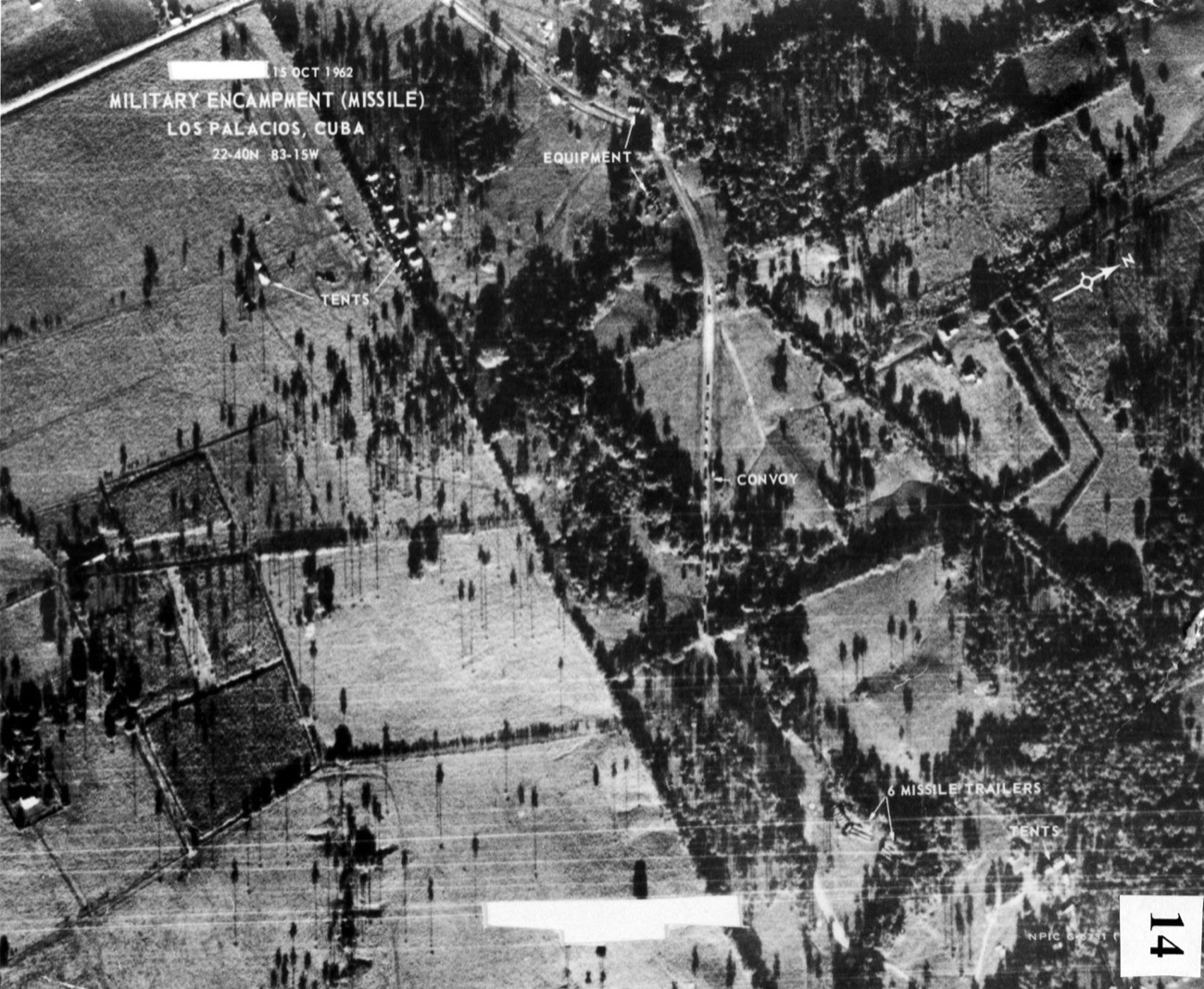
The Cuban Missile Crisis: Thirteen Days on the Nuclear Brink
In October 1962, the Cold War came within a hair's breadth of becoming a nuclear one. For thirteen days that month, the United States and the Soviet Union confronted each other over the discovery that the Soviets had secretly installed nuclear missiles in Cuba, ninety miles from the American coast, capable of striking much of the United States within minutes. American reconnaissance had caught the deployment while the missile sites were still being built; President John F. Kennedy imposed a naval blockade of the island and demanded the missiles' removal; and for the better part of two weeks the world held its breath as the two superpowers, each armed with the power to destroy the other and much of humanity, edged toward the abyss. It was, and remains, the closest the world has ever come to full-scale nuclear war — closer, it later emerged, than even the participants understood at the time, with more than one moment in which a single decision, or a single frightened officer, might have triggered catastrophe. That it ended not in annihilation but in a negotiated settlement was the product of nerve, restraint, back-channel diplomacy, a secret deal, and no small amount of luck. This is the story of the Cuban Missile Crisis — the secret deployment, the discovery, the standoff, the near-catastrophes, and the fragile bargain that saved the world.
2 files · end of the line