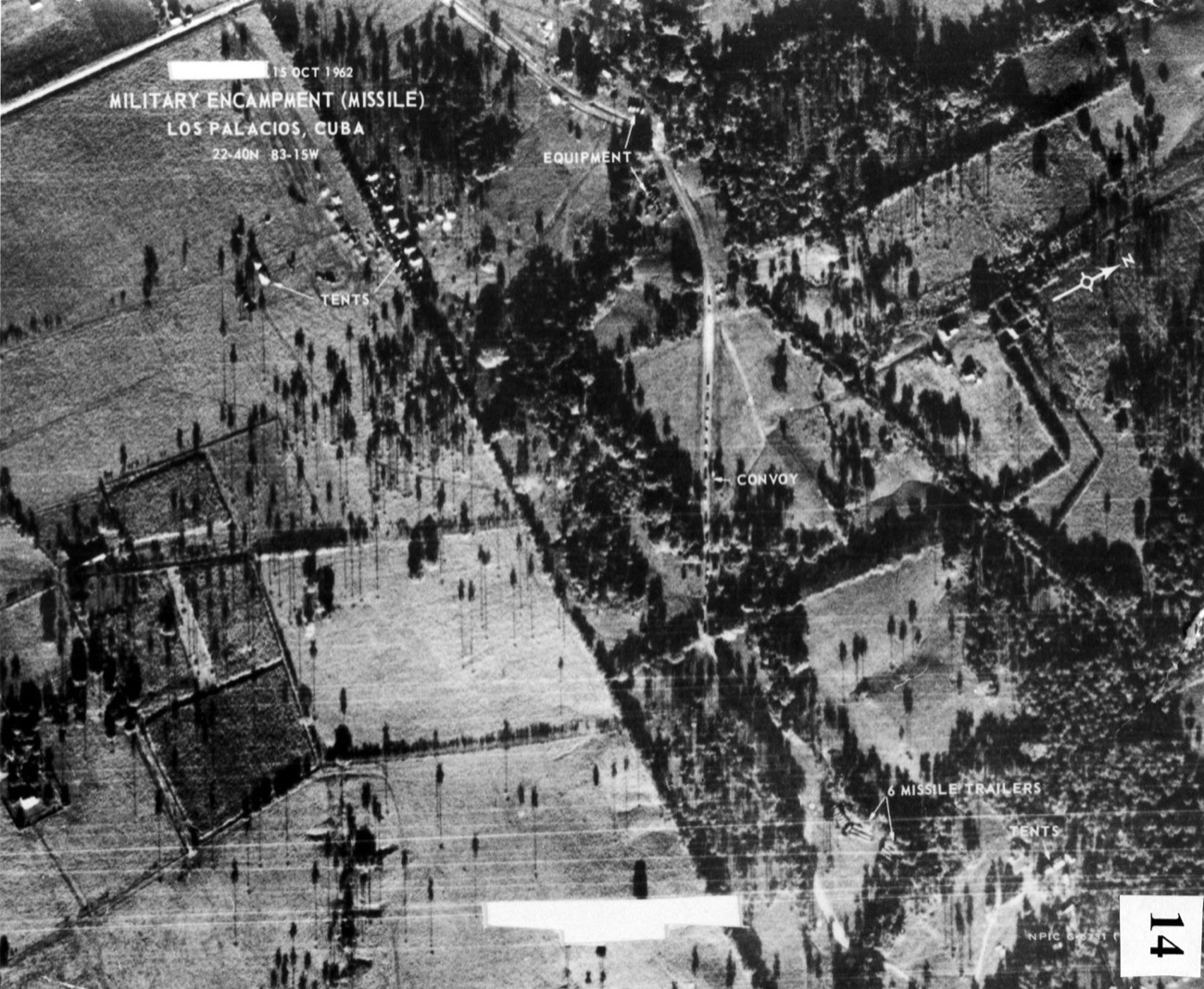
A U-2 reconnaissance photograph of a Soviet missile site in Cuba, October 1962. Images like this revealed the secret deployment and triggered the thirteen-day crisis. Wikimedia Commons / Public Domain.
The Cuban Missile Crisis: Thirteen Days on the Nuclear Brink
Cuba, October 1962 — For thirteen days the world stood closer to nuclear war than it ever has, before or since. A secret Soviet deployment of nuclear missiles to Cuba, discovered by an American spy plane, brought two superpowers eyeball to eyeball — and only a combination of nerve, restraint, and sheer luck pulled them back
- Category
- Cold War Files
- Published
- Length
- 3,550 words · 18 min read
- Author
- The editors
The Cuban Missile Crisis is not a mystery — it is one of the best-documented episodes in modern history, pored over by scholars with access to the records of both sides, including the secret tape recordings President Kennedy made of his own crisis deliberations. Its power lies elsewhere: in the fact that for thirteen days in October 1962, human civilization genuinely hung in the balance, and that we now know, from the archives opened since, that it came even closer to destruction than anyone alive at the time realized. What makes it worth retelling is not the uncovering of hidden facts but the sober contemplation of how near the world came to ending, and of the mixture of wisdom, folly, and fortune that determined whether it would. The crisis is a study in brinkmanship — in the terrible logic of nuclear confrontation, in which two rational leaders, each trying to protect his nation's interests without starting a war neither wanted, walked their countries to the very edge of mutual annihilation and only just managed to step back. It is the definitive case of the Cold War's central danger, and its lessons about miscalculation, secrecy, and the role of chance in great events remain as urgent now as they were then.
This is the story of thirteen days on the nuclear brink.
The road to October
The crisis grew out of the tense state of the Cold War in the early 1960s. Cuba had become a communist state under Fidel Castro and an ally of the Soviet Union, and the United States, having already tried and failed to overthrow Castro in the disastrous Bay of Pigs invasion of 1961, was widely expected to try again. From Khrushchev's perspective, placing Soviet nuclear missiles in Cuba served two purposes: it would deter an American invasion of the island, protecting a valuable ally; and it would help redress the strategic nuclear imbalance, in which the United States held a substantial lead in long-range weapons and had, moreover, stationed Jupiter missiles in Turkey and Italy, on the Soviet Union's own doorstep. If the Americans could park nuclear missiles next to the USSR, Khrushchev reasoned, the Soviets could do the same next to America. It was a bold and, as it proved, reckless gamble.
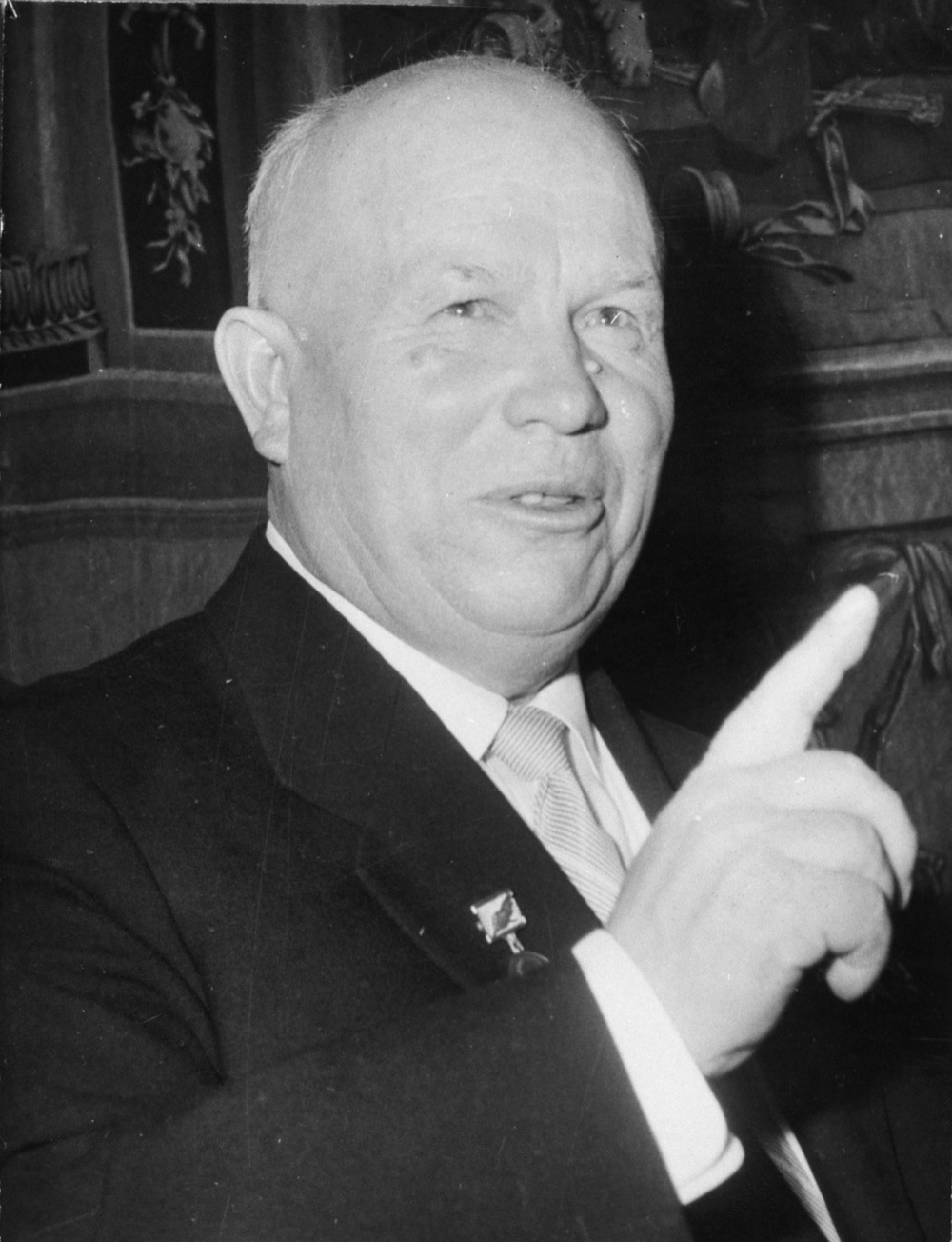
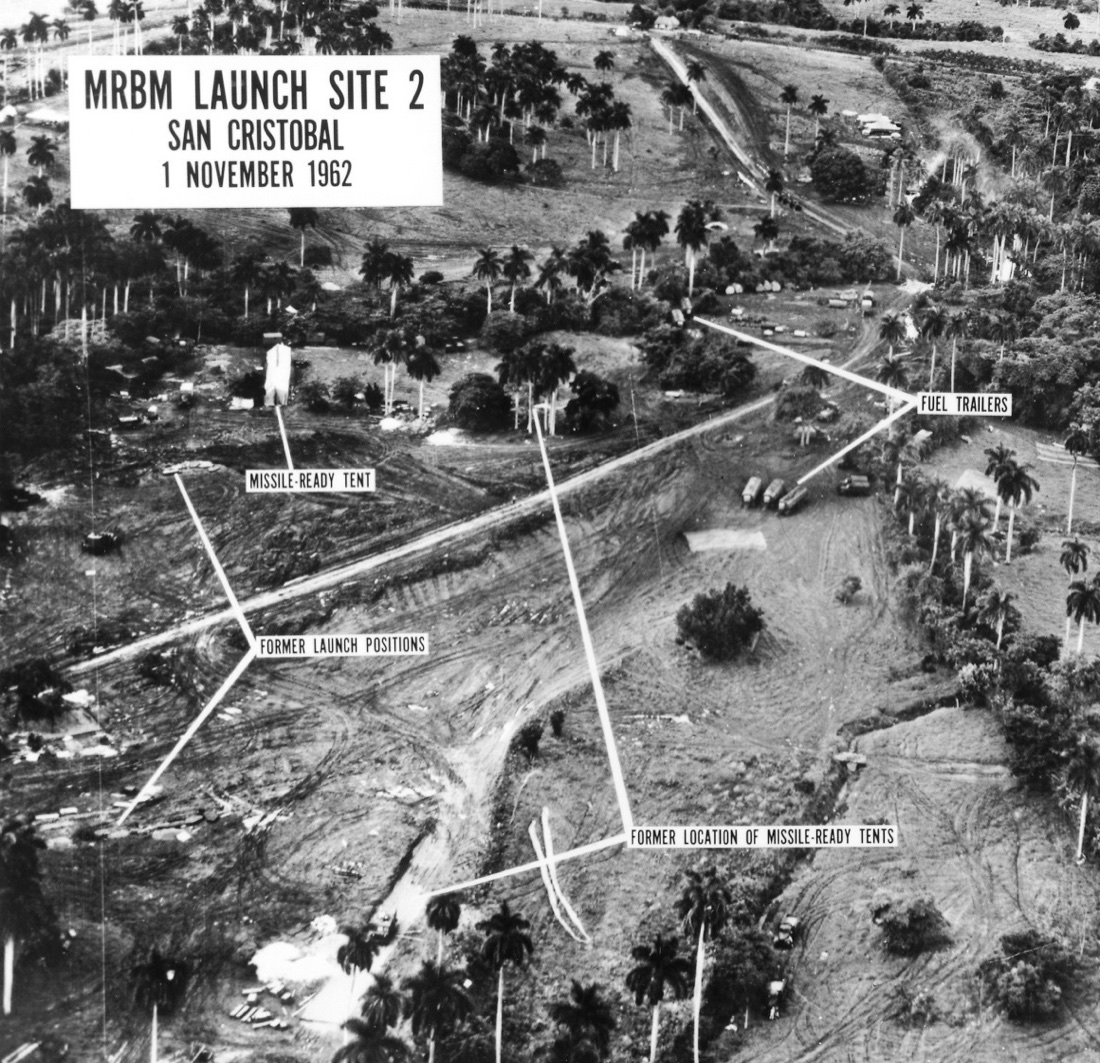
The deployment was carried out in the greatest secrecy through the summer and early autumn of 1962. Soviet ships carried the missiles, launch equipment, and thousands of troops and technicians to Cuba under cover, disguising the cargo and denying, repeatedly and explicitly, that any offensive weapons were being sent — assurances the Soviets gave directly to the Kennedy administration. The plan was to install the missiles quietly and present the United States with a fait accompli: by the time Washington discovered them, they would be operational, and America would have to accept the new reality. It was a plan that depended entirely on the deployment remaining hidden until it was complete. And it was precisely there that it failed.
The discovery
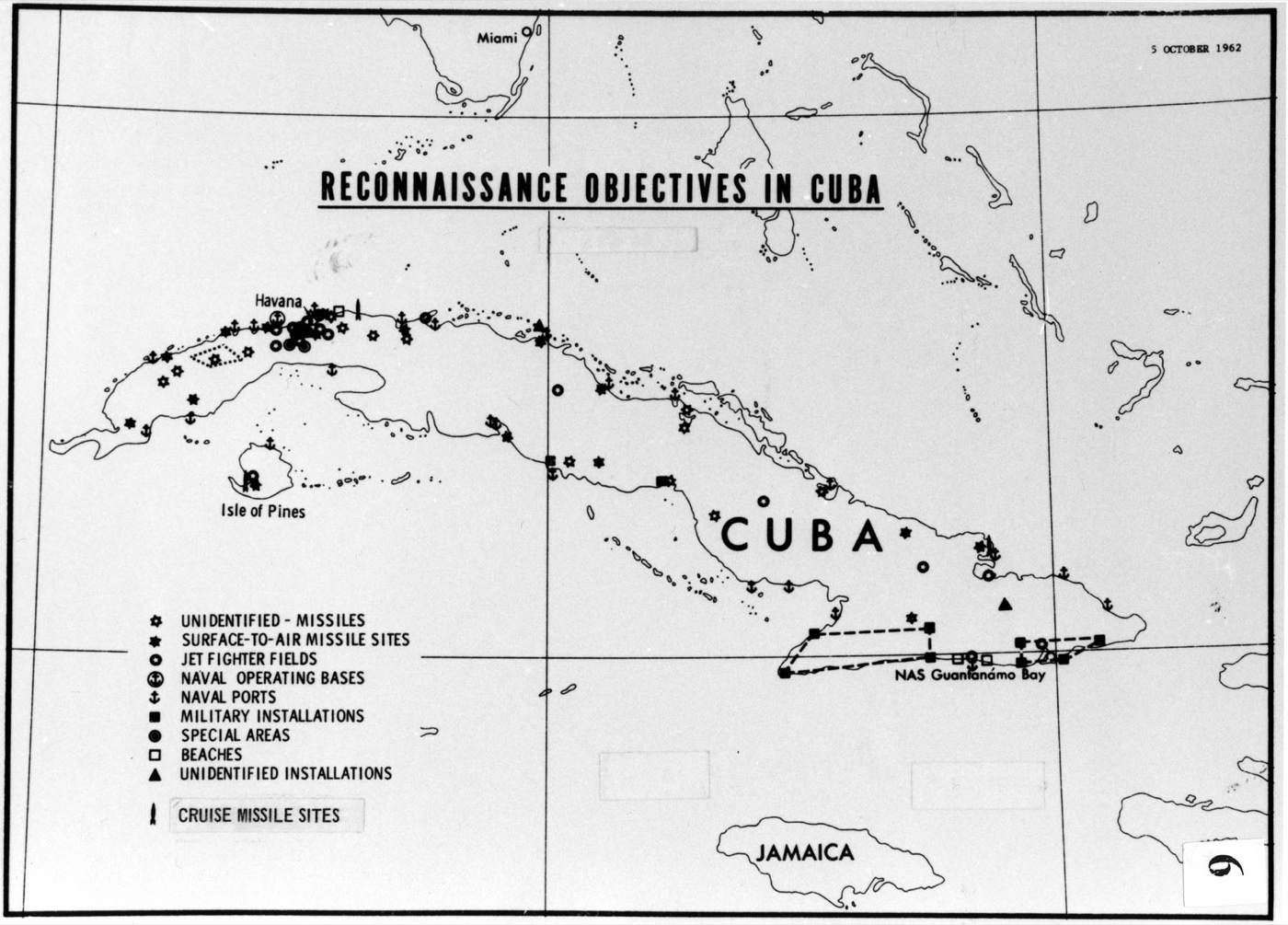
The Soviet plan was undone by American eyes in the sky. Growing suspicious of the scale of Soviet activity in Cuba, and prompted by intelligence reports, the United States directed a U-2 reconnaissance flight over the island on 14 October 1962. The photographs it brought back, analyzed by the CIA's expert interpreters, were unmistakable: they showed Soviet medium-range ballistic missile sites under construction near San Cristóbal. When President Kennedy was shown the evidence on 16 October, the crisis began. The missiles, once operational, would be able to strike Washington and much of the eastern and central United States with nuclear warheads in a matter of minutes, drastically shortening the warning time and, in American eyes, unacceptably altering the strategic balance and violating the explicit Soviet assurances that no such weapons would be sent.
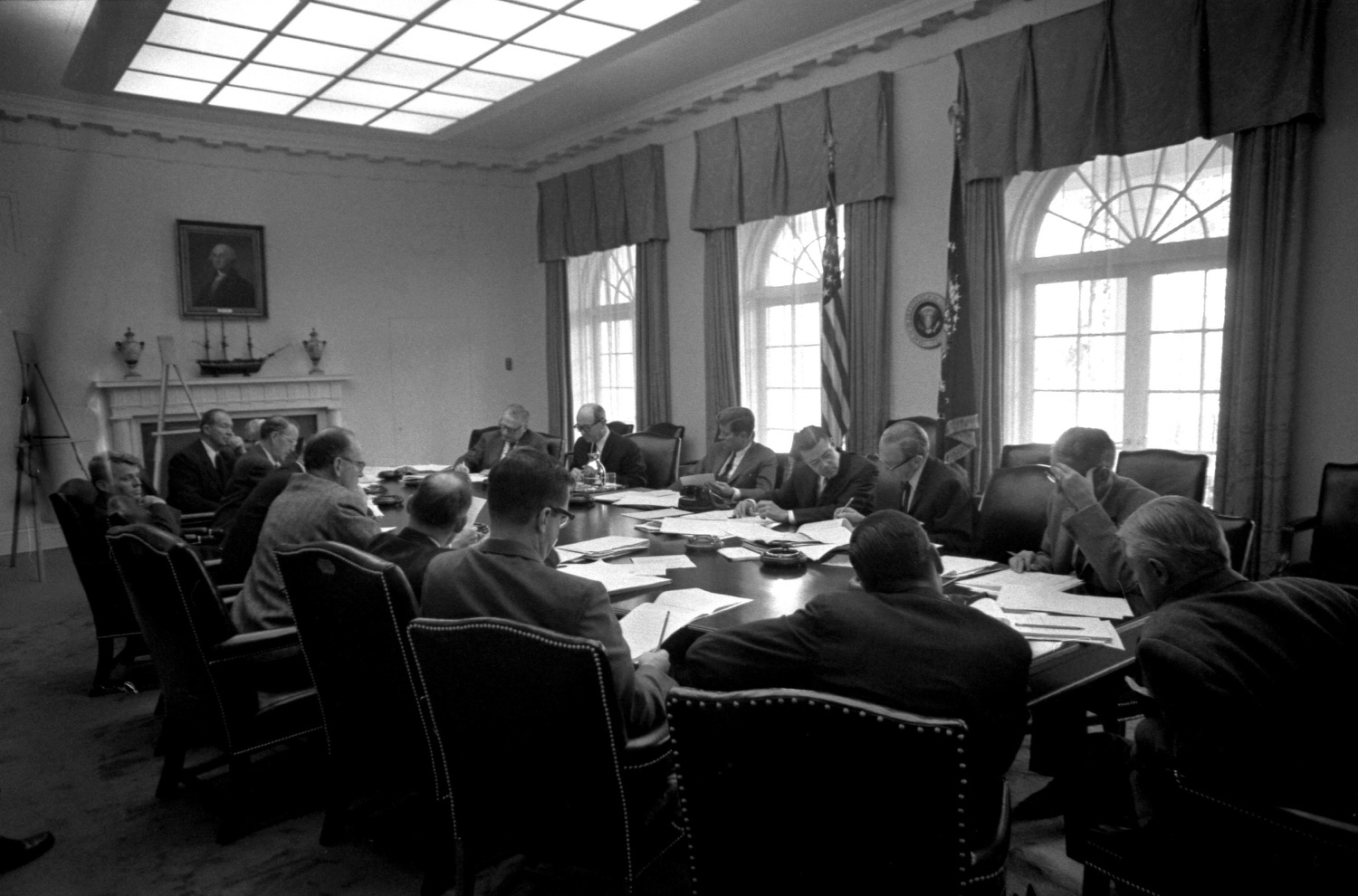
The discovery presented Kennedy with an agonizing dilemma. To do nothing was politically and strategically impossible; but every forceful option risked war. Kennedy convened a secret group of senior advisers — the Executive Committee of the National Security Council, or ExComm — which met in near-continuous session over the following days to weigh the choices. The debates, preserved on Kennedy's secret tapes, ranged across the full spectrum of danger: an air strike to destroy the missile sites; a full-scale invasion of Cuba; a naval blockade; or diplomacy. Each carried grave risks. An air strike or invasion might kill Soviet personnel, provoke a Soviet response — perhaps against Berlin, perhaps nuclear — and could not be guaranteed to destroy all the missiles before they could be fired. The stakes could not have been higher, and the men in the room knew they might be deciding the fate of the world.
The quarantine
After days of intense deliberation, Kennedy chose a middle course: a naval "quarantine" of Cuba — a blockade in all but name, the word "quarantine" chosen because a blockade was technically an act of war. US warships would stop and turn back any vessels carrying offensive military equipment to Cuba, while Kennedy demanded the removal of the missiles already there. He announced the decision to the American people and the world in a grave televised address on 22 October, revealing the presence of the missiles and declaring the quarantine, and warning that any missile launched from Cuba would be treated as a Soviet attack on the United States requiring full retaliation. The world, suddenly aware of how close it stood to catastrophe, was gripped by fear; the quarantine took effect, and Soviet ships bound for Cuba steamed toward the American line.
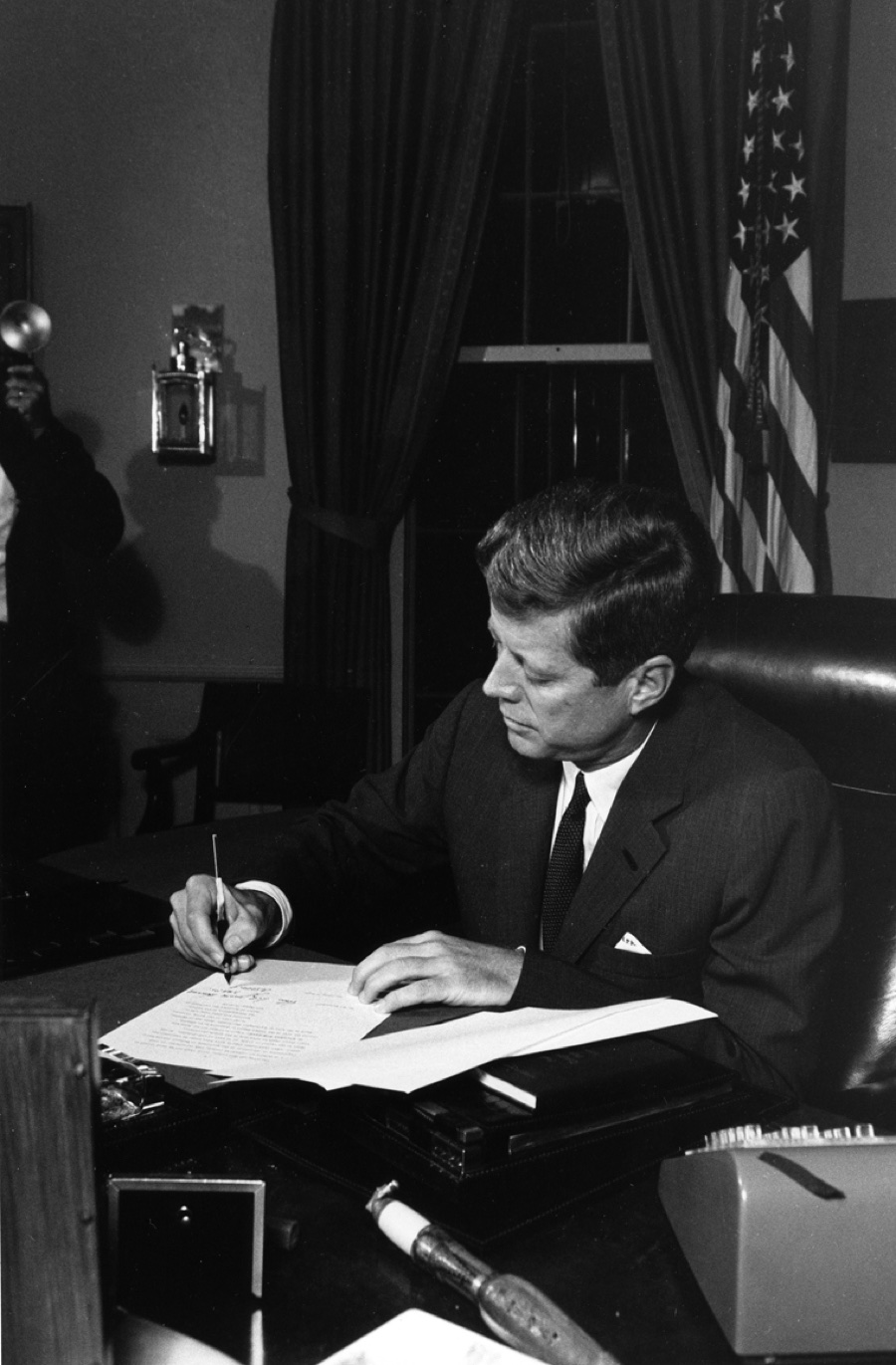
The first test of the quarantine came as Soviet ships approached the line, and the world watched to see whether they would try to run it, forcing a confrontation. In the event, most of the Soviet vessels carrying military cargo stopped or turned back, prompting Secretary of State Dean Rusk's famous remark: "We're eyeball to eyeball, and I think the other fellow just blinked." But the blink did not end the crisis, for the missiles already in Cuba remained, and work on the sites continued. The two governments now entered a period of excruciating tension and frantic communication — public ultimatums, private letters between Kennedy and Khrushchev, and back-channel contacts — as each tried to find a way out that would not require either to accept intolerable humiliation or to fire the first shot. And as they searched, the situation on the ground grew more dangerous by the hour.
Black Saturday
The most perilous day of the crisis, and perhaps of the entire Cold War, was Saturday 27 October — "Black Saturday." On that day, events threatened repeatedly to spiral out of control. Over Cuba, an American U-2 flown by Major Rudolf Anderson was shot down by a Soviet surface-to-air missile, killing him — the only combat death of the crisis — and creating enormous pressure on Kennedy to retaliate against the Cuban air defenses, a step that could have triggered escalation to war. Another U-2, on a routine mission, accidentally strayed into Soviet airspace over Siberia, raising the terrifying possibility that the Soviets might misread it as a bomber on a first strike. And beneath the waves, near the quarantine line, an even closer call was unfolding, unknown to almost everyone.
A Soviet submarine, B-59, was near the blockade line, out of radio contact with Moscow, its crew exhausted and its air foul, when US Navy destroyers, unaware it carried a nuclear torpedo, began dropping practice depth charges to force it to surface. To the submarine's officers, cut off from news, it seemed that war might already have begun, and the captain reportedly moved to launch the nuclear torpedo. Firing it required the agreement of three senior officers aboard — and one of them, Vasili Arkhipov, refused. His refusal alone prevented the launch of a nuclear weapon in the midst of the crisis, an act that would very likely have triggered nuclear war. That the world did not end that Saturday owed something to the judgment of leaders in Washington and Moscow, but it owed a great deal, too, to the nerve of one Soviet officer in a stifling submarine whose name almost no one knew for decades.
How close we came
It is worth pausing on just how narrow the escape was, because the passage of time and the opening of archives have shown it to be even narrower than the frightened participants believed. The crisis was riddled with moments where a single accident, misjudgment, or frightened decision could have tipped it into nuclear war: the U-2 shot down over Cuba (ordered, it emerged, by Soviet commanders on the scene without explicit authorization from Moscow); the U-2 lost over Siberia; the submarine and Arkhipov's veto; the many ways an air strike or invasion, seriously considered, could have escalated; the tactical nuclear weapons already in Cuba, of which the Americans were unaware, which Soviet commanders might have used against an invading force. Each of these was a place where the machinery of catastrophe was armed and waiting, restrained only by luck or by an individual's restraint. Kennedy himself later estimated the odds of the crisis ending in war as "between one out of three and even" — a chilling assessment from the man best placed to know.
The resolution and legacy
The settlement of 28 October ended the immediate danger, and both leaders, shaken by how close they had come, took steps to reduce the risk of its recurrence. A direct communications link — the "hotline" — was established between Washington and Moscow to allow leaders to talk directly in a crisis and avoid the dangerous delays of 1962. The following year, the two superpowers signed the Partial Nuclear Test Ban Treaty, a first step toward arms control born partly of the shared terror the crisis had produced. Both Kennedy and Khrushchev emerged sobered, with a new appreciation of the abyss and a new caution about approaching it. Neither, however, escaped domestic cost: Khrushchev's retreat contributed to his ouster in 1964, and Castro, who had not been consulted about the deal to remove the missiles, felt betrayed by his Soviet patron.
The crisis also reshaped the mythology of Cold War statecraft, in ways that took decades to correct. For years it was told as a story of Kennedy's steely resolve facing down Khrushchev and winning a clean victory through firmness alone — a narrative that concealed the crucial role of compromise, of the secret Turkish missile deal that let Khrushchev retreat with something to show, and of the sheer luck involved. The fuller, more accurate account, assembled as the records opened, is in some ways more valuable: it shows that the crisis was resolved not by pure toughness but by a combination of firmness and flexibility, of public resolve and private concession, and that its safe outcome was far less assured than the triumphal version suggested. That correction matters, because the lessons drawn from the crisis — about when to stand firm and when to compromise, about the dangers of brinkmanship — depend on getting the story right.
What it means
The Cuban Missile Crisis endures as the defining moment of the nuclear age — the instant when the abstract terror of the Cold War became concrete and immediate, and the survival of civilization genuinely hung on the decisions of a handful of frightened men over thirteen days. It has shaped how the world thinks about nuclear weapons ever since: as a warning of how easily deterrence can slide toward catastrophe, as an argument for arms control and crisis communication, and as a case study, taught to generations of leaders and strategists, in the perils of brinkmanship and the value of leaving an adversary a way out. Its lessons are woven into the practices — the hotlines, the treaties, the doctrines of restraint — by which the world has, so far, avoided the nuclear war it so narrowly escaped in 1962.
In the end, the Cuban Missile Crisis is not a mystery to be solved but a precipice to be contemplated. For thirteen days in October 1962, a secret Soviet gamble, exposed by an American spy plane, brought the two most powerful nations on Earth to the very threshold of a war that could have killed hundreds of millions and ended the modern world, and they were pulled back from it by a fragile combination of nerve, restraint, secret compromise, and luck — including the refusal of a single Soviet submarine officer to launch a nuclear torpedo. The fuller truth, recovered as the archives opened, is both more reassuring and more terrifying than the triumphant legend: reassuring in that leaders on both sides ultimately chose survival over victory, terrifying in that the machinery of annihilation came so close, so many times, to slipping their grasp. That is the enduring meaning of those thirteen days — not a story of heroic resolve alone, but a warning, as sharp now as then, about what it means to build weapons that can end the world, and to bring them, even for a moment, to the edge of use.
In the end, the Cuban Missile Crisis stands as the closest humanity has ever come to destroying itself — thirteen days in which the survival of the world balanced on the decisions of leaders and the accidents of chance, and came through by the narrowest of margins. It was a confrontation born of secrecy and miscalculation, resolved by a mixture of firmness, compromise, and concealment, and marked throughout by moments in which a single misstep might have ended everything. The records opened in the decades since have only deepened the lesson: that the crisis was more dangerous, and its safe resolution more contingent, than even those who lived through it knew. It is the definitive warning of the nuclear age, and its message has not expired with the Cold War that produced it. So long as such weapons exist, the possibility of another October 1962 remains, and the world's survival of the first one — by nerve, by wisdom, and by luck — is less a reassurance than a caution: that we cannot count on being so fortunate again.
Inspired this / based on it
Roger Donaldson
A dramatization of the crisis from the perspective of the Kennedy White House.
May & Zelikow
Transcripts of Kennedy's secret ExComm recordings during the crisis.
Filed under
Click any tag for every article carrying it.
Continue reading
The U-2 Incident: The Spy Plane That Wrecked a Summit
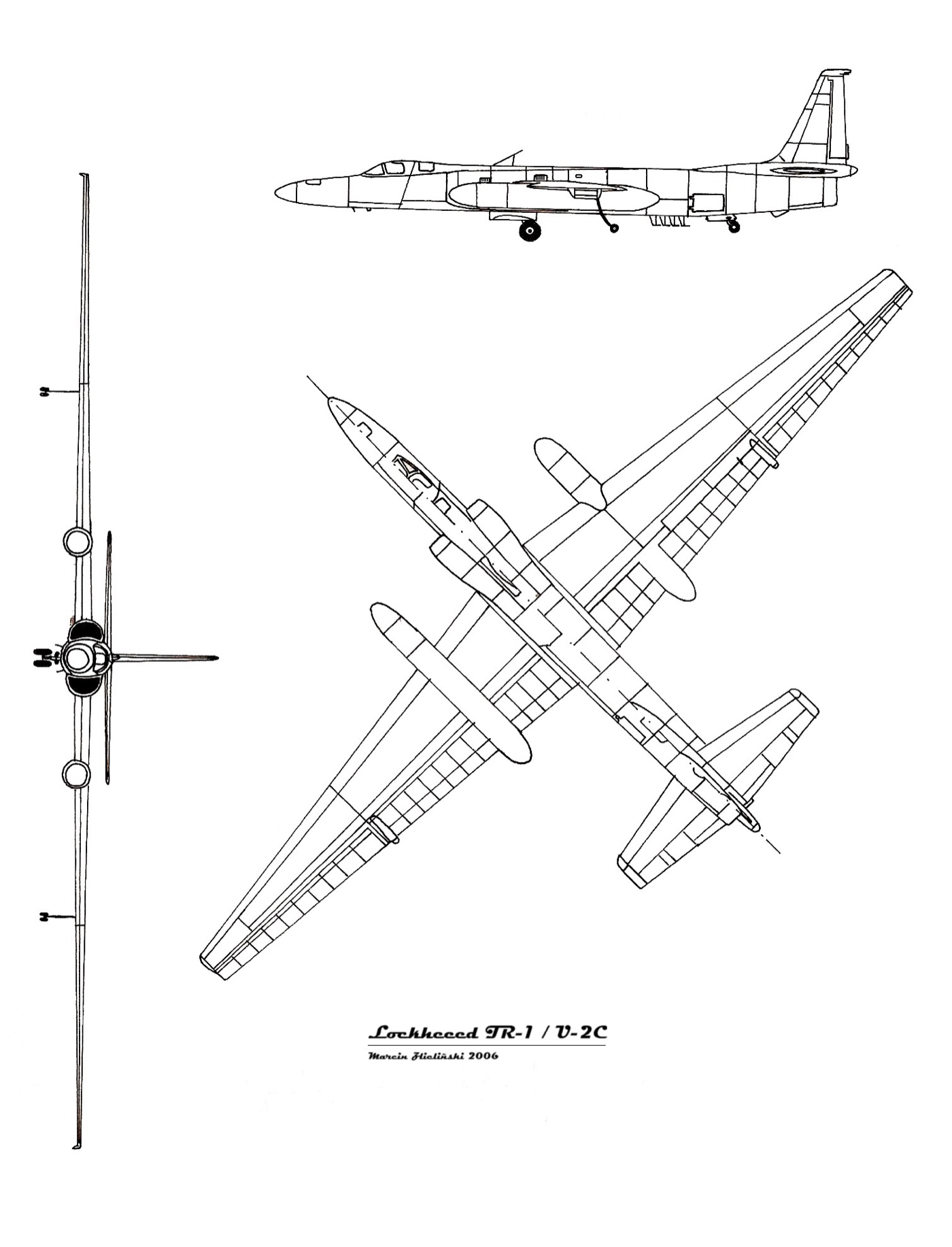
On the morning of 1 May 1960, an American U-2 reconnaissance aircraft — a strange, glider-winged spy plane built to fly higher than any fighter could reach — was cruising at some 70,000 feet over the heart of the Soviet Union, its cameras photographing military installations, when a Soviet surface-to-air missile exploded near it and sent it spinning out of the sky. The pilot, a CIA contract flyer named Francis Gary Powers, parachuted to earth and was captured alive near the city of Sverdlovsk. What followed was one of the most humiliating episodes in the history of American Cold War diplomacy. Believing the pilot dead and the plane destroyed, the United States put out a cover story: that a NASA 'weather research' plane had strayed off course after its pilot reported oxygen trouble. Then the Soviet leader Nikita Khrushchev sprang his trap, revealing that the pilot was alive, had confessed, and that the wreckage — cameras, film, and all — was in Soviet hands. President Eisenhower was exposed in a lie before the world, and, breaking with precedent, ultimately acknowledged that the United States had been conducting espionage overflights. The incident detonated days before a long-planned summit in Paris, which it duly destroyed, ending a fragile thaw and plunging the Cold War back into deep freeze. This is the story of the U-2 incident — the secret program, the shootdown, the collapsing lie, and the summit it took down with it.
The Building of the Berlin Wall, 1961
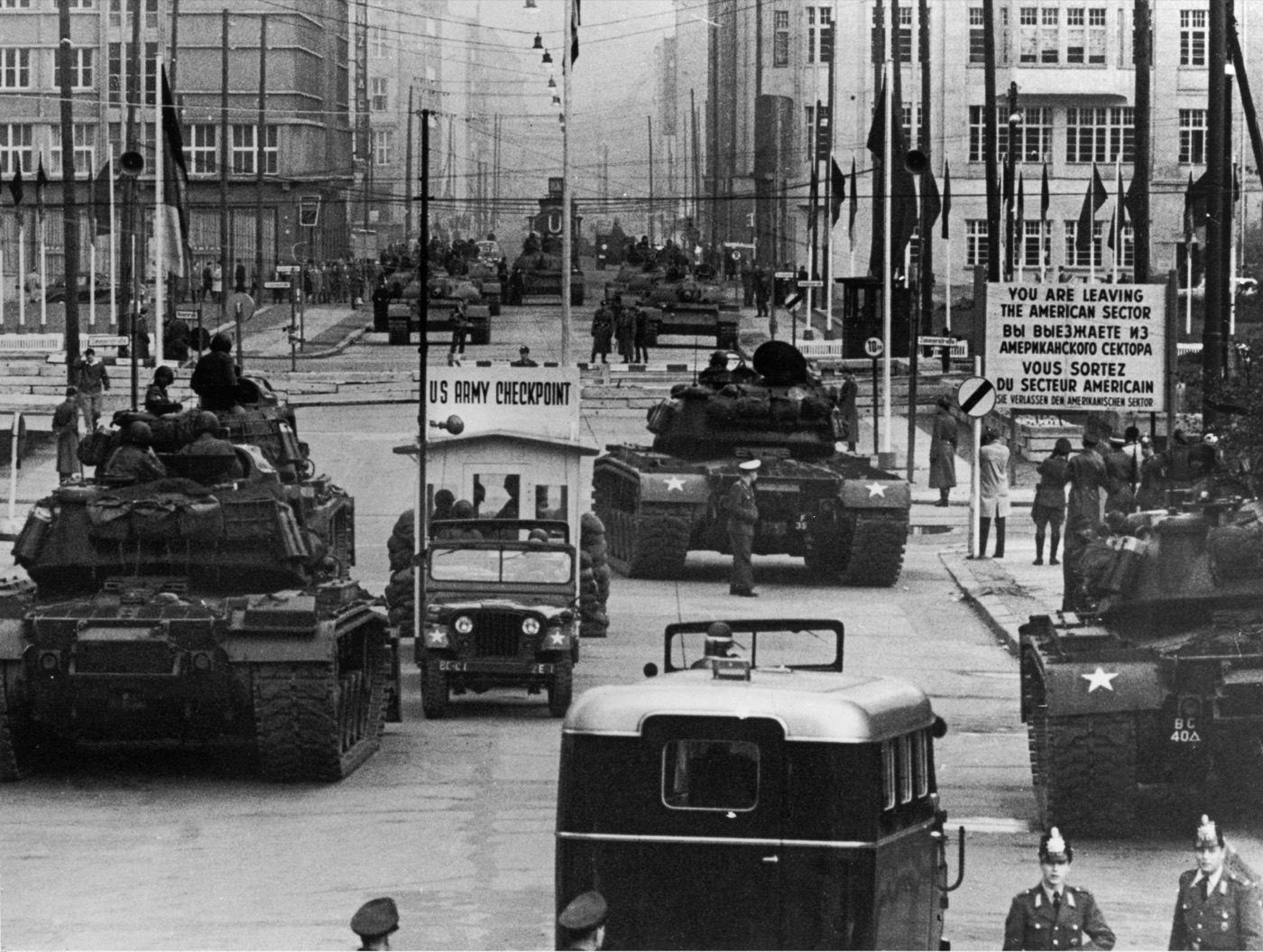
For more than a decade after the Second World War, Berlin was the great open wound of the Cold War and its most dangerous flashpoint. The city lay deep inside communist East Germany, yet it was itself divided into a Soviet-controlled east and a Western-controlled west, and the border that ran through it remained, almost uniquely, open. Through that gap, across the 1950s, millions of East Germans simply walked to freedom — boarding a train or a tram in the east and stepping off in the west, and from there flying out to a new life. They were disproportionately the young, the skilled, the educated: doctors, engineers, teachers, the very people a struggling socialist state could least afford to lose. By 1961 this haemorrhage threatened the survival of East Germany itself, and its leaders, with the backing of the Soviet Union, resolved to stop it the only way they could — by closing the door. In the early hours of Sunday 13 August 1961, East German troops and police moved into position along the sector boundary and began to seal it with barbed wire, tearing the city in two while most of its people slept. Within days the wire was giving way to concrete, and a permanent wall was rising through streets and squares, separating families, neighbours, and workplaces with a suddenness that stunned the world. The Western powers protested furiously but did not intervene, for they understood that the wall, monstrous as it was, did not threaten their own position in West Berlin — and that to challenge it by force risked a war that might go nuclear. The Berlin Wall would stand for twenty-eight years as the physical embodiment of a divided world. This is the story of the weekend it went up.
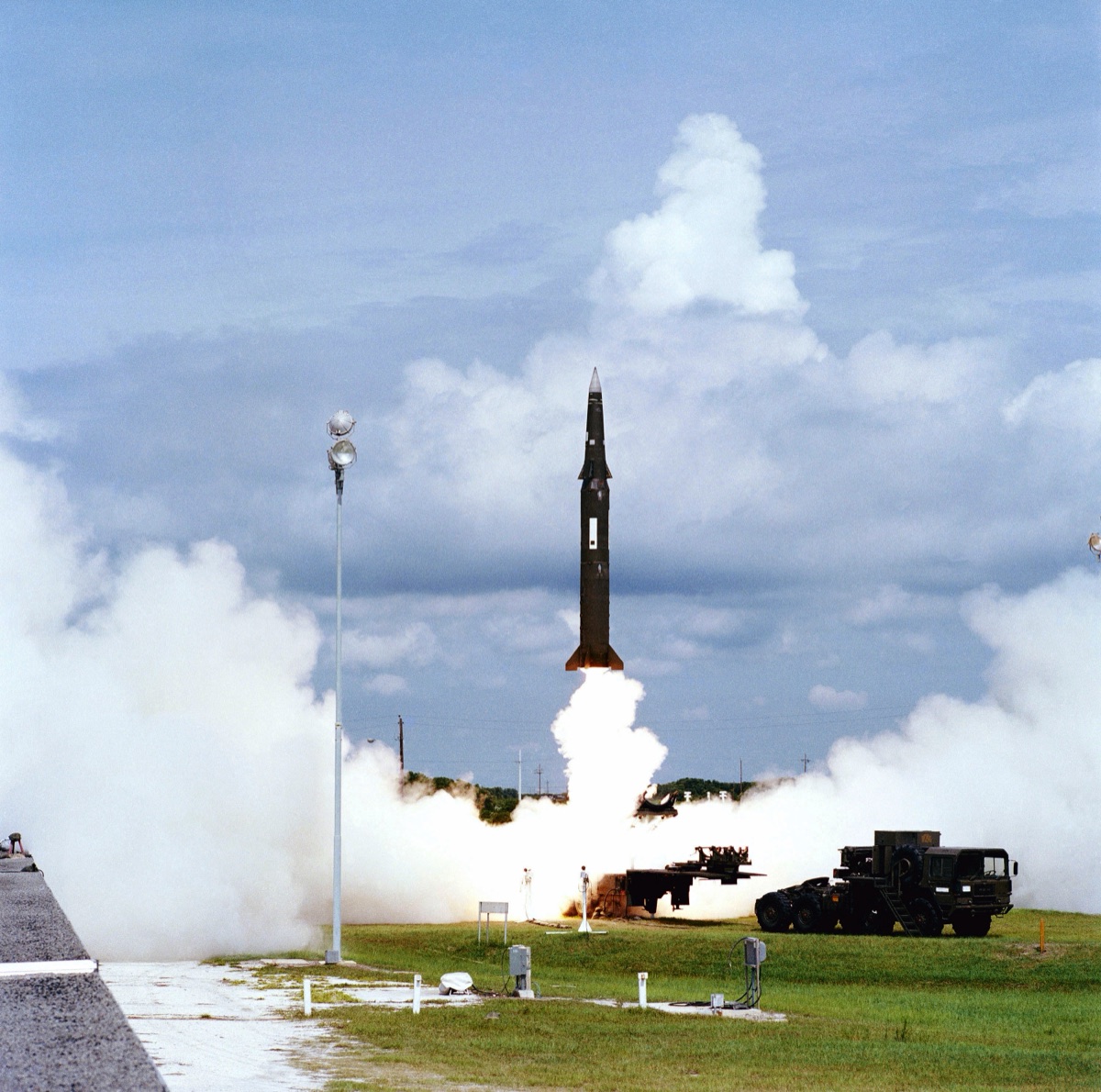
Able Archer 83: The NATO Exercise That Nearly Started a Nuclear War
In November 1983, at the tensest moment of the late Cold War, NATO conducted a command-post exercise called Able Archer 83, simulating the procedures for escalating a conflict all the way to nuclear war. It was, on its face, a routine drill. But it took place against a backdrop of extraordinary danger: a year in which President Reagan had branded the Soviet Union an 'evil empire' and launched his 'Star Wars' missile-defense plan; in which NATO was deploying Pershing II missiles in Europe that could strike Moscow in as little as six minutes; and in which the Soviets had, weeks earlier, shot down a Korean airliner, killing 269 people. Above all, it took place while the Soviet leadership, under the ailing and deeply suspicious former KGB chief Yuri Andropov, was in the grip of a genuine fear that the United States was preparing a surprise nuclear first strike — a fear so acute that the KGB was running a vast intelligence operation to watch for the signs. Into this atmosphere came Able Archer, so realistic in its simulation of a march to nuclear release that some in Moscow reportedly feared it might be the real thing, a cover for an actual attack — and the Soviets may have begun to ready their own nuclear forces in response. Whether the world truly stood on the brink, or whether the danger has been exaggerated, is debated to this day. This is the story of Able Archer 83 — the exercise that may have brought the world closer to nuclear war than anyone realized at the time.