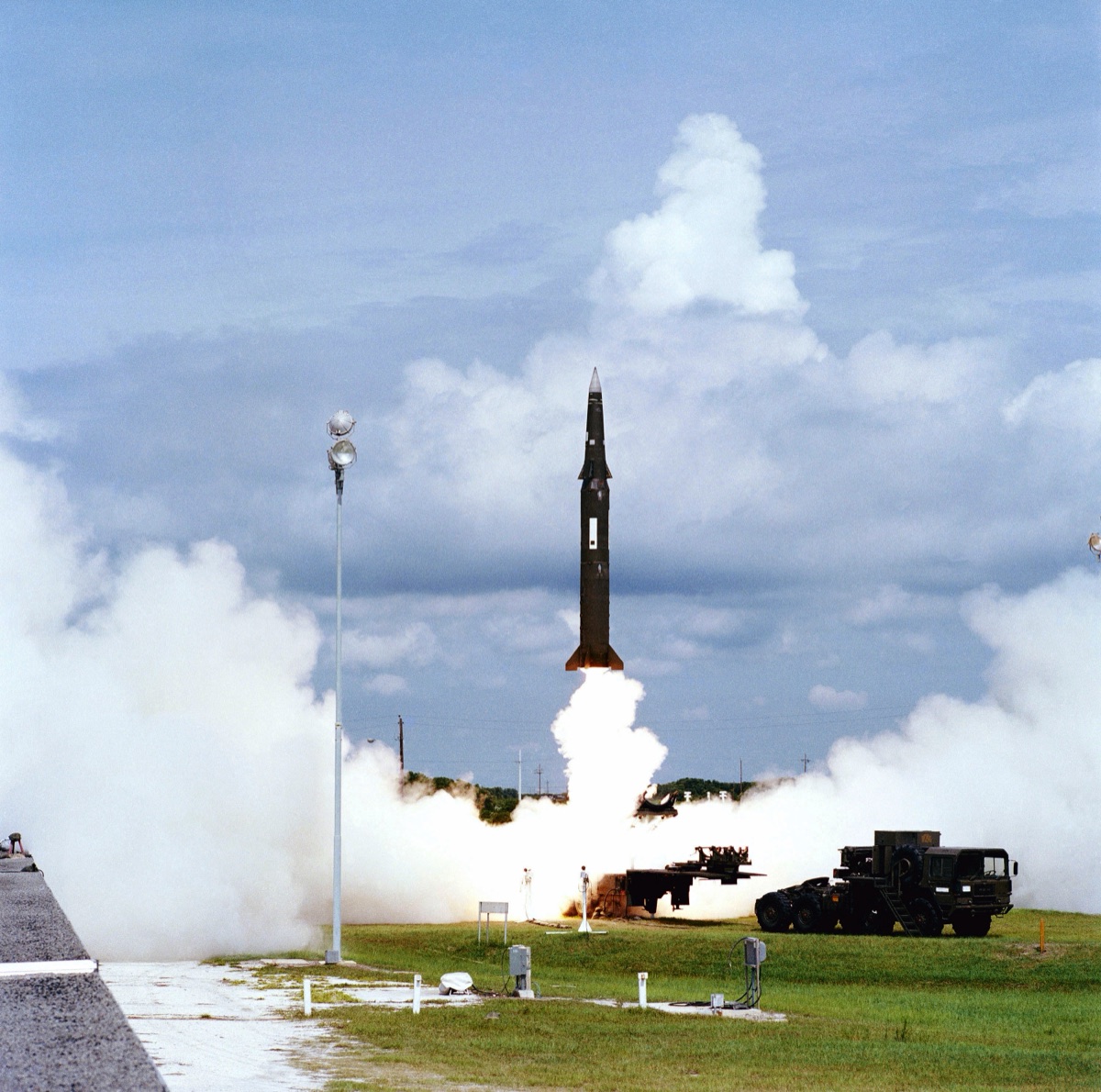
A Pershing II missile test launch. The deployment of Pershing II missiles to Europe, able to strike Moscow in minutes, was central to the Soviet fear that underlay the Able Archer scare of 1983. Wikimedia Commons / Public Domain.
Able Archer 83: The NATO Exercise That Nearly Started a Nuclear War
Europe, November 1983 — In the most dangerous year of the late Cold War, a routine NATO exercise practicing nuclear release was so realistic, and Soviet paranoia so acute, that some in Moscow feared it was cover for a real first strike — and may have readied their own weapons in response. How close it came to catastrophe is still debated
- Category
- Cold War Files
- Published
- Length
- 3,550 words · 18 min read
- Author
- The editors
Able Archer 83 occupies an unusual place among Cold War dangers, because it is a crisis that may have been almost entirely one-sided — a moment when one superpower came to believe, wrongly, that the other was about to launch a surprise nuclear attack, and may have prepared to respond, while that other superpower carried on, largely unaware that anything was amiss. It is also a case in which the central question — how close the world actually came to nuclear war — remains genuinely contested among historians, with some regarding it as perhaps the most dangerous moment since the Cuban Missile Crisis and others arguing that the danger has been overstated. This uncertainty is not a failure of the record but a feature of the event itself: because the peril lay in Soviet perceptions and intentions, much of which remains hidden in still-closed archives, the true degree of danger cannot be precisely established. What is clear, and sobering, is the underlying reality that Able Archer exposed: that the Cold War's system of deterrence, resting on each side's reading of the other's intentions, was vulnerable to catastrophic misperception — that two nations, neither wanting war, could stumble toward it not through aggression but through fear and misreading. To tell the story of Able Archer is to confront that danger, and to weigh honestly how close it came to being realized.
This is the story of the exercise that may have nearly started a war.
The most dangerous year
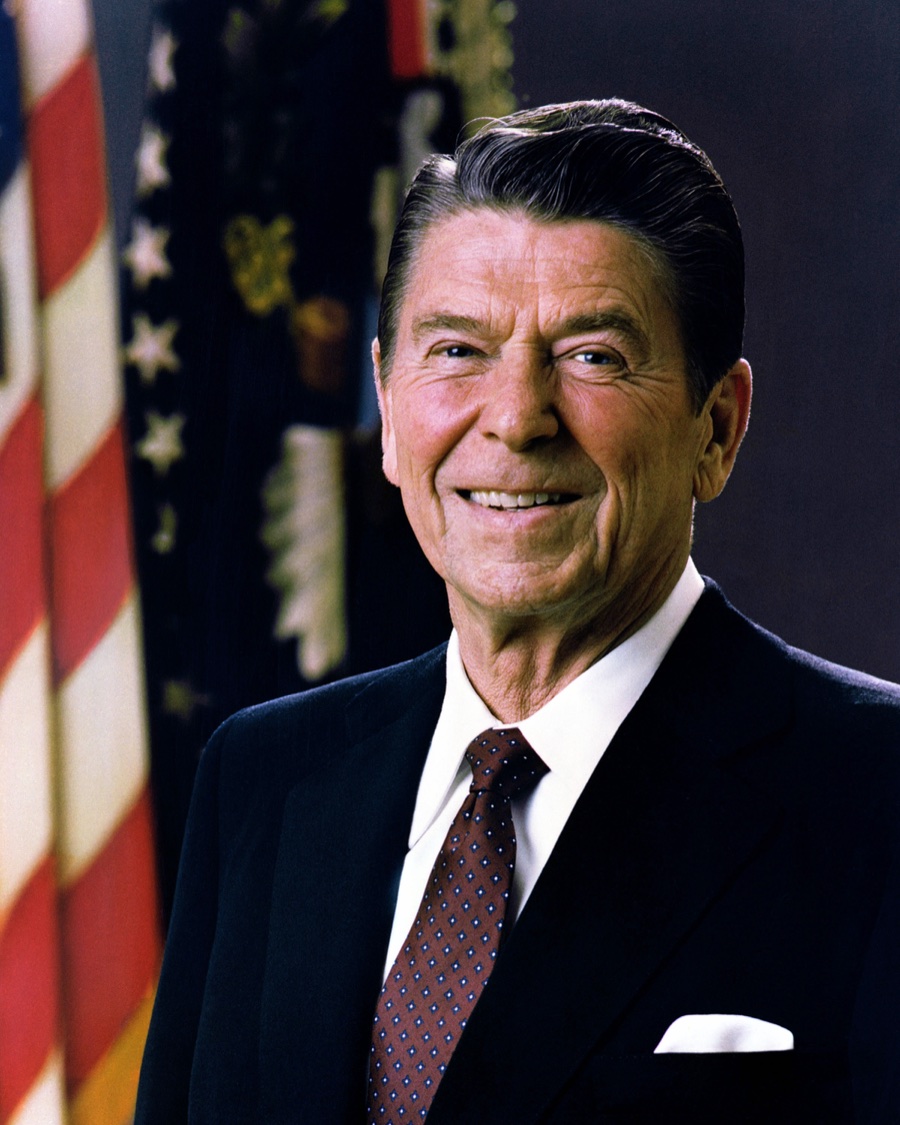
To understand the Able Archer scare, one must understand that 1983 is often considered the most dangerous year of the Cold War after 1962 — a year in which the two superpowers' relations reached a poisonous low and the risk of catastrophe, whether by design or accident, ran unusually high. President Reagan had taken a hard line against the Soviet Union, denouncing it in March 1983 as an "evil empire," and had announced the Strategic Defense Initiative, the "Star Wars" plan for a missile-defense shield that the Soviets feared might give America the ability to strike first and then block any retaliation. American and NATO military posture was assertive, including provocative naval and air operations near Soviet borders. The rhetoric and the actions together convinced a fearful Soviet leadership that the United States was not merely hostile but might be actively contemplating war.
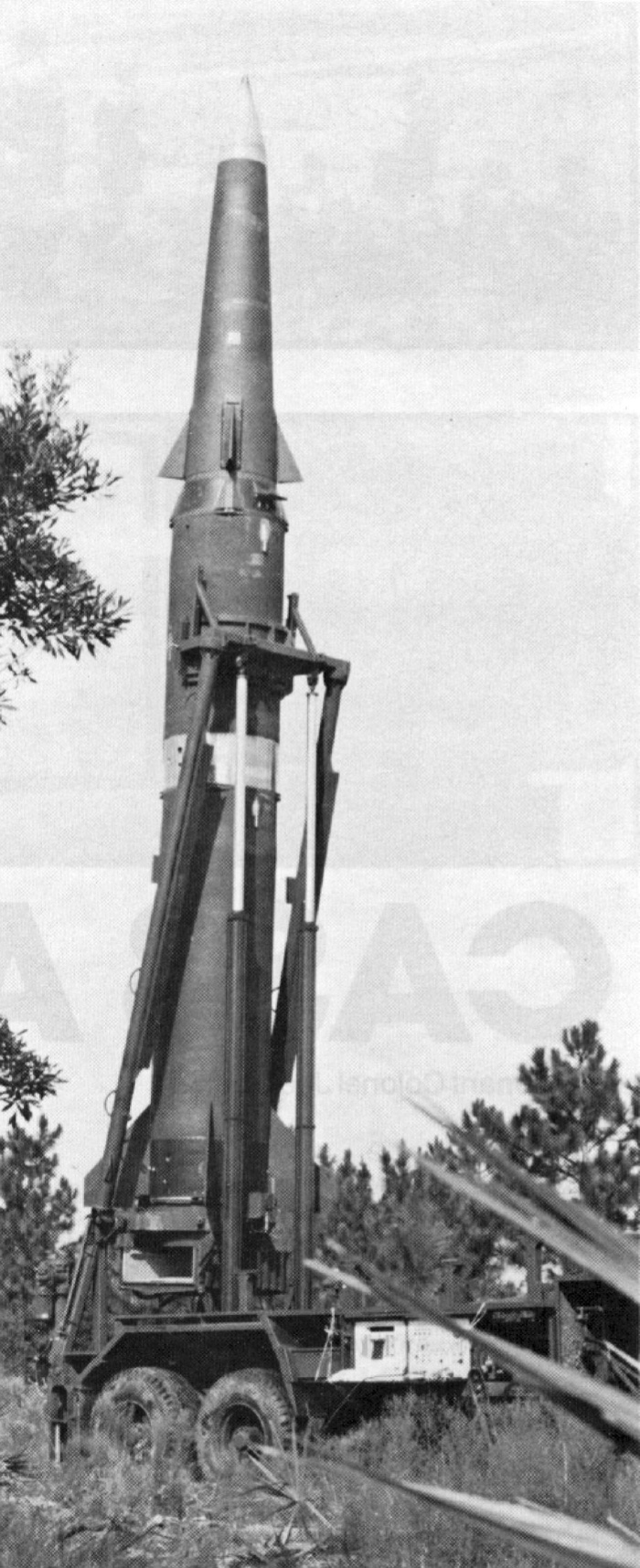
Two events sharpened the danger further. In September 1983, a Soviet fighter shot down Korean Air Lines Flight 007, a civilian airliner that had strayed into Soviet airspace, killing all 269 people aboard, including a US congressman — an atrocity that plunged relations to a new low and hardened attitudes on both sides. And NATO was in the midst of deploying a new generation of nuclear missiles in Western Europe — the Pershing II ballistic missiles and ground-launched cruise missiles — in response to earlier Soviet deployments. The Pershing IIs, stationed in West Germany, could reach targets in the western Soviet Union, potentially including command centers near Moscow, in a matter of minutes, drastically compressing the warning time the Soviets would have of an attack. To a leadership already fearful of a surprise strike, these missiles were a nightmare made concrete.
Operation RYaN
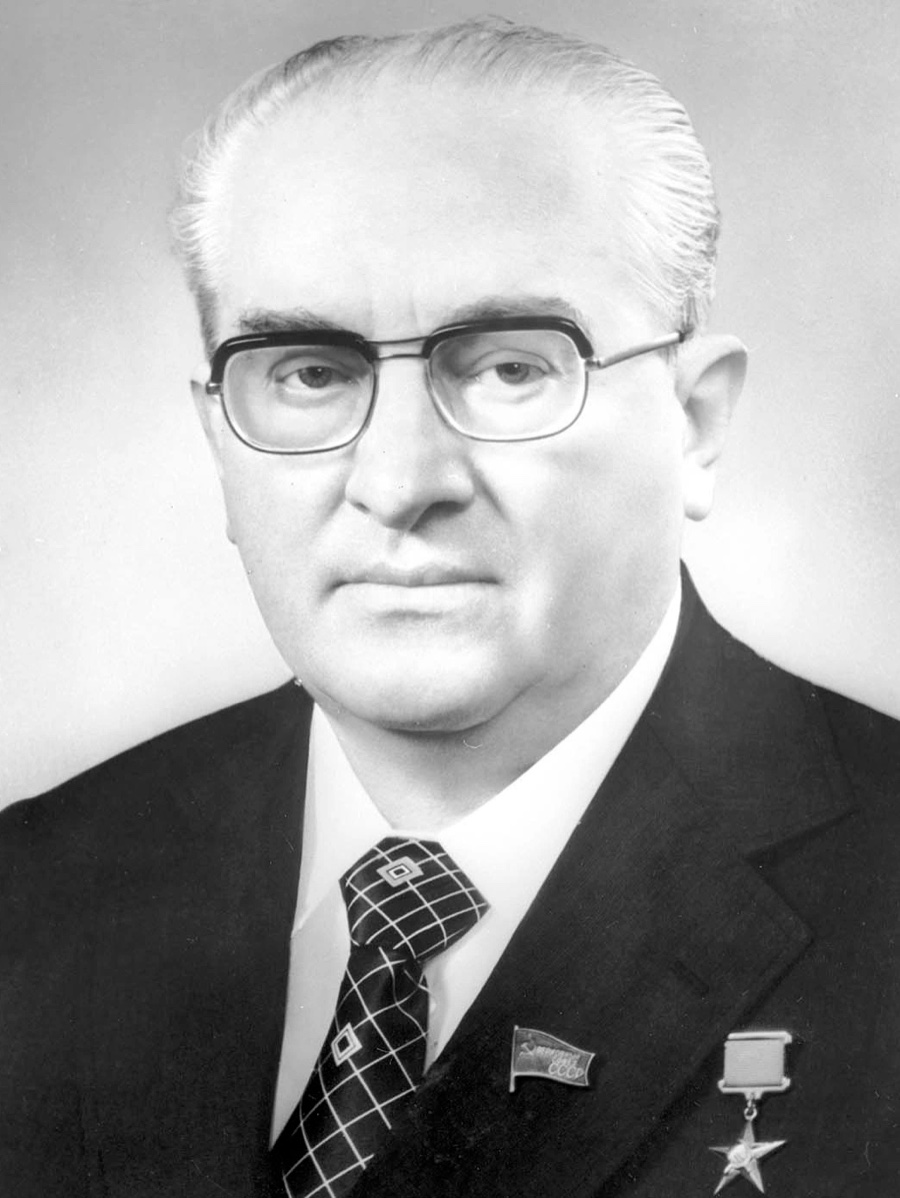
The deepest root of the danger lay inside the Soviet leadership, and specifically in a fear that had taken hold at the top. Yuri Andropov, who had led the KGB for fifteen years before becoming Soviet leader in late 1982, was a man steeped in suspicion of the West, and he had become genuinely convinced that the United States might be planning a surprise nuclear first strike to win the Cold War at a stroke. This was not mere posturing; it was a real and deeply held fear, rooted in the Soviet historical trauma of the surprise Nazi invasion of 1941 and sharpened by Reagan's rhetoric and the new missiles. Acting on it, Andropov had, as early as 1981, ordered the KGB and military intelligence to launch Operation RYaN — an acronym for the Russian phrase meaning "nuclear missile attack" — the largest peacetime Soviet intelligence operation, dedicated to detecting the signs that the West was preparing to strike.
Operation RYaN tasked Soviet agents around the world with watching for a long checklist of supposed indicators that a first strike was imminent — everything from unusual activity at government and military buildings, to the movements of key officials, to more bizarre signs such as increased blood-bank donations or lights burning late at defense ministries. The operation had a dangerous, self-reinforcing quality: agents, under pressure to report indicators their superiors expected to find, tended to find them, feeding the leadership's fears with a stream of alarming but often misinterpreted data. By late 1983, the Soviet intelligence apparatus was primed to see preparations for a Western attack, its perceptions distorted by the very fear it was meant to test. It was into this hair-trigger of misperception that Able Archer 83 arrived.
The exercise
Able Archer 83 was, in itself, a routine event — an annual NATO command-post exercise, part of the larger Autumn Forge series, designed to rehearse the procedures by which NATO would manage an escalating conflict and, if it came to that, coordinate the release of nuclear weapons. It was a communications and command drill, not a movement of actual forces to attack positions; no real weapons were readied for use. But the 1983 iteration incorporated new and more realistic elements that, unluckily, made it look more like the real thing to nervous Soviet watchers. It used new, higher-fidelity communications formats and procedures; it simulated a full escalation through the alert stages toward nuclear release; it reportedly involved, or referred to, the participation of senior political leaders; and it included periods of radio silence. To Soviet intelligence, straining through Operation RYaN to detect exactly this kind of escalation, these features were alarming.
The crucial danger was that a realistic exercise of exactly this kind was precisely what a nation planning a surprise attack might use as cover: mobilizing and readying its forces under the guise of a drill, then converting the exercise into the real thing at the last moment. Soviet doctrine and fears specifically anticipated such a ruse. So when Soviet intelligence observed NATO rehearsing a march to nuclear war with unusual realism, at a moment of maximum tension, some in Moscow reportedly drew the terrifying conclusion that Able Archer might not be an exercise at all — that it might be the camouflage for an actual first strike, then only hours away. And a leadership that believed an attack might be imminent faced the most dangerous temptation in all of nuclear strategy: the pressure to strike first, before being struck.
The near-miss and the debate
That the West learned of the Soviet alarm at all was largely due to a spy: Oleg Gordievsky, a senior KGB officer in London who was secretly working for British intelligence, and who reported the Soviet leadership's genuine fear of a Western first strike, including its alarm during the Able Archer period. It was Gordievsky's reporting, more than anything, that alerted British and American leaders — after the fact — to how seriously the Soviets had taken the exercise, and how frightened they had been. This intelligence, once absorbed, was deeply sobering: it suggested that the West had, without realizing it, conducted an exercise that its adversary had come close to mistaking for the opening of a nuclear war.
Just how close the world actually came, however, is a matter of genuine and ongoing historical debate, and honesty requires acknowledging the uncertainty. On one side, the alarming interpretation — associated with Gordievsky's account and with a 2015 declassified US intelligence review (by the President's Foreign Intelligence Advisory Board) — holds that the danger was real and serious, perhaps the closest brush with nuclear war since 1962, and that American leaders had been dangerously unaware of the Soviet fear they were provoking. On the other side, revisionist historians have argued that the danger has been exaggerated: that while the KGB was alarmed, the Soviet military did not in fact go to a genuine war footing, that the reported alerts were limited, and that the "near-miss" narrative outran the evidence. The truth, given how much remains classified in Soviet archives, is genuinely uncertain, and probably lies somewhere in between: a real and dangerous moment of mutual misperception, whose exact proximity to catastrophe cannot now be precisely measured.
The reckoning and the thaw
Whatever its exact degree of danger, the Able Archer scare had a profound and constructive aftermath, because of how it affected President Reagan. As the intelligence about Soviet fears — from Gordievsky and other sources — reached him, Reagan was reportedly genuinely shaken to learn that the Soviets had truly believed he might be planning to attack them. He had thought of his tough posture as defensive and deterrent, not as something that could be misread as preparation for aggression, and the revelation that his adversary lived in real fear of an American first strike appears to have altered his thinking. In his memoirs and in the accounts of those around him, this dawning awareness contributed to a shift, over his second term, away from confrontation and toward dialogue and arms reduction.
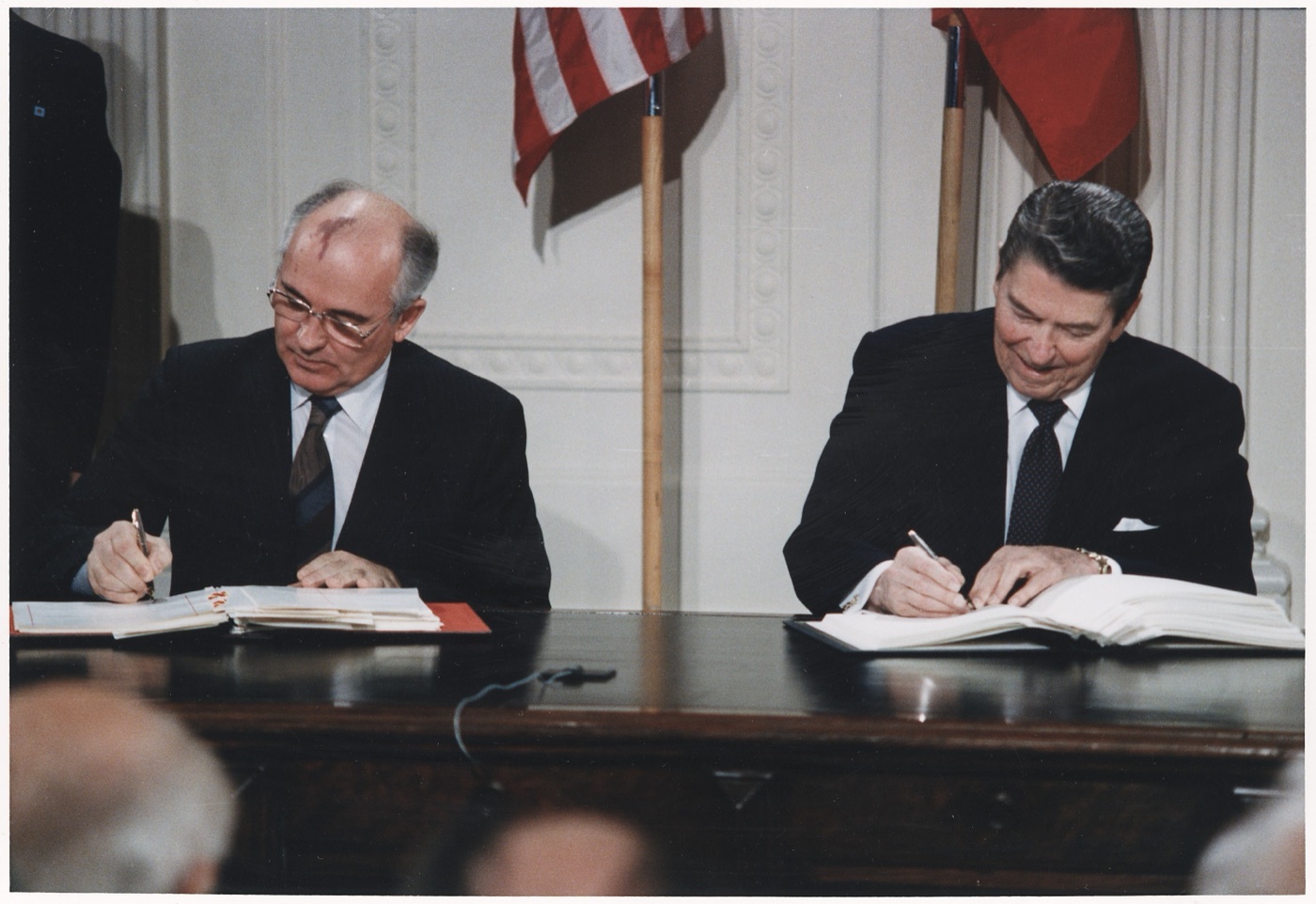
That shift bore remarkable fruit. With the rise of Mikhail Gorbachev in the Soviet Union and Reagan's turn toward engagement, the two leaders pursued a thaw that would have seemed impossible in 1983, culminating in the Intermediate-Range Nuclear Forces Treaty of 1987 — which eliminated an entire class of nuclear missiles, including the very Pershing IIs and Soviet weapons whose deployment had helped fuel the crisis — and setting the stage for the end of the Cold War. It is one of history's quieter ironies that a scare born of misperception and fear may have helped, by revealing how dangerous that fear had become, to push both sides toward the dialogue that eventually ended the confrontation. The exercise that nearly triggered catastrophe may also have helped make catastrophe less likely thereafter.
What it means
Able Archer 83 endures as one of the most instructive episodes of the Cold War, precisely because of what it reveals about the hidden dangers of the nuclear standoff. It is a reminder that the risk of nuclear war did not come only from deliberate confrontations like the Cuban Missile Crisis, but also, and perhaps more insidiously, from the possibility of misperception — from the terrifying scenario in which one side, gripped by fear and misreading the other's actions, might launch a war that no one intended. It illustrates how rhetoric and posture, meant as deterrence, can be received as threat; how an intelligence system built on fear can distort its own perceptions; and how, in the compressed timeframes of the missile age, a misunderstanding might have only hours to be corrected before it became irreversible. And it stands as a case in which the very act of learning how frightened the adversary had become helped, in the end, to reduce the danger, by prompting a turn toward the dialogue that eased and eventually ended the Cold War.
In the end, Able Archer 83 is a story whose full truth remains partly hidden, and whose central question — how close the world truly came to nuclear war in November 1983 — may never be definitively answered, locked as it is in the still-sealed perceptions and intentions of the Soviet leadership. What can be said is sobering enough: that in the most dangerous year of the late Cold War, a routine NATO exercise, made realistic by new procedures and arriving amid extreme tension and acute Soviet fear, was taken by some in Moscow as possible cover for a real attack, prompting them to ready their forces for a war that was never coming — while the West carried on, largely unaware. Whether this was a genuine brush with annihilation or a scare later magnified, it exposed a danger at the heart of the nuclear age that no treaty has fully banished: the danger that fear and misperception, more than any deliberate aggression, might one day spark the catastrophe that deterrence is meant to prevent. That the world passed through those November days without disaster owes something to luck, something to a spy's reporting, and something to the leaders who, learning how close fear had brought them, chose to step back. It is a warning that echoes still — that in a world armed to destroy itself, the safety of all can depend on the ability of each side to see itself clearly through the eyes of the other, and to remember that the enemy, too, is afraid.
In the end, Able Archer 83 stands as the Cold War's great warning about the danger of misperception — the sobering possibility that the world might be brought to the brink of nuclear war not by any decision to fight but by fear, misreading, and the terrible logic of the first strike. In November 1983, amid the poisonous tension of the decade's most dangerous year, a NATO exercise designed only to rehearse procedures was taken by a frightened Soviet leadership as the possible mask of a real attack, and the world may have come closer to catastrophe than almost anyone alive at the time understood. How close, exactly, is a question the sealed archives have not fully answered, and perhaps never will. But the lesson does not depend on the precise measure of the danger. Able Archer reveals that deterrence is only as safe as the perceptions on which it rests, that fear can turn a rehearsal into a trigger, and that the survival of the world can hinge on the ability of adversaries to understand one another across a gulf of mistrust. That the crisis passed, and that the fear it exposed helped push both sides toward peace, is cause for some relief — but the warning it sounds, about how easily misperception might one day light the fuse, remains as urgent now as it was in the anxious November of 1983.
Inspired this / based on it
Taylor Downing
A history of the Able Archer scare and the dangers of 1983.
Anna & Jörg Winger
A German drama series set against the tensions of 1983 and the Able Archer exercise.
Filed under
Click any tag for every article carrying it.
Continue reading
The Cuban Missile Crisis: Thirteen Days on the Nuclear Brink
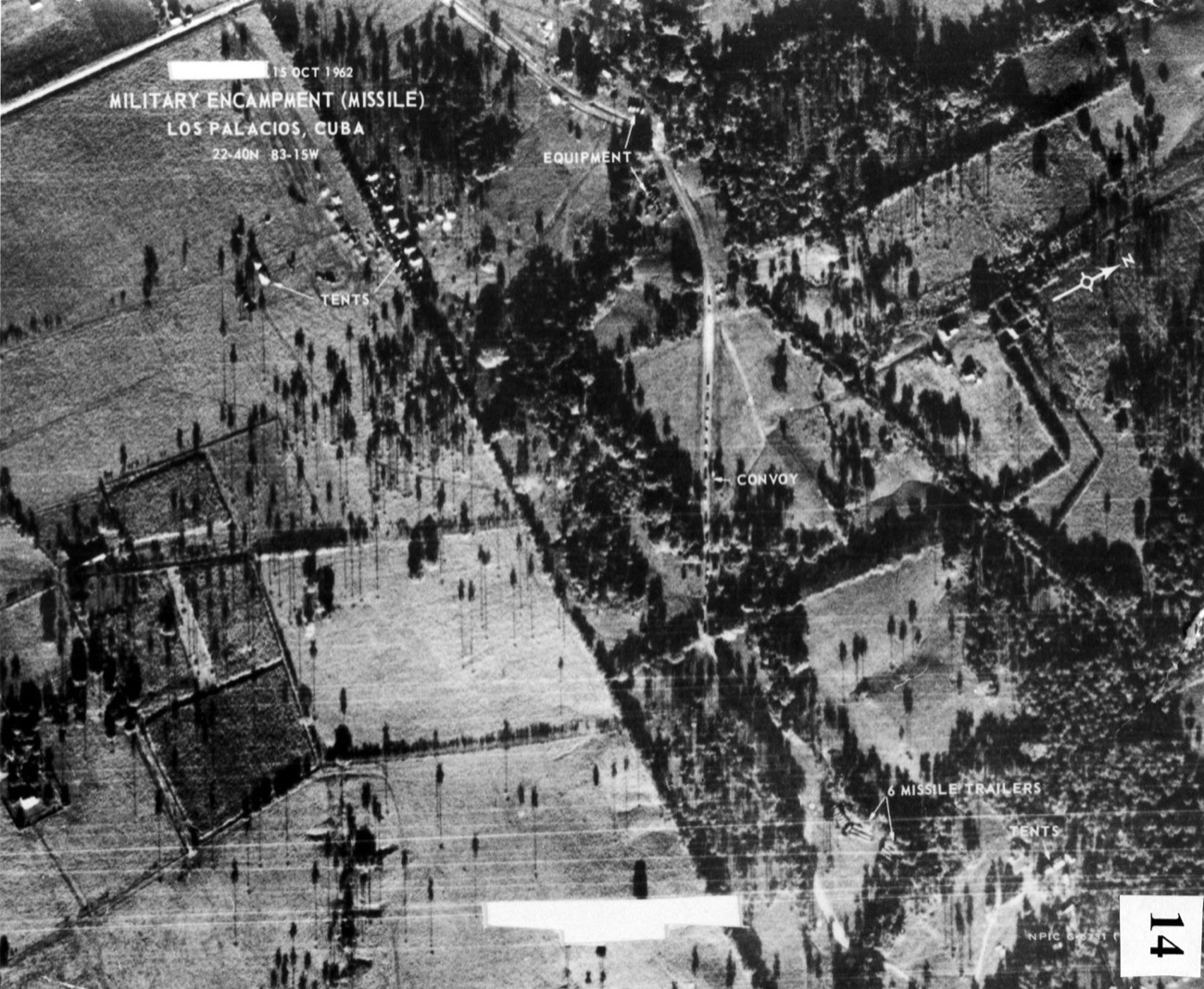
In October 1962, the Cold War came within a hair's breadth of becoming a nuclear one. For thirteen days that month, the United States and the Soviet Union confronted each other over the discovery that the Soviets had secretly installed nuclear missiles in Cuba, ninety miles from the American coast, capable of striking much of the United States within minutes. American reconnaissance had caught the deployment while the missile sites were still being built; President John F. Kennedy imposed a naval blockade of the island and demanded the missiles' removal; and for the better part of two weeks the world held its breath as the two superpowers, each armed with the power to destroy the other and much of humanity, edged toward the abyss. It was, and remains, the closest the world has ever come to full-scale nuclear war — closer, it later emerged, than even the participants understood at the time, with more than one moment in which a single decision, or a single frightened officer, might have triggered catastrophe. That it ended not in annihilation but in a negotiated settlement was the product of nerve, restraint, back-channel diplomacy, a secret deal, and no small amount of luck. This is the story of the Cuban Missile Crisis — the secret deployment, the discovery, the standoff, the near-catastrophes, and the fragile bargain that saved the world.
The U-2 Incident: The Spy Plane That Wrecked a Summit
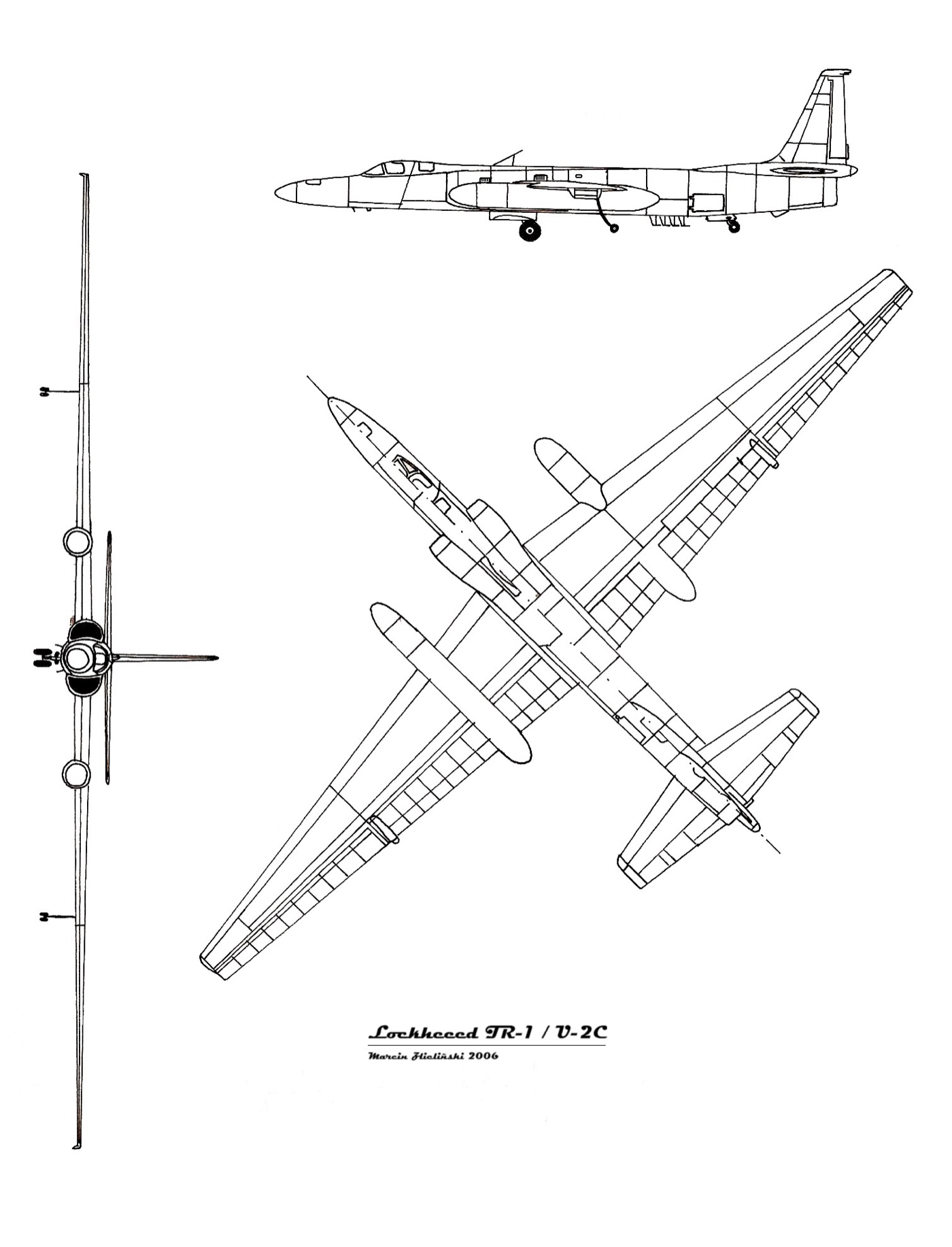
On the morning of 1 May 1960, an American U-2 reconnaissance aircraft — a strange, glider-winged spy plane built to fly higher than any fighter could reach — was cruising at some 70,000 feet over the heart of the Soviet Union, its cameras photographing military installations, when a Soviet surface-to-air missile exploded near it and sent it spinning out of the sky. The pilot, a CIA contract flyer named Francis Gary Powers, parachuted to earth and was captured alive near the city of Sverdlovsk. What followed was one of the most humiliating episodes in the history of American Cold War diplomacy. Believing the pilot dead and the plane destroyed, the United States put out a cover story: that a NASA 'weather research' plane had strayed off course after its pilot reported oxygen trouble. Then the Soviet leader Nikita Khrushchev sprang his trap, revealing that the pilot was alive, had confessed, and that the wreckage — cameras, film, and all — was in Soviet hands. President Eisenhower was exposed in a lie before the world, and, breaking with precedent, ultimately acknowledged that the United States had been conducting espionage overflights. The incident detonated days before a long-planned summit in Paris, which it duly destroyed, ending a fragile thaw and plunging the Cold War back into deep freeze. This is the story of the U-2 incident — the secret program, the shootdown, the collapsing lie, and the summit it took down with it.
The Building of the Berlin Wall, 1961
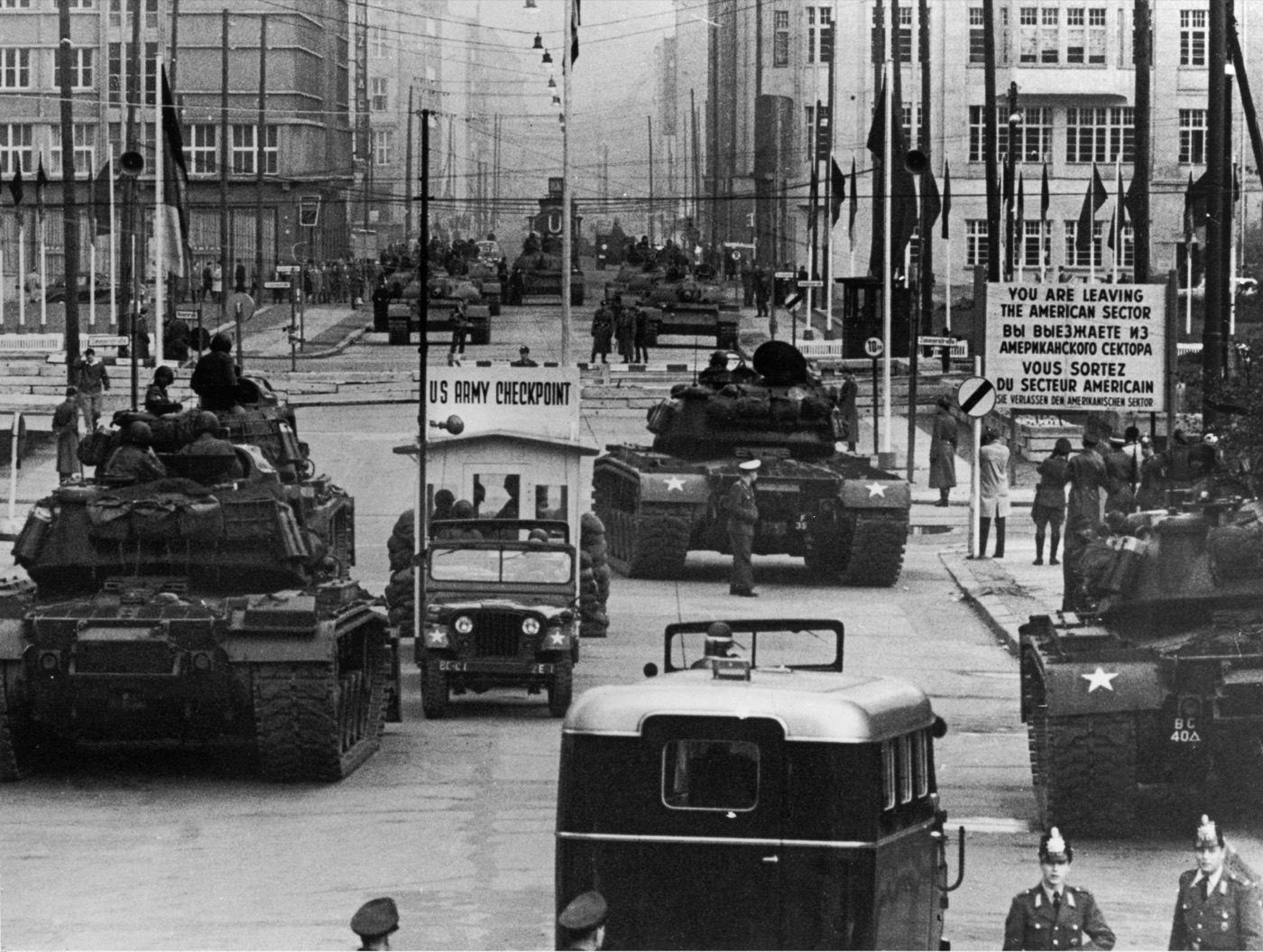
For more than a decade after the Second World War, Berlin was the great open wound of the Cold War and its most dangerous flashpoint. The city lay deep inside communist East Germany, yet it was itself divided into a Soviet-controlled east and a Western-controlled west, and the border that ran through it remained, almost uniquely, open. Through that gap, across the 1950s, millions of East Germans simply walked to freedom — boarding a train or a tram in the east and stepping off in the west, and from there flying out to a new life. They were disproportionately the young, the skilled, the educated: doctors, engineers, teachers, the very people a struggling socialist state could least afford to lose. By 1961 this haemorrhage threatened the survival of East Germany itself, and its leaders, with the backing of the Soviet Union, resolved to stop it the only way they could — by closing the door. In the early hours of Sunday 13 August 1961, East German troops and police moved into position along the sector boundary and began to seal it with barbed wire, tearing the city in two while most of its people slept. Within days the wire was giving way to concrete, and a permanent wall was rising through streets and squares, separating families, neighbours, and workplaces with a suddenness that stunned the world. The Western powers protested furiously but did not intervene, for they understood that the wall, monstrous as it was, did not threaten their own position in West Berlin — and that to challenge it by force risked a war that might go nuclear. The Berlin Wall would stand for twenty-eight years as the physical embodiment of a divided world. This is the story of the weekend it went up.