Tag
#ponzi-scheme
2 articles
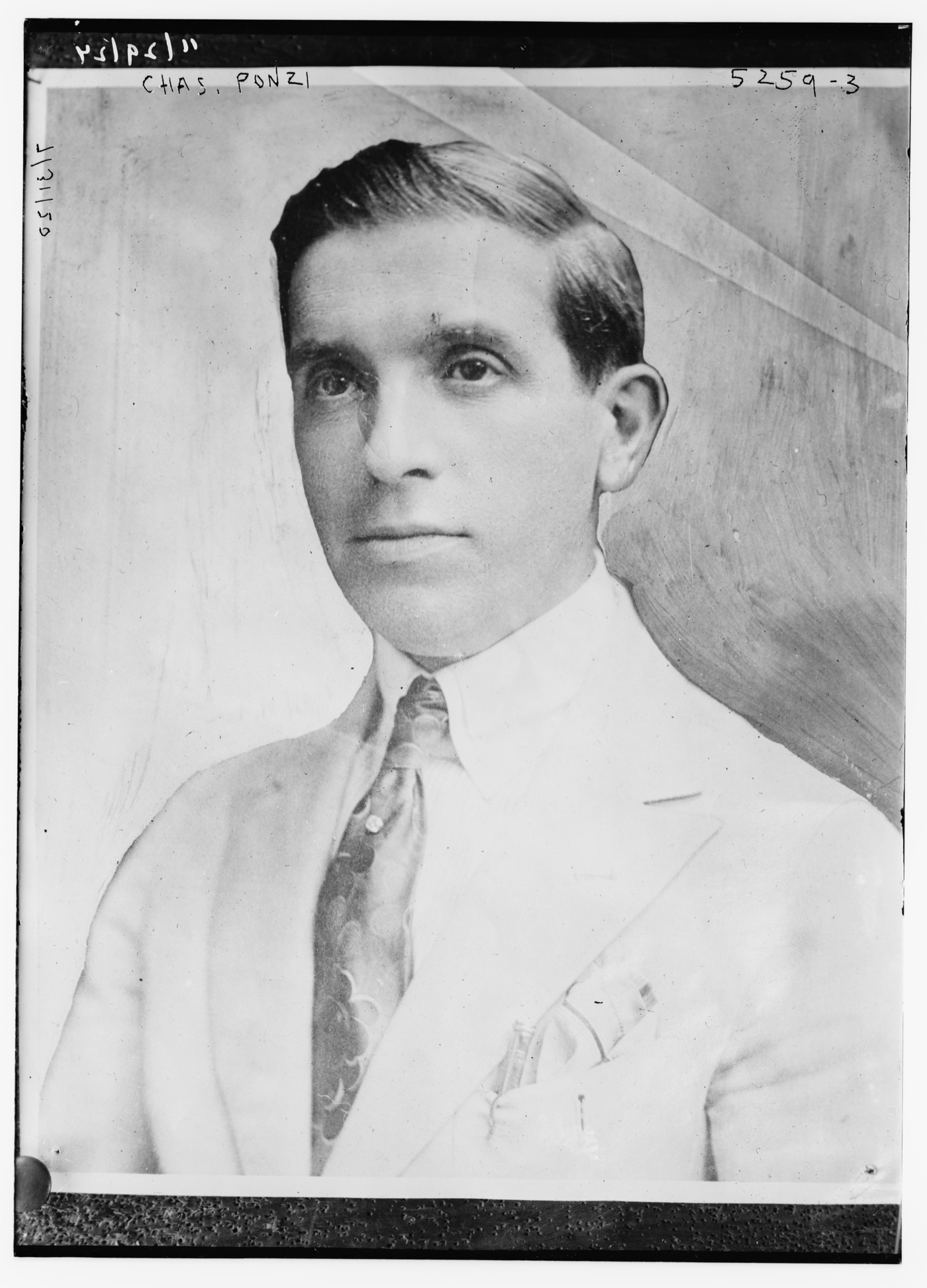
Charles Ponzi and the Scheme That Bears His Name
In the summer of 1920, a small, dapper Italian immigrant named Charles Ponzi was the most talked-about man in Boston. From a modest office on School Street, he was offering something that sounded impossible and turned out to be exactly that: a 50 percent return in 45 days, a 100 percent return in 90 days, on an investment he said was backed by a clever arbitrage in international postal reply coupons. Money poured in — from labourers and police officers, from widows and shopkeepers, from people who mortgaged their homes and emptied their savings to get a piece of it. At the height of the mania he was taking in hundreds of thousands of dollars a day, and crowds lined up outside his door pressing cash into his hands. The arbitrage he described was real in theory and worthless in practice; the coupons were never traded in any meaningful volume. What Ponzi was actually doing was paying his early investors with the money of his later ones — sustaining the illusion of fabulous profits only as long as new money flowed in faster than old money was withdrawn. It could not last, and it did not. Within months a newspaper, a financial analyst, and a disillusioned publicity man had pulled the structure apart, a run emptied his company, and an audit revealed that behind the millions he had collected there was nothing but debt. He went to prison, was deported, and died penniless in a charity ward in Rio de Janeiro. But his name did not die with him: the confidence trick he performed so memorably — paying old investors with new investors' money and calling it profit — has been known ever since as the Ponzi scheme. This is the story of the man behind the name.

Bernie Madoff and the Biggest Ponzi Scheme in History
Bernard L. Madoff was not a fringe hustler but a pillar of Wall Street. He had helped build the Nasdaq stock market and served as its chairman; he ran a respected market-making firm; he moved easily among the wealthy, the philanthropic, and the powerful. And alongside his legitimate business, he ran an investment-advisory operation that was, for decades, the envy of finance: a fund that delivered remarkably steady, positive returns year after year, in good markets and bad, never seeming to lose money. To be allowed to invest with Madoff was a mark of status, a privilege extended to wealthy individuals, charities, university endowments, banks, and feeder funds around the world. There was only one problem, and it was total: the investments did not exist. Madoff was not generating those steady returns by any strategy at all. He was running a Ponzi scheme — paying the 'returns' and redemptions of existing investors with the fresh money of new ones, while no real trading took place. For decades it worked, because as long as more money came in than went out, the scheme could continue and the statements could show whatever Madoff wanted them to show. When the financial crisis of 2008 triggered a wave of withdrawals he could not meet, the scheme collapsed, and the scale of it stunned the world: customer account statements showed about $65 billion that did not exist, built on perhaps $17–20 billion of real money that investors had actually handed over and that was now largely gone. It was the largest Ponzi scheme in history. And the most damning detail of all was that a financial analyst named Harry Markopolos had been telling the Securities and Exchange Commission, repeatedly and in detail, for nine years, that Madoff was a fraud — and had been ignored. This article tells the story of the respectable man who ran the biggest financial fraud ever, the warnings the watchdogs missed, and the lives it destroyed.
2 files · end of the line