Tag
#reagan
2 articles
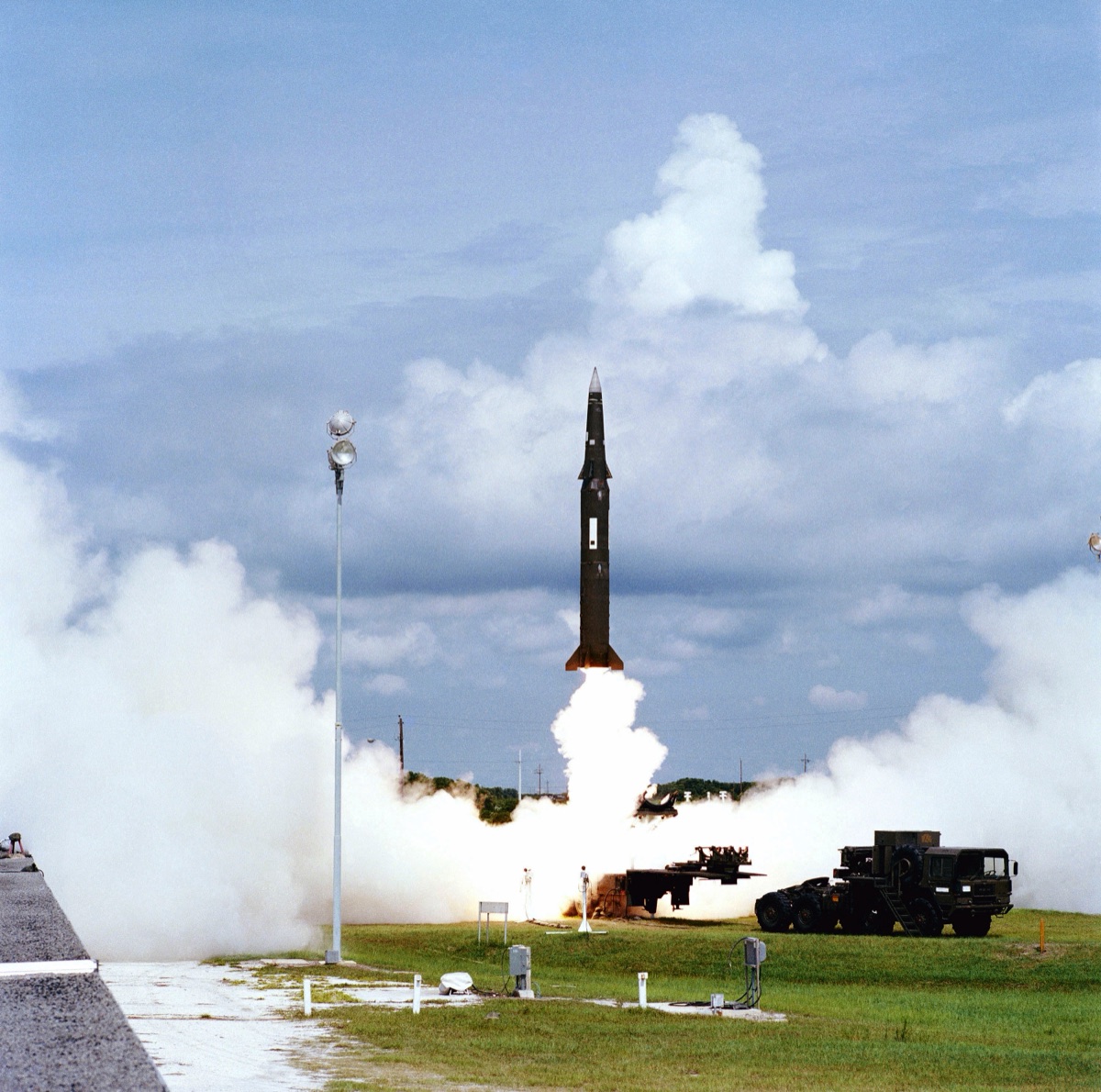
Able Archer 83: The NATO Exercise That Nearly Started a Nuclear War
In November 1983, at the tensest moment of the late Cold War, NATO conducted a command-post exercise called Able Archer 83, simulating the procedures for escalating a conflict all the way to nuclear war. It was, on its face, a routine drill. But it took place against a backdrop of extraordinary danger: a year in which President Reagan had branded the Soviet Union an 'evil empire' and launched his 'Star Wars' missile-defense plan; in which NATO was deploying Pershing II missiles in Europe that could strike Moscow in as little as six minutes; and in which the Soviets had, weeks earlier, shot down a Korean airliner, killing 269 people. Above all, it took place while the Soviet leadership, under the ailing and deeply suspicious former KGB chief Yuri Andropov, was in the grip of a genuine fear that the United States was preparing a surprise nuclear first strike — a fear so acute that the KGB was running a vast intelligence operation to watch for the signs. Into this atmosphere came Able Archer, so realistic in its simulation of a march to nuclear release that some in Moscow reportedly feared it might be the real thing, a cover for an actual attack — and the Soviets may have begun to ready their own nuclear forces in response. Whether the world truly stood on the brink, or whether the danger has been exaggerated, is debated to this day. This is the story of Able Archer 83 — the exercise that may have brought the world closer to nuclear war than anyone realized at the time.
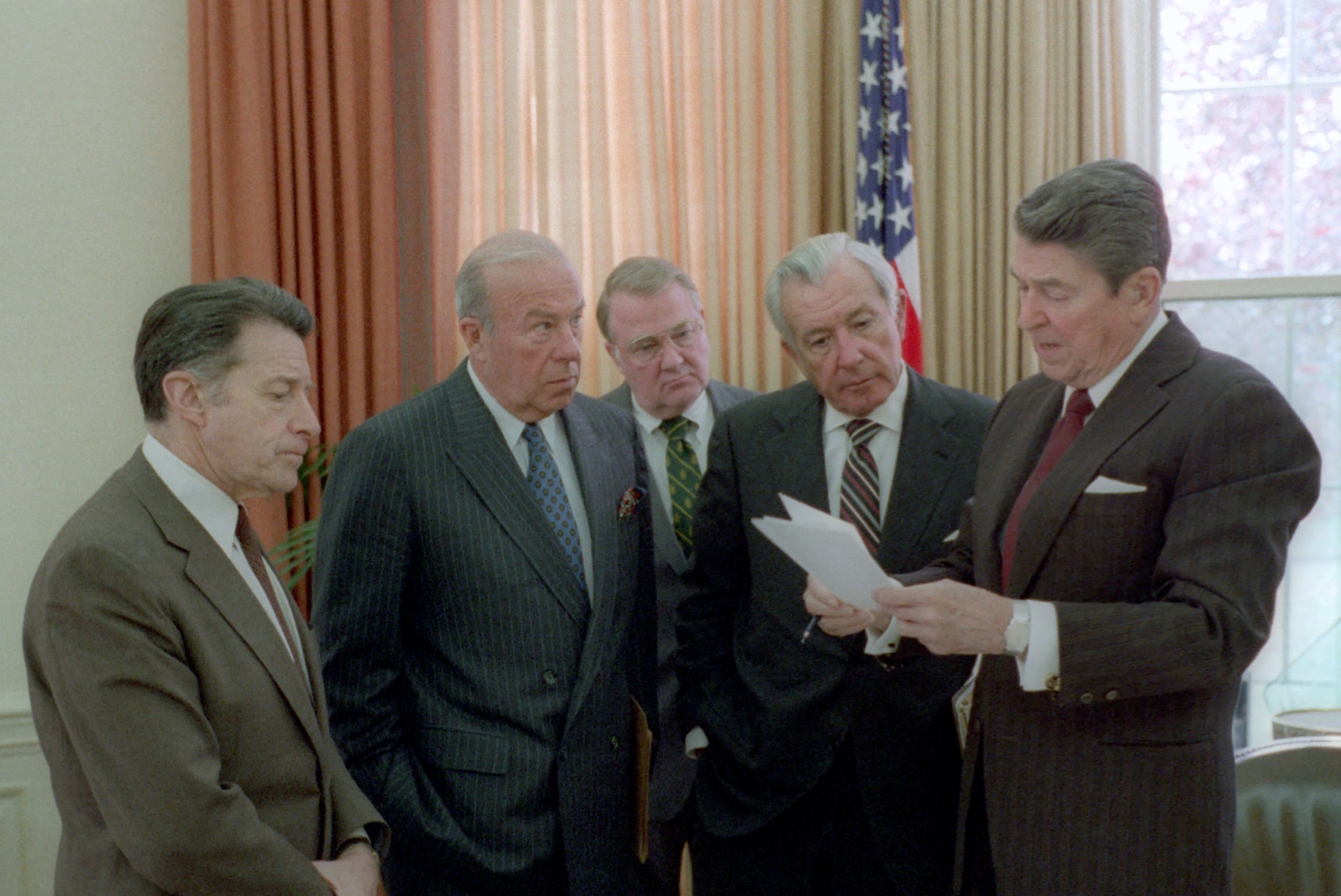
Iran-Contra
Between August 1985 and October 1986, the Reagan administration secretly sold anti-tank and anti-aircraft missiles to the Islamic Republic of Iran — an officially designated state sponsor of terrorism, in the middle of a war with Iraq. The cash went into Swiss bank accounts. From there a portion was diverted, in defiance of two congressional bans, to the Contra rebels fighting the Sandinista government in Nicaragua. The scheme was exposed by a Lebanese magazine, dismantled by a special commission, and partly prosecuted before President George H. W. Bush issued the pardons that ended the cases.
2 files · end of the line