Tag
#south-africa
2 articles
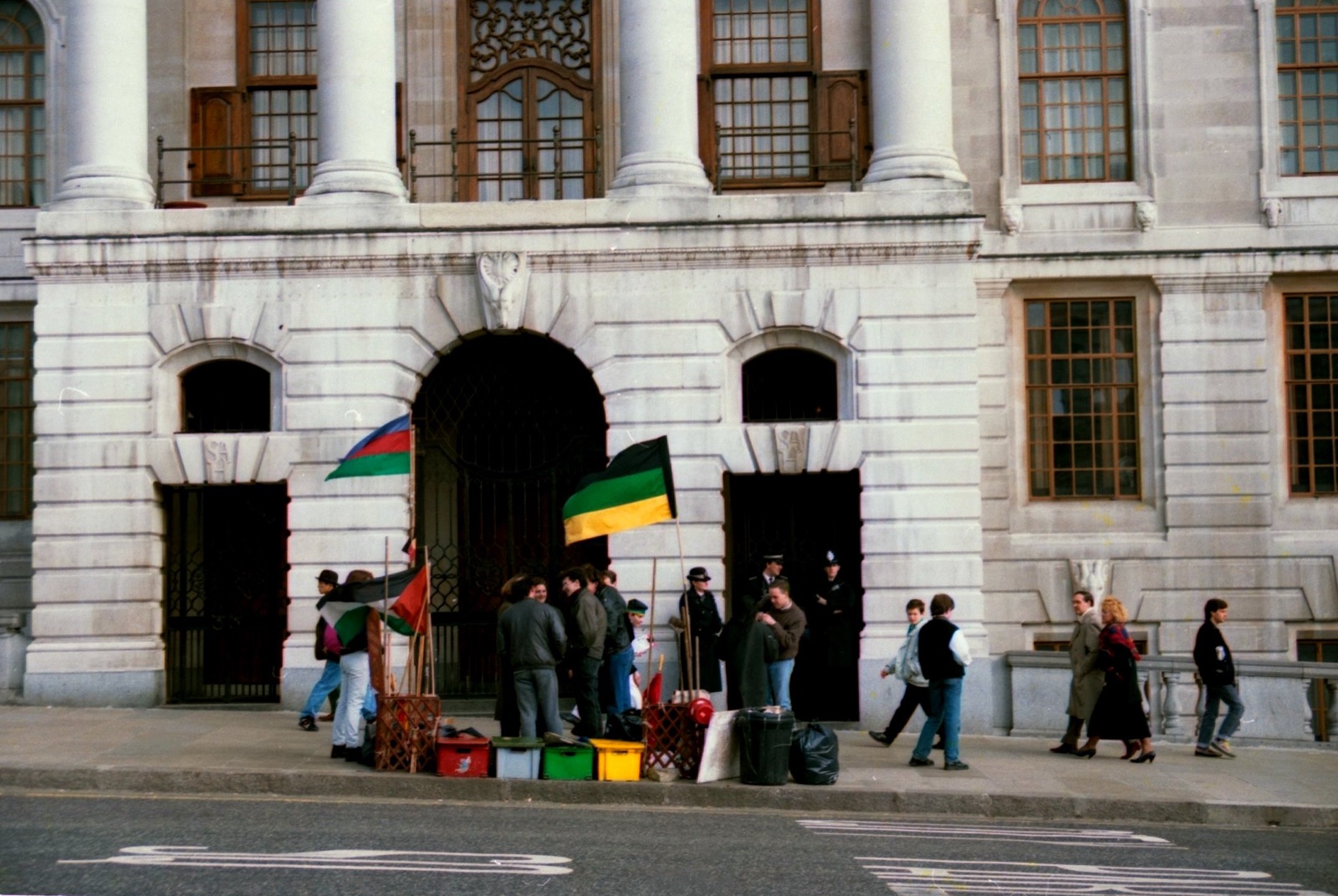
Project Coast and the Apartheid State's Secret Chemistry of Death
In the last decade of apartheid, behind a screen of front companies and military secrecy, the South African state ran a programme to turn medicine and chemistry into instruments of murder. It was called Project Coast, it was established in 1981, and it was directed by a brilliant young cardiologist named Wouter Basson, whom the press would later christen 'Dr Death.' Under his direction, government scientists in laboratories outside Pretoria cultured anthrax, cholera, and botulinum; manufactured poisons designed to kill quietly and untraceably; produced tons of Ecstasy and Mandrax; and pursued a research goal that sounds like the plot of a horror film but appears in the sworn record of South Africa's own Truth and Reconciliation Commission: a vaccine that would make Black South Africans infertile without their knowledge, to be administered covertly to suppress the Black birth rate. Apartheid opponents were poisoned, their clothing impregnated with toxins; according to testimony, captured guerrillas were sedated and dropped from aircraft into the sea. Much of this came to light only after apartheid ended, when Basson was arrested, his steel trunks of documents were opened, and the TRC convened special hearings on chemical and biological warfare. And then, in one of the most contested verdicts in South African legal history, Basson was tried on dozens of charges and acquitted of every one. This article sets out what Project Coast was, what it did, what it aspired to and never achieved, and why so much of it ended not in a reckoning but in an acquittal.

The Olof Palme Assassination
At 11:21 p.m. on Friday, February 28, 1986, the Prime Minister of Sweden, Olof Palme, was shot in the back at point-blank range on Sveavägen, Stockholm, while walking home from a cinema with his wife Lisbet. Lisbet Palme was grazed by a second shot. Olof Palme was 59 years old. He had been the Prime Minister of Sweden from 1969 to 1976 and again from 1982. He had no bodyguards that night. The killer ran east up Tunnelgatan and disappeared. He has never been positively identified. Sweden's Palme Commission and its successor police investigation ran for 34 years. On June 10, 2020, Chief Prosecutor Krister Petersson publicly named the most likely perpetrator — a Swedish graphic designer named Stig Engström, the so-called "Skandiamannen" — and simultaneously closed the case because Engström had died in 2000 and could not be tried. The 40-year-old investigation produced 22 binders of investigative material, dozens of failed theories, one wrongful conviction, and no court ruling. It is the largest unsolved political assassination in modern European history.
2 files · end of the line