Tag
#submarine
2 articles
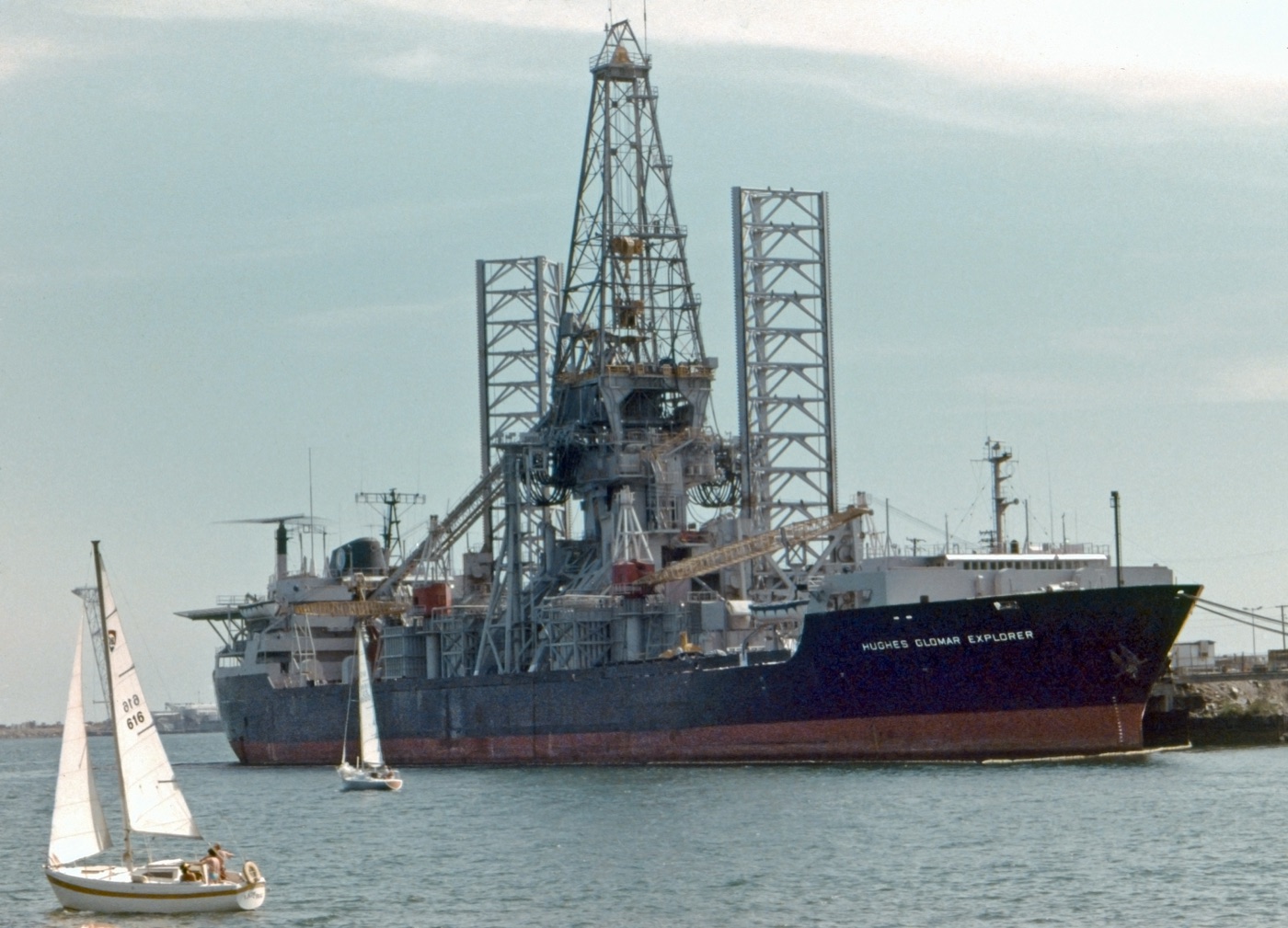
Project Azorian: The CIA's Secret Salvage of a Soviet Submarine
In 1968, a Soviet ballistic-missile submarine, the K-129, sank in the Pacific Ocean north of Hawaii, carrying its crew, its nuclear missiles, and its secrets to the bottom, nearly three miles down. The Soviets searched and failed to find it; the United States, using its network of undersea listening posts, located the wreck. And then the CIA conceived one of the boldest schemes in the history of espionage: to raise the submarine — or a large part of it — from a depth of some 4,900 meters, a feat of deep-sea salvage far beyond anything ever attempted, in order to seize the Soviet nuclear missiles, warheads, and, most tantalizingly, the code machines and cryptographic materials aboard. To do it in secret, the agency built a purpose-designed salvage ship equipped with an enormous mechanical claw, and hid the entire enterprise behind an elaborate cover story: that the vessel, the Hughes Glomar Explorer, belonged to the reclusive billionaire Howard Hughes and was mining valuable metals from the sea floor. In the summer of 1974, the ship attempted the impossible. It succeeded in lifting the submarine partway to the surface — before a portion broke off and fell back into the abyss. Exactly what was recovered remains, in part, classified to this day. And when journalists exposed the operation, the CIA's refusal to comment gave the world a phrase that has been with it ever since: that it could 'neither confirm nor deny.' This is the story of Project Azorian.
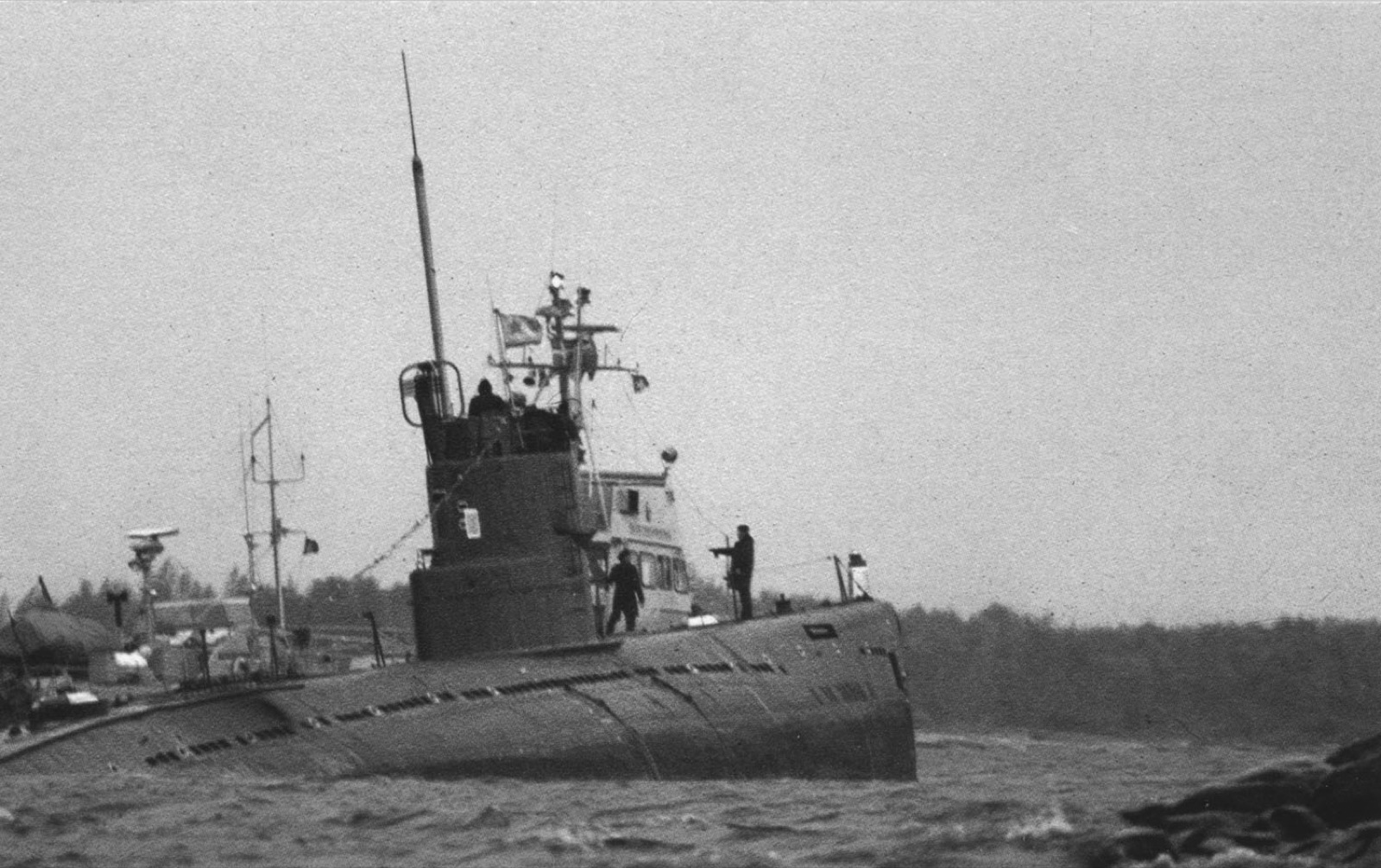
The Swedish Submarine Incidents and the Phantoms in the Archipelago
On the evening of 27 October 1981, fishermen near the Karlskrona naval base in southern Sweden saw something that should have been impossible: a Soviet submarine, hard aground on the rocks of Gåsefjärden, deep inside a restricted military zone barely ten kilometres from one of Sweden's most secret naval installations. The vessel was U 137, a Whiskey-class boat of the Soviet Baltic Fleet, and it had blundered far into Swedish territorial waters and stranded itself on a skerry. The Swedish press, with grim delight, called it 'Whiskey on the Rocks.' The incident was a genuine Cold War sensation — a foreign warship caught red-handed in neutral Sweden's most sensitive waters, suspected of carrying nuclear weapons — and it was, crucially, completely real and undeniable: the submarine was there, on the rocks, for the world to photograph. But U 137 was only the prologue. In the years that followed, the Swedish navy became convinced that foreign submarines were repeatedly violating Swedish waters, slipping into the archipelagos around Stockholm and elsewhere, and it launched hunt after hunt — dropping depth charges, sealing off bays, mobilising the fleet — to catch them. The government accused the Soviet Union; a national near-obsession took hold. And yet, across all those years and all those hunts, not a single intruding submarine was ever caught, surfaced, or conclusively identified. The evidence was fiercely disputed, some of the 'submarine sounds' were later attributed to such mundane sources as minks and herring, and decades later the unsettling possibility emerged that some of the intrusions Sweden blamed on Moscow may have been Western — NATO probes of Swedish resolve. This article separates what is certain — the very real U 137 — from what remains, forty years on, one of the strangest unresolved episodes of the Cold War.
2 files · end of the line