Tag
#us-navy
2 articles
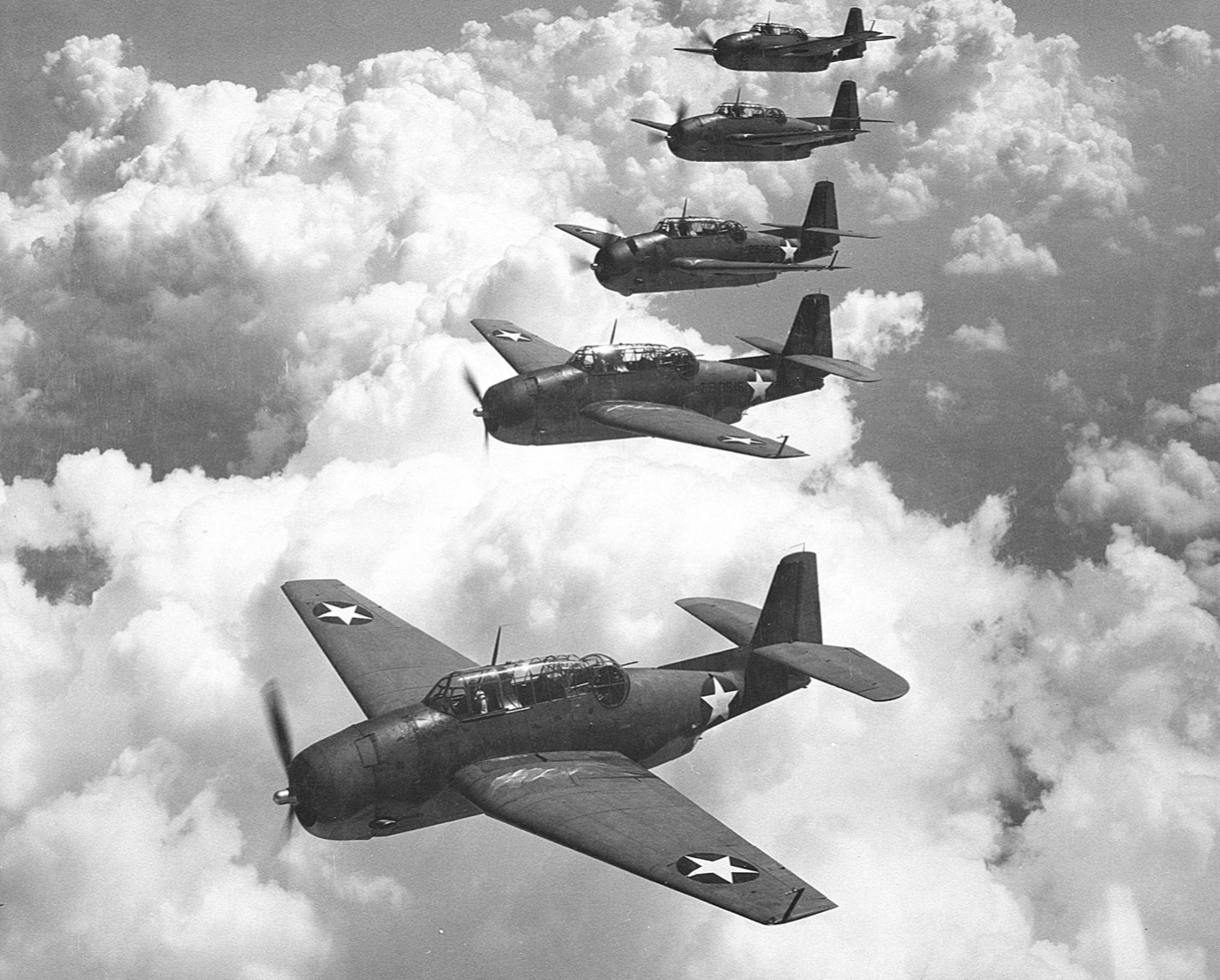
Flight 19: The Lost Squadron and the Birth of the Bermuda Triangle
On the afternoon of 5 December 1945, five United States Navy torpedo bombers took off from the Naval Air Station at Fort Lauderdale, Florida, on a routine training exercise over the Atlantic. The mission, designated Flight 19, was a navigation problem: fly east to a practice bombing range, then on a triangular course out over the ocean and back to base. Fourteen airmen were aboard the five planes, led by an experienced combat pilot named Lieutenant Charles Taylor. The flight never returned. As the afternoon wore into evening, radio operators on shore picked up Taylor's increasingly troubled transmissions: he believed his compasses had failed, he was unsure where he was, he thought he was somewhere he was not, and he led the flight one way and then another in a worsening confusion as the weather deteriorated and darkness fell. The last messages suggested the planes were running low on fuel far out over a rough sea. Then there was silence. A large flying boat dispatched to search for them disappeared as well, apparently exploding in the air, taking its crew of thirteen with it. Twenty-seven men were lost that night, and despite an enormous search, no wreckage of the five bombers was ever definitively found. The Navy concluded the flight had been lost to navigational error and the unforgiving ocean. But the strange, sad disappearance of Flight 19 would become the founding legend of the Bermuda Triangle, transformed over the following decades into a tale of supernatural mystery that the facts never supported. This is the story of the lost squadron, and of how a tragedy became a myth.
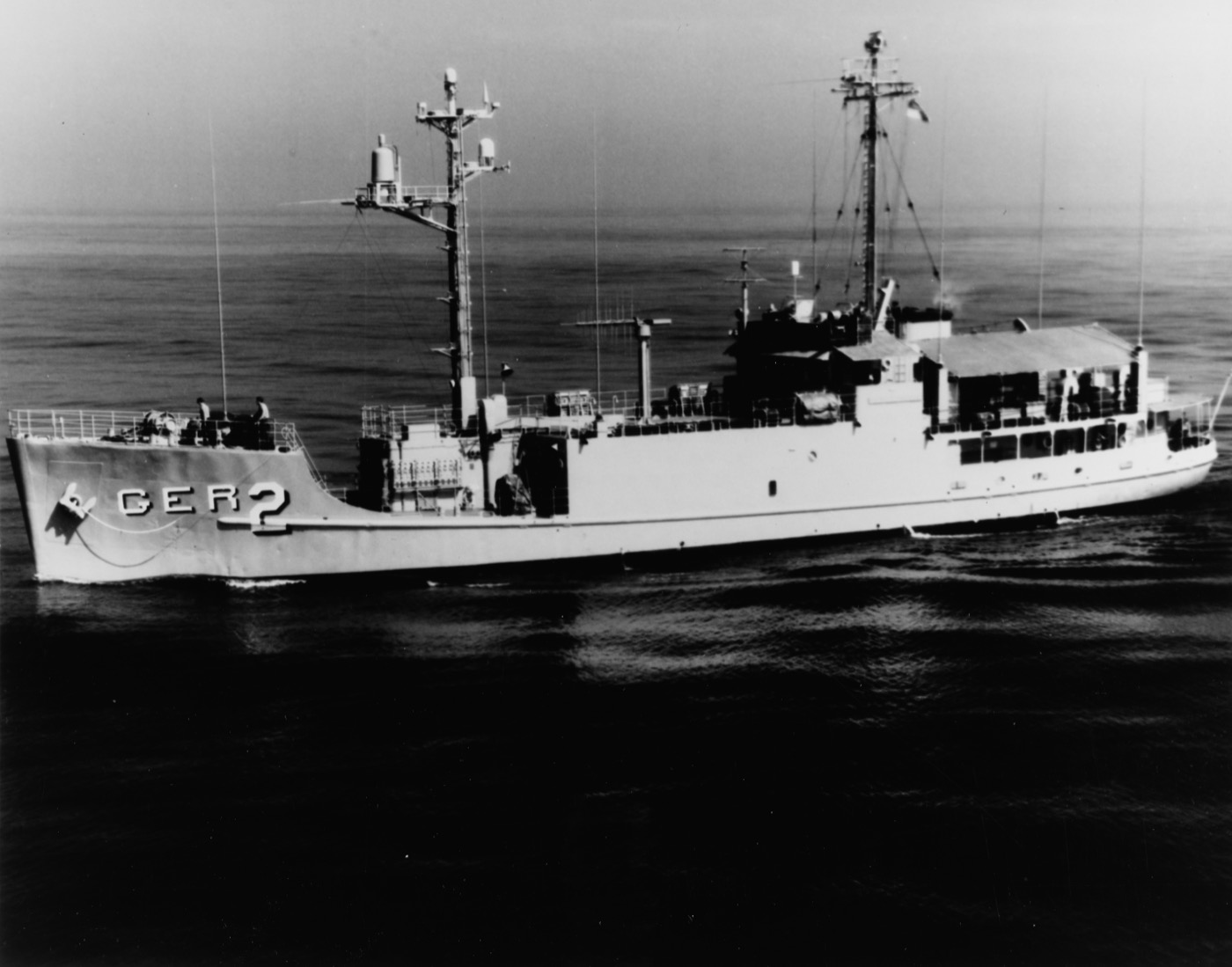
The USS Pueblo: The Spy Ship North Korea Captured
On 23 January 1968, a lightly armed United States Navy intelligence ship called the USS Pueblo was gathering electronic and signals intelligence off the coast of North Korea when it was surrounded by North Korean patrol boats and a submarine chaser, fired upon, boarded, and captured. One American sailor was killed in the assault; the other eighty-two men aboard were taken prisoner and carried into North Korea, where they would be held, beaten, starved, and paraded for propaganda for the next eleven months. The seizure was a profound humiliation for the United States — a commissioned warship taken on the high seas, its crew held hostage, its cargo of secret cryptographic equipment and documents falling into the hands of a hostile communist state. And yet the world's most powerful nation found that it could do almost nothing about it. The United States was at that moment consumed by the war in Vietnam, where the Tet Offensive was about to erupt, and it could not risk a second war on the Korean peninsula to recover one small ship. So instead of force, it turned to negotiation, and after eleven agonising months of talks the crew was freed only when an American general signed a humiliating false confession admitting the ship had been spying inside North Korean waters — a document the United States publicly repudiated even as it signed. The men came home; the ship did not. To this day the USS Pueblo remains in North Korean hands, a trophy of the Cold War moored in Pyongyang, and it is still, officially, a commissioned vessel of the United States Navy. This is the story of its capture, its crew's long ordeal, and the strange, unresolved standoff it became.
2 files · end of the line