Tag
#whistleblower
2 articles
WorldCom and the $11 Billion Accounting Fraud
By the turn of the millennium, WorldCom was one of the largest telecommunications companies on earth — a sprawling empire assembled in barely a decade by a former milkman and basketball coach named Bernard Ebbers, who had bought up dozens of rivals to turn a tiny Mississippi long-distance reseller into a colossus that carried a huge share of the world's internet traffic and owned the famous MCI brand. Then the telecom bubble burst, revenues sagged, and the company faced an impossible problem: how to keep reporting the steady profits that Wall Street demanded when the underlying business was deteriorating. The answer, devised by its finance department, was breathtakingly simple and entirely fraudulent. Ordinary operating expenses — the fees WorldCom paid other networks to carry its calls — were quietly reclassified as long-term capital investments, the way a company might treat the cost of building a factory. With a few accounting entries, billions of dollars in costs vanished from the books and reappeared as assets, and the losses turned, on paper, into healthy profits. The deception eventually totalled some $11 billion, the largest accounting fraud yet seen. It was uncovered not by regulators or outside auditors but by WorldCom's own internal-audit team — a handful of people led by a vice-president named Cynthia Cooper, who pursued the anomalies in secret, often at night, against the resistance of the company's own chief financial officer. When they brought their findings to the board in June 2002, the company collapsed into the biggest bankruptcy in American history, its CEO was sent to prison for twenty-five years, and Congress passed a sweeping law that changed how every public company in the country keeps its books. This is the story of the fraud, the woman who exposed it, and the reckoning that followed.
The Russian Doping Conspiracy and the Hole in the Laboratory Wall
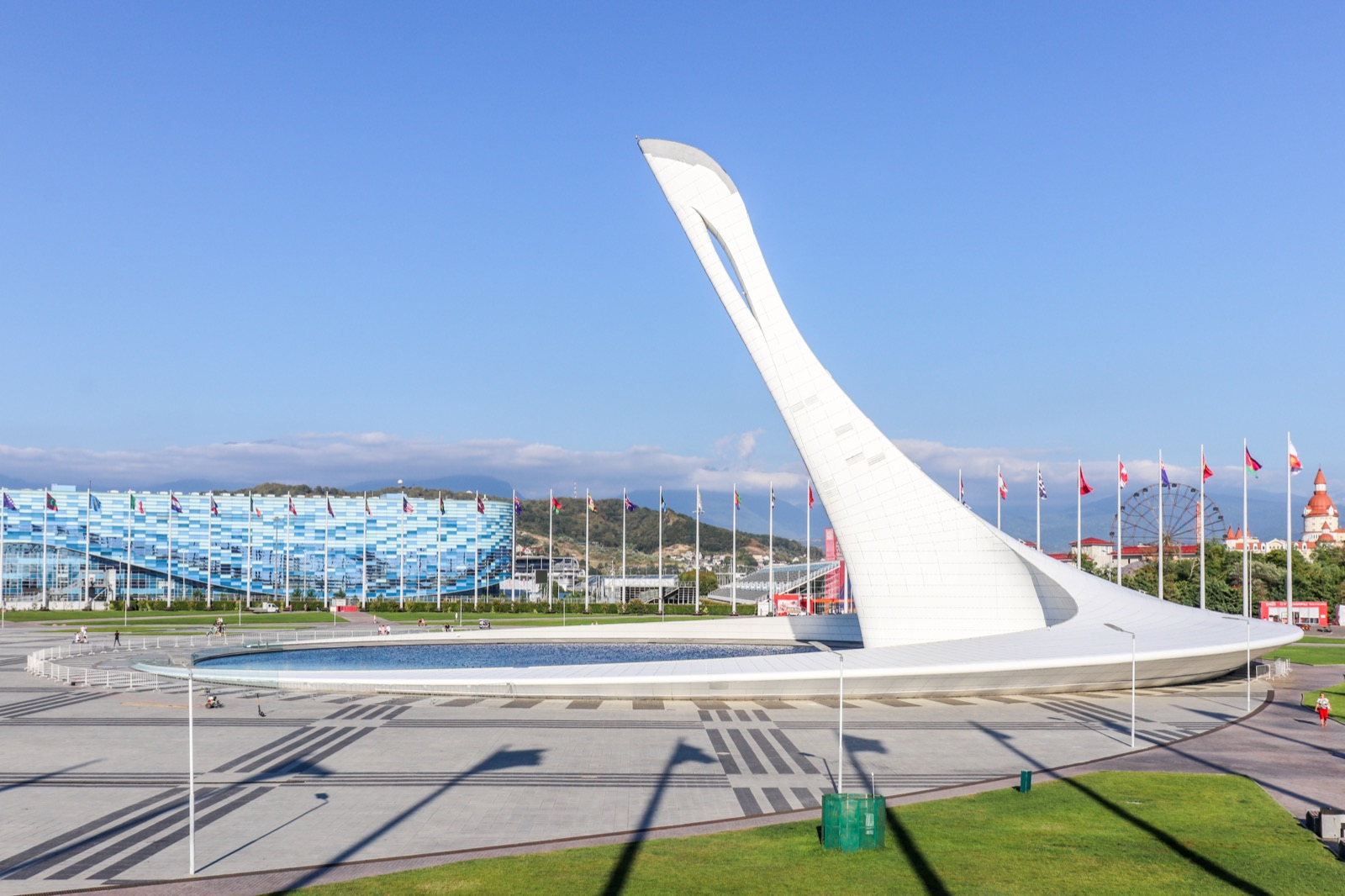
On the nights of the 2014 Winter Olympics in Sochi, in a building that was supposed to be one of the most secure anti-doping laboratories in the world, a quiet operation was running on the other side of a wall. In a storage room next to the official lab, an officer of Russia's federal security service, the FSB, sat with a stock of clean urine — frozen months earlier, when the country's top athletes were still drug-free — and a technique for opening the supposedly tamper-proof sample bottles that were meant to make cheating impossible. As protected athletes competed and produced their mandatory samples, those bottles were passed, in the dark, through a hand-sized hole drilled in the wall between the two rooms; the dirty urine inside was poured out, the clean urine poured in, the bottles resealed, and the results recorded as negative. Russia topped the medal table at its own Games. Two years later, the chemist who had directed the whole scheme — Grigory Rodchenkov, the head of the laboratory — was living under protection in the United States, telling the New York Times and a documentary filmmaker exactly how it had been done. What followed was the most thoroughly documented state-sponsored sports fraud in history: a WADA investigation that implicated more than a thousand athletes across dozens of sports, forensic proof of tampered bottles, and the exclusion of Russia, under its own flag, from the next several Olympic Games. This article sets out how the system worked, how it was exposed, and why — despite all of it — the reckoning was so much smaller than the crime.
2 files · end of the line