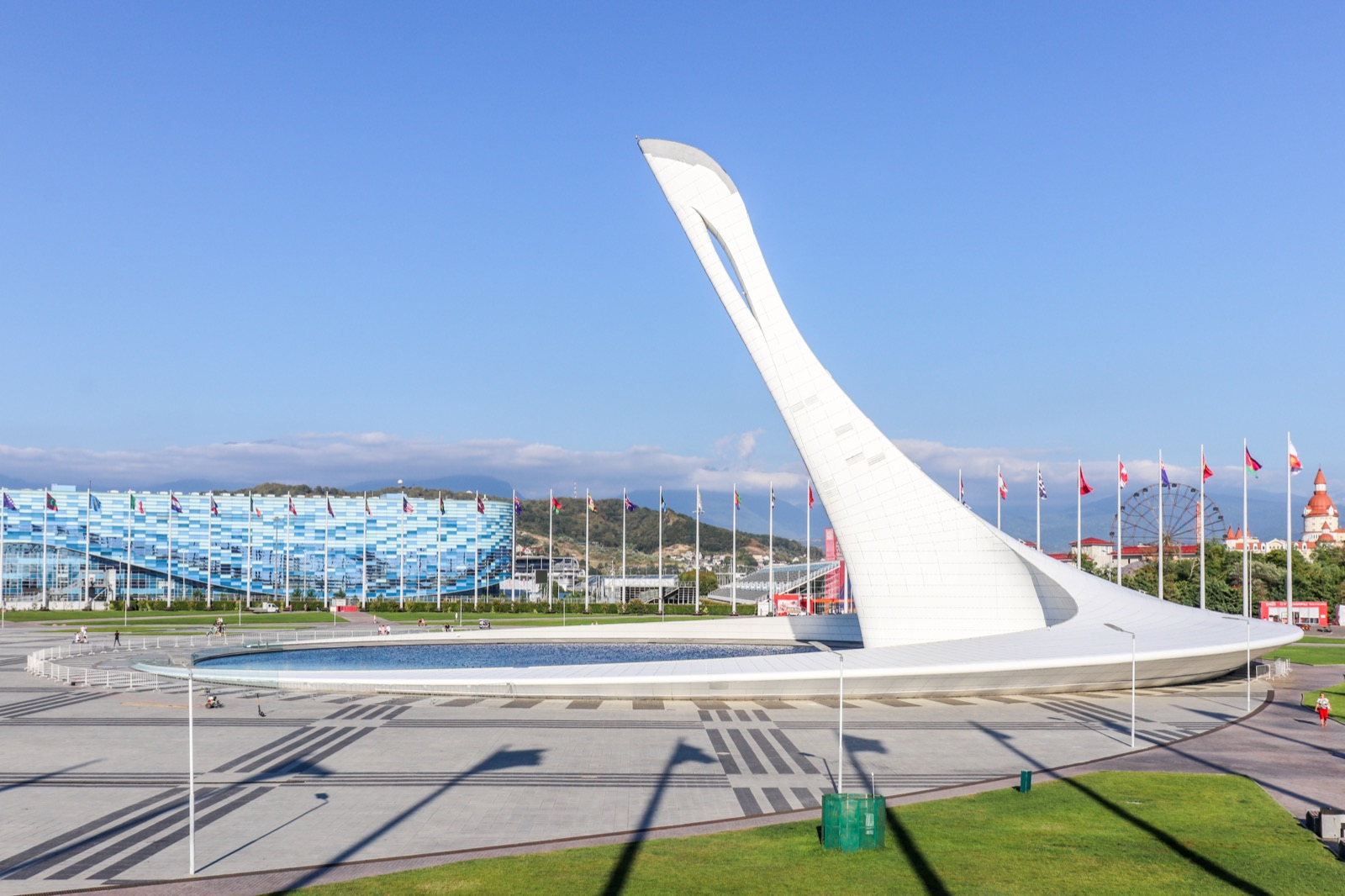
The Olympic cauldron in the Sochi Olympic Park, centrepiece of Russia's 2014 Winter Games. Russia topped the medal table at Sochi — a triumph later revealed to have been built, in part, on a state-run system that swapped athletes' urine samples through a hole in the wall of the Games' own anti-doping laboratory. Wikimedia Commons / Stolbovsky, CC BY-SA 3.0.
The Russian Doping Conspiracy and the Hole in the Laboratory Wall
Russia, 2011–2015 — a state-run system swapped athletes' dirty urine for clean through a hidden hole in the wall of its own Olympic laboratory, with the secret services breaking open 'tamper-proof' bottles in the night. Then the man who ran it told the world
- Category
- State & Intelligence Operations
- Published
- Length
- 4,330 words · 20 min read
- Author
- The editors
There is a particular kind of scandal that is not a mystery at all, because the person at its centre eventually explains every detail of it on the record. The Russian doping conspiracy is one of those. We know how it worked not from inference but from the testimony of the chemist who built it, corroborated by forensic evidence, leaked databases, and the findings of an independent investigation. What makes it remarkable is not that it was hidden — many countries have doped athletes — but the scale and the machinery: a national programme, run through a government ministry and protected by the secret services, designed to defeat the entire global anti-doping system from the inside.
This is the story of that machine, of the man who ran it and then exposed it, and of how little, in the end, was done about it.
Why a country dopes
To understand why a state would build a machine like this, it helps to start with a humiliation. At the 2010 Winter Olympics in Vancouver, Russia — a country that had defined itself for decades as a sporting superpower, heir to the Soviet medal factories — finished a dismal eleventh in the gold-medal count. For a leadership that treated sport as an instrument of national prestige, it was a disaster, and it came just four years before Russia was due to host its own Winter Games in Sochi, a multi-billion-dollar showcase project personally championed at the very top of the government. Sochi could not be another Vancouver. The home Games had to be a triumph.
The pressure to deliver that triumph ran downward through the sports bureaucracy, and the solution it produced was not better training but better cheating — a systematic programme to dope Russia's athletes and, crucially, to make sure they never got caught. Doping itself was nothing new in elite sport, in Russia or anywhere else. What Russia built was different in kind: not athletes evading the system, but the system itself — the national anti-doping laboratory, the anti-doping agency, the sports ministry, and the security services — turned into an apparatus for protecting cheating rather than catching it.
There was a long historical shadow behind all this. State-organised doping was, in a sense, a Soviet inheritance: during the Cold War, the Eastern Bloc had treated Olympic medals as proof of the superiority of its system, and East Germany in particular had run a notorious state programme that fed steroids to its athletes, many of them teenagers, with lasting damage to their health. The Soviet Union had its own history of performance manipulation. When Russian sport reorganised itself in the 2000s around the goal of restored greatness, it was drawing, consciously or not, on a template in which the state and its scientists were expected to deliver victory by whatever means worked. What changed by the 2010s was the sophistication: where the East German programme had simply doped its athletes and hoped, the Russian system was built specifically to defeat a modern, global testing regime that had not existed in the Cold War — to dope and to guarantee a clean result.
Rodchenkov, the chemist
The technical genius of the operation was a man named Grigory Rodchenkov, the director of Russia's national anti-doping laboratory in Moscow — the very institution accredited by the World Anti-Doping Agency (WADA) to catch cheats. Rodchenkov was a chemist of real ability, with a deep understanding of how drug tests worked and, therefore, of how to beat them. He was also, by his own later account, working under the direction of the Ministry of Sport and in cooperation with the FSB.
Rodchenkov's contributions to the programme were essentially two. The first was pharmacological: he developed a cocktail of three anabolic steroids — metenolone, trenbolone, and oxandrolone — dissolved in alcohol, which athletes swished around in the mouth and absorbed through the lining of the cheek rather than swallowing. The alcohol carrier sped absorption and, he calculated, shortened the window during which the drugs could be detected. He nicknamed the mixture the "Duchess cocktail," and mixed it, in his telling, with different spirits for men and women. The second contribution was procedural: the "disappearing positive methodology," a system by which a sample that tested positive in the Moscow lab would simply be reported as clean, the result quietly erased before it could ever trigger a sanction. With the laboratory itself in on the scheme, the safeguard at the centre of world anti-doping had been turned inside out.
The irony ran deep. Rodchenkov's Moscow laboratory was one of a few dozen facilities worldwide accredited by WADA — formally trusted by the global system to be a neutral referee, analysing samples and reporting cheats without fear or favour. That accreditation was the whole basis of its authority, and it was precisely what made the fraud possible: a result certified by an accredited lab was, by definition, believed. By corrupting the referee rather than the players, the Russian programme attacked anti-doping at a point where it had almost no defences, because the entire system rested on the assumption that the laboratories themselves were honest. Rodchenkov later described living a double life — publicly a respected scientist who lectured on the integrity of testing, privately the operator of the machinery defeating it.
The mouse hole
The most audacious chapter came at Sochi itself, where the problem was harder. At an Olympic Games, samples are not tested in the athletes' home lab; they are sealed at collection into special bottles — the Swiss-made BEREG-KIT, with a ratcheting cap designed so that once closed it cannot be reopened without shattering — and the codes are tracked. To swap a Sochi sample, the Russians had to defeat a bottle that the entire Olympic system trusted precisely because it was thought impossible to defeat.
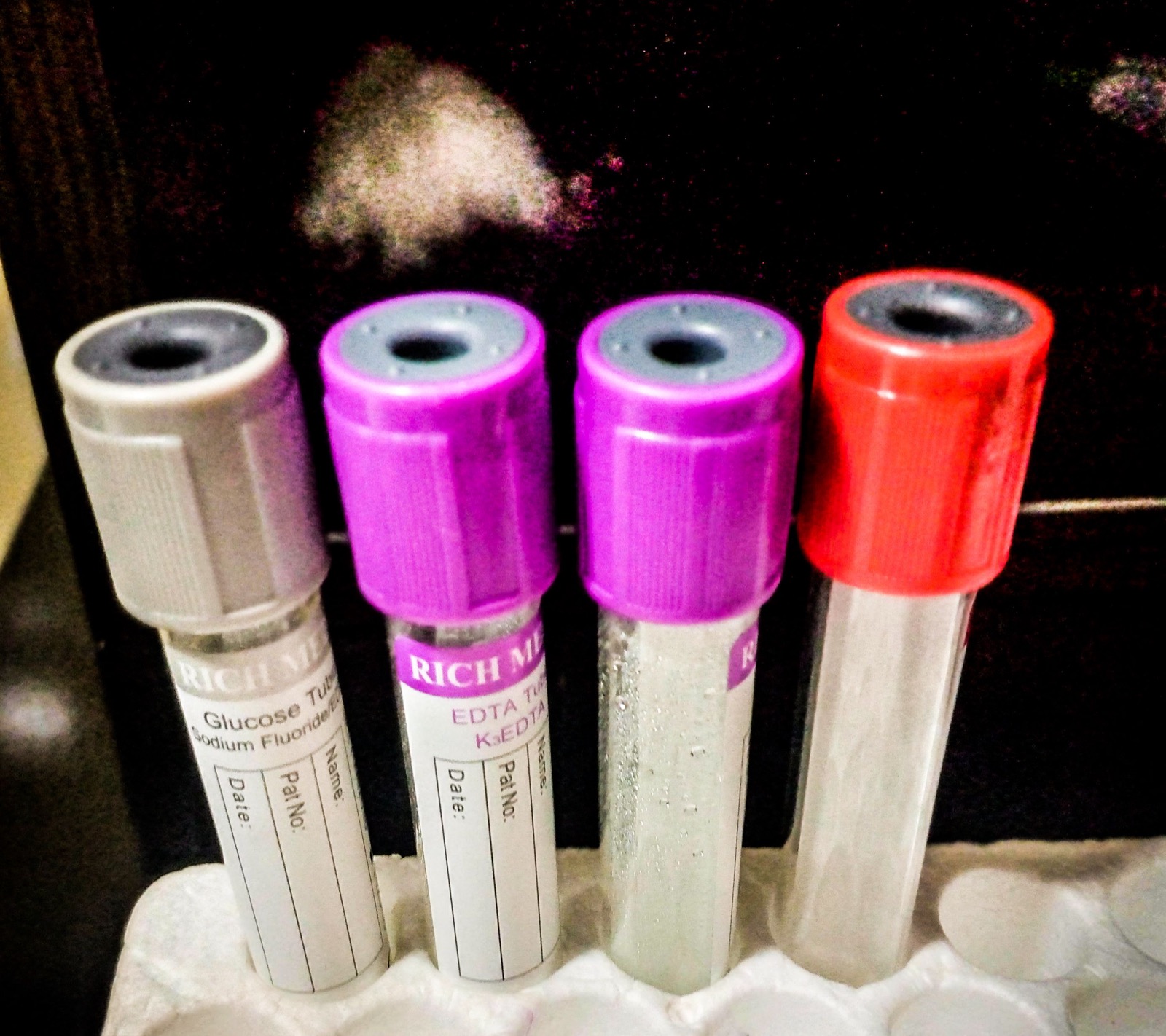
They managed it. According to Rodchenkov and the McLaren investigation, the FSB found a way to open the BEREG-KIT bottles — the exact method was studied and refined — leaving only the faintest marks. During the Games, the operation ran like this: a protected athlete's sealed bottles of dirty urine were identified by code and passed at night through a small hole, concealed behind a cabinet, drilled in the wall between the official laboratory and an adjacent operations room that looked like ordinary storage. On the other side, an FSB officer opened the bottles, the dirty urine was poured away, and clean urine — banked months before — was poured in. Rodchenkov adjusted the clean samples to match, even adding salt or water to bring their readings into the expected range. The bottles were resealed and passed back. The samples were then tested, officially, and recorded as negative.
By the McLaren investigation's account, roughly a hundred samples were handled this way over the course of the Sochi Games. Russia finished first in the medal table, with thirty-three medals, thirteen of them gold — a comprehensive home triumph, celebrated as proof of national revival. The triumph was real in the record books. It was also, in significant part, manufactured in a storage room.
The whistleblowers
A system this large could not stay sealed forever, and the first cracks did not come from Rodchenkov. They came from inside Russia's own anti-doping bureaucracy. Vitaly Stepanov, an official at the Russian anti-doping agency RUSADA, and his wife Yuliya Stepanova, an elite middle-distance runner who had herself been part of the doping system, began passing information to WADA and then to the outside world. In December 2014 the German public broadcaster ARD aired a documentary by the journalist Hajo Seppelt, built on their testimony, that laid out systematic doping in Russian athletics. It was the first crack in the wall.
The revelations triggered a WADA Independent Commission, led by the former agency president Dick Pound, which in November 2015 confirmed widespread, state-influenced doping in Russian track and field — enough to get Russia's athletics federation suspended from international competition. But the Pound inquiry was focused on one sport. The full scope only emerged when the man at the centre decided to talk.
By late 2015 Rodchenkov, sensing the system collapsing around him and fearing for his safety, had left Russia for Los Angeles. There he connected with the American filmmaker Bryan Fogel, who had begun making a film about doping in amateur cycling and ended up documenting something far larger. In May 2016 the New York Times published Rodchenkov's account in detail, and in 2017 Fogel's film, Icarus, told the story to a mass audience; it won the Academy Award for Best Documentary Feature in 2018. Rodchenkov, by then in witness protection in the United States, had become the most consequential sports whistleblower in history — and, in Russia, a hunted traitor. Two of his former colleagues at RUSADA died unexpectedly in early 2016, a coincidence that did nothing to reassure him.
The McLaren Report
To test Rodchenkov's claims, WADA commissioned an independent investigation led by Richard McLaren, a Canadian law professor with experience in sports arbitration. His findings, published in two parts in July and December 2016, transformed the story from one man's testimony into established fact. McLaren concluded that an "institutional conspiracy" had operated across Russian sport from 2011 to 2015, that the disappearing-positive methodology was real and systematic, and that the Sochi sample-swapping had happened as described. In the second part, his team reported that more than a thousand Russian athletes, across more than thirty sports, had benefited from or been involved in the cover-up.
Crucially, McLaren did not rely on testimony alone. Forensic examination of the Sochi bottles found tiny scratches and marks on the inside of the caps — physical evidence that the "impossible" bottles had indeed been forced open and resealed. Analysis found salt levels and DNA inconsistencies in samples that should have been pristine — including, in some cases, "male" and "female" markers that did not match the athlete. The bottle marks, the impossible chemistry, and the banked clean urine were exactly what Rodchenkov had described. The machine had left fingerprints.
The doctored database deserves its own note, because it was a cover-up of the cover-up. When, after years of pressure, Russia finally agreed to hand WADA the electronic records of the Moscow laboratory — the LIMS system that logged every sample and result — investigators discovered that the data had been altered before delivery. Incriminating entries had been deleted, and in places fresh material had been inserted to suggest that Rodchenkov himself had been running an extortion racket, in an apparent attempt to discredit the chief witness. Far from clearing Russia, the manipulation of the very evidence it had been ordered to surrender became one of the clearest proofs that something was being hidden — and it was what finally pushed WADA, in December 2019, to impose its four-year ban.
The reckoning that wasn't quite
Given the weight of evidence, the punishment might have been absolute. It was not. The response instead became a long, grinding negotiation between the scale of the proof and the political and commercial power of Russian sport.
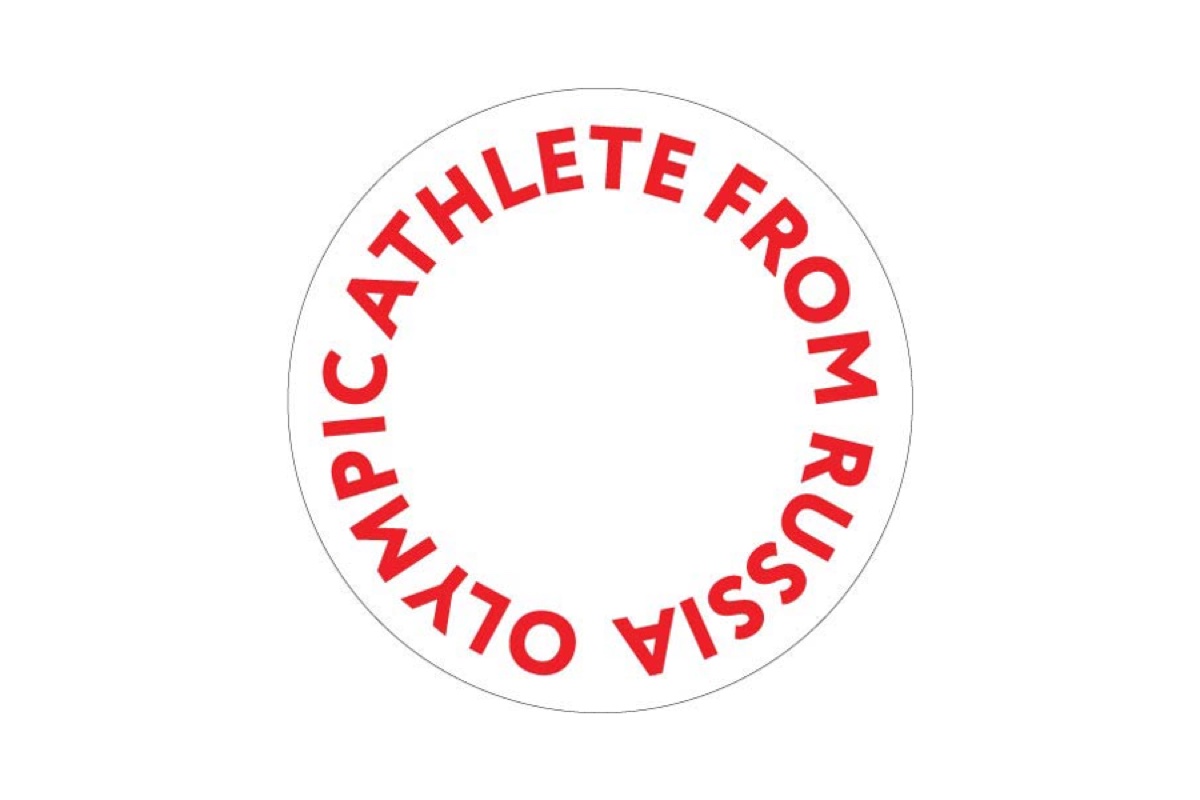
The International Olympic Committee declined to ban Russia wholesale from the 2016 Rio Summer Games, leaving decisions to individual sports federations. For the 2018 PyeongChang Winter Games, it suspended the Russian Olympic Committee but allowed vetted Russian athletes to compete as "Olympic Athletes from Russia" — without the anthem or the flag, but unmistakably present. WADA declared RUSADA non-compliant, then controversially reinstated it in 2018 on conditions. When Russia finally handed over the Moscow laboratory's electronic data, investigators found it had been doctored — evidence deleted and planted to frame Rodchenkov — which prompted WADA, in December 2019, to impose a four-year ban on Russia from major international sport.
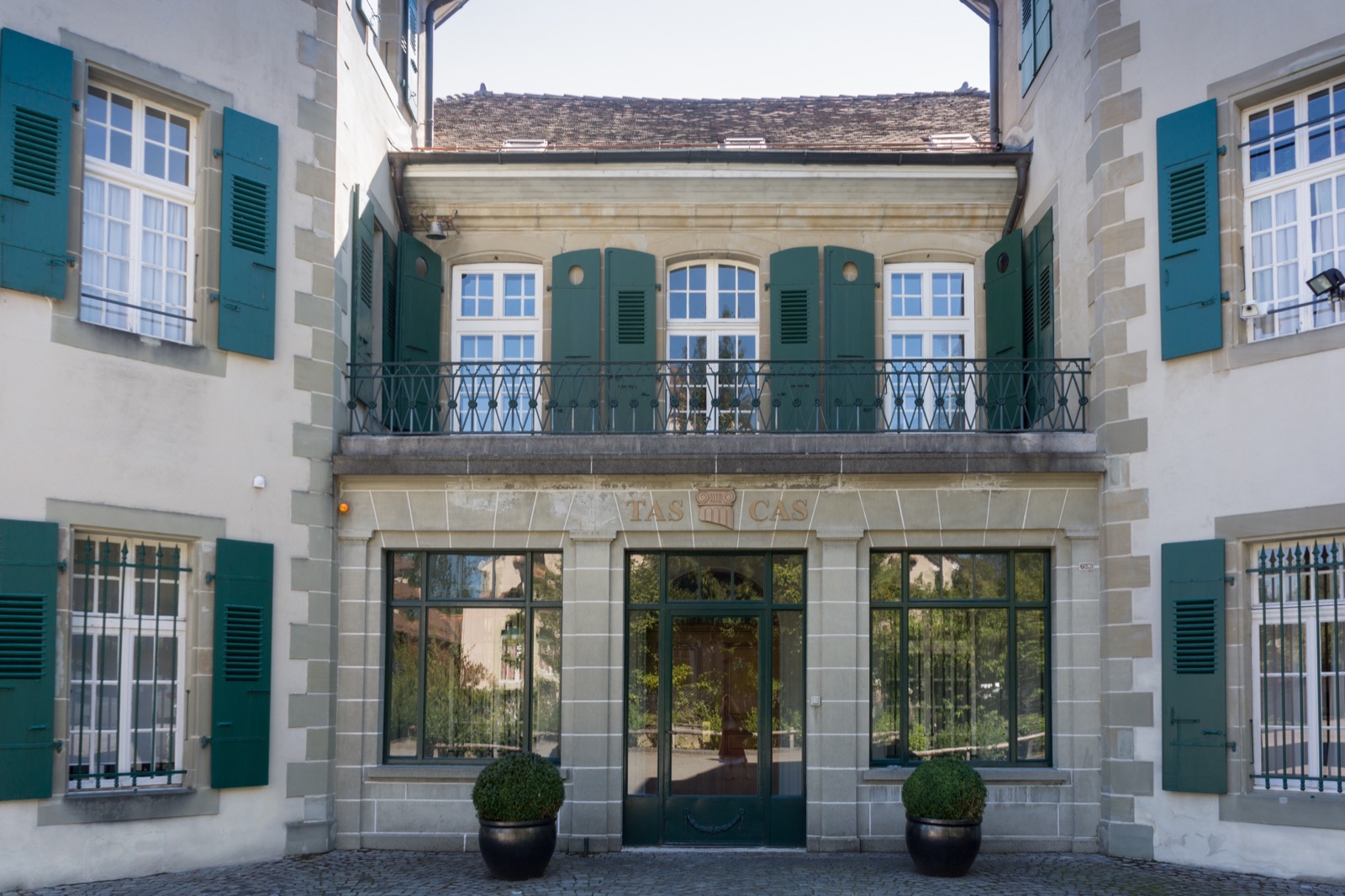
Even that did not hold at full strength. On appeal, the Court of Arbitration for Sport in December 2020 upheld the principle of the ban but cut it from four years to two and softened its terms. The result was that at the Tokyo 2020 Summer Olympics and the Beijing 2022 Winter Olympics, Russian athletes competed again under a neutral label — this time the "ROC," for Russian Olympic Committee — with a substitute anthem and a modified flag. To many observers it was a distinction without much difference: the same athletes, the same federation, the same country, lightly rebranded. The most thoroughly proven state doping conspiracy in the history of sport had produced, in the end, a few years of competing under a different name.
That the underlying problem had not been resolved became clear at Beijing in 2022, when the fifteen-year-old Russian figure skater Kamila Valieva — competing under the ROC banner — was found to have tested positive, before the Games, for a banned heart medication. The episode threw the same questions back into the open: how a minor came to be doped, who around her was responsible, and why a country still under sanction for systemic doping was producing another high-profile case at the Olympics. It was a reminder that the sanctions had punished a label more than they had changed a culture. Meanwhile the deepest cost of the whole affair fell on people who are largely absent from the story: the clean athletes, in Russia and around the world, who finished behind protected competitors and lost medals, finals, prize money, and sponsorships they could never fully recover, often without ever knowing, at the time, that the race had been rigged against them.
Russia's denial
Throughout, the Russian state's position has been one of categorical denial of the central charge. Officials have acknowledged "problems" and individual failures, and have accepted some sanctions while contesting others, but they have consistently rejected the core finding of the McLaren Report: that there was an organised, state-run system. The doping, in the official telling, was the work of individual athletes and rogue officials, not a government programme — and Rodchenkov, the key witness, is portrayed not as a whistleblower but as a criminal and a liar who ran the doping himself and then fabricated a conspiracy to save himself after fleeing to the West.
There is a kernel of fact the denial leans on: Rodchenkov was indeed the operator of the scheme, not an innocent bystander, and he turned on it only when it was collapsing. But the attempt to make him the whole story founders on the evidence that does not depend on his word — the forensic marks on the bottles, the doctored laboratory database, the corroborating testimony of the Stepanovs, and the sheer institutional scale that no single chemist could have organised alone. A laboratory does not conspire with the security services on the initiative of its director. The denial requires believing that the proof, and not just the witness, was invented.
What is established, and what is not
As ever, it is worth drawing the line precisely between what the record establishes and what remains genuinely open.
What is established: that Russia operated a state-directed doping and cover-up programme from around 2011 to 2015; that it ran through the Ministry of Sport, the national anti-doping laboratory, and the FSB; that the Moscow lab concealed positive tests through the disappearing-positive methodology; that at Sochi, sealed samples were swapped through a hole in the laboratory wall using a method to defeat tamper-proof bottles; and that more than a thousand athletes across dozens of sports were implicated. These facts rest not only on Rodchenkov's testimony but on the McLaren Report, forensic evidence, the doctored Moscow database, and the rulings of the Court of Arbitration for Sport.
What is contested or unproven: above all, how high the authorisation went. The McLaren Report documented the involvement of the sports ministry and the security services, but it stopped short of proving that the very top of the Russian state ordered the programme, and the question of personal knowledge at the highest level has never been settled in any tribunal. Russia's denial of a "state system" is not credible against the evidence — but the precise chain of command above the ministry remains, formally, a matter of inference rather than proof. And the human questions linger: the clean athletes, Russian and foreign, whose medals and careers were taken by competitors they could not have known were protected, and who in most cases were never fully made whole.
In the end, the Russian doping conspiracy stands as a strange mirror image of most entries in this archive. Here there was no missing evidence, no unbreakable silence, no decades-long fight to learn the truth. The truth arrived almost gift-wrapped: a confession from the man who ran the machine, backed by forensic proof and an independent report. And still the country at the centre denied it, and still the consequences were negotiated down to a name change and a temporary flag. It is a reminder that knowing exactly what happened, and being willing to act on it, are not the same — and that even the best-documented wrongdoing can be survived by those with enough power to wait it out.
Sources
- Richard McLaren, WADA Independent Investigation Report (Parts I and II, July and December 2016) — primary.
- WADA Independent Commission (Richard Pound), Report on doping in Russian athletics (November 2015) — primary.
- Court of Arbitration for Sport, rulings on Russian sanctions (2017–2020) — primary.
- International Olympic Committee, Schmid Commission report on systemic manipulation of the anti-doping system (2017) — primary.
- Affidavits and testimony of Grigory Rodchenkov (2016 onward) — primary.
- The New York Times, Rebecca Ruiz and Michael Schwirtz, "Russian Insider Says State-Run Doping Fueled Olympic Gold" (May 2016) — secondary.
- ARD / Hajo Seppelt, The Secrets of Doping documentaries (2014–15) — secondary.
- Icarus, dir. Bryan Fogel (2017) — secondary.
- Grigory Rodchenkov, The Rodchenkov Affair (2020) — secondary.
- Reporting by the BBC, The Guardian, and the Associated Press on the WADA ban and CAS appeal (2019–2020) — secondary.
- US Rodchenkov Anti-Doping Act of 2019 (enacted 2020) and its legislative record — primary.
- Scholarship on state doping and the anti-doping system, including work published in sports-policy and law journals — academic.
Inspired this / based on it
Bryan Fogel
Netflix. The Academy Award–winning film in which Rodchenkov reveals the scheme; the story's defining screen account.
Grigory Rodchenkov
WH Allen. The whistleblower's own memoir of building and then exposing the programme.
Hajo Seppelt / ARD
The German broadcast that first exposed systematic Russian doping, built on the Stepanovs' testimony.
Filed under
- #russian-doping
- #russia
- #sochi-2014
- #olympics
- #doping
- #wada
- #grigory-rodchenkov
- #mclaren-report
- #whistleblower
- #2010s
- #confirmed
Click any tag for every article carrying it.
Continue reading
Dieselgate
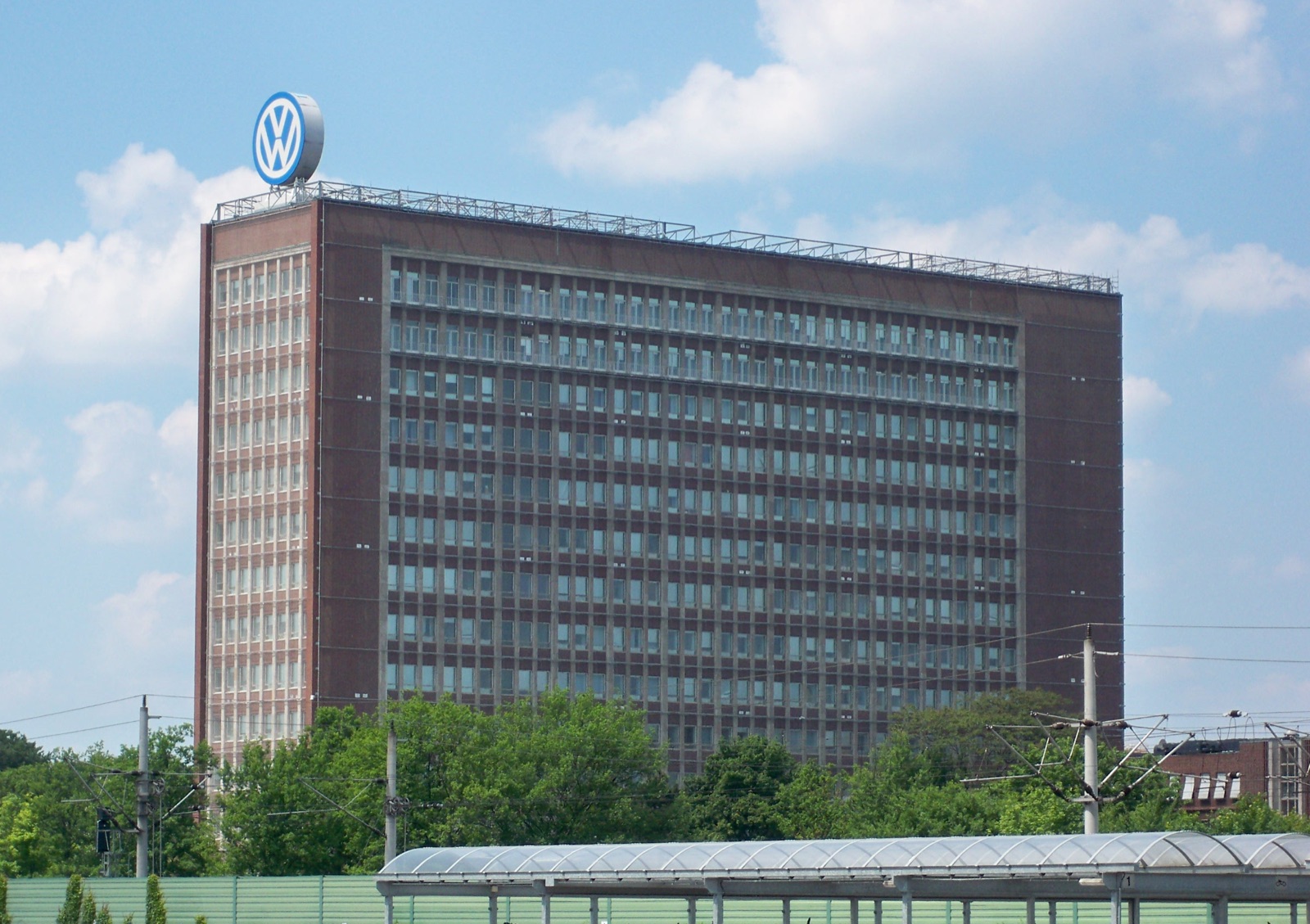
In late 2013, the International Council on Clean Transportation paid a small team at West Virginia University to put two diesel Volkswagens on the road from Los Angeles to Seattle, hooked up to portable emissions sensors. The team expected to find data confirming what Volkswagen's American marketing campaign had been claiming for years: that 'clean diesel' was real. Instead they found nitrogen-oxide emissions up to forty times the legal limit. Eighteen months later, on September 18, 2015, the U.S. EPA formally accused Volkswagen of installing software in eleven million cars that detected emissions tests and lied to them. By the end of the week, the CEO had resigned and Volkswagen had begun a six-year journey through $34 billion of fines and settlements.
The Snowden Disclosures
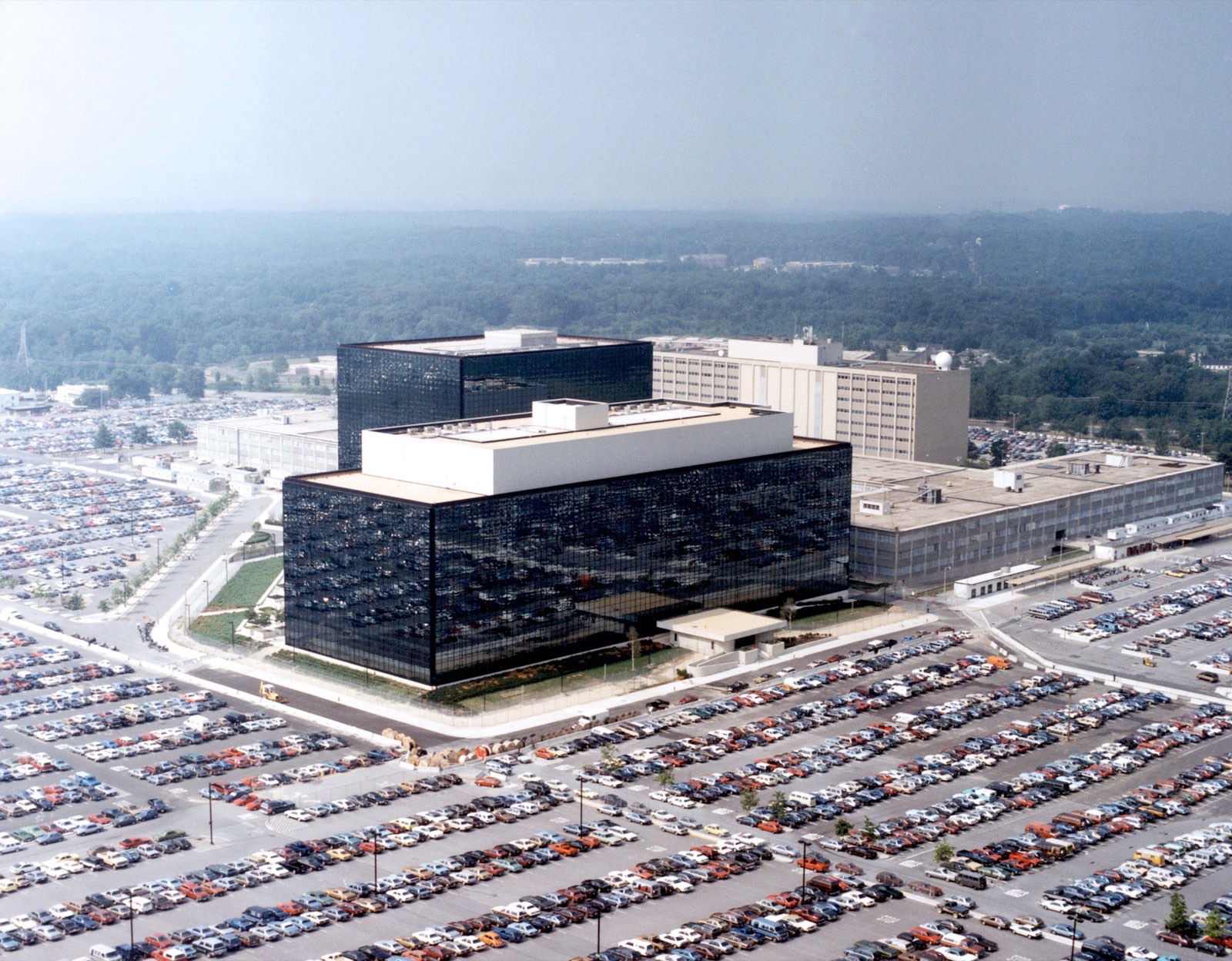
In May 2013, a 29-year-old NSA contractor named Edward Snowden boarded a flight from Honolulu to Hong Kong carrying four laptops loaded with classified documents from the world's largest signals-intelligence agency. Over the following months, *The Guardian*, *The Washington Post* and *Der Spiegel* published material from those drives that revealed the architecture of post-9/11 surveillance — PRISM, XKeyscore, Boundless Informant, MUSCULAR. Within ninety days, the global conversation about surveillance, sovereignty, and the limits of state power had shifted. Snowden has lived in Russia since August 2013.
The Stasi Archives
On the evening of Monday, January 15, 1990 — eight weeks after the Berlin Wall opened and four weeks after the Round Table had begun negotiating East Germany's transition — approximately five thousand demonstrators forced their way through the iron gates of the Ministry for State Security headquarters on Normannenstraße in the East Berlin district of Lichtenberg. The Bürgerkomitee 15. Januar (Citizens' Committee of 15 January) had organized the breach in response to evidence that Stasi officers had spent the prior weeks systematically shredding operational files. Inside the headquarters — a complex of 22 connected buildings housing approximately 7,000 of the Ministry's central-office personnel — the demonstrators found Stasi staff still at desks. The shredding stopped that night. Over the following 24 months, the East German interim government, the post-reunification Bundestag, and the citizen committees of fourteen East German cities preserved what would become the most extensive corpus of state-surveillance operational records in modern human history: approximately 111 kilometers of paper files in the central Berlin archive, approximately 47 kilometers in regional offices, 1.7 million photographs, 30,000 video and audio tapes, 15,500 bags of pre-shredded fragments awaiting reconstruction, and the operational, biographical, and personal-network files of an estimated 5.6 million individuals. The Stasi-Unterlagen-Gesetz (Stasi Records Act) of December 20, 1991 established the Federal Commissioner for the Records of the State Security Service (BStU), with East German pastor and civil-rights activist Joachim Gauck as its founding director. The Records Act authorized any individual to request their personal Stasi file. By the end of 2024, the BStU had processed approximately 7.4 million such requests. The aggregate human record of what those requesters read — who had informed on them, what had been documented, what had been done in consequence — constitutes the most comprehensive case study of institutional state surveillance against a domestic civilian population that the historical record contains.