Tag
#whistleblowers
2 articles

Theranos and the Drop of Blood That Wasn't There
Elizabeth Holmes dropped out of Stanford at nineteen to build a company around an idea that sounded like the future: a small machine that could run a comprehensive battery of medical tests — hundreds of them — from a single drop of blood drawn painlessly from a finger-prick, cheaply and instantly, in any pharmacy or home. She called the company Theranos, dressed in a black turtleneck in conscious imitation of Steve Jobs, and spoke in a deep voice about democratising health care and saving lives. Silicon Valley believed her. So did some of the most powerful men in America, who joined her board: former secretaries of state Henry Kissinger and George Shultz, former defense secretary James Mattis, and others. So did the pharmacy giant Walgreens, which put Theranos blood-testing centres in its stores. By 2014 the company was valued at around nine billion dollars and Holmes, on paper, was the youngest self-made female billionaire in the world, hailed on magazine covers as the next Jobs. There was only one problem, and it was the whole problem: the machine did not work. It could not do what she claimed, it never had, and inside the company the tests on real patients were secretly being run, badly, on ordinary commercial analysers — producing results so unreliable that people received dangerously wrong information about their own blood. Theranos was not a brilliant idea that failed; it was, a court would eventually find, a fraud. This article tells the story of how a company built on a drop of blood that wasn't there fooled so many for so long, who finally exposed it, and what it revealed about the culture that made it possible.
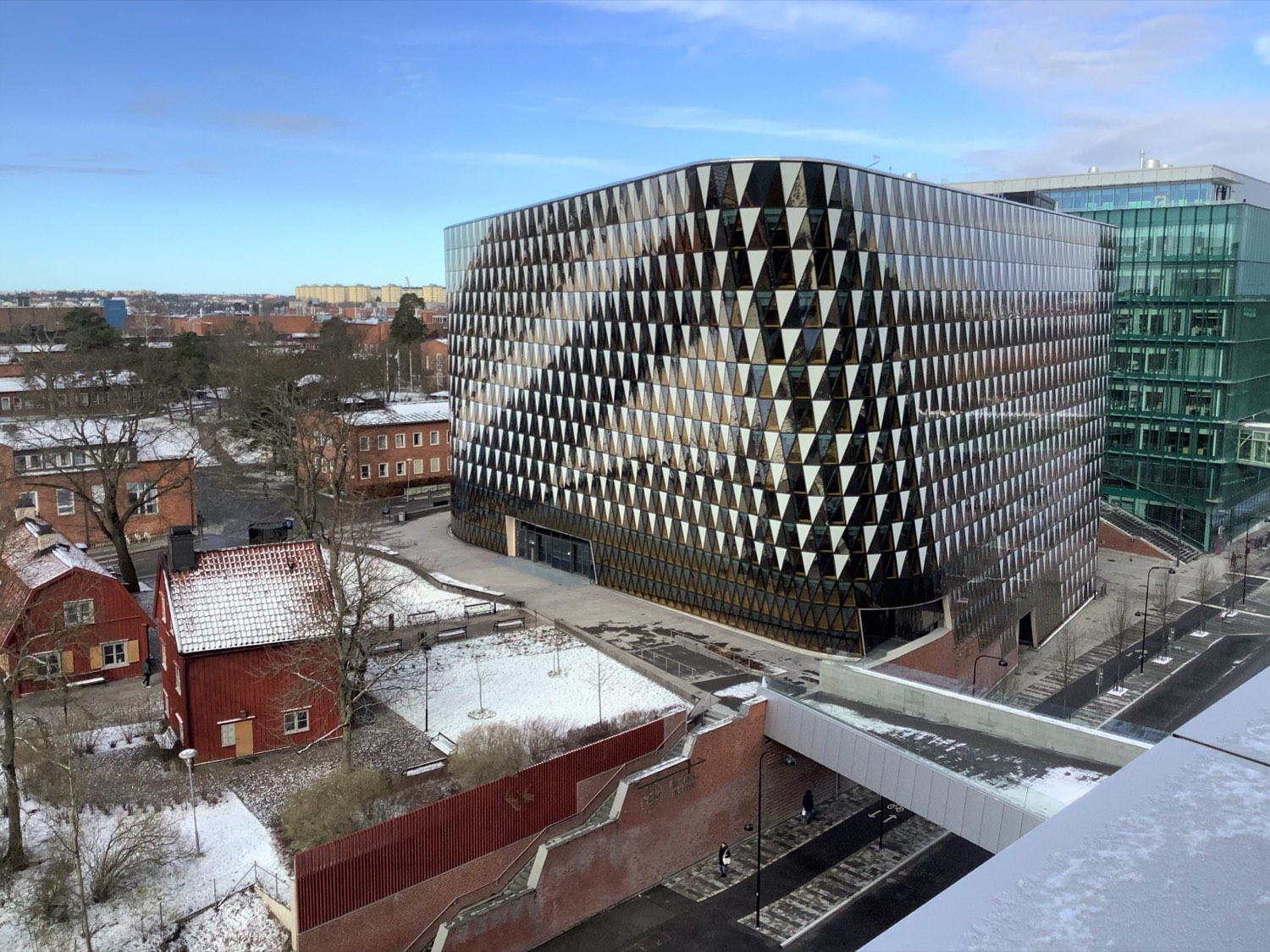
The Macchiarini Scandal and the Surgeon Who Sold a Miracle
Paolo Macchiarini arrived at Sweden's Karolinska Institute in 2010 trailing the aura of a medical pioneer — a charismatic thoracic surgeon who claimed to be doing the seemingly impossible: building new windpipes for patients whose own were failing, by seeding a scaffold with the patient's own stem cells so the body would not reject it. The most audacious version used a synthetic trachea, a tube of plastic, soaked in a bath of stem cells and implanted where a human windpipe should be. It was presented as the dawn of regenerative medicine, published in the world's most prestigious journals, and celebrated by the Karolinska Institute — the body that awards the Nobel Prize in Medicine — as a triumph that might one day grow organs to order. The reality was a catastrophe. The synthetic tracheas did not become living tissue; they degraded, collapsed, and festered inside the patients, who suffered terribly. Of the handful of people who received Macchiarini's plastic windpipes, almost all died. When four senior doctors at Karolinska examined the cases and concluded that he had endangered patients and misrepresented his results, the institute's leadership did not stop him — it cleared him, and turned its machinery against the whistleblowers who had spoken up. It took an American magazine's exposé of Macchiarini's astonishing private life, and a Swedish television documentary, to finally break the story open in 2016. The unravelling cost the careers of university and hospital leaders, produced a landmark reckoning over research fraud, and ended, in 2023, with Macchiarini convicted of bodily harm. This is the story of how a celebrated institution came to protect a man who was killing his patients, and of the colleagues who paid for telling the truth.
2 files · end of the line