
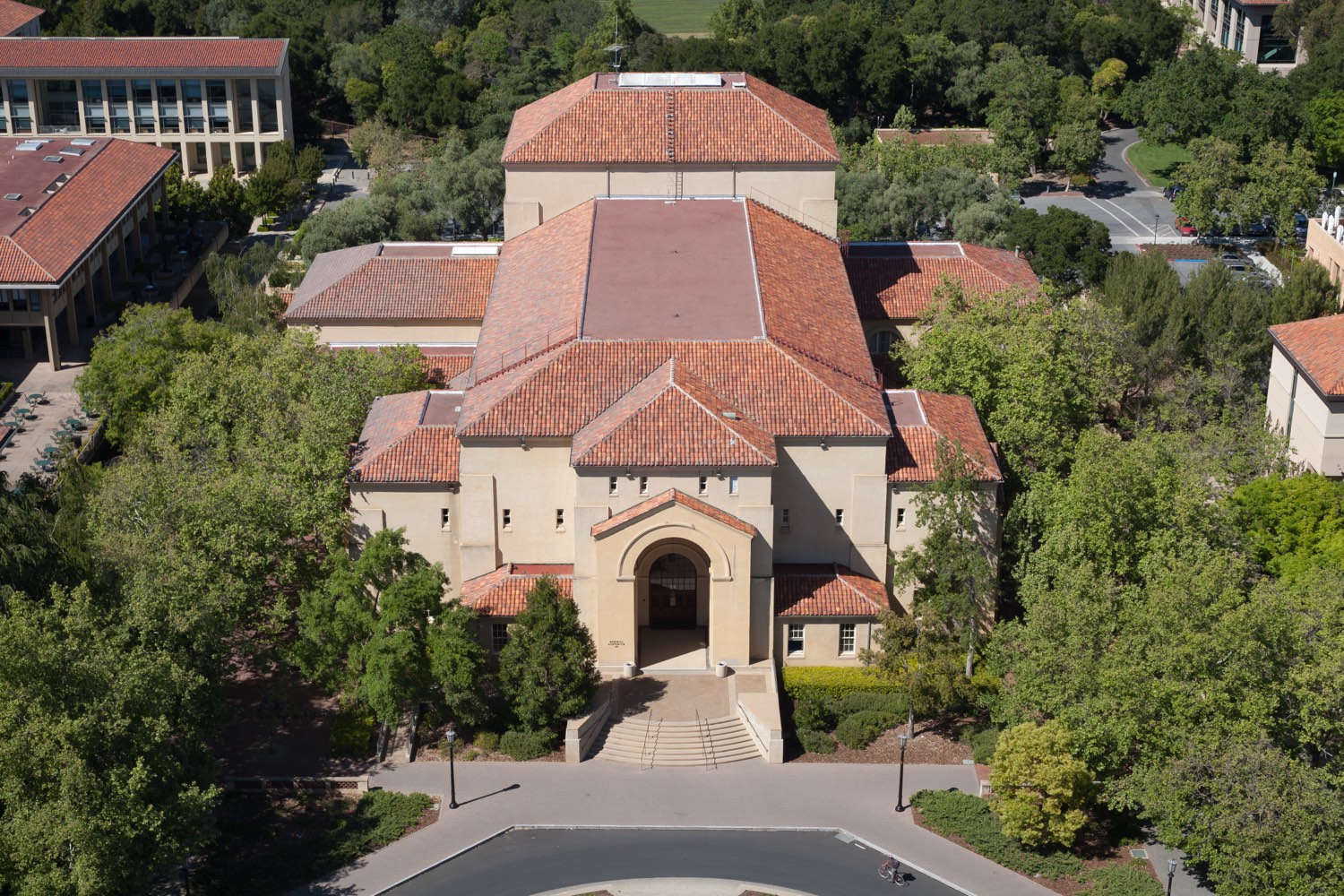
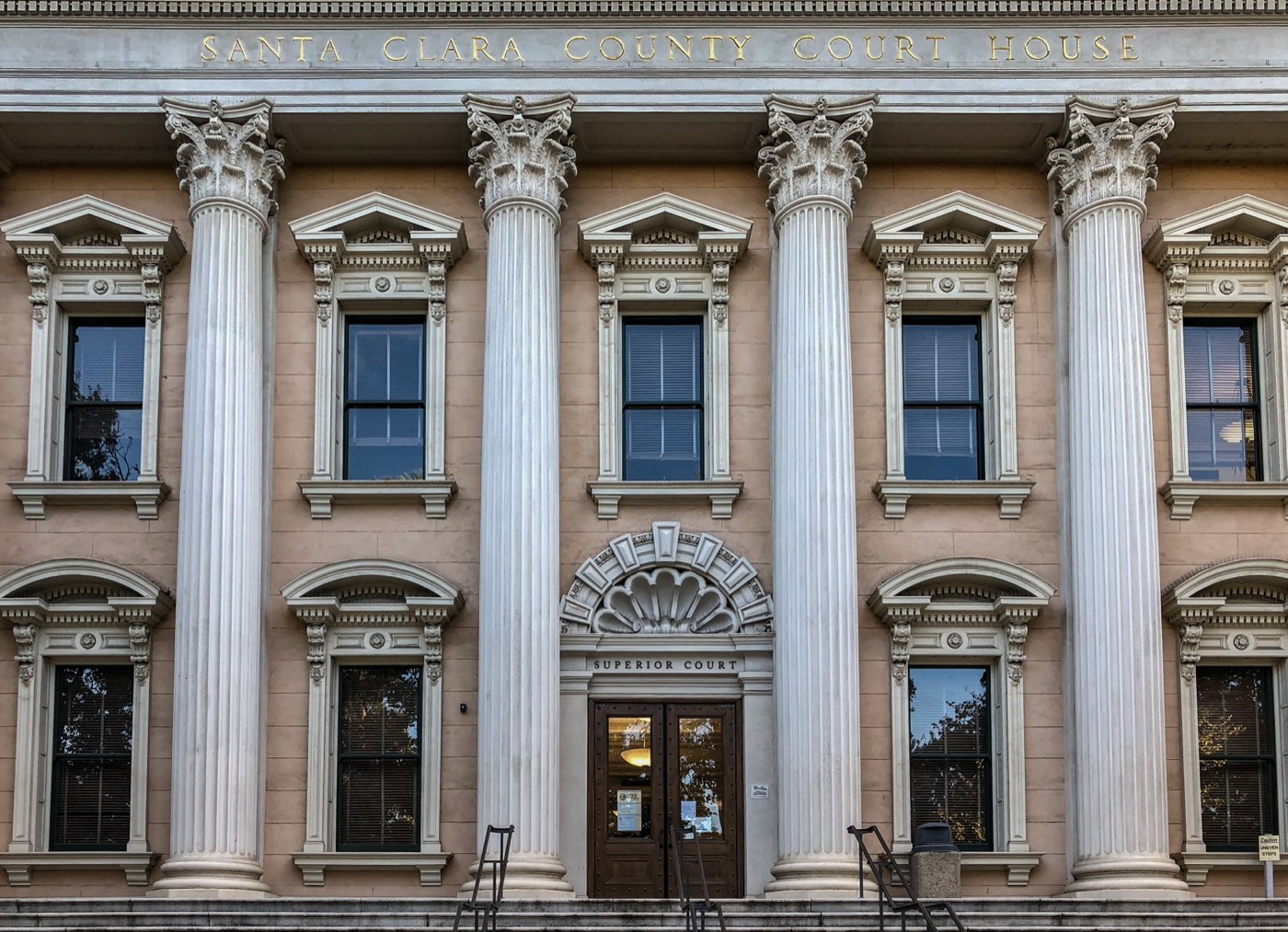
Silicon Valley, looking south toward San Jose. It was in this world — of visionary founders, eager venture capital, and the belief that a bold idea and enough confidence could remake any industry — that Theranos raised hundreds of millions of dollars on a promise its technology could not keep. Wikimedia Commons / Coolcaesar, CC BY-SA 3.0.
Theranos and the Drop of Blood That Wasn't There
Silicon Valley, 2003–2018 — a college dropout in a black turtleneck convinced investors, a star-studded board, and a major pharmacy chain that her machine could run hundreds of medical tests from a single finger-prick of blood. It never worked, and real patients got false results
- Category
- Corporate Cover-ups
- Published
- Length
- 4,560 words · 20 min read
- Author
- The editors
The Theranos story is often told as a tale of one charismatic fraudster, and Elizabeth Holmes is certainly at its centre. But the more important and unsettling question the case raises is not how one person lied, but why so many sophisticated people — investors, board members, journalists, business partners — believed her, and for so long, in the face of a product that did not exist. Theranos is a story about deception, but it is even more a story about the will to be deceived: about a culture so primed to believe in the lone visionary who defies the doubters that it suspended the most basic question one might ask of a medical device, which is whether it actually works.
This is the story of the drop of blood that wasn't there.
The next Steve Jobs
Elizabeth Holmes founded Theranos in 2003, at nineteen, having left Stanford after her first years there, convinced she could revolutionise medicine. Her pitch was irresistible in its simplicity and ambition: a fear of needles, a vision of accessible health care, and a small, elegant machine that would do what a whole laboratory did, from a single painless drop of blood. She built a persona to match — the black turtleneck, the unblinking gaze, the deliberately deepened voice, the talk of changing the world — modelled openly on Steve Jobs, the patron saint of the visionary founder who sees what others cannot.
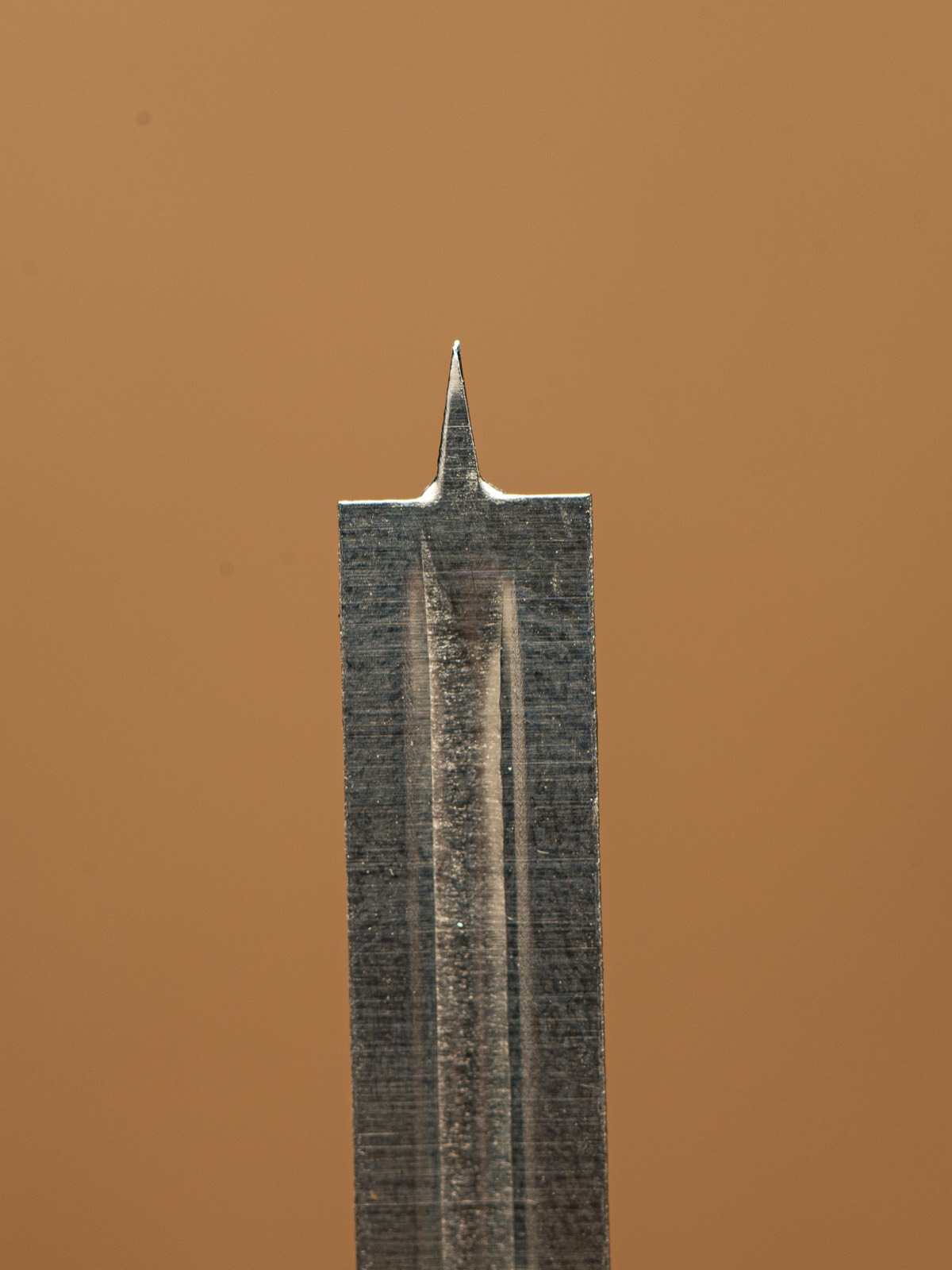
The vision tapped something real. Conventional blood testing can be unpleasant, slow, and expensive; the idea of replacing it with a quick, cheap, painless finger-prick that could be done at a corner pharmacy was genuinely appealing, and if it had worked it would have been a significant advance. Holmes was a compelling, articulate evangelist for it, and she attracted money, talent, and attention. Over the years Theranos raised hundreds of millions of dollars from prominent investors, and the story of the young woman who would do for blood testing what Apple did for computing took hold in the press and the public imagination. She became a celebrity founder, the face of a hopeful future.
There was, in retrospect, a tension built into the very founding myth that should have invited scrutiny rather than awe. The dropout-founder archetype works in software, where a gifted young person really can, in principle, build something revolutionary in a garage with a laptop, because the relevant knowledge is accessible and the barriers are low. Blood diagnostics is not like that. It is a mature, highly technical field built on decades of biochemistry, regulated for good reason because lives depend on accuracy, and resistant to the kind of move-fast disruption that works for a social app. A nineteen-year-old with no advanced training in the field announcing that she would overturn the science of blood testing ought to have prompted more hard questions than it did. Instead, the Silicon Valley script — in which domain expertise is sometimes treated as a barrier to innovation rather than a prerequisite — turned her inexperience into part of her mystique. She was unburdened, the story went, by the assumptions that blinded the experts. In truth she was unburdened by the knowledge that would have told her, and everyone else, that it could not be done as promised.
The promise — and the machine that never worked
The trouble was that the core technology never functioned as promised, and there is reason to think it never could have with the science available. Running a broad range of accurate diagnostic tests from a tiny finger-prick sample is genuinely hard: the small volume, the dilution required, the contamination from the finger-prick method, and the sheer diversity of the chemistry involved all stood in the way. Theranos's proprietary device — variously called the Edison and later the miniLab — could, at best, perform a small number of tests, and even those it did unreliably. The grand machine that was supposed to run hundreds of tests from one drop simply did not exist in working form.
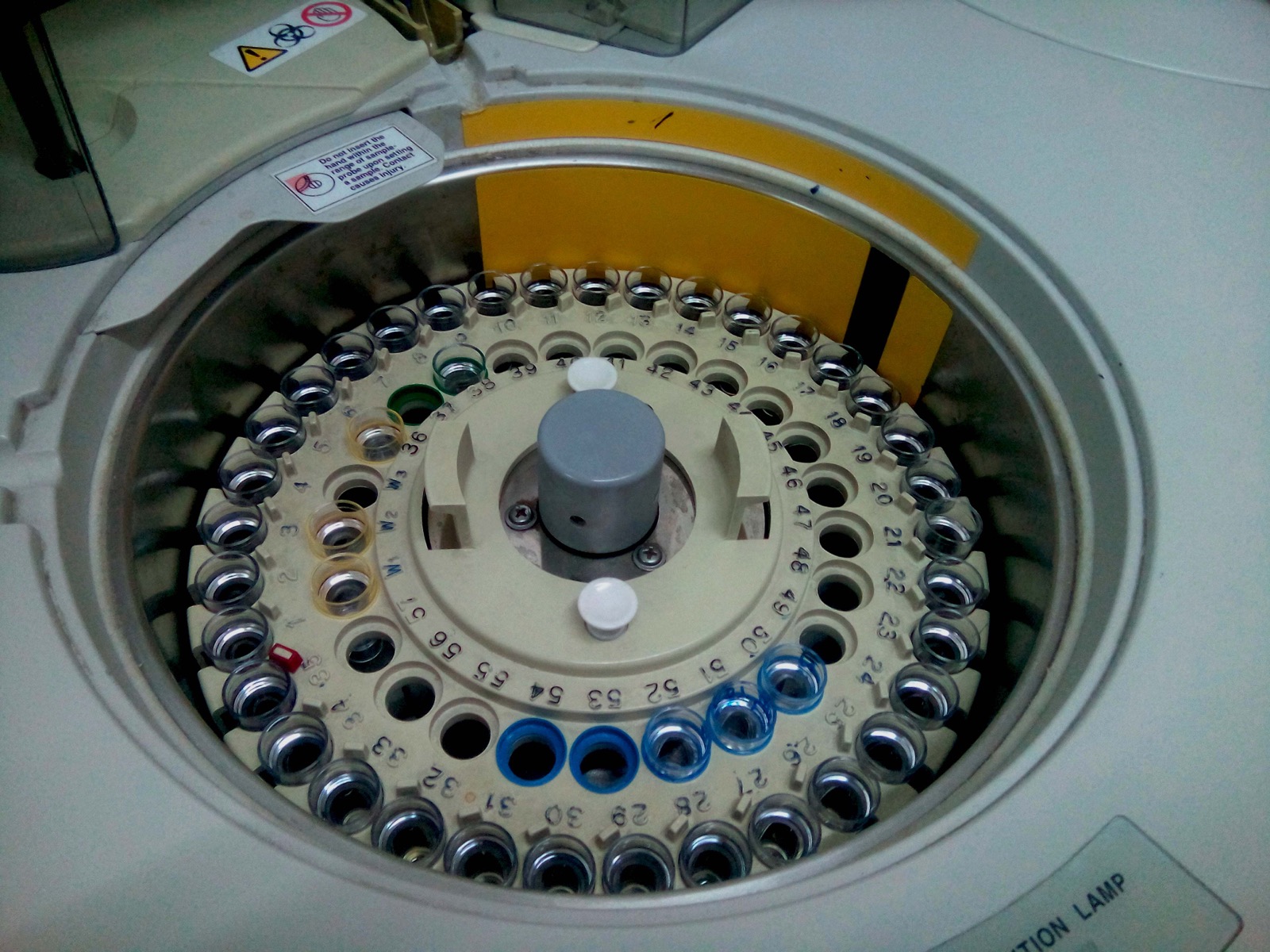
So Theranos did something that turned a failed technology into a fraud: it hid the failure. Rather than admit the device could not do the job, the company secretly ran most of its actual patient tests on conventional commercial blood analysers — the very machines it claimed to be replacing — bought from other manufacturers and, in some cases, modified to accept the smaller finger-prick samples by diluting them. This dilution, and the use of the machines outside their validated parameters, degraded the accuracy of the results. Meanwhile, for demonstrations and investors, the company stage-managed the appearance that its own device was doing the work. The gap between the public story — a revolutionary machine running everything from a drop of blood — and the private reality — a non-functional device and unreliable results from misused commercial machines — was the heart of the deception.
The believers
What allowed the deception to grow so large was the extraordinary cast of credible people who lent Theranos their names and their trust. The board of directors became famous for its prestige: it included Henry Kissinger and George Shultz, both former US secretaries of state; James Mattis, the future defense secretary; and other luminaries from politics, the military, and finance. These were not biotech experts — that was part of the point. Their presence signalled seriousness and respectability, and discouraged the kind of hard technical scrutiny that might have exposed the company; who would doubt a firm watched over by such figures?
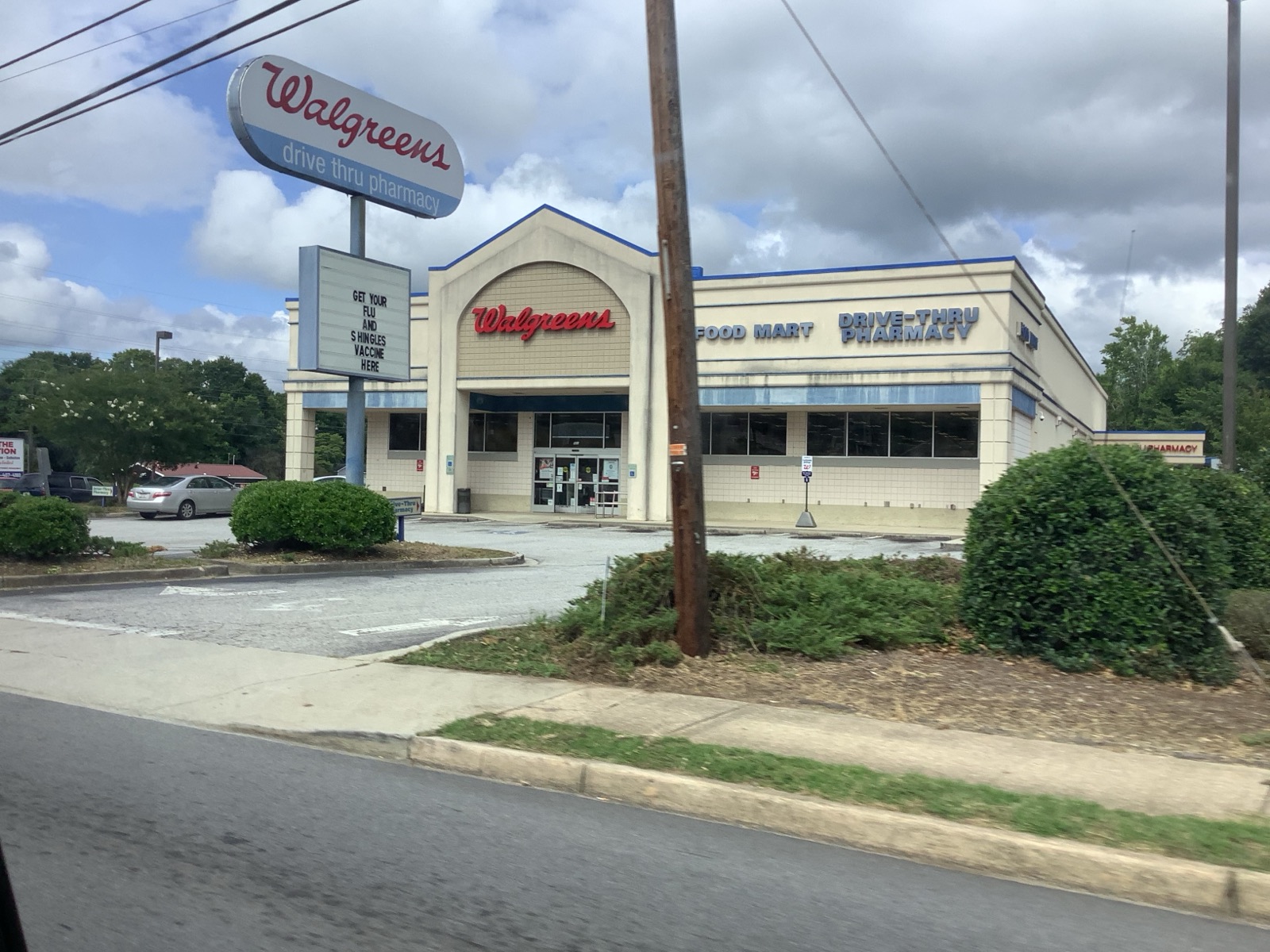
Then there were the business partners and investors. Walgreens, the pharmacy giant, agreed to host Theranos "wellness centres" in its stores, putting the unproven technology in front of real consumers; the grocery chain Safeway struck a deal too. Wealthy investors poured in hundreds of millions. And the media amplified it all, putting Holmes on magazine covers and celebrating her as a visionary, largely without the technical interrogation the claims deserved. Each of these endorsements reinforced the others in a circle of credibility: the board reassured the investors, the investors reassured the partners, the partners and the valuation reassured the press, and the press reassured everyone. The very prestige of the believers became a substitute for the evidence no one was demanding.
The patients
It is essential to be clear about why Theranos was a crime and not merely a Silicon Valley flop, and the answer is the patients. This was not a social-media app that failed to find users or a gadget that underdelivered. Theranos's product was medical blood testing, and once its testing went live in Walgreens stores, real people — sick people, worried people, pregnant people, people managing serious conditions — had their blood tested by the company and received results on which they and their doctors would make decisions about their health.
And those results were, too often, wrong. Because the technology did not work and the commercial machines were being misused, Theranos produced inaccurate readings: tests that gave false alarms, leading to unnecessary fear and further procedures, and tests that gave false reassurance, potentially masking real problems. People received erroneous information about clotting, about hormones, about life-affecting numbers, and made or deferred medical decisions on the strength of it. The company eventually had to void or correct large numbers of test results. The harm here was not abstract or financial; it was the direct endangerment of patients who had trusted a medical company with their blood and been given fiction in return. That is the line that separates audacious failure from fraud, and Theranos crossed it.
The internal culture that produced this harm was, by many accounts, one of secrecy, fear, and relentless pressure. Theranos was unusually compartmentalised, with employees discouraged from sharing information across teams, so that few people could see the whole picture; dissent and bad news were unwelcome; and those who raised concerns about the technology or the patient testing risked being marginalised, fired, or threatened with legal action. Holmes and Balwani ran the company with an iron grip and a siege mentality toward critics. This atmosphere was not incidental to the fraud — it was the mechanism that sustained it. A company genuinely confident its technology worked would have welcomed validation and transparency; Theranos suppressed them, because exposure meant collapse. The secrecy that the company justified as the protection of revolutionary trade secrets was, in reality, the concealment of the fact that there was no revolution — only a failing device and a growing pile of unreliable results from patients who had no idea.
The whistleblowers
The truth came out because a small number of people inside and around the company refused to look away — at real cost to themselves. Among the most important were two young employees: Erika Cheung, a recent graduate who worked in the lab and saw the failures and irregularities up close, and Tyler Shultz, a young employee who happened to be the grandson of board member George Shultz. Both became convinced that the company was deceiving the public and endangering patients, and both ultimately spoke out — Tyler Shultz at the agonising cost of conflict with his own revered grandfather, who initially sided with Holmes over his grandson.
The decisive blow came from journalism. John Carreyrou, an investigative reporter at the Wall Street Journal, received a tip and began digging, cultivating sources inside Theranos despite the company's aggressive efforts to identify and silence them. Theranos, advised by the formidable lawyer David Boies, deployed intimidation — surveillance, legal threats, and pressure on the whistleblowers and the newspaper — to try to kill the story. It did not work. In October 2015, the Journal published Carreyrou's investigation, revealing that Theranos was running most of its tests on commercial machines, that its own device barely functioned, and that the results were unreliable. It was the beginning of the end.
The unravelling
Once the story broke, the edifice came apart with remarkable speed. Regulators moved in: the Centers for Medicare and Medicaid Services (CMS) inspected the Theranos lab, found serious deficiencies, and ultimately sanctioned the company and barred Holmes from operating a lab. Walgreens ended the partnership and closed the testing centres. The vaunted valuation evaporated; investors who had put in hundreds of millions saw it vanish. Carreyrou's continued reporting, and later his book Bad Blood, laid out the full scope of the deception. In 2018 the Securities and Exchange Commission charged Holmes and the company's president, Ramesh "Sunny" Balwani — who was also, for years, Holmes's secret romantic partner — with massive fraud. Theranos itself dissolved in 2018, its nine-billion-dollar valuation reduced to nothing.
The collapse also exposed how much of the company's value had been a kind of collective fiction. The roughly nine billion dollars Theranos was "worth" at its peak was not money in a vault but a number derived from what late investors had paid for small slices of the company, multiplied across all its shares — a valuation built on the same story that the technology was being built on. When the story failed, the number did not so much fall as reveal that it had never corresponded to anything real. Investors who had put in hundreds of millions, including sophisticated funds and wealthy families, lost it; the prestige of the board and the other backers, which had drawn them in, turned out to be no protection at all. It was a vivid demonstration of how, in a hype cycle, valuation can become unmoored from reality entirely — a figure that measures belief rather than worth, right up until the moment belief evaporates.
The trial
The criminal reckoning came in the early 2020s. Holmes and Balwani were tried separately on federal fraud charges, accused of knowingly deceiving investors and patients about Theranos's technology and business. The trials drew enormous attention, in part because of the question at their heart: where is the line between the optimistic, boundary-pushing salesmanship that Silicon Valley celebrates — the "fake it till you make it" that turns a half-built product into a funded company — and criminal fraud? Holmes's defence argued, in part, that she had genuinely believed in the technology and was an ambitious founder whose company failed, not a deliberate criminal.
The juries did not accept it. In January 2022, Elizabeth Holmes was convicted on multiple counts of fraud (specifically of defrauding investors), and was later sentenced to more than eleven years in prison. Balwani was convicted on even more counts in a separate trial and sentenced to a similar term. The verdicts drew the line the case had posed: a founder may dream big, may struggle, may fail — but lying to investors and patients about whether a medical product works, and endangering people's health in the process, is not visionary salesmanship. It is fraud, and it is a crime.
What it means
Theranos has become the defining parable of a particular Silicon Valley moment, and its lessons are worth drawing out precisely. The most obvious is about "fake it till you make it" — the startup culture's celebration of confidence over substance, of the founder who promises the impossible and then races to build it before the money runs out. For software, where a flashy demo can precede a working product and the cost of failure is usually just lost money, that ethos can be merely reckless. Theranos showed what happens when it collides with a domain where the product is people's health and the cost of failure is measured in misdiagnoses: the same culture that funds an over-promised app, applied to a medical device, becomes lethal.
The second lesson is about the machinery of credibility. Theranos worked as long as it did not because the evidence was strong but because the social proof was overwhelming — the famous board, the big investors, the major partners, the adoring press — and each piece of social proof substituted for the technical verification that no one with the power to demand it actually demanded. The believers believed because other credible people believed. It is a pattern that recurs wherever prestige and hype outrun scrutiny, and Theranos is its purest modern example: a nine-billion-dollar company, watched over by some of the most powerful people in America, built on a machine that never worked, undone in the end not by its eminent board or its sophisticated investors but by two young employees and a reporter who simply asked whether the thing did what it claimed.
In the end, Theranos is remembered as the moment Silicon Valley's favourite story turned on itself. The myth of the visionary founder who ignores the doubters and bends reality to a dream had produced its inevitable dark twin: a founder who ignored the doubters because the doubters were right, and who bent not reality but the truth, until real patients were given false readings of their own blood. Elizabeth Holmes was not the next Steve Jobs; she was the proof that "fake it till you make it" has a limit, and that the limit is reached the moment the faking does real harm. The drop of blood that was going to change the world was never there. What was there, all along, was a story so appealing that a great many clever people preferred it to the simple truth — until two young employees and a reporter insisted on asking the only question that ever mattered, and the answer brought the whole nine billion dollars down.
Sources
- John Carreyrou, Bad Blood: Secrets and Lies in a Silicon Valley Startup (2018) — the definitive account — secondary.
- John Carreyrou's Wall Street Journal investigation into Theranos (from October 2015) — primary/secondary.
- US Securities and Exchange Commission, charges and settlement against Theranos, Holmes, and Balwani (2018) — primary.
- US Department of Justice, the federal fraud prosecutions and trial records of Holmes and Balwani (2021–2022) — primary.
- Centers for Medicare and Medicaid Services (CMS) inspection findings and sanctions against the Theranos laboratory — primary.
- Testimony of whistleblowers Erika Cheung and Tyler Shultz — primary.
- The Inventor: Out for Blood in Silicon Valley (HBO documentary, 2019) — secondary.
- Reporting by the Wall Street Journal, the New York Times, and others on the trial and verdicts (2021–2022) — secondary.
Inspired this / based on it
John Carreyrou
Knopf. The definitive account, by the reporter who broke the story.
Alex Gibney / HBO
Documentary on the rise and fall of Theranos and Holmes.
Filed under
- #theranos
- #elizabeth-holmes
- #silicon-valley
- #fraud
- #startup
- #blood-testing
- #whistleblowers
- #corporate-fraud
- #2010s
- #confirmed
Click any tag for every article carrying it.
Continue reading
Big Tobacco's Cancer Cover-Up
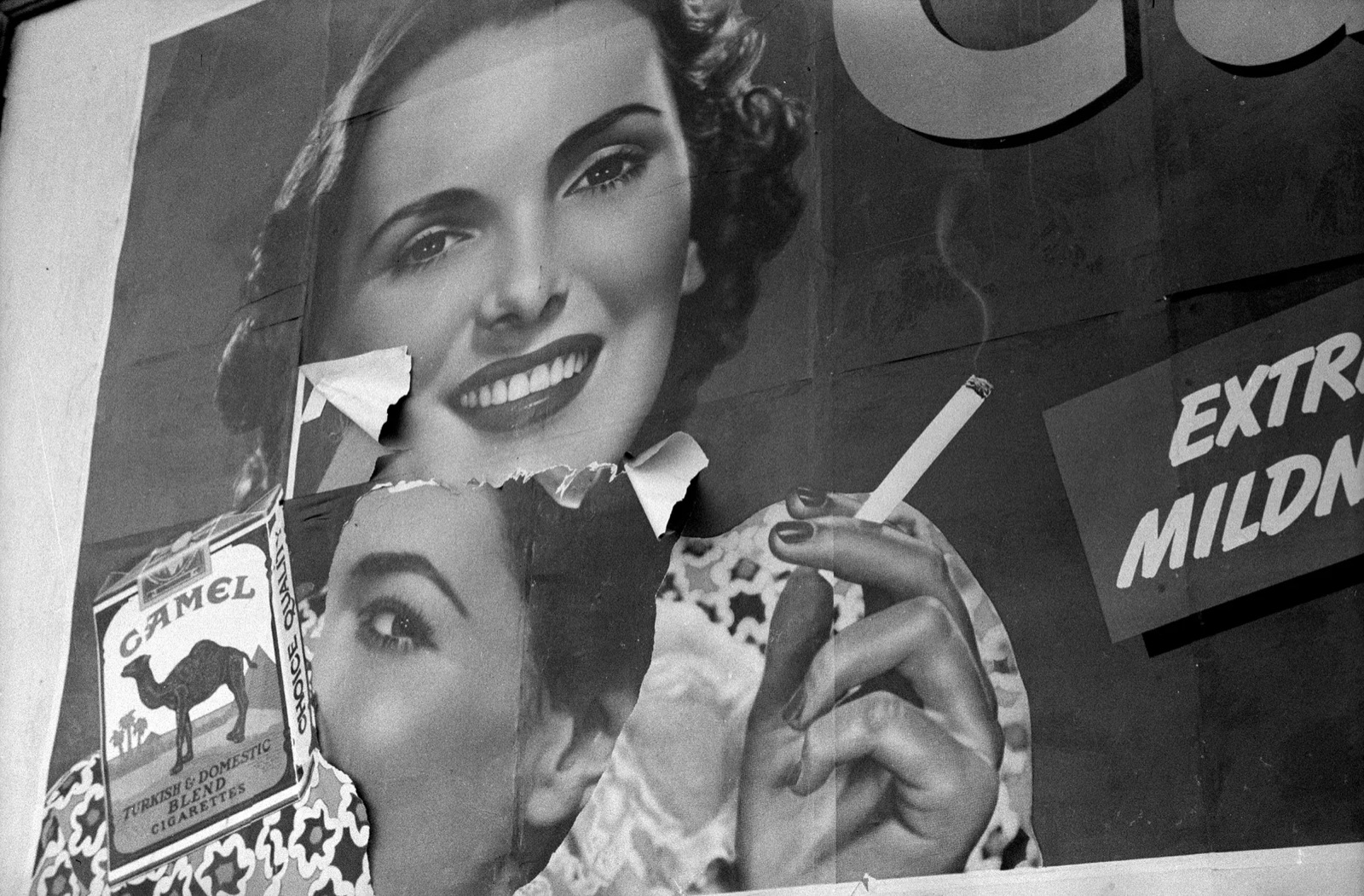
On the morning of January 4, 1954, a full-page advertisement appeared in 448 American newspapers under the headline *A Frank Statement to Cigarette Smokers*. It was signed by the chief executives of the United States' six largest tobacco companies. The advertisement assured the American public that 'there is no proof that cigarette smoking is one of the causes of cancer' and that the industry would underwrite scientific research to find the truth. The advertisement had been drafted by John W. Hill of the Hill & Knowlton public-relations firm, hired by the tobacco industry's chief executives at a meeting at the Plaza Hotel in New York on December 14-15, 1953. The strategy that the meeting produced — manufacture doubt about epidemiological evidence the industry already privately accepted, do this through industry-funded research that produced findings inconsistent with the public-health consensus, and continue to sell cigarettes to American smokers while doing so — would be sustained for forty-four years. It would be ended, in 1998, by the Master Settlement Agreement: the largest civil legal settlement in American history at $206 billion across 25 years, paid by the surviving tobacco companies to 46 states, the District of Columbia, and five U.S. territories. By that point, an estimated 8 million Americans had died from smoking-related cancers, cardiovascular disease, and respiratory illness during the cover-up period.

Vioxx and the Painkiller That Broke Hearts
Vioxx was supposed to be a better painkiller. Approved in 1999 and marketed aggressively by the pharmaceutical giant Merck, it belonged to a new class of drugs — the COX-2 inhibitors — that promised the pain relief of traditional anti-inflammatories like ibuprofen and naproxen without their tendency to cause stomach ulcers and bleeding. It was a blockbuster almost instantly, prescribed to some eighty million people worldwide and earning Merck around two and a half billion dollars a year at its peak. But sitting inside the company's own clinical data was a signal it did not want to see: Vioxx increased the risk of heart attack and stroke. A large Merck study had pointed to it as early as 2000, and rather than confront the possibility that its blockbuster was dangerous, the company offered an alternative explanation, kept marketing the drug, and — according to documents later revealed in court — trained its sales force to dodge doctors' questions about heart safety. It was not until 2004, when a second trial produced cardiovascular results too clear to spin, that Merck withdrew Vioxx from the market. By then a scientist at the United States Food and Drug Administration had estimated that the drug may have caused tens of thousands of excess heart attacks and deaths. This is the story of Vioxx: a drug that worked as a painkiller and killed as a side effect, a company that saw the danger and looked past it, and a disaster that exposed how poorly the system guards against a medicine that turns out to be lethal after it is already in millions of bodies.
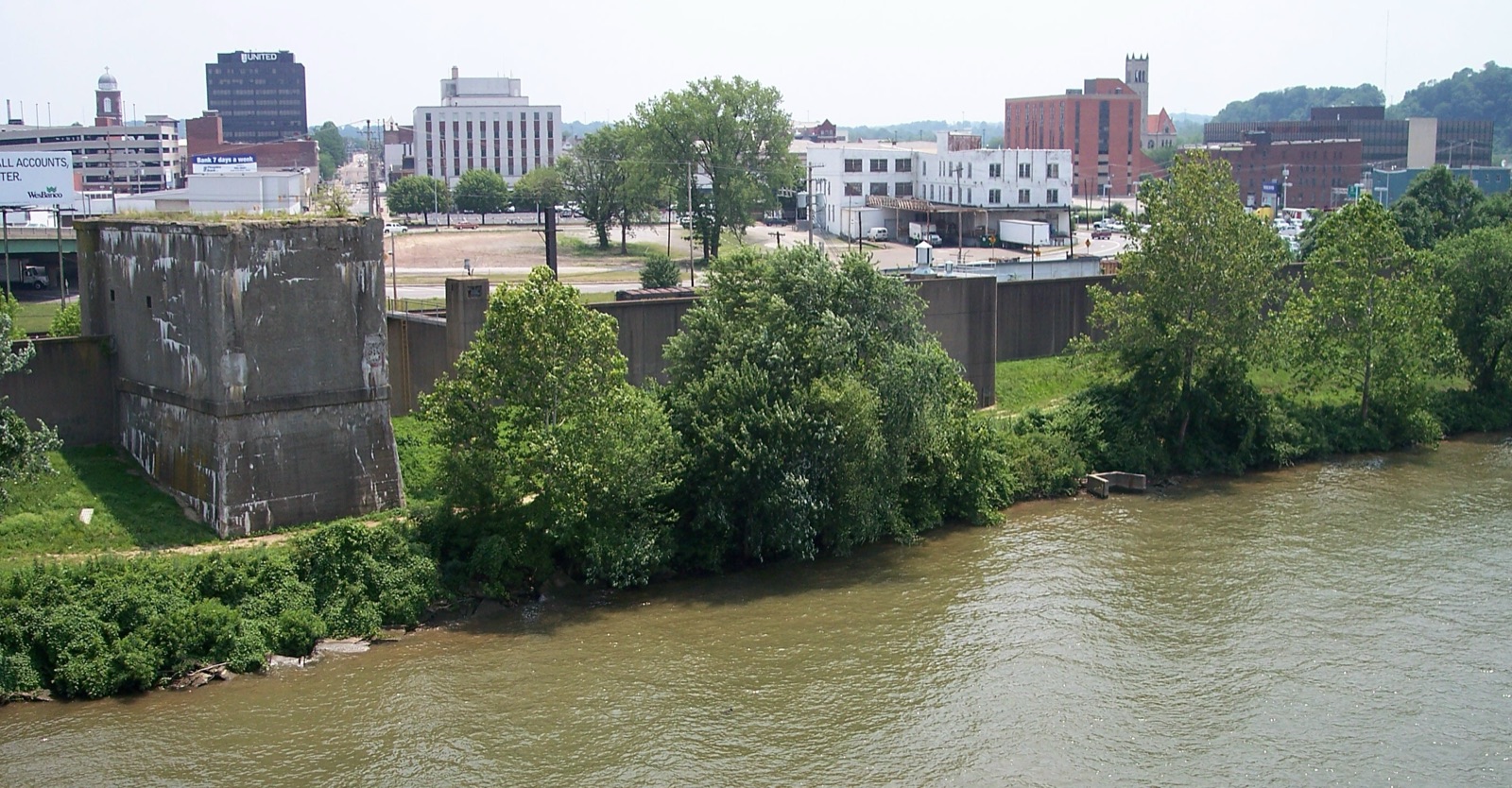
DuPont and PFOA
In October 1998, a West Virginia cattle farmer named Wilbur Tennant called a Cincinnati lawyer named Robert Bilott about 153 dead cows. The cows had been drinking from Dry Run Creek, three miles downstream from the DuPont Washington Works chemical plant. Tennant's home video showed cattle with bloody mouths, gum cancer, and stumbling gaits before they died. Bilott — a corporate-defense attorney at Taft Stettinius & Hollister who had spent his career representing chemical companies — agreed to look at the file as a personal favor to his grandmother, who knew the Tennant family. The look became a twenty-year case. By the time Bilott was finished, he had uncovered: that DuPont had been releasing perfluorooctanoic acid (PFOA, code-named 'C8') into the Ohio River and into landfills for over forty years; that DuPont had known PFOA was toxic since at least 1961; that the company's own animal studies in 1981 had shown birth defects in offspring of exposed female workers; and that approximately 99% of the U.S. population, by 2007, had detectable levels of PFOA in their blood. The 2005 EPA fine ($16.5 million) was the largest in U.S. environmental enforcement history at the time. The 2017 multi-district settlement was $670.7 million. The C8 Science Panel — established as part of an earlier 2005 class-action settlement — confirmed by 2012 that PFOA is causally linked to six diseases including kidney and testicular cancer. PFOA was phased out of U.S. production by 2015. Its environmental persistence — half-life in human blood is approximately 3.8 years — means that, by 2025, every American adult has some PFOA exposure dating from the production era. The chemical that made non-stick cookware possible is, in this sense, still with us.