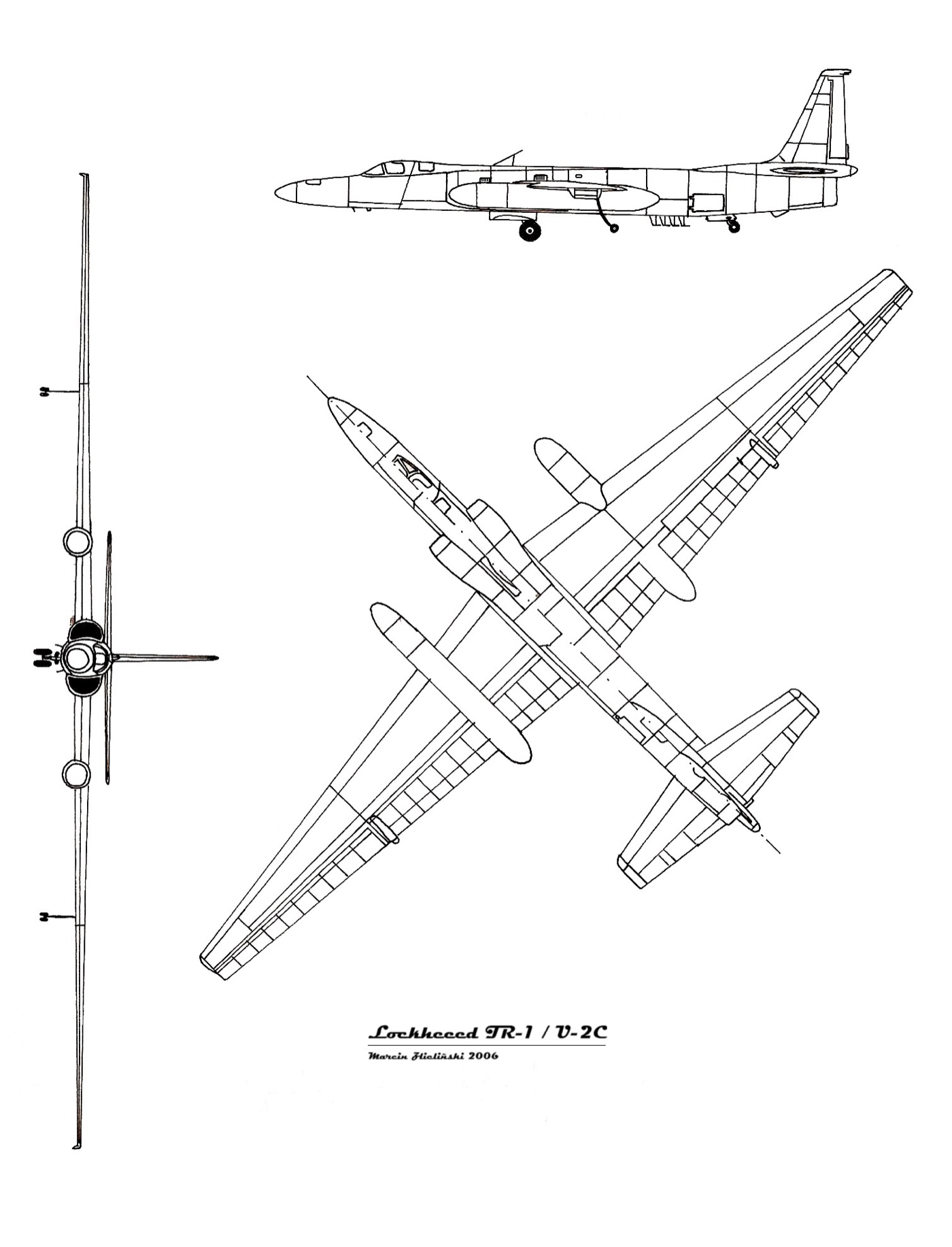
A Lockheed U-2 reconnaissance aircraft, the high-altitude spy plane at the center of the 1960 incident. Designed to fly above the reach of Soviet fighters, it was finally brought down by an improved surface-to-air missile. Wikimedia Commons / CC BY 2.5.
The U-2 Incident: The Spy Plane That Wrecked a Summit
USSR, 1 May 1960 — When a Soviet missile downed an American spy plane deep inside Russia and captured its pilot alive, the United States was caught in a public lie. The fallout destroyed a superpower summit, ended a Cold War thaw, and exposed one of America's most secret programs
- Category
- Cold War Files
- Published
- Length
- 3,550 words · 18 min read
- Author
- The editors
The U-2 incident is a rare case in which a single event laid bare, all at once, the secret machinery of the Cold War and the perils of the deception on which it ran. In the space of a few weeks in the spring of 1960, the world learned that the United States had for years been flying spy planes deep over Soviet territory; watched an American president caught telling a flat lie to cover it up; and saw a carefully prepared superpower summit collapse in acrimony as a result. It is not, in the main, a mystery — the facts are thoroughly documented, the once-secret program long since declassified, the participants' accounts abundant. Its interest lies elsewhere: in what it reveals about the hidden espionage that underpinned the Cold War, about the dangers of official lies that depend on assumptions that can suddenly prove false, and about how a single downed aircraft could reroute the diplomacy of the age. It is a story of technological daring, of a cover-up that unravelled in the most public way imaginable, and of the human being — the captured pilot — caught in the middle of it all.
This is the story of the spy plane that wrecked a summit.
The eye in the sky
The U-2 was born of a desperate need for information. In the early 1950s, the United States was largely blind to what was happening inside the closed Soviet Union — how many bombers it had, how fast it was building missiles, where its nuclear forces were based. This ignorance fed dangerous fears, the "bomber gap" and later the "missile gap," of Soviet superiority that might or might not be real, and it made rational defense planning nearly impossible. The answer, developed in secret by Lockheed's famous "Skunk Works" under the engineer Kelly Johnson, was an aircraft of radical design: the U-2, essentially a jet-powered glider with enormous wings, capable of flying at around 70,000 feet — far higher than any contemporary fighter could climb, and, it was hoped, above the reach of Soviet air defenses. From that altitude its cameras could photograph vast swaths of Soviet territory in extraordinary detail.
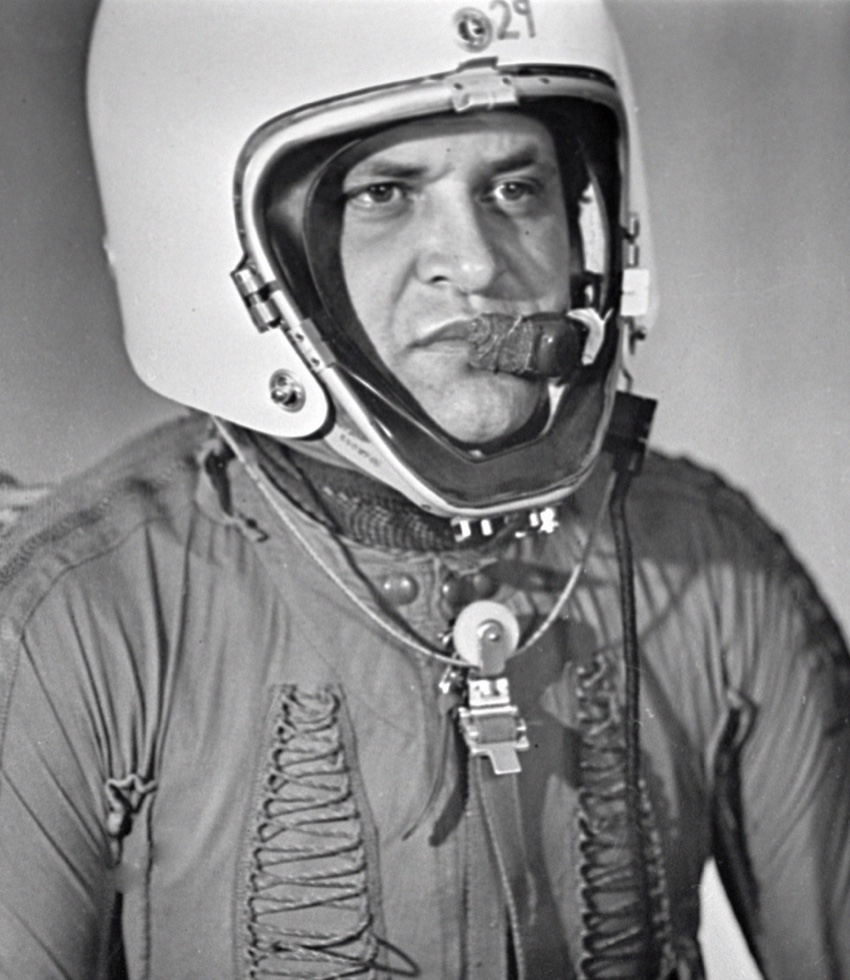
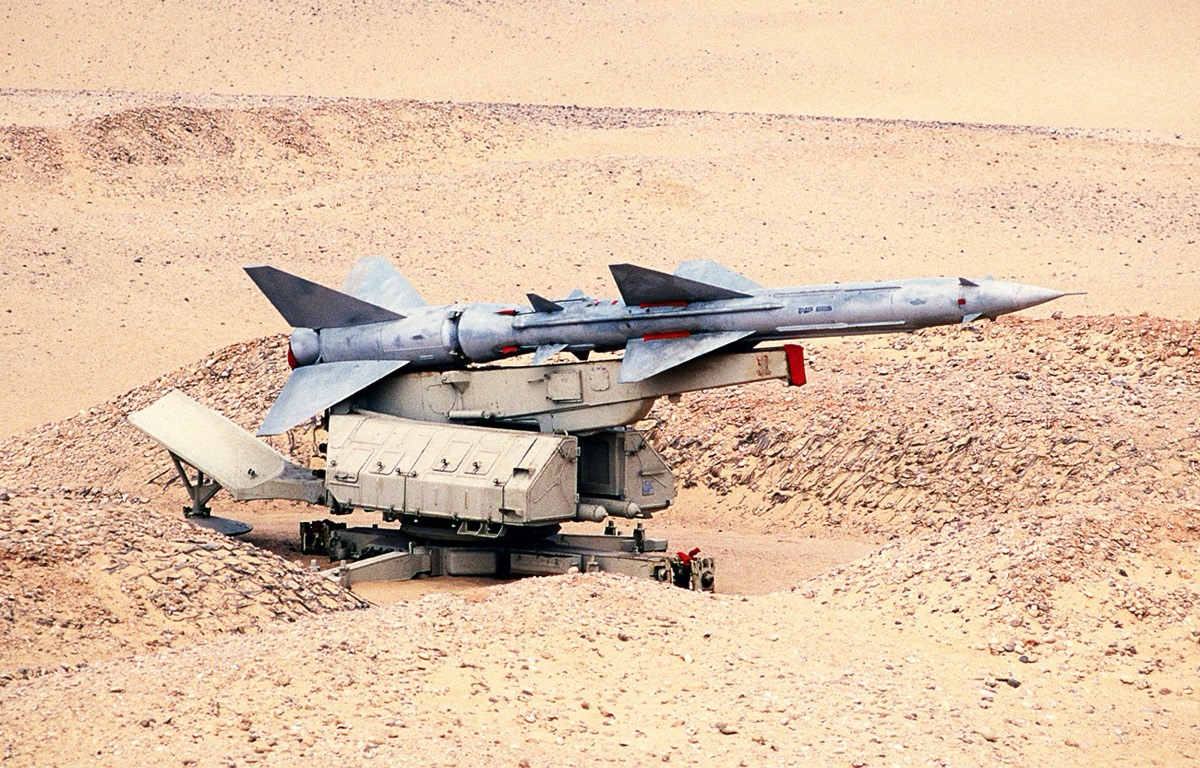
From 1956, U-2s operated by the CIA began flying secret missions over the Soviet Union, and the intelligence they returned was invaluable, helping to reveal that the feared gaps in bombers and missiles were largely illusory and that the United States in fact held the lead. But the program rested on a precarious assumption: that the U-2 flew too high to be touched. This was true at first, and Soviet fighters could only watch impotently as the intruders crossed their skies. Yet the Soviets, humiliated by their inability to stop the overflights, poured resources into their air defenses, and in particular into surface-to-air missiles that could reach higher and higher. It was only a matter of time before the U-2's altitude advantage eroded — and by 1960, that time had come.
The first of May
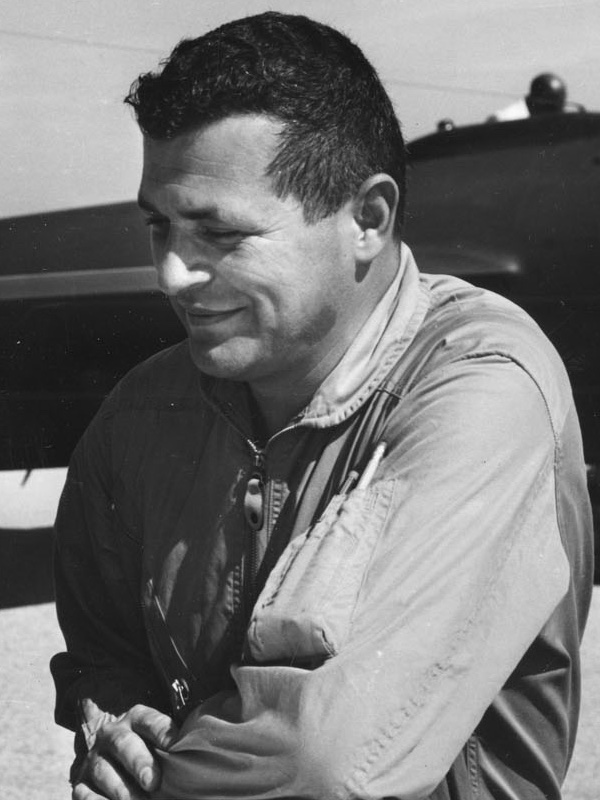
The mission of 1 May 1960 was among the most ambitious ever attempted: a long flight across the breadth of the Soviet Union, from a base in Pakistan to a landing in Norway, photographing key military and missile sites along the way, including the space and missile complexes in the Urals. Francis Gary Powers, an experienced U-2 pilot, took off and penetrated deep into Soviet airspace. But the Soviets, tracking him from the moment he crossed the border, were ready. Near Sverdlovsk, a salvo of the new S-75 missiles was fired; one detonated close enough to the U-2 to cripple it, sending Powers's aircraft tumbling down from the edge of space. He managed to bail out and was captured on landing by Soviet forces — alive, and with the wreckage of his plane, including its reconnaissance cameras and exposed film, scattered but recoverable.
That Powers survived was the pivot on which the whole affair would turn. American planners had assumed that if a U-2 were ever brought down, the pilot would almost certainly die and the aircraft be destroyed, leaving no evidence and allowing plausible deniability. Powers had even been issued a suicide device — a poison-tipped pin concealed in a coin — though its use was optional. But he neither died nor destroyed the plane, and the Soviets thus held both a living, talking pilot and the physical proof of his espionage mission. The Americans, not yet knowing this, proceeded on their false assumption straight into a trap.
The cover story collapses
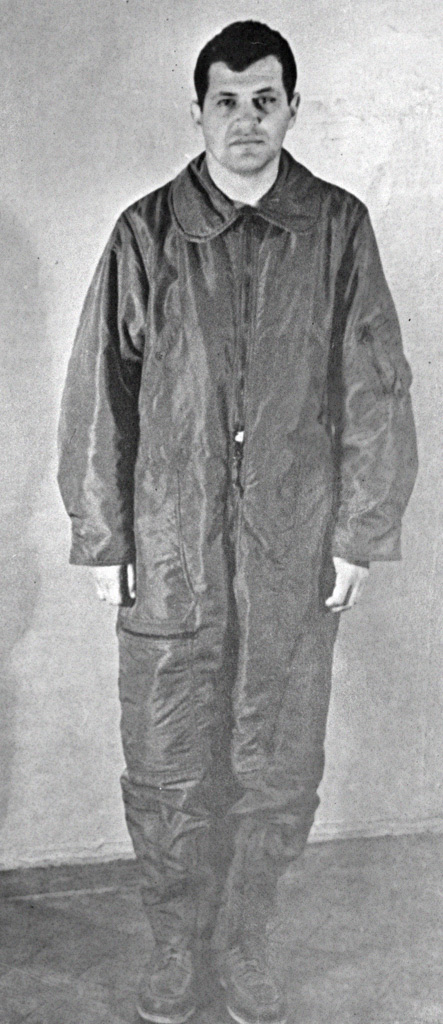
Believing Powers dead and the U-2 obliterated, the United States activated its prepared cover story. NASA announced that one of its "weather research" aircraft, based in Turkey, had gone missing after the pilot reported difficulties with his oxygen supply, and suggested it might have strayed accidentally over Soviet territory. It was a plausible-sounding fiction, and had the original assumptions held, it might have stood. But Khrushchev, who knew exactly what he had, deliberately let the Americans commit fully to the lie before exposing it. Having initially announced only that a plane had been shot down, he then revealed the devastating truth: the pilot was alive and in Soviet custody, had confessed to his espionage mission, and the wreckage, cameras, and surveillance photographs had been recovered and put on display in Moscow.
The exposure was a diplomatic catastrophe for the United States. Caught in a bald and now undeniable lie, the Eisenhower administration floundered, its initial cover story shredded, and was forced into a series of humiliating retreats. In an extraordinary and unprecedented step, President Eisenhower — rather than continue to deny or to disavow the operation as a rogue act — ultimately took personal responsibility, acknowledging that the United States had indeed been conducting aerial reconnaissance of the Soviet Union and defending it as a necessary response to Soviet secrecy. It was almost unheard of for a head of state to admit publicly to espionage against another power, and while it had a certain integrity, it also confirmed to the world the full scope of what the Americans had been doing, and left Khrushchev holding every card.
The summit destroyed
The timing could hardly have been worse, and that was no accident of fate but a consequence the incident directly caused. A major Four Powers summit — bringing together Eisenhower, Khrushchev, and the leaders of Britain and France, Harold Macmillan and Charles de Gaulle — had been scheduled to open in Paris on 16 May 1960, just two weeks after the shootdown. It was meant to advance a cautious thaw in the Cold War, with hopes of progress on Berlin and on a nuclear test ban. The U-2 incident wrecked it. Khrushchev arrived in Paris demanding that Eisenhower apologize for the overflights and punish those responsible; Eisenhower, while announcing that the flights would not resume, refused to apologize; and Khrushchev, seizing the moral high ground the incident had handed him, walked out, and the summit collapsed before it had properly begun.
The consequences rippled outward. The brief thaw was over; the planned reciprocal visit of Eisenhower to the Soviet Union was cancelled; and the Cold War hardened again into confrontation, setting the tone for the dangerous years that followed — the Berlin Wall in 1961, the Cuban Missile Crisis in 1962. The U-2 affair had not merely embarrassed the United States; it had derailed an entire diplomatic opening and helped push the superpowers back toward the brink. That so much could hinge on a single reconnaissance flight, and on the survival of a single pilot, is a measure of how finely balanced, and how fragile, Cold War diplomacy could be.
The trial and the bridge
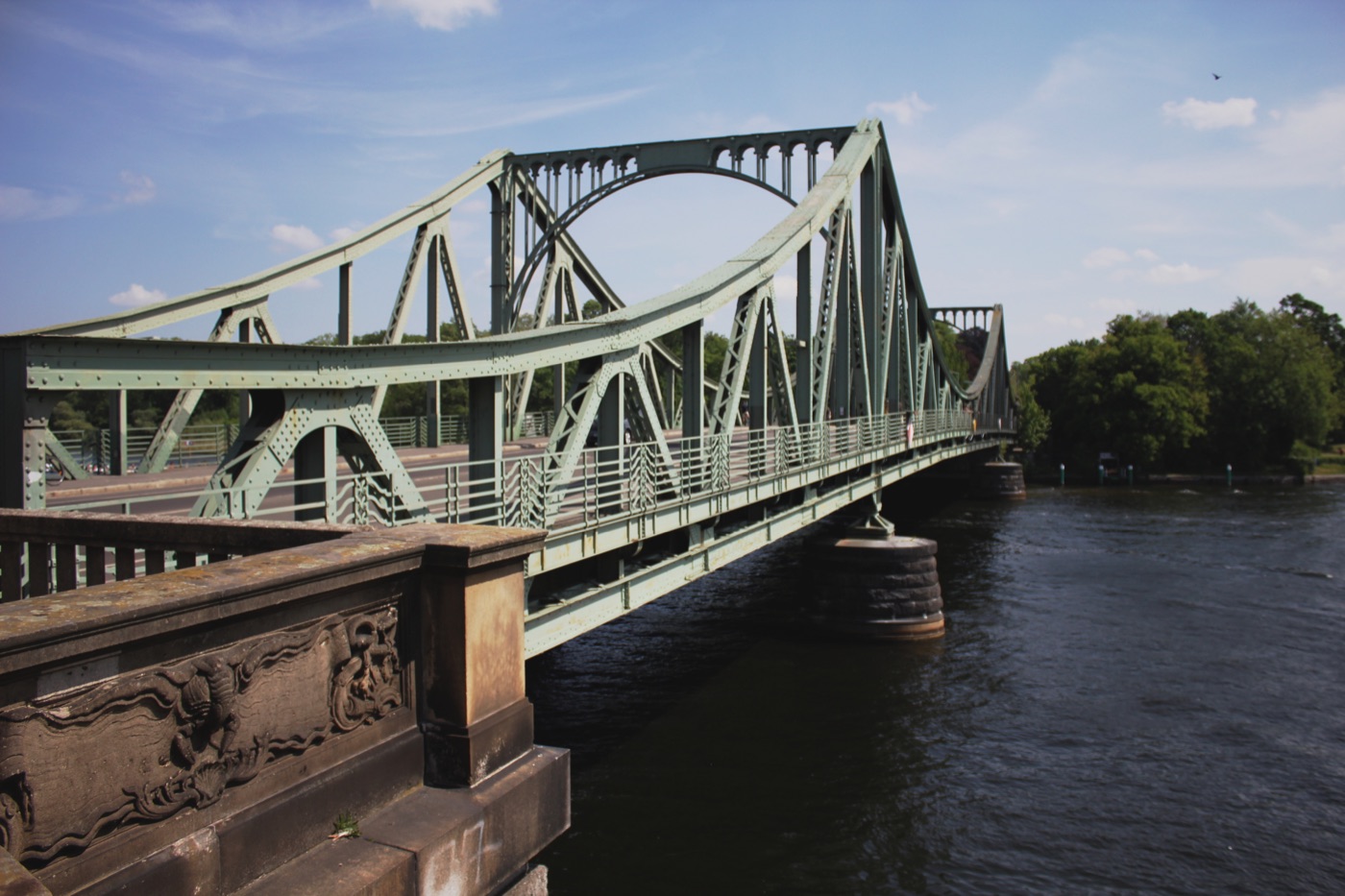
For Powers, the ordeal was only beginning. Held in Moscow, he was put on trial in August 1960 in a highly public proceeding, charged with espionage, and — after cooperating to a degree that would later draw criticism at home — was convicted and sentenced to ten years' confinement. He did not serve them all. In February 1962, in one of the Cold War's most famous episodes of spy diplomacy, Powers was exchanged for Rudolf Abel — the cover name of Vilyam Fisher, a senior Soviet intelligence officer who had been caught operating in the United States. The exchange took place on the Glienicke Bridge connecting West Berlin and Potsdam, a crossing between the Western and Soviet spheres that became so associated with such swaps that it earned the nickname the "Bridge of Spies."
Powers returned to a mixed reception. Some criticized him harshly for having failed to destroy the aircraft or to use the suicide device, and for what they saw as excessive cooperation with his captors — suspicions that shaded, in the fevered atmosphere of the time, into unfounded insinuations that he might have been complicit or a defector. But official inquiries cleared him, concluding that he had acted properly and within his orders, and over time his reputation was restored; he was belatedly honored for his service. Powers went on to work as a test pilot and later a traffic helicopter pilot, and died in a helicopter crash in 1977. The murkier theories about him — that he was a Soviet agent, that the flight was sabotaged or arranged — have never had any evidentiary basis, and the straightforward account, of a pilot doing a dangerous job who was shot down and captured, is the one the evidence supports.
From spy planes to satellites
One of the most important legacies of the U-2 incident was strategic and technological: it hastened the end of the age of the manned spy plane over hostile territory and the beginning of the age of the reconnaissance satellite. The shootdown made brutally clear that overflying the Soviet Union with piloted aircraft was no longer viable — the political risk of another Powers, another captured pilot and exposed lie, was intolerable, and the physical risk was now real. The United States had, fortunately, already been developing an alternative in deep secrecy: the Corona program of photo-reconnaissance satellites, which achieved its first successful film return in August 1960, just months after the U-2 came down. Satellites could photograph Soviet territory from orbit without violating airspace in any way a missile could reach, and without a human pilot to be captured. The U-2 incident thus marks a hinge in the history of espionage — the moment the eye in the sky moved from the stratosphere to orbit.
What it means
The U-2 incident endures as one of the most instructive episodes of the Cold War, because it pulled back the curtain on the secret contest of intelligence that ran beneath the public one of diplomacy and deterrence. It revealed to the world that the superpowers were not merely posturing at summits but were locked in a constant, hidden struggle to see inside each other — a struggle in which the United States had been flying spy planes over the Soviet heartland for years. It demonstrated the peculiar fragility of official deception, showing how a cover story can collapse the instant its assumptions fail, and how costly the collapse can be. And it marked, in retrospect, a technological turning point, pushing espionage from the vulnerable manned aircraft to the untouchable satellite, a shift that would define reconnaissance for the rest of the century and beyond.
In the end, the U-2 incident is a story not of mystery but of consequence — of what happens when a secret program, however valuable, is exposed at the worst possible moment, and when a lie told to cover it depends on an assumption that suddenly proves false. A daring aircraft that had given the United States years of vital intelligence was finally brought down; a pilot who was supposed to die survived to be captured; a prepared cover story met a leader who knew exactly how to spring it; a president was caught in a public falsehood; and a summit meant to ease the Cold War was destroyed instead, hardening the confrontation for years to come. Francis Gary Powers, the man at the center of it, did a dangerous job, paid for it with imprisonment and unjust suspicion, and was eventually vindicated. The affair sent the eye in the sky from the stratosphere to orbit and left, as its most durable lesson, a warning as relevant now as then: that secret advantage and public deception are bound together, and that the day the deception fails can undo far more than the advantage ever gained.
In the end, the U-2 incident stands as a defining moment of the Cold War's secret dimension — the day the hidden war of espionage burst into public view and reshaped the open war of diplomacy. It exposed a bold and valuable American intelligence program, caught a nation in a lie, wrecked a summit, ended a thaw, and hastened the move from spy planes to satellites, all in the space of a few weeks in the spring of 1960. There is no real mystery in it, only a chain of documented cause and consequence, and a set of enduring lessons: about the value and the peril of spying on a closed adversary, about the fragility of official deception, and about how much the course of great events can hinge on small contingencies — a missile that flew high enough at last, a pilot who lived when he was expected to die. The spy plane that wrecked a summit is remembered not as a puzzle to be solved but as a case study in the hidden machinery of the Cold War, and in the dangers that attend the secrets great powers keep.
Inspired this / based on it
Steven Spielberg
The film dramatizing the negotiation to exchange Powers for Rudolf Abel on the Glienicke Bridge.
Francis Gary Powers
Powers's own memoir of the U-2 mission, capture, and imprisonment.
Filed under
Click any tag for every article carrying it.
Continue reading
The Cuban Missile Crisis: Thirteen Days on the Nuclear Brink
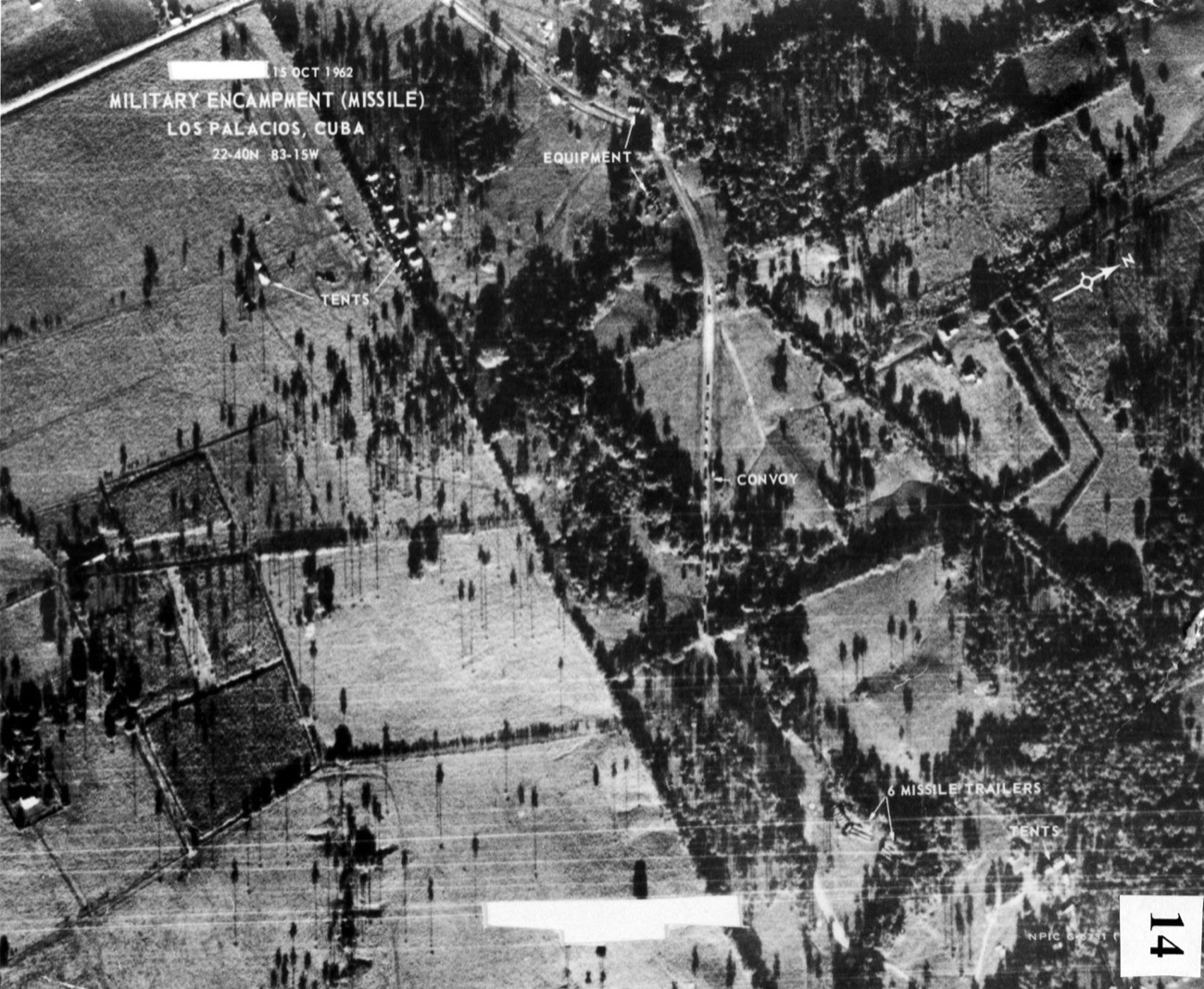
In October 1962, the Cold War came within a hair's breadth of becoming a nuclear one. For thirteen days that month, the United States and the Soviet Union confronted each other over the discovery that the Soviets had secretly installed nuclear missiles in Cuba, ninety miles from the American coast, capable of striking much of the United States within minutes. American reconnaissance had caught the deployment while the missile sites were still being built; President John F. Kennedy imposed a naval blockade of the island and demanded the missiles' removal; and for the better part of two weeks the world held its breath as the two superpowers, each armed with the power to destroy the other and much of humanity, edged toward the abyss. It was, and remains, the closest the world has ever come to full-scale nuclear war — closer, it later emerged, than even the participants understood at the time, with more than one moment in which a single decision, or a single frightened officer, might have triggered catastrophe. That it ended not in annihilation but in a negotiated settlement was the product of nerve, restraint, back-channel diplomacy, a secret deal, and no small amount of luck. This is the story of the Cuban Missile Crisis — the secret deployment, the discovery, the standoff, the near-catastrophes, and the fragile bargain that saved the world.
Corona: The Secret Spy Satellites That Watched the Cold War
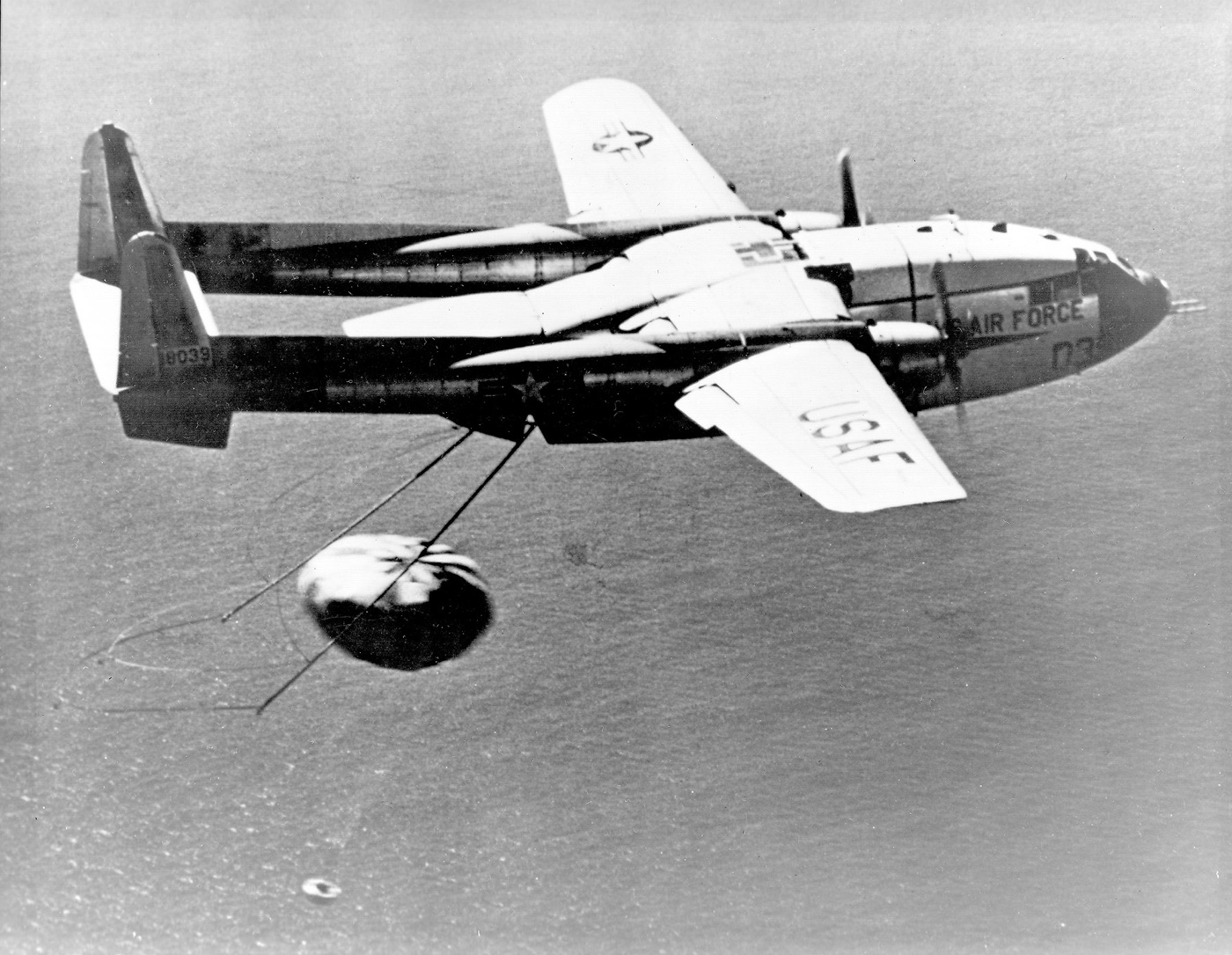
In August 1960, months after a Soviet missile brought down an American U-2 spy plane and ended the era of manned overflights of the USSR, the United States achieved something that would prove far more important: it retrieved, from a capsule that had been ejected from a satellite in orbit and parachuted down over the Pacific to be snatched from the air by a passing aircraft, a roll of film containing photographs of the Soviet Union. That single mission photographed more Soviet territory than all the U-2 flights combined. It was the first success of Corona, a top-secret American reconnaissance-satellite program run jointly by the CIA and the Air Force and hidden behind a cover story about a scientific satellite called Discoverer. Over the following twelve years, Corona satellites would photograph the Soviet Union, China, and other closed societies from orbit, returning their film to Earth in a series of astonishing mid-air recoveries, and would transform the ability of the United States to see inside its adversaries. In doing so, Corona did more than gather secrets: by letting each superpower verify the true size of the other's forces, it punctured dangerous myths, made arms-control treaties possible, and, in its quiet way, helped stabilize the terrifying balance of the nuclear age. Classified for decades, its existence was revealed only in 1995. This is the story of Corona — the secret eyes that America put in the sky, and how they changed the Cold War.
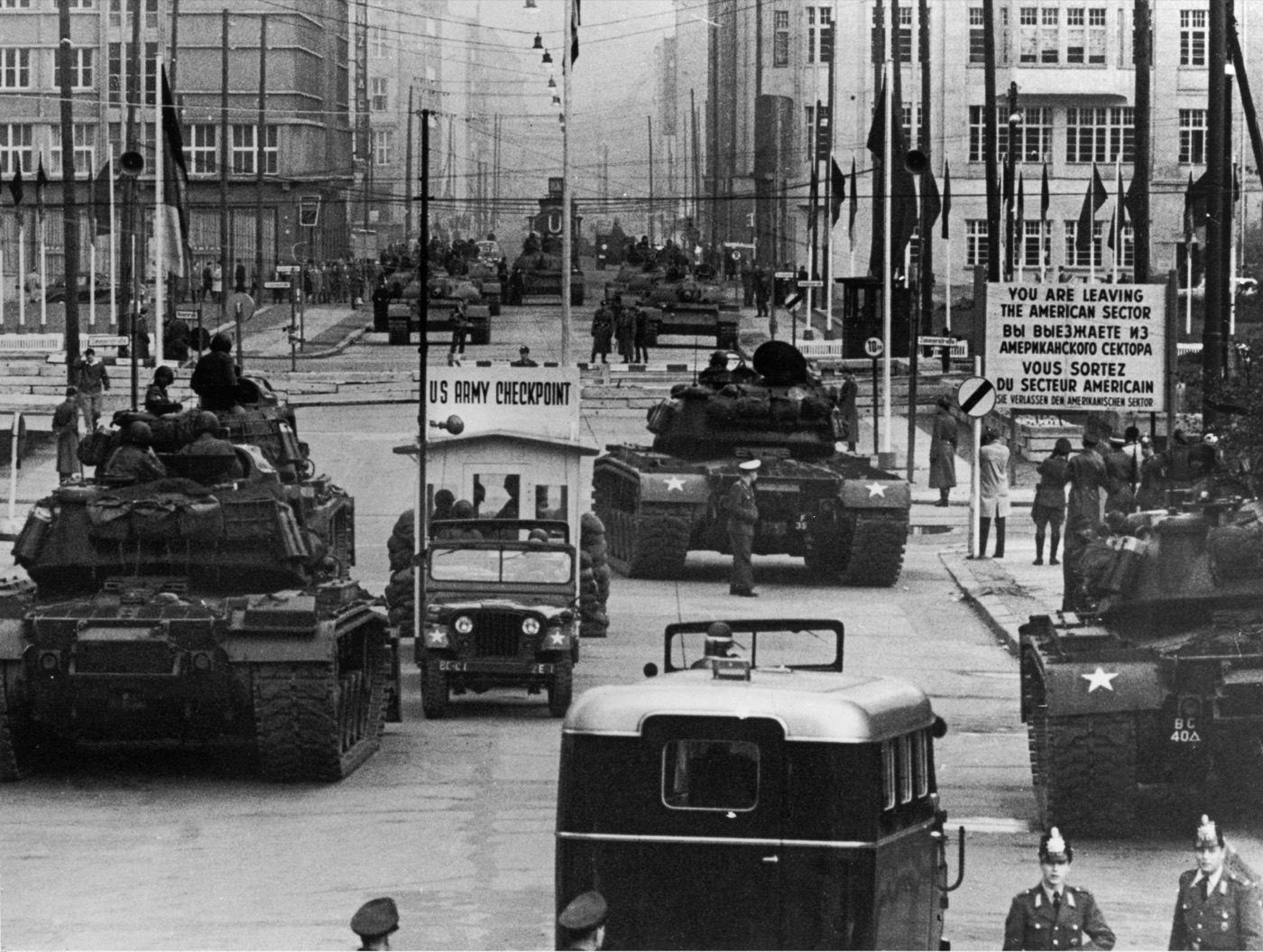
The Building of the Berlin Wall, 1961
For more than a decade after the Second World War, Berlin was the great open wound of the Cold War and its most dangerous flashpoint. The city lay deep inside communist East Germany, yet it was itself divided into a Soviet-controlled east and a Western-controlled west, and the border that ran through it remained, almost uniquely, open. Through that gap, across the 1950s, millions of East Germans simply walked to freedom — boarding a train or a tram in the east and stepping off in the west, and from there flying out to a new life. They were disproportionately the young, the skilled, the educated: doctors, engineers, teachers, the very people a struggling socialist state could least afford to lose. By 1961 this haemorrhage threatened the survival of East Germany itself, and its leaders, with the backing of the Soviet Union, resolved to stop it the only way they could — by closing the door. In the early hours of Sunday 13 August 1961, East German troops and police moved into position along the sector boundary and began to seal it with barbed wire, tearing the city in two while most of its people slept. Within days the wire was giving way to concrete, and a permanent wall was rising through streets and squares, separating families, neighbours, and workplaces with a suddenness that stunned the world. The Western powers protested furiously but did not intervene, for they understood that the wall, monstrous as it was, did not threaten their own position in West Berlin — and that to challenge it by force risked a war that might go nuclear. The Berlin Wall would stand for twenty-eight years as the physical embodiment of a divided world. This is the story of the weekend it went up.