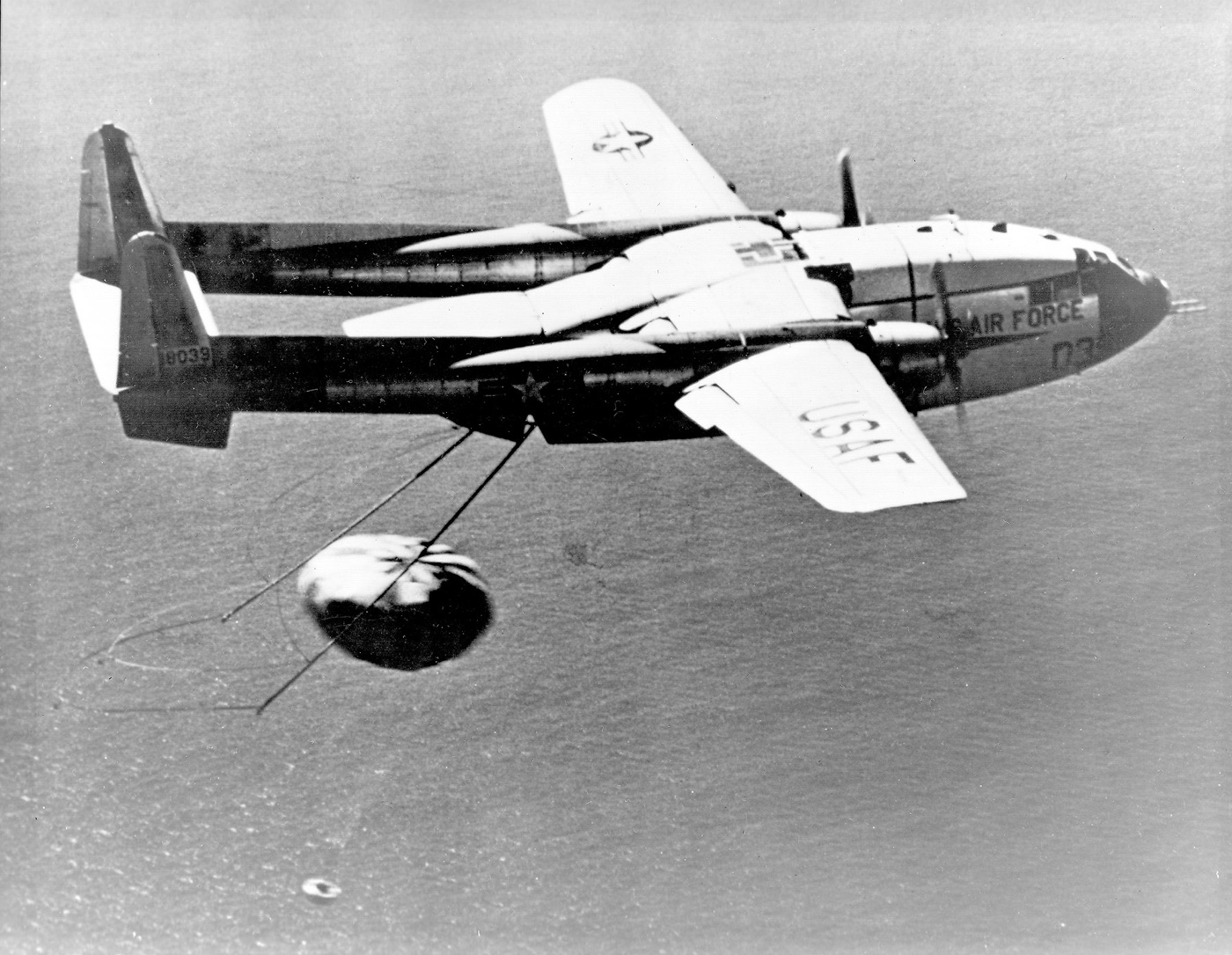
A C-119 aircraft snatches a Corona film-return capsule from the air as it parachutes down after re-entry, 1960. The mid-air recovery of film dropped from orbit was one of the program's remarkable feats. Wikimedia Commons / USAF, Public Domain.
Corona: The Secret Spy Satellites That Watched the Cold War
USA, 1960–1972 — After a spy plane was shot down over Russia, America moved its eyes into orbit. The top-secret Corona program flew cameras over the Soviet Union, dropped their film from space to be caught in mid-air, and revolutionized intelligence — quietly making the Cold War a little safer
- Category
- Cold War Files
- Published
- Length
- 3,550 words · 18 min read
- Author
- The editors
Corona is one of those Cold War secrets whose story, once declassified, turns out to be not a scandal but a wonder — a feat of technology and organization so audacious that it can be hard to believe it worked at all, and whose consequences were, on balance, stabilizing rather than sinister. It has none of the moral ambiguity of an Operation Paperclip or the horror of a nuclear near-miss; it is, instead, a story of ingenuity in the service of seeing clearly, and of how the ability to see clearly can make a dangerous world a little safer. For thirty-five years the program did not officially exist; when it was revealed, in 1995, it emerged not as a dark conspiracy to be exposed but as a hidden triumph to be understood. Its interest lies in the sheer improbability of what it accomplished — photographing a closed continent from orbit and returning the film to be caught in mid-air — and in the paradoxical way that spying, so often destabilizing, here served the cause of stability, by replacing fear and guesswork with knowledge. To tell Corona's story is to recover a piece of Cold War history that is genuinely inspiring, and to appreciate how much the peace of the nuclear age owed to the eyes in the sky.
This is the story of the secret satellites that watched the Cold War.
The blind superpower
The urgency behind Corona came from a simple, dangerous fact: for much of the 1950s, the United States was largely blind to what was happening inside the closed Soviet Union. Unable to see how many bombers and missiles the Soviets actually had, American planners were prey to fear-driven guesswork, and successive scares — the "bomber gap," then the "missile gap" — held that the Soviets might be racing ahead in the weapons that could destroy America. These fears drove arms spending and strategy, and they might be true or wildly exaggerated; without hard information, no one could be sure. The U-2 spy plane, from 1956, had provided some answers by overflying the USSR at extreme altitude. But the U-2 was always a stopgap, and when one was shot down over Russia in May 1960, capturing its pilot and humiliating the United States, the age of manned overflights ended. America needed a new way to see — one that could not be shot down.
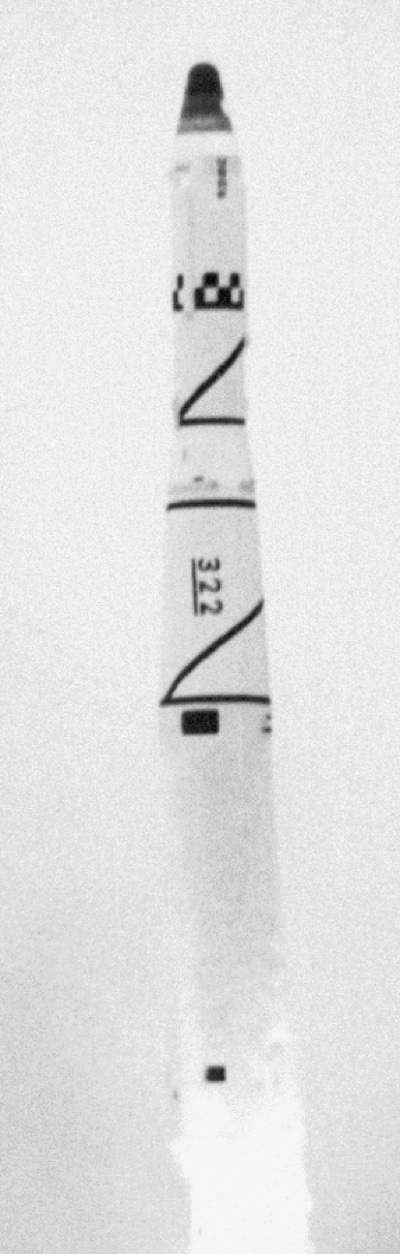
The answer lay in space. A satellite in orbit did not violate anyone's airspace in any way that a missile could reach; it could pass over the Soviet Union again and again with impunity, photographing vast areas on each pass; and it put no pilot at risk of capture. The concept had been studied for years, and after the U-2 shootdown it acquired overwhelming urgency. The result was Corona, developed in deep secrecy by the CIA and the Air Force with contractors including Lockheed, which built the Agena spacecraft, and Itek, which built the cameras. To hide it, the government created an elaborate cover: the satellites were publicly presented as "Discoverer," an unclassified scientific program studying the space environment and, supposedly, carrying biological specimens. Behind that bland façade, America was building the first orbital spies.
How Corona worked
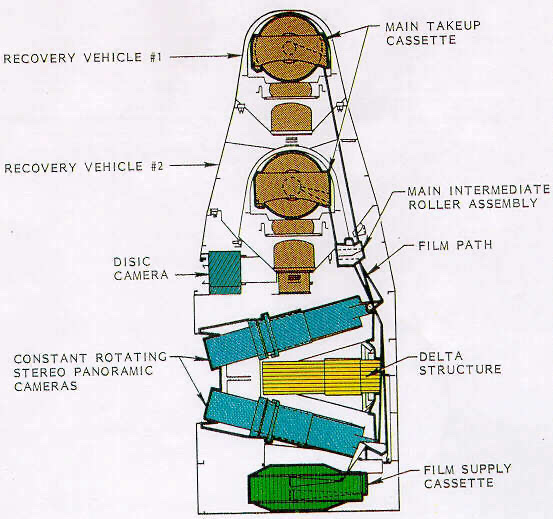
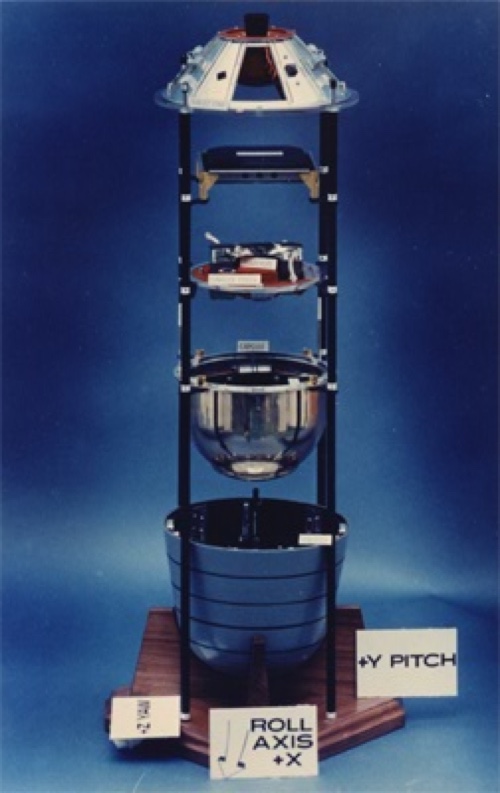
The technical challenge Corona solved was formidable, and the solution was ingenious to the point of audacity. A satellite could carry a camera and photograph the Earth below, but in an age before the ability to transmit high-resolution images electronically from space, the exposed film itself had to be physically brought back to Earth to be developed and studied. Corona's answer was the film-return capsule, nicknamed the "film bucket": after a mission's cameras had photographed their targets over several days, the exposed film was wound into a small re-entry capsule, which was then ejected from the satellite, fired a small rocket to drop out of orbit, endured the searing heat of re-entry behind a heat shield, and deployed a parachute to float down over the Pacific Ocean. There, the final marvel occurred.
The recovery of the film bucket was one of the most extraordinary operational feats of the Cold War. Rather than let the capsule splash into the sea (though it could float for a time as a backup), the plan was to catch it in mid-air: specially equipped aircraft, trailing a recovery harness, would fly toward the descending parachute and snag the capsule out of the sky as it fell, then reel it aboard. It sounds barely credible, and it did not come easily. The early Corona missions were a litany of failure: the first thirteen attempts, across 1959 and 1960, failed in one way or another — rockets malfunctioned, satellites tumbled, cameras jammed, capsules were lost. It was only with the fourteenth attempt, in August 1960, that everything worked: the satellite photographed the USSR, the capsule returned, and an aircraft caught it in mid-air, delivering to American intelligence its first haul of film from space.
The perseverance the program required is itself part of its story, and a lesson in its own right. Thirteen consecutive failures would, in most circumstances, have doomed a project — and Corona came under real pressure to be cancelled as capsule after capsule was lost. That it survived owed much to the determination of those running it, including the CIA's Richard Bissell, who also oversaw the U-2, and to a willingness to treat each failure as a lesson rather than a verdict. Engineers diagnosed and fixed one problem after another — malfunctioning rockets, tumbling satellites, jammed cameras, capsules that sank or were never found — in a grinding process of trial and error conducted under intense secrecy and pressure. When success finally came, it vindicated a persistence that had repeatedly looked foolish. The episode is a reminder that the most consequential technological breakthroughs are often preceded by a demoralizing string of failures, and that the difference between abandonment and triumph can lie in the willingness to keep going when every result so far has been disaster.
What Corona revealed
The intelligence Corona delivered transformed America's understanding of its adversary, and much of what it revealed was reassuring. By systematically photographing the Soviet Union, Corona allowed analysts to count, with increasing confidence, the actual number of Soviet intercontinental ballistic missiles, bombers, and submarines — and the count punctured the panic. The dreaded "missile gap," which had figured in American politics and driven fears of Soviet superiority, turned out to be a myth: far from racing ahead, the Soviets had far fewer ICBMs than feared, and the United States in fact held a substantial lead. This was intelligence of the highest strategic value, not because it revealed a threat but because it dispelled an exaggerated one, allowing American leaders to plan on the basis of reality rather than fear, and reducing the pressure for a runaway arms race driven by worst-case guessing.
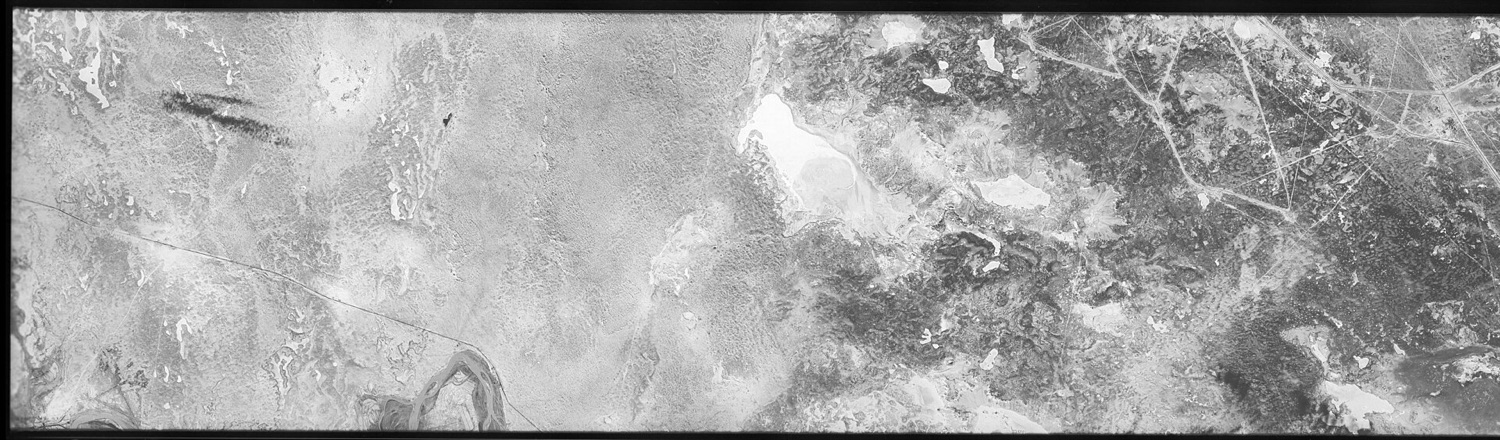
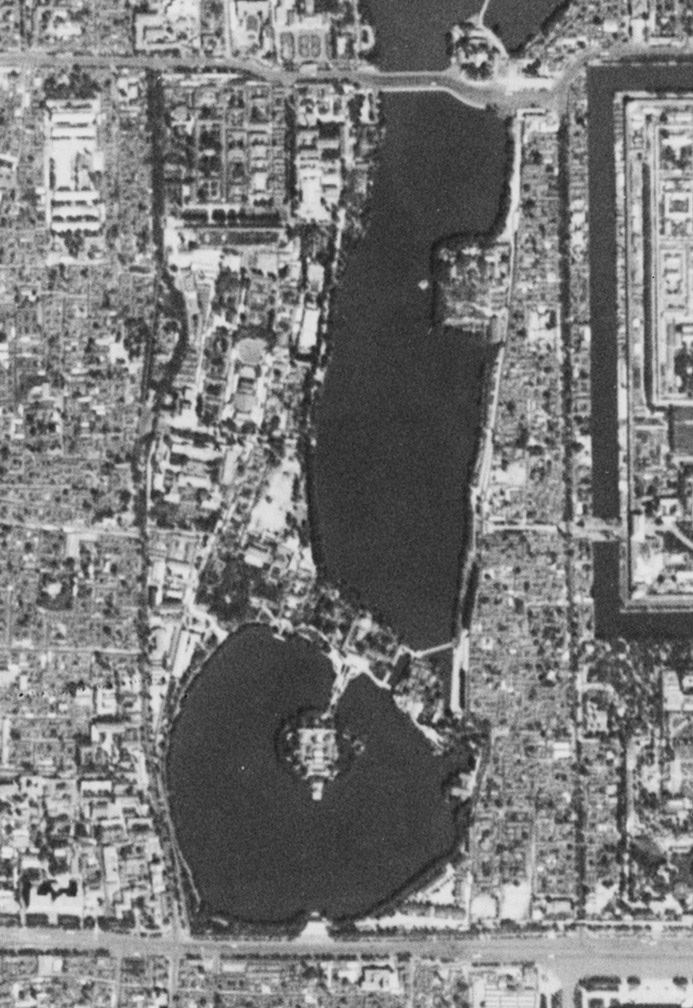
Beyond counting weapons, Corona mapped the Soviet Union and China in unprecedented detail, located and monitored military bases, missile sites, nuclear facilities, airfields, and shipyards, and tracked the development of new weapons systems. It photographed China's nuclear program and leadership compounds, monitored other closed societies, and built up, over years, a comprehensive picture of the communist world's military capabilities. The images were of remarkable quality, improving steadily as the cameras advanced from the early KH-1 to the sophisticated KH-4B, until they could resolve objects only a few feet across from orbit. For the first time, the United States could see its principal adversaries whole and in detail, on a regular basis, and act on knowledge rather than assumption.
The eye that stabilized the Cold War
Perhaps Corona's most important legacy was not any single secret it uncovered but the broader stability its capabilities helped create — a paradoxical outcome for a spy program. In a nuclear standoff, one of the greatest dangers is uncertainty: each side, unable to see the other clearly, may imagine the worst, overbuild in response, and be tempted, in a crisis, toward pre-emption for fear of what the enemy might be hiding. Reconnaissance satellites like Corona, and their Soviet counterparts, reduced that uncertainty. By letting each superpower verify the true size and disposition of the other's forces, they replaced fear-driven guesswork with knowledge, made surprise mass attack far harder to conceal, and provided the "national technical means of verification" that would allow the two sides to sign arms-control treaties they could actually trust the other to keep. The eye in the sky, by making both sides visible to each other, helped make the balance of terror more stable and the treaties that constrained it possible.
Secrecy and revelation
For thirty-five years, Corona was one of the most tightly held secrets of the Cold War. Its very existence was classified; the "Discoverer" cover story was maintained for years, and even after Discoverer was quietly retired, the reality of American satellite reconnaissance remained officially unacknowledged, spoken of, if at all, only in the vaguest terms as "national technical means." The images it produced were among the most closely guarded documents in the government. This secrecy served a purpose — revealing the capability might have prompted the Soviets to conceal more, or to develop countermeasures — but it also meant that a remarkable chapter of technological and human achievement went unrecognized for decades, its engineers and operators unable to speak of what they had done.
That changed in 1995, when President Bill Clinton, by executive order, declassified the Corona program and its imagery. Over eight hundred thousand images, spanning the Soviet Union, China, and much of the world across the 1960s and early 1970s, were released to the public. The revelation allowed the program's history to be told at last, and its achievements honored. But it also opened an unexpected second life for the images: because they constituted a detailed photographic record of the Earth's surface from decades earlier, scientists seized on them for research — studying environmental and glacial change, deforestation, the growth of cities, and even locating archaeological sites now lost or obscured. The secret Cold War spy program became, in retirement, a scientific resource, its images serving purposes its creators never imagined.
What it means
Corona endures as one of the great untold triumphs of the Cold War, and its significance lies in how a secret program of espionage produced, on balance, a public good. It solved a problem of extraordinary difficulty — seeing inside a closed continent from orbit and returning the evidence to Earth — through a combination of technological brilliance and operational daring that still astonishes. It restored and vastly expanded America's ability to see its adversaries after the U-2's fall, and it did so from a vantage no missile could reach. Most importantly, by dispelling dangerous myths and enabling mutual verification, it helped replace fear with knowledge at the heart of the nuclear standoff, contributing quietly but substantially to the stability that kept the Cold War cold. And in its afterlife, its once-secret images serve science, mapping the changing Earth across the decades. It is a rare Cold War story in which the secret, once revealed, inspires more than it disturbs.
In the end, Corona is the story of how America put its eyes in the sky, and of how seeing clearly changed the Cold War. Born of the need that the U-2's fall made urgent, built in deep secrecy through a string of failures and one hard-won success, it flew its cameras over the closed world for twelve years and brought back, capsule by capsule and catch by mid-air catch, a picture of the adversary that replaced terror with fact. It counted the missiles that fear had multiplied, mapped the continent that had been dark, and gave both superpowers the means to trust, and to verify, the treaties that constrained their arsenals. For thirty-five years it did not officially exist; when it was finally revealed, it proved to be not a scandal but a wonder — a secret program that, unusually, made the world a little safer by making it a little more visible. The eyes that Corona placed in orbit never closed; their descendants watch over us still. And whatever we make of that surveilled future, the program that began it remains a monument to human ingenuity, and a reminder that, in a world armed to destroy itself, the power to see the truth can be a force for peace as well as fear.
In the end, the Corona program stands as one of the most remarkable and least appreciated achievements of the Cold War — a secret so well kept that its wonders went unrecognized for a generation, and so benign in its ultimate effect that its revelation inspired admiration rather than outrage. It moved the contest of intelligence from the vulnerable spy plane to the untouchable satellite, gave America clear sight of a once-invisible adversary, and, by turning fear into knowledge, helped steady the balance on which the survival of the world precariously rested. Its film buckets fell from space and were caught in the air; its images counted missiles and mapped a continent and, decades later, charted a changing planet. Corona is proof that not every Cold War secret was a crime, and that some of the era's hidden marvels served the cause of stability rather than terror. The eyes it opened in the sky changed how nations see one another, for good and for ill, and they have never closed since — a lasting legacy of the secret satellites that watched the Cold War, and watch, in their successors, still.
Inspired this / based on it
PBS NOVA
A documentary on the Cold War's secret military space and reconnaissance programs.
Filed under
Click any tag for every article carrying it.
Continue reading
The U-2 Incident: The Spy Plane That Wrecked a Summit
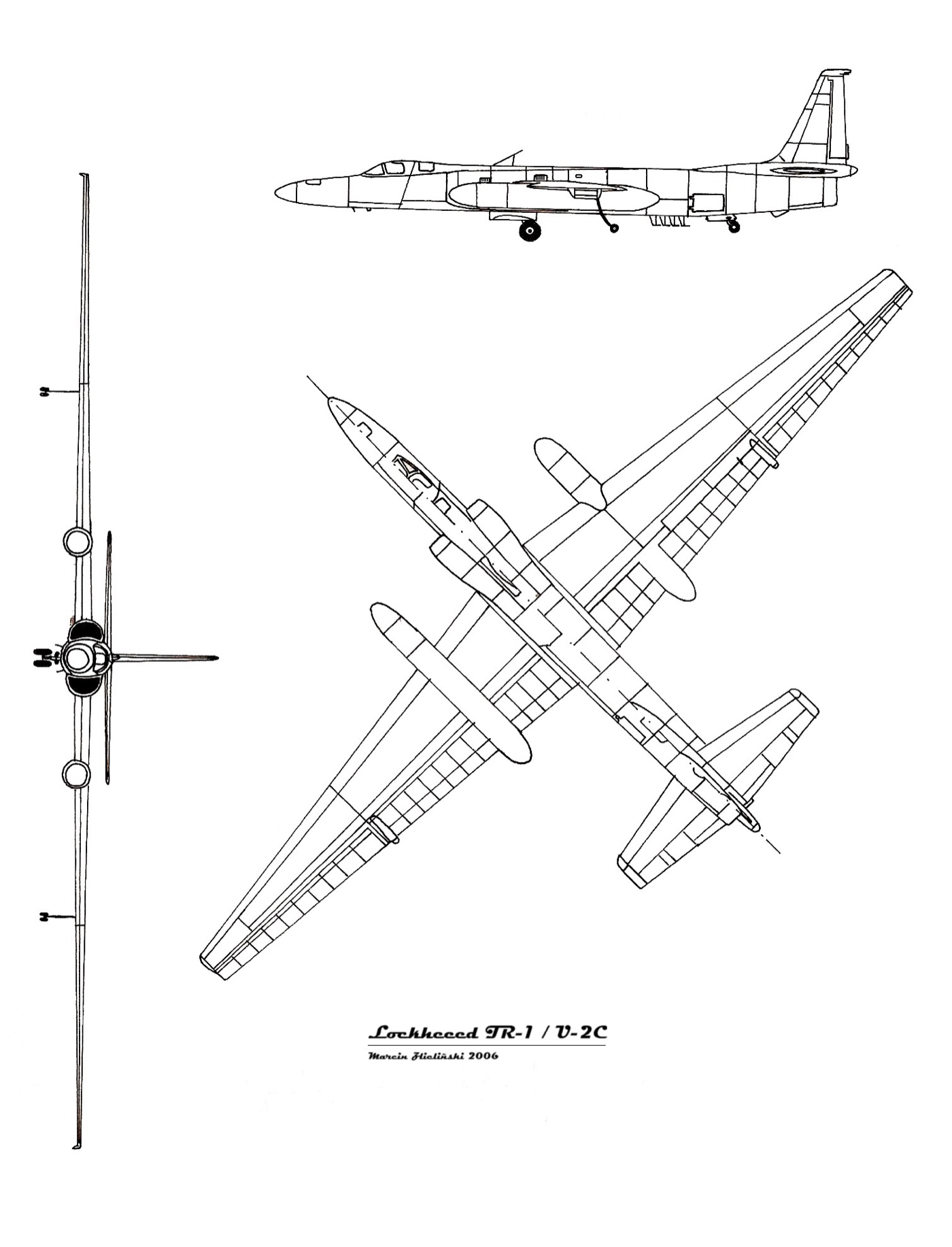
On the morning of 1 May 1960, an American U-2 reconnaissance aircraft — a strange, glider-winged spy plane built to fly higher than any fighter could reach — was cruising at some 70,000 feet over the heart of the Soviet Union, its cameras photographing military installations, when a Soviet surface-to-air missile exploded near it and sent it spinning out of the sky. The pilot, a CIA contract flyer named Francis Gary Powers, parachuted to earth and was captured alive near the city of Sverdlovsk. What followed was one of the most humiliating episodes in the history of American Cold War diplomacy. Believing the pilot dead and the plane destroyed, the United States put out a cover story: that a NASA 'weather research' plane had strayed off course after its pilot reported oxygen trouble. Then the Soviet leader Nikita Khrushchev sprang his trap, revealing that the pilot was alive, had confessed, and that the wreckage — cameras, film, and all — was in Soviet hands. President Eisenhower was exposed in a lie before the world, and, breaking with precedent, ultimately acknowledged that the United States had been conducting espionage overflights. The incident detonated days before a long-planned summit in Paris, which it duly destroyed, ending a fragile thaw and plunging the Cold War back into deep freeze. This is the story of the U-2 incident — the secret program, the shootdown, the collapsing lie, and the summit it took down with it.
The Cuban Missile Crisis: Thirteen Days on the Nuclear Brink
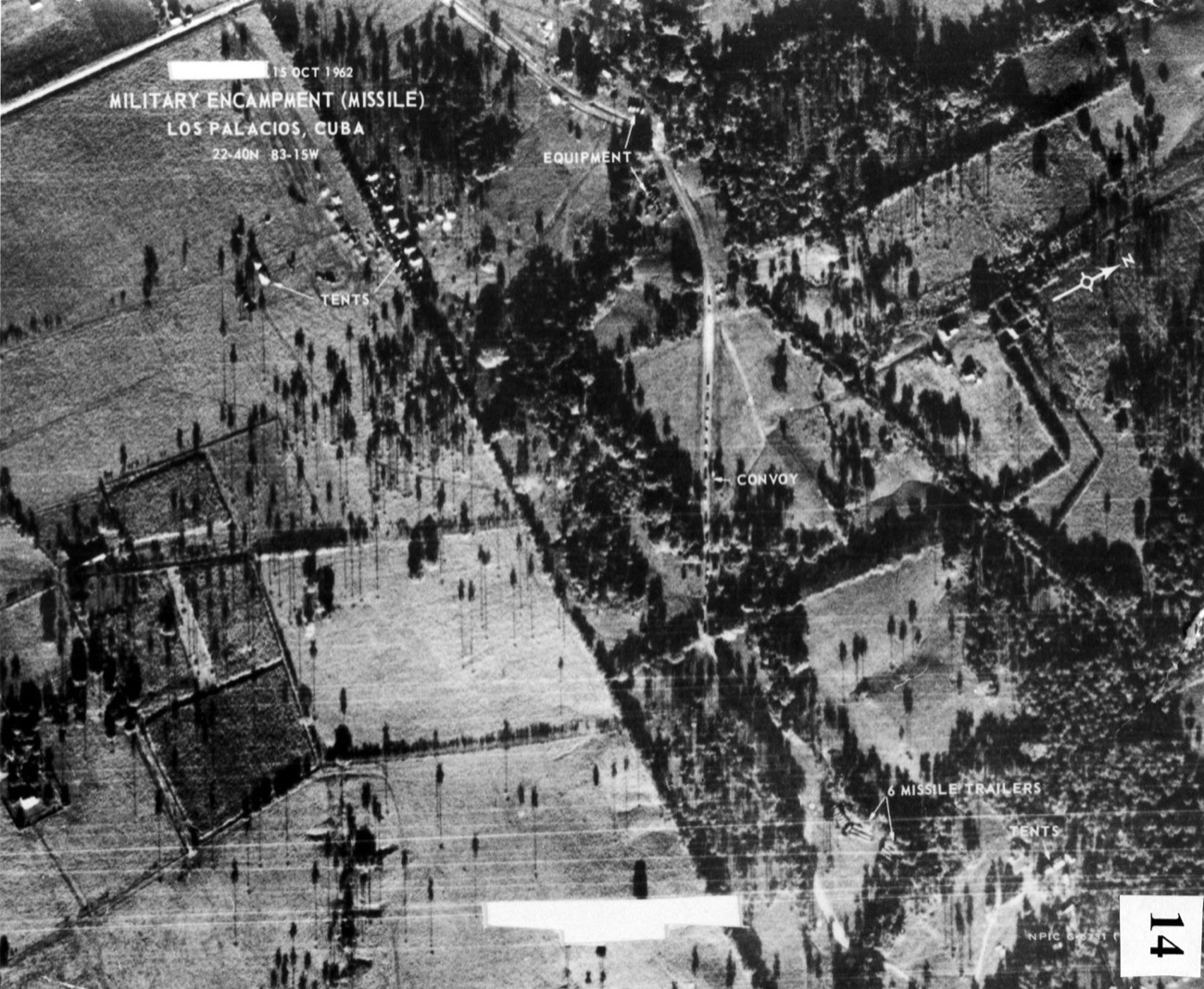
In October 1962, the Cold War came within a hair's breadth of becoming a nuclear one. For thirteen days that month, the United States and the Soviet Union confronted each other over the discovery that the Soviets had secretly installed nuclear missiles in Cuba, ninety miles from the American coast, capable of striking much of the United States within minutes. American reconnaissance had caught the deployment while the missile sites were still being built; President John F. Kennedy imposed a naval blockade of the island and demanded the missiles' removal; and for the better part of two weeks the world held its breath as the two superpowers, each armed with the power to destroy the other and much of humanity, edged toward the abyss. It was, and remains, the closest the world has ever come to full-scale nuclear war — closer, it later emerged, than even the participants understood at the time, with more than one moment in which a single decision, or a single frightened officer, might have triggered catastrophe. That it ended not in annihilation but in a negotiated settlement was the product of nerve, restraint, back-channel diplomacy, a secret deal, and no small amount of luck. This is the story of the Cuban Missile Crisis — the secret deployment, the discovery, the standoff, the near-catastrophes, and the fragile bargain that saved the world.
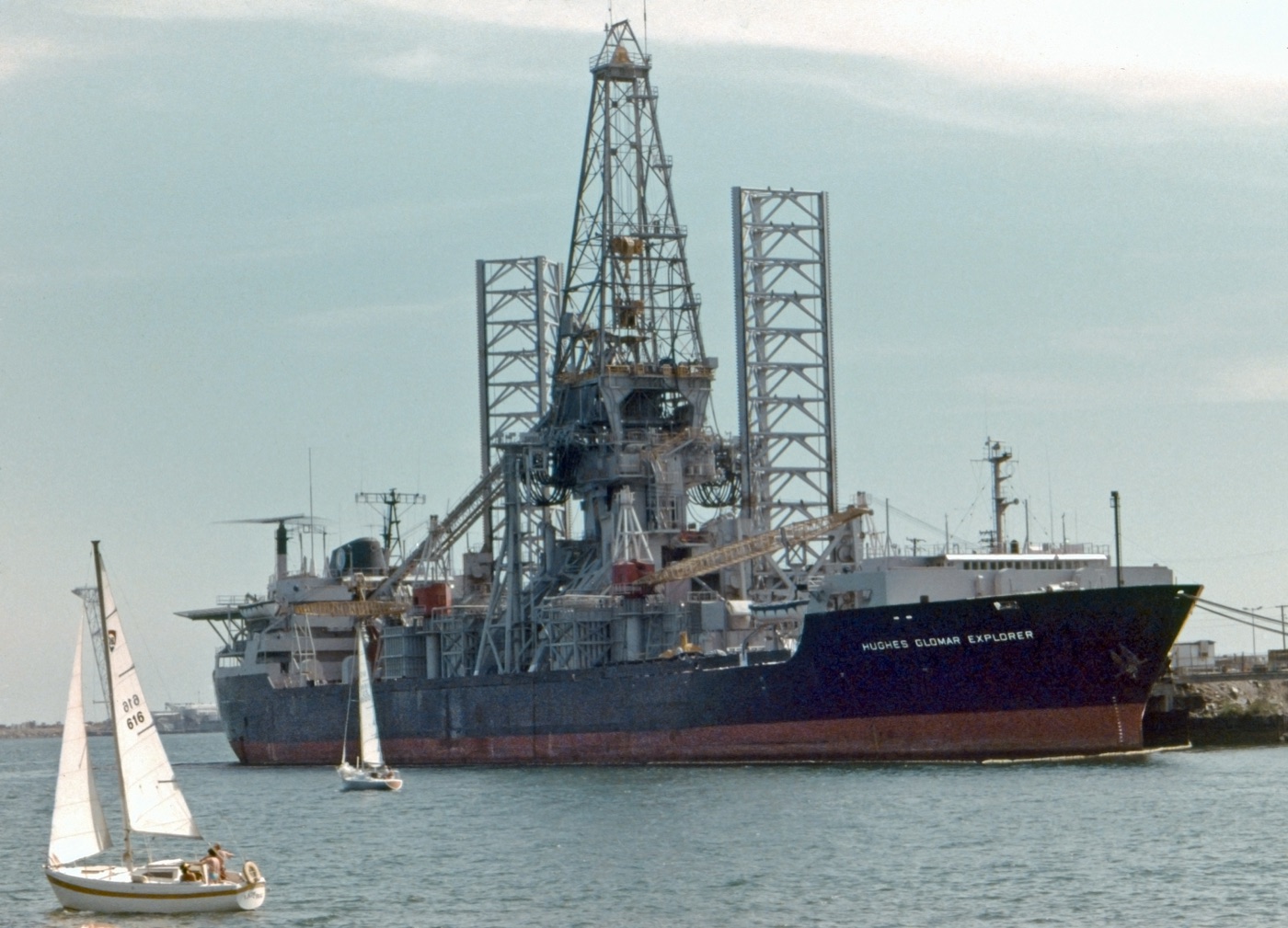
Project Azorian: The CIA's Secret Salvage of a Soviet Submarine
In 1968, a Soviet ballistic-missile submarine, the K-129, sank in the Pacific Ocean north of Hawaii, carrying its crew, its nuclear missiles, and its secrets to the bottom, nearly three miles down. The Soviets searched and failed to find it; the United States, using its network of undersea listening posts, located the wreck. And then the CIA conceived one of the boldest schemes in the history of espionage: to raise the submarine — or a large part of it — from a depth of some 4,900 meters, a feat of deep-sea salvage far beyond anything ever attempted, in order to seize the Soviet nuclear missiles, warheads, and, most tantalizingly, the code machines and cryptographic materials aboard. To do it in secret, the agency built a purpose-designed salvage ship equipped with an enormous mechanical claw, and hid the entire enterprise behind an elaborate cover story: that the vessel, the Hughes Glomar Explorer, belonged to the reclusive billionaire Howard Hughes and was mining valuable metals from the sea floor. In the summer of 1974, the ship attempted the impossible. It succeeded in lifting the submarine partway to the surface — before a portion broke off and fell back into the abyss. Exactly what was recovered remains, in part, classified to this day. And when journalists exposed the operation, the CIA's refusal to comment gave the world a phrase that has been with it ever since: that it could 'neither confirm nor deny.' This is the story of Project Azorian.