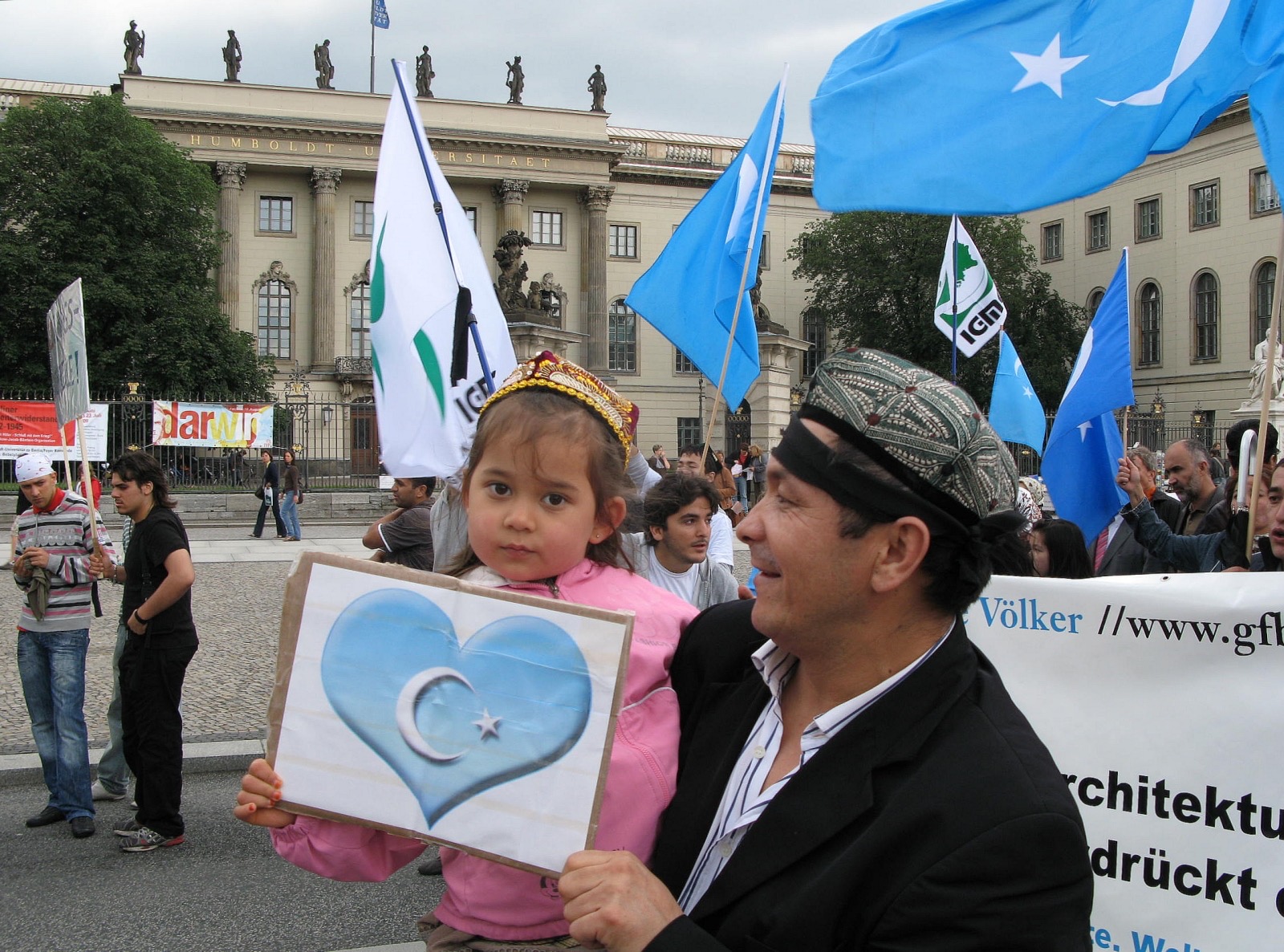
A Uyghur father and child at a diaspora demonstration in Berlin, with the light-blue flag of East Turkestan flying behind them. Far from Xinjiang, exiled Uyghurs have become the main public witnesses to what has happened to their families at home — many of them unable to reach relatives who have disappeared into the camp system. Wikimedia Commons / Claudia Himmelreich, CC BY 2.0.
The Xinjiang Camps and the Surveillance State Built Around a People
Xinjiang, 2017 onward — China built a network of internment camps holding perhaps a million Uyghurs and other Muslims, denied it existed, then called it 'vocational training.' Leaked police files, satellite imagery, and survivors' testimony show what it actually was
- Category
- Technology & Surveillance
- Published
- Length
- 4,850 words · 20 min read
- Author
- The editors
Xinjiang is vast — about one-sixth of China's landmass, a territory of deserts, oasis cities, and mountains larger than Western Europe, sharing borders with eight countries. For centuries it was the homeland of the Uyghurs, a Turkic, mostly Muslim people whose language is closer to Turkish than to Mandarin and whose culture belongs to Central Asia as much as to China. Twice in the twentieth century, in the chaos before Communist rule, the region briefly declared independence as "East Turkestan." Today it is the Xinjiang Uyghur Autonomous Region, and its roughly twelve million Uyghurs live under a system of control that has no equal anywhere on earth.
How that system came to be built, what it does, and how the outside world found out about it despite a wall of official denial is the subject of this article.
The road to the camps
The official justification for everything that followed is counter-terrorism, and the grievance behind it is real, if wildly disproportionate to the response. Resentment of Han Chinese in-migration, religious restriction, and economic marginalisation had simmered in Xinjiang for decades. In July 2009, ethnic riots in the regional capital, Ürümqi, left around 200 people dead — most of them Han, in the initial violence — and hardened Beijing's view of the Uyghurs as a security problem. A series of attacks followed: a deadly vehicle-and-knife assault at Beijing's Tiananmen Square in 2013, and, most shockingly, a mass stabbing at the Kunming railway station in March 2014 in which eight assailants killed 31 civilians and wounded more than 140. The state blamed Uyghur separatists.
Weeks after Kunming, Xi Jinping made a secret visit to Xinjiang and, in internal speeches later leaked to the press, called for a "struggle against terrorism, infiltration and separatism" using "the organs of dictatorship" and showing "absolutely no mercy." In May 2014 the authorities launched the "Strike Hard Campaign Against Violent Terrorism." For the first few years it looked like a conventional, if harsh, security crackdown. What turned it into something categorically different was a change of personnel.
In August 2016, Beijing transferred Chen Quanguo to Xinjiang as the region's new Communist Party secretary. Chen had spent the previous five years running Tibet, where he had pioneered a model of saturation policing — "grid management" that divided cities into squares each watched by its own micro-police station, and a system of convenience police posts placed every few hundred metres. He brought that model to Xinjiang and vastly expanded it. In 2017 alone, the region advertised tens of thousands of new police jobs. And it was in that year, under Chen, that the camps went from scattered facilities to an archipelago.
The camps
By 2017 people across Xinjiang were being summoned to "study," and not coming back. The destinations were compounds that had sprung up on the edges of towns — some converted schools, many purpose-built, ringed with walls, watchtowers, and razor wire. Beijing's eventual name for them was "vocational education and training centres." The people sent to them were not charged, not tried, and given no sentence and no release date.
What happened inside is known from survivors who later left China, most of them ethnic Kazakhs or dual nationals whose foreign ties eventually got them out. Their accounts are remarkably consistent. Detainees describe being made to sit through hours of political instruction, to sing patriotic songs and praise Xi Jinping and the Party, to study Mandarin, and to recant their faith — to declare that there is no God and that Islam is a disease. They describe overcrowded cells, constant cameras, shackles, sleep deprivation, forced medication and injections, and being punished for speaking their own language or praying. Several describe torture, including beatings and the use of restraint chairs, and some describe sexual violence.
Mihrigul Tursun, a Uyghur woman who later testified before the United States Congress in 2018, described three periods of detention, interrogation under electric shock, and watching women die in a cell. Sayragul Sauytbay, an ethnic-Kazakh teacher, testified that she had been forced to work inside a camp instructing detainees and witnessed systematic abuse. Gulbahar Haitiwaji, a Uyghur woman living in France who was lured back to Xinjiang and held for over two years, wrote an entire memoir, How I Survived a Chinese "Reeducation" Camp, about it. In 2021 the BBC published an investigation in which several women, including Tursunay Ziawudun, described organised rape inside the camps. China dismissed all of this as fabrication and, in some cases, mounted state-media campaigns attacking the women by name.
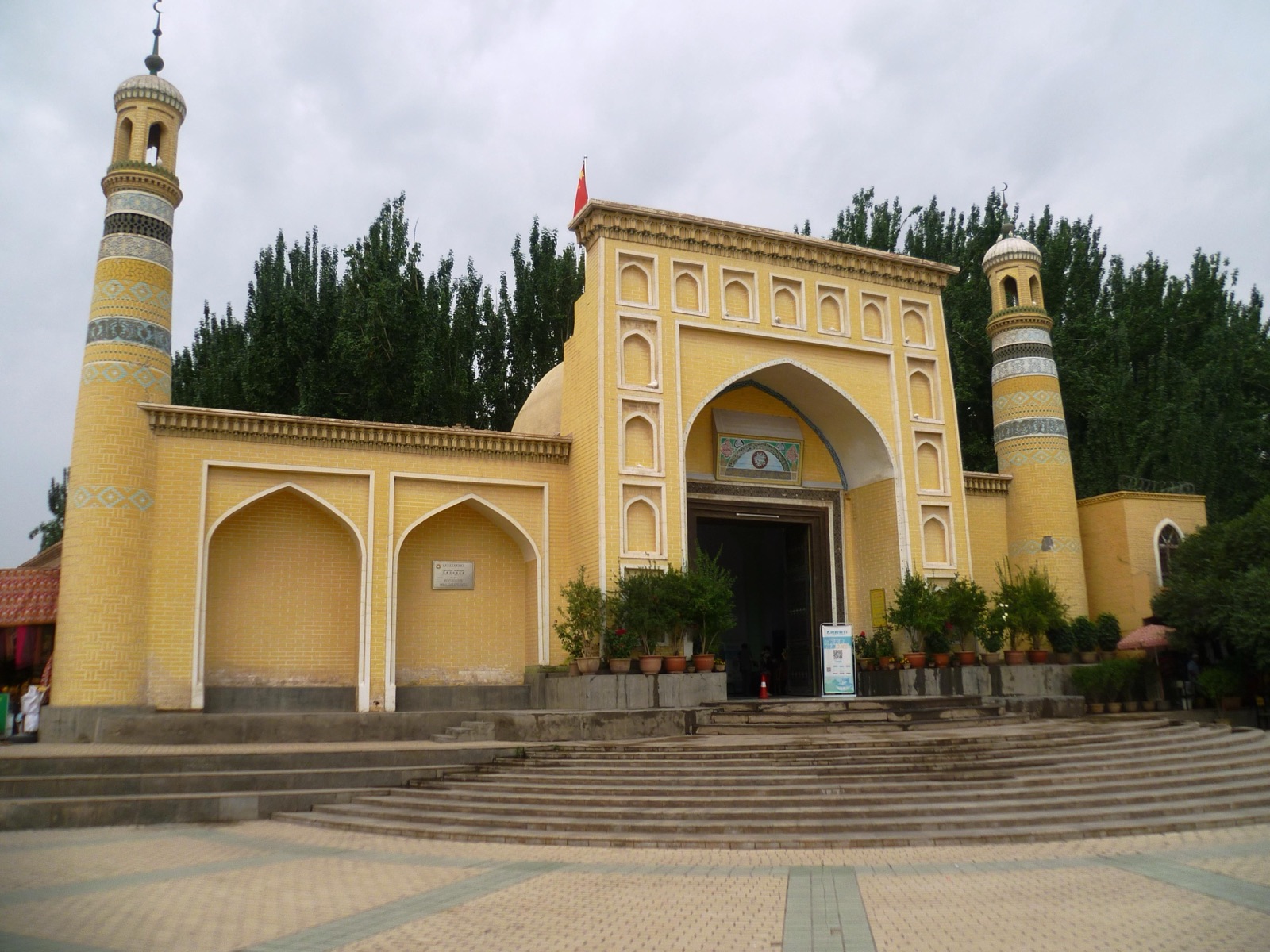
China's framing was different at every stage, and the shifts are themselves part of the record. Through 2018, officials denied that any such camps existed; a regional governor called the reports "slander." Then, in October 2018, Xinjiang quietly revised its laws to retroactively legalise "vocational skills education training centres," and the line became that these were voluntary, cheerful schools where grateful students learned Mandarin and job skills. State media ran tours for selected foreign journalists, showing detainees dancing and weaving carpets. By late 2019 Beijing announced that all the "trainees" had "graduated" and the centres had emptied — even as researchers documented continued construction, and a parallel shift of detainees into the formal prison system, where Xinjiang's incarceration rate became the highest in the country by a wide margin.
The surveillance state
The camps are the most visible part of the system, but they sit inside something larger and, in its way, more novel: the most comprehensive surveillance regime ever assembled around a civilian population. Xinjiang became a laboratory for a kind of digital authoritarianism the world had not seen before.
From 2016, under a programme blandly titled "Physicals for All," authorities collected biometric data — DNA samples, iris scans, blood types, voice prints, and high-resolution facial images — from the entire population aged roughly 12 to 65, whether or not anyone had reason to want them medically. Checkpoints with facial recognition were installed at the entrances to markets, mosques, petrol stations, and neighbourhoods; residents' faces and identity cards were scanned as they moved through their own cities. Special handheld scanners let police download the contents of phones, and an app pushed to residents' devices monitored their communications. Spyware was installed at border checkpoints. The density of cameras and police posts in cities like Kashgar and Hotan turned ordinary movement into a continuous act of identification.
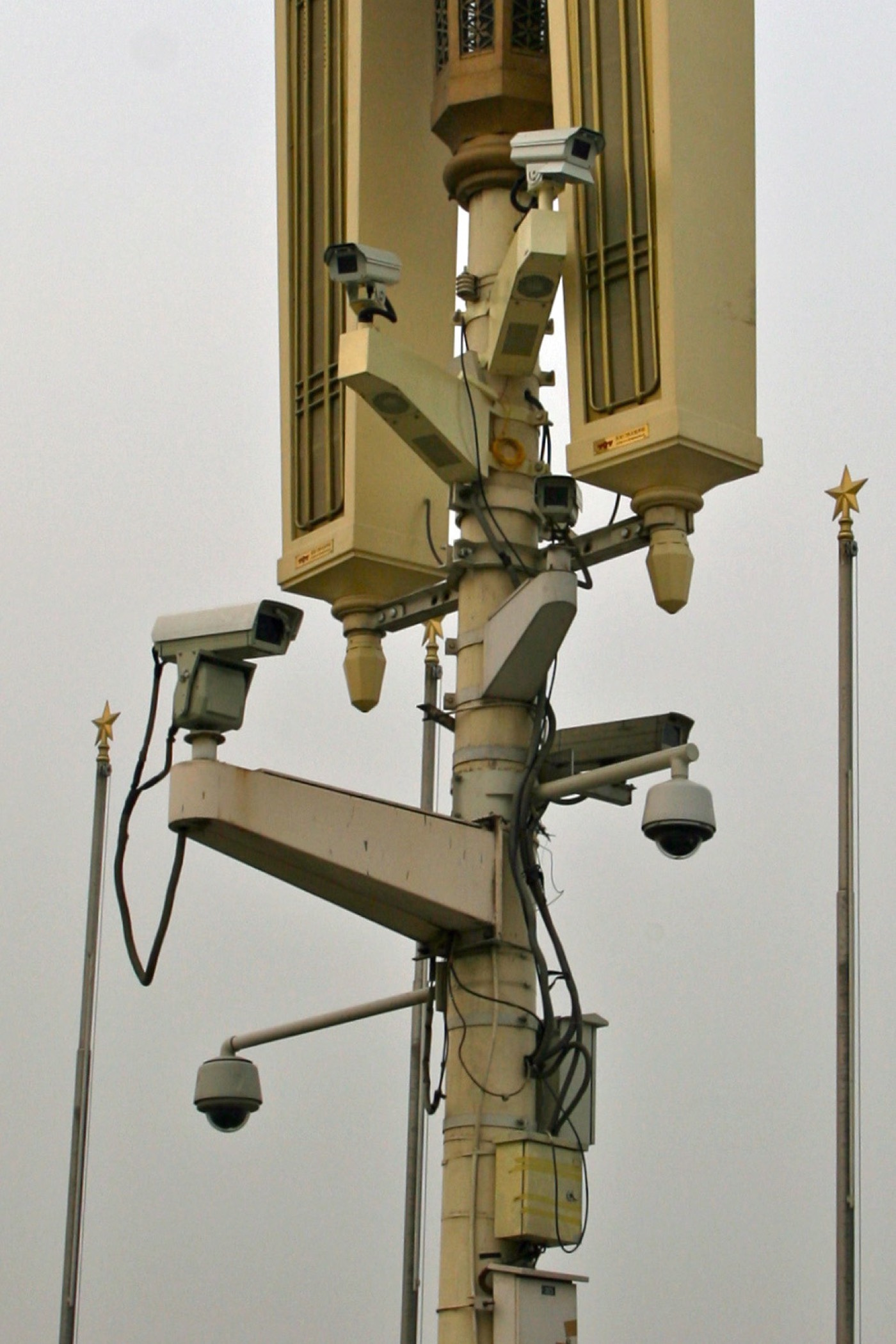
At the centre of this sat a piece of software called the Integrated Joint Operations Platform, or IJOP. In 2019 Human Rights Watch obtained and reverse-engineered the police app that fed into it, and published a report, China's Algorithms of Repression, describing how it worked. The IJOP aggregated the biometric, travel, consumption, and behavioural data and used it to generate lists of people for officers to investigate — and, in many cases, to detain. The behaviours it treated as suspicious were exactly the ordinary ones: using too much electricity, not socialising with neighbours, leaving by the back door, going abroad, having relatives abroad, practising Islam. It was, in effect, an automated engine for producing suspects out of a normal Muslim life. The Uyghurs called the resulting atmosphere what it was: a place where, as one put it, the walls had ears and the phone in your pocket was a witness for the prosecution.
The leaks
A closed system like this is designed to be unknowable from the outside, and for a while it largely was. What broke it open was a combination of three things the Chinese state could not fully control: its own bureaucratic paper trail, the sky, and the people who got out.
The paper trail came in a series of extraordinary leaks. In November 2019, the International Consortium of Investigative Journalists published the "China Cables" — classified documents including an operations manual, signed by the security official Zhu Hailun, instructing camp administrators on how to run the centres: keep the detainees locked in, prevent escapes, score their behaviour, control even their use of toilets, and decide on release only by a points system. The manual described the camps in the language of a high-security prison, not a school. The same leak included intelligence bulletins showing the IJOP flagging thousands of people for investigation. Days earlier, The New York Times had published over 400 pages of leaked internal speeches — including Xi's "no mercy" instructions — passed to it by a member of the Chinese political establishment.
In early 2020 came the "Karakax List," a spreadsheet from one county documenting more than 300 detainees and the reasons for their internment, entry by entry: this person had grown a beard, that one had applied for a passport, another had violated birth limits. Then, in May 2022, came the most visceral leak of all. A cache of hacked files from police networks in two Xinjiang counties — the "Xinjiang Police Files" — was obtained and authenticated by the researcher Adrian Zenz and a media consortium. It contained thousands of detainees' mug shots, including elderly women and teenagers; the oldest was a woman of 73. It contained spreadsheets of detainees, and internal protocols, and a guard instruction that anyone attempting to escape was to be shot.
The sky supplied the second kind of proof. The Australian Strategic Policy Institute's Xinjiang Data Project used commercial satellite imagery to identify and map more than 380 suspected detention facilities built or expanded since 2017 — a scale that no amount of official denial could square with the claim that the centres were small, voluntary, and emptying. Researchers and journalists, including a Pulitzer-winning BuzzFeed News investigation, tracked the compounds growing month by month from orbit, measuring walls and watchtowers and the conversion of "schools" into hardened prisons.
Forced labour, birth control, and erasure
Two further dimensions turned the campaign from mass internment into something many observers argue was aimed at the long-term existence of the Uyghurs as a people.
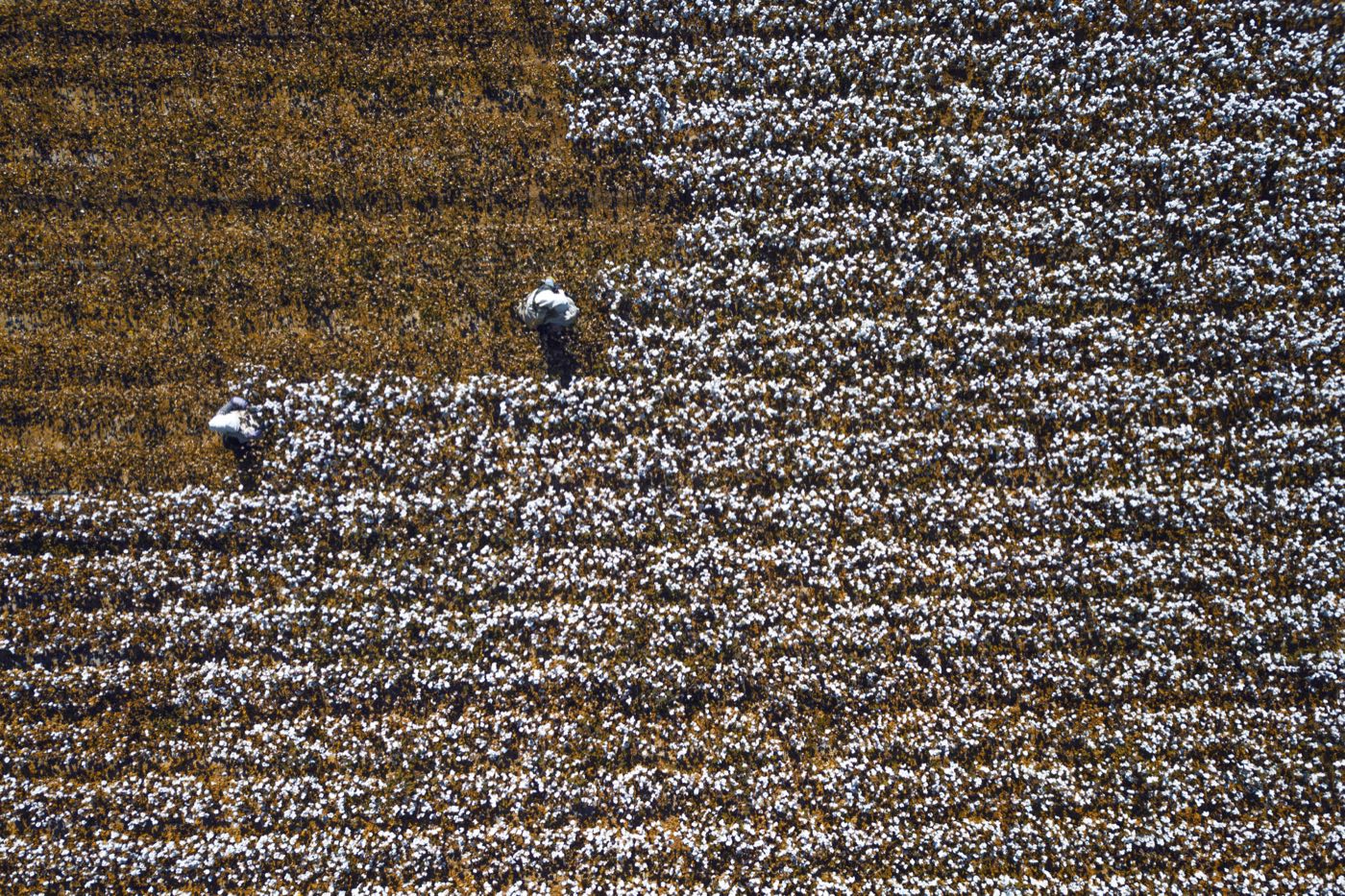
The first is labour. As detainees were released from the camps, many were channelled into factory work, both inside Xinjiang and in plants across China, under conditions researchers describe as coercive — "graduates" who could not refuse. Xinjiang produces roughly 85 to 90 per cent of China's cotton and about a fifth of the world's, along with a large share of the polysilicon used in solar panels and a great deal of processed tomato. Investigations linked these supply chains to coerced Uyghur labour, and in 2021 the United States passed the Uyghur Forced Labor Prevention Act, which presumes that any goods made wholly or partly in Xinjiang are the product of forced labour and bars them from import unless an importer can prove otherwise.
The second is demographic. In June 2020, Adrian Zenz published a study, drawing heavily on the government's own statistics and documents, showing a campaign to suppress Uyghur births: mass enforcement of birth quotas, mandatory IUD insertions, and sterilisations, with women threatened with internment for exceeding the limits. The published data was stark. Birth rates in the two most heavily Uyghur prefectures, Hotan and Kashgar, fell by more than 60 per cent between 2015 and 2018; across Xinjiang, the natural population growth rate collapsed. The Associated Press corroborated much of it with its own reporting. Deliberately preventing births within a group is one of the specific acts enumerated in the 1948 Genocide Convention, which is why this part of the record became central to the later legal argument.
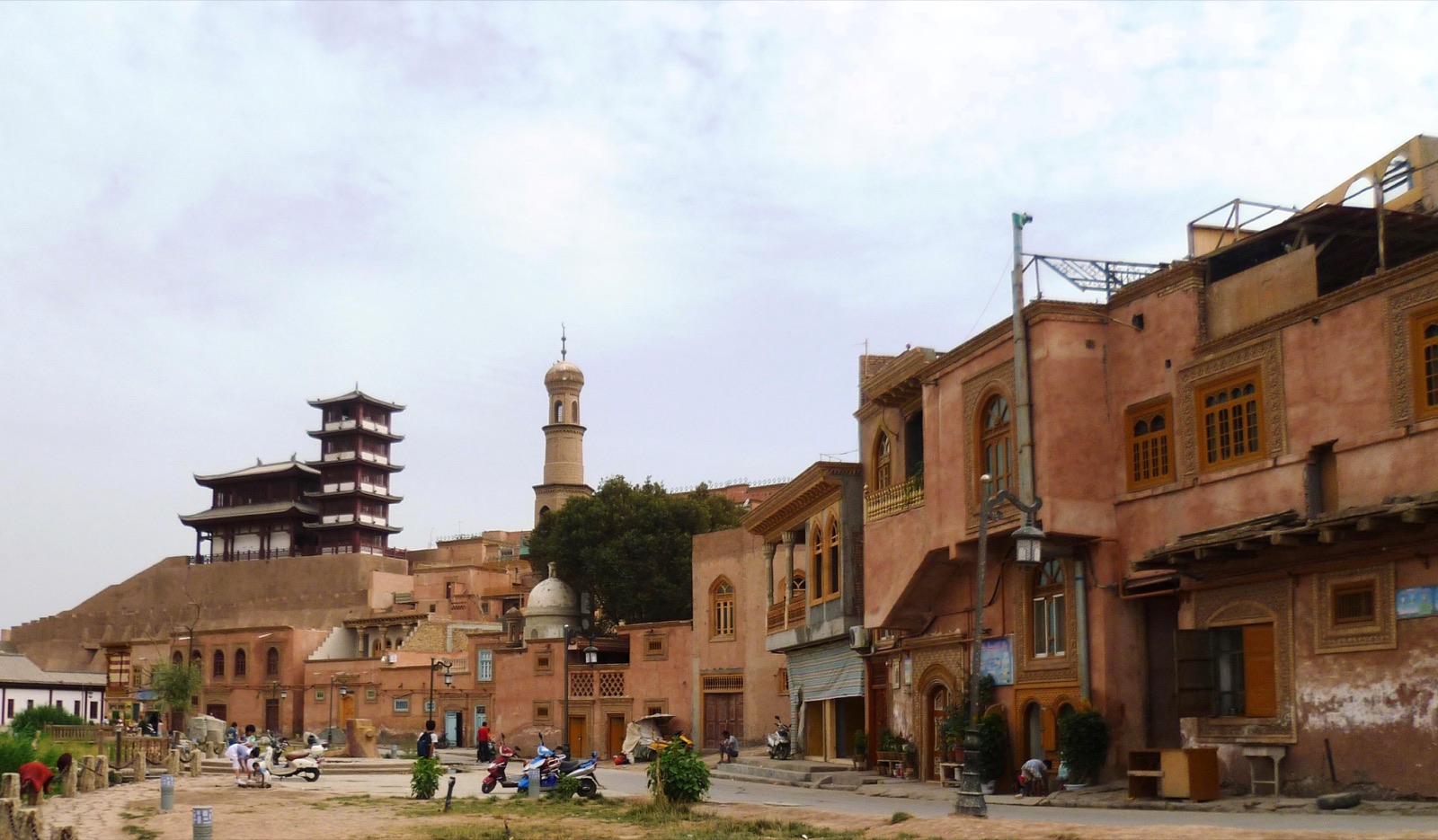
Alongside this ran a campaign against the physical and cultural landscape of Uyghur life: the demolition or "rectification" of thousands of mosques and shrines, the razing of parts of old Kashgar, restrictions on the Uyghur language in schools, and the removal of children of detained parents into state boarding schools. Taken together, critics argue, these measures aimed not merely to punish but to dissolve a distinct people into the Han majority.
Genocide, or crimes against humanity?
Here the record passes from what is documented to what is contested — not whether these things happened, but what to call them in law. The two terms are not interchangeable. "Crimes against humanity" covers widespread or systematic attacks on a civilian population — imprisonment, torture, persecution, enforced disappearance. "Genocide," under the 1948 Convention, is narrower and graver: acts committed with the specific intent to destroy a national, ethnic, racial, or religious group, in whole or in part — including by imposing measures intended to prevent births within it.
A number of governments have reached the genocide finding. On 19 January 2021 — its final full day in office — the outgoing US administration's Secretary of State, Mike Pompeo, declared that China was committing "genocide and crimes against humanity" against the Uyghurs; his successor, Antony Blinken, affirmed it. The parliaments of Canada, the Netherlands, the United Kingdom, Lithuania, France, the Czech Republic, and Belgium passed motions describing the treatment of the Uyghurs as genocide. In December 2021 the Uyghur Tribunal — an independent, unofficial body in London chaired by the barrister Sir Geoffrey Nice, who had led the prosecution of Slobodan Milošević — ruled, after months of public testimony, that China had committed crimes against humanity and torture, and that it had committed genocide on the specific ground of the birth-prevention measures.
The distinction matters because "genocide" carries, under the Convention, an obligation on other states to act to prevent and punish — the same obligation the world evaded over [[rwanda-1994]] in 1994. Some international lawyers argue the intent required for genocide is not yet proven to a legal standard; others argue the birth-suppression measures meet it squarely. What is not in dispute among them is that grave crimes occurred.
China's denial
Beijing's position has hardened into a fixed set of claims: that the camps were voluntary vocational and de-radicalisation centres that have since closed; that there is no mass internment, no forced labour, and no coercive birth control; that Xinjiang is peaceful and prosperous because of these very policies; and that the entire body of evidence is a fabrication by hostile foreign forces. Adrian Zenz, whose research underpins much of the documentation, has been a particular target — sanctioned by China, sued by a Xinjiang company, and denounced in state media — though his findings rest largely on the government's own published statistics and leaked documents. China calls the genocide charge "the lie of the century."
Some of these claims collide directly with China's own record. The camps cannot have always been voluntary schools and never have existed, as officials claimed in turn. The "graduation" of all trainees in 2019 is hard to reconcile with the simultaneous surge in formal imprisonments. And the leaked documents — the operations manual, the Karakax List, the police files with their mug shots and shoot-to-escape order — are Beijing's own paperwork, not foreign invention. The denial is comprehensive, but it is not consistent, and the inconsistencies are part of how the outside world has been able to reconstruct the truth.
What is established, and what is not
It is worth being exact, because the subject is both grave and politically charged, and precision is the only honest response to both.
What is established, on the strength of leaked Chinese documents, satellite imagery, demographic data, and survivor testimony: that from around 2017 China detained very large numbers of Uyghurs and other Muslims — most credibly on the order of a million — in camps without charge or trial; that detainees were subjected to political indoctrination, pressure to abandon their religion, and, in many documented cases, abuse and torture; that the state built a pervasive biometric surveillance system around the Uyghur population; that it pursued coercive birth-control measures that sharply reduced Uyghur birth rates; and that elements of forced labour were attached to the system. These are not allegations floating free of proof. They rest on an unusually deep evidentiary record for a closed state.
What remains genuinely contested: the precise number of people detained, which the state keeps unknowable; and the correct legal characterisation — genocide, as the United States, several parliaments, and the London tribunal have found, or crimes against humanity, as the UN human-rights office concluded. That dispute is real and serious, and it should not be collapsed in either direction — neither inflated past what the evidence shows nor deflated into the "vocational training" story that the documents themselves refute.
The Uyghurs who carry this story now are, for the most part, the ones who got out — the diaspora in Istanbul and Munich and Washington holding photographs of relatives they cannot reach, the survivors who testified knowing their families at home might pay for it. They are the witnesses precisely because the witnesses inside were the point of the system: to make a people unable to speak for themselves. The record exists because, this time, enough of it escaped.
Sources
- United Nations Office of the High Commissioner for Human Rights, OHCHR Assessment of human rights concerns in the Xinjiang Uyghur Autonomous Region, People's Republic of China (31 August 2022) — primary.
- International Consortium of Investigative Journalists, "China Cables" — leaked classified operations manual and IJOP bulletins (November 2019) — primary.
- "Xinjiang Police Files" — hacked police records, mug shots, and protocols, authenticated by Adrian Zenz and a media consortium (May 2022) — primary.
- "Karakax List" — leaked county detention spreadsheet (2020) — primary.
- The New York Times, "Absolutely No Mercy" — leaked internal Chinese government speeches, including Xi Jinping's (November 2019) — primary.
- Uyghur Tribunal (London), Judgment (9 December 2021) — primary.
- United States Department of State, determination of genocide and crimes against humanity (19 January 2021) — primary.
- Human Rights Watch, China's Algorithms of Repression: Reverse Engineering a Xinjiang Police Mass Surveillance App (2019) — secondary.
- Australian Strategic Policy Institute, The Xinjiang Data Project — satellite mapping of detention facilities (2020) — secondary/academic.
- Adrian Zenz, "Sterilizations, IUDs, and Mandatory Birth Control" (2020) — academic.
- Associated Press, investigation into birth-suppression measures in Xinjiang (2020) — secondary.
- BuzzFeed News, satellite-based investigation of the camps (Pulitzer Prize, 2021) — secondary.
- BBC News, investigation into abuse and rape inside the camps (2021) — secondary.
- Mihrigul Tursun, testimony to the US Congressional-Executive Commission on China (2018) — primary/secondary.
- Gulbahar Haitiwaji and Rozenn Morgat, How I Survived a Chinese "Reeducation" Camp (2021) — secondary.
- Darren Byler, Terror Capitalism and In the Camps: China's High-Tech Penal Colony (2021–22) — academic.
- Government of the People's Republic of China, white papers on Xinjiang "vocational education and training" (2019) — primary (for the official position).
Inspired this / based on it
PBS Frontline
Investigation into the Xinjiang surveillance state and the detention camps, using leaked footage and survivor testimony.
Darren Byler
Columbia Global Reports. A close account of how the surveillance-and-camp system actually functions on the ground.
Gulbahar Haitiwaji and Rozenn Morgat
Seven Stories Press. A survivor's first-hand memoir of more than two years in detention.
Geoffrey Cain
PublicAffairs. A journalistic reconstruction of the surveillance system built around the Uyghurs.
Filed under
- #uyghur-camps
- #xinjiang
- #uyghurs
- #surveillance
- #china
- #reeducation-camps
- #ijop
- #forced-labor
- #adrian-zenz
- #chen-quanguo
- #2010s
- #confirmed
Click any tag for every article carrying it.
Continue reading
Tiananmen Square 1989
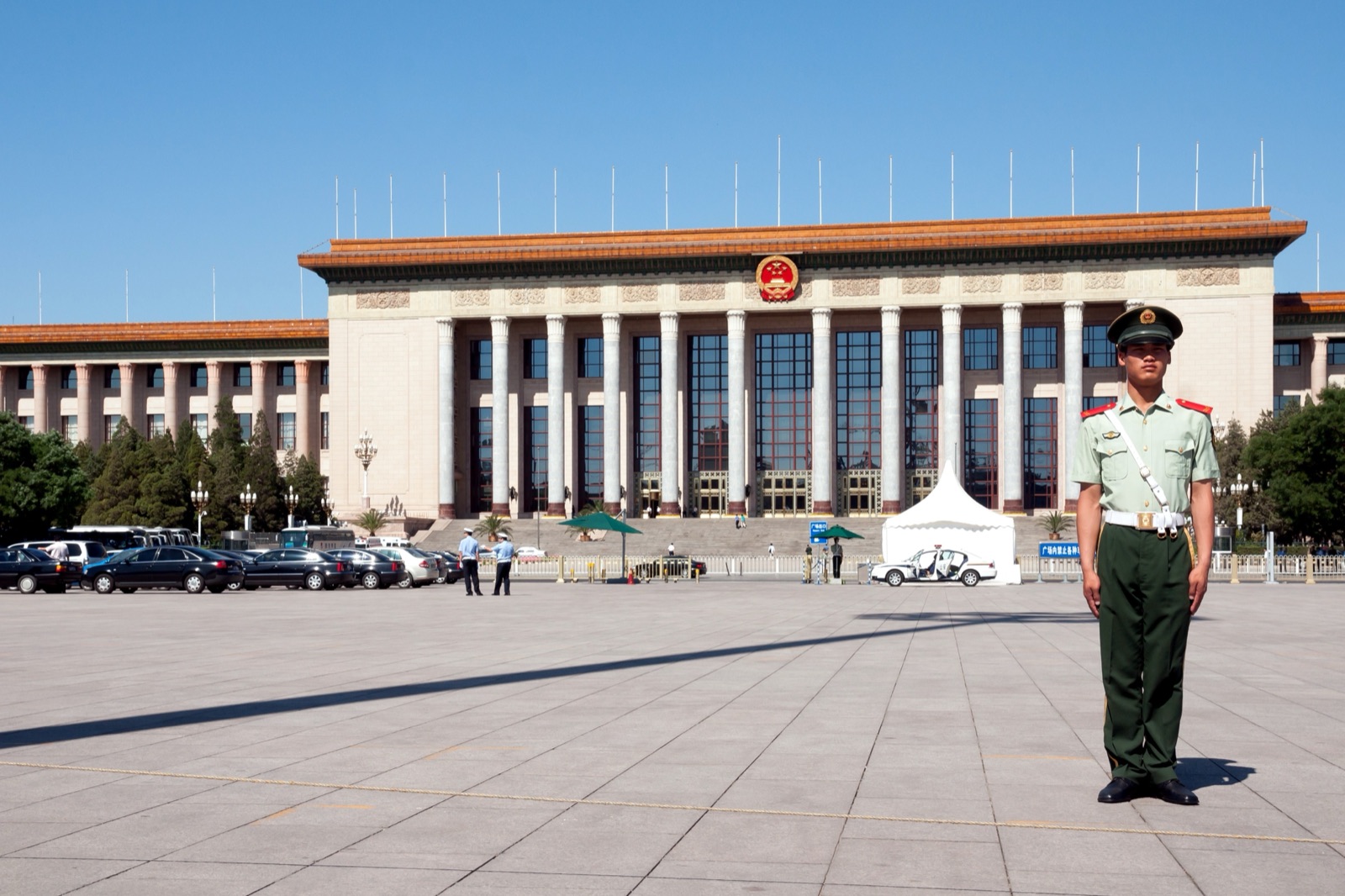
Between April 15 and June 4, 1989, the Chinese Communist Party faced its most serious internal political challenge since the founding of the People's Republic in 1949. What began as a student memorial for the deceased reformist Party Secretary Hu Yaobang on April 15 evolved within weeks into a nation-wide pro-democracy movement: hundreds of thousands of student demonstrators occupied Tiananmen Square in Beijing, factory workers organized autonomous unions outside the Party structure, hunger strikes drew international press attention, and the Party leadership itself split publicly between reformist General Secretary Zhao Ziyang and the hardline majority centered on paramount leader Deng Xiaoping. Martial law was declared on May 20. On the night of June 3-4, 1989, units of the People's Liberation Army's 27th and 38th Armies cleared the square. The official Chinese death toll was 200-300, all civilians. Western estimates ranged from 1,000 to 2,600. The British ambassador Sir Alan Donald's June 5 cable to London — declassified in October 2017 — placed the toll at 10,454 dead. On June 5, an unidentified man stepped in front of a column of armored vehicles on Chang'an Avenue. The photograph and video — captured by four foreign journalists from different angles — became the most-circulated image of late-20th-century resistance. The man's identity has never been publicly established. The Chinese state has, since 1989, conducted one of the most sustained information-control operations in modern history to remove the events from Chinese public consciousness.
The Stasi Archives
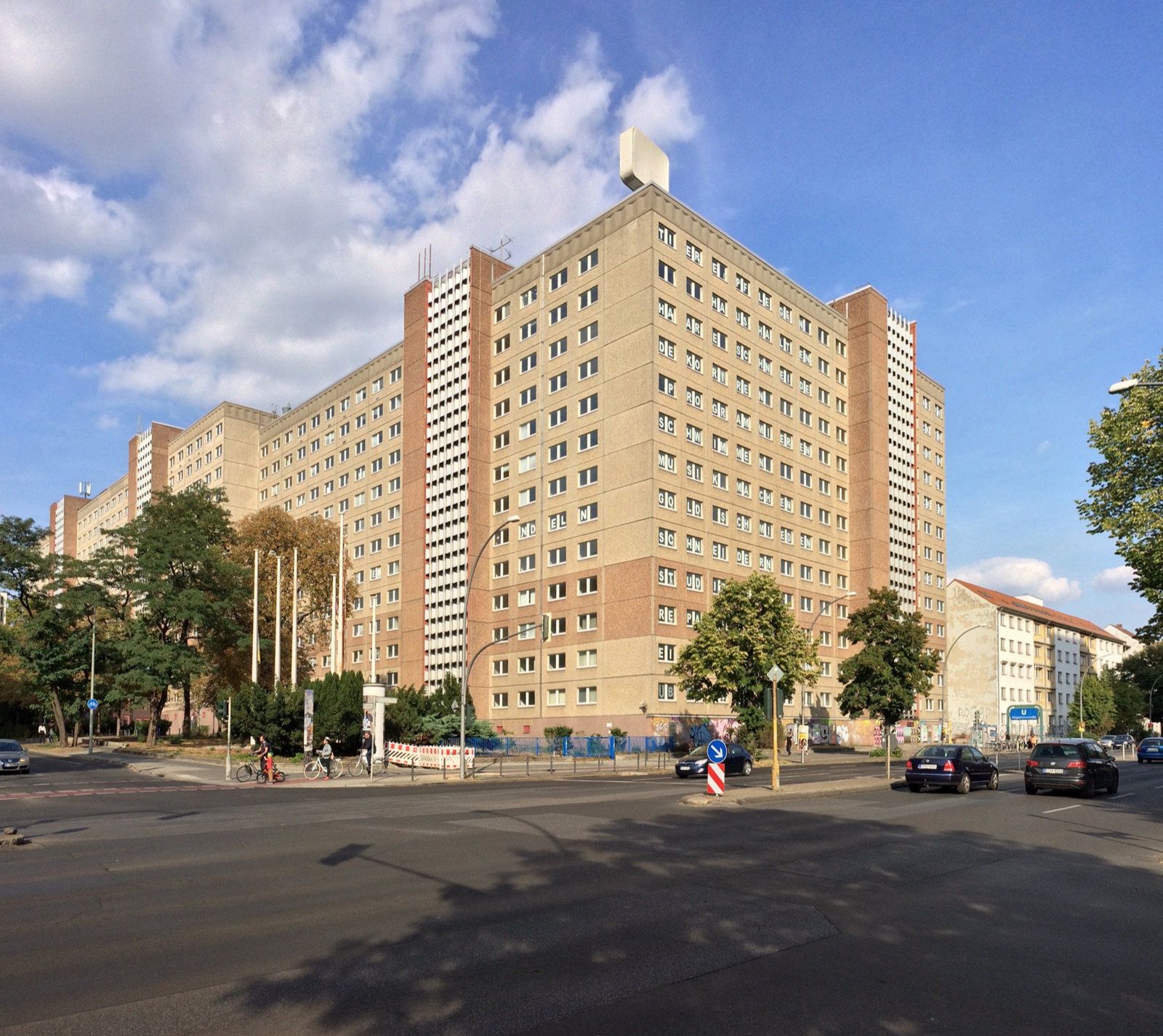
On the evening of Monday, January 15, 1990 — eight weeks after the Berlin Wall opened and four weeks after the Round Table had begun negotiating East Germany's transition — approximately five thousand demonstrators forced their way through the iron gates of the Ministry for State Security headquarters on Normannenstraße in the East Berlin district of Lichtenberg. The Bürgerkomitee 15. Januar (Citizens' Committee of 15 January) had organized the breach in response to evidence that Stasi officers had spent the prior weeks systematically shredding operational files. Inside the headquarters — a complex of 22 connected buildings housing approximately 7,000 of the Ministry's central-office personnel — the demonstrators found Stasi staff still at desks. The shredding stopped that night. Over the following 24 months, the East German interim government, the post-reunification Bundestag, and the citizen committees of fourteen East German cities preserved what would become the most extensive corpus of state-surveillance operational records in modern human history: approximately 111 kilometers of paper files in the central Berlin archive, approximately 47 kilometers in regional offices, 1.7 million photographs, 30,000 video and audio tapes, 15,500 bags of pre-shredded fragments awaiting reconstruction, and the operational, biographical, and personal-network files of an estimated 5.6 million individuals. The Stasi-Unterlagen-Gesetz (Stasi Records Act) of December 20, 1991 established the Federal Commissioner for the Records of the State Security Service (BStU), with East German pastor and civil-rights activist Joachim Gauck as its founding director. The Records Act authorized any individual to request their personal Stasi file. By the end of 2024, the BStU had processed approximately 7.4 million such requests. The aggregate human record of what those requesters read — who had informed on them, what had been documented, what had been done in consequence — constitutes the most comprehensive case study of institutional state surveillance against a domestic civilian population that the historical record contains.
Cambridge Analytica
In 2014, a 27-year-old Canadian data scientist named Christopher Wylie helped design what he would later describe as a 'psychological warfare tool.' His employer, Cambridge Analytica, had paid an academic researcher to build a personality quiz that, through a quirk of Facebook's developer policy, harvested data not only on the people who took it but on every Facebook friend of every taker — eventually some 87 million profiles. The data was used to target voters in the 2016 Brexit referendum and the 2016 Trump presidential campaign. Wylie went to The Guardian in March 2018. Within ten weeks, Cambridge Analytica had shut its doors.