Tag
#china
3 articles
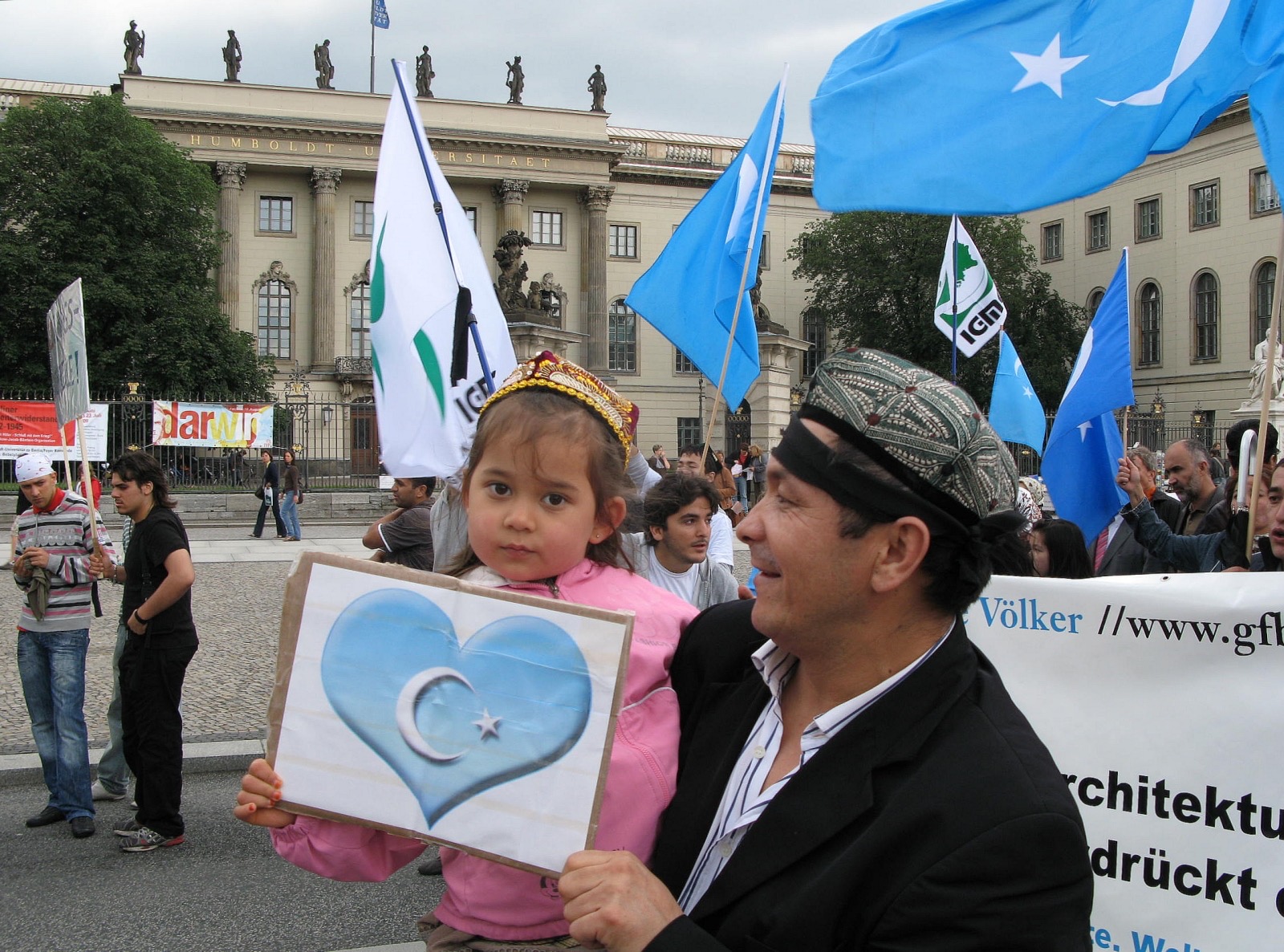
The Xinjiang Camps and the Surveillance State Built Around a People
Beginning around 2017, in the far-western Chinese region of Xinjiang, people started to disappear. A relative would stop answering the phone; a neighbour's house would go quiet; a son studying abroad would learn that his parents had been taken to a 'school.' At first the Chinese government denied that anything unusual was happening. Then, as satellite images of newly built compounds ringed with watchtowers and razor wire became impossible to wave away, the story changed: these were 'vocational education and training centres,' Beijing said, voluntary institutions to lift Uyghurs out of poverty and inoculate them against the 'virus' of religious extremism. By the most cited estimates, somewhere on the order of a million people — Uyghurs, Kazakhs, and other Turkic Muslims — passed through this system of camps, the largest detention of an ethnic or religious minority since the Second World War. Around it, the state built something without precedent in its reach: a surveillance apparatus that collected the DNA, iris scans, and voice prints of an entire population, tracked their phones and faces through thousands of checkpoints, and fed it all into a policing app that flagged ordinary acts — praying, growing a beard, owning a second knife, having too many children — as signs of potential terrorism. This is not, in the usual sense of this archive, a mystery. The internment system, the surveillance, and the coercion are documented in China's own leaked records, in commercial satellite imagery, and in the sworn testimony of people who survived it. What remains genuinely contested is the legal name for it — whether it amounts to genocide, as several governments and an unofficial tribunal have found, or to crimes against humanity, as the United Nations concluded — and the exact scale, which Beijing has worked to keep unknowable. This article sets out what is established, what is disputed, and how we came to know any of it.
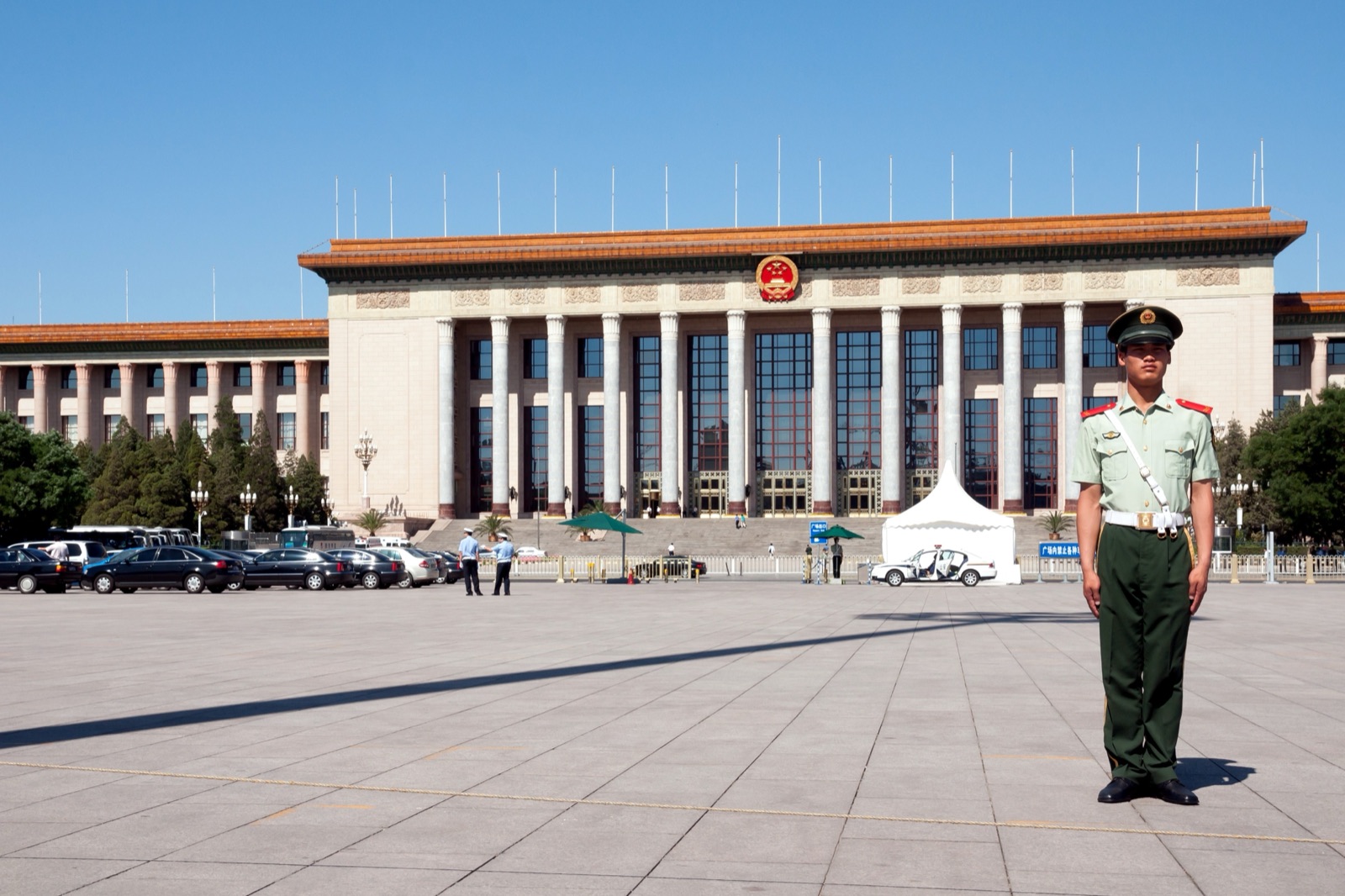
Tiananmen Square 1989
Between April 15 and June 4, 1989, the Chinese Communist Party faced its most serious internal political challenge since the founding of the People's Republic in 1949. What began as a student memorial for the deceased reformist Party Secretary Hu Yaobang on April 15 evolved within weeks into a nation-wide pro-democracy movement: hundreds of thousands of student demonstrators occupied Tiananmen Square in Beijing, factory workers organized autonomous unions outside the Party structure, hunger strikes drew international press attention, and the Party leadership itself split publicly between reformist General Secretary Zhao Ziyang and the hardline majority centered on paramount leader Deng Xiaoping. Martial law was declared on May 20. On the night of June 3-4, 1989, units of the People's Liberation Army's 27th and 38th Armies cleared the square. The official Chinese death toll was 200-300, all civilians. Western estimates ranged from 1,000 to 2,600. The British ambassador Sir Alan Donald's June 5 cable to London — declassified in October 2017 — placed the toll at 10,454 dead. On June 5, an unidentified man stepped in front of a column of armored vehicles on Chang'an Avenue. The photograph and video — captured by four foreign journalists from different angles — became the most-circulated image of late-20th-century resistance. The man's identity has never been publicly established. The Chinese state has, since 1989, conducted one of the most sustained information-control operations in modern history to remove the events from Chinese public consciousness.
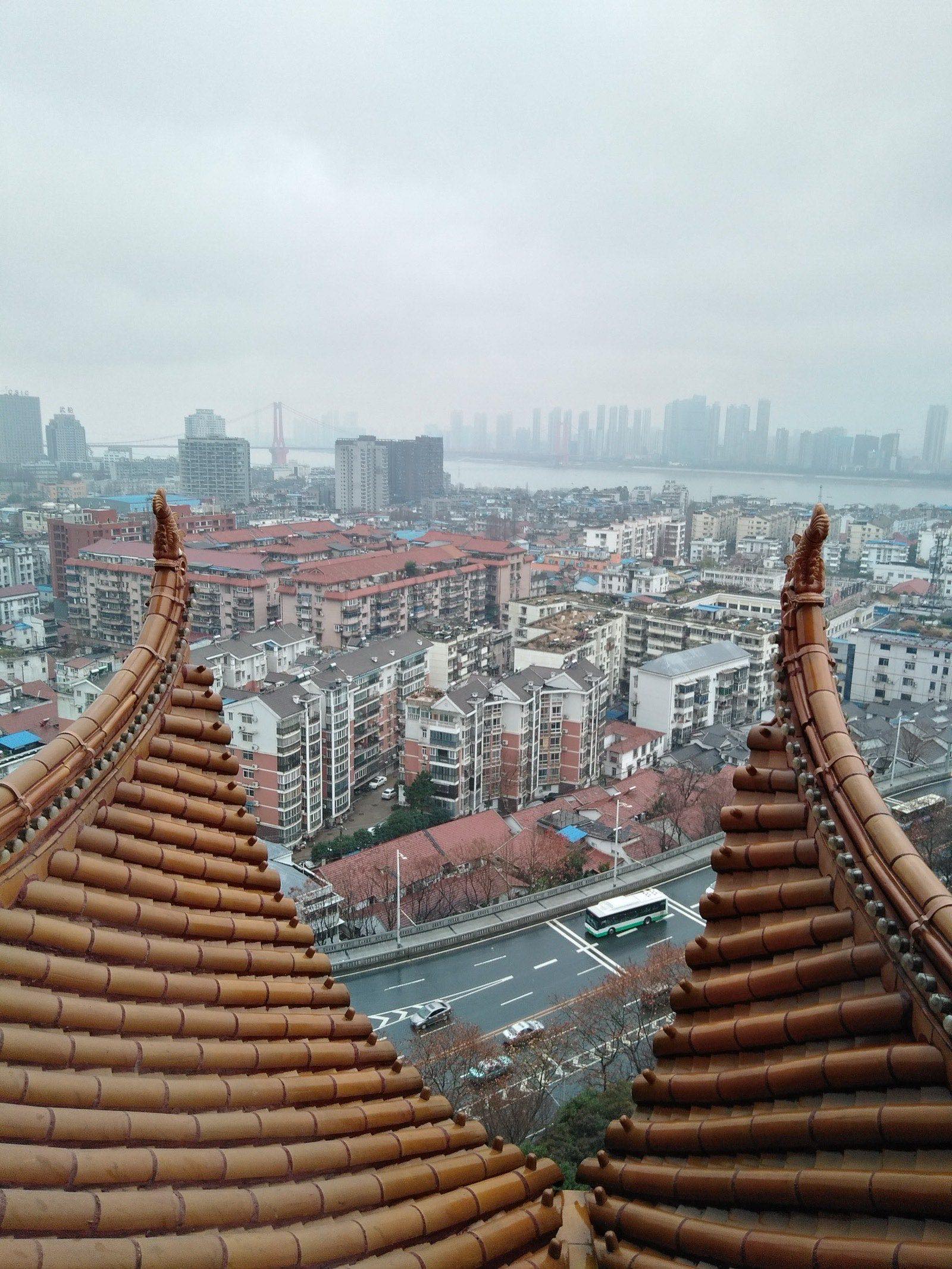
COVID-19 Origins
The first publicly documented cluster of pneumonia cases caused by what would later be named SARS-CoV-2 was identified in Wuhan, Hubei Province, China, in the second week of December 2019. By March 11, 2020, the World Health Organization had declared a pandemic. By mid-2024, the recorded global death toll was approximately 7 million; excess-mortality estimates ran two to three times higher. The origin of the virus has been the subject of two competing hypotheses since early 2020: a *natural zoonotic spillover* from a wildlife host (most likely a horseshoe bat via an intermediate species, possibly through the Huanan Seafood Wholesale Market in central Wuhan), and a *research-related incident* from one of the coronavirus research programs at the Wuhan Institute of Virology (WIV) located 14 kilometres south of the market. The WHO's 2021 joint study with Chinese authorities ruled the lab leak 'extremely unlikely.' Subsequent intelligence-community assessments by U.S. agencies have been internally divided. As of late 2025, the FBI and the U.S. Department of Energy lean toward a lab-origin hypothesis at low-to-moderate confidence; the CIA in January 2025 issued a low-confidence lab-origin assessment; other U.S. agencies have continued to favor natural zoonotic origin. Independent peer-reviewed analyses have likewise divided. The case file remains open. What follows is a description of what is documented, what is contested, and where the evidence currently stands.
3 files · end of the line