An imagined newspaper composing room of the period. Operation Mockingbird's reach was strongest in the era when stories were set in hot metal type. Generated illustration; AI disclosure on About.
Operation Mockingbird
The CIA's instrument played at four hundred desks
- Category
- Media & Propaganda
- Published
- Length
- 3,500 words · 17 min read
- Author
- The editors
Operation Mockingbird
The CIA's instrument played at four hundred desks.
The Office of Policy Coordination
By the summer of 1948, the United States government had a problem. The Central Intelligence Agency had been formally established by the National Security Act of 1947 with a mandate to coordinate foreign intelligence collection. That mandate did not, on its face, include covert action — propaganda, paramilitary operations, political warfare. But the Soviet Union was doing all of those things across Europe. American policymakers concluded that there had to be an American counterpart.
The solution was NSC 10/2, a National Security Council directive signed on June 18, 1948. It established the Office of Policy Coordination as a covert-action arm reporting to the CIA Director but receiving operational guidance from the State and Defense Departments. The OPC's mandate, in the directive's own language, included:
"propaganda; economic warfare; preventive direct action, including sabotage, anti-sabotage, demolition and evacuation measures; subversion against hostile states, including assistance to underground resistance movements, guerrillas and refugee liberation groups, and support of indigenous anti-Communist elements in threatened countries of the free world."
The propaganda mandate was the broadest. It included both overt operations (Radio Free Europe, Radio Liberty, the magazine Der Monat) and covert operations (paid placements in friendly press, unpaid cooperation with sympathetic journalists, ownership stakes in foreign newspapers).
The OPC's first director, appointed in September 1948, was Frank Gardiner Wisner.
Frank Wisner's instrument
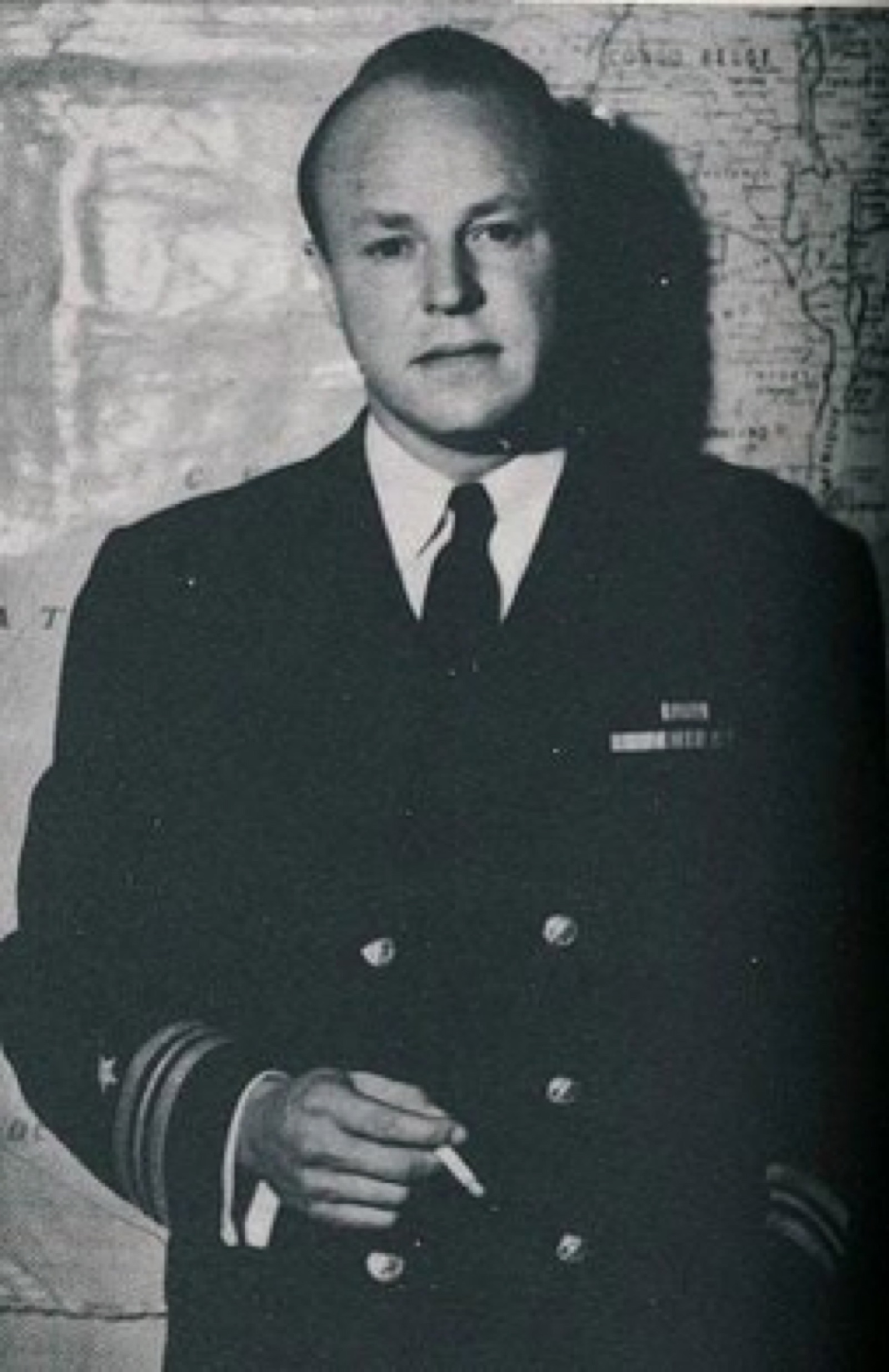
Frank Wisner was 38 years old when he took command of the OPC. He was a Mississippi lawyer's son, a Princeton graduate, a former Navy officer, an OSS station chief in Bucharest at the close of the Second World War, and — by 1948 — an experienced operator who had watched the Soviet Union consolidate control of Eastern Europe in slow motion and had concluded that the United States was being out-operated at the level of political warfare.
His response, when handed the OPC mandate, was to build infrastructure fast. By 1952 the OPC had grown from a few dozen staff to 2,800 employees and was running 47 overseas stations. It was operationally larger than the rest of CIA's collection-and-analysis function combined. In 1952 it was merged with the CIA's Office of Special Operations to become the Directorate of Plans (later the Directorate of Operations), with Wisner as its first Deputy Director.
The media component of OPC was the part Wisner enjoyed talking about. He called it the "Mighty Wurlitzer" — after the theatre organ that could simultaneously control pipes, drums, cymbals, percussion, and a dozen other instruments from a single keyboard. The phrase has stuck in the historical literature because it captures Wisner's own sense of what he was building: not a single operation but a machine that could project a coordinated message across multiple channels.
The Wurlitzer's components included:
- Owned media abroad: Several European newspapers were CIA-funded in ways that ranged from partial subsidy to outright ownership. The CIA's Italian operation 1948-1952 — focused on preventing a Communist victory in the 1948 Italian election — included direct funding of Il Tempo and Il Risorgimento Liberale.
- Wire service and broadcast operations: Radio Free Europe and Radio Liberty were OPC-funded operations from 1949 onward, publicly disclosed only in 1971.
- Journalist relationships in the U.S.: A network of editors, reporters, and columnists who would publish CIA-supplied material, receive briefings that shaped their reporting, or function as intelligence-gatherers in their reportorial roles.
- Publishing-house relationships: The CIA subsidized publication of approximately 1,000 books between 1947 and 1967 — documented in the 1976 Church Committee Book V — including ghost-written memoirs of "former" Communist defectors and academic studies that supported particular U.S. foreign-policy positions.
The American-journalist component was, for the U.S. domestic political record, the most operationally sensitive.
The clients
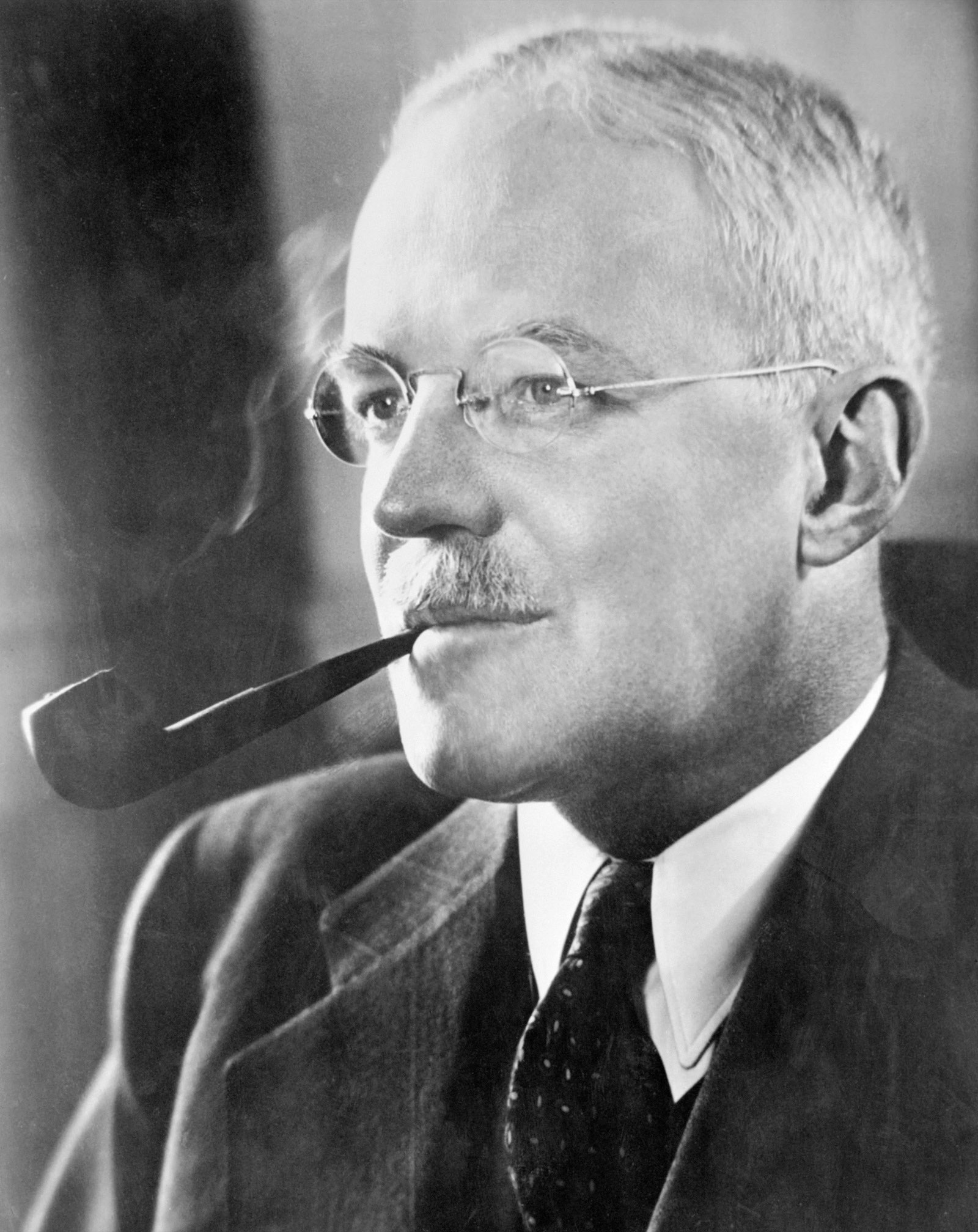
The American-journalist component of the program was managed for most of its operational lifetime by two CIA officers who became synonymous with it: Cord Meyer Jr., who joined the CIA in 1951 and ran the international-organizations division 1953-1967, and (in parallel) Philip Graham, the publisher of the Washington Post, who Wisner had recruited in the late 1940s as a kind of high-level liaison to the New York and Washington press elite.
The Church Committee's 1976 Book III on the CIA found that the agency had "approximately 50 American journalists" with paid relationships at the time of the inquiry. The committee chose, after deliberation, not to publish their names. Carl Bernstein, working from a wider documentary base and his own reporting in 1976-1977, expanded this in Rolling Stone to more than 400 American journalists who had worked with the CIA over the program's operational lifetime.
The most-quoted of Bernstein's named individuals included:
- Joseph Alsop (1910–1989) — syndicated columnist; Bernstein documented him as one of the CIA's most active cooperators, with articles appearing in 300+ newspapers.
- Stewart Alsop (1914–1974) — brother of Joseph; New York Herald Tribune, Saturday Evening Post.
- Ben Bradlee (1921–2014) — Newsweek European correspondent 1957–1965, before he became Washington Post editor. Bernstein documented Bradlee's cooperation with the CIA during the Newsweek years; Bradlee subsequently disputed the characterization.
- James Reston (1909–1995) — New York Times Washington bureau chief.
- Henry Luce (1898–1967) — publisher of Time, Life, and Fortune; documented to have personally cooperated with Allen Dulles on multiple stories.
- William Paley (1901–1990) — CBS founder; documented as cooperating on operations including the placement of CBS reporters as intelligence assets abroad.
- Walter Pincus (b. 1932) — Washington Post; cooperated as a paid CIA officer during a period in the early 1960s before joining the Post; later disclosed his own history.
The 1977 Bernstein article's larger argument was that the editors and publishers of major American news organizations were the more significant cooperators than the working journalists. The publishers and editors had given the CIA access to their news-gathering infrastructure — sometimes by allowing CIA officers to work undercover as journalists, sometimes by passing CIA briefings to their working reporters, sometimes by not publishing material the CIA preferred suppressed.
The Church Committee's quiet decision
The 1975 Senate Select Committee to Study Governmental Operations with Respect to Intelligence Activities — the Church Committee — investigated, among many other CIA programs, the agency's relationships with U.S. journalists.
The committee's findings on this question were substantial. The Final Report, Book I (1976), included a chapter titled "Domestic Intelligence Programs," and Book V included a separate section on "The CIA's Use of Journalists." The committee documented:
- Paid journalist relationships with approximately 50 American journalists at the time of the inquiry.
- Use of "stringers" in foreign countries as intelligence assets.
- Subsidy of approximately 1,000 books published between 1947 and 1967.
- Ownership or subsidy of multiple foreign-press operations.
What the committee chose not to do was name the journalists. After intensive lobbying by CIA Director George H. W. Bush, CIA Counsel Mitchell Rogovin, and former Director William Colby, committee chair Frank Church agreed that publishing the names would constitute "a witch hunt." The reporters, editors, and publishers identified in the CIA's own files were not interviewed by the committee. The names remained classified.
In February 1976, in response to the committee's findings, CIA Director Bush issued a directive stating that the CIA would "not enter into any paid or contractual relationship with any full-time or part-time news correspondent accredited by any U.S. news service, newspaper, periodical, radio or television network or station."
The directive was, on its face, the end of the program. Critics have argued that it ended paid relationships while leaving unpaid cooperation untouched.
What Bernstein added
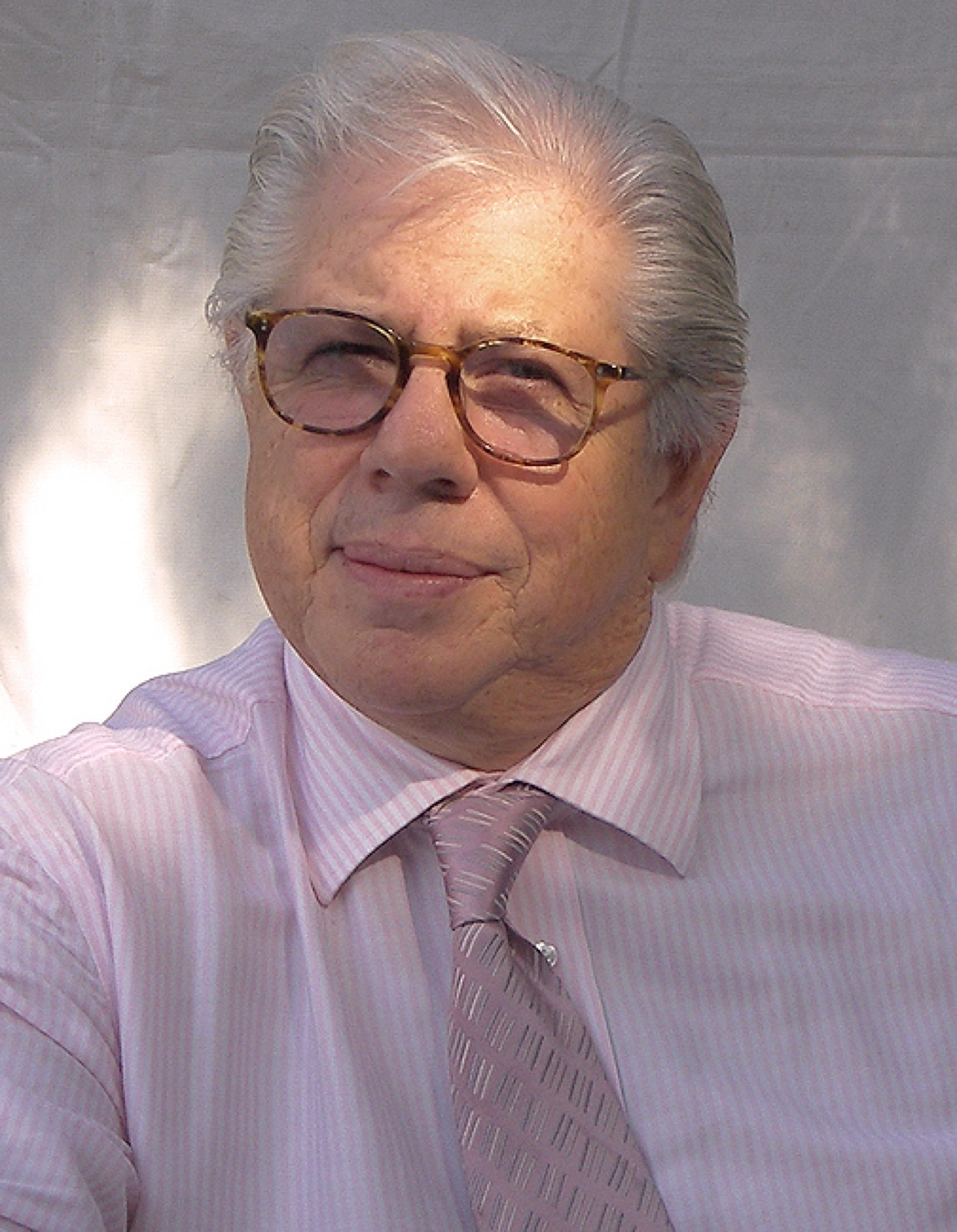
Carl Bernstein's October 1977 Rolling Stone cover story was the most operationally detailed treatment of the CIA-media program ever published. It ran to 25,000 words — approximately the length of a short book — and was based on:
- Six months of full-time reporting.
- Interviews with 50+ CIA officers (including, on background, then-former Deputy Director Frank Wisner Jr., the original Wisner's son).
- A reading of declassified Church Committee materials including documents the committee had received but had chosen not to publish.
- Cross-referencing of CIA personnel-file references with publicly known journalist careers.
What Bernstein added beyond the Church Committee record was structural: where the committee had presented an inventory of discrete relationships, Bernstein argued that the CIA-media apparatus was an integrated system — that the publishers' awareness of and cooperation with the program was the foundational condition that made the working journalists' cooperation possible.
His most-quoted passage, which has shaped subsequent press discussion:
"Sometimes the columnists or correspondents were briefed by their CIA contacts. Sometimes their CIA contacts in turn used their stories. Often the relationship was much closer: some of the Agency's most valuable assets were in fact provided by publishers who had previously allowed CIA officers to work undercover as journalists in their organizations."
The Bernstein article was followed by a wave of internal-newsroom reckoning at the Washington Post, the New York Times, Newsweek, Time, and CBS. None of the named organizations formally apologized; several issued internal reviews. Most declined to interview their own personnel files.
What proponents and critics still argue
The factual record of CIA-media cooperation 1948-1976 is, after fifty years, no longer seriously contested. The interpretive questions:
Was the name "Operation Mockingbird" the formal codename? The documentary record is mixed. Some declassified files use the name; many use other names; many use no codename at all. Most current historians treat "Operation Mockingbird" as a popular term for the broader program rather than an operational designation. The 1963 narrow Mockingbird (a wiretap operation against journalists) is documented under that specific name.
Did the program continue after 1976? The CIA position is that paid journalist relationships ended with the Bush directive. Critics argue that the operational mechanics shifted to unpaid cooperation (briefings, source-sharing, off-record relationships) that substantially preserved the prior structure. Post-2001 disclosures of CIA-cultivated relationships with specific journalists have revived this argument.
How much of the Cold War American media's worldview was independently arrived at vs. CIA-supplied? The question is unanswerable in the strict empirical sense — too much of the period's journalism operated within shared assumptions for any single piece to be attributed to either origin. What the Bernstein article and subsequent scholarship suggest is that the question itself illustrates the structural depth of the cooperation.
How we read the evidence
Operation Mockingbird — understood as the broader CIA-media cultivation program 1948-1976, regardless of whether the specific codename applies — is the most thoroughly documented case in American history of a government intelligence agency operating a substantial influence apparatus inside the press of its own country. The factual record is established. The Church Committee found it. Carl Bernstein documented it in detail. CIA Director Bush ended the paid version of it. The CIA's own historical office has acknowledged, in declassified documents released since 2007, the operational scope of the program.
What remains contested is interpretive: whether the program constituted a betrayal of press independence or a wartime necessity, whether its post-1976 successors operate by similar methods under different names, and whether the structural relationship between American journalism and American national-security institutions has substantively changed.
The most useful frame for understanding the program, we think, is the one Bernstein himself offered in 1977. The story is not about what the CIA did to American journalists. It is about what American journalists agreed to do for and with the CIA — and what the long-term institutional consequences of that agreement have been for the press's ability to function as the adversarial institution the First Amendment imagines.
Key figures
Further reading
Books:
- Hugh Wilford, The Mighty Wurlitzer: How the CIA Played America (Harvard University Press, 2008). The academic history.
- Frances Stonor Saunders, The Cultural Cold War: The CIA and the World of Arts and Letters (New Press, 1999).
- Cord Meyer, Facing Reality: From World Federalism to the CIA (Harper & Row, 1980). Insider account.
- Carl Bernstein, "The CIA and the Media." Rolling Stone, October 20, 1977.
- Tim Weiner, Legacy of Ashes: The History of the CIA (Doubleday, 2007).
Films and documentaries:
- Good Night, and Good Luck (2005, dir. George Clooney). Period-appropriate dramatization of journalism-political pressure dynamics.
- The Falcon and the Snowman (1985, dir. John Schlesinger). Adjacent context.
Primary archives:
- Church Committee Final Report, Book I (1976)
- CIA Family Jewels (declassified 2007)
- Bernstein 1977 Rolling Stone article (archived)
Sources
Primary sources
- U.S. National Security Council. NSC 10/2: Office of Special Projects, June 18, 1948.
- U.S. Senate Select Committee. Final Report of the Select Committee to Study Governmental Operations with Respect to Intelligence Activities (Church Committee), 1976. Books I, III, V.
- CIA. The Family Jewels documents (1973 internal review), declassified June 26, 2007.
- CIA Director George H. W. Bush. Directive on journalist relationships, February 1976.
Secondary sources
- Bernstein, C. (1977, October 20). "The CIA and the Media." Rolling Stone.
- Wilford, H. (2008). The Mighty Wurlitzer. Harvard University Press.
- Saunders, F. S. (1999). The Cultural Cold War. New Press.
- Weiner, T. (2007). Legacy of Ashes. Doubleday.
- Meyer, C. (1980). Facing Reality. Harper & Row.
- The New York Times, January–March 1976. Church Committee coverage.
- The Washington Post, October 1977. Bernstein follow-up coverage.
- Columbia Journalism Review, ongoing post-1977 coverage.
Academic sources
- Davis, D. (1979). Katharine the Great: Katharine Graham and the Washington Post. Harcourt Brace.
- Tofel, R. J. (2005). "Restoring the Lost Tradition of the Press." Newhouse School Journalism Review.
Corrections & updates
(None yet.)
Inspired this / based on it
Hugh Wilford
The definitive academic history. Harvard University Press.
Frances Stonor Saunders
Broader cultural program
Tim Weiner
Pulitzer-winning CIA history; substantial Mockingbird context
Cord Meyer
Insider memoir; the program officer's own account
George Clooney · ★ 7.4
Period dramatization of journalism-government pressure
Filed under
- #operation-mockingbird
- #cia
- #frank-wisner
- #cord-meyer
- #allen-dulles
- #carl-bernstein
- #church-committee
- #mighty-wurlitzer
- #press-influence
- #1948
- #1977
- #usa
- #declassified
Click any tag for every article carrying it.
Continue reading

COINTELPRO
Between 1956 and 1971, the Federal Bureau of Investigation ran a counter-intelligence program against Americans. Not foreign agents — Americans. The targets were Martin Luther King Jr., Malcolm X, the Black Panther Party, the American Indian Movement, the Students for a Democratic Society, the Communist Party, the Ku Klux Klan, and dozens of others. The methods included blackmail, forged letters, planted informants, and — in at least one documented case — collaboration in a killing. The program stayed secret until eight people walked into an FBI office in Pennsylvania on the night of a heavyweight title fight.
MK-Ultra
Between 1953 and 1973, the Central Intelligence Agency ran one of the most ambitious — and least restrained — human-experimentation programs in American history. The goal was mind control. The subjects rarely knew they were subjects. By the time the public found out, most of the records had been burned.

Watergate
In the early hours of June 17, 1972, five men were arrested inside the Democratic National Committee's offices on the sixth floor of the Watergate complex. Two years and 54 days later, on August 9, 1974, Richard Nixon became the only sitting U.S. president to resign. Between those dates lies the most thoroughly documented presidential cover-up in American history — and the deliberate destruction of careers, evidence, and finally the office itself.