Tag
#1930s
3 articles
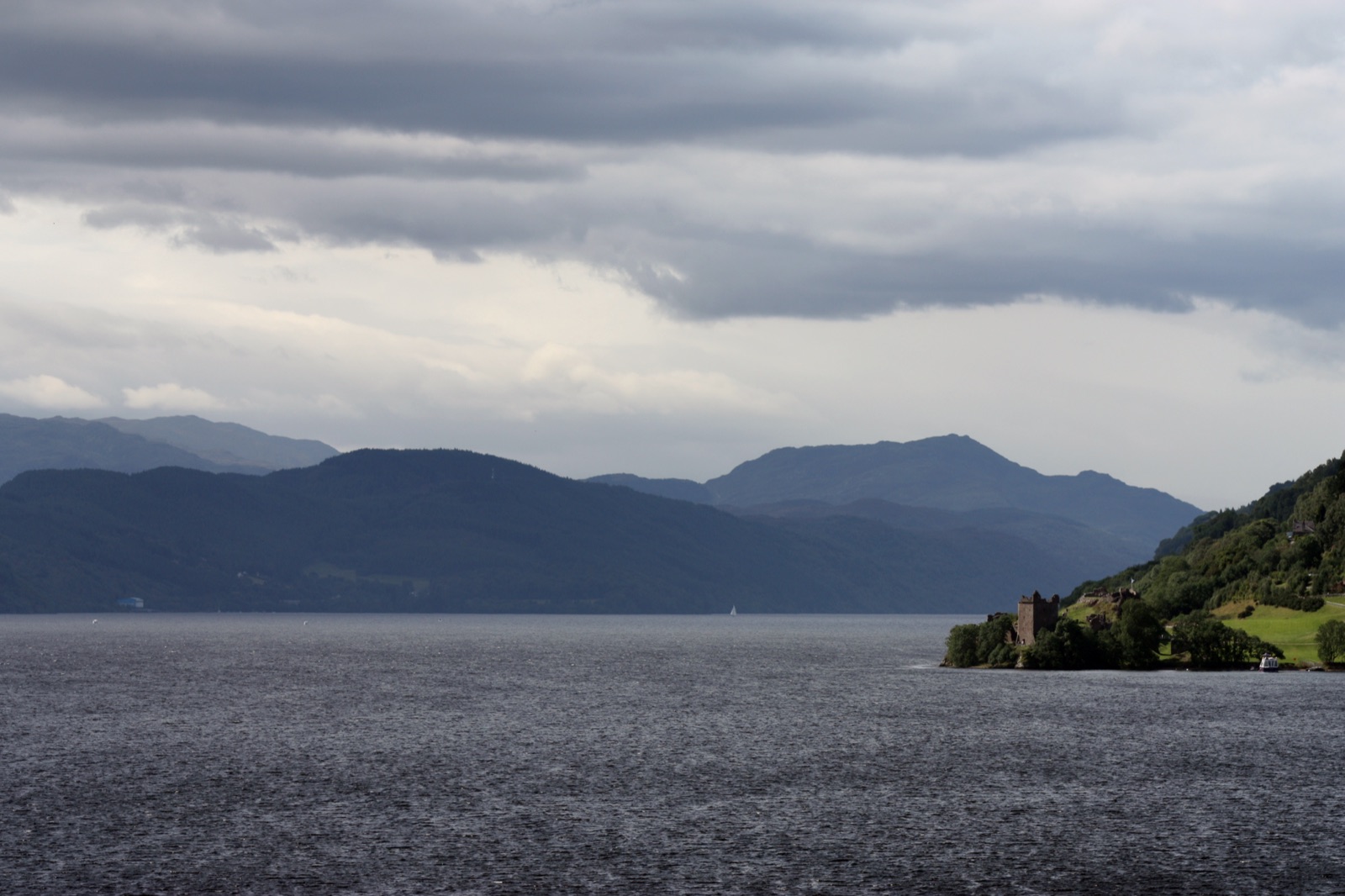
The Loch Ness Monster and the Photograph That Was a Toy Submarine
Loch Ness is a long, deep, black ribbon of water in the Great Glen of the Scottish Highlands, holding more fresh water than every lake in England and Wales combined, its surface often mirror-still beneath brooding hills and its depths so stained with peat that a diver cannot see his own hand. In 1933, as a new road opened up its shore to motorists and reporters, it acquired a tenant: a large, unknown creature, glimpsed humping across the water and, in one celebrated case, lurching across the road itself, which a newspaper editor christened a 'monster.' Within a year the creature had its defining portrait — the 'Surgeon's Photograph,' a grainy image of a small head on a long, curving neck rising from the ripples, taken, it was said, by a respectable London doctor who wanted no part of the fuss. For sixty years that photograph was the single best piece of evidence that something extraordinary lived in Loch Ness. In 1994 it was revealed to be a hoax: a sculpted head mounted on a clockwork toy submarine, floated on the loch by a man bent on revenge against the very newspaper that printed it. That revelation is a fair emblem of the whole case. A sonar flotilla swept the loch in 1987 and found nothing it could call a monster; a 2018 survey that sequenced the DNA in the loch's water found eels in abundance and not a trace of any reptile or unknown giant. By the cold standards of evidence, the Loch Ness Monster has been looked for as hard as any creature on earth and has never been found. And yet it persists — in the sightings, in the searches, in the tens of millions of pounds it draws to the Highlands every year. This article sets out what is actually known: where the legend came from, how its greatest proof collapsed, what science has and has not ruled out, and why a monster that almost certainly does not exist refuses to die.
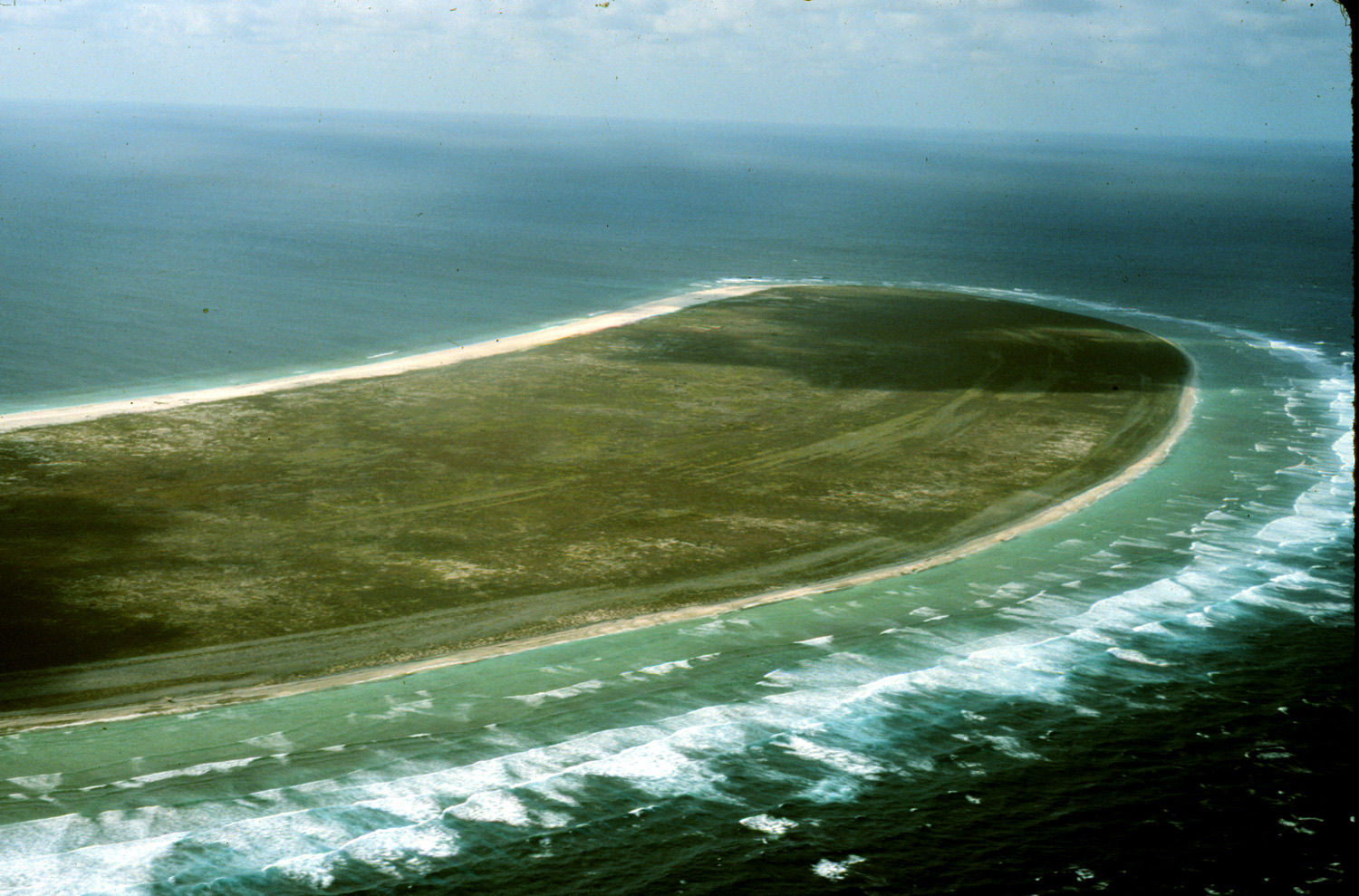
Amelia Earhart and the Speck in the Pacific
On July 2, 1937, Amelia Earhart — the first woman to fly the Atlantic solo, the most celebrated aviator on earth — took off from Lae, in New Guinea, with her navigator Fred Noonan, bound for a flat coral speck in the central Pacific called Howland Island. It was the most dangerous leg of an attempt to circle the globe near the equator: more than 2,500 miles of open ocean to a target a mile and a half long and twenty feet high, which they had to find by dead reckoning and the stars after a night and a morning over featureless water. A United States Coast Guard cutter, the Itasca, waited off Howland to guide them in by radio and to lay a column of smoke. It was never needed. Through the morning the Itasca's crew heard Earhart's voice growing tense as she searched for an island she could not see — 'We must be on you but cannot see you… gas is running low' — and then, in her last understood transmission, a line of position and the words that she was running north and south along it. After that there was silence. The largest air and sea search in American history to that date found nothing: no plane, no wreckage, no bodies. Earhart and Noonan were declared lost, and in the decades since, their disappearance has hardened into the most enduring mystery in the history of flight, fought over by three incompatible theories — that they ran out of fuel and sank near Howland; that they came down as castaways on a different island and died there; and that they fell into Japanese hands and never came home. This article sets out what is actually known about the flight and its final hours, and weighs the rival explanations — the plausible, the contested, and the long-debunked — against the evidence.
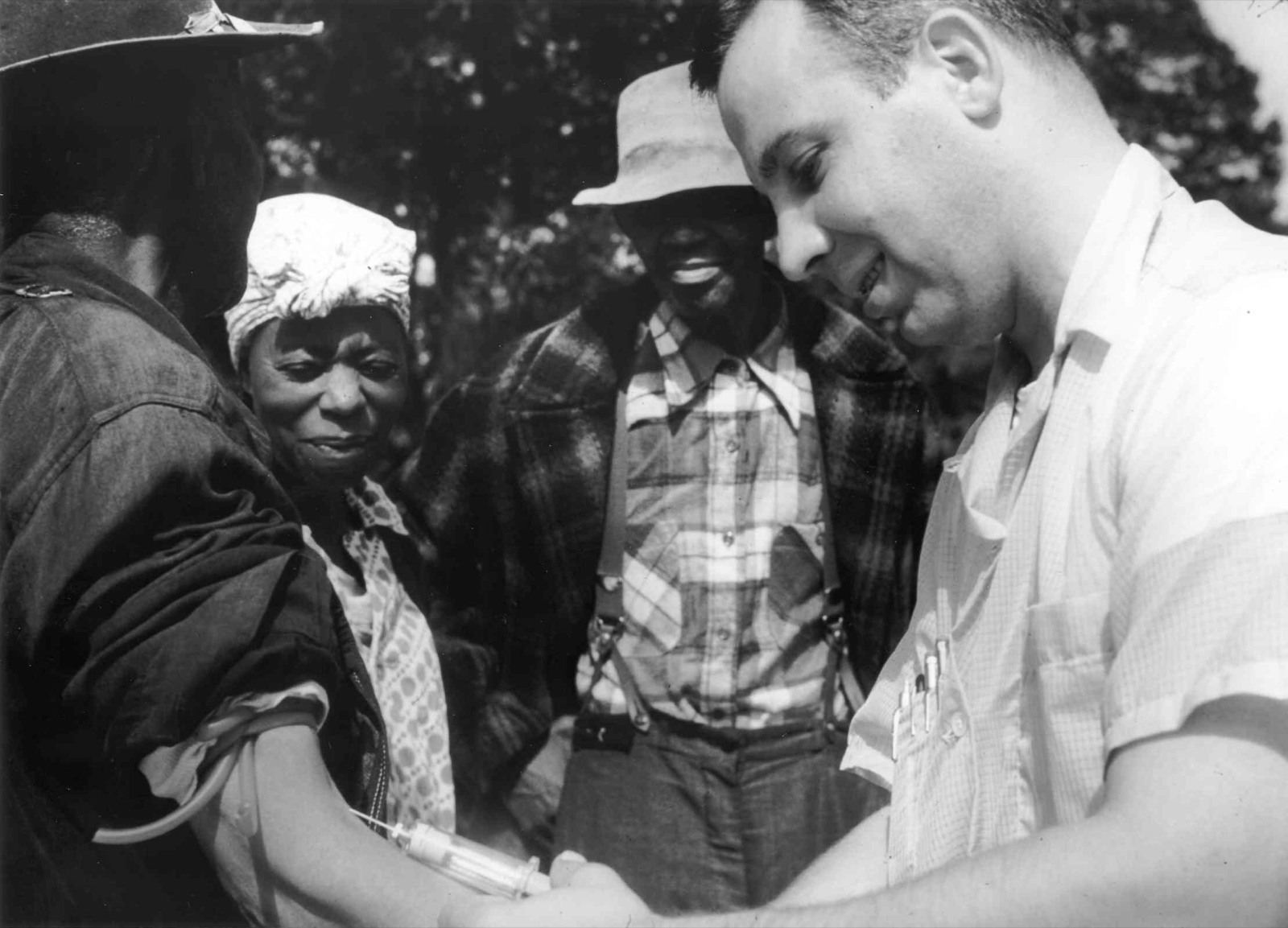
The Tuskegee Syphilis Study
In 1932, the U.S. Public Health Service began a study of 399 Black men in Macon County, Alabama, who had syphilis. They were told they were being treated. They were not. For forty years — including the twenty-five years after penicillin became standard care — the Public Health Service watched the disease take its course. A whistleblower's documents reached the Associated Press on July 25, 1972, and the study ended a few months later. President Clinton apologized on behalf of the United States government in 1997.
3 files · end of the line