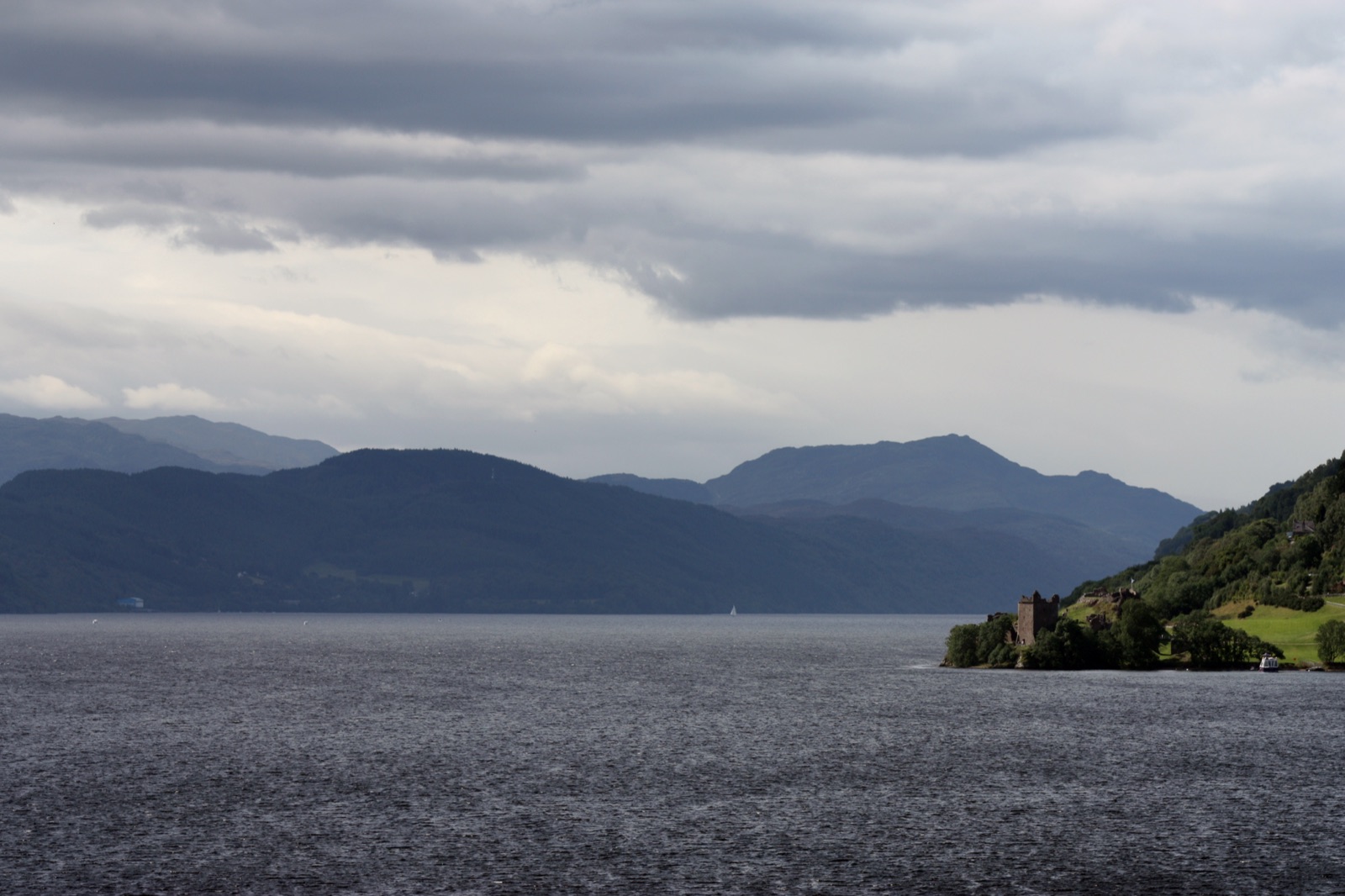
Loch Ness in the Great Glen, with the ruin of Urquhart Castle on the far shore. The loch is about twenty-three miles long and over two hundred metres deep, its peat-stained water nearly opaque below the surface — a body of water large and dark enough to hide almost anything, which is part of why the legend has never been easy to disprove. Wikimedia Commons / Eusebius, CC BY 3.0.
The Loch Ness Monster and the Photograph That Was a Toy Submarine
Scottish Highlands, 1933 to the present — the most famous monster in the world rests on a faked photograph, a sonar sweep that found nothing, and a survey of the loch's own DNA that turned up no monster at all. And still the tourists come
- Category
- Folk Mysteries & Cryptids
- Published
- Length
- 4,060 words · 16 min read
- Author
- The editors
The Loch Ness Monster and the Photograph That Was a Toy Submarine
Scottish Highlands, 1933 to the present — the most famous monster in the world rests on a faked photograph, a sonar sweep that found nothing, and a survey of the loch's own DNA that turned up no monster at all. And still the tourists come.
The monster is born
There is an ancient anecdote, often dragged in as a prologue: that in the sixth century Saint Columba turned back a 'water beast' in the River Ness. But it is hagiography, set in the river rather than the loch, and it has nothing real to do with what began fourteen centuries later. The Loch Ness Monster as the world knows it is a creature of the twentieth century, and its birth can be dated almost to the month.
In 1933 a new road, the A82, was completed along the shore of Loch Ness, blasting back the hillside and giving motorists, for the first time, a long open view of the water. With the road came traffic, and with the traffic came watchers. In the spring of that year a local hotel manageress reported seeing a great creature 'rolling and plunging' in the loch; the Inverness Courier ran the story, and its editor reached for a word that would do the sighting justice — 'monster.' A few months later a couple named Spicer reported something even stranger: a large, long-necked animal lurching across the road in front of their car. The reports multiplied, the newspapers fed on them, and within a single summer a Highland loch had acquired a resident legend.
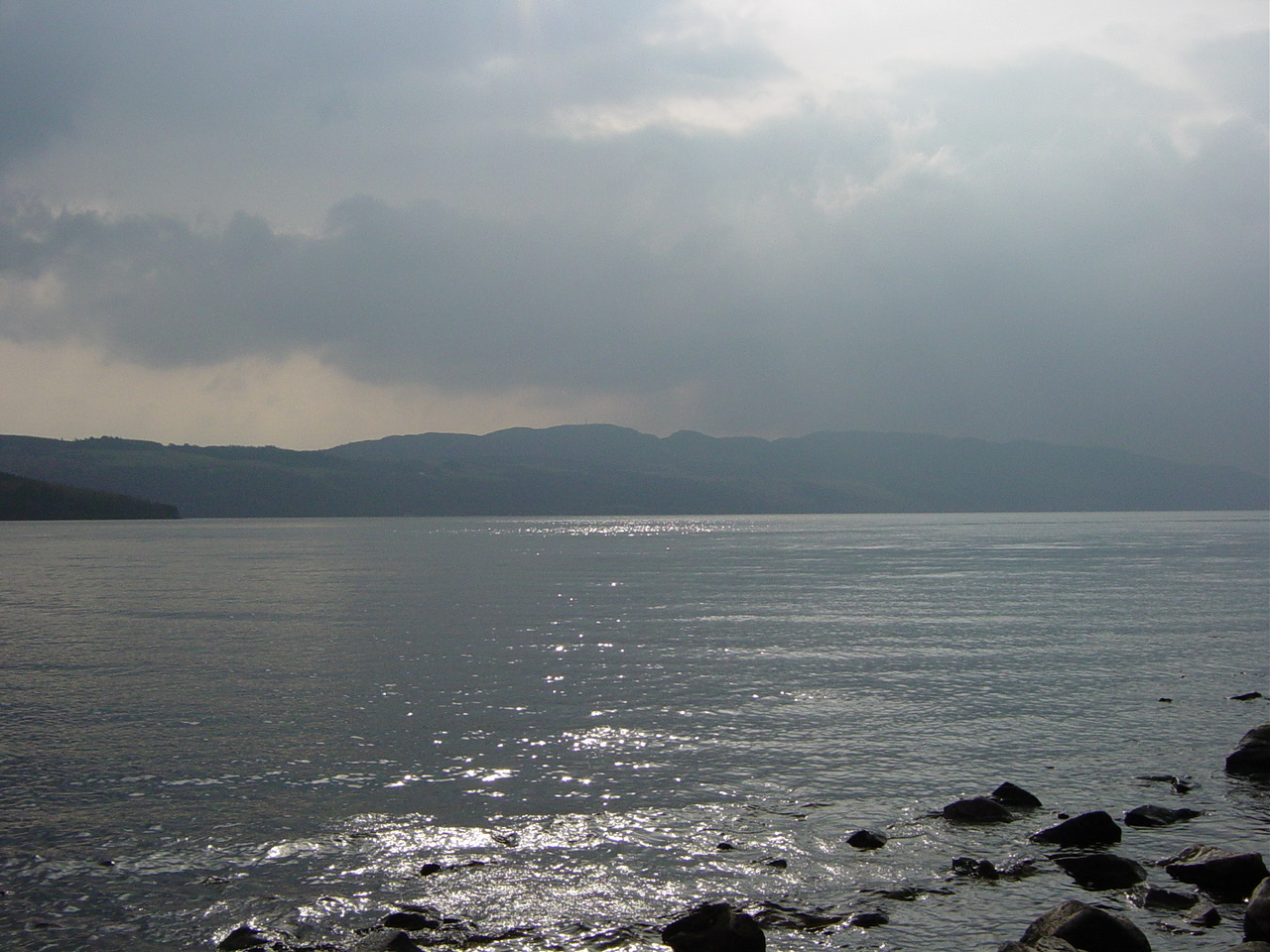
It is worth pausing on how much the setting did. Loch Ness is not an ordinary lake. It is enormous and very deep, its surface often glassy, ringed by hills that throw confusing reflections, and its water so dark with peat that nothing can be seen a few feet down. A place like that is a machine for producing ambiguous glimpses — a wake that arrives long after the boat has gone, a half-submerged log riding a swell, a line of standing waves, a swimming bird or deer reduced to a dark shape and a ripple. Add a public primed by headlines to expect a monster, and a steady supply of sincere, puzzled sightings is almost guaranteed, with no monster required at all.
The press did the rest, and quickly. Through 1933 and into 1934 the monster was a national and then an international story, and it drew the first of its serious investigators — Rupert Gould, a former naval officer and collector of curiosities, who toured the loch by motorcycle, gathered the early accounts, and published the first book on the subject in 1934. Crowds came to watch the water; the Daily Mail dispatched a celebrated big-game hunter to bag the beast. What had been, before the road, a vague scrap of local lore became within a year a fixture of the modern imagination, with a name, a habitat, and a growing dossier of sightings — almost none of which would ever amount to anything an investigator could hold in his hand. The pattern of the whole future case was set in that first year: enormous public appetite, a flood of sincere reports, and nothing solid underneath.
The Surgeon's Photograph
A legend needs a face, and in April 1934 the Loch Ness Monster got one — the most reproduced wildlife photograph never to show an animal.
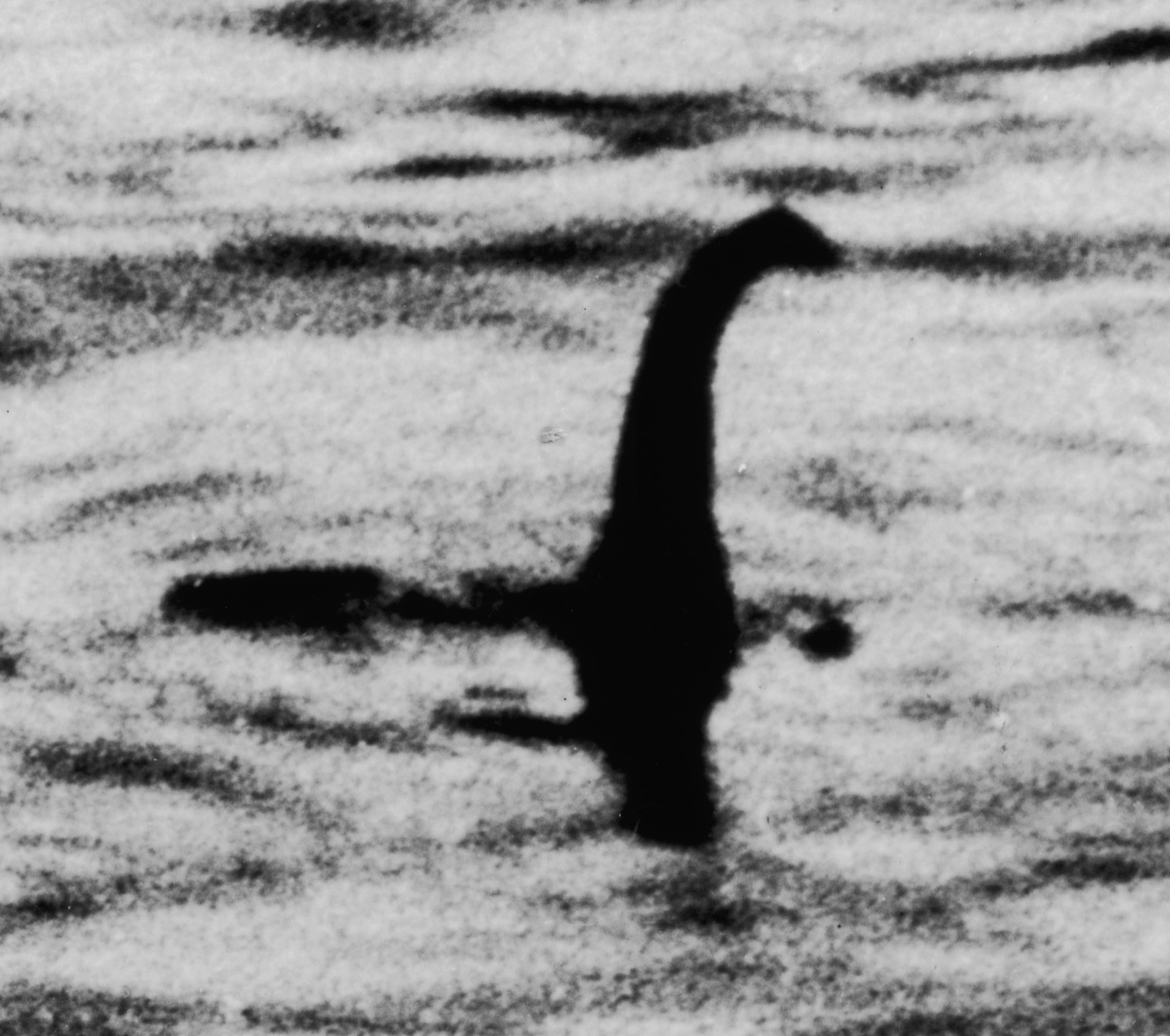
The picture showed a small head atop a long, graceful neck, emerging from the water against a backdrop of ripples that lent it scale and mystery. It was published by the Daily Mail and credited to Robert Kenneth Wilson, a respectable London gynaecologist who, the story went, had taken it by chance while driving past the loch and wanted no notoriety from it — which was precisely the detail that gave it weight. Here was no showman or known monster-hunter, but a sober medical man with a camera and nothing to gain. For six decades the Surgeon's Photograph was the cornerstone of the case, the image that anchored the long neck and small head as the creature's accepted shape.
The photograph's influence is hard to overstate. It did not merely provide evidence; it fixed the creature's shape in the public mind. Before it, sightings described all manner of things — humps, upturned boats, whale-like rollings. After it, the monster had a canonical silhouette, the small head and long slender neck, and later witnesses tended to see, and report, exactly that. A single image had standardised a legend, telling people what to look for so effectively that they began to find it. That is a remarkable amount of cultural work for a photograph to do, and all the more so given what the photograph actually was.
It was a fake, and the way it was faked is almost too fitting. The story unravelled in 1994, when researchers tracked down the last survivor of the conspiracy and got the confession. The plot went back to 1933 and to Marmaduke Wetherell, a big-game hunter the Daily Mail had sent to find the monster; Wetherell had produced 'footprints' on the shore that turned out to have been made with a dried hippopotamus foot — an umbrella stand — and the Mail had publicly humiliated him. His revenge was the Surgeon's Photograph. His stepson, a model-maker named Christian Spurling, built a small sculpted head and neck and fixed it to a toy submarine bought from Woolworths; the contraption was floated on a quiet stretch of the loch and photographed; and the eminently respectable Wilson was recruited to lend his name and shield the hoaxers. The most celebrated evidence for the Loch Ness Monster was a foot-high model on a clockwork sub, made by a man settling a score with a newspaper.
The hunts
Long after the Surgeon's Photograph, and long before it was debunked, Loch Ness drew searchers with better instruments and sincerer intentions, and their results form the real evidentiary record of the case — which is to say, a record of things not found.
There was Tim Dinsdale's 1960 cine film of a hump crossing the water, much debated and, to sceptical eyes, most likely a boat. There were the underwater photographs taken in the 1970s by Robert Rines and the Academy of Applied Science, including a famous 'flipper' image that, on examination, owed a great deal to enhancement and retouching. And there was Operation Deepscan in 1987, the most systematic effort of all: a flotilla of two dozen boats, fitted with sonar, advanced in line abreast down the length of the loch like a sweep net, insonifying the water from side to side. It was a genuine, large-scale scientific search, and it produced a few unexplained mid-water contacts — enough for a headline — but nothing that could be shown to be a large unknown animal, and much that could be explained by debris, seals, or the quirks of sonar in a deep, cold loch. Each new expedition followed the same arc: a flurry of hope, an ambiguous trace or two, and no monster.
There was also, through the 1960s and into the 1970s, a sustained and patient watch that rarely makes the headlines but says as much as any of it. The Loch Ness Phenomena Investigation Bureau set up camera stations along the shore and kept the surface under organised observation for years on end, season after season, in the hope of catching the creature on film under controlled conditions. Thousands of hours of watching, by committed and often sceptical volunteers, produced a handful of ambiguous frames and no breakthrough. It is easy to remember the hoaxes and the splashy expeditions and forget this long, sober, negative result — but it is among the most telling evidence there is. People genuinely tried, carefully and for years, to photograph the monster on purpose, and could not.
What it probably is
Strip away the hoaxes and the hopeful blurs, and the sightings that remain have a range of ordinary explanations, none of which requires a monster.
Most sightings are best understood as misidentification. The loch's enclosed shape generates wakes and standing waves that can travel far and persist long after the boat that caused them has passed, throwing up dark humps on an otherwise calm surface. Birds, swimming deer, otters, and the occasional seal that finds its way in from the sea all reduce, at a distance and in poor light, to a moving shape and a wake. Waterlogged pine logs and other debris rise to the surface and drift. The flat, reflective water and the surrounding hills play tricks with scale and distance. And once a person knows that a monster is supposed to be there, the mind does a great deal of the rest, resolving ambiguity in the direction of the marvellous.
The water itself conspires in the illusion. A long, narrow, steep-sided loch like Ness is prone to seiches — slow, standing oscillations of the whole body of water, set off by wind or pressure changes — and to wakes that bounce between the shores and re-cross the surface minutes after any boat has gone, raising sudden lines of dark water on an otherwise mirror-calm loch. To an onlooker who sees the hump but not the cause, such a wave is genuinely inexplicable, and from inexplicable to monstrous is a short step for a primed mind. Add the loch's habit of swallowing scale and distance, the frequent low light, and the simple fact that most witnesses are sincere, untrained, and briefly startled, and the steady trickle of honest, baffled reports needs no animal to explain it.
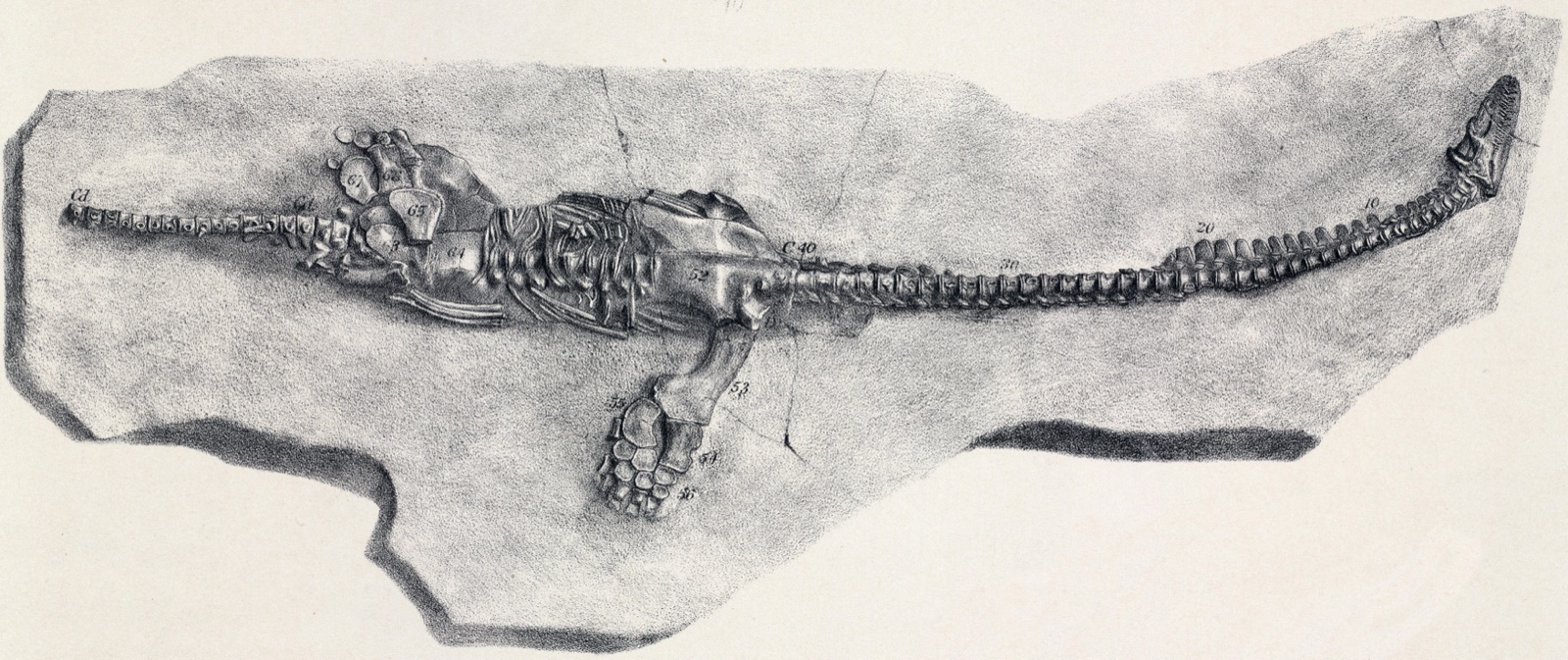
Where a genuinely large object is involved, the candidates are fish, not reptiles: a wandering Atlantic sturgeon, a heavy, bony-ridged fish that could stray into the loch and cut a strange profile; a large catfish; or large eels. What the candidates are not is a surviving dinosaur-age reptile. The plesiosaur idea, for all its grip on the imagination, is a non-starter. Loch Ness lay under thick ice during the last glaciation and only became a loch some ten thousand years ago — a geological eyeblink, and far too recently for any Mesozoic creature to have persisted there. The water is cold and not especially rich in food; a population of large air-breathing reptiles big enough to breed and endure would have to number in the dozens or hundreds, would have to surface to breathe constantly, and would be seen not occasionally and ambiguously but all the time and plainly. The loch cannot hide a herd of dinosaurs, because there is no herd to hide.
The verdict in the water
The most decisive modern test did not look for the monster at all. It looked for its DNA.
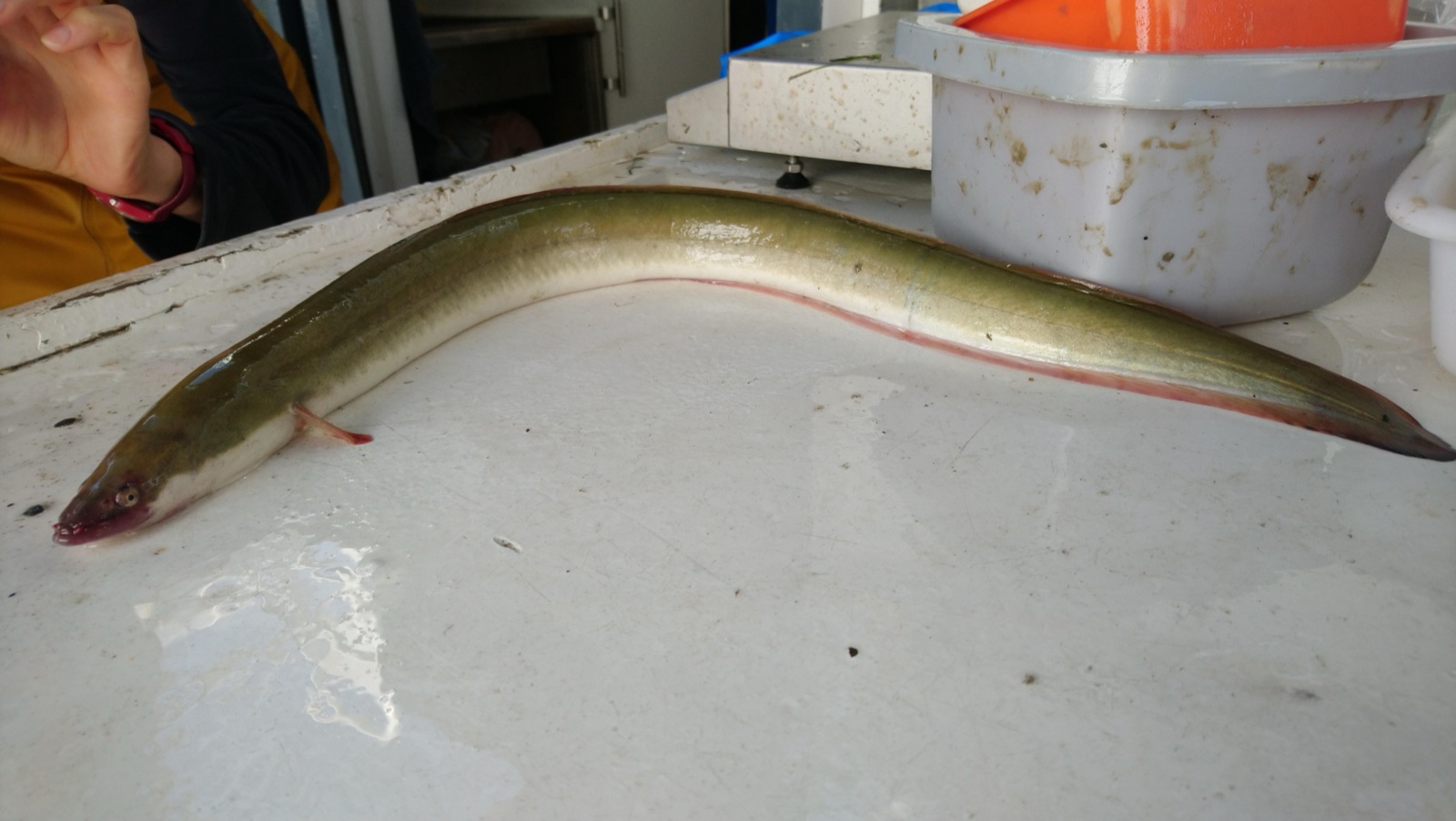
In 2018 a team led by the geneticist Neil Gemmell, of the University of Otago in New Zealand, undertook something the monster-hunters never could: a comprehensive census of every living thing in the loch, read from the traces of DNA that all organisms shed into the water. They took some 250 samples from across the loch and at different depths, sequenced the environmental DNA in them, and matched it against the global databases of known species. The results, announced in 2019, were as close to a definitive answer as the case is ever likely to get. There was no reptile DNA in the loch — no plesiosaur, nothing of the kind. There was no DNA of a large unknown fish, no shark, no sturgeon, no giant catfish in any quantity. What there was, in striking abundance, was eel DNA: eels are common in Loch Ness, and their genetic signature was everywhere.
The survey was, in passing, a rather beautiful piece of ordinary science. The same samples that found no monster catalogued the real community of the loch in fine detail — the fish, the bacteria, the plants, the deer and pigs and people whose DNA washes in from the land, the whole unremarkable web of Highland life. It was, in effect, a complete biological portrait of Loch Ness, and the most striking thing about that portrait is how completely ordinary it is. A place reputed to hide a prehistoric giant turned out, when its water was read gene by gene, to contain precisely what one would expect of a cold northern lake and nothing else.
Gemmell was careful and fair about what this did and did not show. It could not prove a negative with absolute certainty, and it could not rule out that some sightings were of unusually large eels — the 'giant eel' hypothesis, which he offered not as a believer but as the one explanation his data could not exclude, while stressing there was no evidence the loch's eels reach any monstrous size. What the survey did do was close the door on the monster as anything large, reptilian, or biologically novel. The most thorough biological search of Loch Ness ever conducted found the loch full of ordinary life and empty of monsters.
In August 2023, the largest surface search of the loch in fifty years — 'The Quest,' organised by the local Loch Ness Centre with volunteers around the world, using thermal-imaging drones and underwater hydrophones — swept the water once more. A few unexplained sounds were picked up and then could not be made to mean anything. Nothing was found. It was, in its way, the perfect modern expression of the whole story: more watchers, better tools, and the same enduring absence.
Why Nessie won't die
If the evidence is this one-sided, the real mystery of Loch Ness is not biological but human: why a creature so thoroughly unfound remains so thoroughly alive.
Part of the answer is that the loch is, by its nature, unfalsifiable to the casual eye. It is too big and too dark ever to be declared empty to everyone's satisfaction; absence of proof in such a place will always leave room for hope, and a single ambiguous video can reignite the whole thing for another year. Part of it is money: Nessie is one of the most valuable pieces of folklore on earth, drawing visitors and many tens of millions of pounds a year to the Highlands, supporting an entire local economy with an interest, gentle but real, in the question never quite closing. And part of it is simply that people want her there. The Loch Ness Monster is a benign mystery in a disenchanted age — a creature that hurts no one, that flatters the idea that the world still holds undiscovered wonders, that turns a cold Scottish loch into a place where anything might surface. The wanting is the engine, and no quantity of negative sonar or absent DNA has ever switched it off.
The economics are not a footnote to this but part of the engine. An entire stretch of the Highlands lives, in part, on Nessie: the visitor centres at Drumnadrochit, the cruise boats, the hotels and shops, the castle on the shore, the steady stream of travellers who come from across the world to look at a loch in the hope of seeing something. The monster is worth a great deal of money to a region that has not always had much, and an asset like that acquires its own momentum. No one need conspire to keep the legend alive; it is simply in a great many people's gentle interest that the question stay open, and open it stays.
What the question still is
The honest verdict on the Loch Ness Monster is not really in doubt, and it is worth stating plainly. The defining photograph is a confirmed hoax. The films and underwater pictures are explained or discredited. The sonar found nothing it could call a monster. The DNA of the entire loch contains no reptile and no large unknown animal. The biology forbids a relic plesiosaur, and the most generous reading the science allows — an unusually large eel — has no evidence behind it beyond the abundance of ordinary eels. By every standard we would apply to any other claim about the natural world, there is no monster in Loch Ness, and there is very little genuine mystery about whether there is one.
What remains genuinely interesting is everything that grew up around that absence. A new road and a hungry press conjured a creature in a single summer of 1933; a humiliated hunter gave it its face with a toy and a grudge; and ninety years of sincere watchers, skilled hoaxers, serious scientists, and hopeful tourists have kept it swimming through the culture long after the evidence ran dry. The Loch Ness Monster is a real phenomenon — just not a biological one. It is a case study in how a legend is born, how a single faked image can outlive its own confession, and how badly, and how durably, human beings want the dark water to be hiding something. The loch keeps its secret, which is that it has none.
Sources
Primary
- The Inverness Courier and Daily Mail reporting of 1933-34, including the publication of the Surgeon's Photograph.
- The 1994 account of the Surgeon's Photograph hoax based on Christian Spurling's confession (David Martin and Alastair Boyd).
- Operation Deepscan sonar survey records (1987).
- Neil Gemmell et al., the Loch Ness environmental-DNA survey (sampling 2018; results 2019).
- Reporting on 'The Quest' search of August 2023.
Secondary
- Retrospective coverage in the BBC, the Guardian, National Geographic, and Smithsonian on the legend, the hoax, and the scientific searches.
- Ronald Binns, The Loch Ness Mystery Reloaded and related sceptical analyses of the sightings and evidence.
- Coverage of the Dinsdale film, the Rines photographs, and the history of the hunts.
Academic / reference
- Adomnán's Life of St Columba (the sixth-century 'water beast' anecdote), for the pre-modern background.
- Limnological and biological assessments of Loch Ness's age, temperature, and productivity bearing on the plesiosaur question.
- Published discussion of the environmental-DNA results and the 'giant eel' hypothesis.
Inspired this / based on it
Travel Channel / NHNZ
Documentary following Neil Gemmell's environmental-DNA survey of the loch and its findings.
Jay Russell
Sony/Walden. Family film imagining a young Nessie in wartime Scotland — the benign, beloved version of the legend.
Steuart Campbell
A sceptical, systematic dismantling of the sightings and photographs.
PBS Nova
Documentary surveying the searches, the sonar work, and the scientific case.
Filed under
- #loch-ness
- #nessie
- #cryptid
- #surgeons-photograph
- #scotland
- #highlands
- #operation-deepscan
- #environmental-dna
- #plesiosaur
- #giant-eel
- #uk
- #1930s
- #mystery
Click any tag for every article carrying it.
Continue reading
Amelia Earhart and the Speck in the Pacific
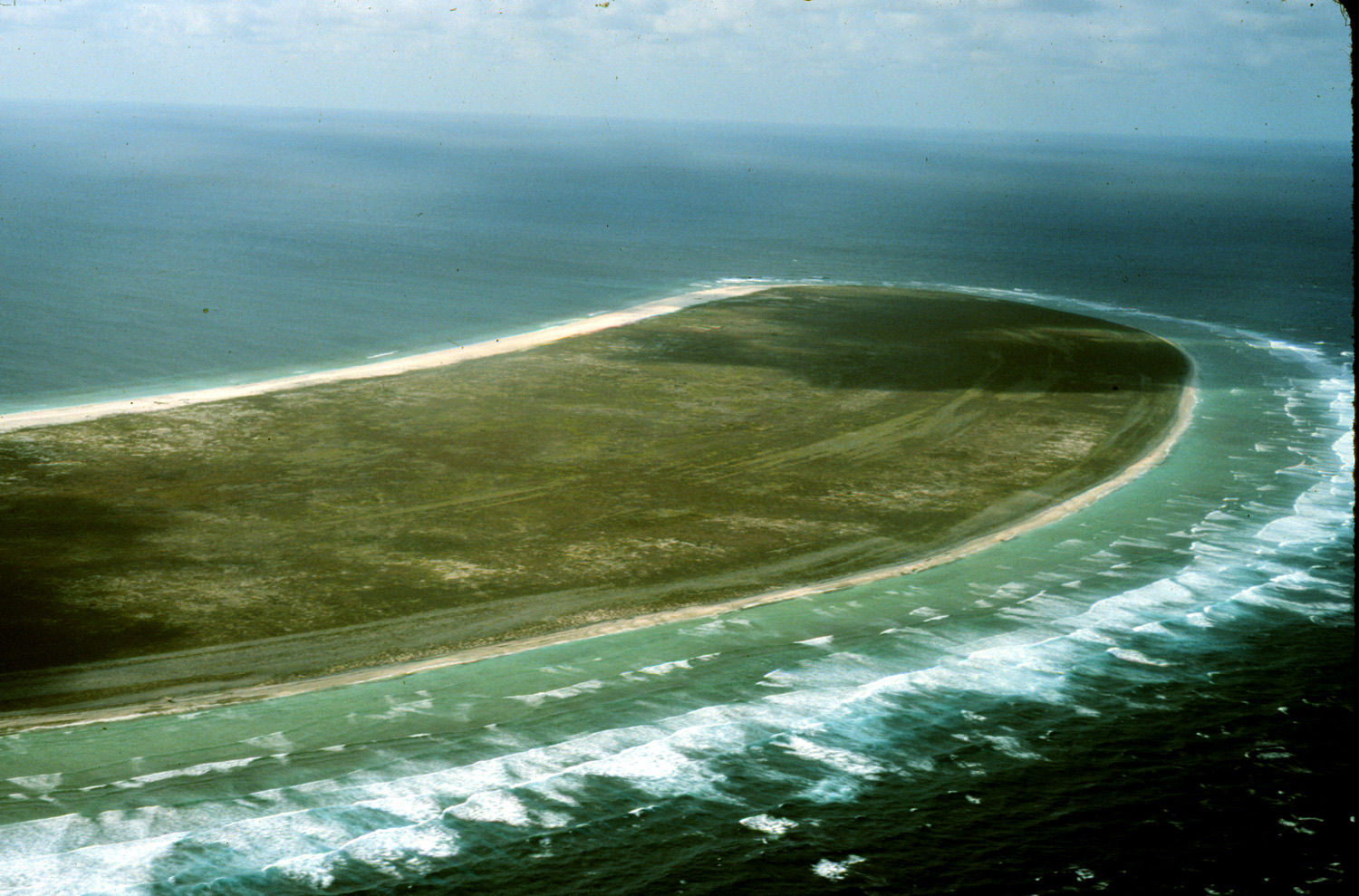
On July 2, 1937, Amelia Earhart — the first woman to fly the Atlantic solo, the most celebrated aviator on earth — took off from Lae, in New Guinea, with her navigator Fred Noonan, bound for a flat coral speck in the central Pacific called Howland Island. It was the most dangerous leg of an attempt to circle the globe near the equator: more than 2,500 miles of open ocean to a target a mile and a half long and twenty feet high, which they had to find by dead reckoning and the stars after a night and a morning over featureless water. A United States Coast Guard cutter, the Itasca, waited off Howland to guide them in by radio and to lay a column of smoke. It was never needed. Through the morning the Itasca's crew heard Earhart's voice growing tense as she searched for an island she could not see — 'We must be on you but cannot see you… gas is running low' — and then, in her last understood transmission, a line of position and the words that she was running north and south along it. After that there was silence. The largest air and sea search in American history to that date found nothing: no plane, no wreckage, no bodies. Earhart and Noonan were declared lost, and in the decades since, their disappearance has hardened into the most enduring mystery in the history of flight, fought over by three incompatible theories — that they ran out of fuel and sank near Howland; that they came down as castaways on a different island and died there; and that they fell into Japanese hands and never came home. This article sets out what is actually known about the flight and its final hours, and weighs the rival explanations — the plausible, the contested, and the long-debunked — against the evidence.
The Mary Celeste and the Ship That Sailed Itself
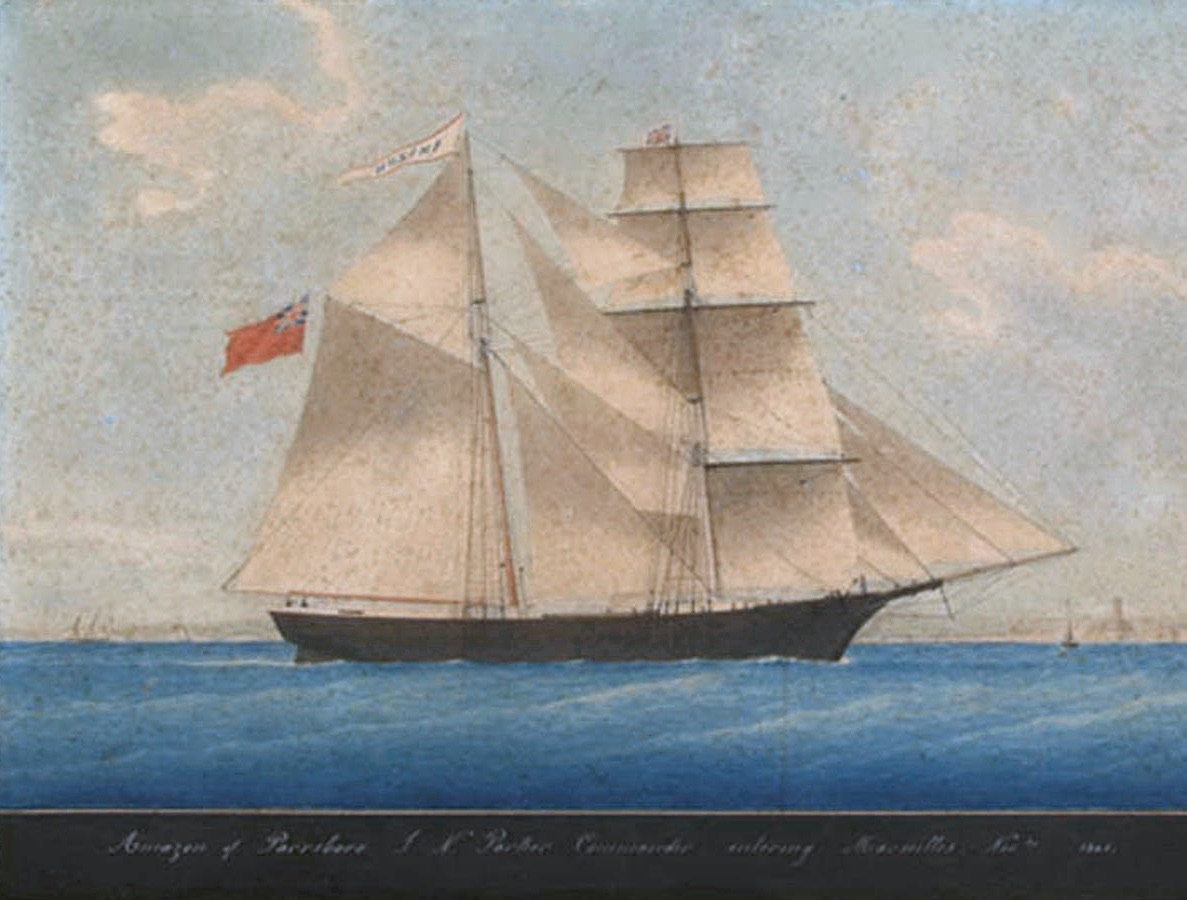
On December 5, 1872, the crew of the British brigantine Dei Gratia, several hundred miles west of Portugal, sighted another two-masted ship moving strangely across the swell — sails partly set, yawing as if no one had the helm. They closed on her, hailed her, got no answer, and sent a boarding party across. The ship was the Mary Celeste, an American merchant brigantine that had left New York a month earlier bound for Genoa with a cargo of industrial alcohol, and she was deserted. There was no one at the wheel and no one below; there was no sign of violence, no sign of robbery, no disorder beyond what a few days of unattended sailing would explain. The cargo sat almost untouched in the hold. There was ample food and fresh water. The crew's oilskins and boots and pipes were still where they had been left, and the captain's wife had left behind her harmonium and her child's toys. The ship was seaworthy and could have sailed on for months. But the ten people who had been aboard — Captain Benjamin Briggs, his wife Sarah, their two-year-old daughter Sophia, and seven crew — were gone, and so was the ship's single lifeboat, a small yawl that appeared to have been deliberately launched. No trace of any of them was ever found. The Mary Celeste became, and has remained, the most famous mystery in the history of the sea: not a wreck, not a massacre, but a sound ship abandoned in calm circumstances by people who had every reason to stay aboard. This article reconstructs what was actually found, what the Gibraltar inquiry made of it, and which of the many explanations — the credible and the lurid — best fits the strange, orderly emptiness of the ship that sailed itself.
Dyatlov Pass
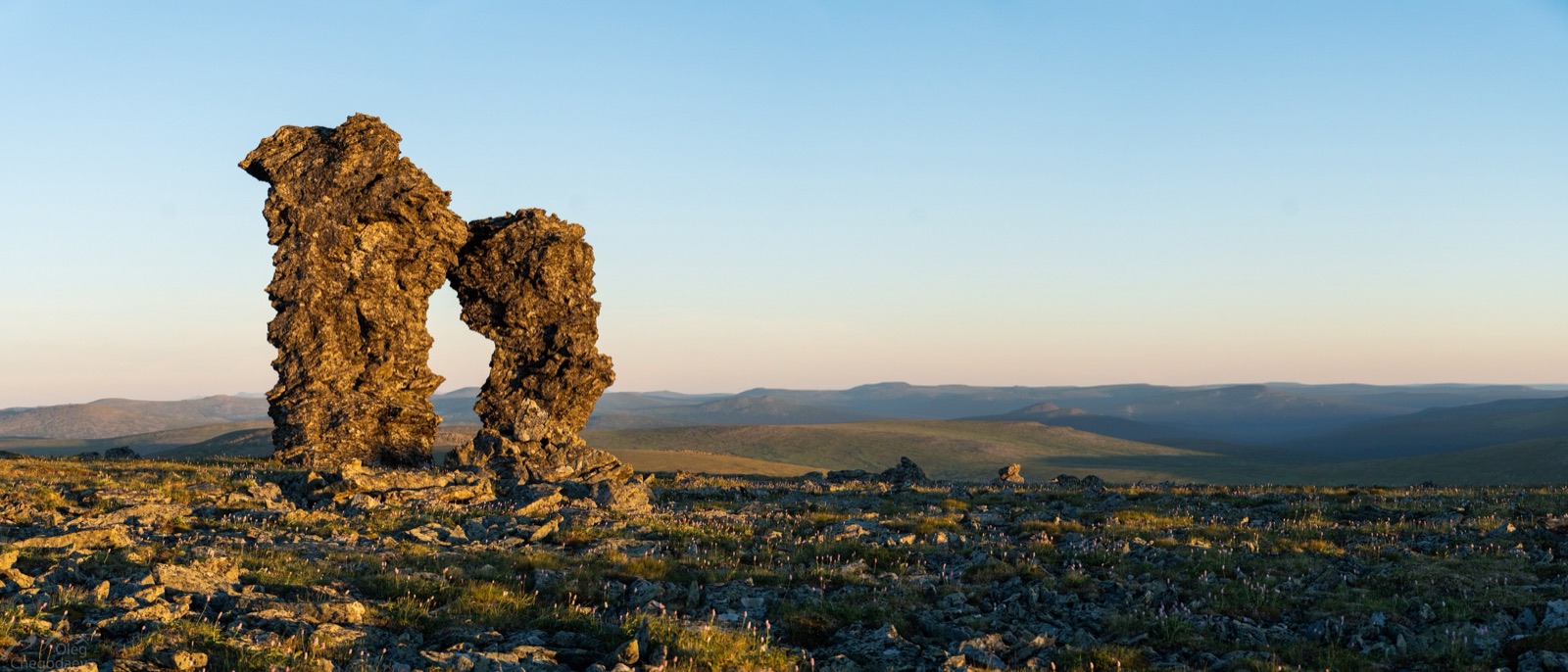
On the afternoon of February 1, 1959, a group of nine experienced Soviet ski-tourists — eight men and one woman, all between 20 and 38 years old, all members or alumni of the Ural Polytechnical Institute in Sverdlovsk (now Yekaterinburg) — pitched a four-pole canvas tent on the eastern slope of an undistinguished 1,079-meter mountain in the northern Urals named, in the Mansi language, Kholat Syakhl — 'Dead Mountain.' The group was led by 23-year-old Igor Dyatlov, a fifth-year radio-engineering student. The party had skied approximately 280 kilometers from the closest railway terminus over the prior nine days. Their planned summit, the following day, was the higher Otorten peak ten kilometers north. None of them reached it. When a search party located the abandoned tent on February 26, it had been cut open from the inside. Most of the group's clothing and equipment was still inside. The first three bodies — including Dyatlov — were found later that day, scattered along the slope below the tent, dressed only in underwear or light layers, none in proper outer clothing, none in their boots. Two further bodies were found nearer the tent over the following weeks. The final four bodies — including the only female member, Lyudmila Dubinina — were not located until May 4, 1959, in a snow-covered ravine approximately 1.5 kilometers downslope. Three of those four had massive internal trauma — equivalent in the words of the autopsy report to high-speed automobile-collision injuries — without corresponding external wounds. Two had missing soft tissue: Dubinina lacked her tongue and eyes. Some of the recovered clothing tested positive for elevated beta-particle radiation. The Soviet criminal investigation concluded in May 1959 that the deaths were caused by 'a compelling natural force which the hikers were unable to overcome.' The Russian Procurator-General's Office reopened the case in 2019 and concluded in July 2020 that the cause was a slab avalanche followed by hypothermia and disorientation. A 2021 computational study published in *Communications Earth & Environment* by Alpine snow scientists at EPFL Lausanne provided a quantitative mechanical model supporting the slab-avalanche conclusion. The case is closed in Russia. It is, in international public discussion, the most-debated cold-weather forensic mystery of the 20th century.