Tag
#argentina
3 articles
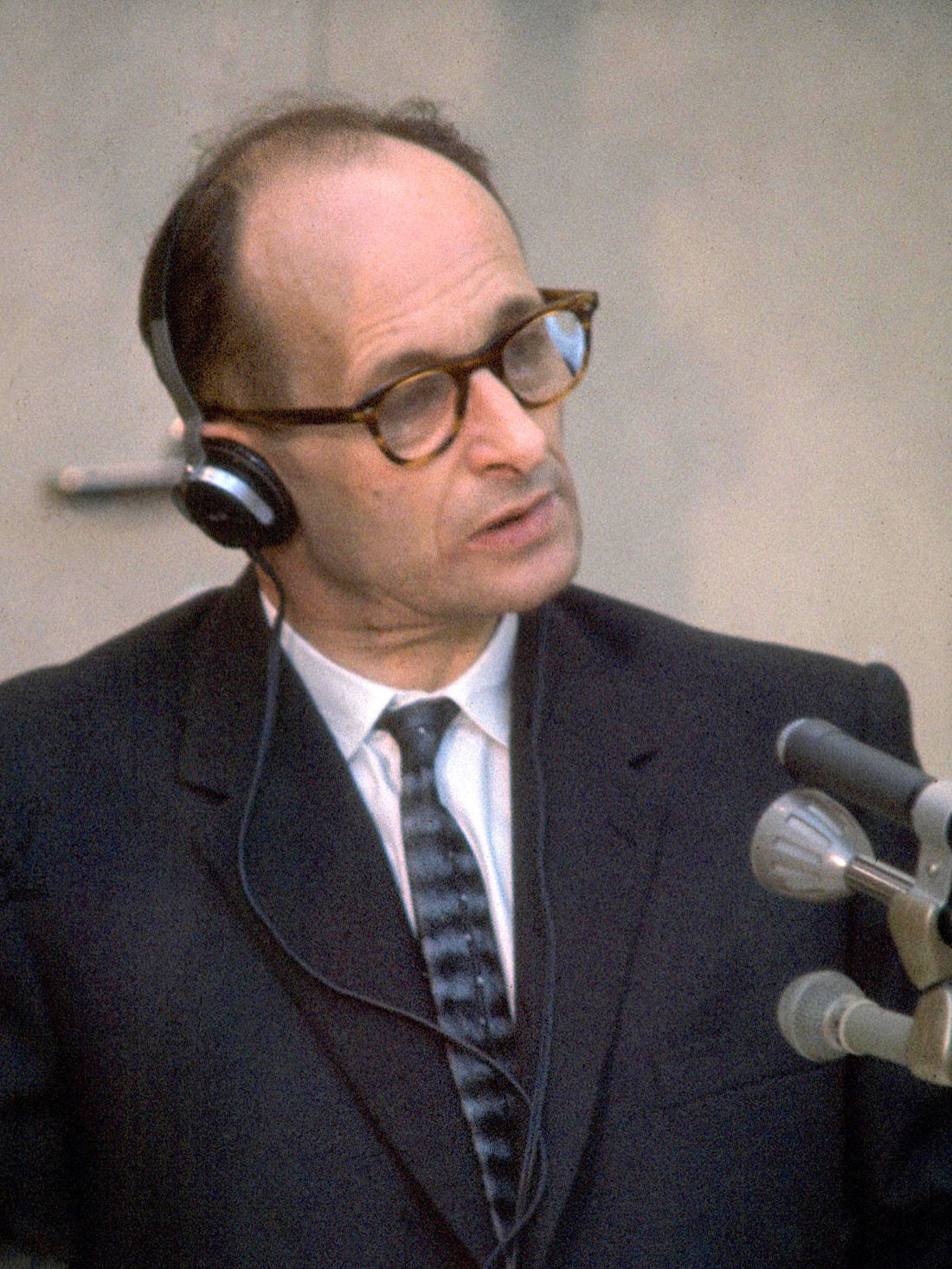
The Capture of Adolf Eichmann
Adolf Eichmann had been one of the principal administrators of the Holocaust — the SS officer who managed the vast machinery of deportation that carried millions of Jews to the ghettos and the killing centres of Nazi-occupied Europe. When the Second World War ended, he slipped away, hid his identity, and eventually escaped along the clandestine routes that carried fugitive Nazis to South America. By the 1950s he was living in Argentina under the name Ricardo Klement, an unremarkable factory worker in the suburbs of Buenos Aires, his family around him, his past apparently buried. But he had not been forgotten. A chance tip, passed through a courageous West German prosecutor who did not trust his own country's institutions to act, reached the intelligence service of the young state of Israel. In 1960 a small team of Israeli operatives travelled secretly to Argentina, confirmed that the quiet Herr Klement was indeed Eichmann, and on the evening of 11 May seized him as he walked home from the bus near his house on Garibaldi Street. They held him in a safe house, secured his signature on a statement agreeing to be tried, and then — because Argentina would never have handed him over — smuggled him out of the country disguised as a member of an airline crew, aboard a flight that had brought an Israeli delegation to Buenos Aires. Days later, Israel's prime minister announced to a stunned parliament that Eichmann was in Israeli hands and would face justice. The trial that followed, in Jerusalem in 1961, became one of the defining events in the world's reckoning with the Holocaust. This is the story of how he was found, taken, and brought to account.
Operation Condor
On November 25, 1975, in the headquarters of Chile's National Intelligence Directorate (DINA) in Santiago, the intelligence chiefs of six South American military dictatorships — Argentina, Bolivia, Brazil, Chile, Paraguay, and Uruguay — signed the founding charter of what they named *Operación Cóndor*. The agreement was sponsored by DINA's director, Colonel Manuel Contreras, with the formal cooperation of his counterparts in the participating regimes. Operation Condor was a clandestine cross-border intelligence-sharing and counter-insurgency apparatus designed to identify, locate, surveil, abduct, interrogate, and — where the participating regimes determined it warranted — assassinate political opponents of any of the member governments, anywhere they could be reached. The operation conducted hundreds of cross-border abductions, was directly responsible for several thousand documented disappearances within the participating countries, and carried out at least three documented international assassinations: General Carlos Prats in Buenos Aires on September 30, 1974 (in the pre-charter operational period); the attempted assassination of Bernardo Leighton and his wife in Rome on October 6, 1975; and the September 21, 1976 car-bomb killing of former Chilean Foreign Minister Orlando Letelier and his American assistant Ronni Moffitt at Sheridan Circle, two miles from the White House. The United States Department of State, under Secretary Henry Kissinger, was briefed on Condor's existence and capabilities; the Central Intelligence Agency provided communications infrastructure (a continental cryptocommunications system known as 'Condortel') in 1976. The full organizational structure was unknown to the public until December 1992, when Paraguayan dissident lawyer Martín Almada and a Paraguayan judge located 60,000 pages of operational records — the 'Archives of Terror' — in a police facility in a Lambaré suburb of Asunción. The Argentine 'Mega-Causa Plan Cóndor' trial concluded in May 2016 with the conviction of 15 senior officers including former Argentine President Reynaldo Bignone. The Italian Court of Cassation issued final convictions in absentia of 24 South American officers in 2019. The case is closed in legal terms; it is the most operationally-documented multinational state-sponsored political-murder program of the late 20th century.
Argentina's Dirty War
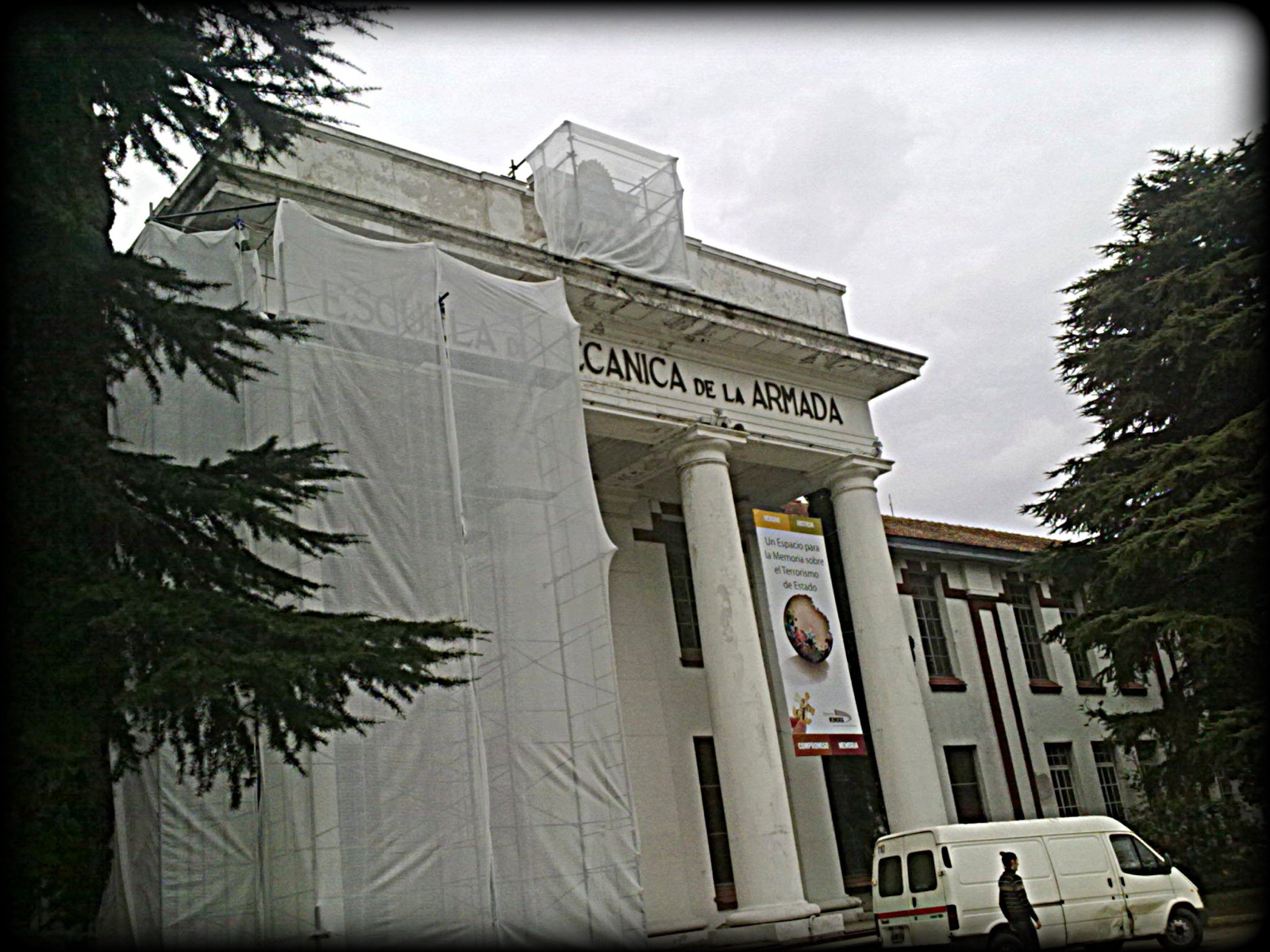
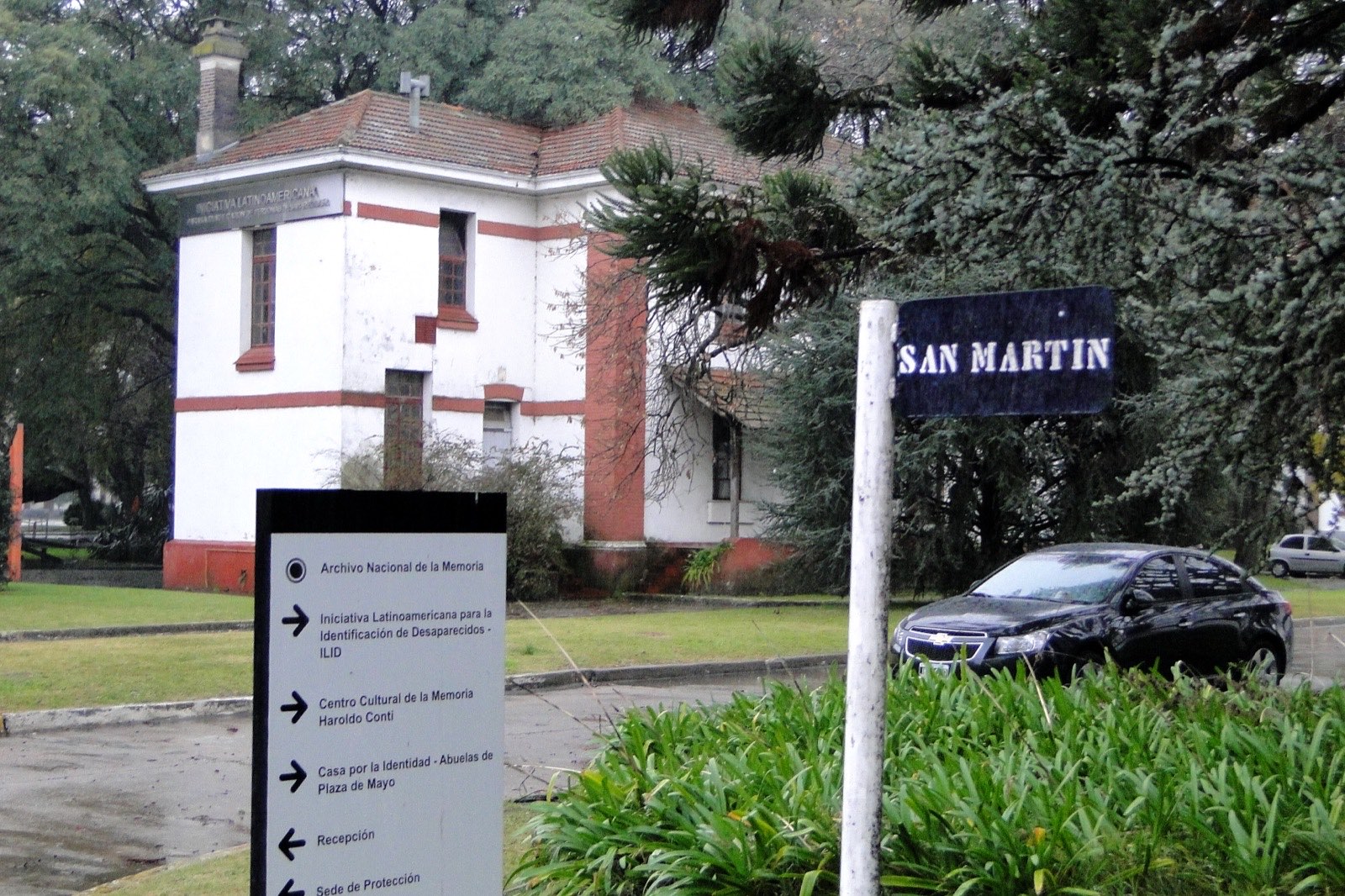
On March 24, 1976, a military junta led by General Jorge Rafael Videla seized power from President María Estela 'Isabel' Martínez de Perón in a coup that the United States had been quietly informed about in advance. Over the next seven years, the junta operated approximately 340 clandestine detention centers across Argentina. An estimated 30,000 people — students, journalists, trade unionists, priests, psychoanalysts, and the children of perceived opponents — were 'disappeared.' The single largest detention site, the Escuela de Mecánica de la Armada (ESMA), processed roughly 5,000 detainees, of whom approximately 90% were murdered. Some were drugged and dropped from naval aircraft into the Río de la Plata. Approximately 500 babies were taken from pregnant detainees and given to military families. The Madres de Plaza de Mayo — mothers and grandmothers in white headscarves — began circling the square in front of the presidential palace every Thursday from April 1977 demanding their children's return. The regime ended in December 1983 after the Falklands defeat. The Trial of the Juntas in 1985 convicted five top commanders, including Videla.
3 files · end of the line