Tag
#civil-rights
3 articles
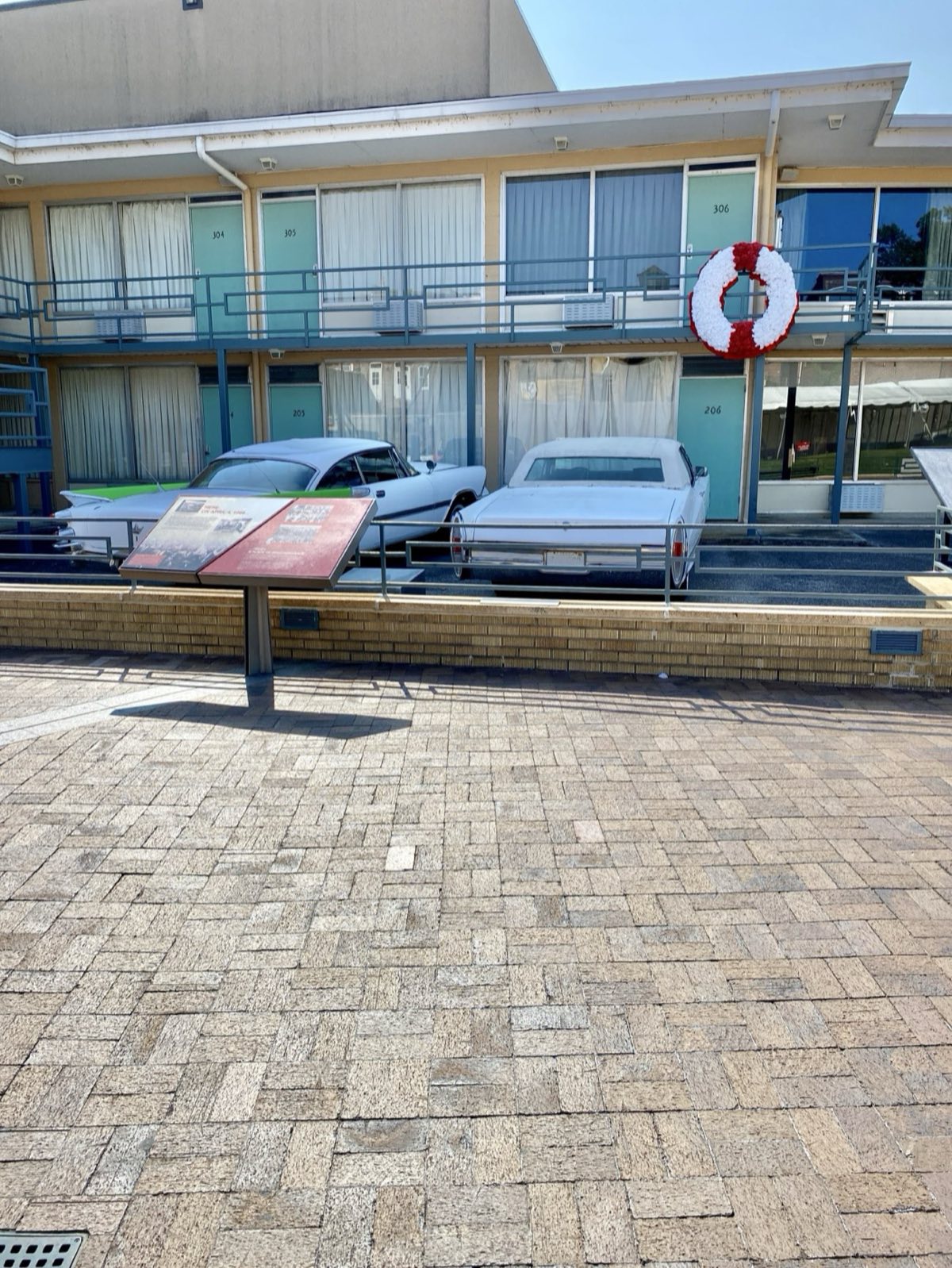
The Assassination of Martin Luther King Jr.: The Shot at the Lorraine Motel
At one minute past six on the evening of 4 April 1968, Martin Luther King Jr. stepped out onto the balcony of room 306 at the Lorraine Motel in Memphis, Tennessee. He had come to the city to support striking Black sanitation workers, and the night before had delivered, as if in premonition, his haunting 'I've Been to the Mountaintop' speech. Now, standing at the railing chatting with colleagues in the parking lot below, he was struck in the face by a single high-powered rifle bullet fired from a rooming house across the street. He fell mortally wounded and was pronounced dead an hour later. He was thirty-nine years old, and with his death the United States lost the most eloquent, disciplined, and morally commanding leader its long struggle for racial justice had produced. A petty criminal and escaped convict named James Earl Ray was identified as the assassin, captured after a two-month international manhunt, and convicted on his own guilty plea. Yet within days Ray recanted, insisting he had been a pawn in a larger plot; he spent the rest of his life seeking the trial he never got; and King's own widow and children came to believe he was not the lone gunman — or not the gunman at all. Set against the documented fact that the FBI had waged a vicious secret campaign to destroy King, the questions have proved impossible to lay fully to rest. This is the story of the assassination at the Lorraine Motel, and of the doubts that outlived the man convicted of it.
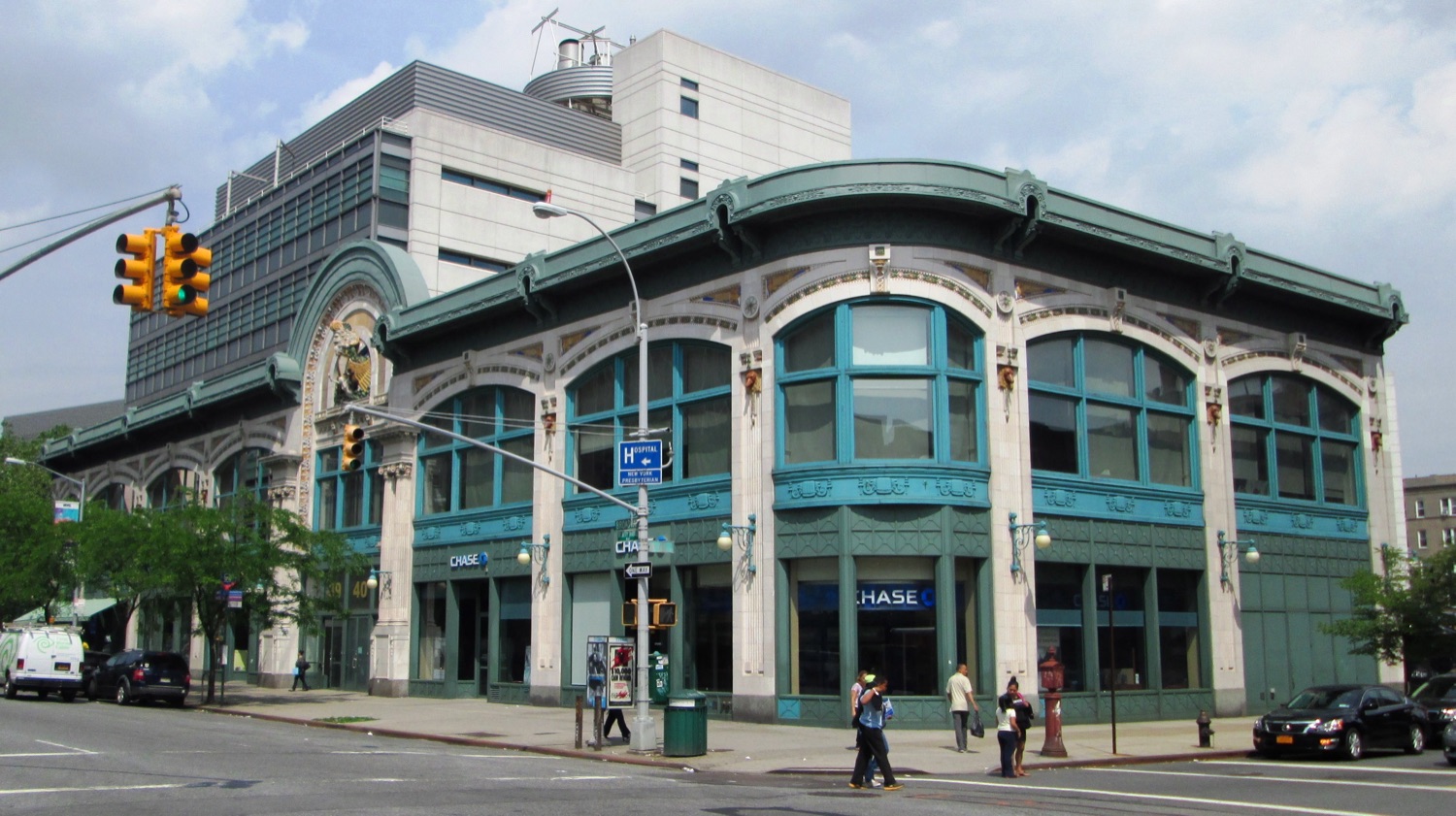
The Assassination of Malcolm X: The Wrong Men and the Long Wait for Justice
On the afternoon of 21 February 1965, Malcolm X stepped to the podium of the Audubon Ballroom in the Washington Heights neighbourhood of Manhattan to address a few hundred followers of his newly founded Organization of Afro-American Unity. He had barely begun to speak when a disturbance broke out in the crowd, and in the confusion gunmen rushed the stage and opened fire, striking him more than a dozen times. He was pronounced dead within the hour; he was thirty-nine years old, and his pregnant wife and children were in the room. The men who killed him were members of the Nation of Islam, the movement he had once served as its most electrifying voice and had, in the last year of his life, publicly broken with. That much has never been in serious doubt. But the case that followed was a travesty: of the three men convicted of the murder, two were almost certainly innocent, wrongly imprisoned for a crime they did not commit, while some of the real killers were never charged. It would take more than half a century — until November 2021 — for the state of New York to admit the injustice, exonerate the two surviving wrongly convicted men, and confront the evidence that the FBI and the police had concealed. This is the story of the assassination of Malcolm X, of the wrong men who paid for it, and of the long, unfinished wait for the truth.
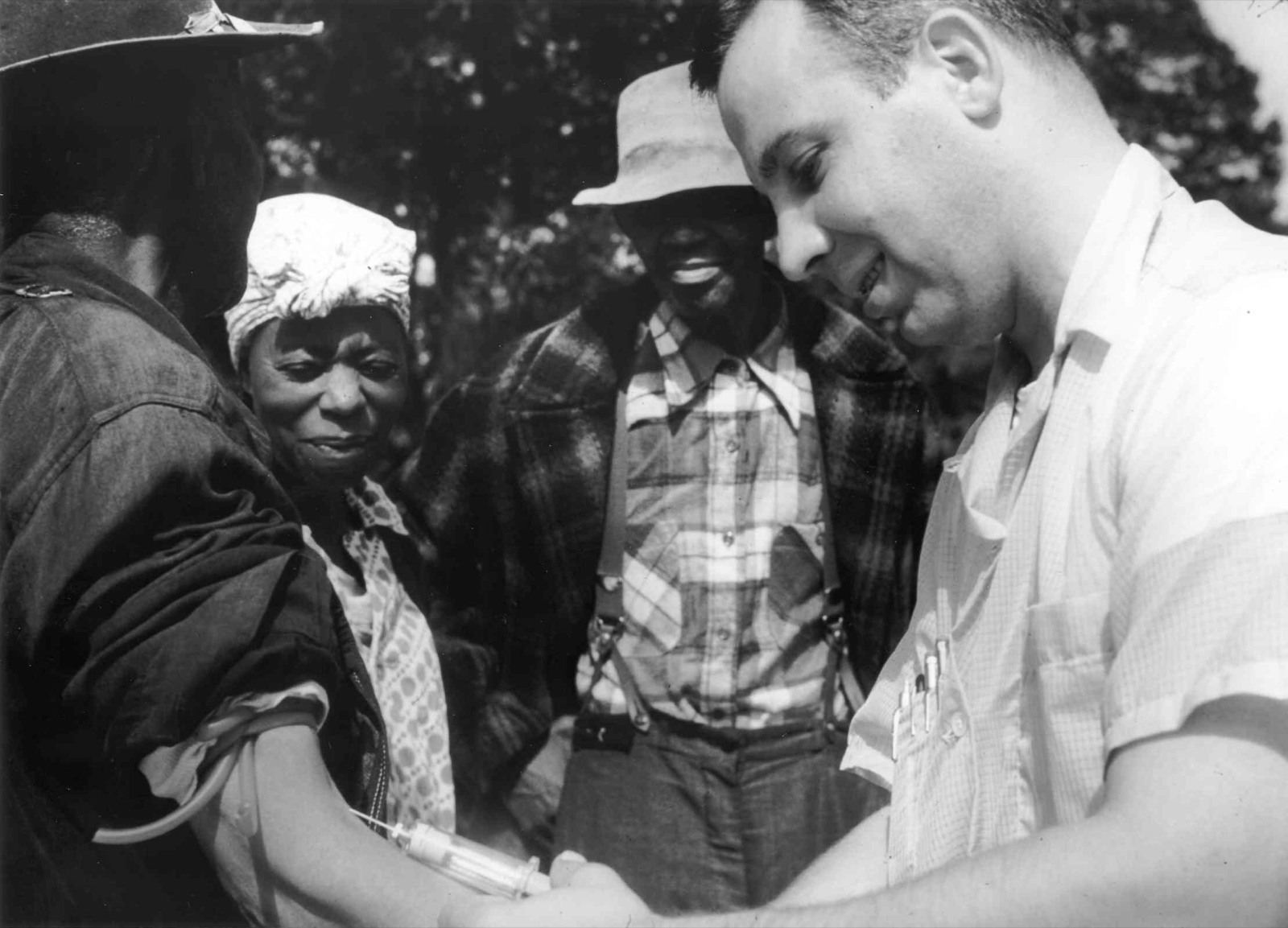
The Tuskegee Syphilis Study
In 1932, the U.S. Public Health Service began a study of 399 Black men in Macon County, Alabama, who had syphilis. They were told they were being treated. They were not. For forty years — including the twenty-five years after penicillin became standard care — the Public Health Service watched the disease take its course. A whistleblower's documents reached the Associated Press on July 25, 1972, and the study ended a few months later. President Clinton apologized on behalf of the United States government in 1997.
3 files · end of the line