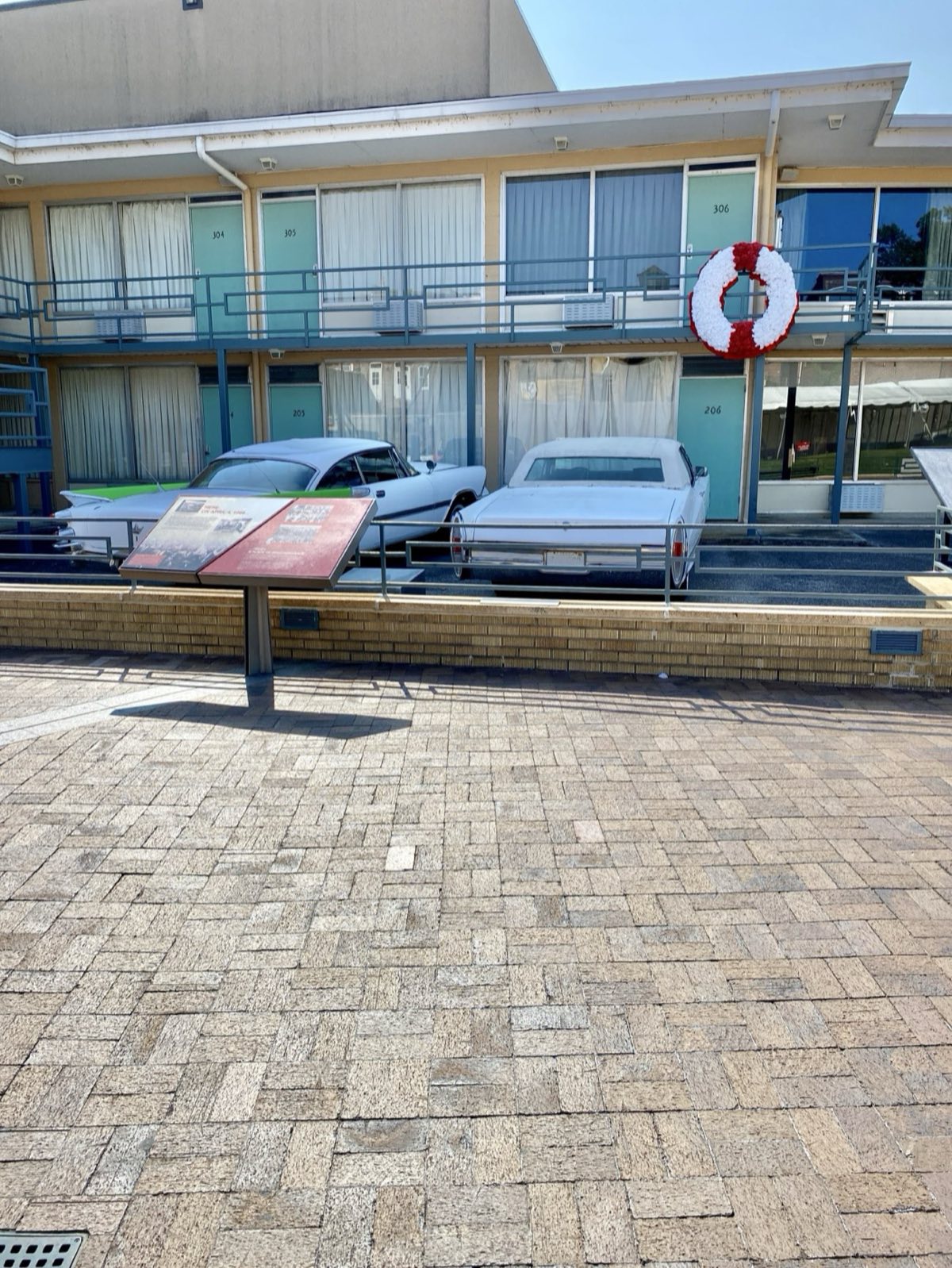
The Lorraine Motel in Memphis, where Martin Luther King Jr. was assassinated on 4 April 1968. A wreath marks the balcony of room 306; the site is now the National Civil Rights Museum. Wikimedia Commons / CC BY-SA 2.0.
The Assassination of Martin Luther King Jr.: The Shot at the Lorraine Motel
Memphis, 4 April 1968 — A single rifle shot on a motel balcony killed the greatest leader of the American civil-rights movement. James Earl Ray was convicted — but he recanted, King's own family came to doubt the official story, and questions about a wider conspiracy have never fully died
- Category
- State & Intelligence Operations
- Published
- Length
- 3,550 words · 18 min read
- Author
- The editors
The assassination of Martin Luther King Jr. is, in one respect, unlike the other great political murders of the 1960s: a man was arrested, charged, and convicted, and that man never seriously disputed being at the scene. And yet it may be the most genuinely contested of them all, because almost nothing about the case has ever felt settled — not to the public, not to the courts that revisited it, and least of all to the family of the murdered man. James Earl Ray pleaded guilty and then spent three decades insisting he was innocent; the King family came not only to doubt his guilt but to embrace the belief that he had been framed to conceal a broader conspiracy; a Memphis jury, in a civil trial, actually found such a conspiracy proven; and hanging over everything is the documented, undeniable fact that the most powerful law-enforcement agency in the country had spent years trying to destroy King by any means it could devise. To tell this story honestly is to hold together what the physical evidence strongly supports and what remains, after more than half a century, genuinely and painfully unresolved.
This is the story of the shot at the Lorraine Motel.
The man on the balcony
To grasp the magnitude of what was lost at the Lorraine Motel, one must remember who Martin Luther King Jr. had become by 1968. Over the previous thirteen years — from the Montgomery bus boycott, through Birmingham and the March on Washington and Selma, to the Civil Rights Act and the Voting Rights Act — he had emerged as the moral leader of the movement that transformed America, the apostle of nonviolent resistance whose eloquence gave the struggle for racial justice a voice the whole world heard. He had won the Nobel Peace Prize in 1964 at the age of thirty-five. He was, quite simply, one of the most important Americans of the century, and the most powerful spokesman its oppressed had ever had.
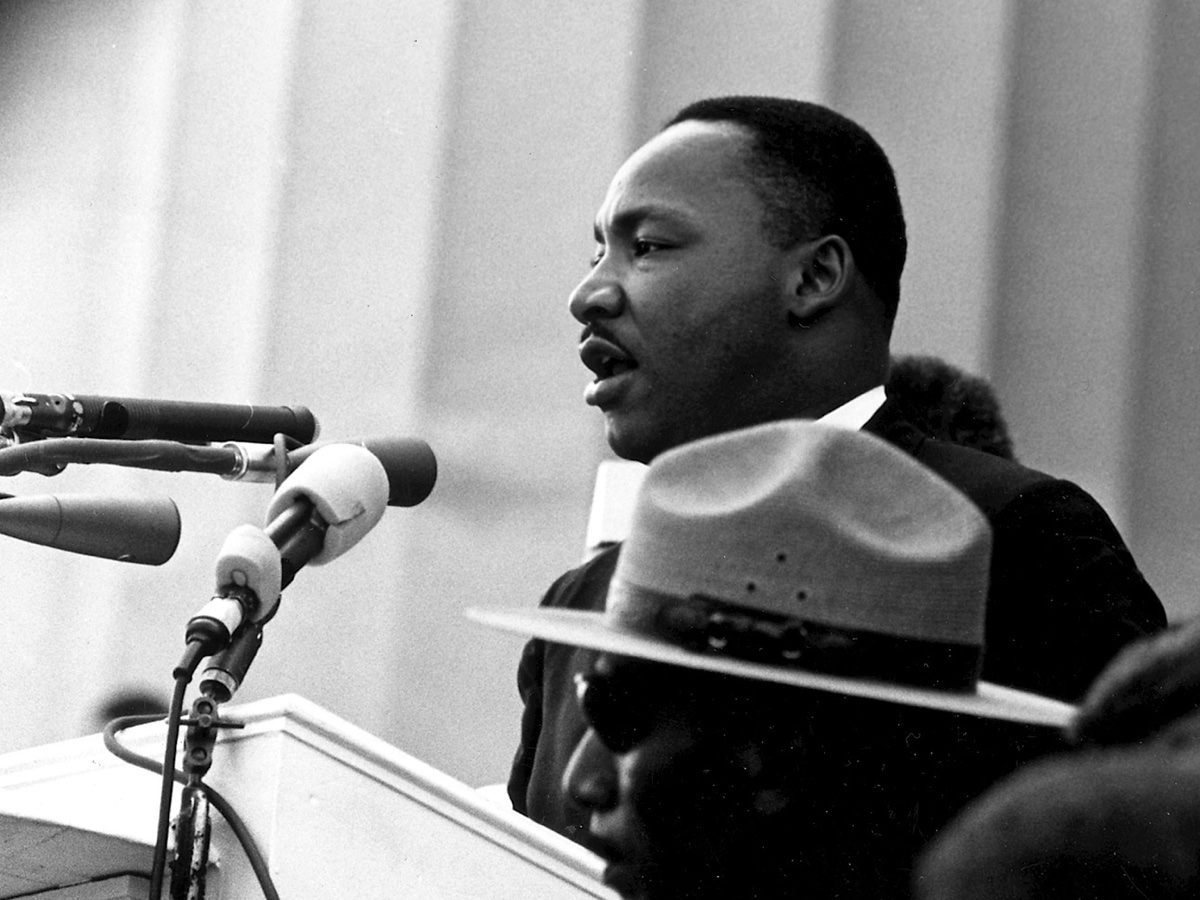
By 1968, King had also grown more radical and more embattled. He had come out forcefully against the Vietnam War, alienating former allies including President Johnson, and had launched the Poor People's Campaign, broadening his struggle from civil rights to economic justice for all poor Americans of every race — a direct challenge to the structure of American wealth and power. It was in this spirit that he came to Memphis, to support the city's Black sanitation workers, who had walked out after two of their number were crushed to death by a malfunctioning truck, marching behind placards that read simply "I AM A MAN." On the night of 3 April, to a packed church, he gave the speech that would become his epitaph, speaking of threats against his life and saying he had "been to the mountaintop" and seen the promised land, though he might not get there with them. The next evening he was dead.
The manhunt and the guilty plea
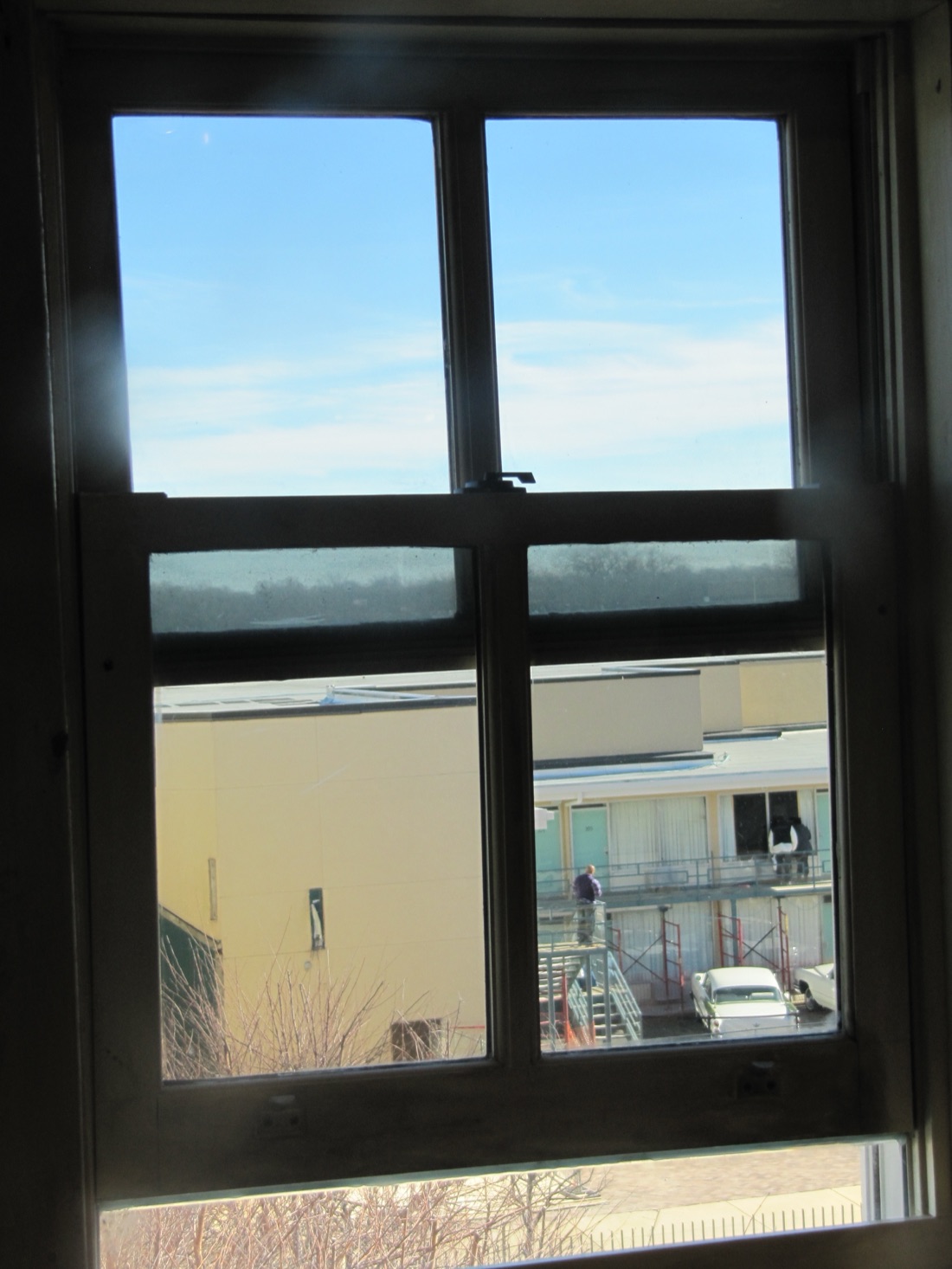
The evidence pointing to James Earl Ray was substantial. A bundle dropped in the doorway of a business next to the rooming house contained a rifle bearing his fingerprints, along with binoculars and other items; he had rented a room in the rooming house, under an alias, that overlooked the motel balcony; and he fled Memphis immediately. Ray was a career criminal who had escaped from a Missouri prison in 1967, and after the killing he became the object of one of the largest manhunts in history. Using aliases and a false Canadian passport in the name "Ramon George Sneyd," he made his way through Canada, Britain, and Portugal before being arrested at London's Heathrow Airport on 8 June 1968, two months after the murder. He was extradited to Tennessee to stand trial.
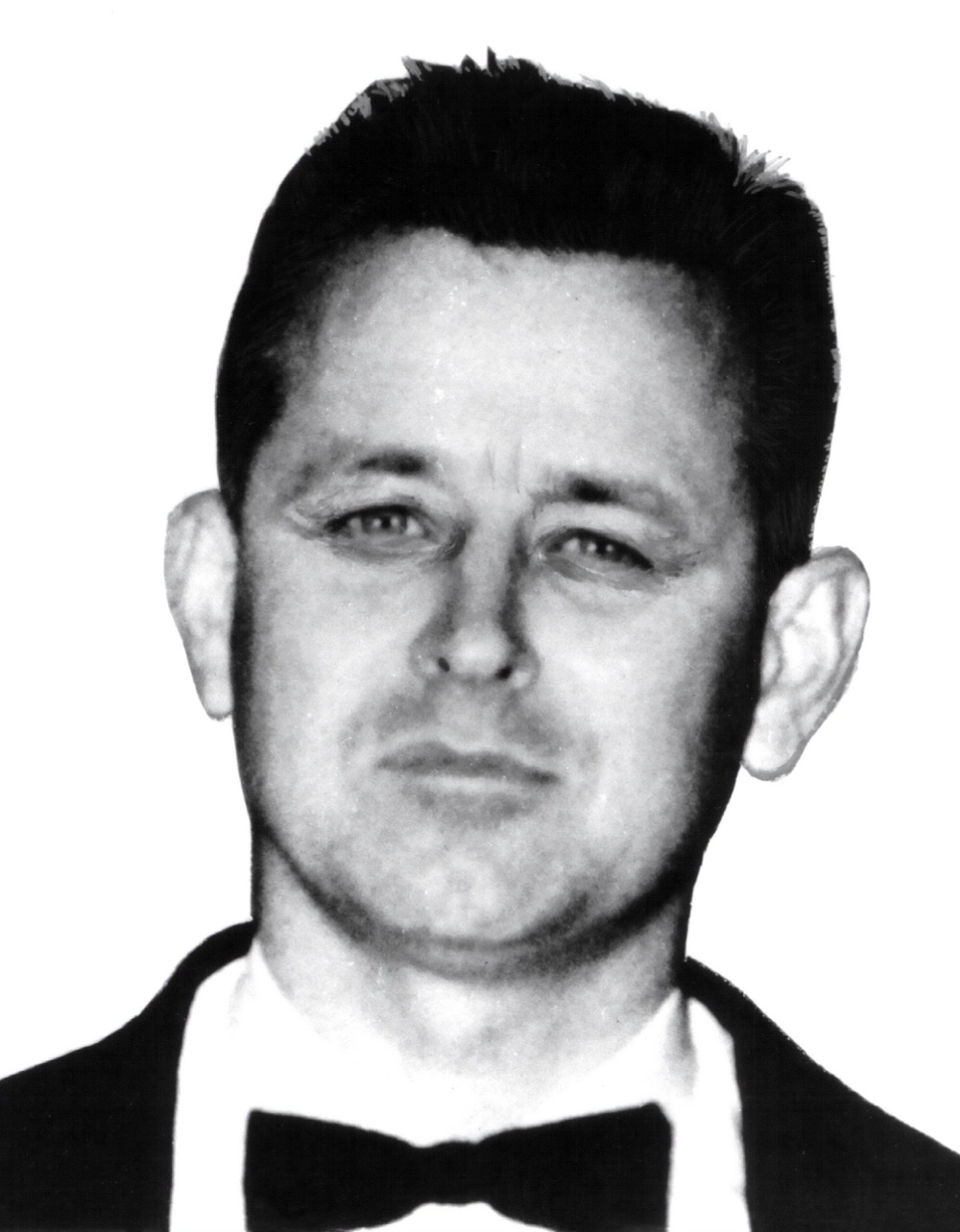
Then came the twist that has shadowed the case ever since. In March 1969, rather than face trial, Ray pleaded guilty to the murder — a plea that spared him the electric chair and resulted in a ninety-nine-year sentence. But within days he recanted, insisting he was innocent, or at least not the lone gunman, and that he had been manipulated by a shadowy handler he knew only as "Raoul," who had directed his movements and, he implied, set him up as a patsy. Ray would spend the remaining twenty-nine years of his life, until his death in 1998, trying and failing to withdraw his plea and obtain the full trial he had forgone — a trial at which, he insisted, the truth of a conspiracy would come out. No court ever granted it.
The doubts, and the King family
What lifts the King assassination out of the ordinary is that doubt about the lone-gunman verdict was not confined to Ray and to conspiracy theorists — it came to be shared by the family of the murdered man himself. Over the years, Coretta Scott King and her children grew convinced that James Earl Ray was not the whole story, and perhaps not the killer at all, and that a wider conspiracy, possibly reaching into agencies of the government, lay behind the murder. In an extraordinary moment in 1997, King's son Dexter met Ray in prison and told him the family believed him innocent, publicly supporting Ray's long-denied request for a trial. The King family's stance gave the conspiracy question a moral weight it could not otherwise have had: these were not fringe theorists but the people with the greatest possible stake in the truth, and they did not believe the official account.
In 1999, the King family pursued this belief into a courtroom, bringing a civil wrongful-death suit in Memphis not against Ray but against Loyd Jowers, a local restaurant owner who had claimed on television to have been involved in a plot to kill King. After a trial in which little contrary evidence was presented, a Memphis jury found that Jowers and unnamed "others, including governmental agencies" had conspired in the assassination. The King family embraced the verdict as vindication. But it must be treated with great caution: it was a civil case with a low burden of proof, effectively uncontested, resting heavily on the shifting and unreliable claims of Jowers and other dubious witnesses, and it has been sharply criticised by historians and by a subsequent federal investigation. It is a real legal outcome, but a weak evidentiary one — a distinction that matters.
The FBI's war on King
No honest account of the doubts surrounding King's murder can omit the extraordinary campaign the FBI had waged against him while he lived — a campaign that is not theory but thoroughly documented fact. Under its director, J. Edgar Hoover, who regarded King as a dangerous subversive, the Bureau subjected him to relentless surveillance, wiretapped his phones and bugged his hotel rooms, sought to gather compromising material on his private life, and worked actively to discredit and destroy him. Most notoriously, in 1964 the FBI mailed King an anonymous package containing a recording said to document his extramarital affairs, together with a letter widely read as urging him to commit suicide. This was the conduct of the very agency responsible for investigating threats against him and, ultimately, his murder.
That documented history of official malice is the reason the King assassination cannot be treated with the easy confidence some other cases allow. It does not prove that the FBI, or any government body, killed King — there is no evidence that it did, and the physical trail runs to James Earl Ray. But it establishes beyond doubt that powerful arms of the state regarded King as an enemy and were willing to act ruthlessly against him, and it makes the public's, and the family's, refusal to simply trust the official account entirely understandable. When a government has demonstrably tried to destroy a man, its assurances about who killed him carry less weight, and the space for legitimate doubt grows wider.
Weighing the case
So what actually happened at the Lorraine Motel? The most defensible reading of the evidence is careful and unsatisfying. The physical evidence that James Earl Ray fired the fatal shot is strong: the rifle with his fingerprints, the rented room with its sightline to the balcony, his flight and use of aliases, his own guilty plea. It is very likely that Ray pulled the trigger. What is genuinely uncertain is whether he did so alone or as part of a larger plot — whether the "Raoul" he described was real, whether a bounty drew him, whether others helped plan or fund the killing. Ray, a racist drifter and small-time crook, seems an unlikely lone mastermind of an international escape, which has always fed suspicion that someone backed him; but suspicion is not proof, and no investigation has established who any co-conspirators were. The conspiracy remains, after decades, a real possibility that has never been converted into demonstrated fact.
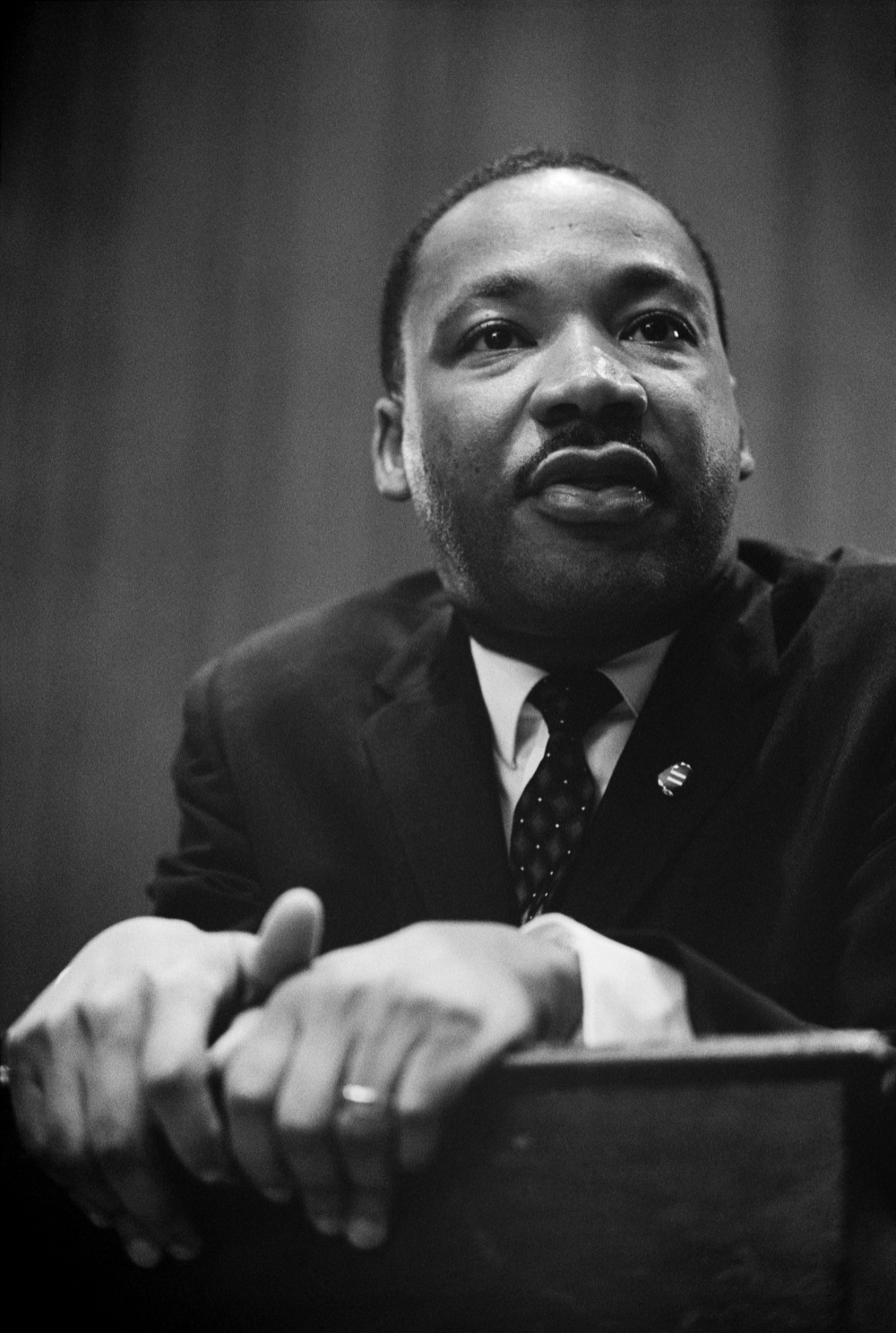
What it means
The murder of Martin Luther King Jr. was a wound to the nation from which, in some ways, it has never fully recovered. In the immediate aftermath, grief and rage erupted into riots in more than a hundred American cities, and the loss of his voice — the disciplined, unifying, morally uncompromising voice of nonviolent resistance — left a vacuum in American public life that has never quite been filled. He was killed at thirty-nine, with his most ambitious work, the fight against poverty and militarism, only begun; like his contemporary Malcolm X, cut down at the same age three years earlier, he was taken at a moment of growth and transition, and the question of what he might have accomplished in the decades he was denied is among the saddest in American history.
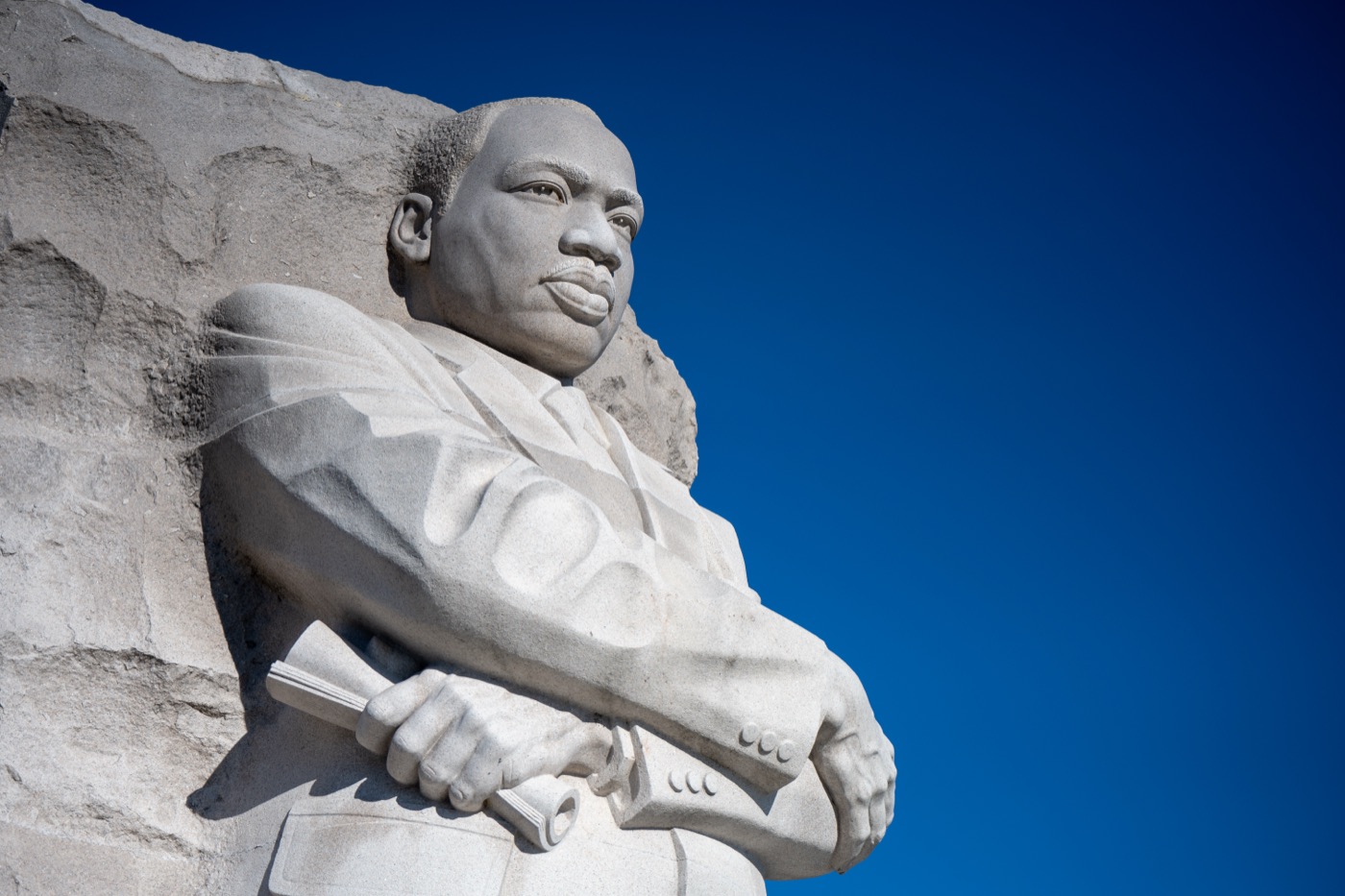
King's legacy, far from being diminished by his murder, grew into something close to national scripture. The Poor People's Campaign he had been building went forward, if haltingly, in the weeks after his death; his birthday became a federal holiday in 1986, an honour accorded to no other private American; and in 2011 the Martin Luther King Jr. Memorial was dedicated on the National Mall in Washington, placing him in the company of presidents. His writings and speeches — the "Letter from Birmingham Jail," the "I Have a Dream" and "Mountaintop" addresses — became foundational texts of American democracy, taught in schools and quoted by presidents of both parties. The movement he led reshaped the country's laws and its conscience, and the moral authority he embodied has been claimed, ever since, by causes and leaders around the world. The bullet at the Lorraine Motel ended his life; it did not end, and arguably magnified, his influence.
The immediate political aftermath was seismic. News of the killing set off an explosion of grief and fury: riots erupted in more than a hundred American cities in the days that followed, leaving dozens dead and whole neighbourhoods in ashes, as the loss of the movement's apostle of nonviolence was answered, in a bitter irony, with violence born of despair. Amid the upheaval, a stalled piece of King's own agenda was suddenly propelled forward: the Civil Rights Act of 1968, which included the Fair Housing Act banning discrimination in the sale and rental of housing, had been languishing in Congress, and in the shock of the assassination it was passed and signed into law within a week of his death — a final legislative victory wrung from the tragedy. It was a pattern the nation would repeat: honouring King in death while the causes he died pursuing, from economic justice to the end of poverty, remained unfinished.
In the end, the assassination at the Lorraine Motel endures as both a settled tragedy and an unsettled mystery — a killing whose likely triggerman is known and whose full truth is not. James Earl Ray almost certainly fired the shot; whether other hands guided his remains, after more than fifty years and many investigations, a question the evidence can neither confirm nor entirely dismiss. The King family's enduring doubts, the FBI's proven malice, and Ray's own lifelong recantation ensure that the case will never rest easily, and perhaps it should not. What is beyond doubt is what was lost: a man who had given the struggle for justice its conscience and its voice, struck down on a spring evening in Memphis, where he had gone to stand with sanitation workers carrying signs that asserted the simplest and most radical of truths — that they were men. The balcony where he fell is now a place of pilgrimage, and his words outlast both his killer and the doubts, still calling a nation toward the promised land he glimpsed the night before he died.
In the end, the assassination of Martin Luther King Jr. remains one of the most consequential and most haunted events in modern American history — a crime that is at once broadly attributed and never quite closed. A great life was ended by a single shot on a Memphis balcony, and though the man who most likely fired it was caught and convicted, the shadows around the case have never lifted: the recanted plea, the family's doubts, the weak but real conspiracy verdict, and above all the certain knowledge that the state itself had wished King harm. The honest verdict is not the comfort of certainty but the discipline of holding the known and the unknown in their proper places. What is certain, and what matters most, is the magnitude of the loss — and the endurance, past his killer and past all the unanswered questions, of the voice that was silenced at the Lorraine Motel, and that speaks still.
Inspired this / based on it
William F. Pepper
The conspiracy-focused account by the lawyer who represented James Earl Ray and the King family; its claims are contested.
Sam Pollard
A documentary on the FBI's surveillance and harassment campaign against King.
Filed under
- #mlk-1968
- #martin-luther-king
- #civil-rights
- #memphis
- #james-earl-ray
- #assassination
- #fbi
- #unsolved-mystery
- #mystery
Click any tag for every article carrying it.
Continue reading
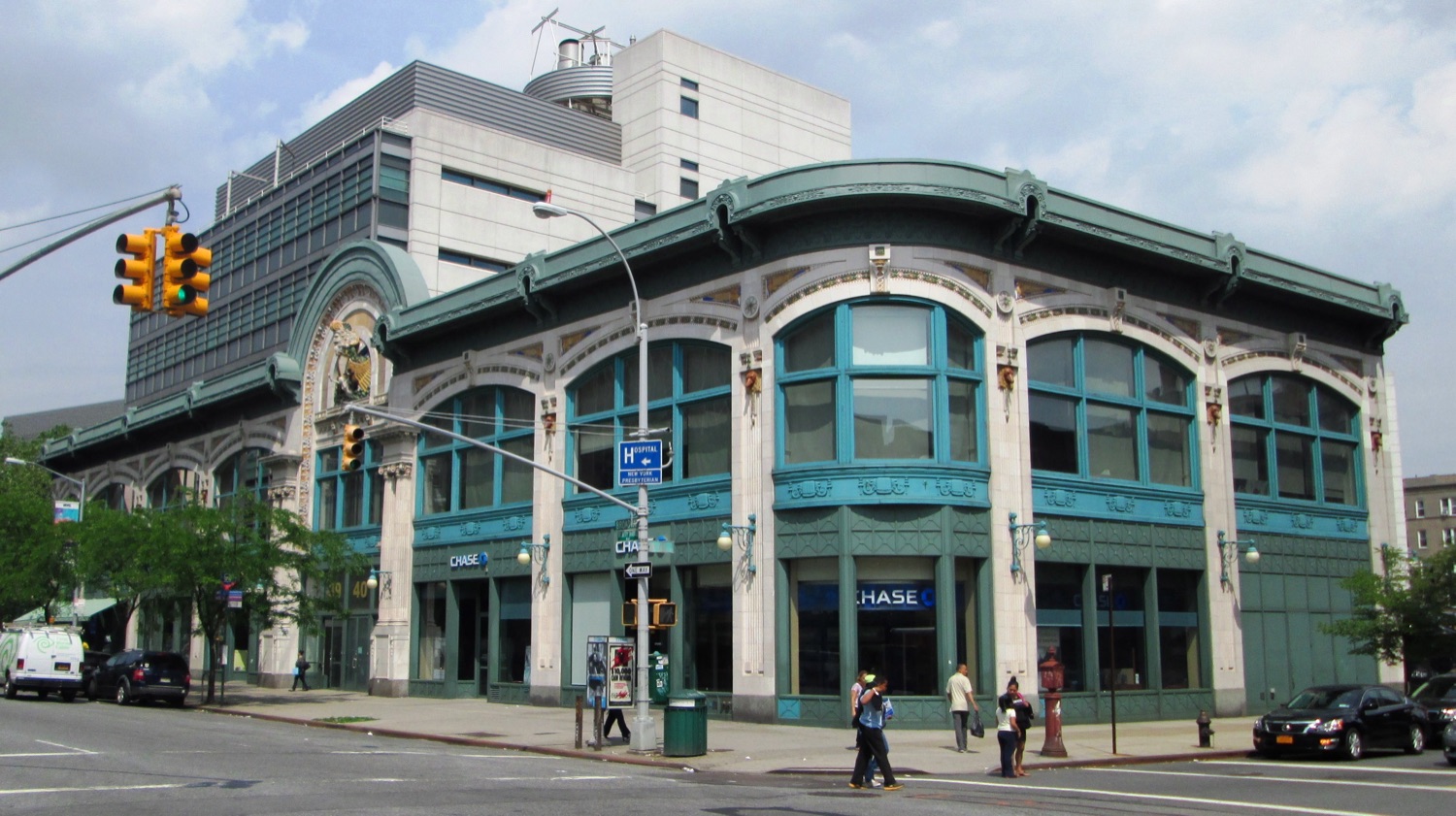
The Assassination of Malcolm X: The Wrong Men and the Long Wait for Justice
On the afternoon of 21 February 1965, Malcolm X stepped to the podium of the Audubon Ballroom in the Washington Heights neighbourhood of Manhattan to address a few hundred followers of his newly founded Organization of Afro-American Unity. He had barely begun to speak when a disturbance broke out in the crowd, and in the confusion gunmen rushed the stage and opened fire, striking him more than a dozen times. He was pronounced dead within the hour; he was thirty-nine years old, and his pregnant wife and children were in the room. The men who killed him were members of the Nation of Islam, the movement he had once served as its most electrifying voice and had, in the last year of his life, publicly broken with. That much has never been in serious doubt. But the case that followed was a travesty: of the three men convicted of the murder, two were almost certainly innocent, wrongly imprisoned for a crime they did not commit, while some of the real killers were never charged. It would take more than half a century — until November 2021 — for the state of New York to admit the injustice, exonerate the two surviving wrongly convicted men, and confront the evidence that the FBI and the police had concealed. This is the story of the assassination of Malcolm X, of the wrong men who paid for it, and of the long, unfinished wait for the truth.
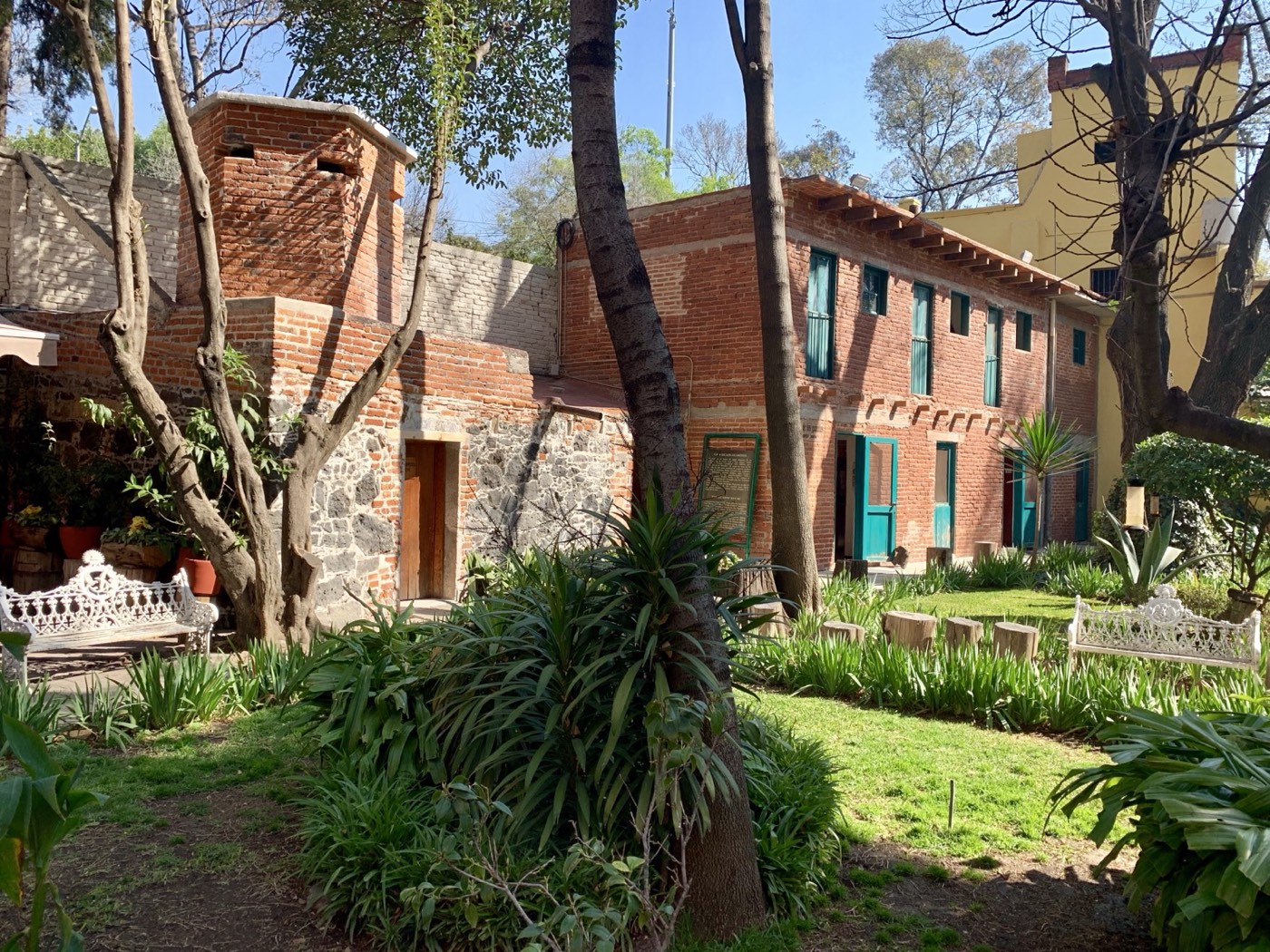
The Assassination of Trotsky: Stalin's Ice Axe in Mexico
Leon Trotsky had once stood at the very summit of the Russian Revolution — the organiser of the Bolshevik seizure of power in 1917, the founder and commander of the Red Army, the man many expected to succeed Lenin. Instead he lost the struggle for power to Joseph Stalin, and became the most hunted political exile on Earth. Expelled from the Soviet Union in 1929, he wandered from Turkey to France to Norway before Mexico granted him asylum, and everywhere he went the long arm of Stalin's secret police followed. One by one, his collaborators, his secretaries, and his own children were killed or died in suspicious circumstances, until Trotsky, living behind the high walls and watchtowers of a fortress-like house in the Coyoacán district of Mexico City, was almost the last of his circle left alive. On 20 August 1940, a young man he believed to be a devoted follower came to show him an article. As Trotsky bent over his desk to read it, the visitor drew a mountaineer's ice axe from beneath his coat and drove it into the old revolutionary's skull. Trotsky died the next day. The killer was an agent of Stalin's NKVD, and the operation had been approved at the very top of the Soviet state. Unlike so many political murders shrouded in doubt, this one is documented down to its code name. This is the story of how Stalin finally killed Leon Trotsky.
The Assassination of Franz Ferdinand: The Shot That Lit the World
On the morning of 28 June 1914, Archduke Franz Ferdinand of Austria, heir presumptive to the throne of Austria-Hungary, rode through the streets of Sarajevo with his wife Sophie in an open car. Waiting along the route were members of a group of young Bosnian Serb nationalists, armed and trained by a secret society with links to Serbian military intelligence, who had come to kill him. The first attempt failed: a bomb was thrown and bounced away, wounding others but not the Archduke. It should have ended there. But a series of small mistakes — a change of route not passed to the drivers, a wrong turn, a car stopped to reverse at the worst possible spot — brought Franz Ferdinand's stalled vehicle to a halt a few feet from one of the assassins, Gavrilo Princip, who had given up and drifted away from his post. He stepped forward and fired twice. The Archduke and his wife were dead within minutes. What followed was not merely a tragedy for two people and their orphaned children but a catastrophe for the world: over the next six weeks, a tangle of alliances, ultimatums, and mobilisations turned a political murder in the Balkans into the First World War, which would kill some twenty million people and destroy four empires. This is the story of the shot that lit the world — and of how very nearly it was never fired.