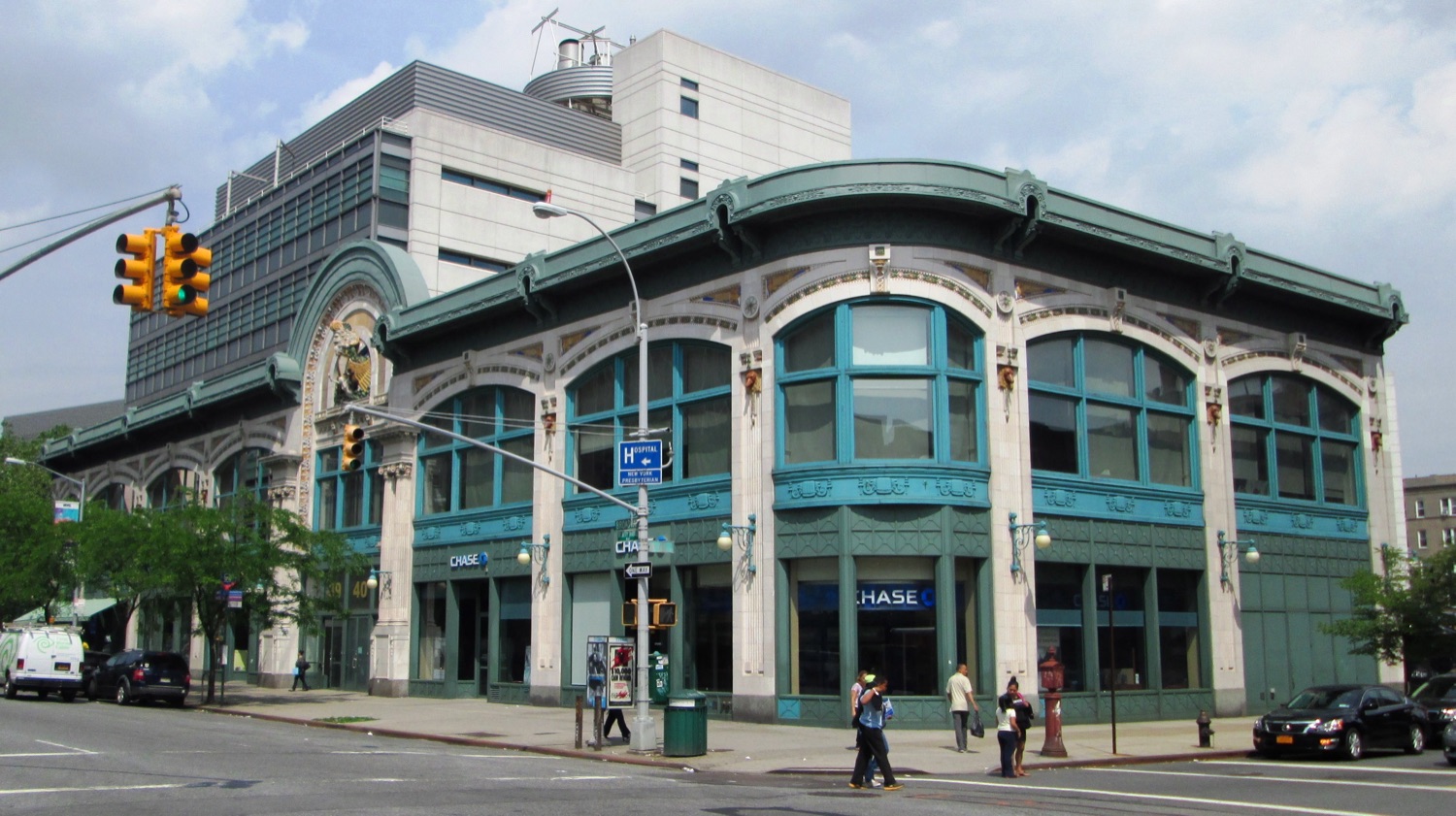
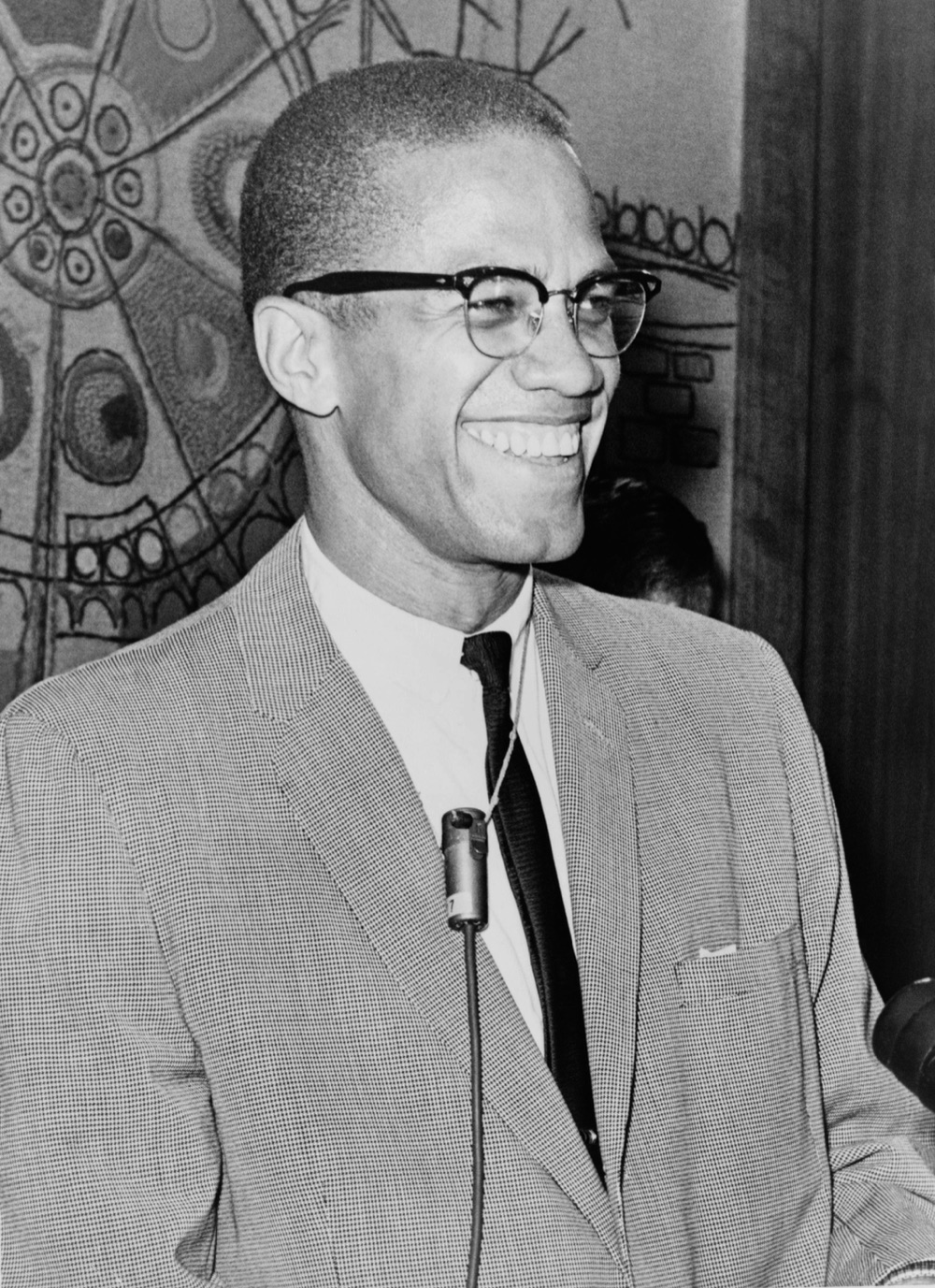
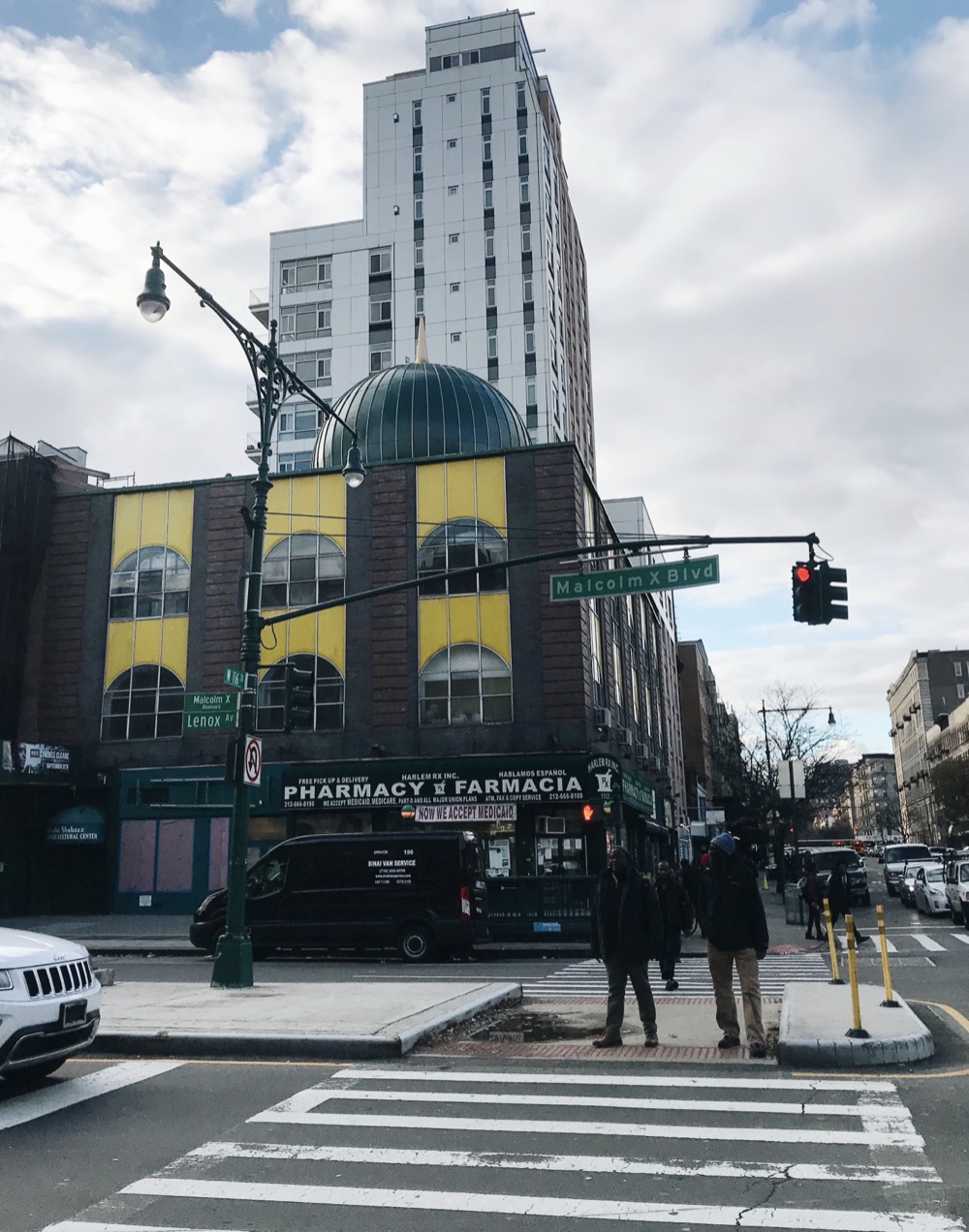
The former Audubon Ballroom in Washington Heights, Manhattan, where Malcolm X was assassinated on 21 February 1965. The building now houses the Malcolm X and Dr. Betty Shabazz Memorial and Educational Center. Wikimedia Commons / CC BY-SA 4.0.
The Assassination of Malcolm X: The Wrong Men and the Long Wait for Justice
New York, 21 February 1965 — Malcolm X was gunned down as he rose to speak in a Harlem ballroom. The Nation of Islam killed him — but two of the three men convicted were innocent, and it took until 2021 for the truth to be admitted and the wrongly imprisoned exonerated
- Category
- State & Intelligence Operations
- Published
- Length
- 3,550 words · 18 min read
- Author
- The editors
The assassination of Malcolm X occupies a strange and painful place in American memory. In its broad outline it has never been a mystery: he was killed by members of the Nation of Islam, the Black nationalist movement he had risen to prominence within and then bitterly renounced, and the enmity between them was public knowledge. And yet, in another sense, justice for the crime was never truly done. The men the state prosecuted included two who did not do it; the men who did include several who were never charged; and behind the whole affair lay the shadow of law-enforcement agencies — the FBI and the New York police — that had Malcolm X under intense surveillance, possessed information they did not share, and, it would later emerge, withheld evidence that might have spared two innocent men decades in prison. The result is a case that is at once solved and unsolved: solved as to who was broadly responsible, unsolved as to the full identity of the killers and the conduct of the state, and, for fifty-six years, a standing miscarriage of justice. To tell it honestly is to separate what is known from what is not, and to keep faith with both the man who was murdered and the men wrongly punished for it.
This is the story of the killing of Malcolm X.
The making of Malcolm X
Malcolm X was one of the most compelling figures America produced in the twentieth century, and his life was a series of transformations. Born Malcolm Little in Omaha in 1925, he endured a childhood scarred by racist violence — his father died in circumstances the family believed to be a white-supremacist killing — and by the family's breakup. As a young man he drifted into crime in Boston and New York and was imprisoned for burglary. In prison he underwent the first of his conversions, embracing the Nation of Islam, the Black nationalist and religious movement led by Elijah Muhammad, which preached Black pride, self-reliance, and separation from a white society it regarded as irredeemably racist. Emerging from prison, Malcolm — who took the surname "X" to reject the "slave name" imposed on his ancestors — rose with astonishing speed to become the movement's most brilliant orator and its national spokesman.
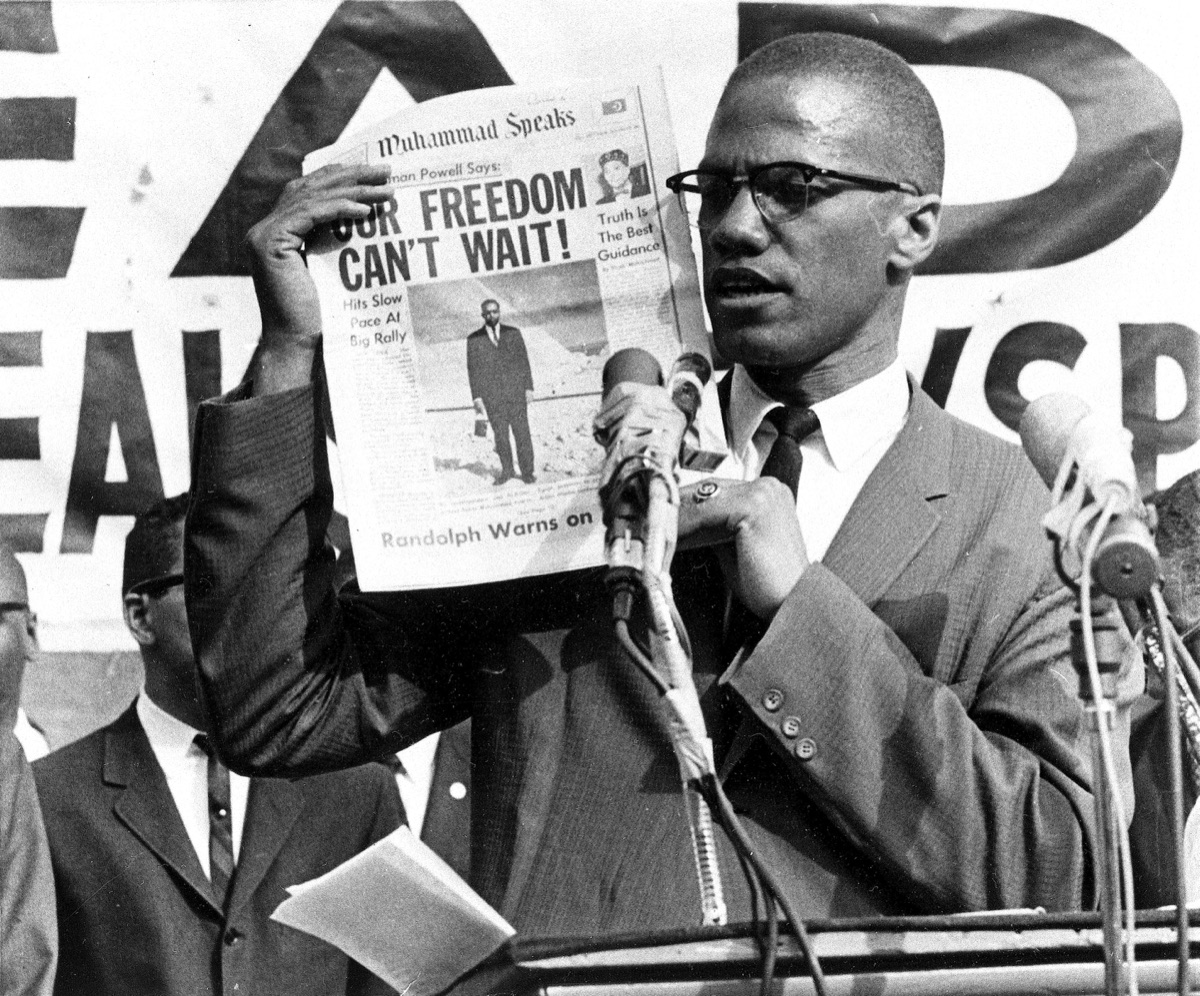
His message was a deliberate and electrifying challenge to the mainstream civil -rights movement. Where Martin Luther King preached nonviolence, integration, and love, Malcolm X spoke of Black self-defence "by any means necessary," of Black self-determination rather than integration into a white world, and of a righteous anger at centuries of oppression that many Black Americans felt but few public figures dared voice. He was fierce, funny, and fearless, a master of the cutting phrase, and he frightened white America precisely because he refused to ask for its approval. By the early 1960s he was among the most famous and most divisive people in the country — and, increasingly, a figure whose independence of mind was straining his relationship with the movement that had made him.
The break with the Nation
The rupture that would cost Malcolm X his life grew out of his disillusionment with the Nation of Islam and its leader. Over time he came to learn of Elijah Muhammad's private conduct — including that the movement's supposedly celibate prophet had fathered children by several young secretaries — a revelation that shook Malcolm's faith in the man he had revered. Tensions mounted as Malcolm's national fame began to rival Muhammad's, breeding jealousy and suspicion within the movement's hierarchy. The final public break came in late 1963: after the assassination of President Kennedy, Malcolm remarked that it was a case of "the chickens coming home to roost" — that the violence America had sown abroad and at home had struck down its own leader. The comment caused an uproar, and Elijah Muhammad used it to silence him, suspending him from speaking. In March 1964, Malcolm left the Nation of Islam altogether.
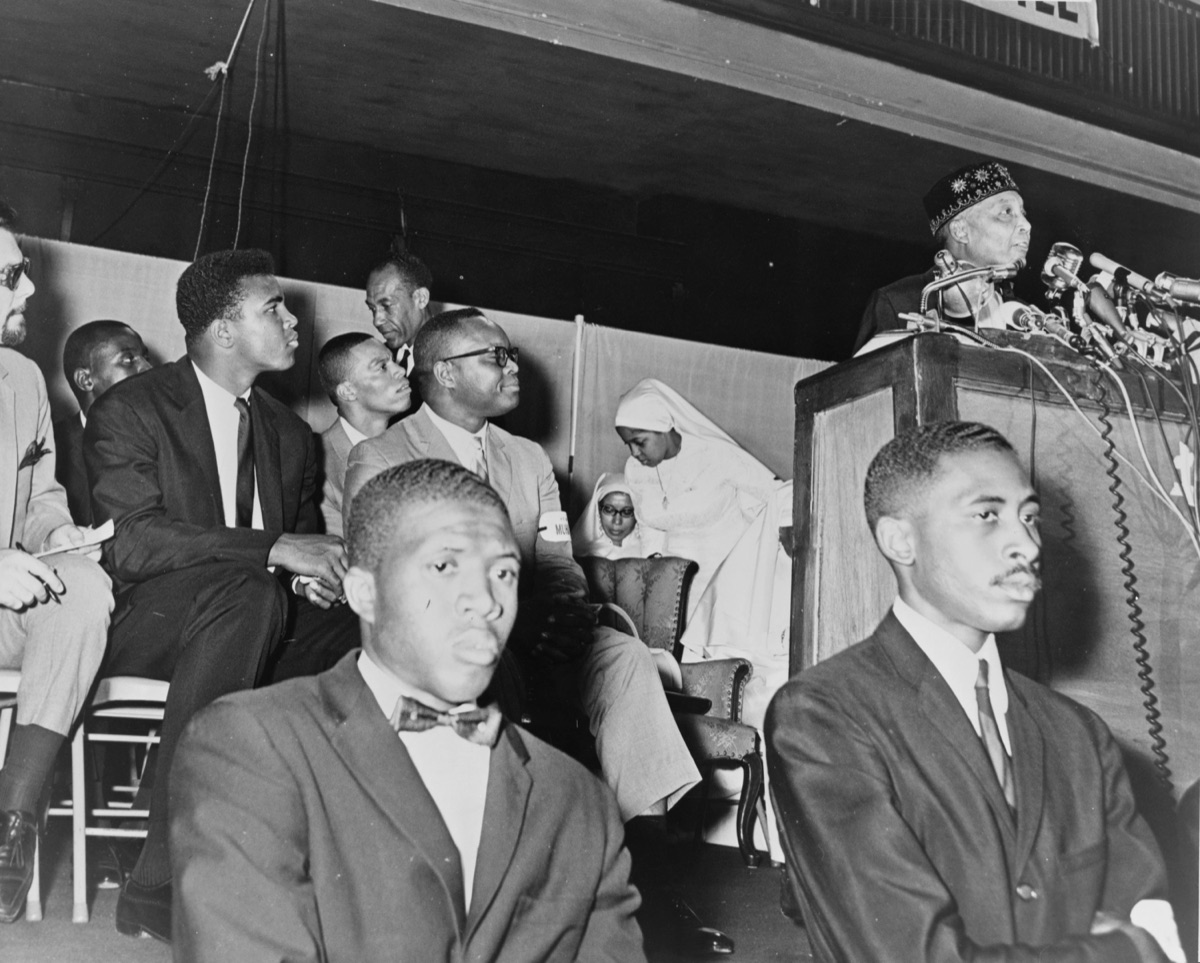
The break was not amicable, and it quickly turned deadly in tone. As Malcolm began to build his own organisations and to speak openly about Elijah Muhammad's failings, the Nation of Islam's press and officials denounced him as a traitor and hypocrite deserving of death. Louis X — later Louis Farrakhan — wrote that "such a man is worthy of death," language that, whatever its intent, contributed to an atmosphere in which violence against Malcolm came to seem sanctioned. Malcolm himself had no illusions about the danger; he told interviewers and friends that he was a marked man, that the Nation meant to kill him, and that it was probably only a matter of time. He was, tragically, entirely correct.
Mecca and a new vision
The last year of Malcolm X's life was also a period of profound personal transformation that makes his murder all the more poignant. In April 1964, freed from the Nation of Islam, he made the Hajj, the pilgrimage to Mecca required of Muslims, and the experience changed him. Worshipping alongside Muslims of every colour — white, Black, Arab, Asian — as equals, he underwent another conversion, embracing orthodox Sunni Islam and taking the name El-Hajj Malik El-Shabazz. He returned convinced that the Nation of Islam's doctrine of innate white evil was wrong, and began to articulate a broader, more inclusive vision of human rights and Black liberation — still militant, still uncompromising in its demand for justice, but no longer premised on racial separatism. He founded the Organization of Afro-American Unity to pursue this new course.
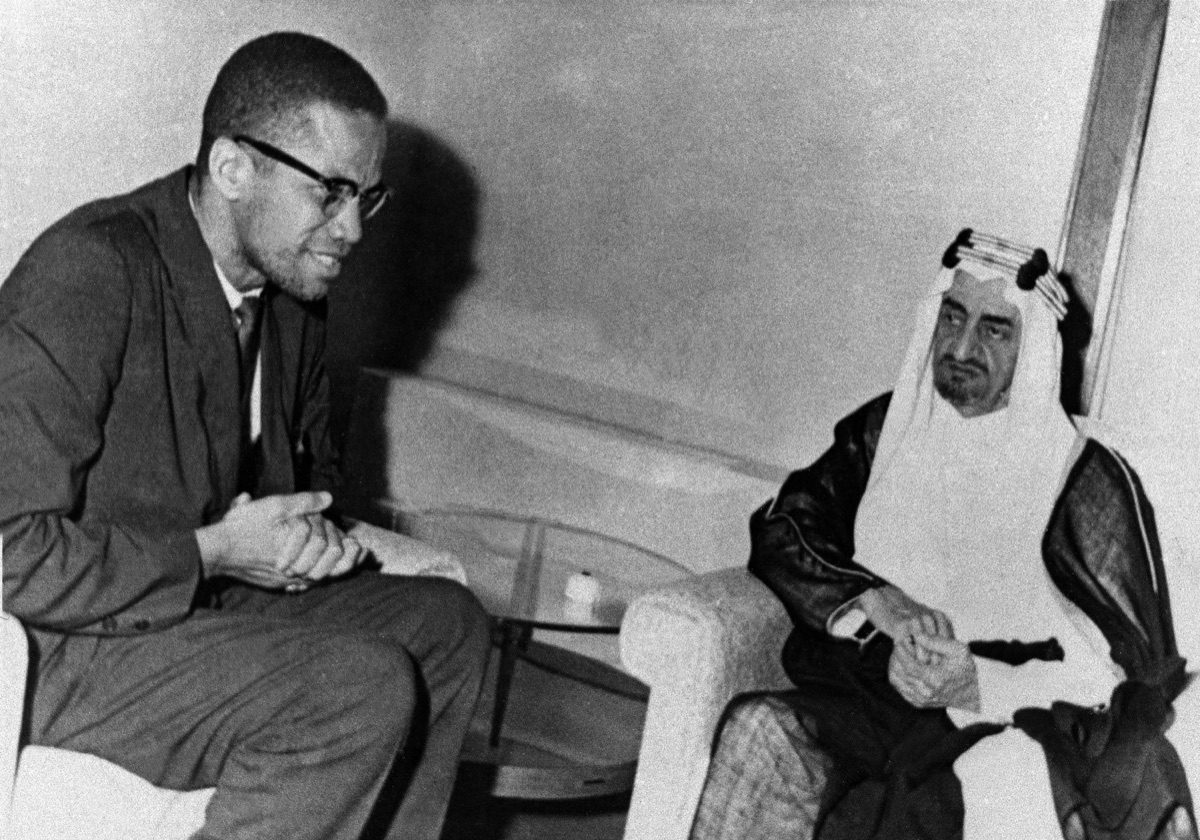
This evolving Malcolm X — a man growing beyond the movement that had made him, reaching toward alliances across racial and ideological lines, and articulating a global vision of human rights — was arguably more dangerous to his enemies than the earlier one, and certainly a greater loss. He was building something new when it was cut short. The tragedy of his assassination is not only that a great voice was silenced, but that it was silenced at the very moment it was reaching toward its fullest and most expansive expression. What Malcolm X might have become in the decades he never had is one of the great unanswerable questions of American history.
The last days
The threats became action in the final weeks. In the early hours of 14 February 1965, Malcolm's home in Queens — where he lived with his wife Betty Shabazz and their daughters — was firebombed, the family escaping the flames. He was convinced the Nation of Islam was responsible, and he grew increasingly certain that his death was near; he spoke of it openly, with a kind of grim resignation, in his last interviews. He continued nonetheless to appear in public and to speak, refusing to be driven into silence or hiding. A week after the firebombing, on Sunday 21 February 1965, he was scheduled to address a meeting of the Organization of Afro-American Unity at the Audubon Ballroom in Washington Heights. He arrived unsettled, having asked that the audience not be searched — a decision that would prove fateful.
As Malcolm X rose to speak and greeted the crowd, a commotion erupted several rows back: a man shouted, apparently staging a diversion. As attention turned to the disturbance, gunmen advanced toward the stage. One fired a sawn-off shotgun into Malcolm's chest at close range; others fired handguns. He was hit many times and fell, and despite frantic efforts to revive him and rush him to the hospital across the street, he was beyond saving. Betty Shabazz, pregnant with twins, shielded their children and then cradled her dying husband. Malcolm X was pronounced dead shortly afterward. He was thirty-nine years old.
The wrong men
The prosecution of Malcolm X's murder was, in retrospect, a grievous failure of justice. Talmadge Hayer was seized by the crowd at the Audubon Ballroom, shot in the leg, and could not deny his involvement; he was plainly one of the gunmen. But the other two men charged, Norman Butler and Thomas Johnson, were well-known Nation of Islam "enforcers" whom the police apparently rounded up as familiar suspects, despite the absence of solid evidence placing them at the scene — and despite their alibis. Hayer, remarkably, testified that they were innocent, and in later years swore affidavits naming the men he said had actually carried out the killing with him, members of the Nation of Islam's Temple Number 25 in Newark, none of whom were ever prosecuted. The authorities, having secured three convictions, showed little interest in pursuing them.
The FBI, the shadows, and the open questions
Hanging over the entire case is the role of the state's own security apparatus. Malcolm X was one of the most heavily surveilled men in America; the FBI, under its COINTELPRO programme aimed at disrupting Black political movements, had him under close watch, as did the New York police, and both agencies had informants inside the Nation of Islam and around Malcolm himself. This raises hard, legitimate questions that the 2021 investigation sharpened but did not fully answer: How much did the authorities know of the plot in advance? Why was security at the Audubon Ballroom so thin, with the uniformed police who usually attended his events kept away that day? And why did the FBI and police withhold evidence that could have exonerated two innocent men — negligence, or something worse? These are not the baseless imaginings of conspiracy theorists; they are questions grounded in the documented conduct of the agencies themselves, and they remain, to a significant degree, unresolved.
It is important, though, to be precise about what the evidence supports. The documented reality is that the Nation of Islam planned and carried out the murder; that the state prosecuted the wrong men alongside a guilty one; and that law-enforcement agencies concealed evidence and failed, at best, in their duties. What the evidence does not establish is the more sweeping claim, sometimes made, that the government itself orchestrated the assassination. Malcolm X's enemies within the Nation of Islam had ample motive and means of their own, and it was they who pulled the triggers. The state's proven failures — its surveillance, its withheld evidence, its wrongful prosecutions — are damning enough without inflating them into a theory the record cannot bear. The honest verdict lies in that uncomfortable middle: a Nation of Islam murder, compounded by grave official misconduct, with real questions still open.
What it means
The immediate aftermath already hinted at how his stature would grow. His funeral, held in Harlem on 27 February 1965, drew thousands of mourners despite threats and the fear that still hung over anyone associated with him, and it was there that the actor and activist Ossie Davis delivered a now-famous eulogy, calling Malcolm "our own black shining prince" and insisting that he had been, above all, a man who belonged to his people and had never stopped loving them. It was a deliberate act of reclamation, refusing the caricature of Malcolm X as a preacher of hate and asserting instead his dignity, his honesty, and his devotion. In the years that followed, that view would steadily prevail over the demonising portrait his enemies had drawn, as a new generation came to know him through his own words and to see in his uncompromising insistence on Black dignity a voice that spoke directly to their own struggles.
Malcolm X's influence only grew after his death, and the manner of that death — and the injustice that trailed it — has become inseparable from his legacy. The Autobiography of Malcolm X, completed with Alex Haley and published within months of the assassination, became one of the most widely read and influential books in American life, carrying his voice, his story of transformation, and his uncompromising demand for dignity to generations who never heard him speak. He became an icon of Black pride and self-determination, his image and words woven into the fabric of American culture and of movements for justice around the world. The Audubon Ballroom, where he fell, now houses a memorial and educational centre in his name; the Harlem mosque he once led bears his name today. The movement that killed him has dwindled; the man it killed has only grown in stature.
In the end, the killing of Malcolm X is a story about truth deferred. The broad fact of who murdered him was known from the start, but the full truth — the identity of all the killers, the innocence of two of the convicted, the concealment by the state — was withheld, resisted, and only partly wrung out over fifty-six years, and even now is not complete. That the exoneration of Muhammad Aziz and Khalil Islam came at all is a testament to the persistence of those who refused to let the injustice stand; that it came so late, after both men had lost their freedom and one his life, is a measure of how heavily the scales can be weighted against the truth. Malcolm X spent his life demanding that America face what it had done and was doing. The long, grudging reckoning with his own murder — still unfinished — is, in its way, the same demand, echoing down the decades: that the truth, however uncomfortable and however late, be told.
In the end, the assassination of Malcolm X stands as one of the most consequential and most mishandled political murders in American history — a crime whose broad authorship was clear from the first day and whose full truth has been fought over ever since. A great and evolving voice was silenced at thirty-nine, at the moment of its widest reach; two innocent men were made to pay for it and lost the best decades of their lives; some of the guilty were never touched; and the agencies sworn to uphold the law hid what they knew. The 2021 exonerations closed one wound and reopened others, reminding a nation that justice delayed for half a century is a form of justice denied. Malcolm X's words survive him, more widely read now than in his lifetime, and they still insist on the same thing his murder's long aftermath insists on: that the truth be faced, plainly and fully, however much it costs and however late it comes.
Inspired this / based on it
Malcolm X & Alex Haley
The landmark autobiography, published months after his death.
Spike Lee
The acclaimed biographical film starring Denzel Washington.
Netflix
The documentary series whose investigation helped spur the 2021 exonerations.
Filed under
- #malcolm-x-1965
- #malcolm-x
- #civil-rights
- #nation-of-islam
- #assassination
- #new-york
- #wrongful-conviction
- #unsolved-mystery
- #mystery
Click any tag for every article carrying it.
Continue reading
The Assassination of Martin Luther King Jr.: The Shot at the Lorraine Motel
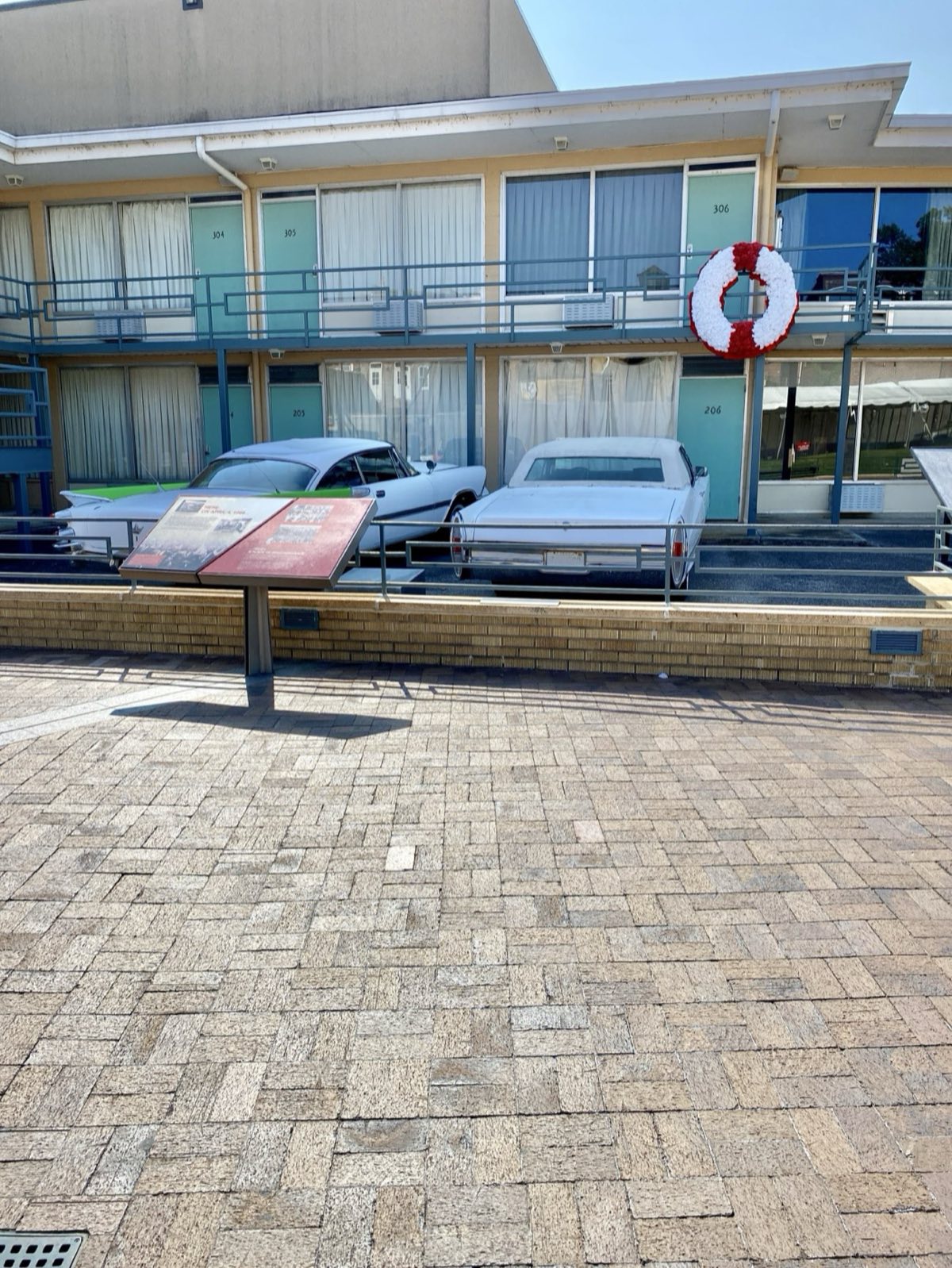
At one minute past six on the evening of 4 April 1968, Martin Luther King Jr. stepped out onto the balcony of room 306 at the Lorraine Motel in Memphis, Tennessee. He had come to the city to support striking Black sanitation workers, and the night before had delivered, as if in premonition, his haunting 'I've Been to the Mountaintop' speech. Now, standing at the railing chatting with colleagues in the parking lot below, he was struck in the face by a single high-powered rifle bullet fired from a rooming house across the street. He fell mortally wounded and was pronounced dead an hour later. He was thirty-nine years old, and with his death the United States lost the most eloquent, disciplined, and morally commanding leader its long struggle for racial justice had produced. A petty criminal and escaped convict named James Earl Ray was identified as the assassin, captured after a two-month international manhunt, and convicted on his own guilty plea. Yet within days Ray recanted, insisting he had been a pawn in a larger plot; he spent the rest of his life seeking the trial he never got; and King's own widow and children came to believe he was not the lone gunman — or not the gunman at all. Set against the documented fact that the FBI had waged a vicious secret campaign to destroy King, the questions have proved impossible to lay fully to rest. This is the story of the assassination at the Lorraine Motel, and of the doubts that outlived the man convicted of it.
The Assassination of Trotsky: Stalin's Ice Axe in Mexico
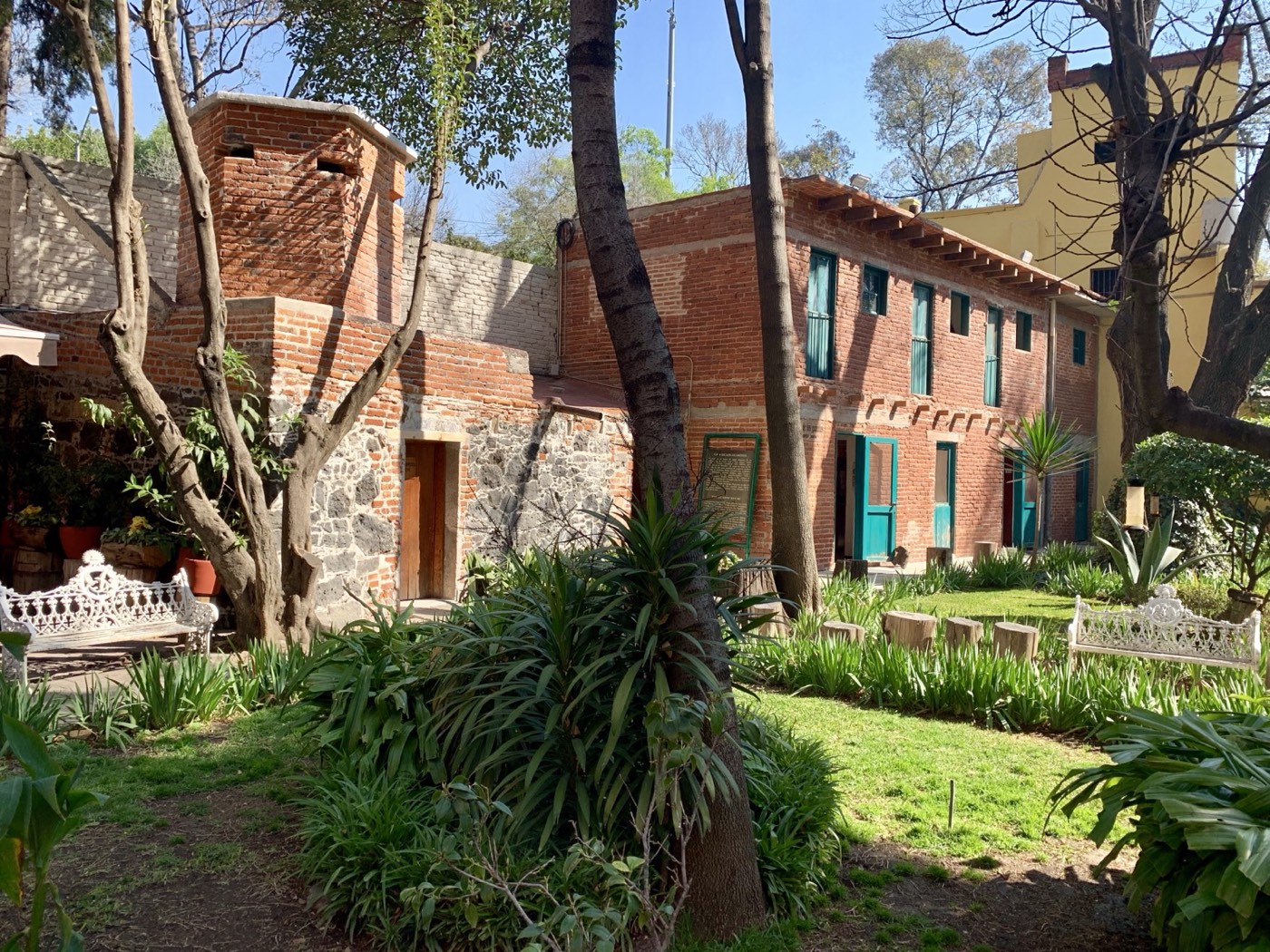
Leon Trotsky had once stood at the very summit of the Russian Revolution — the organiser of the Bolshevik seizure of power in 1917, the founder and commander of the Red Army, the man many expected to succeed Lenin. Instead he lost the struggle for power to Joseph Stalin, and became the most hunted political exile on Earth. Expelled from the Soviet Union in 1929, he wandered from Turkey to France to Norway before Mexico granted him asylum, and everywhere he went the long arm of Stalin's secret police followed. One by one, his collaborators, his secretaries, and his own children were killed or died in suspicious circumstances, until Trotsky, living behind the high walls and watchtowers of a fortress-like house in the Coyoacán district of Mexico City, was almost the last of his circle left alive. On 20 August 1940, a young man he believed to be a devoted follower came to show him an article. As Trotsky bent over his desk to read it, the visitor drew a mountaineer's ice axe from beneath his coat and drove it into the old revolutionary's skull. Trotsky died the next day. The killer was an agent of Stalin's NKVD, and the operation had been approved at the very top of the Soviet state. Unlike so many political murders shrouded in doubt, this one is documented down to its code name. This is the story of how Stalin finally killed Leon Trotsky.
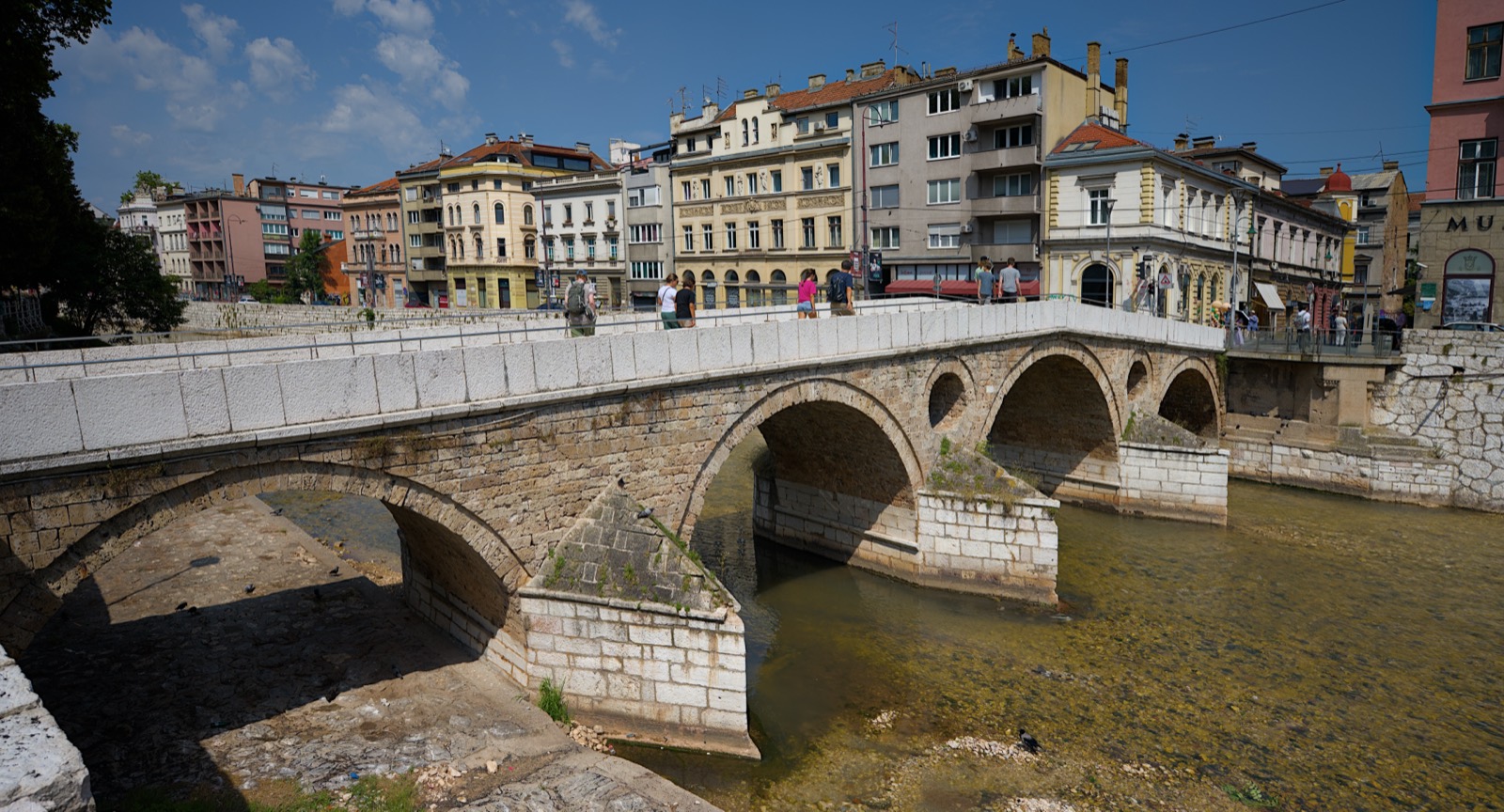
The Assassination of Franz Ferdinand: The Shot That Lit the World
On the morning of 28 June 1914, Archduke Franz Ferdinand of Austria, heir presumptive to the throne of Austria-Hungary, rode through the streets of Sarajevo with his wife Sophie in an open car. Waiting along the route were members of a group of young Bosnian Serb nationalists, armed and trained by a secret society with links to Serbian military intelligence, who had come to kill him. The first attempt failed: a bomb was thrown and bounced away, wounding others but not the Archduke. It should have ended there. But a series of small mistakes — a change of route not passed to the drivers, a wrong turn, a car stopped to reverse at the worst possible spot — brought Franz Ferdinand's stalled vehicle to a halt a few feet from one of the assassins, Gavrilo Princip, who had given up and drifted away from his post. He stepped forward and fired twice. The Archduke and his wife were dead within minutes. What followed was not merely a tragedy for two people and their orphaned children but a catastrophe for the world: over the next six weeks, a tangle of alliances, ultimatums, and mobilisations turned a political murder in the Balkans into the First World War, which would kill some twenty million people and destroy four empires. This is the story of the shot that lit the world — and of how very nearly it was never fired.