Tag
#fsu-russia
3 articles
Dyatlov Pass
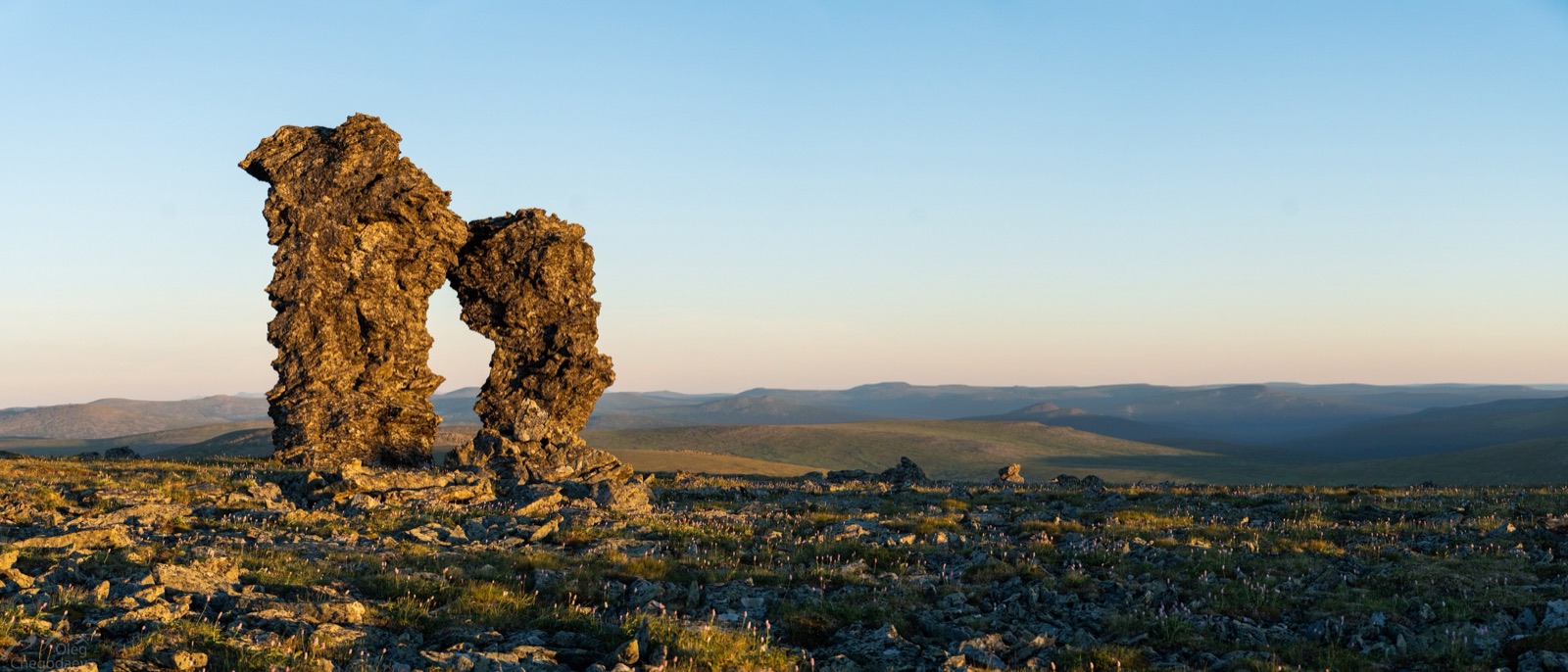
On the afternoon of February 1, 1959, a group of nine experienced Soviet ski-tourists — eight men and one woman, all between 20 and 38 years old, all members or alumni of the Ural Polytechnical Institute in Sverdlovsk (now Yekaterinburg) — pitched a four-pole canvas tent on the eastern slope of an undistinguished 1,079-meter mountain in the northern Urals named, in the Mansi language, Kholat Syakhl — 'Dead Mountain.' The group was led by 23-year-old Igor Dyatlov, a fifth-year radio-engineering student. The party had skied approximately 280 kilometers from the closest railway terminus over the prior nine days. Their planned summit, the following day, was the higher Otorten peak ten kilometers north. None of them reached it. When a search party located the abandoned tent on February 26, it had been cut open from the inside. Most of the group's clothing and equipment was still inside. The first three bodies — including Dyatlov — were found later that day, scattered along the slope below the tent, dressed only in underwear or light layers, none in proper outer clothing, none in their boots. Two further bodies were found nearer the tent over the following weeks. The final four bodies — including the only female member, Lyudmila Dubinina — were not located until May 4, 1959, in a snow-covered ravine approximately 1.5 kilometers downslope. Three of those four had massive internal trauma — equivalent in the words of the autopsy report to high-speed automobile-collision injuries — without corresponding external wounds. Two had missing soft tissue: Dubinina lacked her tongue and eyes. Some of the recovered clothing tested positive for elevated beta-particle radiation. The Soviet criminal investigation concluded in May 1959 that the deaths were caused by 'a compelling natural force which the hikers were unable to overcome.' The Russian Procurator-General's Office reopened the case in 2019 and concluded in July 2020 that the cause was a slab avalanche followed by hypothermia and disorientation. A 2021 computational study published in *Communications Earth & Environment* by Alpine snow scientists at EPFL Lausanne provided a quantitative mechanical model supporting the slab-avalanche conclusion. The case is closed in Russia. It is, in international public discussion, the most-debated cold-weather forensic mystery of the 20th century.
Chernobyl
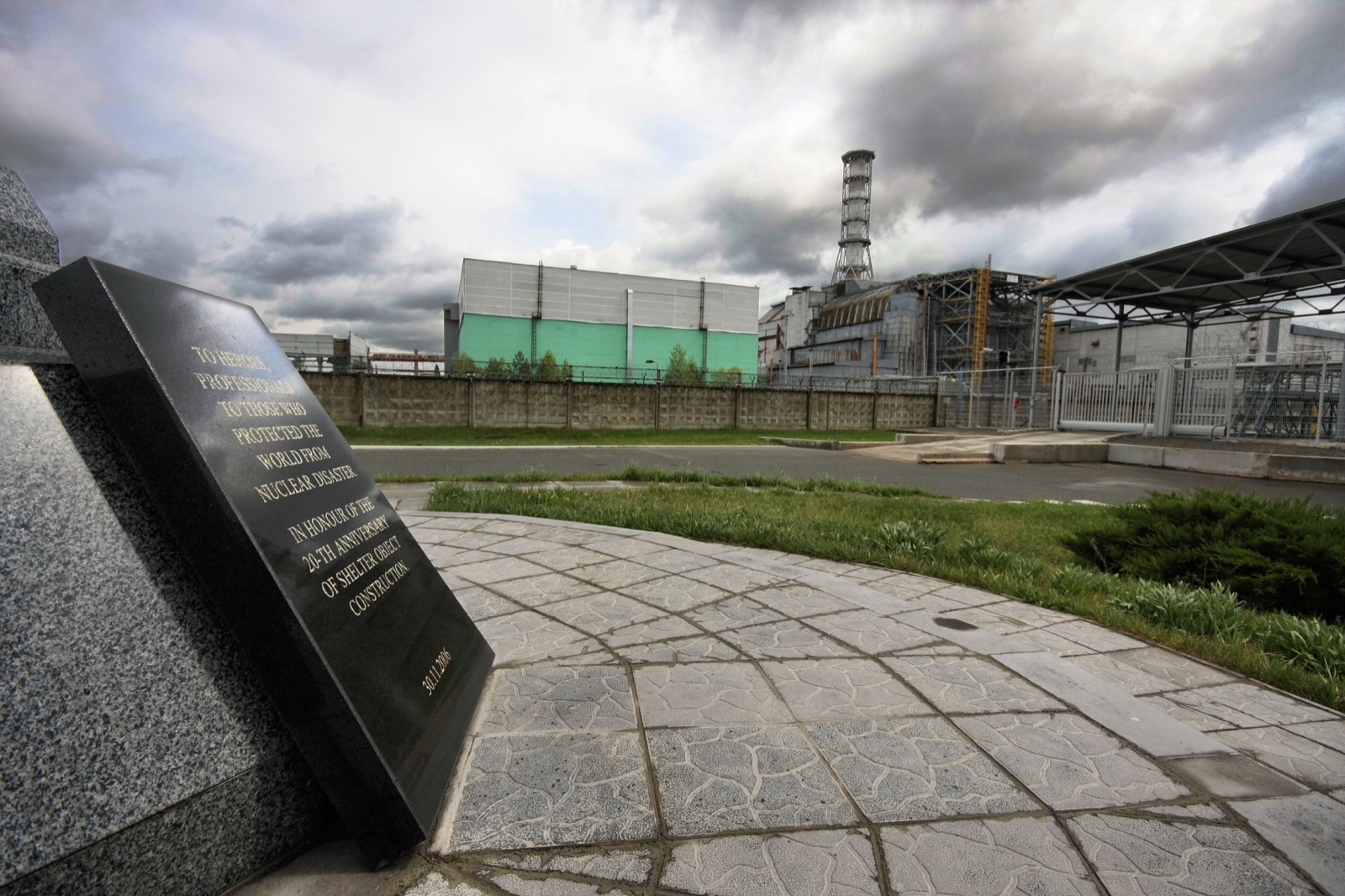
At 1:23:40 a.m. local time on Saturday, April 26, 1986, reactor 4 at the V. I. Lenin Nuclear Power Plant near Pripyat, Ukrainian Soviet Socialist Republic, exploded. A planned low-power safety test, run by night-shift personnel who had been ordered to proceed despite warnings, drove the RBMK-1000 reactor into a state its designers had specifically marked as forbidden. The graphite-tipped control rods, lowered to scram the reactor, briefly added reactivity before shutting it down. The core's thermal output spiked to approximately 30,000 megawatts — ten times rated capacity — in four seconds. Two steam explosions ripped the 1,000-tonne upper biological shield off the reactor and exposed the burning graphite core to the atmosphere. Two workers died at the moment of explosion. Twenty-nine more — firefighters, control-room operators, plant electricians — died from acute radiation syndrome within four months. Forty-eight hours passed before the city of Pripyat (population 49,360) was evacuated. The Soviet government did not publicly acknowledge the accident until April 28, after Swedish nuclear technicians at Forsmark detected the airborne plume 1,200 kilometres to the northwest. The cover-up was, by Mikhail Gorbachev's own subsequent assessment, the moment Soviet glasnost became unavoidable.
The Holodomor
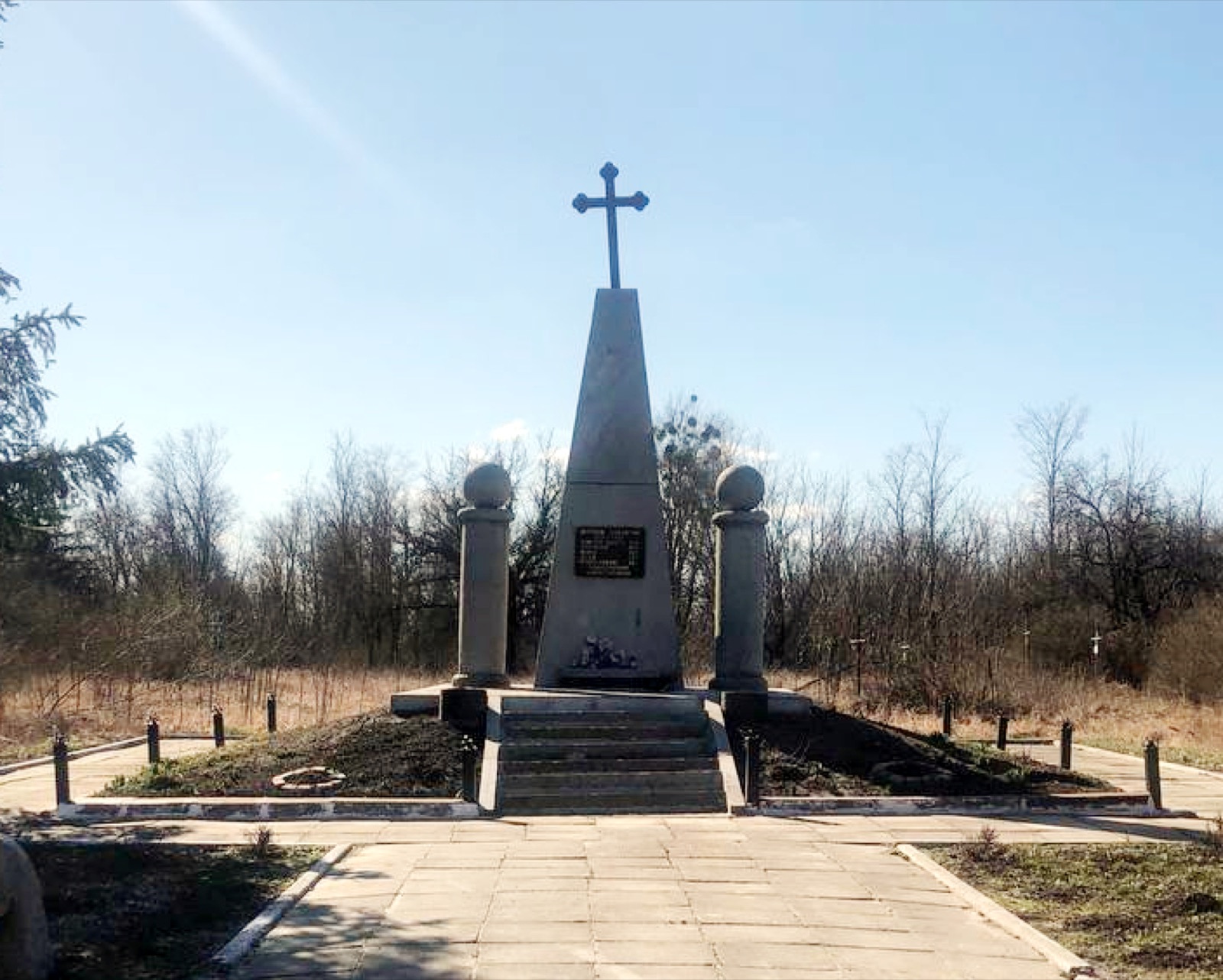
Between the winter of 1932 and the summer of 1933, between 3.5 million and 7.5 million people died of starvation and starvation-related illness in the Ukrainian Soviet Socialist Republic and the adjacent grain-producing regions of the North Caucasus and Kazakhstan. The deaths were not the result of crop failure. The 1932 Ukrainian harvest was below average but not catastrophically so; the deaths occurred because the Soviet state confiscated the harvest. Joseph Stalin's regime, working through Ukraine's Communist Party leadership under Lazar Kaganovich and Pavel Postyshev, imposed grain-procurement quotas that exceeded what the harvest could yield. When the quotas were not met, the state introduced 'blacklists' of villages — barred from receiving any goods, including food, until they delivered the quota. The state introduced an internal-passport system in late 1932 that prevented peasants from leaving their villages to find food elsewhere. Border guards turned back peasants attempting to cross into Russia or Belarus. The death toll, denied by the Soviet government for fifty-seven years, has since been documented through demographic analysis, opening of Soviet archives after 1991, and recovery of the photographic record — particularly the photographs of the Austrian engineer Alexander Wienerberger, who documented the famine in Kharkiv on a Leica camera he smuggled out of the USSR. The Ukrainian word *Holodomor* combines *holod* (hunger) and *moryty* (to kill, exterminate). The word was first used publicly by Ukrainian diaspora writers in the 1980s. The Ukrainian government formally recognized the events as genocide in 2006. As of 2024, the Holodomor has been recognized as genocide by approximately 34 countries and the European Parliament.
3 files · end of the line