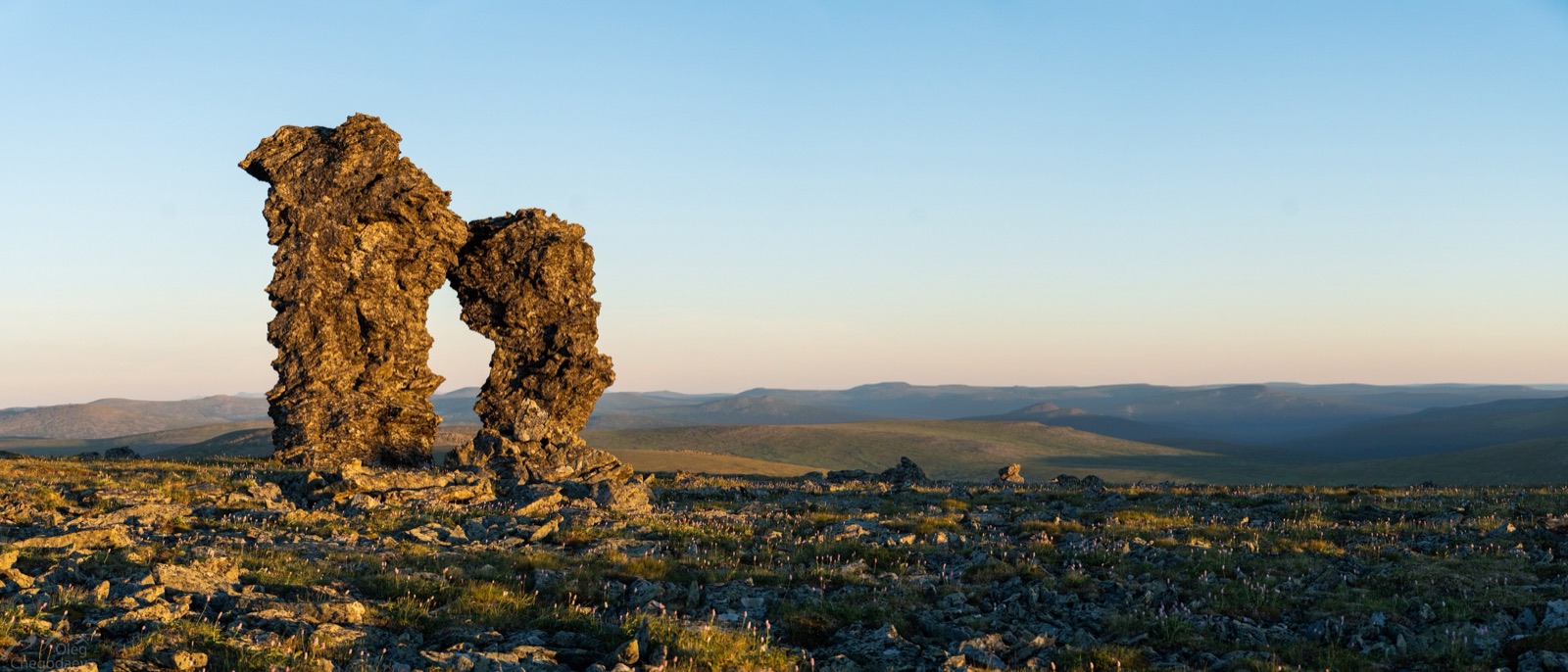
Mount Otorten, Northern Urals — the Dyatlov group's planned summit. 1,234 m elevation. Kholat Syakhl ('Dead Mountain'), where they actually pitched their final camp on February 1, 1959, lies approximately 10 km south of this peak. Wikimedia Commons, CC BY-SA 4.0 / Aleksey 'aleks-fly' Polushkin.
Dyatlov Pass
Kholat Syakhl, the night of February 1-2, 1959
- Category
- Space & UFOlogy
- Published
- Length
- 3,700 words · 17 min read
- Author
- The editors
Dyatlov Pass
Kholat Syakhl, the night of February 1-2, 1959.
The group
The expedition was, by the standards of the Soviet ski-tourism movement, well-equipped and competently led. All ten original members held the certification of kandidat v masteres sporta — the second-highest Soviet amateur athletic grade. The leader, Igor Alekseyevich Dyatlov, had led several prior Category-II and Category-III expeditions. The route, the equipment, and the schedule had been formally approved by the Sport Section of the Ural Polytechnical Institute, with route-checkpoints required at Vizhay, 2nd Northern, and on return.
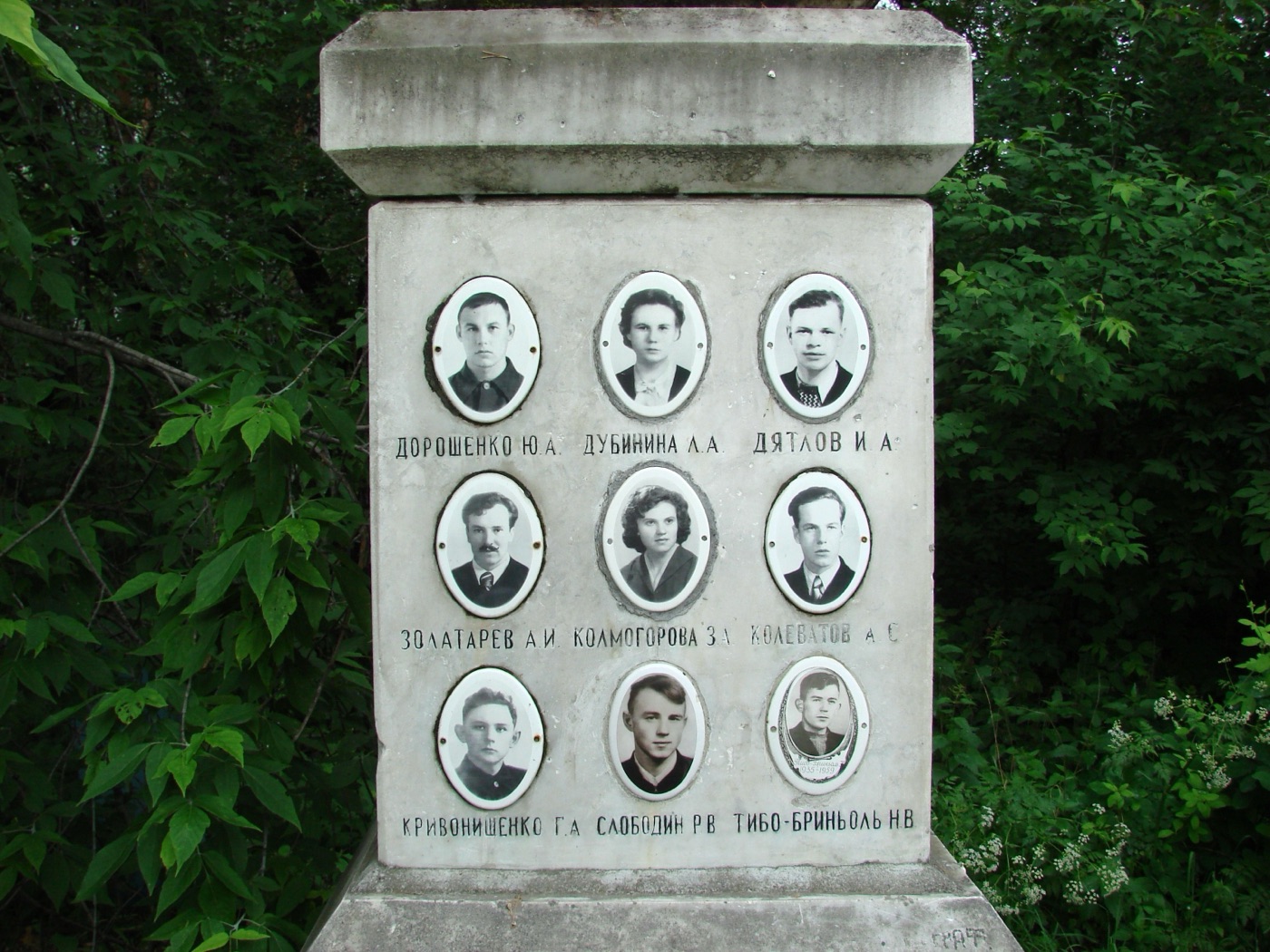
The nine were:
- Igor Alekseyevich Dyatlov (1936-1959), 23, fifth-year radio engineering student. The expedition leader.
- Zinaida Alekseyevna Kolmogorova (1937-1959), 22, fifth-year radio engineering. Dyatlov's friend and the most experienced female member.
- Lyudmila Alexandrovna Dubinina (1938-1959), 20, fourth-year economics. The youngest and only female of the final nine.
- Yuri Alexeyevich Krivonischenko (1935-1959), 23, recent UPI graduate and engineer at the Mayak nuclear complex (Chelyabinsk-40).
- Yuri Nikolayevich Doroshenko (1938-1959), 21, fourth-year engineering.
- Alexander Sergeyevich Kolevatov (1934-1959), 24, recent UPI graduate, engineer at the Moscow Secret Laboratory No. 9.
- Rustem Vladimirovich Slobodin (1936-1959), 23, recent UPI graduate.
- Nikolai Vladimirovich Thibeaux-Brignolles (1935-1959), 23, recent UPI graduate.
- Semyon Alekseyevich Zolotaryov (1921-1959), 38, ski instructor at the Kourovka tourist base and the only non-UPI member. The eldest by 14 years; a World War II veteran.
The tenth member, Yuri Yefimovich Yudin (1937-2013), turned back at the abandoned 2nd Northern settlement on January 28, 1959 due to acute knee and joint pain — what was likely the onset of the rheumatic-disease symptoms that affected him through later life. Yudin survived to age 75 and was the principal living witness to the expedition through the late 20th century.
The route
The party departed Vizhay — the last railway-accessible village — on January 25, 1959, having taken a logging truck the final 30 km from the railway terminus at Ivdel. From Vizhay they hiked or skied to the abandoned settlement of 2nd Northern (January 27), where Yudin turned back on January 28. From 2nd Northern the remaining nine proceeded northwest along the Lozva River, then upstream along the Auspia River, climbing into the northern Ural massif.
The route's planned terminus was Mount Otorten (1,234 m), a flat-topped peak at the northern end of the Khoyetlanm range. From Otorten the group was to traverse north-east to Mount Oyko-Chakur, then return south by a parallel route to Vizhay. The expected return to Vizhay was February 12; the post-return check-in to UPI by telegram was expected February 14.
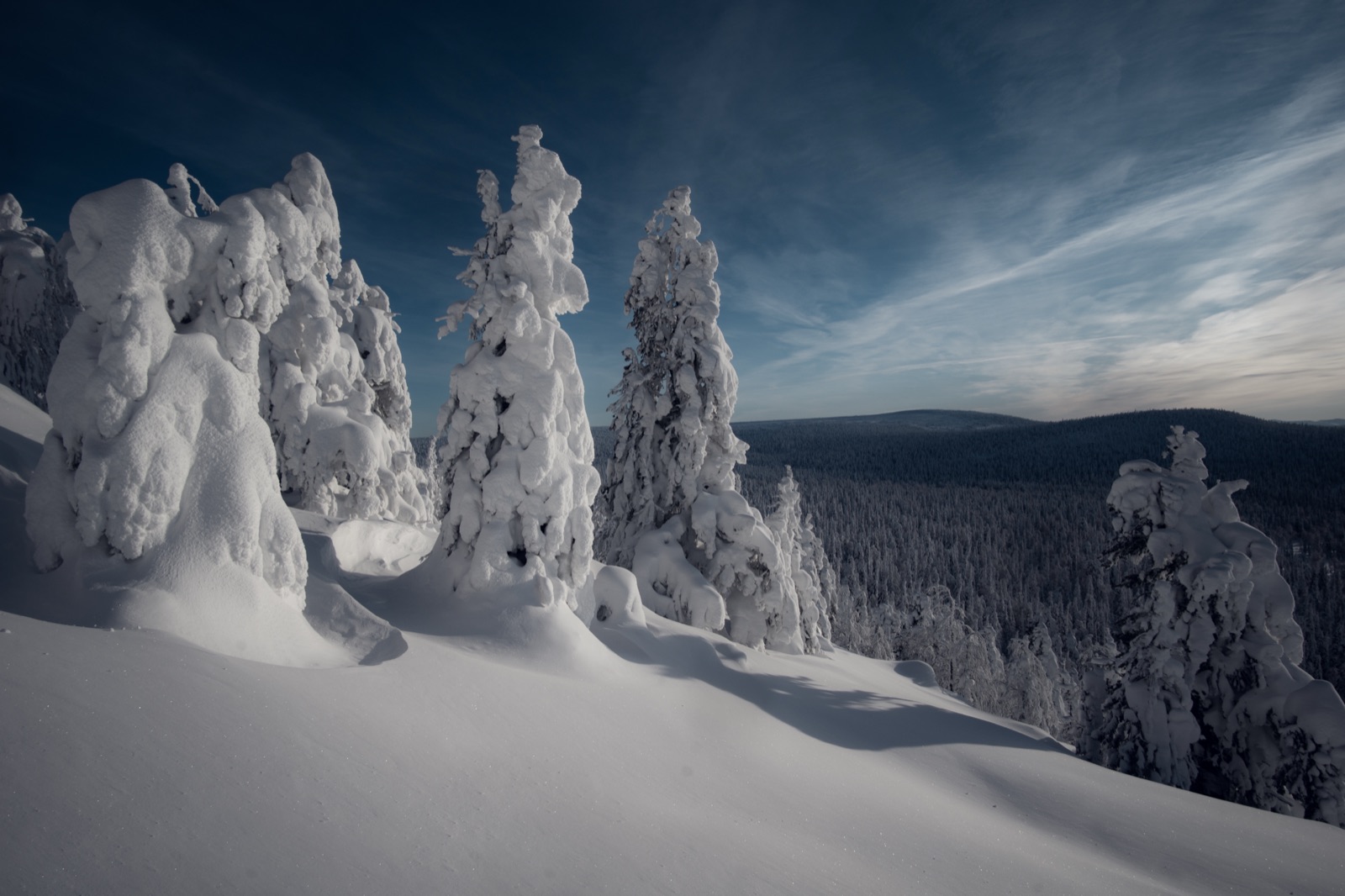
On the afternoon of February 1, 1959, the group reached the eastern slope of Kholat Syakhl. The decision to camp on the open slope at approximately 1,079 m — rather than to descend half a kilometer back into the forest — has been a point of contention in every subsequent analysis. The slope position offered earlier dawn-departure for the next day's Otorten summit but exposed the tent to the open katabatic wind. The decision was consistent with Dyatlov's prior expedition documents and with the group's overall pattern of risk-tolerant routing.
The tent was pitched in the standard four-pole canvas-and-ski-pole configuration. Photographs developed from a roll of film recovered with the tent show the group erecting it on a flattened snow platform.
What was found
On February 12, 1959, the group failed to telegram from Vizhay. The UPI Sport Section's first response was patience — late telegrams were common on Category-III expeditions. By February 17, with no contact, the families of several members had pressed the institute. On February 20, the UPI Rector's office declared an official search. Search parties were dispatched on February 21.
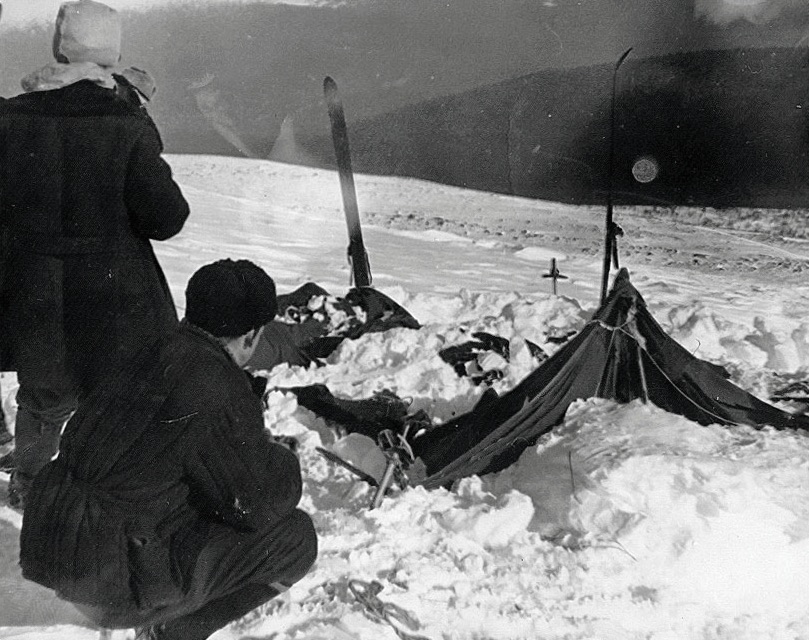
The tent was found on February 26 by an undergraduate-led search team headed by Boris Slobtsov. The tent had been pitched on the open slope. It was found upright on its windward pole, collapsed on its leeward side, the leeward fabric cut open in three slashes. Inside the tent the team found:
- Most of the group's outerwear (down jackets, ski jackets, fur hats).
- Most of the group's footwear (felt boots, ski boots).
- The group's expedition records, including the diary maintained jointly through the journey.
- Cooking equipment, food supplies, fuel.
- A roll of exposed film, subsequently developed.
The cuts in the tent fabric were initially interpreted as inward — that is, the cuts had been made from inside the tent, not from outside. This was confirmed by the Sverdlovsk Procurator's forensic analysis in March 1959 and by the criminalistics review conducted as part of the 2019-2020 Procurator-General reopening.
The first three bodies were found later on February 26, in a line descending from the tent toward the forest edge. Yuri Doroshenko and Yuri Krivonischenko were under a tall cedar tree at the forest's edge — approximately 1.5 km from the tent. Both were in their underwear and one had no shoes. Beneath the cedar were the remains of a small fire. Igor Dyatlov himself was found approximately 300 m up the slope from the cedar, partway back toward the tent. He was in light clothing without proper outer layers. All three had died of hypothermia.
Over the next week, two more bodies were located between the cedar and the tent. Zinaida Kolmogorova was found in light clothing approximately 630 m from the tent, also hypothermia. Rustem Slobodin was found between Dyatlov and Kolmogorova, with a minor (non-fatal) skull fracture and the conclusion of death by hypothermia.
The final four — Dubinina, Kolevatov, Thibeaux-Brignolles, and Zolotaryov — were not found until May 4, 1959, after the spring thaw. They were located in a snow-filled ravine approximately 75 m east of the cedar tree, beneath an estimated 4 m of accumulated snow. The autopsy findings, performed by Boris Vozrozhdenny of the Sverdlovsk Bureau of Forensic Medicine:
- Dubinina: bilateral rib fractures (six fractures, including double-fractures), massive hemorrhaging into the chest cavity, missing tongue and missing eyes. Death by internal hemorrhage.
- Zolotaryov: bilateral rib fractures (five fractures), missing eyes. Death by internal hemorrhage.
- Thibeaux-Brignolles: severely depressed skull fracture (frontal-temporal). Death by traumatic brain injury.
- Kolevatov: no major trauma. Hypothermia.
Three of the four had received injuries comparable, in Vozrozhdenny's recorded words, to those typically observed in high-speed automobile collisions — but without corresponding external bruising or laceration to the skin overlying the fractures.
The radiation
In May 1959, the Sverdlovsk Procurator's office submitted clothing samples from three of the bodies — Dubinina, Kolevatov, and Zolotaryov — to radiation testing by the Sverdlovsk Sanitary-Epidemiological Service. The test results, dated May 27, 1959 and signed by radiologist A.F. Levashov:
- Dubinina's brown jumper exhibited approximately 9,900 disintegrations per minute per 150 cm² in beta-particle emissions.
- Kolevatov's brown sweater fragment: approximately 5,600 dpm.
- Zolotaryov's belt: approximately 5,000 dpm.
These values were elevated relative to baseline ambient radiation in the Sverdlovsk region of the period — approximately three to four times the urban background — but did not approach the levels that would constitute clinical exposure. The 1959 investigation interpretation was inconclusive. Subsequent hypotheses:
- Krivonischenko had worked at the Mayak nuclear weapons complex (Chelyabinsk-40), the site of a major contamination incident in September 1957 (the Kyshtym disaster). Trace contamination of his clothing — and transfer to others — is plausible. (The 1957 Mayak accident was classified at the time; the Soviet investigators may not have been able to pursue this hypothesis.)
- Luminous-paint wristwatch dials of the period contained radium-226. Some Soviet wristwatches of the late 1950s used such paint; contamination of clothing through prolonged contact is plausible.
- Soviet weapons-test fallout from atmospheric tests in 1958. The 1957-58 period saw substantial atmospheric testing at Semipalatinsk and Novaya Zemlya.
The radiation finding has, for sixty years, been the principal evidentiary detail offered by proponents of the Soviet-weapons-testing hypothesis. None of the three explanations above has been definitively confirmed; none is implausible.
The 1959 verdict
The Sverdlovsk Procurator's investigation, led by Lev Nikitich Ivanov and continued by Boris Vozrozhdenny on the forensic side, was officially closed on May 28, 1959 with the verdict — recorded in the case file — that:
"The cause of death of the tourists was a compelling natural force which the hikers were unable to overcome."
The case file was classified at the high-secrecy level (Sov. sekretno) and sealed for thirty years. Ivanov, in subsequent decades, gave several interviews in which he expressed his personal view that the case had been more complicated than the official verdict acknowledged. In a 1990 interview he described having received instructions from his superiors to close the case quickly. Ivanov's personal speculation, never offered as official conclusion, was that the deaths were related to "fireballs" he had heard reports of from other northern Ural witnesses on adjacent nights.
The case file was substantially declassified by the Russian Federation in 2018-2019, prior to the Procurator-General's reopening.
The 2020 reopening and the EPFL paper
In 2018, the Dyatlov Foundation — a Russian non-profit founded by Yuri Kuntsevich, an associate of several of the families — formally petitioned the Russian Procurator-General's Office to reopen the case. In February 2019, the Procurator's deputy spokesperson Alexander Kurennoy announced the reopening. The lead investigator was Andrey Valentinovich Kuryakov of the Sverdlovsk regional Procurator's office.
Kuryakov's team's stated method was reconstructive: a re-walking of the route, re-reading of the case-file documents, and a forensic re-modeling of the avalanche scenarios. The team conducted field measurements on the actual slope in February 2019 — at the same date and approximately the same weather conditions as the 1959 incident.
In July 2020, Kuryakov delivered the Procurator's conclusion. The reconstructed sequence:
- The group pitched the tent on a slope of approximately 20 degrees.
- During the night, a slab-avalanche event occurred above the tent — likely a small-volume, dense-snow slab.
- The slab impacted the leeward (downhill) side of the tent, causing the collapse and partial burial.
- The group cut their way out of the tent on the windward side and descended approximately 1.5 km to the forest edge in inadequate clothing.
- In the forest, the group attempted to establish a fire (Doroshenko and Krivonischenko under the cedar) and to send a sub-group back to retrieve clothing (the Dyatlov-Kolmogorova-Slobodin line found on the slope).
- A sub-group of four (Dubinina, Kolevatov, Thibeaux-Brignolles, Zolotaryov) descended further into the ravine, where they fell or were swept into the snow-pit; the massive trauma to three of them was the result of falls into the ravine and subsequent snow-compaction.
- The remaining members died of hypothermia.
The Procurator-General's office formally closed the case on July 11, 2020.
In January 2021, Alexander M. Puzrin (ETH Zürich, Institute for Geotechnical Engineering) and Johan Gaume (EPFL Lausanne, SLAB Snow and Avalanche Simulation Laboratory) published a peer-reviewed paper in Nature Communications / Communications Earth & Environment titled "Mechanisms of slab avalanche release and impact in the Dyatlov Pass incident in 1959." Their computational snow-mechanics simulation demonstrated that, given the specific slope geometry, the snow-loading conditions during the night of February 1-2, 1959, and the standard slab-mechanics equations, a small-volume but high-density slab impact on a partly-buried tent could plausibly generate the observed trauma pattern (rib fractures consistent with localized compressive impact; skull fracture consistent with point-impact from a dense compacted-snow block). The paper specifically addressed and provided quantitative explanation for the long-standing objections that (a) the slope was too gentle for avalanche release and (b) the time-delay between tent erection and avalanche release was inconsistent with avalanche mechanics. The Puzrin-Gaume study has been broadly accepted within the cold-mountain physics community.
The alternative hypotheses
The avalanche hypothesis has been the focus of academic engagement since 2020. The alternative hypotheses — many of which remain in active discussion in Russian and international Dyatlov-research communities — include:
Soviet weapons testing. The hypothesis that the group encountered the perimeter of a closed military zone (Mayak fallout from 1957, R-7 ICBM testing from Plesetsk, atmospheric weapons testing). The radiation findings on the clothing are the principal evidentiary anchor. Counter-arguments: the radiation levels were elevated but not at clinical-exposure range; the trauma pattern is not consistent with explosion or projectile injury; no documentary evidence of a 1959 weapons-test in the precise region has been declassified.
Mansi tribal attack. The hypothesis that local Mansi hunters had attacked the group for trespass. The 1959 investigation specifically pursued this hypothesis and cleared the Mansi after extensive interviews. The Mansi were on documented good terms with Soviet ski-tourism groups, the trauma pattern does not match weapon injury, and the Mansi had no documented motive.
Infrasound from Karman vortex shedding. The Donnie Eichar (2013) hypothesis: under specific wind conditions, the cylindrical shape of Kholat Syakhl could generate Karman vortex streets producing low-frequency infrasound at the eastern slope, inducing acute panic in the group. Eichar's hypothesis has been engaged by atmospheric physicists; the conditions are physically plausible but the magnitude of effect required is speculative.
Katabatic wind. A 2019 hypothesis: a powerful katabatic-wind event drove the group from the tent, supplemented by the cold's progressive incapacitation. The 2020 Procurator's reconstruction has partially incorporated this hypothesis into the avalanche-plus-flight framework.
UFO/non-human. The cultural-conspiracy framework. No physical evidence supports this hypothesis; it is sustained by the trauma pattern's resistance to ordinary mechanical explanation and by the radiation findings.
Why it persists
The Dyatlov case has been remarkably durable in international conspiracy culture. Three reasons:
The trauma pattern resists intuitive avalanche explanation. Massive internal injuries without corresponding external bruising are not what an average reader expects from an avalanche burial. The Puzrin-Gaume 2021 paper explains this — focal slab impacts on a partially-restrained body produce localized compressive trauma without skin laceration — but the explanation requires specialized snow-mechanics knowledge that most readers do not have.
The Soviet investigation's vagueness. The "compelling natural force" verdict was institutionally adequate for 1959 USSR but provides no purchase for satisfaction-seeking readers across six decades. The 30-year case-file sealing has further compounded the perception that the official story is partial.
The radiation residue. No alternative hypothesis has fully accounted for the elevated beta-particle readings on three of the clothing samples. The three best explanations (Mayak contamination via Krivonischenko, radium-paint wristwatch transfer, atmospheric fallout) are all plausible but none is documented.
The Dyatlov Foundation (and a significant Russian-language popular literature) has continued to argue against the Procurator's 2020 conclusion. The principal contemporary skeptical figure is Sergei Eichar's Dead Mountain (2013), Donnie Eichar's earlier reporting, and several long-form Russian-language YouTube documentaries by independent investigators. The Russian state has, since 2020, formally closed the inquiry.

The cast
Sources
Primary documents:
- Случай гибели туристской группы Дятлова (Case of the Death of the Dyatlov Tourism Group), Sverdlovsk Procurator's office, declassified case file 1959 — substantially released to public 2018-2020.
- Boris Vozrozhdenny, autopsy reports, March-May 1959 (in declassified case file).
- A.F. Levashov, Sverdlovsk SES radiation analysis report, May 27, 1959 (in declassified case file).
- Russian Federation Procurator-General's Office, Report on the Reinvestigation of the Dyatlov Pass Incident, Andrey Kuryakov, July 11, 2020.
- Lev Ivanov, interviews with Soviet press 1990-1995 (collected in Russian-language Dyatlov-research literature).
- The Dyatlov group's expedition diary, recovered February 26, 1959 (in declassified case file).
Secondary investigative reporting: 7. Donnie Eichar, Dead Mountain: The Untold True Story of the Dyatlov Pass Incident (Chronicle Books, 2013). 8. Keith McCloskey, Mountain of the Dead: The Dyatlov Pass Incident (The History Press, 2013). 9. Aleksey Rakitin, Перевал Дятлова: тайна гибели туристов (Dyatlov Pass: The Mystery of the Tourist Deaths) (Eksmo, 2014). 10. Svetlana Oss, Don't Go There: The Mystery of Dyatlov Pass (2019). 11. The Atlantic, "Have Scientists Finally Unraveled the 60-Year Mystery of Dyatlov Pass?" (Robin George Andrews, January 28, 2021). 12. National Geographic, "Has Science Solved the Mystery of the Dyatlov Pass?" (Douglas Preston, January 28, 2021). 13. The New Yorker, "What Happened at Dyatlov Pass?" (Douglas Preston, May 4, 2021). 14. 60 Minutes Australia, "The Dyatlov Pass Incident," July 2020 segment. 15. Discovery Channel, Russian Yeti: The Killer Lives (2014) (notably weak documentary but reflective of US popular treatment). 16. dyatlovpass.com (Teodora Hadjiyska's exhaustive English-language reference site). 17. Tikhomirov, "Тайна горы Холатчахль" (The Mystery of Kholatchakhl Mountain), multi-part Russian YouTube documentary series, 2019-2024. 18. NOVA / PBS, "Dyatlov Pass: Solving the Mystery," forthcoming.
Academic / specialist scholarship: 19. Alexander M. Puzrin and Johan Gaume, "Mechanisms of slab avalanche release and impact in the Dyatlov Pass incident in 1959," Communications Earth & Environment 2, 10 (2021). 20. Johan Gaume, Alexander M. Puzrin, et al., "Snow-slab failure in the Dyatlov Pass case: model calibration and uncertainty quantification," subsequent extension paper, Cryosphere, 2022. 21. Eichar (Donnie) and Lawrence A. Crum (acoustic physics), background-modeling for Karman-vortex infrasound hypothesis, 2013-2014. 22. Cryosphere Discussion peer-review record on the Puzrin-Gaume submission, 2020-2021 (academic-record of the avalanche hypothesis review).
Corrections & updates
2026-05-31: First publication.
Inspired this / based on it
Donnie Eichar
Chronicle Books. The principal English-language popular account; advances the Karman-vortex infrasound hypothesis.
Discovery Channel
Sensationalist treatment; widely criticized for fabricated framing.
Keith McCloskey
The History Press. Competent alternative English-language treatment.
Nine Network
July 2020 segment on the Procurator's reopening.
Liam Le Guillou
Independent documentary visiting the actual Kholat Syakhl slope, premiered February 2021.
Filed under
- #dyatlov-pass
- #kholat-syakhl
- #otorten
- #northern-urals
- #ural-polytechnical-institute
- #sverdlovsk
- #yekaterinburg
- #ski-tourism
- #ussr
- #soviet
- #1959
- #fsu-russia
- #avalanche
- #slab-avalanche
- #puzrin
- #gaume
- #epfl
- #russian-procurator
Click any tag for every article carrying it.
Continue reading
The Belgian UFO Wave: The Triangles Over Wallonia
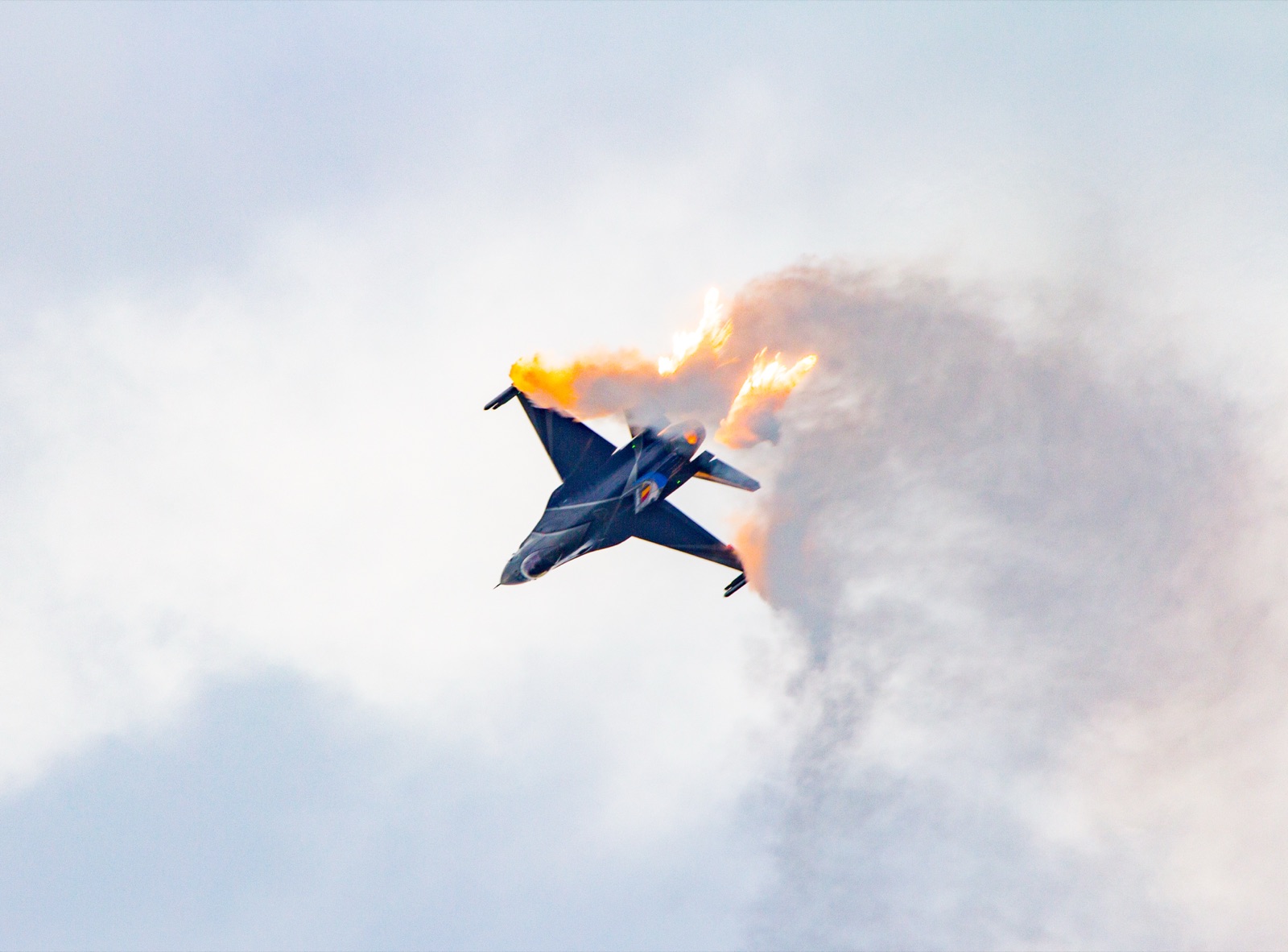
It began on the evening of 29 November 1989 in the hills near Eupen, in the German-speaking east of Belgium, where two gendarmes on patrol reported a large, silent object hanging low in the sky — a dark triangle marked by three bright lights at its corners and a pulsing red beacon at its centre. Over the following months, the sightings multiplied into one of the largest and most concentrated waves in the history of the subject: thousands of reports, most describing the same slow-moving triangle, gathered across the Walloon countryside through the winter and spring of 1989–1990. What made the Belgian wave unlike almost any other was not the reports themselves but the response to them. The Belgian Air Force, instead of dismissing the affair, engaged with it openly, scrambled F-16 fighters on the night of 30–31 March 1990 to chase radar contacts, and afterwards conceded, in public, that it had no explanation for what its instruments had recorded. A single striking photograph of a black triangle became the icon of the whole episode. Two decades later, the man who took it confessed that he had made it with a piece of painted polystyrene. This is the story of the triangles over Wallonia — of a genuine mystery, a genuine hoax, and the difficulty of telling, at this distance, exactly where one ends and the other begins.
Betty and Barney Hill: The First Alien Abduction
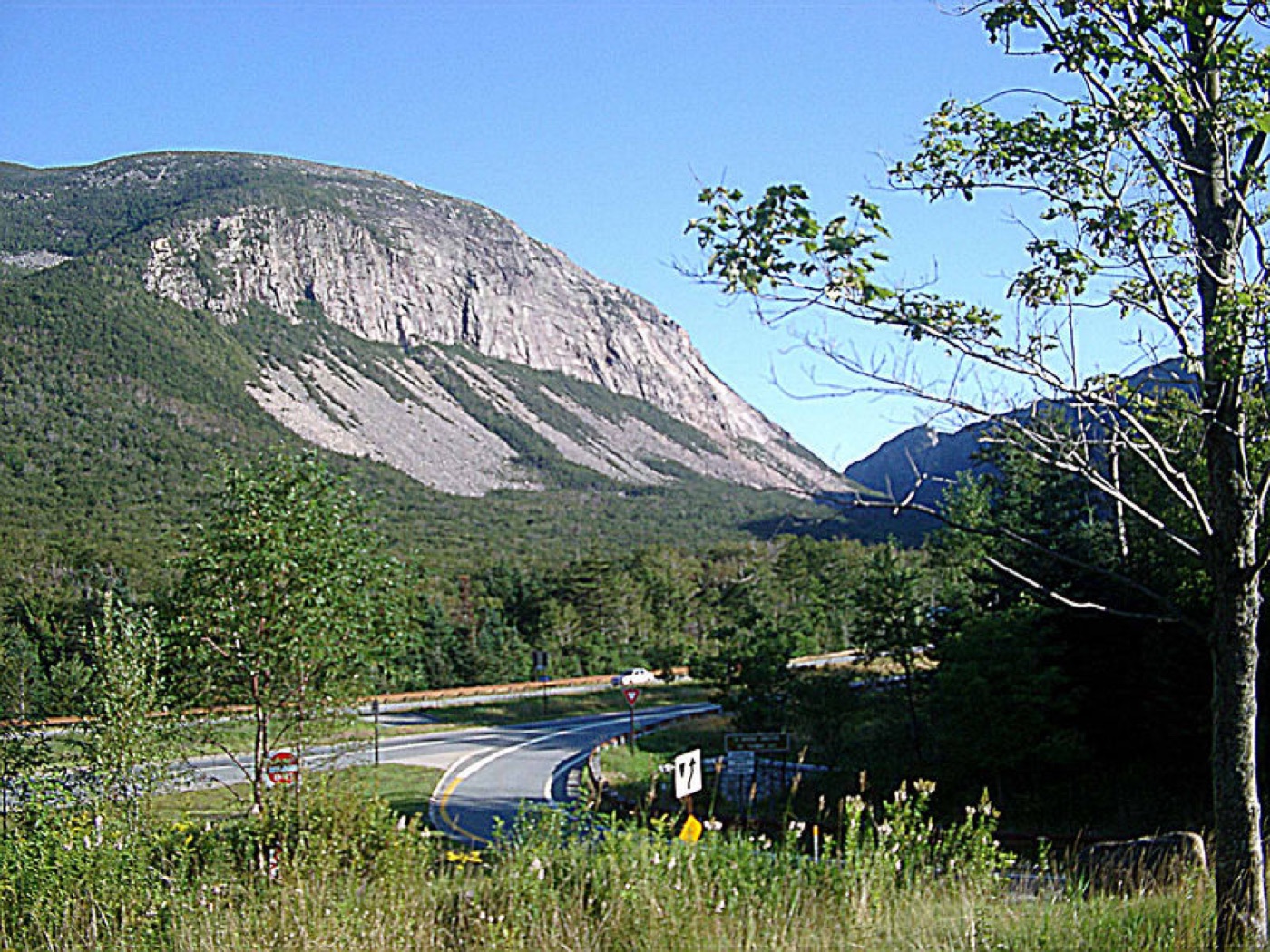
On the night of 19 September 1961, Betty and Barney Hill were driving home to Portsmouth, New Hampshire, from a vacation, taking the winding roads through the White Mountains late at night, when they noticed a bright light in the sky that seemed to be following their car. As it drew closer, Barney stopped and looked at it through binoculars, and reported seeing a structured craft with figures visible inside; frightened, the couple drove on. When they reached home, they found that the journey had taken about two hours longer than it should have — two hours they could not account for. In the days that followed, Betty was troubled by vivid nightmares of being taken aboard a craft and examined by strange beings, and Barney developed acute anxiety. Two years later, seeking relief, the Hills underwent hypnosis with a psychiatrist, and under hypnosis both recounted, separately, a detailed story of abduction: of being taken aboard the object by small humanoid beings, subjected to a medical examination, and, in Betty's case, shown a 'star map' of the visitors' travels among the stars. Their account, made public and then widely published, became the first famous case of alien abduction — and it established the entire template that countless later abduction stories would follow: the light on a lonely road, the missing time, the medical examination, the grey humanoid beings, and the memories recovered under hypnosis. The Hills were, by all accounts, sincere. What their sincere experience actually was — a genuine encounter, or something the mind constructs — is the real question. This is the story of Betty and Barney Hill.
Kenneth Arnold: The Sighting That Invented the Flying Saucer
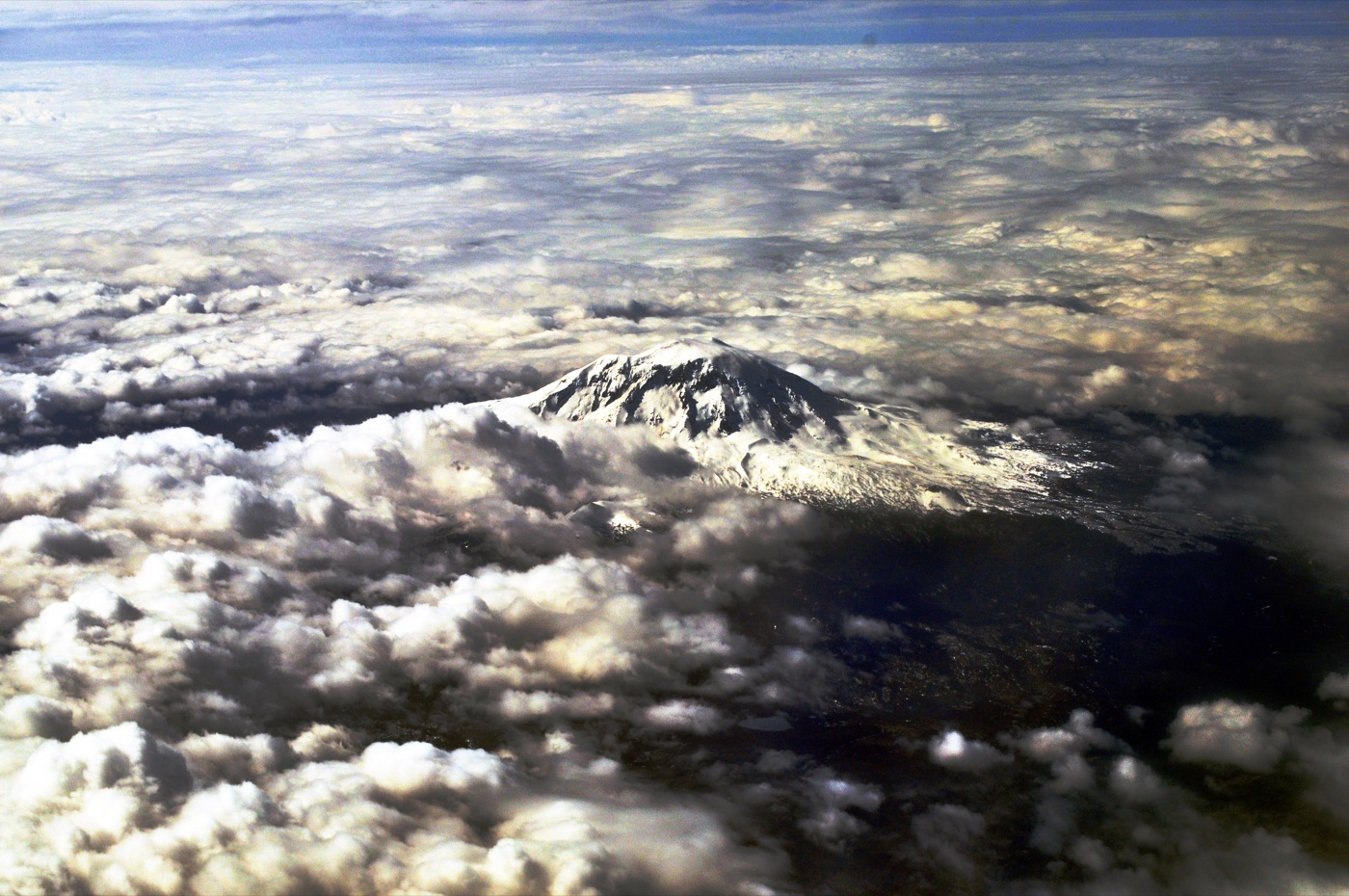
On the afternoon of 24 June 1947, a businessman and private pilot named Kenneth Arnold was flying his small aircraft near Mount Rainier, in the Cascade Range of Washington state, when he saw something that would change the world's imagination. Nine bright objects were streaking through the sky, flying in a chain formation at tremendous speed, weaving between the mountain peaks — moving, by his estimate, far faster than any aircraft of the era could manage. When he landed and described what he had seen to reporters, he reached for an analogy for the way the objects moved: they flew, he said, erratically, dipping and skimming, 'like a saucer would if you skipped it across water.' A reporter distilled this into a memorable phrase, and within days the newspapers of America were full of the term 'flying saucers.' It was, in a sense, a misunderstanding: Arnold had been describing the motion of the objects, not their shape, and the objects themselves he described as more crescent- or heel-shaped than round. But the phrase 'flying saucer' had entered the language, and with it came the idea of the round, disc-shaped craft that would become the iconic image of the UFO for generations. Within weeks, reports of 'flying saucers' were pouring in from across the country, and the crash near Roswell followed in early July. The modern age of UFOs had begun. This is the story of Kenneth Arnold's sighting — of what he saw, of how a phrase was born from a description of motion, and of how a single ambiguous encounter launched a global phenomenon.