Tag
#germany
4 articles
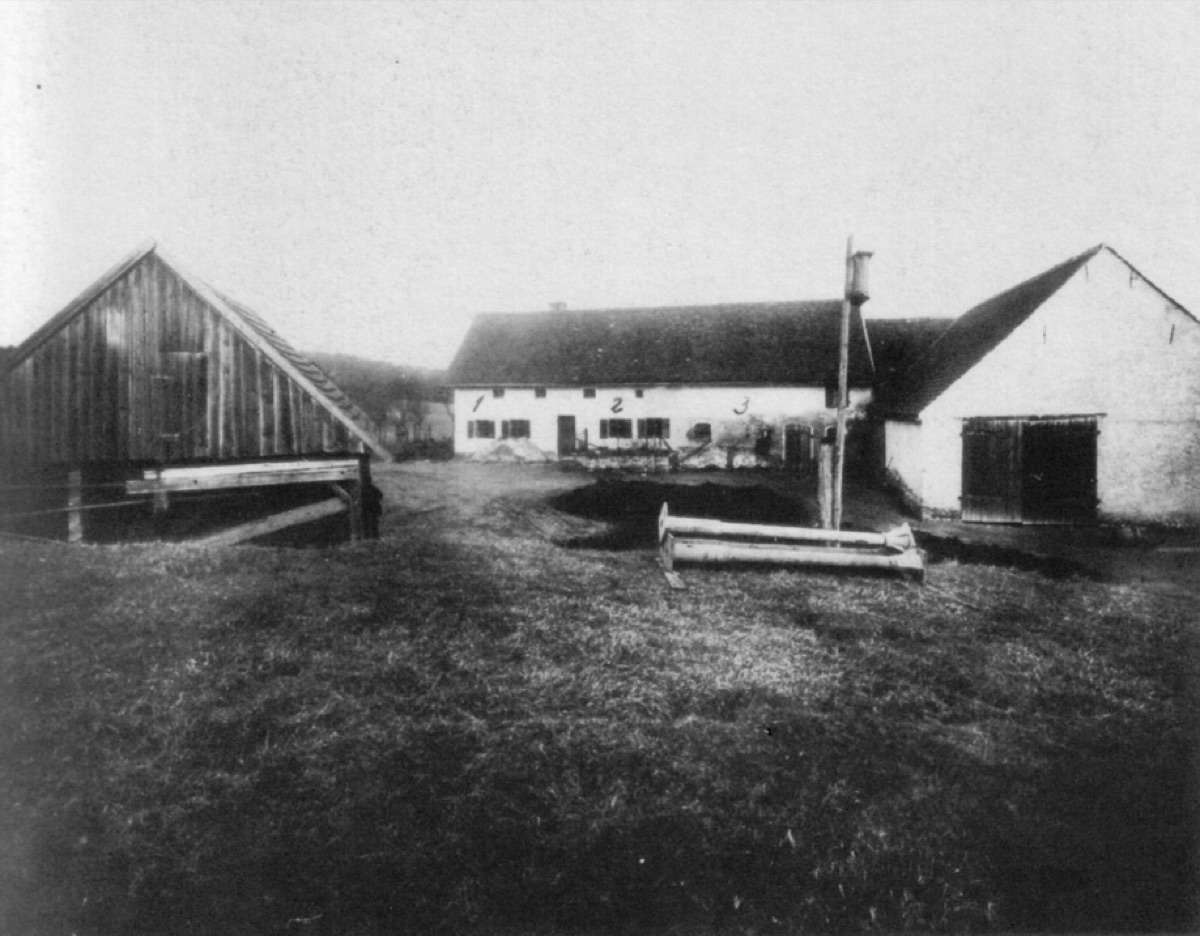
Hinterkaifeck: The Farm Murders That Were Never Solved
On the evening of 31 March 1922, on a small, isolated farmstead called Hinterkaifeck in the Bavarian countryside of southern Germany, six people were murdered, one after another, with a heavy farming mattock. The dead were a single household: the elderly farmer Andreas Gruber and his wife Cäzilia; their widowed daughter Viktoria Gabriel; Viktoria's two young children, seven-year-old Cäzilia and two-year-old Josef; and the family's maid, Maria Baumgartner, who had arrived to begin work only hours before. In the days before the killings, the farmer had told neighbors of strange and frightening things: footprints in the snow leading from the forest to the farm but none leading away, footsteps heard in the attic, a set of house keys gone missing, a newspaper on the property that no one had bought. He did not go to the police. After the murders, in the most chilling detail of all, the killer appears not to have fled but to have remained at the farm for several days — feeding the cattle, tending the dog, and lighting the kitchen stove, while the six bodies lay where they had fallen and neighbors, seeing smoke from the chimney, suspected nothing. It was four days before anyone came close enough to discover the horror. The investigation that followed was one of the largest in Bavarian history, pursuing hundreds of suspects over the decades and reopening the case again and again. No one was ever charged. A century later, the Hinterkaifeck murders remain unsolved, one of the most haunting cold cases in the world. This is the story of the farm where six people died and the killer was never found.

Wirecard and the €1.9 Billion That Never Existed
For years, Wirecard was a German success story almost too good to question. A digital-payments processor based outside Munich, it had risen from obscurity to become one of the most valuable companies in the country — admitted in 2018 to the DAX, the index of Germany's thirty biggest blue-chip firms, replacing a venerable bank. It was hailed as proof that Germany, too, could produce a world-beating technology champion, a fintech to rival Silicon Valley, and its share price soared to give it a value of around 24 billion euros. There was only one problem, and it was a fatal one: a large part of the company was fiction. In June 2020, Wirecard was forced to admit that 1.9 billion euros it claimed to be holding in trustee accounts in Asia — a sum representing the bulk of its supposed profits — could not be found, and, in the company's own startling words, probably did not exist. The admission detonated one of the largest accounting frauds in modern European history. The company collapsed into insolvency within days; its chief executive was arrested; and its chief operating officer, Jan Marsalek, vanished, fleeing the country and surfacing in the orbit of Russian intelligence. The most damning part was that the alarm had been sounding for years: the Financial Times, in a long and lonely investigation, had reported again and again that Wirecard's numbers did not add up — only to be attacked, sued, and investigated itself, while German regulators went after the journalists and short-sellers rather than the company. This article tells the story of the money that never existed, the reporters who refused to let it go, and how a country's pride blinded it to a fraud in plain sight.
Dieselgate
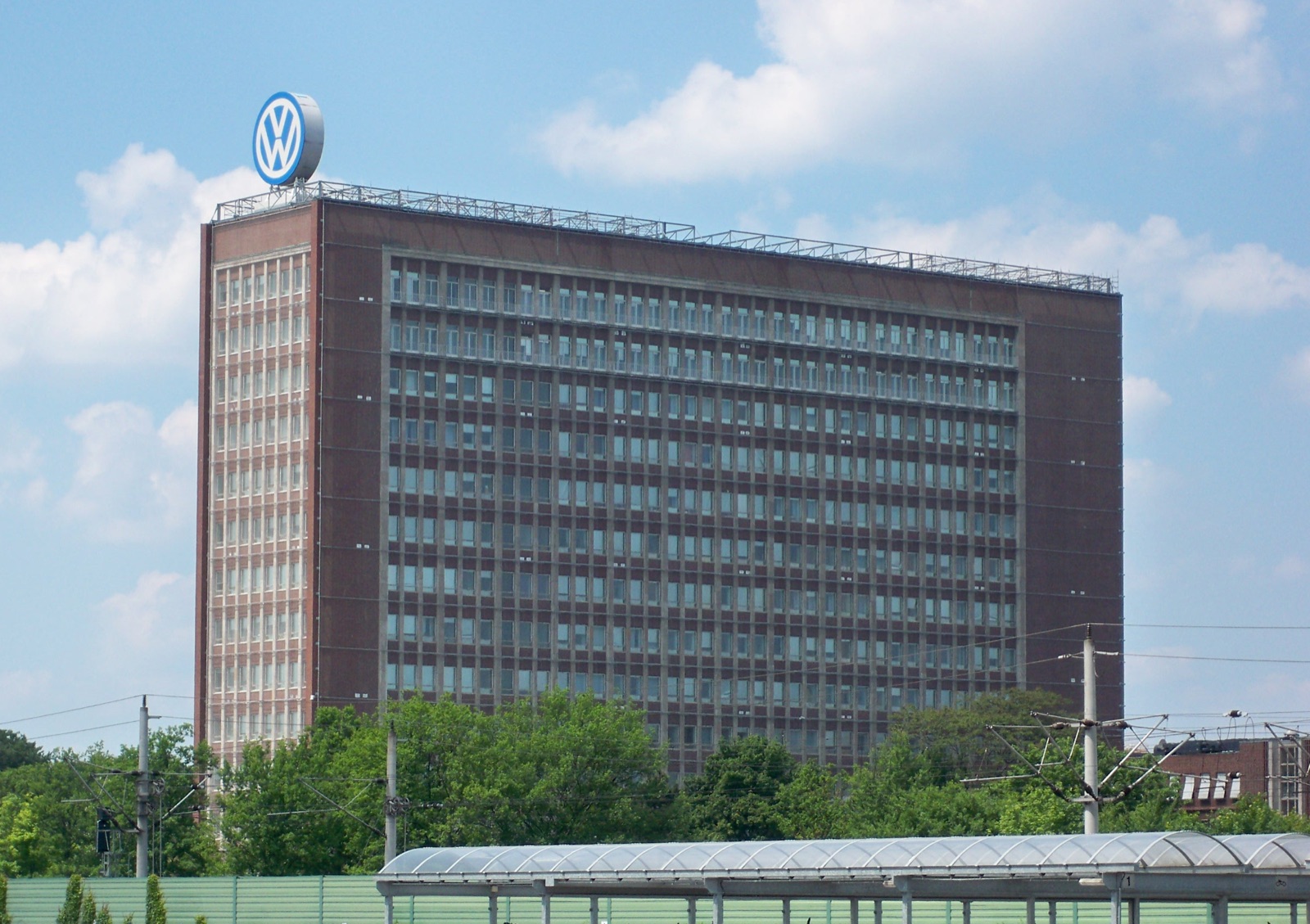
In late 2013, the International Council on Clean Transportation paid a small team at West Virginia University to put two diesel Volkswagens on the road from Los Angeles to Seattle, hooked up to portable emissions sensors. The team expected to find data confirming what Volkswagen's American marketing campaign had been claiming for years: that 'clean diesel' was real. Instead they found nitrogen-oxide emissions up to forty times the legal limit. Eighteen months later, on September 18, 2015, the U.S. EPA formally accused Volkswagen of installing software in eleven million cars that detected emissions tests and lied to them. By the end of the week, the CEO had resigned and Volkswagen had begun a six-year journey through $34 billion of fines and settlements.

Operation Paperclip
Between 1945 and 1959, the U.S. Army Ordnance Corps and the Joint Intelligence Objectives Agency secretly transported more than 1,600 German scientists, engineers, and technicians from defeated Nazi Germany to the United States — together with files that had been quietly stripped of references to Nazi Party membership, SS rank, and slave-labour exploitation. The clip on the folder was where the program got its name. The most prominent of the imported men was Wernher von Braun, designer of the V-2 ballistic missile, who twenty-four years later watched the Saturn V — a rocket built by his Huntsville team — lift Apollo 11 toward the Moon.
4 files · end of the line