
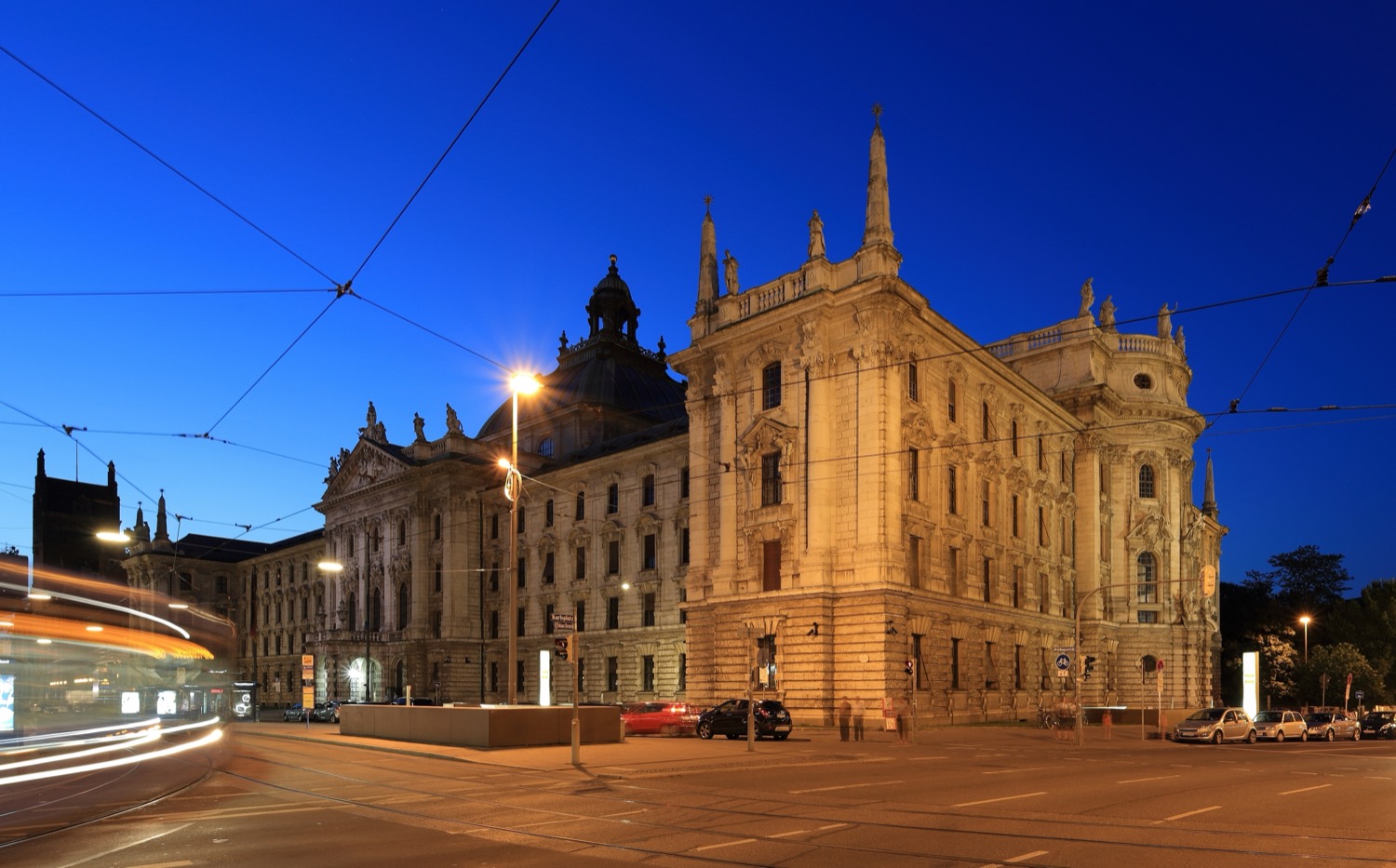
The headquarters of Wirecard in Aschheim, near Munich. From this building, Wirecard rose to become one of Germany's most valuable companies and a member of the elite DAX index — until 2020, when it admitted that €1.9 billion on its books simply did not exist. Wikimedia Commons / Leo Molatore, CC BY-SA 2.0.
Wirecard and the €1.9 Billion That Never Existed
Germany, 2020 — Wirecard was a payments company hailed as Germany's answer to Silicon Valley, a member of the elite DAX index worth €24 billion. Then it admitted that nearly two billion euros on its balance sheet did not exist, and a six-year investigation by the Financial Times was vindicated
- Category
- Finance & Economy
- Published
- Length
- 4,000 words · 19 min read
- Author
- The editors
The Wirecard scandal is, at one level, a familiar story of accounting fraud: profits invented, cash conjured, auditors fooled. But what raises it above the ordinary, and makes it one of the most instructive corporate collapses of the era, is everything around the fraud — the way a whole country's institutions, from its financial regulator to its political establishment to its proudest self-image, lined up to defend the company and attack its accusers. Wirecard is not only a tale of crooks. It is a tale of how a society can be so invested in a success story that it turns on the people telling it the truth.
This is the story of the money that was never there.
The German tech champion
Wirecard sold itself as exactly what Germany wanted: a home-grown technology champion. The country's economy was famous for excellent but old-economy industries — cars, machinery, chemicals — and anxious that it had produced no Google, no Amazon, no Silicon Valley giant. Wirecard seemed to answer that anxiety. A processor of digital payments — the plumbing that moves money when you tap a card or buy something online — it was a real business in a genuinely important and growing field, and it projected the image of a fast-growing, innovative fintech conquering the world.
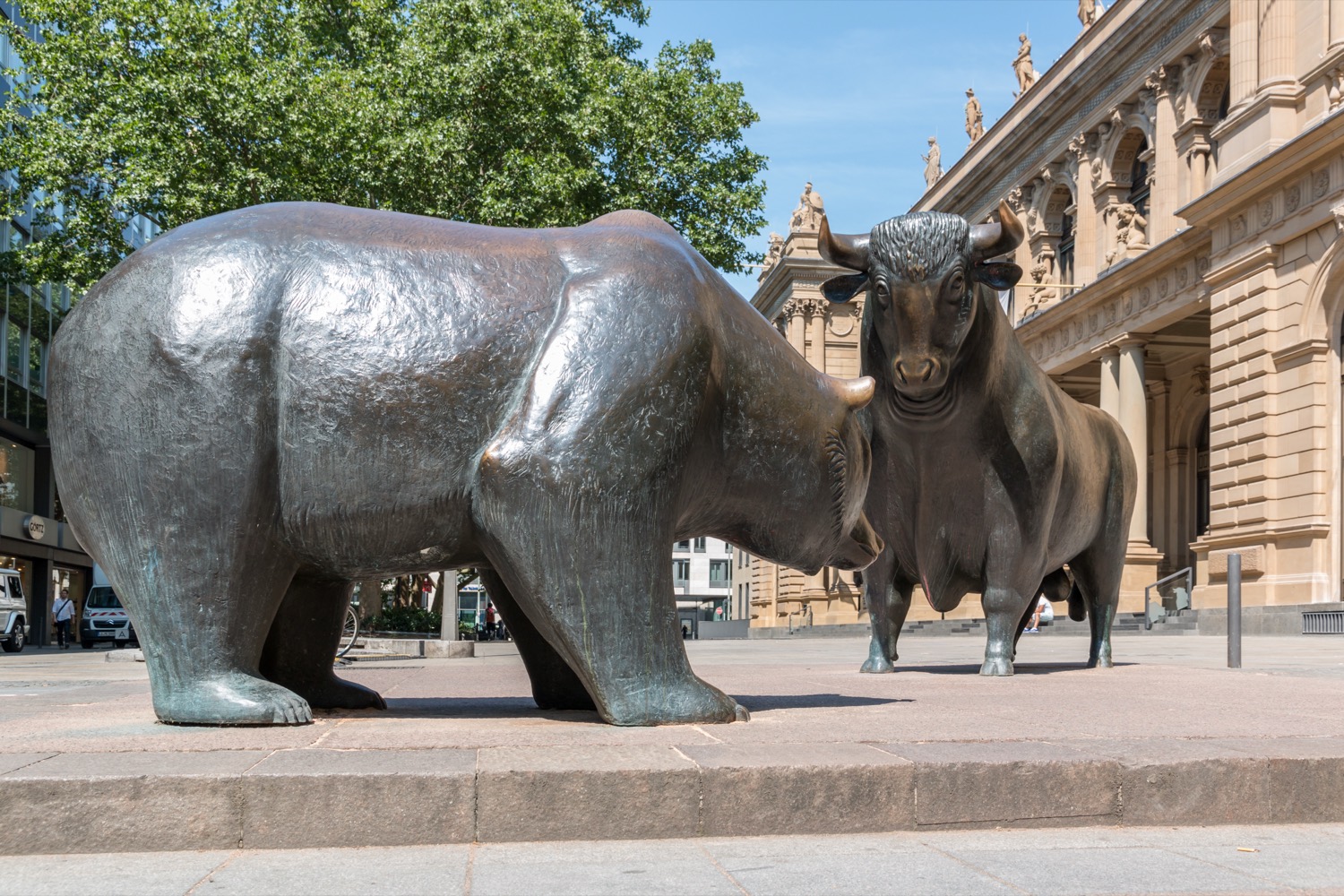
The market embraced the story. Wirecard's shares climbed spectacularly, and in 2018 it achieved a symbolic triumph: it was admitted to the DAX, Germany's index of its thirty largest listed companies, displacing Commerzbank, one of the country's oldest banks. A scrappy payments upstart had joined the establishment, valued at around 24 billion euros, worth more than Deutsche Bank at points. For German finance and German pride, it was a vindication. The trouble was that a substantial part of the company's reported profits came from operations that were largely invented.
Markus Braun embodied the dream. The Austrian-born chief executive, who had led Wirecard since the early 2000s, presented himself as a technology visionary in the Silicon Valley mould — he favoured the black turtleneck, spoke of artificial intelligence and the future of finance, and became, on paper, a billionaire through his large stake in the company. He was a fixture at conferences and in the German business press, lauded as the architect of the country's fintech success. The adulation around him followed the now-familiar pattern of these stories: a charismatic founder-figure, a world-changing narrative, and a market willing to value the story far above the substance. As with the others, the persona was part of the protection — it was hard to square the image of the visionary German billionaire with the reality of a company whose profits were substantially fabricated, and few wanted to try.
The fraud
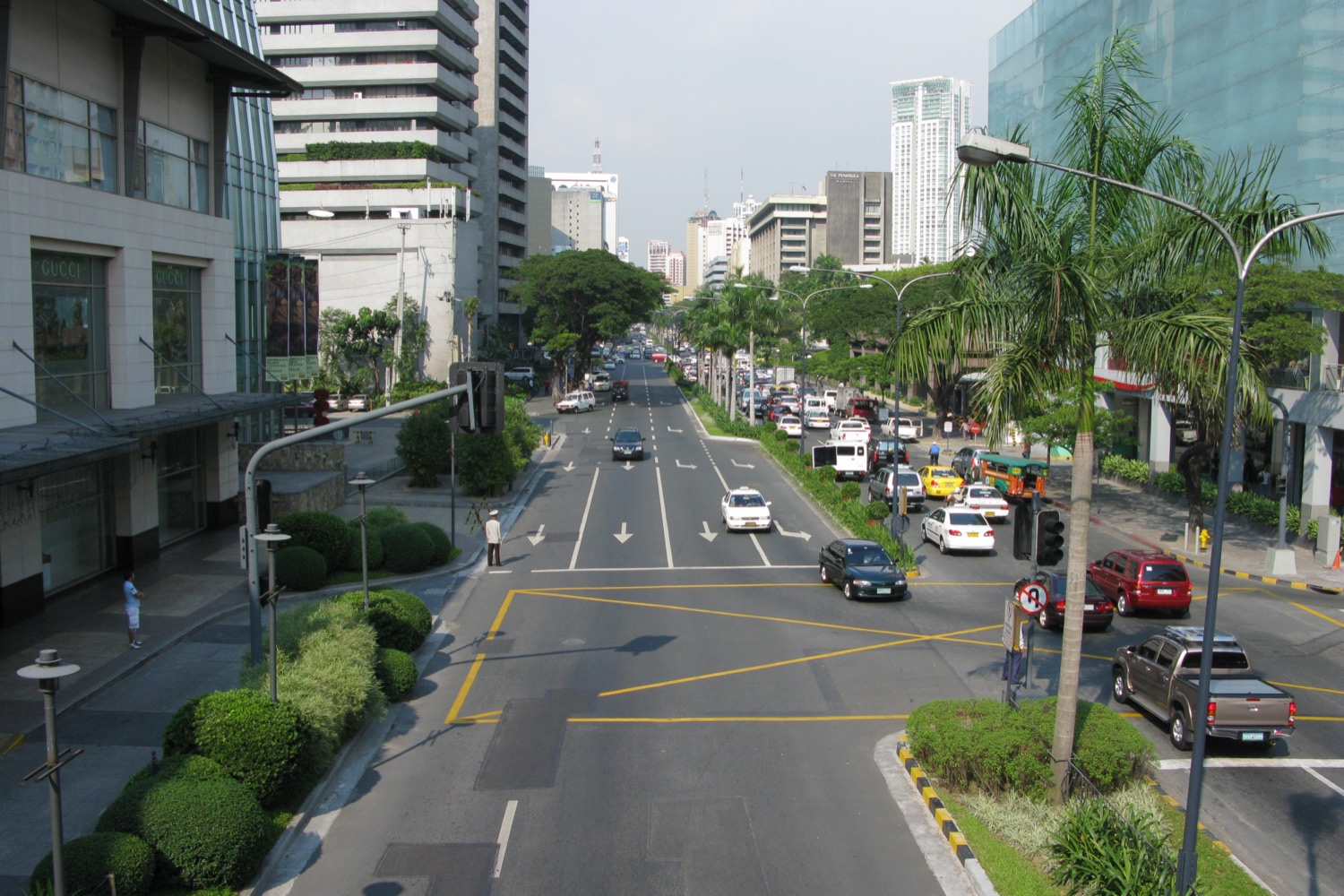
At the heart of the fraud was a business Wirecard called "third-party acquiring" (TPA). Wirecard claimed that, in regions where it did not hold the necessary licences, it processed payments through partner companies in Asia — and that this opaque, outsourced business generated the bulk of its profits. The money from this activity was said to be held in escrow, in trustee accounts, for safekeeping. It was this business that made Wirecard's numbers look so impressive, and it was this business that was, to a very large extent, fictitious. The transactions were inflated or fabricated; the partner arrangements were dubious; and the cash that was supposed to sit in the trustee accounts — ultimately 1.9 billion euros of it — was not there.
It is worth pausing on how brazen, and how simple, the central deception was. The 1.9 billion euros was not lost in some labyrinth of derivatives or hidden in an offshore structure too complex to trace; it was claimed to be sitting in ordinary bank accounts in the Philippines, and the proof of its existence rested on documents — confirmations supposedly issued by banks — that turned out to be forgeries. The entire edifice of Wirecard's profitability, the foundation of a 24-billion-euro valuation and a place in Germany's most elite index, ultimately depended on pieces of paper attesting to money that was not there. When investigators and, belatedly, auditors finally went directly to the named banks to ask whether the accounts existed, the answer was no. The fraud had been hiding behind nothing more sophisticated than the assumption that no one with authority would actually check — an assumption that held, against all the warnings, for years.
The Financial Times and the lonely investigation
The most remarkable thing about Wirecard is that the truth was being reported, loudly and repeatedly, for years before the collapse — and was not believed. From around 2015, the Financial Times, and in particular the journalist Dan McCrum, published a series of investigations raising serious questions about Wirecard's accounting: discrepancies in its numbers, doubts about its Asian operations, signs that profits were being inflated. In 2019, the FT published detailed allegations, supported by internal documents, pointing toward fraud.
What happened next is the part that should disturb anyone who trusts institutions to police corporate fraud. Instead of triggering scrutiny of Wirecard, the FT's reporting triggered an assault on the FT. Wirecard denied everything and went on the offensive, suing the newspaper and accusing it of market manipulation in league with short-sellers. Many investors and analysts sided with the company, seeing the allegations as an Anglo-Saxon attack on a German champion. And, most damningly, Germany's own financial regulator, BaFin, treated the journalists and the short-sellers as the suspects rather than Wirecard: it opened an investigation into possible market manipulation by those betting against the stock, and in 2019 it took the extraordinary step of temporarily banning short-selling of Wirecard shares — in effect protecting the company from the market's skepticism. The watchdog had sided with the fraud against the people exposing it.
For the journalists, the years before vindication were genuinely punishing. Dan McCrum and his colleagues found themselves under surveillance, the targets of legal threats, and the subject of a criminal investigation in Germany for alleged market manipulation — facing the real prospect that doing accurate, important journalism could end in prosecution. They were, for a long stretch, isolated: much of the financial world had decided they were wrong, the company was lavishly funded and litigious, and the German establishment treated their work as an attack rather than a warning. To keep reporting a true story while being treated as the criminal took considerable nerve, and the eventual vindication, when it came, did not erase the years of pressure that preceded it. The episode became a case study, taught in journalism, of both the value and the cost of dogged investigative reporting against a powerful, popular, and fraudulent target.
The collapse
The reckoning came in June 2020. Wirecard's auditor, EY (Ernst & Young), finally sought direct confirmation of the 1.9 billion euros supposedly held in the Philippine trustee accounts — and could not get it. The banks said the accounts did not exist; documents purporting to confirm the cash appeared to be forged. EY refused to sign off on Wirecard's accounts. On 18 June 2020, Wirecard announced that the 1.9 billion euros was missing, and days later it went further, conceding that the money probably had never existed at all. The effect was instantaneous and total: the share price collapsed by the vast majority of its value in days, wiping out the company's worth almost entirely. On 25 June 2020, Wirecard filed for insolvency — the first member of the DAX ever to do so. A company that had been worth 24 billion euros and hailed as Germany's tech future was, within a week, bankrupt and exposed as a fraud.
The human drama escalated from there. Markus Braun, Wirecard's long-serving chief executive — an Austrian technologist who had become a billionaire on the company's rise and styled himself a visionary — was arrested. But the most colourful figure was Jan Marsalek, the chief operating officer who had run the opaque Asian operations at the centre of the fraud. As the company imploded, Marsalek fled Germany and disappeared. In the months and years that followed, reporting revealed that he had long-standing connections to intelligence circles, and he was ultimately linked to Russian intelligence services, apparently having escaped to Russia. A man who had helped run a fraudulent German fintech turned out to have a second life in the shadowy world of espionage, transforming an accounting scandal into an international spy story.
The Marsalek thread turned out to be even stranger and more troubling than a fugitive executive. Investigative reporting in the years after the collapse established that Marsalek had cultivated extensive contacts with intelligence services, had boasted of secret connections, and had ultimately fled, via a private flight, in the direction of Russia, where he is believed to have been sheltered. He was later named in connection with Russian espionage operations in Europe, recast not merely as a corporate fraudster but as a figure entangled with a hostile state's intelligence apparatus. That the chief operating officer of a DAX-listed German company — one whose accounts the country's regulator had defended — could turn out to be living in Moscow under the protection of Russian intelligence added a dimension of national-security embarrassment to the financial one. It raised uncomfortable questions about how a man so connected, running operations so opaque, had been allowed to operate at the heart of German finance for so long, and what, beyond money, his murky Asian dealings might have been a cover for.
The reckoning
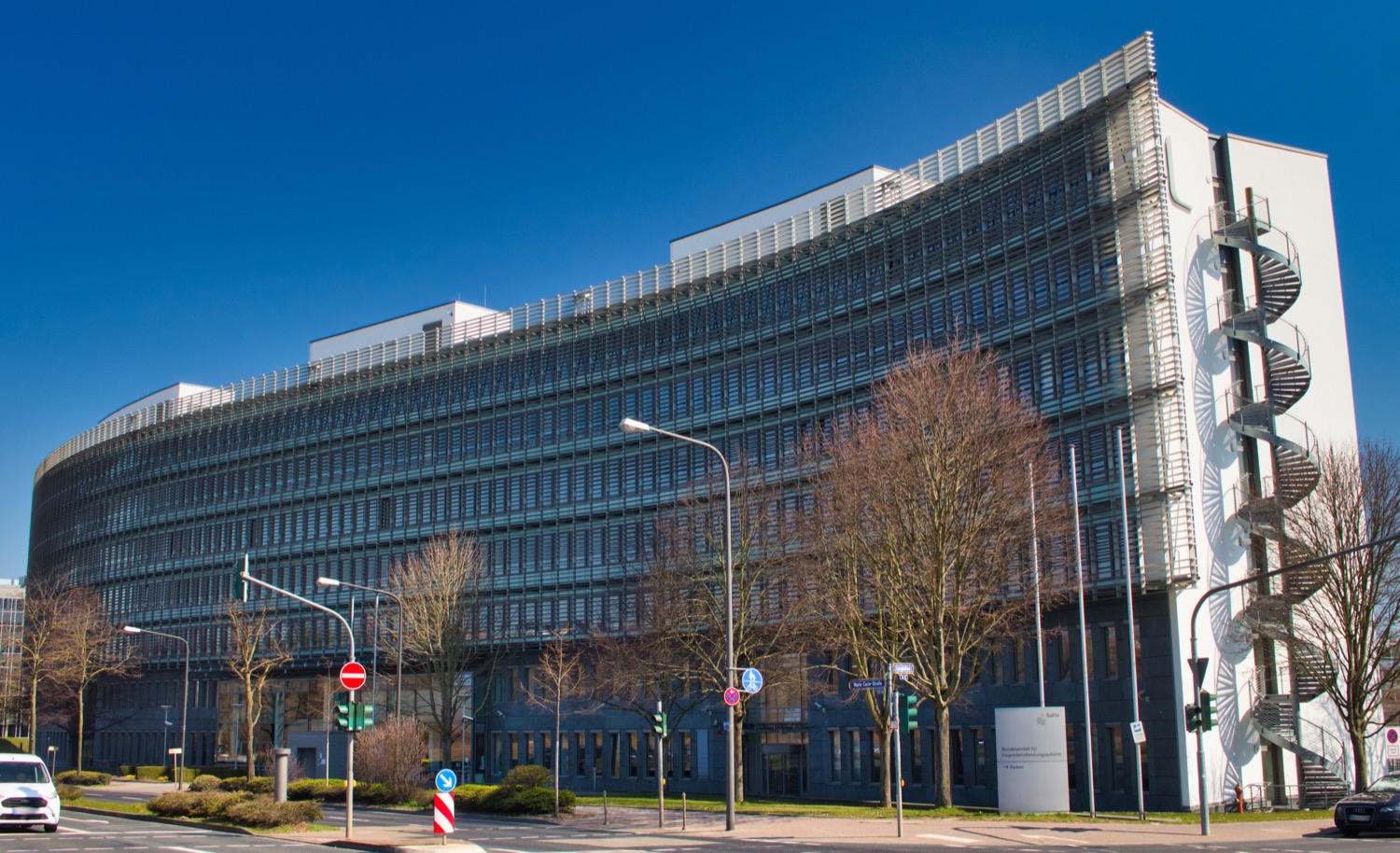
The aftermath laid bare a chain of institutional failures that reached far beyond Wirecard itself. The auditors, EY, who had signed off on Wirecard's accounts for years, faced severe criticism and legal consequences for failing to detect — or properly check — the missing billions; the basic step of independently confirming the escrow cash had not been adequately performed for too long. The regulator, BaFin, was condemned for its failure to investigate Wirecard and its decision to target the journalists instead; its president was replaced and the agency was reformed. A German parliamentary committee investigated the scandal, examining how regulators, auditors, and politicians had all failed, and how close some in government had been to the company.
The criminal proceedings have been lengthy. Markus Braun has stood trial in Munich, maintaining his innocence and arguing that he too was deceived — that the fraud was the work of others, principally the absent Marsalek, who is widely seen as a central architect but who remains a fugitive beyond the reach of German justice. The legal apportioning of guilt is complex and ongoing. But the central facts are not in dispute: the 1.9 billion euros did not exist, Wirecard's success was substantially fraudulent, and a great many institutions that should have caught it instead protected it.
What is established, and what it means
The core facts are settled: the missing billions were fictional, Wirecard's profits were substantially invented, and the institutions meant to catch the fraud failed and in key respects sided with the fraudsters. The lessons reach well beyond one company.
The first is about the failure of the gatekeepers. Modern finance relies on a chain of supposed safeguards — auditors who verify a company's accounts, regulators who police its conduct, analysts and the press who scrutinise it. In the Wirecard case, almost every link failed at once. The auditors did not perform the basic check that would have exposed the fraud; the regulator attacked the messengers; many analysts and investors believed the company over its critics. The scandal is a demonstration that these safeguards are not automatic — that they can all fail together, especially when a powerful collective belief in a company's success makes scrutiny feel like betrayal.
The second is about the corrosive power of national pride. A great deal of the deference Wirecard enjoyed flowed from its status as a German champion. The instinct to defend a home-grown success against foreign critics — to see the FT's reporting as an attack by Anglo-American short-sellers on German achievement — blinded regulators, investors, and much of the public to evidence that was, in hindsight, damning. The desire for the story to be true overrode the willingness to check whether it was. That is a danger not unique to Germany or to Wirecard: wherever a society becomes invested in a hero, it grows reluctant to hear that the hero is a fraud, and turns its suspicion on the doubters instead.
In the end, Wirecard stands as a parable of institutional failure as much as of individual crime. The money never existed; the success was substantially a fiction; and the people who said so — a tenacious newspaper and the investors willing to bet against the consensus — were treated as enemies by the very institutions whose job was to find the truth. It took the unavoidable arithmetic of an escrow account that no bank would confirm to finally break the spell, and when it broke, it broke a 24-billion-euro company in a week and humiliated a nation's regulators, auditors, and pride along with it. The 1.9 billion euros that vanished had never been there at all, and the deepest scandal was not that it was missing, but that so many powerful people had insisted, for so long and against so much evidence, that it was real. The truth had been free for years. Wirecard is the story of how much a country can pay for refusing to accept it.
Sources
- The German parliamentary inquiry (Bundestag investigation committee) into the Wirecard scandal and the failures of BaFin and other bodies (2020–2021) — primary.
- Wirecard's own statements of June 2020 conceding the missing/non- existent €1.9 billion, and the insolvency filing — primary.
- Financial Times investigations by Dan McCrum and colleagues (2015–2020) — primary/secondary.
- The criminal proceedings against Markus Braun and others in Munich — primary.
- Dan McCrum, Money Men: A Hot Startup, a Billion-Dollar Fraud, and the Man Who Pursued It (2022) — secondary.
- Reporting on Jan Marsalek's flight and his links to Russian intelligence — secondary.
- Regulatory and audit reviews of BaFin and EY following the collapse — primary.
- Reporting by the Financial Times, Der Spiegel, Süddeutsche Zeitung, and others on the scandal and its aftermath (2020–2024) — secondary.
Inspired this / based on it
Dan McCrum
Bantam Press. By the Financial Times reporter who exposed the fraud.
Netflix
Documentary on the rise and fall of Wirecard and the FT investigation.
Filed under
- #wirecard-2020
- #germany
- #fraud
- #accounting-fraud
- #jan-marsalek
- #financial-times
- #bafin
- #fintech
- #2020s
- #confirmed
Click any tag for every article carrying it.
Continue reading

FTX and the Crypto King Who Gambled With Other People's Money
Sam Bankman-Fried looked nothing like a master of the financial universe, and that was part of the appeal. He slept on a beanbag, wore cargo shorts and a rumpled T-shirt to meetings with the most powerful investors in the world, played video games while pitching them, and let his hair grow into a famous unruly mop. He talked not about getting rich but about giving it all away — a devotee of 'effective altruism,' the philosophy of earning as much as possible in order to donate it to causes that do the most good. By 2022 his cryptocurrency exchange, FTX, was valued at around $32 billion, one of the largest in the world; his face was on a Miami sports arena and a Super Bowl commercial; he had become the acceptable, philanthropic face of a chaotic crypto industry, courted by celebrities, politicians, and regulators alike. And then, over about ten days in November 2022, the whole edifice collapsed with stunning speed. It emerged that roughly $8 billion of FTX customers' money was simply gone — that the exchange had secretly funnelled its customers' deposits to Bankman-Fried's affiliated hedge fund, Alameda Research, which had gambled and lost much of it. There was no sophisticated technology failure and no clever scheme that merely went wrong; a court would find it was straightforward fraud and theft on an enormous scale. Bankman-Fried was arrested, tried, convicted on all counts, and in 2024 sentenced to 25 years in prison. This article tells the story of how a young man in shorts became the king of crypto, how he stole billions while presenting himself as the industry's most ethical figure, and how it all came apart in less than two weeks.

The Panama Papers
At approximately 6:00 p.m. Central European Time on Sunday, April 3, 2016, news organizations on six continents simultaneously published the first results of an 18-month coordinated investigation into 11.5 million leaked documents from a single Panama-based law firm. The firm was Mossack Fonseca. The documents — totaling 2.6 terabytes, the largest single data leak in journalism history at that time — exposed the operations of 214,488 offshore corporations and the identities of their ultimate owners. The owners included 12 sitting heads of state, 128 senior politicians and government officials, members of the inner circles of Vladimir Putin and the Saudi Royal Family, the families of Xi Jinping and David Cameron, the President of Iceland (who resigned within 48 hours), Lionel Messi, Pedro Almodóvar, and dozens of others. The leaking source — known only as 'John Doe' and never identified — had delivered the documents over a period of approximately 12 months to two reporters at the Munich newspaper *Süddeutsche Zeitung*. The investigation was coordinated by the International Consortium of Investigative Journalists (ICIJ), based in Washington, D.C. 376 reporters at more than 100 news organizations in 76 countries worked on the documents in shared secure infrastructure for the entire 18 months without any pre-publication leak. The story won the 2017 Pulitzer Prize for Explanatory Reporting and triggered approximately $1.36 billion in unpaid-tax recoveries by governments worldwide between 2016 and 2024.

Theranos and the Drop of Blood That Wasn't There
Elizabeth Holmes dropped out of Stanford at nineteen to build a company around an idea that sounded like the future: a small machine that could run a comprehensive battery of medical tests — hundreds of them — from a single drop of blood drawn painlessly from a finger-prick, cheaply and instantly, in any pharmacy or home. She called the company Theranos, dressed in a black turtleneck in conscious imitation of Steve Jobs, and spoke in a deep voice about democratising health care and saving lives. Silicon Valley believed her. So did some of the most powerful men in America, who joined her board: former secretaries of state Henry Kissinger and George Shultz, former defense secretary James Mattis, and others. So did the pharmacy giant Walgreens, which put Theranos blood-testing centres in its stores. By 2014 the company was valued at around nine billion dollars and Holmes, on paper, was the youngest self-made female billionaire in the world, hailed on magazine covers as the next Jobs. There was only one problem, and it was the whole problem: the machine did not work. It could not do what she claimed, it never had, and inside the company the tests on real patients were secretly being run, badly, on ordinary commercial analysers — producing results so unreliable that people received dangerously wrong information about their own blood. Theranos was not a brilliant idea that failed; it was, a court would eventually find, a fraud. This article tells the story of how a company built on a drop of blood that wasn't there fooled so many for so long, who finally exposed it, and what it revealed about the culture that made it possible.