Tag
#scotland
3 articles
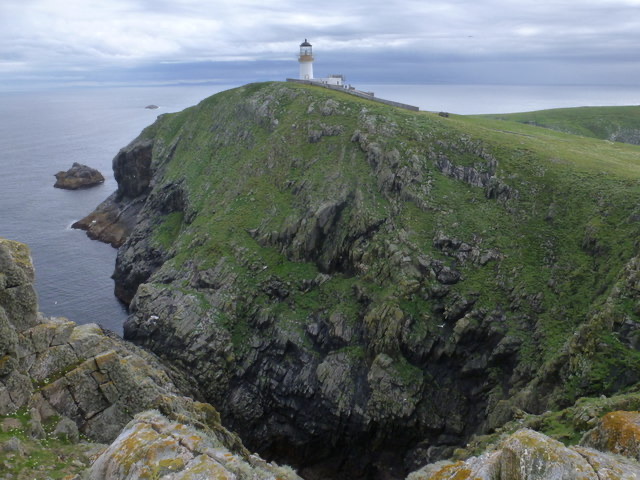
The Flannan Isles: The Lighthouse Keepers Who Vanished
On a tiny, uninhabited island in the Atlantic off the northwest coast of Scotland, a lighthouse stood watch in the winter of 1900, manned by three experienced keepers. The Flannan Isles — a scatter of rocky islets the Hebridean fishermen called the Seven Hunters, long reputed to be uncanny — lay some thirty kilometers out into the open ocean, and the lighthouse on the largest of them, Eilean Mòr, was one of the loneliest postings in the British Isles. In mid-December, a passing steamer noticed that the light was not burning, but the report went unheeded, and bad weather delayed the relief vessel. When it finally reached the island the day after Christmas, the relief keeper climbed up to the lighthouse and found it empty. The three men — James Ducat, Thomas Marshall, and Donald MacArthur — were gone. The lamp was clean and ready but unlit; the entrance gate and the doors were shut; the clock had stopped; the last entry in the log was days old. There was no sign of the keepers anywhere on the island, and there never would be: their bodies were never found. At the island's west landing, far above the normal reach of the sea, the investigators found startling damage — equipment torn from a crevice high on the cliff, iron railings bent, a great rock shifted — the marks of a wave of extraordinary size. The official conclusion was that the three men had been swept into the sea by such a wave while trying to secure their gear in a storm. It is the most likely explanation, and it is probably true. But because no one saw it happen and nothing was ever recovered, the disappearance became one of the most haunting mysteries of the sea, and the facts were soon overgrown with legend. This is the story of the keepers who vanished from the Flannan Isles.
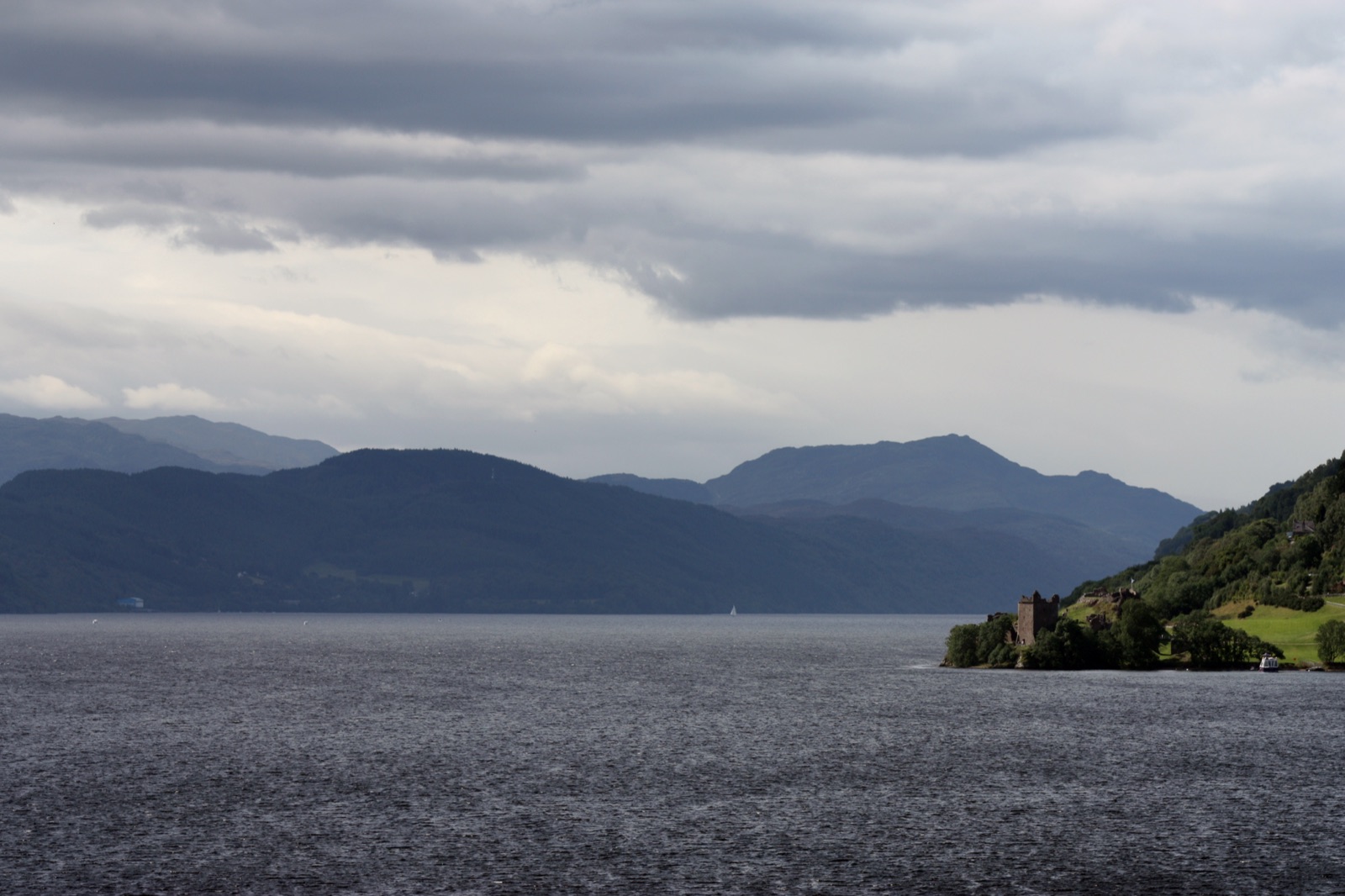
The Loch Ness Monster and the Photograph That Was a Toy Submarine
Loch Ness is a long, deep, black ribbon of water in the Great Glen of the Scottish Highlands, holding more fresh water than every lake in England and Wales combined, its surface often mirror-still beneath brooding hills and its depths so stained with peat that a diver cannot see his own hand. In 1933, as a new road opened up its shore to motorists and reporters, it acquired a tenant: a large, unknown creature, glimpsed humping across the water and, in one celebrated case, lurching across the road itself, which a newspaper editor christened a 'monster.' Within a year the creature had its defining portrait — the 'Surgeon's Photograph,' a grainy image of a small head on a long, curving neck rising from the ripples, taken, it was said, by a respectable London doctor who wanted no part of the fuss. For sixty years that photograph was the single best piece of evidence that something extraordinary lived in Loch Ness. In 1994 it was revealed to be a hoax: a sculpted head mounted on a clockwork toy submarine, floated on the loch by a man bent on revenge against the very newspaper that printed it. That revelation is a fair emblem of the whole case. A sonar flotilla swept the loch in 1987 and found nothing it could call a monster; a 2018 survey that sequenced the DNA in the loch's water found eels in abundance and not a trace of any reptile or unknown giant. By the cold standards of evidence, the Loch Ness Monster has been looked for as hard as any creature on earth and has never been found. And yet it persists — in the sightings, in the searches, in the tens of millions of pounds it draws to the Highlands every year. This article sets out what is actually known: where the legend came from, how its greatest proof collapsed, what science has and has not ruled out, and why a monster that almost certainly does not exist refuses to die.
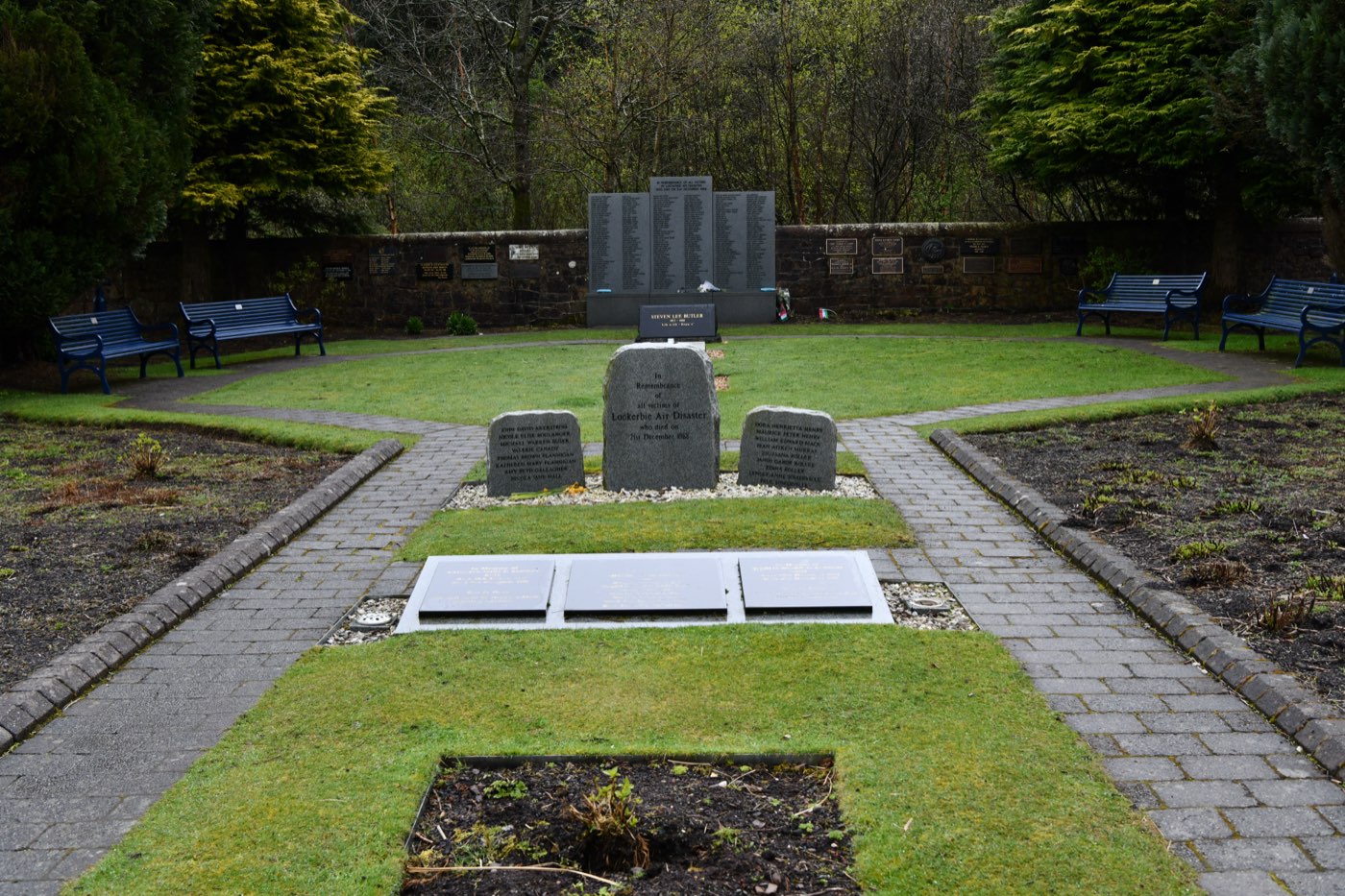
Lockerbie / Pan Am 103
At 19:02:50 Greenwich Mean Time on Wednesday, December 21, 1988, Pan American World Airways Flight 103 — a Boeing 747-121 named *Clipper Maid of the Seas*, registration N739PA, on the daily transatlantic service from London Heathrow to New York's John F. Kennedy International Airport — was at flight level 310 (31,000 feet) and approximately 38 minutes into its scheduled 7-hour 50-minute flight when a 312-gram improvised explosive device detonated inside the forward cargo hold. The bomb had been concealed within a Toshiba RT-SF 16 BomBeat radio-cassette recorder packed inside a brown Samsonite hardshell suitcase. The aircraft broke up immediately. The forward fuselage section — including the cockpit — separated from the airframe and fell intact for approximately 90 seconds before impacting at Tundergarth, three miles east of the small Dumfriesshire market town of Lockerbie. The remaining airframe broke into thousands of pieces across an area subsequently mapped at 845 square miles. Of 243 passengers and 16 crew aboard, all died. On the ground in Lockerbie, 11 residents of Sherwood Crescent were killed when the centre-wing fuel tanks impacted at the southwestern edge of the town. Total deaths: 270 — the highest single-incident terrorist casualty figure on British soil in the 20th century. The investigation that followed has had two principal evidential phases. The first phase (December 1988 – November 1990) focused on the Popular Front for the Liberation of Palestine – General Command (PFLP-GC), a Syrian-sponsored Palestinian faction. The second phase (from November 1990) re-directed the investigation toward Libya and produced the November 1991 U.S. and U.K. indictments of two Libyan Arab Airlines employees: Abdelbaset al-Megrahi and Lamin Khalifa Fhimah. The temporal coincidence between the investigative shift and the Gulf War coalition-building of late 1990 (which brought Syria into alignment with the United States) has been the subject of subsequent academic and journalistic debate. The Camp Zeist trial of 2000-2001 — held under Scottish law in a Dutch facility designated as Scottish soil for the trial — convicted Megrahi (January 31, 2001) and acquitted Fhimah. Megrahi was released by the Scottish Government on compassionate grounds (terminal prostate cancer) on August 20, 2009, after serving 8 years 6 months of his life sentence; he died in Tripoli on May 20, 2012. A second Libyan defendant — Abu Agila Mohammad Mas'ud Kheir Al-Marimi, identified as the bombmaker — was extradited to the United States from Libya in December 2022 and is currently awaiting trial in the District of Columbia. The case is formally closed in legal terms; substantive aspects of the evidence — including the identification of the timer fragment that linked Megrahi to the bomb — remain disputed in independent forensic reviews.
3 files · end of the line