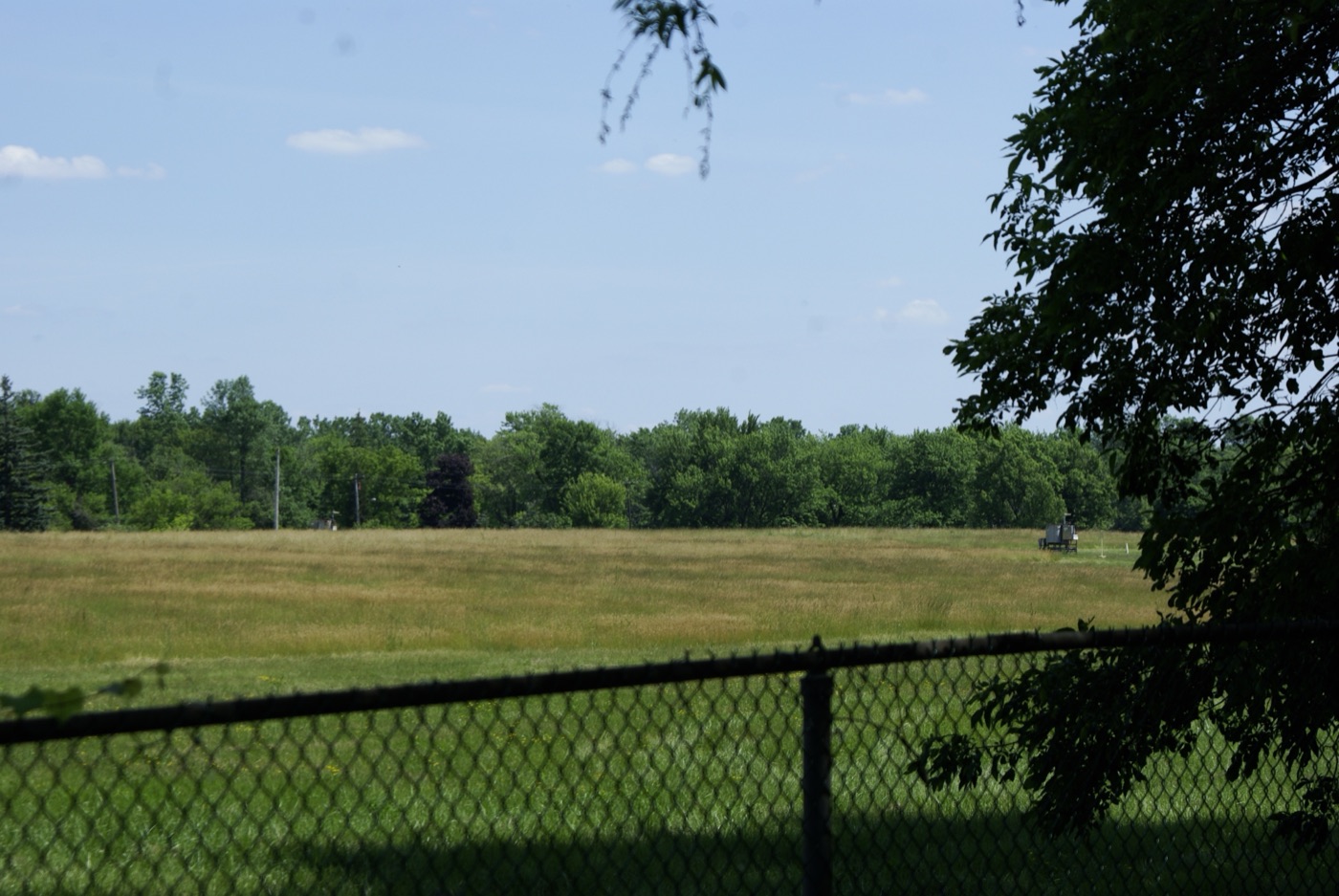
The Love Canal site in Niagara Falls today — a fenced, grassed-over expanse containing the buried chemical waste. Beneath this ground the Hooker Chemical Company dumped 21,000 tons of toxic waste, and on top of it a neighborhood was built. Wikimedia Commons / Buffalutheran, CC0.
Love Canal: The Neighborhood Built on a Toxic Dump
United States, 1978 — A chemical company buried 21,000 tons of toxic waste in an old canal, then sold the land for a dollar. A school and a neighborhood were built on top of it — and years later the poison came back up through the ground
- Category
- Corporate Cover-ups
- Published
- Length
- 3,600 words · 19 min read
- Author
- The editors
Love Canal is the disaster that gave America its conscience about toxic waste, and its power as a cautionary tale lies in how ordinary it was. There was no explosion, no single dramatic catastrophe — just a buried dump, a chain of decisions that put a school and homes on top of it, and a slow, creeping poisoning that took decades to become undeniable. It is a story about what lies hidden beneath the surface of everyday life, about the documents and warnings that existed all along but changed nothing, and about how an ordinary neighborhood of people with no power and no expertise forced a nation to confront a problem it had preferred not to see. Love Canal turned a housewife into an activist, a neighborhood into a movement, and a local nightmare into the foundation of American environmental law.
This is the story of the neighborhood built on a toxic dump.
The canal and the dump
The site took its name from William T. Love, a developer who in the 1890s began digging a canal near Niagara Falls as part of a grand scheme to generate hydroelectric power and build a model industrial city. The project failed, leaving behind only a partial trench — a long, abandoned ditch that would sit largely unused for decades. In the 1940s, the Hooker Chemical Company, a major chemical manufacturer in Niagara Falls, found a use for it: as a place to dispose of the enormous volumes of toxic byproducts its plants generated.
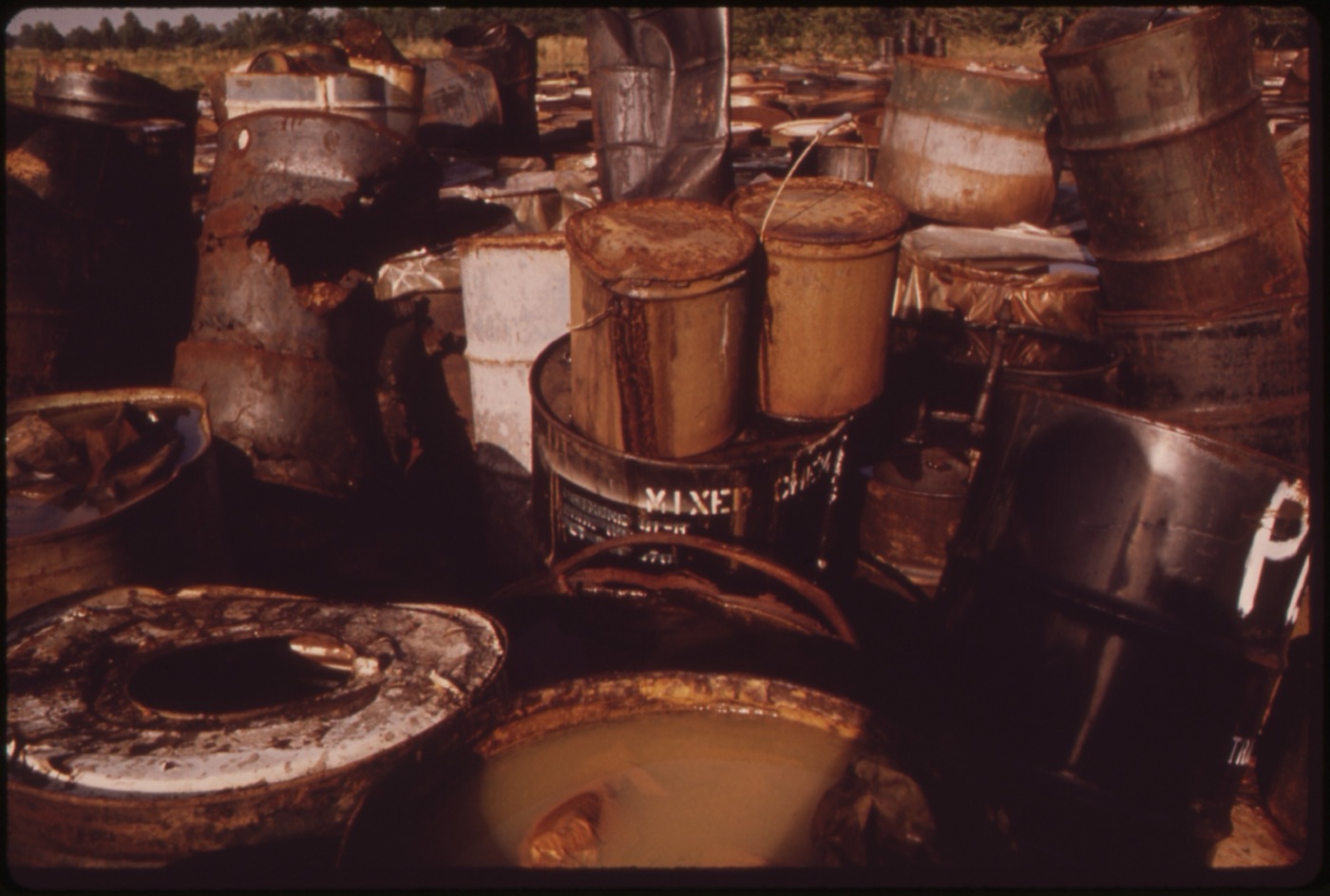
Over roughly a decade, Hooker filled the old canal with around 21,000 tons of chemical waste — a toxic stew of more than 200 different compounds, including pesticides, chlorinated solvents, and dioxins, among the most hazardous substances industry produces. The waste was placed in the canal, which had a relatively impermeable clay base, and when the dump was full, Hooker covered it with a clay cap intended to seal the chemicals in and keep water out. For its time, the disposal was not especially unusual or even illegal; burying chemical waste in this way was common industrial practice. The problem was what happened to the land next.
The dollar and the deed
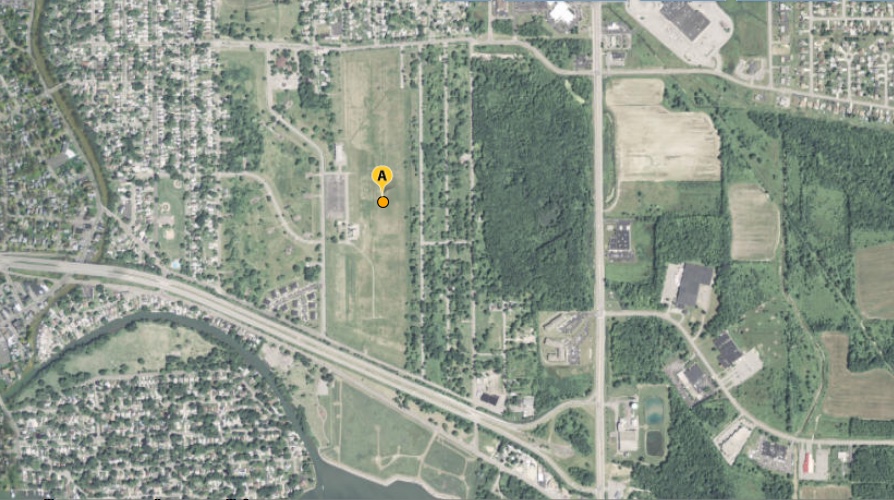
By the early 1950s, Niagara Falls was growing, and the Board of Education needed land for new schools. It set its sights on the Hooker property over the covered canal. Hooker, by its own later account, was reluctant, aware of what lay buried there — but under pressure, and perhaps eager to shed the liability, the company agreed to sell. In 1953 it transferred the land to the Board of Education for the nominal sum of one dollar. Crucially, the deed of sale included a warning: it described the presence of buried chemical waste on the property and contained a clause stating that the company would not be responsible for any injury or death that might result. Hooker, in other words, created a written record acknowledging the hazard and attempting to disclaim responsibility for it.
The school and the homes
The Board of Education built an elementary school — the 99th Street School — directly on the covered canal, and it opened in the mid-1950s. Around it, the neighborhood grew: streets were laid out, sewers and utilities installed, and modest single-family homes built for the working families of Niagara Falls. To the people who moved there, it was simply a pleasant, affordable place to live, with a school within walking distance and yards for the children. Almost none of them knew what lay beneath.
The construction itself made the danger worse. Building the school, the roads, and the sewer lines meant digging into and through the site, which breached the protective clay cap that was supposed to seal the chemicals in. Soil was removed; the integrity of the cover was broken; channels were created along which water — and the chemicals it carried — could move. The very act of developing the neighborhood unsealed the dump. For a time the consequences remained mostly hidden, but the buried waste was now able to migrate, and slowly, through the soil and groundwater, it began to spread beneath the homes and the school.
The poison returns
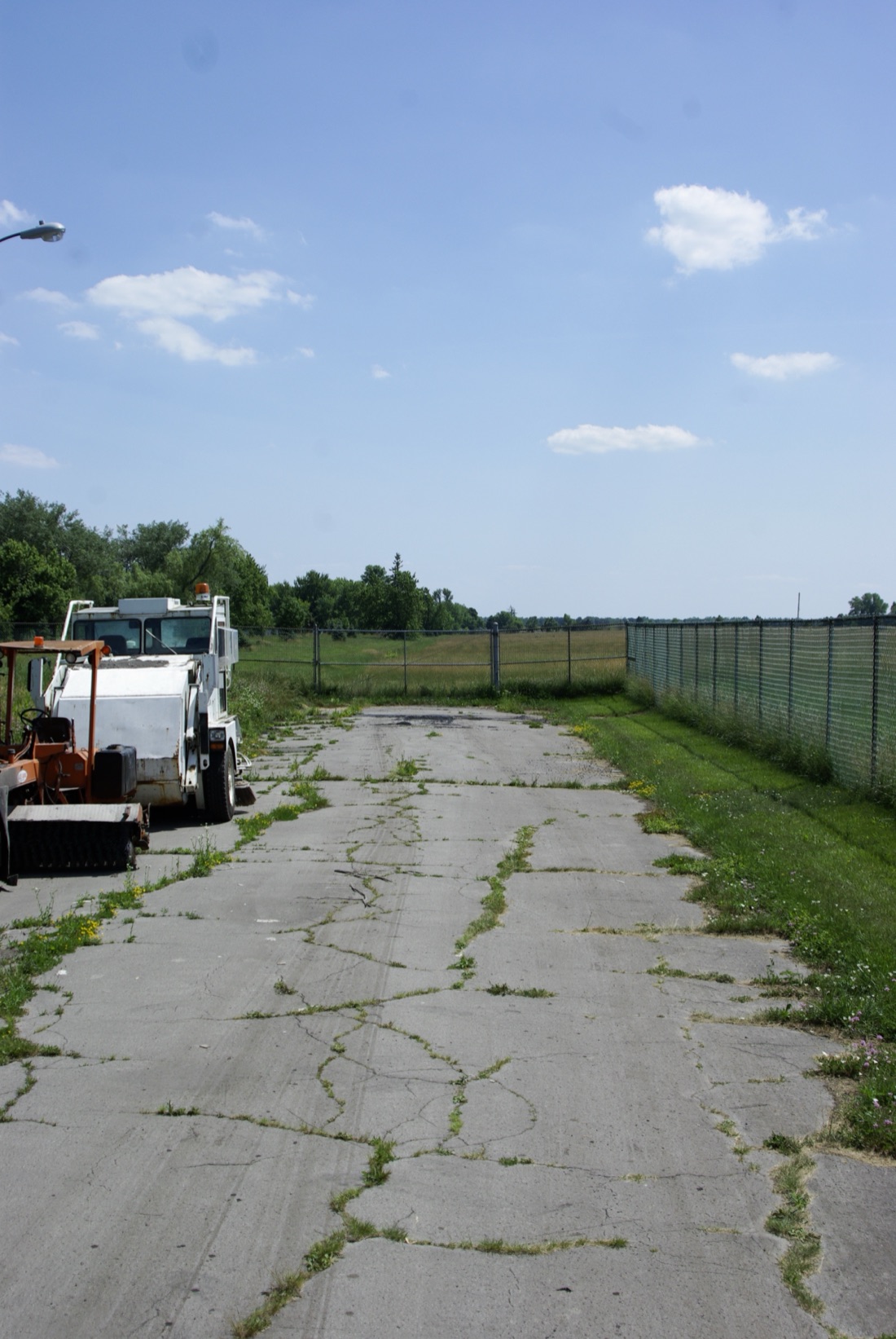
By the 1970s, the hidden became visible. A succession of wet years and heavy snowmelt raised the local water table, and the rising groundwater mobilized the buried chemicals, pushing them upward and outward. Residents began to encounter the waste directly and horribly: black, oily sludge seeping into basements; strange chemical odors hanging in the air; foul liquids pooling in yards and on the school playground; corroded drums surfacing in the ground; patches of earth where nothing would grow and where children playing could suffer chemical burns. The dump that had been sealed away two decades earlier was returning to the surface, into the daily life of the families who lived above it.
What gave the physical signs their full meaning was the pattern of illness that residents, comparing notes, began to perceive among themselves. There seemed to be an extraordinary incidence of miscarriages and stillbirths; of babies born with birth defects; of mysterious illnesses, respiratory problems, and cancers, clustered in the homes nearest the canal. For years these tragedies had been suffered privately, as isolated misfortunes. Now, as the chemical contamination became undeniable, the residents began to connect their health crises to the poison in the ground — and to ask why no one in authority seemed willing to help them.
Lois Gibbs and the homeowners
The turning point was the emergence of a grassroots movement led by an unlikely figure. Lois Gibbs was a young mother and housewife in the neighborhood, with no background in activism or science, whose son attended the 99th Street School and had developed health problems she came to suspect were linked to the site. Investigating, she learned about the buried chemicals — and, going door to door among her neighbors, she discovered the broader pattern of illness and built it into a case. In 1978 she founded the Love Canal Homeowners Association and became the determined, increasingly skilled public voice of a community demanding to be heard.
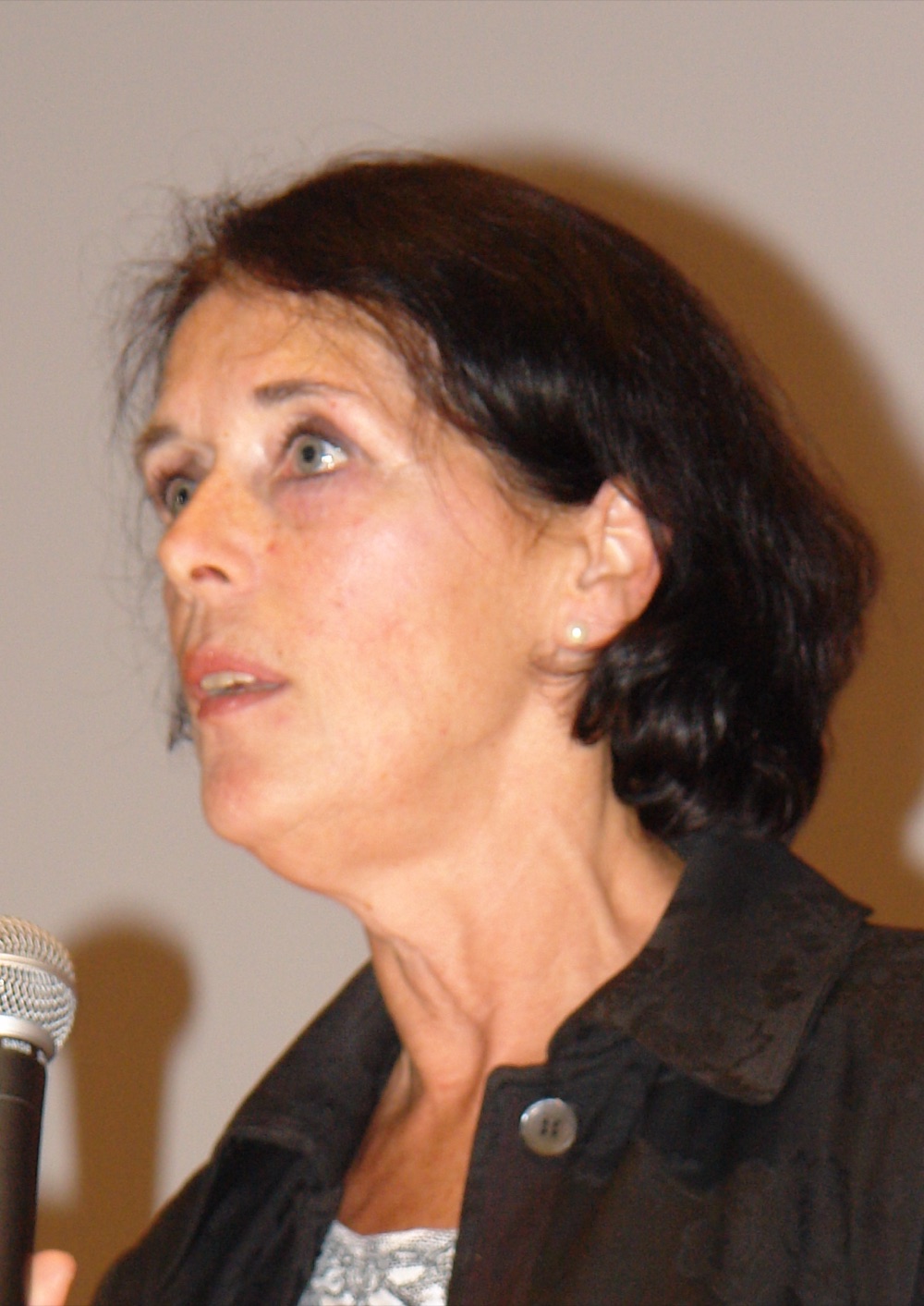
The residents' campaign was a model of citizen organizing. They documented the illnesses, conducted their own informal health surveys, confronted officials, courted the press, and refused to be brushed aside by authorities who were often slow, defensive, or dismissive. The journalist Michael Brown, reporting for a local newspaper, helped bring the story to wider attention. The combination of mounting scientific concern, visible contamination, and relentless community pressure made Love Canal a national story and an emblem of a danger — toxic waste in residential areas — that few Americans had previously considered.
Emergency and evacuation
In 1978, the situation came to a head. The New York State Health Commissioner, after studies of the contamination and the health data, declared a public health emergency at Love Canal, recommending in particular that pregnant women and young children be evacuated from the area nearest the canal. In August 1978, President Jimmy Carter declared a federal emergency — an extraordinary step for what was, in effect, a slow-motion industrial poisoning rather than a natural disaster — freeing federal funds and beginning the evacuation and relocation of the families living closest to the dump, initially around 239 households.
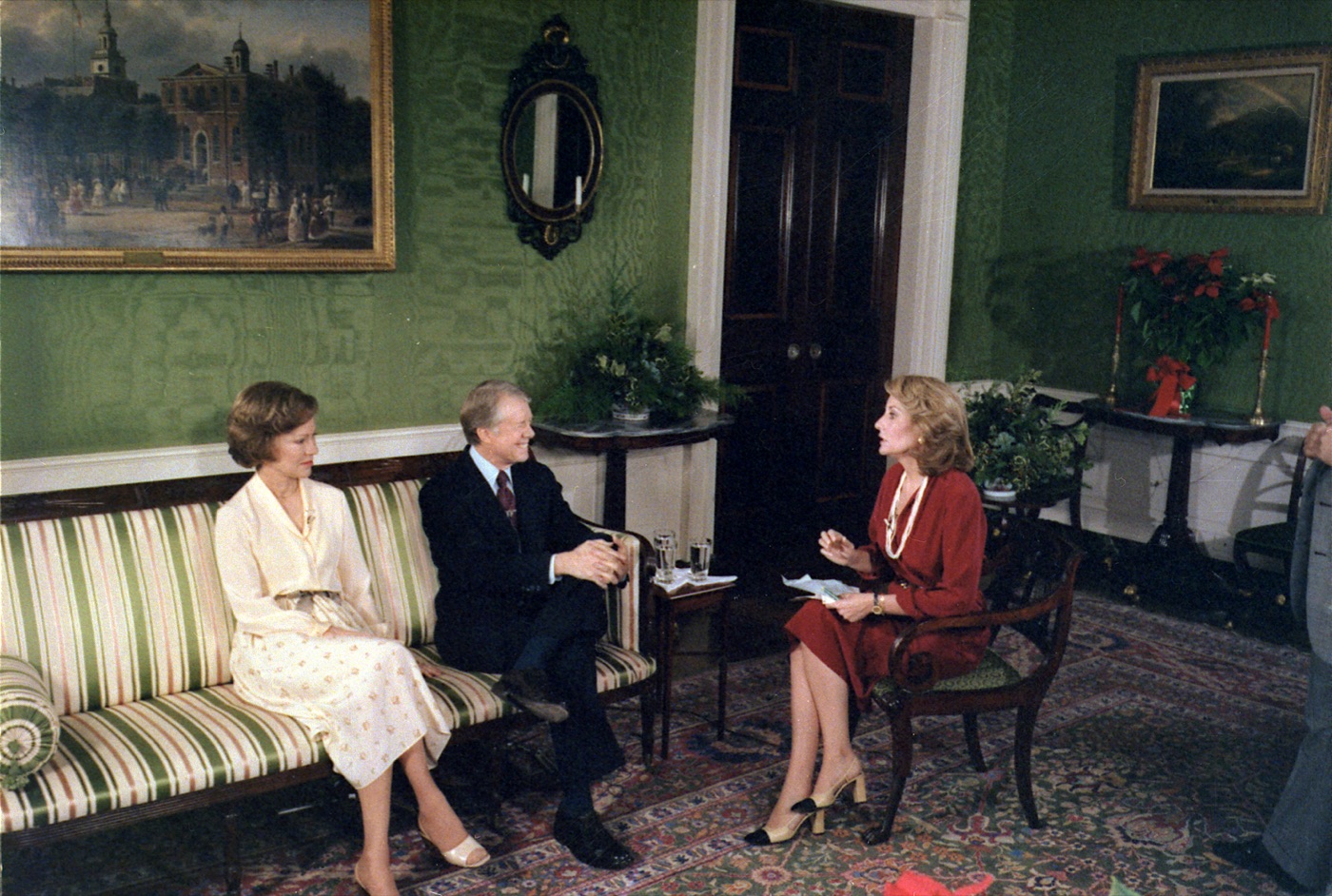
But the crisis did not end there. Many families remained in the surrounding neighborhood, fearful and angry, and the question of how far the contamination extended — and how many more should be moved — remained bitterly contested. Tensions peaked in 1980, when, amid reports of chromosome damage among residents, frustrated members of the homeowners' association briefly held two officials of the Environmental Protection Agency at their headquarters to dramatize their demand for action. Shortly afterward, in 1980, President Carter declared a second emergency, authorizing the relocation of the remaining families who wished to leave — several hundred more households. In all, around 900 families were eventually moved out of Love Canal, and many of the homes nearest the canal were demolished.
The birth of Superfund
Love Canal's most lasting consequence was a change in American law. The disaster crystallized a national realization that there were, across the country, untold numbers of abandoned and forgotten hazardous waste sites — old dumps, defunct factories, buried chemicals — that posed dangers to the communities near them, and that no adequate legal mechanism existed to identify them, clean them up, or hold the responsible parties accountable. Love Canal made the problem vivid and politically urgent.
The response was the Comprehensive Environmental Response, Compensation, and Liability Act, passed in 1980 and universally known as Superfund. The law created a federal program to identify and clean up the worst contaminated sites, established a fund (initially financed in part by taxes on chemical and petroleum industries) to pay for cleanups, and — crucially — created a system of liability under which the parties responsible for the contamination could be compelled to pay for it, even retroactively. Superfund became the central tool of American toxic-site cleanup, and Love Canal itself was one of its early projects: the site was contained and remediated over the following years, and a portion of the neighborhood was eventually declared habitable again and resettled under a new name.
The story of the neighborhood itself did not simply end with the evacuations. After years of cleanup — the dump was sealed beneath a thick cap and surrounded by a drainage system to capture and treat the leaching chemicals, and contaminated homes nearest the canal were demolished — state and federal authorities declared parts of the surrounding area habitable again in the 1990s. The northern section of the neighborhood was renamed Black Creek Village and resettled, with new families buying the refurbished homes, often at attractive prices. The decision was, and remains, controversial: to some it represented a reasonable judgment that the contained site no longer posed a danger to the outer ring of homes, while to others it seemed an unsettling willingness to put people back on the edge of one of the most infamous toxic sites in the country. The ambivalence captures something permanent about Love Canal — that the poison can be contained but never quite forgotten, and that the ground, once known to hold such a secret, never feels entirely safe again.
The question of accountability was pursued for years. Occidental Petroleum, which had acquired Hooker Chemical, faced extensive litigation over Love Canal, and eventually paid large settlements, including a 1995 settlement of around $129 million to the federal government to recover cleanup costs, along with other payments to the state and to residents. The company maintained that it had warned of the danger and that responsibility lay with the school board's decision to build on the site — an argument that pointed to a genuine chain of shared failure, even as it could not erase the fact that Hooker had created the hazard in the first place.
The meaning of Love Canal
In the end, Love Canal stands as both a warning and a vindication. A company buried a mountain of poison, capped it, sold the land for a single dollar with a disclaimer in the deed, and moved on; a school and a neighborhood were built on top; and for two decades the danger lay hidden until it rose, literally, through the ground and into the homes and bodies of the people who lived there. That such a thing could happen — that knowledge of the hazard existed all along and protected no one — is the warning. That an ordinary community, led by an ordinary mother, could force a reluctant nation to evacuate them, clean up the site, and write a new law to govern toxic waste for generations to come is the vindication. Love Canal gave America both its lasting fear of what lies buried and its proof that ordinary people, organized and determined, can drag a hidden danger into the light and compel the powerful to act. The poison came back up through the ground — and so, in the end, did the truth.
Inspired this / based on it
Lois Gibbs
SUNY Press. The activist's own account of the disaster and the residents' fight.
Michael H. Brown
Pantheon. The journalist's investigation that helped expose Love Canal.
Filed under
- #love-canal
- #hooker-chemical
- #toxic-waste
- #lois-gibbs
- #superfund
- #niagara-falls
- #environmental-disaster
- #occidental-petroleum
- #1970s
- #confirmed
Click any tag for every article carrying it.
Continue reading
Minamata: The Mercury Poisoning a Company Hid for Years
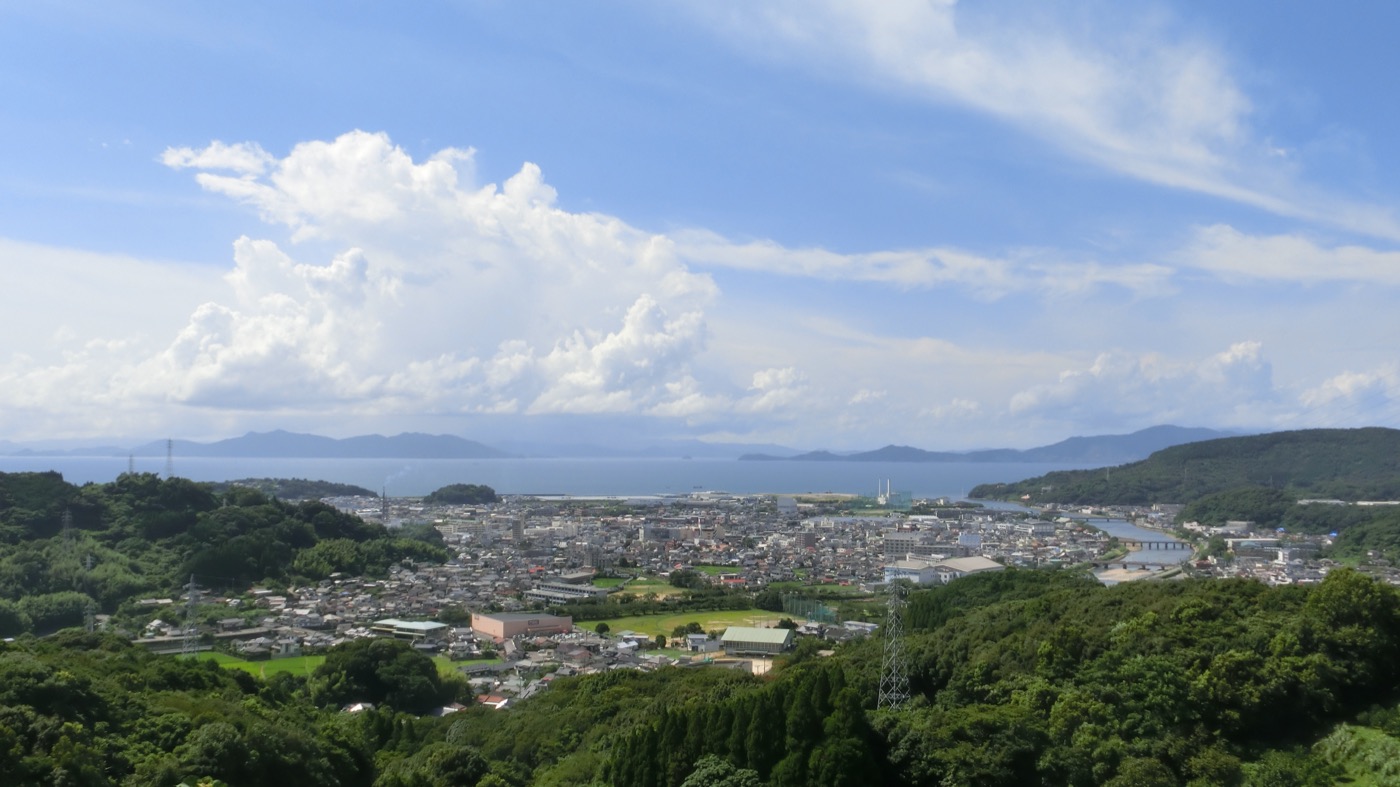
For more than three decades, a chemical factory in the small Japanese coastal town of Minamata discharged mercury into the sea, and for years the company that owned it knew, or had every reason to know, what that mercury was doing to the people who lived there. The Chisso Corporation made acetaldehyde using a process that produced methylmercury as a by-product, and from the 1930s it released that poison, in its untreated wastewater, into Minamata Bay and the surrounding Shiranui Sea. The mercury accumulated in the fish and shellfish that were the daily food of the local fishing families, and it destroyed their nervous systems. By the 1950s the town was witnessing terrible scenes: cats convulsing and hurling themselves into the sea, birds dropping from the sky, and then people — fishermen and their wives and their children — struck down by a mysterious illness that robbed them of control over their bodies, their senses, and sometimes their lives. Children were born already poisoned, having absorbed the mercury in the womb. When researchers traced the cause to the Chisso factory's effluent, the company disputed the science, funded doubt, and kept discharging mercury for years more. Most damning of all, Chisso's own company doctor had proved, in a quiet experiment with cats, that the factory's wastewater caused the disease — and the company suppressed his findings and ordered him to stop. The poisoning continued until 1968. The victims would spend decades fighting for recognition, compensation, and the simple acknowledgement of what had been done to them. This is the story of Minamata disease, one of the defining environmental catastrophes of the twentieth century, and of the long concealment at its heart.
DuPont and PFOA
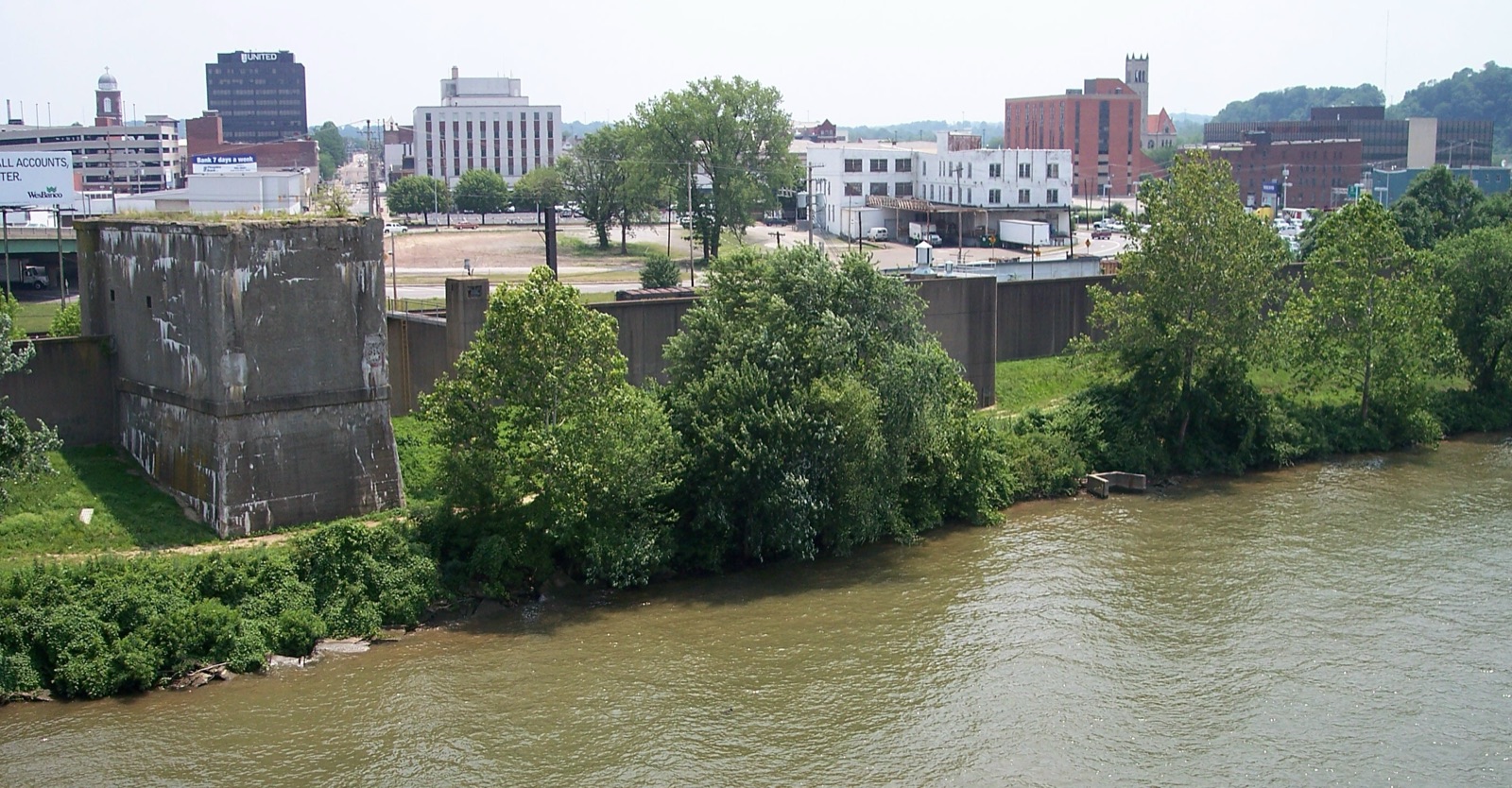
In October 1998, a West Virginia cattle farmer named Wilbur Tennant called a Cincinnati lawyer named Robert Bilott about 153 dead cows. The cows had been drinking from Dry Run Creek, three miles downstream from the DuPont Washington Works chemical plant. Tennant's home video showed cattle with bloody mouths, gum cancer, and stumbling gaits before they died. Bilott — a corporate-defense attorney at Taft Stettinius & Hollister who had spent his career representing chemical companies — agreed to look at the file as a personal favor to his grandmother, who knew the Tennant family. The look became a twenty-year case. By the time Bilott was finished, he had uncovered: that DuPont had been releasing perfluorooctanoic acid (PFOA, code-named 'C8') into the Ohio River and into landfills for over forty years; that DuPont had known PFOA was toxic since at least 1961; that the company's own animal studies in 1981 had shown birth defects in offspring of exposed female workers; and that approximately 99% of the U.S. population, by 2007, had detectable levels of PFOA in their blood. The 2005 EPA fine ($16.5 million) was the largest in U.S. environmental enforcement history at the time. The 2017 multi-district settlement was $670.7 million. The C8 Science Panel — established as part of an earlier 2005 class-action settlement — confirmed by 2012 that PFOA is causally linked to six diseases including kidney and testicular cancer. PFOA was phased out of U.S. production by 2015. Its environmental persistence — half-life in human blood is approximately 3.8 years — means that, by 2025, every American adult has some PFOA exposure dating from the production era. The chemical that made non-stick cookware possible is, in this sense, still with us.
Bhopal
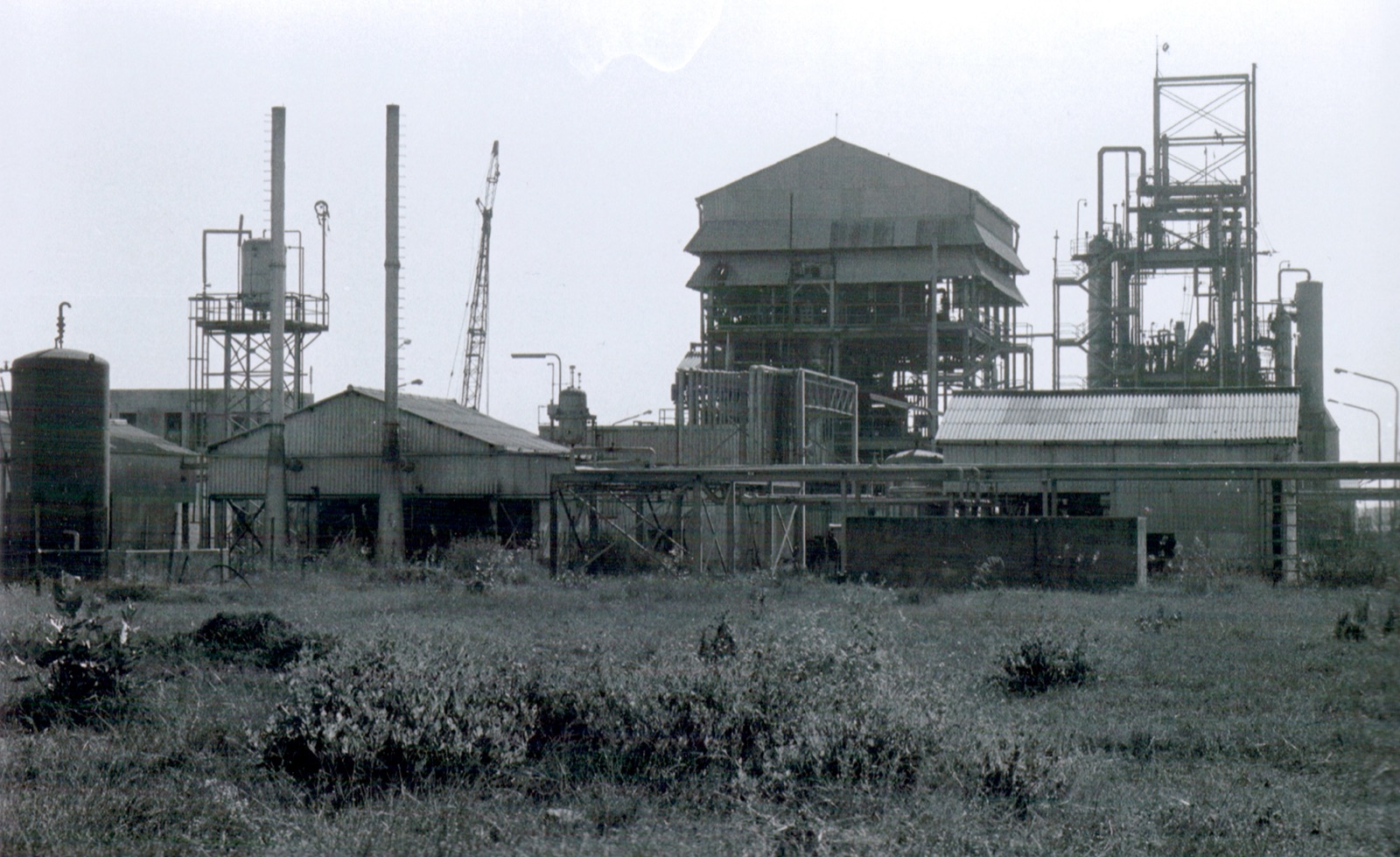
At approximately 11:30 p.m. on Sunday, December 2, 1984, water entered Tank 610 at the Union Carbide India Limited (UCIL) pesticide plant in Bhopal, Madhya Pradesh. The tank contained 42 tonnes of liquefied methyl isocyanate, an intermediate chemical used in the production of the pesticide Sevin. The water-MIC reaction was exothermic. The tank's pressure rose, then its temperature, then both ran away. The refrigeration system that should have kept the tank below 5°C had been disabled to save electricity. The vent gas scrubber that should have neutralized any escaping MIC was offline for maintenance. The flare tower that should have burned residual gas was disconnected. At approximately 12:30 a.m. on December 3, the tank's emergency relief valve opened and approximately 30 tonnes of methyl isocyanate vapor was released into the air above central Bhopal. The wind carried it south-east, across the slum districts of Jaiprakash Nagar, Kazi Camp, and Chola. By dawn, between 3,800 and 8,000 people were dead. The Indian government's final official count was eventually placed at 3,787 directly killed in the first 72 hours and a further ~15,000-25,000 over the following decades from exposure-attributable illness. Approximately 558,125 people received compensation as gas-exposure victims under the 1989 settlement. It remains the worst industrial disaster in history.