Tag
#1970s
8 articles
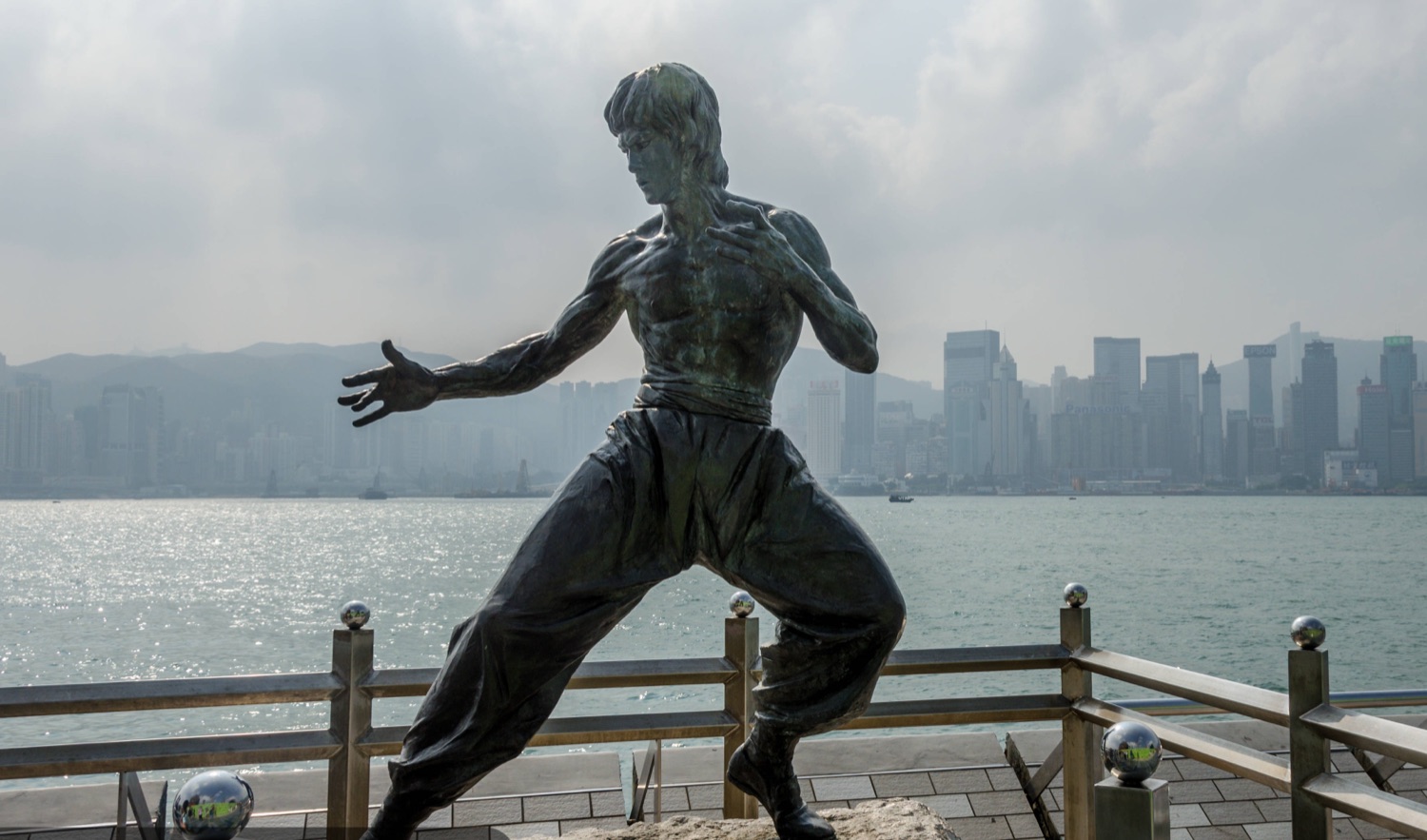
The Death of Bruce Lee: The Dragon's Sudden End
On the evening of 20 July 1973, Bruce Lee — the martial artist, actor, and philosopher who had done more than anyone to bring kung fu to the world, and who stood on the very threshold of global superstardom — lay down in a Hong Kong apartment with a headache and never woke up. He was thirty-two years old, extraordinarily fit, and weeks away from the release of Enter the Dragon, the film that would make him an immortal icon. His sudden death at the height of his powers stunned the world and seemed, to many, impossible: how could a man who embodied physical perfection simply die of a headache? A coroner's inquest concluded that he had died of a swelling of the brain — cerebral oedema — most likely triggered by a reaction to a common painkiller, and returned a verdict of 'death by misadventure.' But that clinical answer has never satisfied everyone, and in the vacuum of certainty a thicket of theories has grown: that he was murdered by rival martial artists or organised crime, that he fell to an ancient family curse later 'confirmed' by the freak death of his son, that some exotic 'death touch' had felled him. The medical reality is at once more mundane and more genuinely uncertain than any of these. This is the story of the death of Bruce Lee — of what the evidence shows, what remains unknown, and why the legends persist.
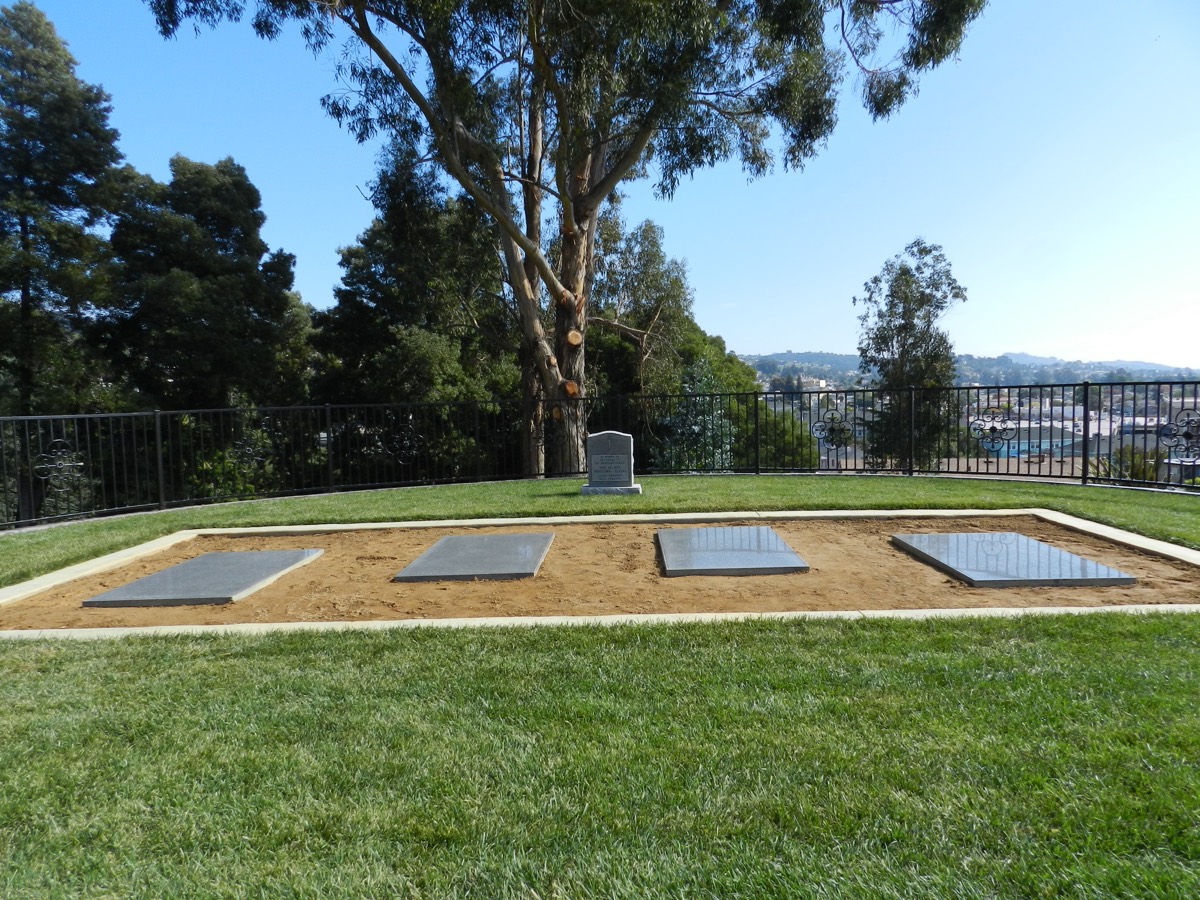
Jonestown: How a Dream of Justice Became a Massacre
The Peoples Temple did not begin as a death cult. It began, in the 1950s and 1960s, as a church that preached racial integration and social justice at a time when both were radical, that fed the poor and cared for the addicted and the elderly, and that drew to it thousands of idealistic people — many of them Black, many of them poor, many of them sincere seekers of a better and fairer world. At its head was Jim Jones, a charismatic preacher who could speak movingly of equality and who built real influence in California, courted by politicians and admired by progressives. But behind the movement's humane public face, Jones was constructing something else: a system of total control, sustained by manipulation, humiliation, sexual and physical abuse, financial exploitation, and a deepening, drug-fueled paranoia. As scrutiny closed in, he moved his followers to a remote agricultural settlement carved out of the Guyanese jungle — Jonestown — where, cut off from the outside world and utterly under his power, some thousand people lived in isolation and fear. When a United States congressman flew in to investigate reports of abuse, Jones had him murdered at a nearby airstrip. And that same day, 18 November 1978, he set in motion the final act he had long rehearsed: the deaths of everyone in Jonestown. More than nine hundred people died, poisoned with cyanide — many of them forced, many coerced, and more than three hundred of them children who could not consent at all. It was not, for most of the victims, a suicide. It was a massacre. This is the story of how a dream of justice became one of the worst atrocities of its kind in modern history — and of the people who died in it.
Love Canal: The Neighborhood Built on a Toxic Dump
Love Canal was an ordinary working-class neighborhood in Niagara Falls, New York — streets of modest homes, an elementary school, families raising children. It was also built directly on top of one of the worst chemical waste dumps in American history. Beneath the lawns and the playground lay some 21,000 tons of toxic chemical waste — pesticides, solvents, dioxins, and dozens of other hazardous compounds — that the Hooker Chemical Company had buried in an abandoned canal through the 1940s and early 1950s. When the dump was full, Hooker capped it, and in 1953 sold the land to the local Board of Education for a single dollar, including in the deed a warning about the buried chemicals and a clause disclaiming all liability for what might happen. The school board built an elementary school on the site anyway, and homes rose all around it. For two decades the buried chemicals were largely out of sight. Then, in the 1970s, after years of construction had breached the clay cap and unusually wet weather raised the water table, the poison began to come back up — oozing into basements, surfacing in yards, pooling on the school playground, burning children's skin, and killing gardens. Residents who had noticed for years the strange odors and the unexplained illnesses — the miscarriages, the birth defects, the cancers — finally began to connect them to the ground beneath their feet. Led by a young mother named Lois Gibbs, the residents organized and fought, and in 1978 their crisis forced a presidential emergency declaration, the evacuation of hundreds of families, and the creation of the law that still governs the cleanup of toxic sites across America. This is the story of the neighborhood built on a poison, and the people who refused to be ignored.
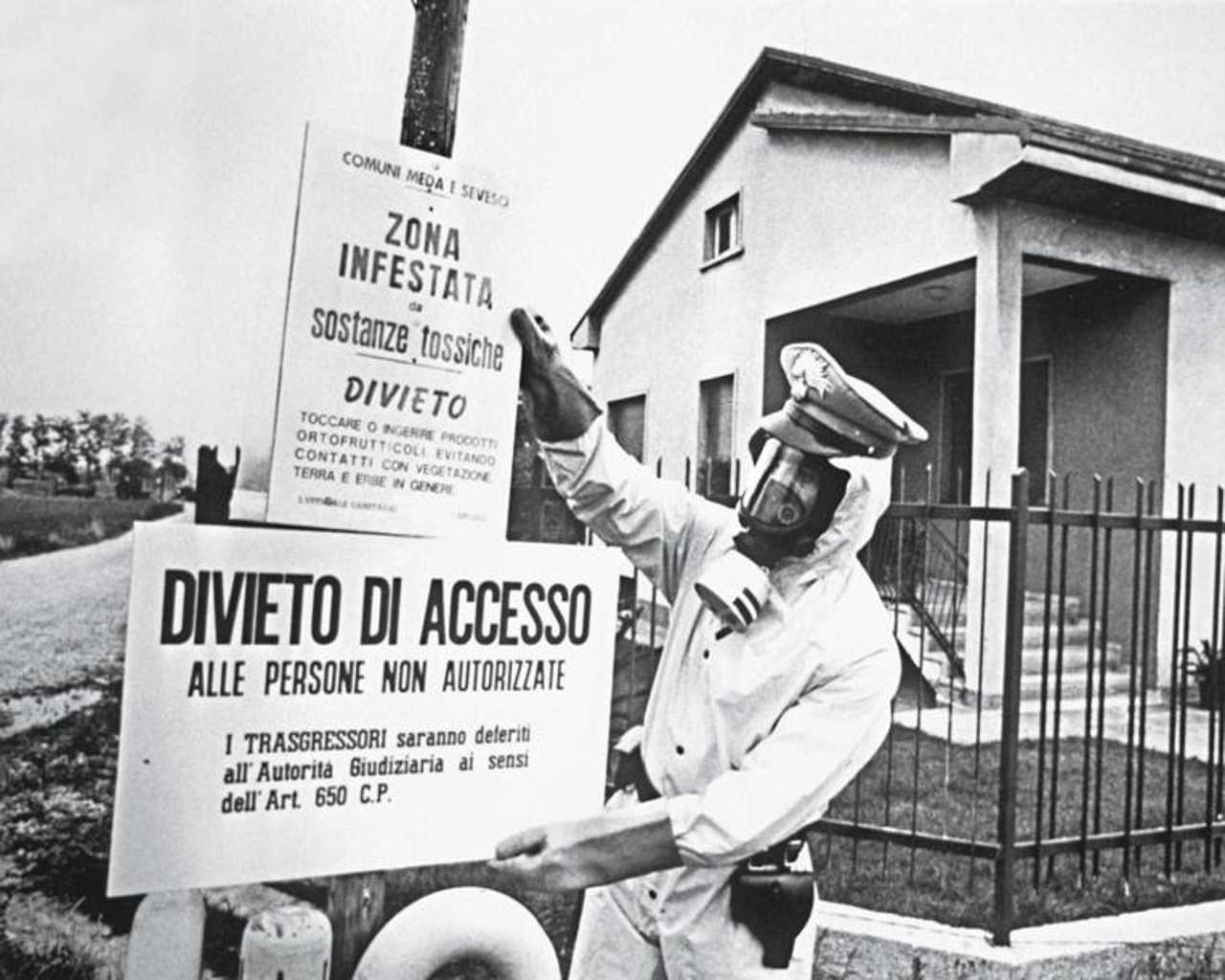
Seveso: The Toxic Cloud That Changed European Safety Law
On a Saturday in July 1976, a chemical reactor at a factory near the small town of Seveso, north of Milan, overheated and burst its safety valve, releasing a cloud of toxic chemicals into the air over the surrounding countryside. The factory, called ICMESA, was a subsidiary of a Swiss multinational, and it was making an ingredient for disinfectants by a process that produced, as an unwanted byproduct, a tiny quantity of one of the most poisonous substances ever synthesized: the dioxin known as TCDD. The cloud carried some of that dioxin out over the towns of Seveso, Meda, and their neighbors, settling invisibly on gardens, fields, rooftops, playgrounds, and people. At first almost no one understood what had happened. The company was slow and evasive about the nature and the danger of what had escaped; it took days for the authorities to grasp that dioxin was involved, and weeks before the most contaminated area was evacuated. In the meantime, the warning signs accumulated: small animals and birds sickened and died, and children began to develop chloracne, the disfiguring skin condition that is a hallmark of dioxin poisoning. There were no immediate human deaths, but the contamination forced the evacuation of hundreds of people, the slaughter of tens of thousands of animals, the demolition of homes, and an agonizing public debate about the risks to pregnant women. Out of the disaster came the Seveso Directive, the European Union's landmark law on industrial hazards, which still bears the town's name. This is the story of the toxic cloud over Seveso, the slow reckoning with what it carried, and the safety regime it forced into being.

DES and the Cancer That Waited a Generation
Diethylstilbestrol — DES — was the kind of drug that seems, in hindsight, designed to teach a lesson about how medicine can fail. A cheap synthetic estrogen, first made in 1938 and never patented, it was prescribed from around 1940 onward to millions of pregnant women in the United States and elsewhere, marketed with the soothing promise that it would prevent miscarriage and make 'normal pregnancies more normal.' It did neither. As early as 1953, a careful controlled study showed that DES did nothing to prevent miscarriage — and yet doctors went on prescribing it to pregnant women for nearly two more decades. The true cost did not appear in the women who took it, or even in their pregnancies, but in the children those pregnancies produced. In 1971, doctors traced a sudden cluster of a rare vaginal cancer in young women — a cancer almost never seen in people that age — back to a single common factor: their mothers had taken DES while carrying them. It was the first time a drug had been shown to cause cancer not in the person who took it but in their child, years later, through the wall of the womb. The harm had waited a generation to appear. Behind it lay a tangle of failures — a drug sold without good evidence, kept on the market long after it was shown useless, and made by so many companies that, decades later, the women it injured often could not even prove whose pill their mothers had swallowed. This is the story of DES: what it was, why it was given, the delayed catastrophe it caused, and the lasting marks it left on medicine and the law.
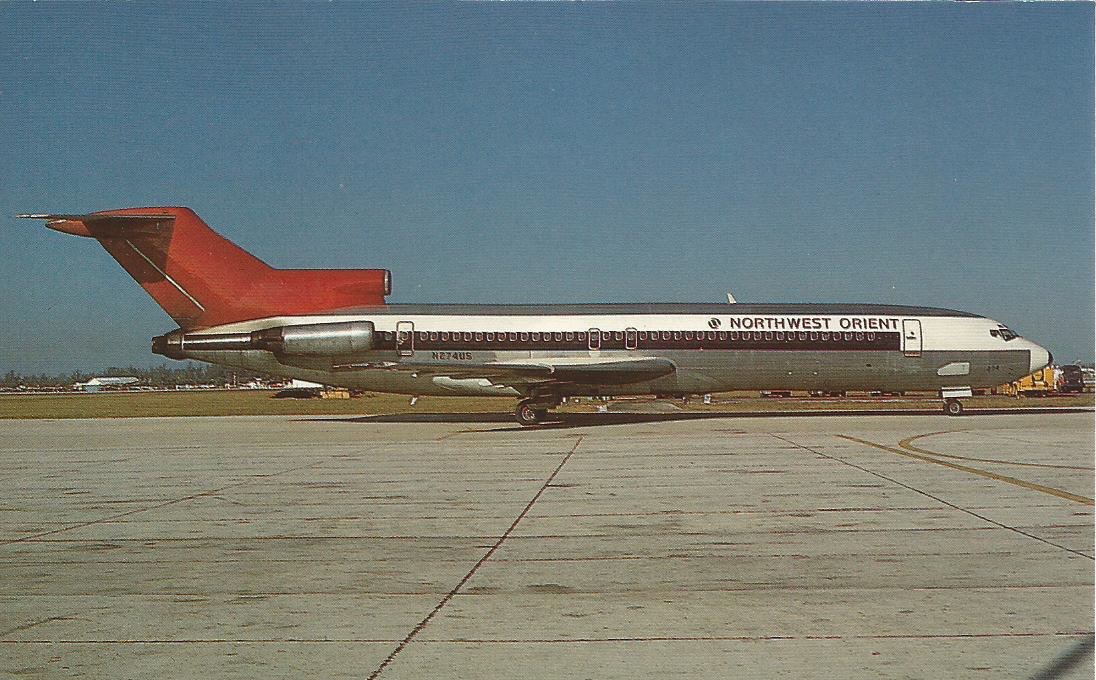
D.B. Cooper and the Only Hijacking That Was Never Solved
On the afternoon of Wednesday, November 24, 1971, the day before Thanksgiving, a man in a dark suit and a clip-on tie boarded Northwest Orient Airlines Flight 305, a Boeing 727 making the short hop from Portland, Oregon, to Seattle. He had bought his ticket with cash under the name Dan Cooper. Once airborne he handed a flight attendant a note saying he had a bomb, opened a briefcase to show her a tangle of wires and red cylinders, and dictated his terms: two hundred thousand dollars in twenty-dollar bills and four parachutes, to be waiting when the plane landed at Seattle-Tacoma. The airline paid. On the ground Cooper released the thirty-six passengers, kept four crew, had the jet refuelled, and ordered it back into the air toward Mexico City — flying low and slow, landing gear down, with the rear airstair lowered. Somewhere over the dark, rain-soaked forests of southwestern Washington, at around a quarter past eight in the evening, he stepped off the end of those stairs into the night with the money strapped to his body, and vanished. No body was ever found. No parachute was ever found. Of the ten thousand marked bills, exactly two hundred and ninety ever turned up — a packet of rotting twenties dug out of a riverbank by a child nine years later. The FBI worked the case for forty-five years, ran down more than a thousand suspects, and in 2016 quietly closed it without an answer. The skyjacking of Flight 305 remains the only unsolved act of air piracy in the history of American aviation, and 'D.B. Cooper' — a name born from a reporter's error — became the rarest kind of American legend: a criminal almost everyone half-hopes got away. This article reconstructs what actually happened that night, what the single scrap of physical evidence does and does not tell us, and why a fifty-year-old robbery has never let go of the public imagination.
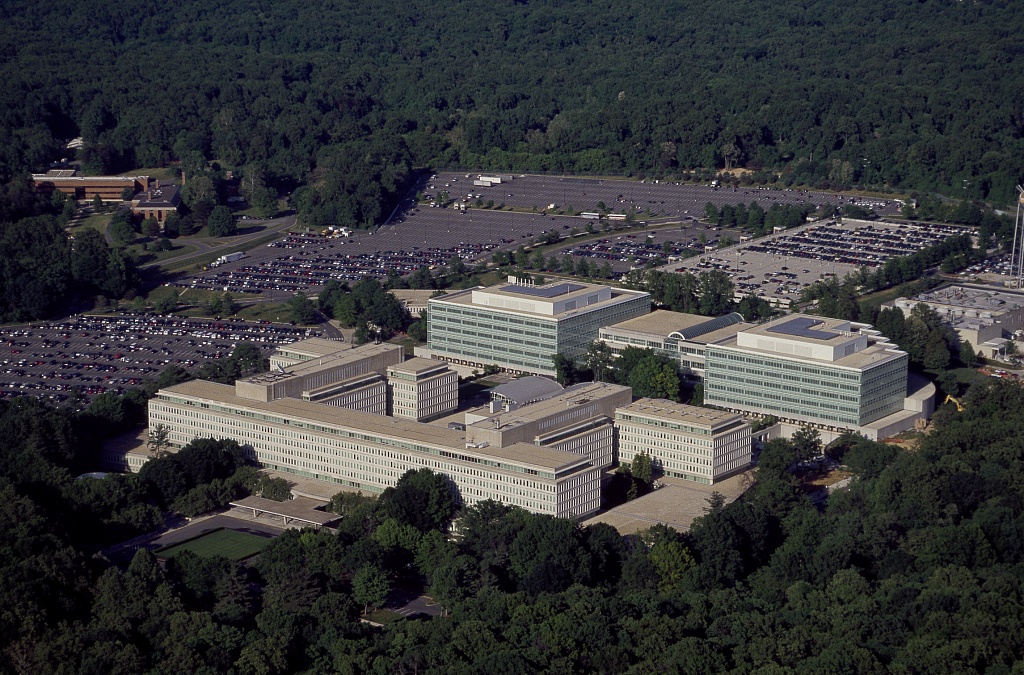
MK-Ultra
Between 1953 and 1973, the Central Intelligence Agency ran one of the most ambitious — and least restrained — human-experimentation programs in American history. The goal was mind control. The subjects rarely knew they were subjects. By the time the public found out, most of the records had been burned.
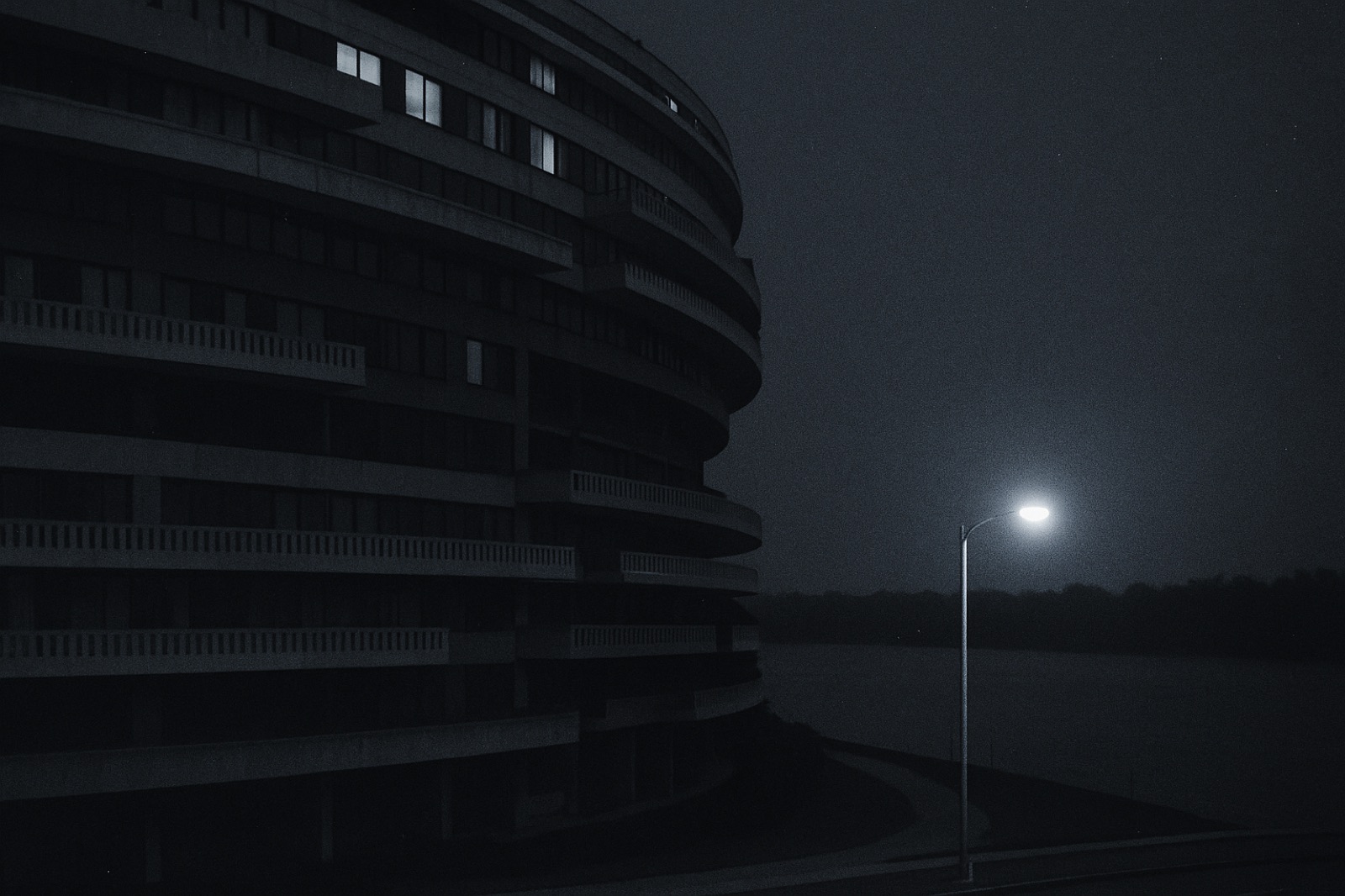
Watergate
In the early hours of June 17, 1972, five men were arrested inside the Democratic National Committee's offices on the sixth floor of the Watergate complex. Two years and 54 days later, on August 9, 1974, Richard Nixon became the only sitting U.S. president to resign. Between those dates lies the most thoroughly documented presidential cover-up in American history — and the deliberate destruction of careers, evidence, and finally the office itself.
8 files · end of the line