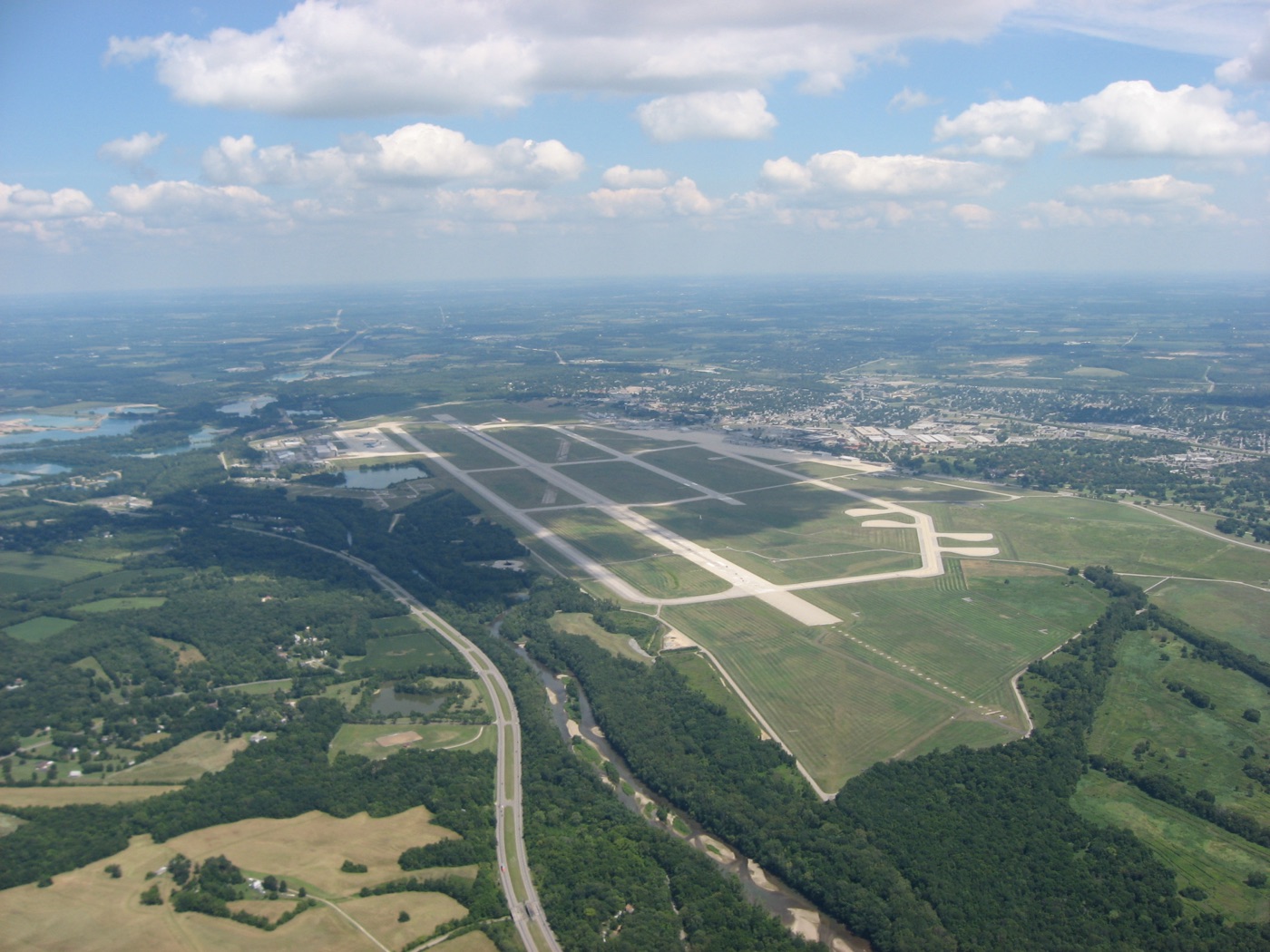
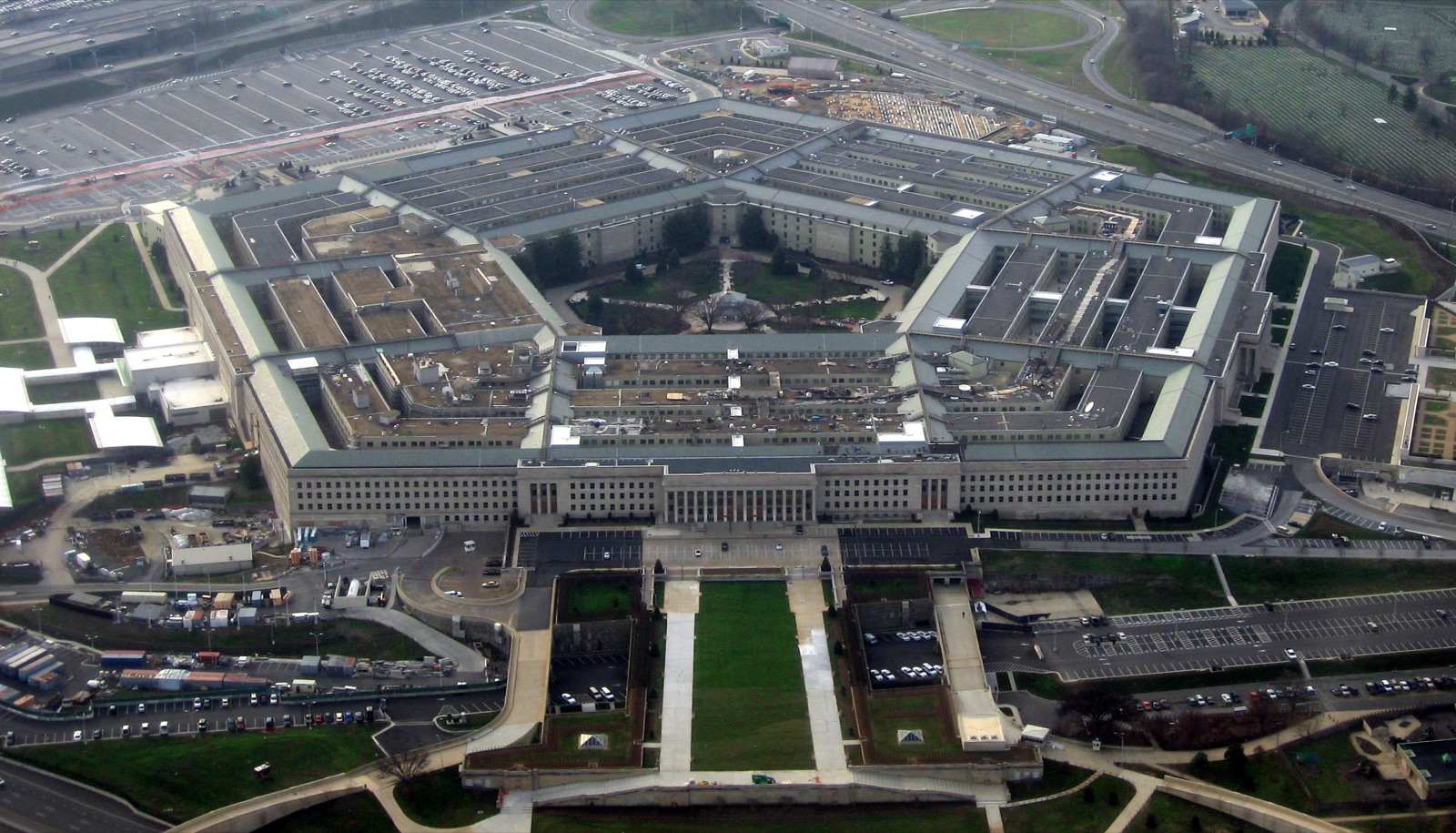
Wright-Patterson Air Force Base in Ohio, the home of Project Blue Book and its predecessor UFO investigations. From here, for nearly two decades, the Air Force collected and assessed thousands of UFO reports. Wikimedia Commons / Public domain.
Project Blue Book: The Air Force's Long Study of UFOs
United States, 1952–1969 — For nearly two decades, the US Air Force ran an official investigation into UFO reports, examining more than 12,000 sightings. It concluded there was no evidence of alien craft — while leaving a residue of cases it could not explain, and provoking a lasting argument over whether it was genuine science or a debunking exercise
- Category
- Space & UFOlogy
- Published
- Length
- 3,500 words · 19 min read
- Author
- The editors
Project Blue Book is, unlike most of the topics that gather around UFOs, a firmly documented matter of public record: a real government program whose files were declassified and archived, whose personnel are known, and whose conclusions are on paper. This makes it a valuable anchor in a subject otherwise full of anonymous claims and unverifiable stories, because it shows how the government of the world's leading power actually approached the question of unidentified objects in its skies over nearly two decades. But Blue Book is also, precisely because it was an official effort, the focus of enduring and legitimate debate — over how seriously it investigated, whether its conclusions followed from its evidence, and whether an official body can ever study such a phenomenon without the imperatives of reassurance and public order shaping what it finds. To examine Blue Book is to examine not aliens but the anatomy of an official investigation into the unknown.
This is the story of the Air Force's long study of UFOs.
From Sign to Blue Book
The Air Force did not begin with Blue Book. The wave of sightings that followed 1947 pushed the military to investigate, and the first effort was Project Sign, established in 1948 and based at Wright-Patterson Air Force Base, the Air Force's technical intelligence center in Ohio. Sign gathered reports and, according to the accounts that later emerged, some of its staff came to favor the idea that the objects might be extraterrestrial — reportedly producing an "Estimate of the Situation" to that effect, which was rejected by the Air Force leadership. Sign gave way in 1949 to Project Grudge, which took a markedly more skeptical, even dismissive posture, treating the sightings largely as misidentifications and delusions to be explained away.
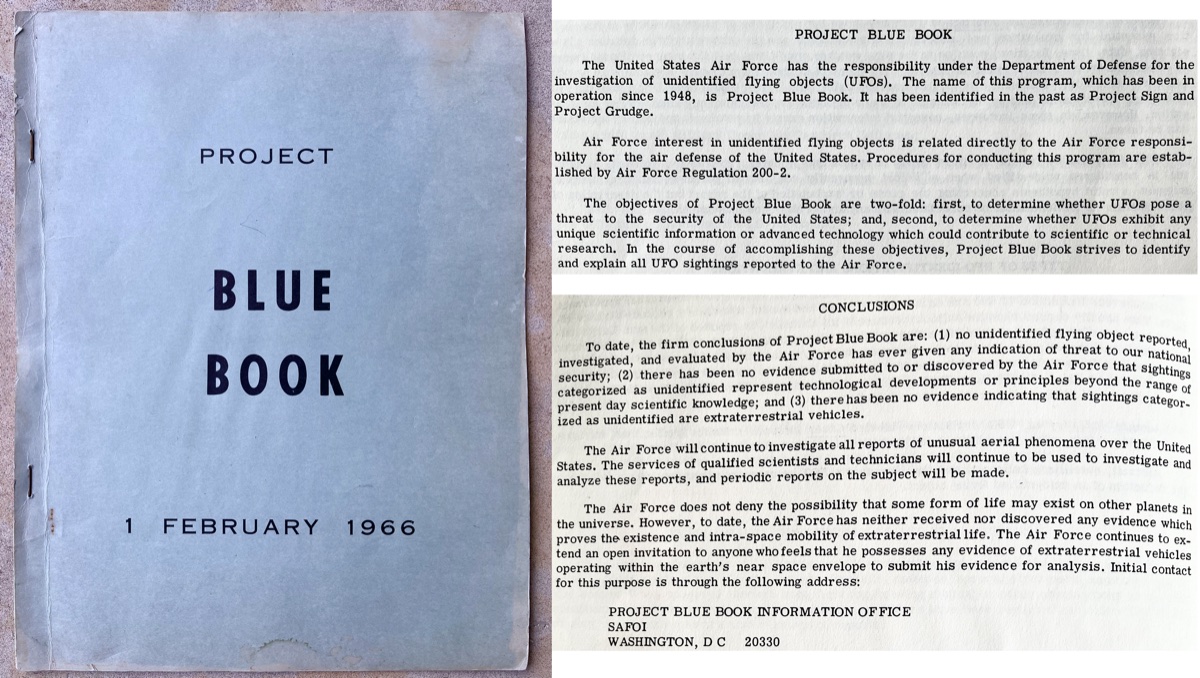
Then, in 1952, amid a renewed surge of sightings, the effort was reorganized and expanded into Project Blue Book, which would become the longest-lived and most significant of the investigations. Its first director was Captain Edward Ruppelt, a figure generally regarded as having run the project with relative seriousness and openness. Ruppelt made a lasting contribution to the language of the subject: dissatisfied with the sensational and imprecise term "flying saucer," he introduced the phrase "unidentified flying object," and its acronym, UFO, which has been the standard term ever since. The coining reflected an intention, at least at the outset, to treat the reports as a genuine category of unexplained observations rather than as tales of alien craft.
The 1952 flap
Blue Book's early period coincided with, and was intensified by, a dramatic episode: the great UFO wave of the summer of 1952, which reached its climax in the skies over Washington, D.C. itself. In July 1952, objects were reported visually and, most alarmingly, tracked on radar over the nation's capital, including near sensitive restricted airspace around the Capitol and the White House, on two successive weekends. Jet fighters were scrambled. The sightings over Washington caused a national sensation and a wave of public anxiety, and they put enormous pressure on the Air Force to respond.
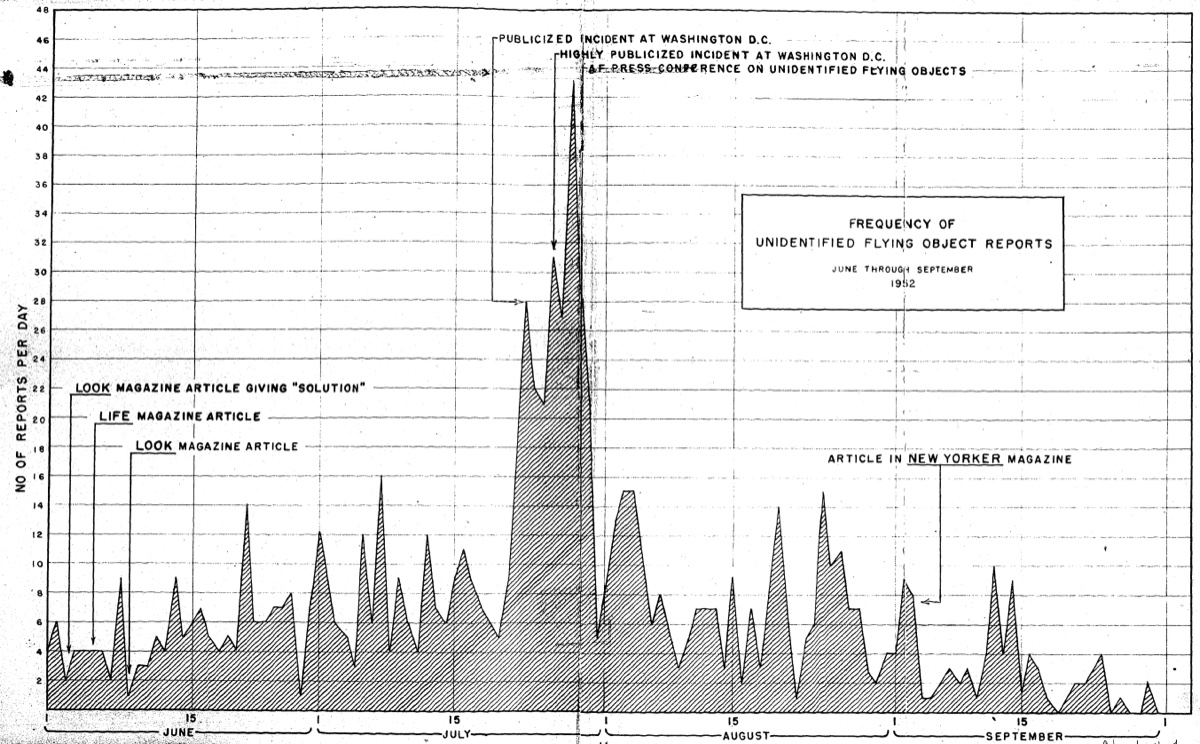
The Air Force convened a large press conference — one of the biggest since the Second World War — to address the panic, and offered an explanation for the Washington radar sightings: temperature inversions, a common atmospheric condition in which a layer of warm air over cooler air can bend radar signals and produce false returns, as well as making stars and lights appear to shimmer and move. Whether temperature inversions fully accounted for the Washington events has been debated ever since, but the explanation served to calm the public, and the episode illustrated the dual pressure Blue Book operated under from the start: to investigate the phenomenon, and, at the same time, to reassure a jittery nation.
The method and the verdict
Over its seventeen years, Project Blue Book did the patient, unglamorous work of collecting and assessing UFO reports on a large scale. It gathered more than twelve thousand sightings, and for each it sought a conventional explanation, drawing on the categories that account for the vast majority of such reports.
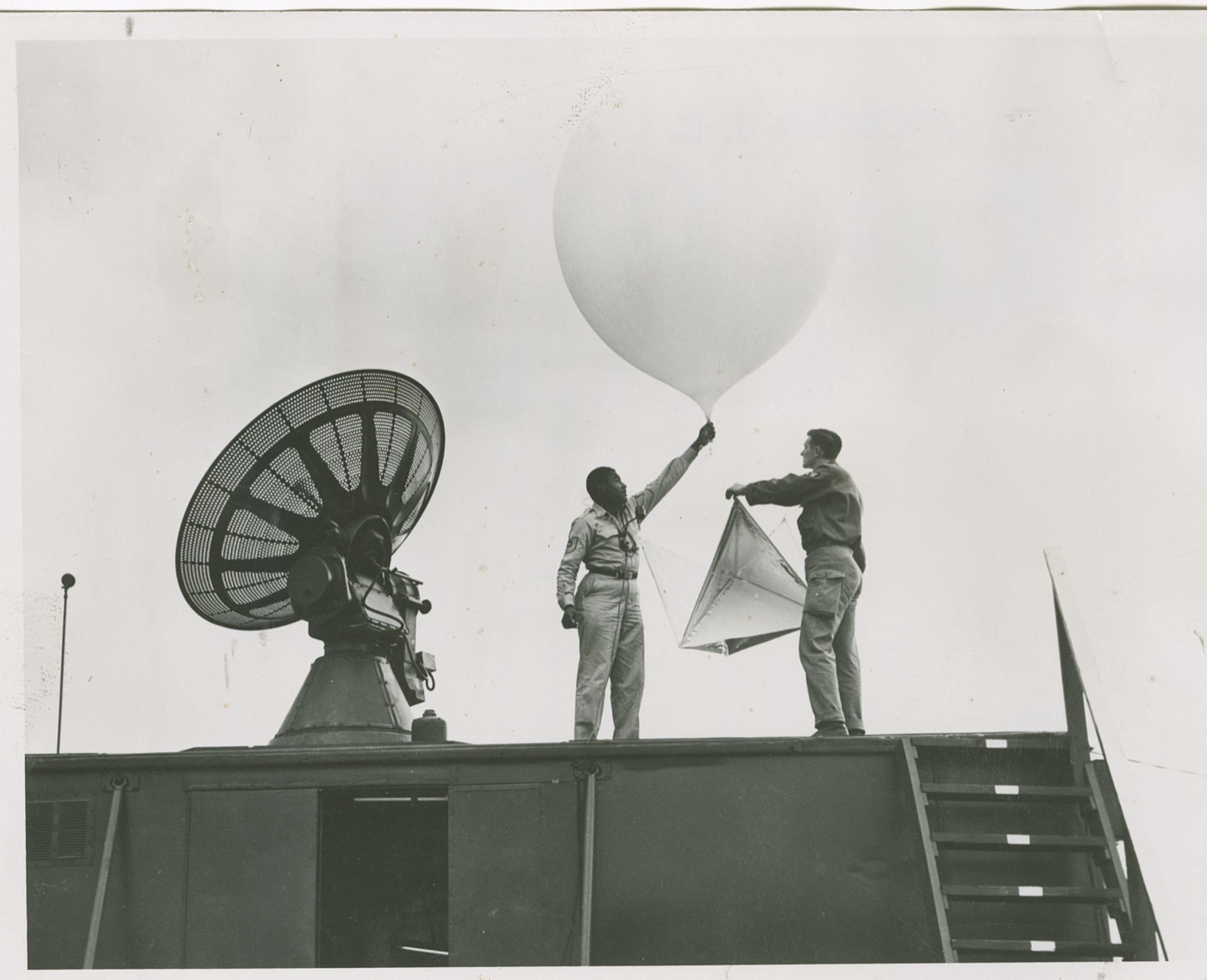
The explanations Blue Book applied are the same ones that dissolve most UFO reports to this day. Many sightings turned out to be aircraft, seen at unfamiliar angles or under unusual lighting. Many were weather balloons or other balloons, which can appear as bright, slow, silent objects. Many were astronomical: bright planets like Venus, which is a notorious source of UFO reports, along with stars, meteors, and the like, distorted by the atmosphere. Others were atmospheric phenomena, birds, or ordinary lights; and a fraction were hoaxes.
It is worth stressing that this pattern — most reports explained, a minority not — is not peculiar to Blue Book but is the consistent finding of essentially every serious study of UFO reports, before and since. The great majority of sincere sightings really are misidentifications of ordinary things, made by honest people under conditions that make judgment difficult: darkness, unfamiliar angles, no reference for scale or distance, and the powerful human tendency to impose a definite shape and purpose on ambiguous lights. This is the crucial context for assessing Blue Book's conclusions: its finding that most sightings were mundane was not a whitewash but a correct description of the phenomenon, consistent with everything known about how people perceive and report anomalies. The genuine question was never about the explained majority but always about the unexplained minority.
The result of all this work was a set of conclusions that, whatever one makes of them, were clear and consistent: that no UFO investigated by Blue Book had ever posed a threat to national security; that none had displayed technology or performance beyond the reach of present or foreseeable human engineering; and, crucially, that there was no evidence that any of the objects were extraterrestrial vehicles. The great majority of sightings had ordinary explanations, and the residue of unexplained cases — a few hundred out of twelve thousand — were, in Blue Book's view, unexplained chiefly because the available information was insufficient, not because they demonstrated anything extraordinary.
Hynek's conversion
One of the most interesting threads in the Blue Book story is the evolution of its longtime scientific consultant, the astronomer J. Allen Hynek. Hynek was engaged by the Air Force to bring scientific rigor to the assessment of sightings, providing astronomical expertise to identify the stars, planets, and meteors behind many reports, and for years he approached the subject as a skeptic, inclined to find ordinary explanations. He is remembered, to his own later embarrassment, for offering the explanation of "swamp gas" for a well-known 1966 sighting in Michigan — a debunking that was widely ridiculed.
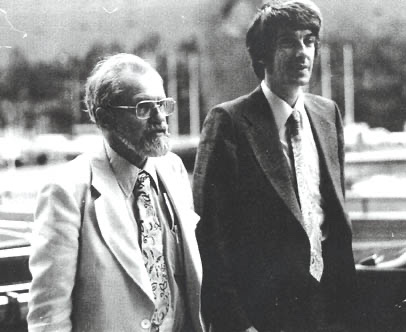
But over his long involvement, Hynek's views changed. Examining thousands of reports, he became convinced that while the overwhelming majority had mundane explanations, a genuine residue of cases — often involving credible witnesses and puzzling details — could not be so easily dismissed and deserved serious scientific study that Blue Book, in his view, was not giving them. He came to criticize the project as superficial and dismissive, an operation more concerned with closing cases and reassuring the public than with genuine investigation. After Blue Book ended, Hynek became a leading figure in the serious study of UFOs, founding the Center for UFO Studies and developing the influential classification of "close encounters" — of the first, second, and third kinds — that entered popular culture. His journey from official skeptic to independent researcher is a revealing arc, and his critique from the inside gave weight to the charge that Blue Book was as much about managing the phenomenon as understanding it.
The Condon Report and the end
By the 1960s, the Air Force wished to be rid of the UFO problem, which brought it endless controversy and little benefit. To provide an authoritative basis for a decision, it funded an independent scientific study at the University of Colorado, led by the eminent physicist Edward Condon. The resulting Condon Report, published in 1968, concluded that the study of UFOs had not contributed to scientific knowledge and was unlikely to do so, and it recommended that the government's official investigation be discontinued.
On the basis of the Condon Report, the Air Force terminated Project Blue Book in December 1969, ending more than two decades of official UFO investigation. Its extensive files were declassified and eventually transferred to the National Archives, where they remain a public record — a vast trove of sighting reports and their assessments, available to anyone who wishes to examine how the government studied the phenomenon. For decades afterward, there would be no acknowledged official U.S. investigation of UFOs, until the subject returned to public attention in the twenty-first century under the new label of Unidentified Aerial Phenomena.
That return is itself a comment on Blue Book's legacy. When the U.S. government, in the years around 2020, acknowledged renewed official interest in unidentified phenomena — releasing military footage, establishing new investigative offices, and briefing Congress — it did so in a way that implicitly conceded a point Blue Book's critics had long made: that the 1969 decision to declare the subject closed had not actually settled it, and that unexplained observations in the sky, some from credible military sources, continued to accumulate. The modern UAP conversation is more cautious in its language than the flying-saucer era, and it too has found ordinary explanations for many cases while leaving a residue unexplained — the same essential pattern Blue Book found. In that sense, Blue Book's story did not end in 1969 so much as pause; the questions it left open, and the tension between investigating and reassuring, returned half a century later in new institutional clothes.
The meaning of Blue Book
In the end, Project Blue Book stands as the definitive official study of UFOs in the twentieth century, and as a case study in how a government confronts the unknown. For seventeen years the Air Force collected and assessed more than twelve thousand sightings, explained the great majority as aircraft, balloons, planets, and atmospheric tricks, found no evidence that any were craft from elsewhere, and finally closed the subject down on the recommendation of an independent report whose dismissiveness outran its own evidence. Its overall verdict — no proof of alien visitation — was almost certainly right, and its files remain a public monument to the patient, unglamorous work of explaining away the misidentified. Yet it left a residue of cases it could not resolve, and it left, too, the enduring and legitimate question, pressed by its own scientist, of whether it had ever really tried to resolve them, or had been, from the start, an exercise in reassurance as much as inquiry. Blue Book did not find aliens, and there is no good reason to think it should have. But its lasting lesson is not about what is in the sky; it is about the difference between studying a mystery and managing it, and about how much of official knowledge is shaped by the needs of the institutions that produce it — a difference worth remembering whenever the state pronounces, reassuringly, on the things we do not understand.
Inspired this / based on it
J. Allen Hynek
Dell. The former Blue Book consultant's critical analysis of the project's files.
A&E / History
A dramatized series loosely based on Hynek and the investigation.
Filed under
- #project-blue-book
- #ufo
- #us-air-force
- #j-allen-hynek
- #edward-ruppelt
- #condon-report
- #cold-war
- #1950s
- #confirmed
Click any tag for every article carrying it.
Continue reading

Kenneth Arnold: The Sighting That Invented the Flying Saucer
On the afternoon of 24 June 1947, a businessman and private pilot named Kenneth Arnold was flying his small aircraft near Mount Rainier, in the Cascade Range of Washington state, when he saw something that would change the world's imagination. Nine bright objects were streaking through the sky, flying in a chain formation at tremendous speed, weaving between the mountain peaks — moving, by his estimate, far faster than any aircraft of the era could manage. When he landed and described what he had seen to reporters, he reached for an analogy for the way the objects moved: they flew, he said, erratically, dipping and skimming, 'like a saucer would if you skipped it across water.' A reporter distilled this into a memorable phrase, and within days the newspapers of America were full of the term 'flying saucers.' It was, in a sense, a misunderstanding: Arnold had been describing the motion of the objects, not their shape, and the objects themselves he described as more crescent- or heel-shaped than round. But the phrase 'flying saucer' had entered the language, and with it came the idea of the round, disc-shaped craft that would become the iconic image of the UFO for generations. Within weeks, reports of 'flying saucers' were pouring in from across the country, and the crash near Roswell followed in early July. The modern age of UFOs had begun. This is the story of Kenneth Arnold's sighting — of what he saw, of how a phrase was born from a description of motion, and of how a single ambiguous encounter launched a global phenomenon.
The Pentagon UAP Report
On December 16, 2017, *The New York Times* published a front-page article disclosing that a small, classified program inside the Pentagon — formally the Advanced Aerospace Threat Identification Program, informally AATIP — had been studying military encounters with Unidentified Aerial Phenomena since 2007. The article was accompanied by previously-classified U.S. Navy gun-camera footage of an oval-shaped object filmed off the coast of San Diego by an F/A-18F Super Hornet of the USS Nimitz Carrier Strike Group in November 2004 — the so-called 'Tic-Tac' footage. Over the following seven years, the U.S. Department of Defense has progressively renamed its UAP investigation office (AATIP → UAPTF → AOIMSG → AARO), held three Congressional hearings on UAP, issued one Office of the Director of National Intelligence preliminary report (June 2021), one All-domain Anomaly Resolution Office Historical Record Report Volume I (March 2024), and received Senator Chuck Schumer's UAP Disclosure Act amendment to the 2024 National Defense Authorization Act in substantially diluted form. In July 2023 a former Air Force intelligence officer, David Grusch, testified under oath to the House Oversight Subcommittee on National Security that the U.S. government holds 'non-human biologics' recovered from crashed craft — testimony the Pentagon has denied. The substantive evidentiary picture has not changed since 2017. What has changed is what governments are willing to say in public about it. The case file is open.

The Phoenix Lights: The Mass Sighting Over Arizona
On the evening of 13 March 1997, thousands of people across the American state of Arizona looked up and saw something they could not explain. Reports poured in from a corridor hundreds of kilometers long, from near the Nevada border down through the city of Phoenix and on toward Tucson, and they described, in fact, two distinct phenomena. The first, earlier in the evening, was a huge V-shaped or triangular formation of lights that moved slowly and silently southward across the sky; many witnesses insisted it was not a group of separate lights at all but a single, enormous solid craft, so large it blotted out the stars as it passed overhead. The second, later that night, was a row of brilliant lights that appeared to hover over the Phoenix area and then winked out one by one. Together these became known as the Phoenix Lights, one of the largest mass UFO sightings in modern history. In the years since, the two events have followed very different paths. The later lights over Phoenix have a firm and well-supported explanation. The earlier V-formation does not, and remains genuinely debated to this day. And the story gained a strange twist when the state's governor, Fife Symington, who had at first responded to the sightings with a mocking joke, publicly reversed himself a decade later and admitted that he, too, had seen the craft that night — and believed it was something not of this world. This is the story of the Phoenix Lights, of what can be explained and what cannot, and of a governor's change of heart.