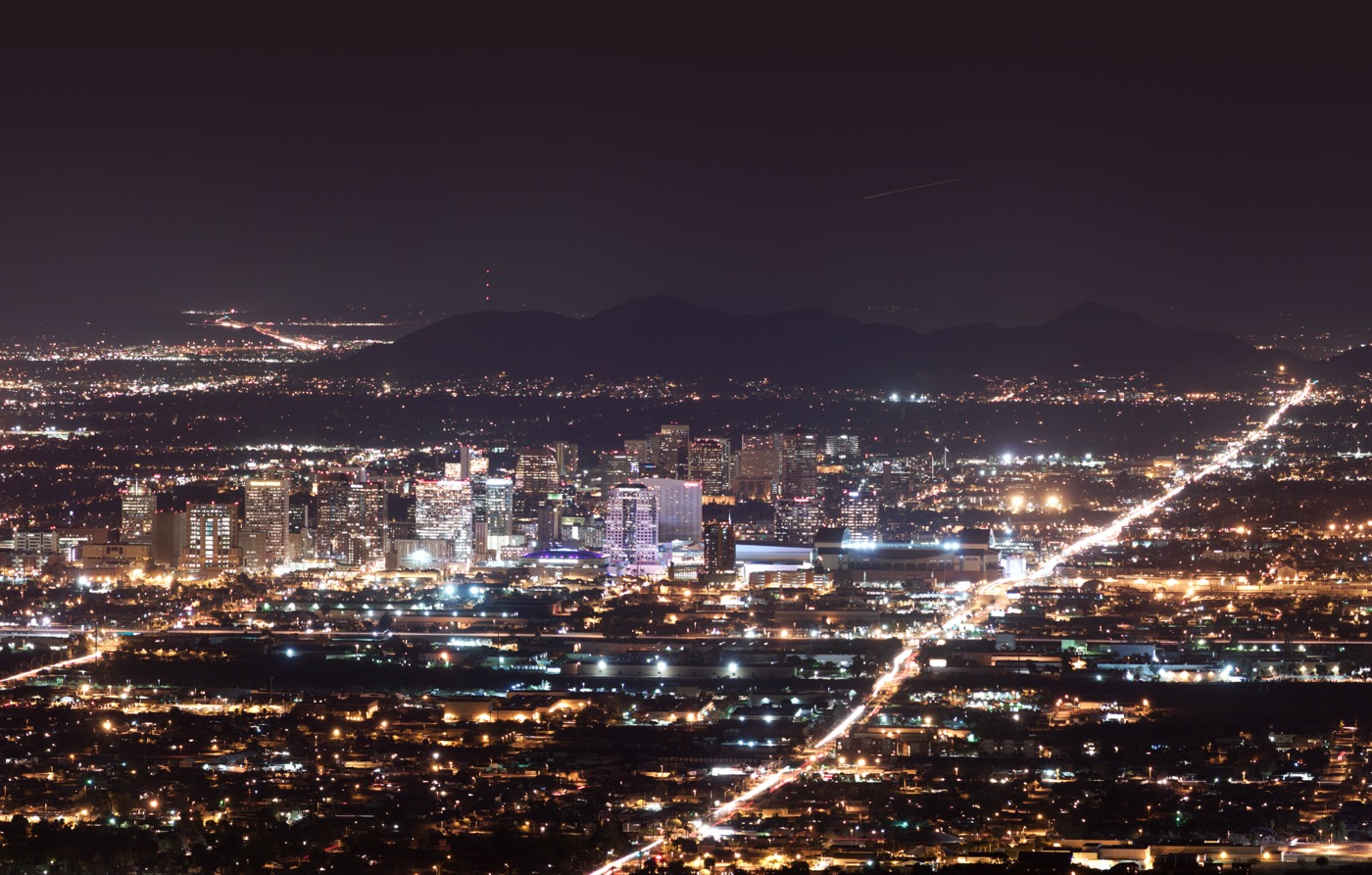
Phoenix, Arizona, at night. On 13 March 1997, thousands of people across the state reported strange lights in the sky over Phoenix and beyond, in one of the largest mass sightings in UFO history. Wikimedia Commons / CC BY-SA 2.0.
The Phoenix Lights: The Mass Sighting Over Arizona
United States, 1997 — On a March evening, thousands of people across Arizona watched lights move over their state — first a vast V-formation, then a line of glowing orbs above Phoenix. One event has a firm explanation. The other is still argued over. And the governor who mocked it later said he saw it too
- Category
- Space & UFOlogy
- Published
- Length
- 3,500 words · 18 min read
- Author
- The editors
The Phoenix Lights are among the most important UFO cases precisely because they cannot be treated as a single thing. Much confusion, and much bad argument, has come from lumping together two separate events of that March night, when in fact one has a solid explanation and the other does not, and honest analysis depends on keeping them apart. The sighting is also unusual for its sheer scale — not one witness or a handful, but thousands, across a huge area — and for the involvement of a sitting state governor who first mocked the phenomenon and later declared he had seen it himself. Approaching the case fairly means resisting both the debunker's temptation to let the firm explanation for one event settle the other, and the believer's temptation to let the unexplained event prove the extraordinary. The Phoenix Lights are a case study in separating what we know from what we do not.
This is the story of the lights over Arizona.
The night of the lights
The evening of 13 March 1997 was clear over Arizona, and as it grew dark, people across the state began to see, and to report, lights in the sky. What made the Phoenix Lights extraordinary was the scale of the witnessing: this was not a lonely encounter in a remote place but a mass event, observed by an enormous number of ordinary people over a vast area, from the north of the state southward, many of whom independently called authorities, the media, and one another to ask what they were seeing. The sheer number and geographic spread of the witnesses put the Phoenix Lights in a different category from most UFO reports and lent them a credibility that isolated sightings lack.
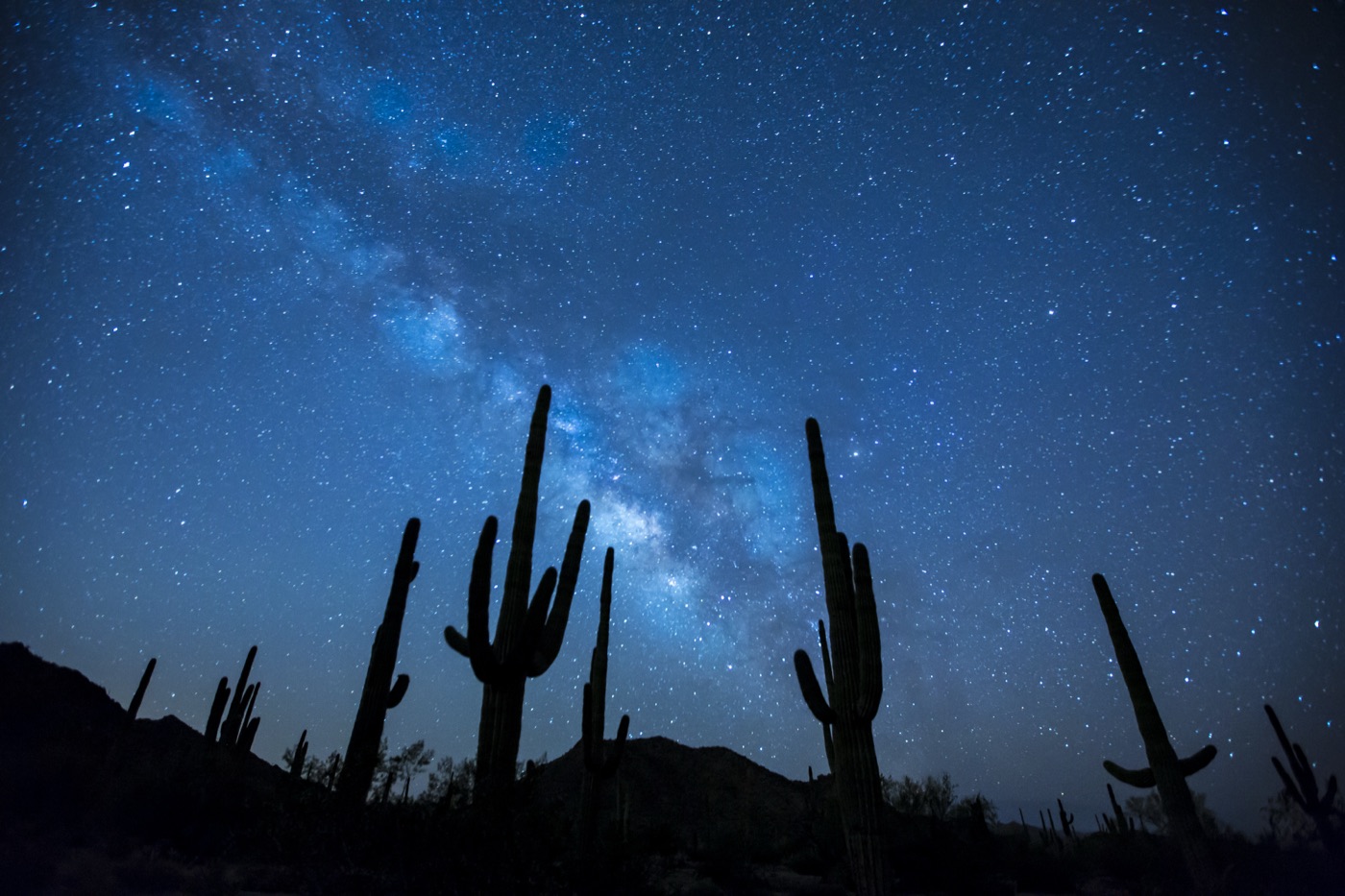
But the reports, when examined, described two different things at two different times, and this distinction is the key to the whole case. The earlier sightings, in the first part of the evening, were of a moving formation; the later ones, around ten o'clock, were of stationary lights over Phoenix itself. Failing to separate these two events is the single greatest source of confusion about the Phoenix Lights, because they have very different explanations.
The lights over Phoenix
The later event — the row of lights that appeared to hang over the Phoenix area around 10 p.m. and then vanished one by one — is the one that can be explained, and the explanation is well supported. That night, aircraft of the Air National Guard were conducting a training exercise at the Barry Goldwater Range, a vast military range southwest of Phoenix, and as part of the exercise they dropped high-intensity illumination flares.
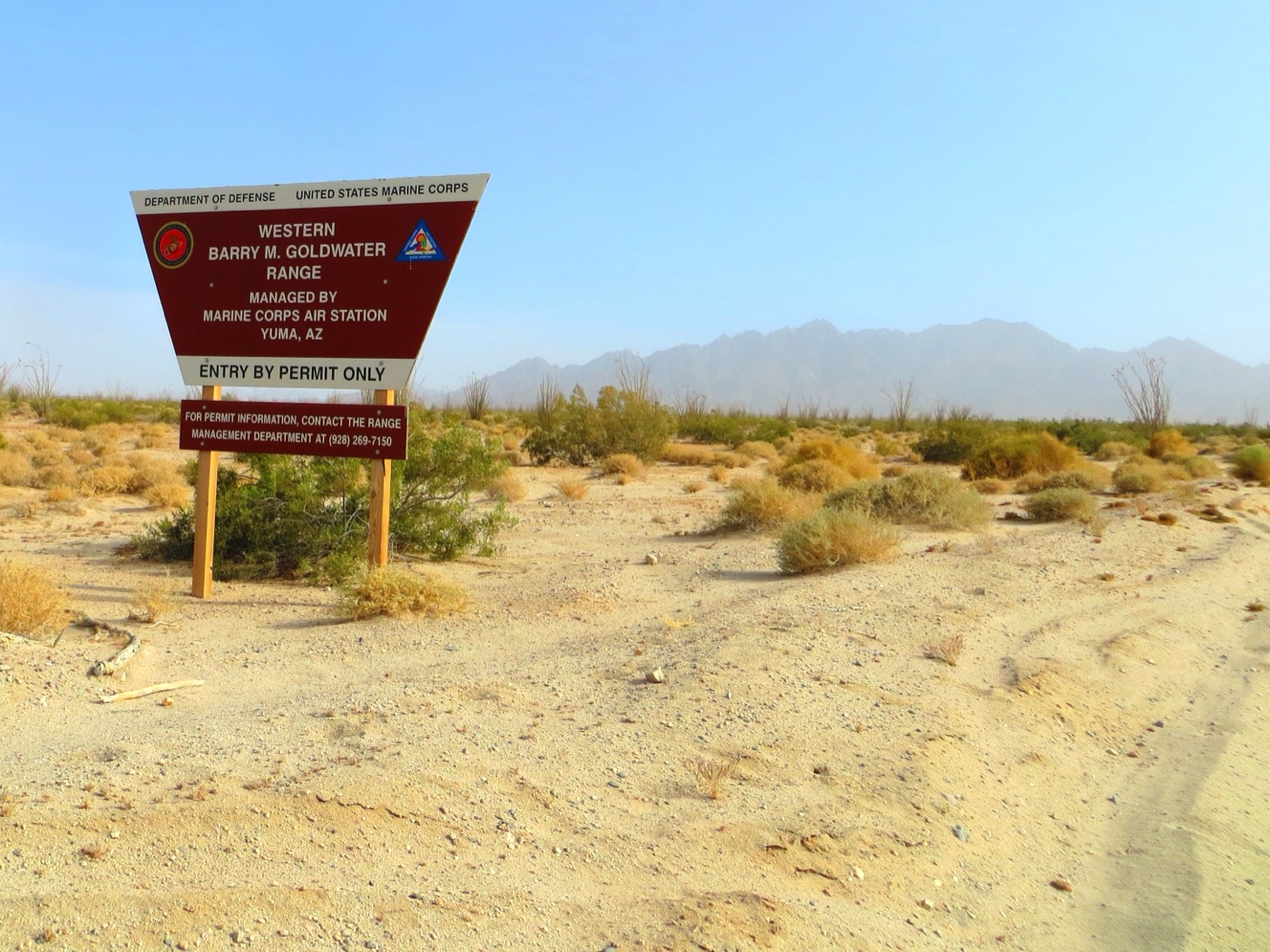
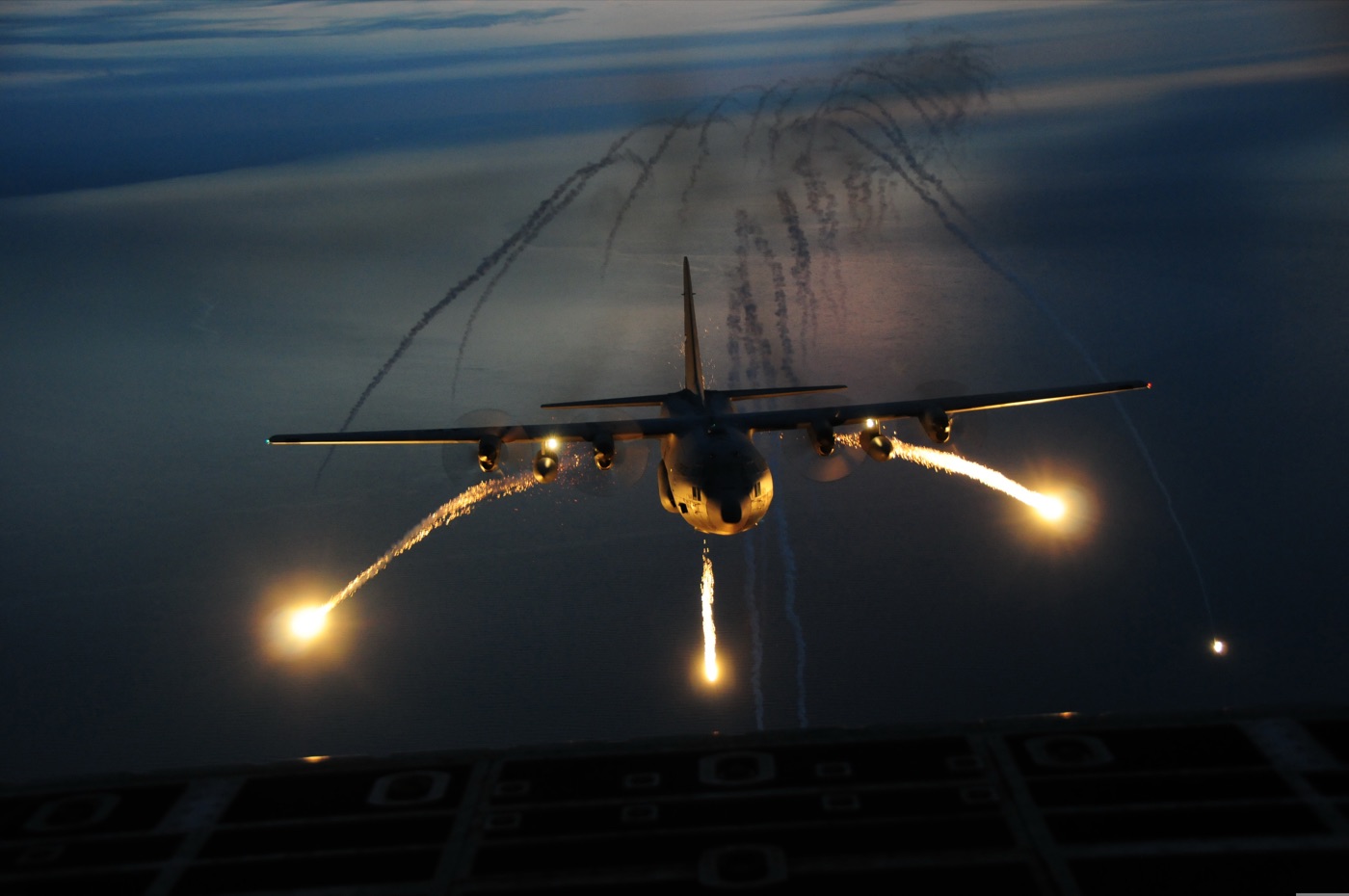
The flare explanation for the 10 p.m. lights is strong and specific: the military confirmed the flare-dropping exercise; the timing matches; the behavior of the lights (a hovering row that extinguished sequentially) fits the physics of flares descending and then disappearing behind a mountain range; and analyses of photographs and videos taken that night are consistent with flares. This part of the Phoenix Lights, in other words, is not really a mystery at all. It is a striking but explicable misidentification of a military exercise — one made all the more convincing because the Sierra Estrella range hid the flares' descent, so that they seemed to vanish in mid-air rather than fall to earth.
The V-formation
The earlier event is a different matter, and it is here that the genuine mystery of the Phoenix Lights resides. Before the flares, in the earlier part of the evening, a great many witnesses across the state reported something quite distinct: a large formation of lights, arranged in a V or a chevron or a triangle, moving slowly, silently, and steadily southward, low enough and large enough that many described it not as a group of separate lights but as a single, colossal solid object. These witnesses spoke of a craft that passed overhead and blotted out the stars behind it, of an object so vast it filled a huge portion of the sky, moving without any sound at all.
What was the V-formation? The leading skeptical explanation is that it, too, was aircraft — a formation of high-flying planes, possibly military, whose separate lights, seen from far below against a dark sky, could appear to merge into the outline of a single vast craft, especially to witnesses inclined to perceive a solid shape. Some analyses point to a formation of aircraft passing over the state at high altitude on that evening. Against this, many witnesses — including some with aviation experience — have insisted that what they saw was unmistakably a single structured object, that they could see its solid form occulting the stars, and that it was far too large, low, and silent to be a formation of ordinary planes. Unlike the flares, the V-formation has no confirmed, specific mundane source that fully satisfies the accounts, and it is this that keeps the case alive.
The quality and consistency of the V-formation testimony is part of what makes it hard to dismiss. Witnesses across a wide area, who did not know one another and had no opportunity to coordinate, described broadly the same thing: a large, slow, silent formation or object moving from the north toward the south, with a pattern of lights along a V or a curve. The consistency of independent accounts is a genuine evidential point, though it is not decisive, for a real stimulus of some kind — even an ordinary one like an aircraft formation — could produce consistent reports, and the human tendency to perceive separate lights as a connected shape is well documented. What the consistency does establish is that something real was in the sky and was widely seen; what it does not establish is what that something was. That gap between "something was there and many saw it" and "we know what it was" is the exact space the Phoenix Lights inhabit.
It is worth being clear about what would be required to resolve the V-formation, and why it has not been. A definitive answer would need either hard physical or instrumental evidence — radar tracks, clear calibrated imagery, a confirmed identification of specific aircraft on that route at that time — or a record establishing the source. The available photographs and videos of the early evening are generally ambiguous, and no single piece of hard evidence has settled the question either way. In its absence, the case rests on eyewitness testimony, which is simultaneously abundant and, by its nature, insufficient to prove an extraordinary claim. This is the recurring predicament of UFO cases: the events are real experiences, but the evidence they leave behind is rarely of the kind that can distinguish a mundane explanation from an exotic one with confidence.
The governor
The Phoenix Lights gained an extra and revealing dimension from the conduct of Arizona's governor at the time, Fife Symington. In the immediate aftermath, as public excitement and unease grew, Symington responded with mockery. He called a press conference, purportedly to reveal the source of the mystery, and had an aide dressed in an alien costume brought out as the supposed culprit — a joke intended, he later said, to defuse public anxiety, but one that many witnesses found insulting and dismissive of what they had genuinely seen.

Then, a decade later, came the reversal that made headlines. In 2007, around the tenth anniversary of the event, Symington publicly stated that he himself had witnessed the craft on the night of 13 March 1997 — that he had gone outside and seen a large, delta-shaped object move across the sky, an object he described as enormous and silent, and that he believed it was not man-made, something "otherworldly." He explained that he had made the alien-costume joke at the time precisely because, as governor, he had wanted to calm a public that was becoming frightened, even as he privately did not know what he had seen. A former governor and Air Force veteran declaring that he had personally witnessed the object, and believed it unexplained, gave the Phoenix Lights a credibility and a prominence that few UFO cases attain.
The scale of the witnessing has kept the Phoenix Lights near the center of UFO discussion ever since, and it points to something worth considering about how such events are judged. A lone witness reporting a craft can be readily dismissed as mistaken, drunk, or lying; a thousand witnesses across a state cannot be so easily waved away, and the Phoenix Lights are frequently invoked, for exactly this reason, as one of the strongest UFO cases on record. But scale, while it strengthens the claim that something was genuinely seen, does not by itself strengthen the claim about what was seen. A large aircraft formation, a bright natural phenomenon, or indeed the flares would all be witnessed by many people at once, and mass observation of an ambiguous stimulus produces mass ambiguous testimony, not certainty. The Phoenix Lights are thus a useful corrective to a common intuition: the number of witnesses tells us how real and how public the event was, but not what it was, and a mystery seen by thousands is still a mystery, not a proof.
The meaning of the Phoenix Lights
In the end, the Phoenix Lights stand as one of the most instructive of all mass sightings, precisely because they refuse a single answer. On one March night in 1997, thousands of Arizonans saw strange things in the sky, and what they saw was in fact two different things: a row of lights over Phoenix that we can now confidently identify as military flares falling behind a mountain range, and, earlier, a vast silent V-formation moving across the state that we cannot confidently identify as anything. The first is solved and should not be mystified; the second is open and should not be explained away; and neither amounts to proof of an alien craft, for an unexplained light in the sky, however many people see it and however credible they are, remains an unexplained light and not a demonstrated visitor. The governor who mocked the sightings and then confessed he had shared them gave the case its human drama and its lasting fame, but even his sincere testimony cannot turn a genuine uncertainty into a certainty. What the Phoenix Lights leave us is the discipline of holding two truths at once — this part known, that part unknown — and the reminder that in the study of strange things in the sky, as everywhere, the honest answer is sometimes that we know some of it, and not the rest, and that saying so plainly is wiser than pretending to know it all.
Inspired this / based on it
Lynne Kitei
A documentary by a witness who investigated the case for years.
Various
The case has been covered in many documentaries; skeptical analyses attribute the 10 p.m. lights to flares.
Filed under
- #phoenix-lights-1997
- #ufo
- #uap
- #arizona
- #fife-symington
- #mass-sighting
- #flares
- #unsolved-mystery
- #1990s
- #mystery
Click any tag for every article carrying it.
Continue reading
The Rendlesham Forest Incident: Britain's Most Famous UFO Case
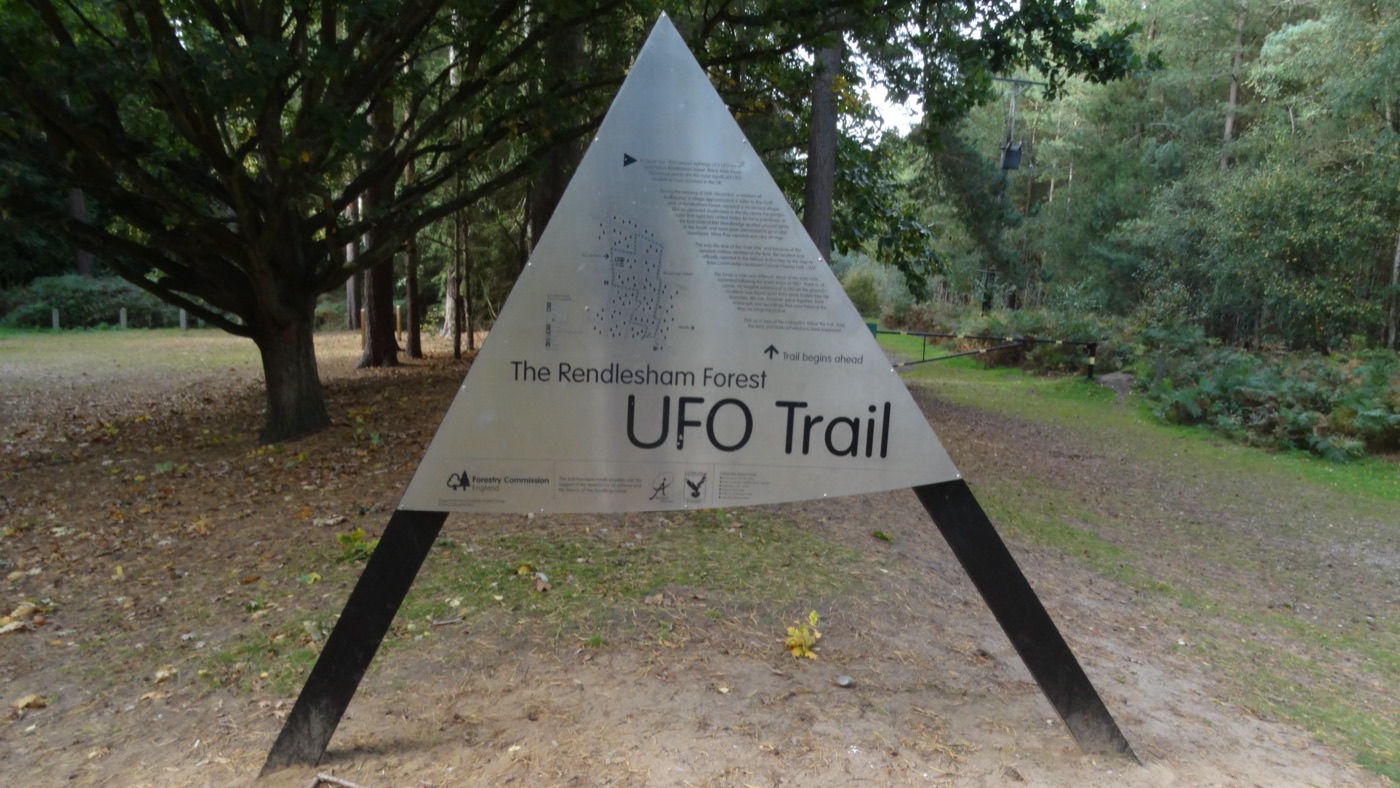
In the last week of December 1980, in Rendlesham Forest on the coast of Suffolk in eastern England, something happened that has been argued over ever since. The forest lay between two adjacent airbases, RAF Woodbridge and RAF Bentwaters, then used by the United States Air Force at the height of the Cold War, and it was American servicemen stationed there who became the witnesses to what is now often called 'Britain's Roswell.' In the small hours of 26 December, security personnel at the base saw strange lights descending into the forest, and, thinking an aircraft might have crashed, went in to investigate. What they reported finding — a metallic, structured craft with lights and strange markings, hovering or resting among the trees — became one of the most famous UFO accounts in the world. Two nights later the base's deputy commander, Lieutenant Colonel Charles Halt, led his own investigation into the forest and recorded it on tape as it unfolded, describing pulsing lights and objects in the sky. His subsequent official memorandum, released years later under freedom-of-information laws, gave the case a documentary weight that few UFO stories possess. And yet the incident has a strong and well-argued mundane explanation, centered on a nearby lighthouse, a bright meteor, and misperceived stars — an explanation the witnesses have always rejected. This is the story of what happened in Rendlesham Forest, and of why, more than four decades later, it remains unresolved.
The Pentagon UAP Report
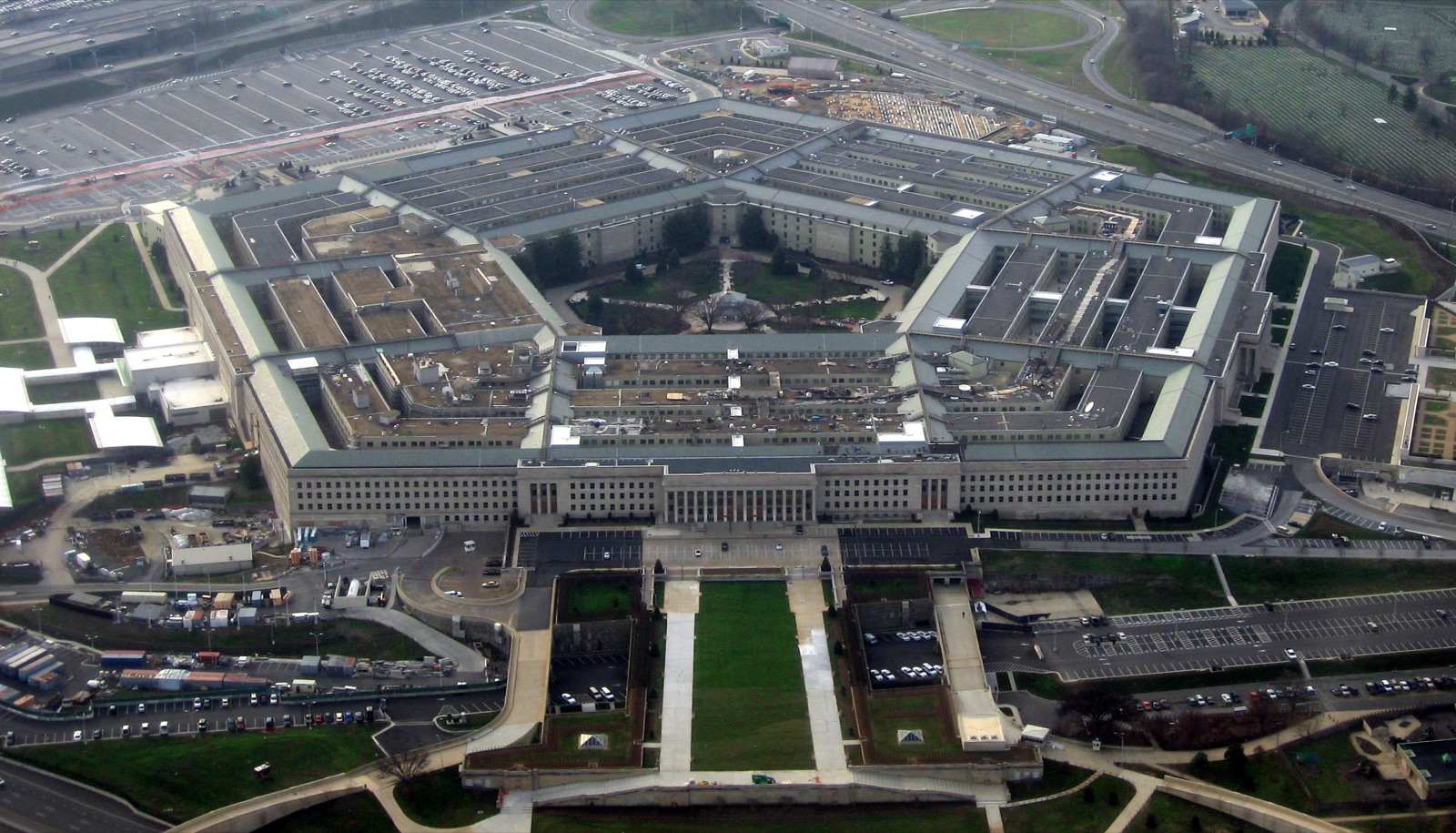
On December 16, 2017, *The New York Times* published a front-page article disclosing that a small, classified program inside the Pentagon — formally the Advanced Aerospace Threat Identification Program, informally AATIP — had been studying military encounters with Unidentified Aerial Phenomena since 2007. The article was accompanied by previously-classified U.S. Navy gun-camera footage of an oval-shaped object filmed off the coast of San Diego by an F/A-18F Super Hornet of the USS Nimitz Carrier Strike Group in November 2004 — the so-called 'Tic-Tac' footage. Over the following seven years, the U.S. Department of Defense has progressively renamed its UAP investigation office (AATIP → UAPTF → AOIMSG → AARO), held three Congressional hearings on UAP, issued one Office of the Director of National Intelligence preliminary report (June 2021), one All-domain Anomaly Resolution Office Historical Record Report Volume I (March 2024), and received Senator Chuck Schumer's UAP Disclosure Act amendment to the 2024 National Defense Authorization Act in substantially diluted form. In July 2023 a former Air Force intelligence officer, David Grusch, testified under oath to the House Oversight Subcommittee on National Security that the U.S. government holds 'non-human biologics' recovered from crashed craft — testimony the Pentagon has denied. The substantive evidentiary picture has not changed since 2017. What has changed is what governments are willing to say in public about it. The case file is open.
Kenneth Arnold: The Sighting That Invented the Flying Saucer
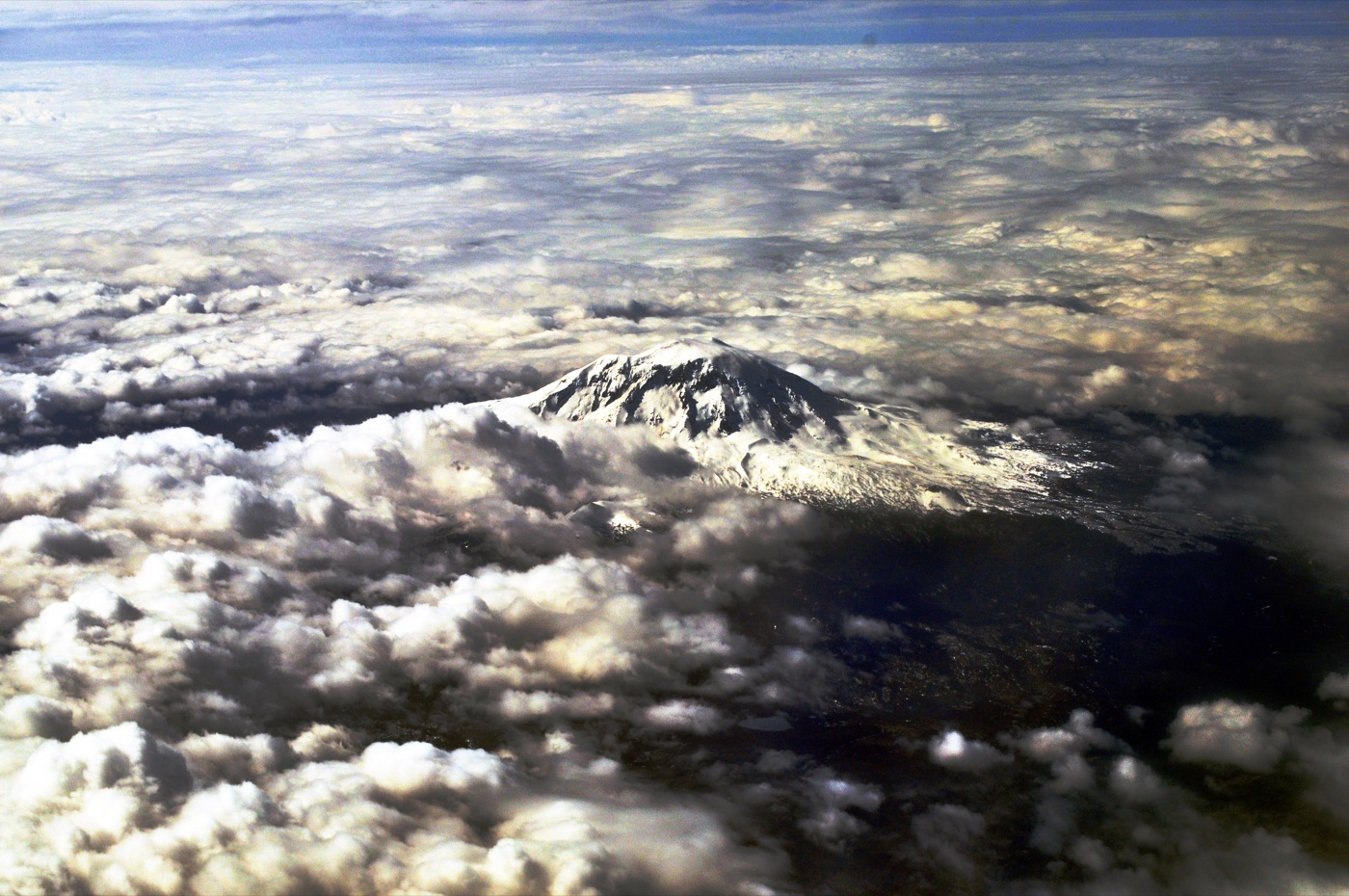
On the afternoon of 24 June 1947, a businessman and private pilot named Kenneth Arnold was flying his small aircraft near Mount Rainier, in the Cascade Range of Washington state, when he saw something that would change the world's imagination. Nine bright objects were streaking through the sky, flying in a chain formation at tremendous speed, weaving between the mountain peaks — moving, by his estimate, far faster than any aircraft of the era could manage. When he landed and described what he had seen to reporters, he reached for an analogy for the way the objects moved: they flew, he said, erratically, dipping and skimming, 'like a saucer would if you skipped it across water.' A reporter distilled this into a memorable phrase, and within days the newspapers of America were full of the term 'flying saucers.' It was, in a sense, a misunderstanding: Arnold had been describing the motion of the objects, not their shape, and the objects themselves he described as more crescent- or heel-shaped than round. But the phrase 'flying saucer' had entered the language, and with it came the idea of the round, disc-shaped craft that would become the iconic image of the UFO for generations. Within weeks, reports of 'flying saucers' were pouring in from across the country, and the crash near Roswell followed in early July. The modern age of UFOs had begun. This is the story of Kenneth Arnold's sighting — of what he saw, of how a phrase was born from a description of motion, and of how a single ambiguous encounter launched a global phenomenon.