Tag
#1950s
9 articles
Project Blue Book: The Air Force's Long Study of UFOs
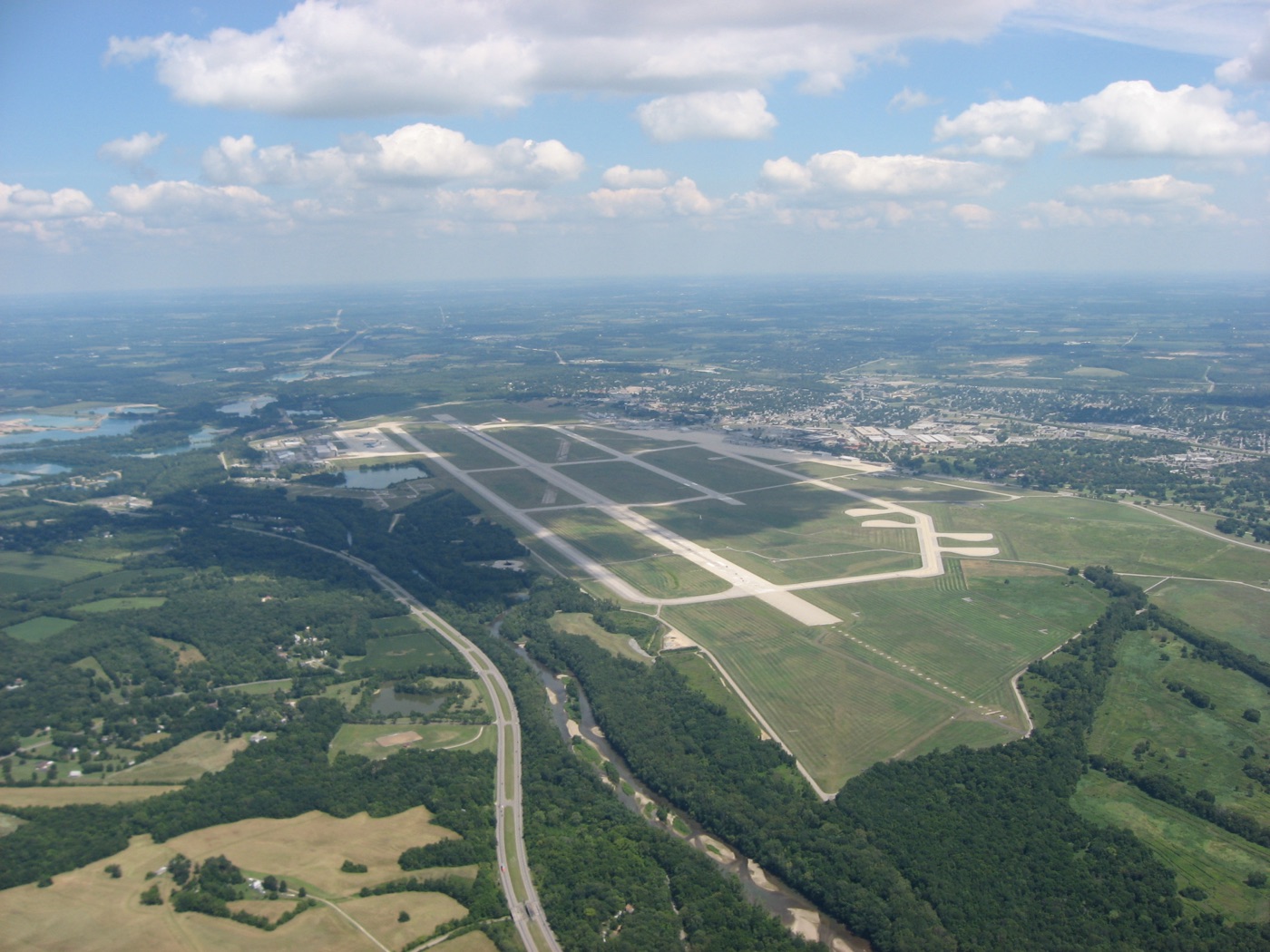
In the years after 1947, when the sighting by Kenneth Arnold and the events at Roswell launched the modern UFO era, the United States Air Force found itself confronting a steady stream of reports of unidentified objects in the sky — some from credible witnesses, some tracked on radar, all demanding some kind of official response in the anxious atmosphere of the early Cold War. The Air Force's answer was a series of official investigations, culminating in the longest and most famous of them: Project Blue Book, which ran from 1952 until 1969 and became the definitive government study of UFOs of its era. Over those seventeen years, Blue Book collected and examined more than twelve thousand reported sightings, seeking to determine what people were seeing and whether any of it threatened national security or represented technology beyond human capability. Its investigators concluded that the overwhelming majority of sightings had ordinary explanations — misidentified aircraft, weather balloons, stars and planets, atmospheric effects, and hoaxes — and that none of the cases provided evidence of extraterrestrial vehicles. Yet Blue Book also left behind a residue of several hundred cases that it could not explain, and it became the focus of a lasting controversy: was it a serious scientific effort that reached an honest, if unexciting, conclusion, or was it, as critics including its own scientific consultant came to argue, more a public-relations exercise designed to explain sightings away and reassure the public than to study them seriously? This is the story of Project Blue Book, of what it found and what it did not, and of the argument over how a government should investigate the unknown.
Kyshtym: The Soviet Nuclear Disaster Hidden for Thirty Years
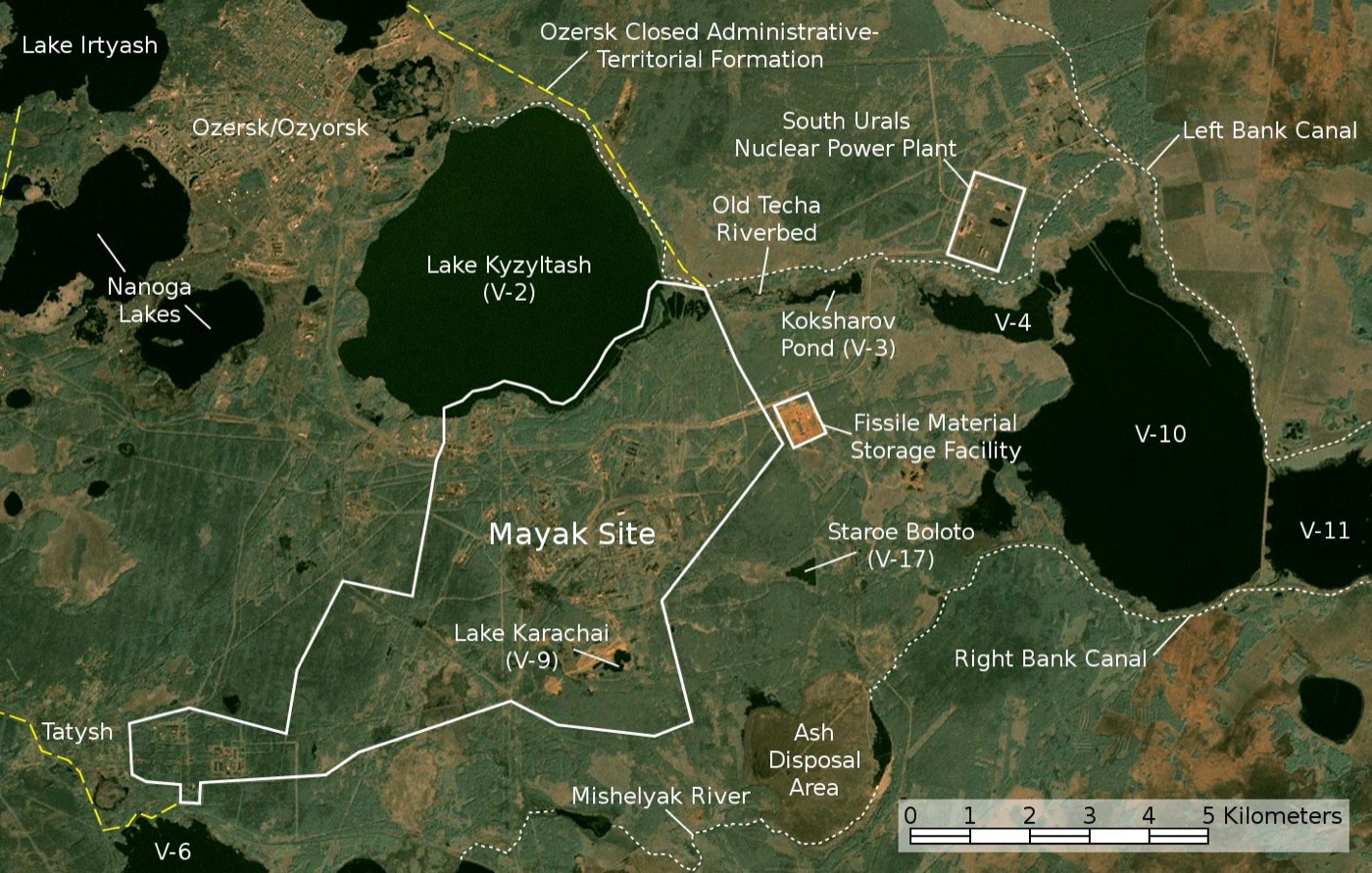
On 29 September 1957, a tank of high-level radioactive waste exploded at the Mayak plutonium complex, a secret Soviet nuclear weapons facility in the southern Ural Mountains. The cooling system on the tank had failed and gone unrepaired; the waste inside overheated, dried, and detonated in a chemical explosion powerful enough to hurl off the tank's heavy concrete lid and fling a plume of radioactive material high into the air. The fallout drifted northeast on the wind, settling over thousands of square kilometers of farmland, forest, and villages in what became known as the East Urals Radioactive Trace. Hundreds of thousands of people lived in the contaminated zone; thousands would eventually be evacuated, their villages bulldozed and their crops and livestock destroyed, often with little or no explanation of why. By the measure of radioactivity released, it was one of the worst nuclear accidents in history — surpassed only, decades later, by Chernobyl and Fukushima. And yet almost no one outside a tight circle of Soviet officialdom knew it had happened. The facility was so secret it did not officially exist, located in a closed city that did not appear on maps; the disaster took its name, Kyshtym, from the nearest town that could be publicly named. The Soviet Union concealed the catastrophe almost completely for thirty years, denying it even as rumors leaked west, until the openness of the late 1980s finally forced the truth into the light. This is the story of the nuclear disaster that the world was not allowed to know.
Minamata: The Mercury Poisoning a Company Hid for Years
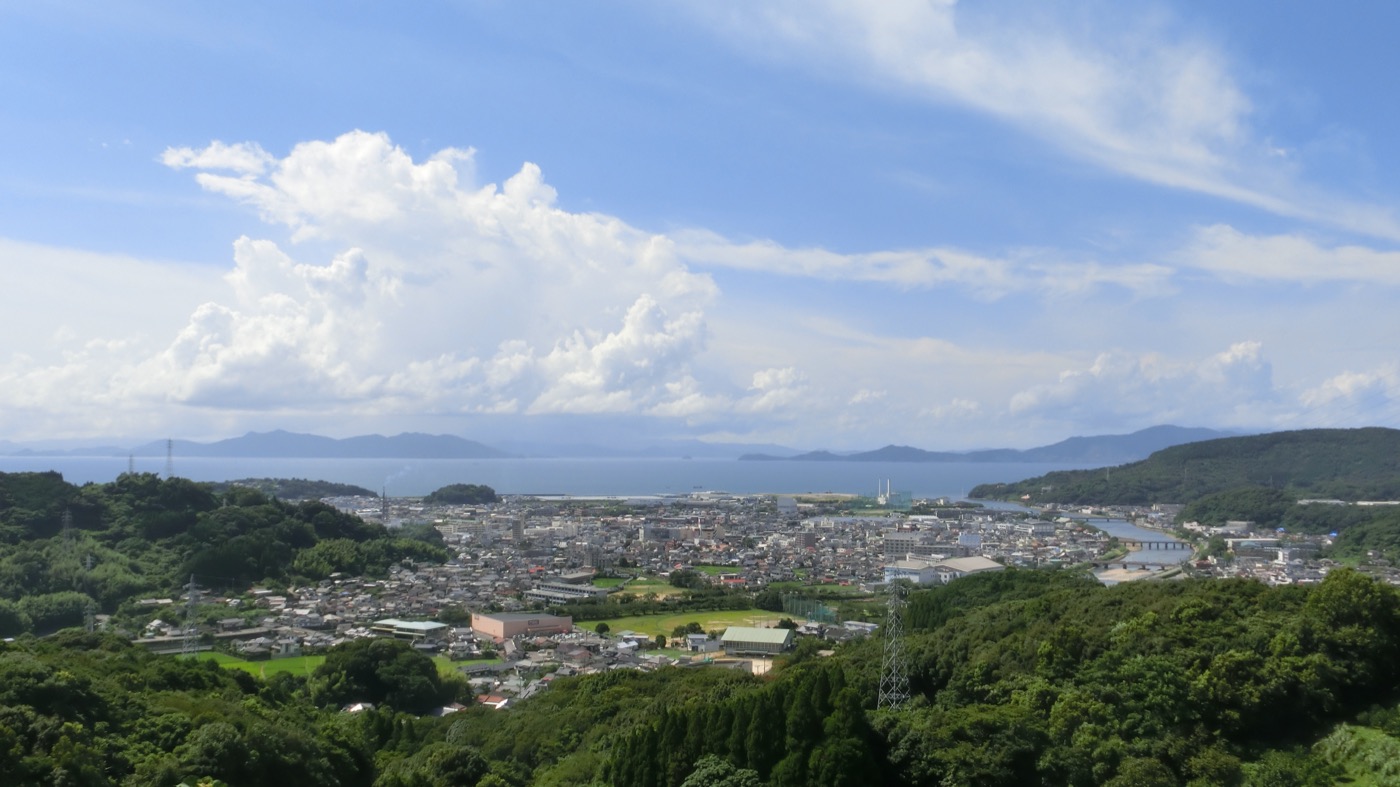
For more than three decades, a chemical factory in the small Japanese coastal town of Minamata discharged mercury into the sea, and for years the company that owned it knew, or had every reason to know, what that mercury was doing to the people who lived there. The Chisso Corporation made acetaldehyde using a process that produced methylmercury as a by-product, and from the 1930s it released that poison, in its untreated wastewater, into Minamata Bay and the surrounding Shiranui Sea. The mercury accumulated in the fish and shellfish that were the daily food of the local fishing families, and it destroyed their nervous systems. By the 1950s the town was witnessing terrible scenes: cats convulsing and hurling themselves into the sea, birds dropping from the sky, and then people — fishermen and their wives and their children — struck down by a mysterious illness that robbed them of control over their bodies, their senses, and sometimes their lives. Children were born already poisoned, having absorbed the mercury in the womb. When researchers traced the cause to the Chisso factory's effluent, the company disputed the science, funded doubt, and kept discharging mercury for years more. Most damning of all, Chisso's own company doctor had proved, in a quiet experiment with cats, that the factory's wastewater caused the disease — and the company suppressed his findings and ordered him to stop. The poisoning continued until 1968. The victims would spend decades fighting for recognition, compensation, and the simple acknowledgement of what had been done to them. This is the story of Minamata disease, one of the defining environmental catastrophes of the twentieth century, and of the long concealment at its heart.
DES and the Cancer That Waited a Generation
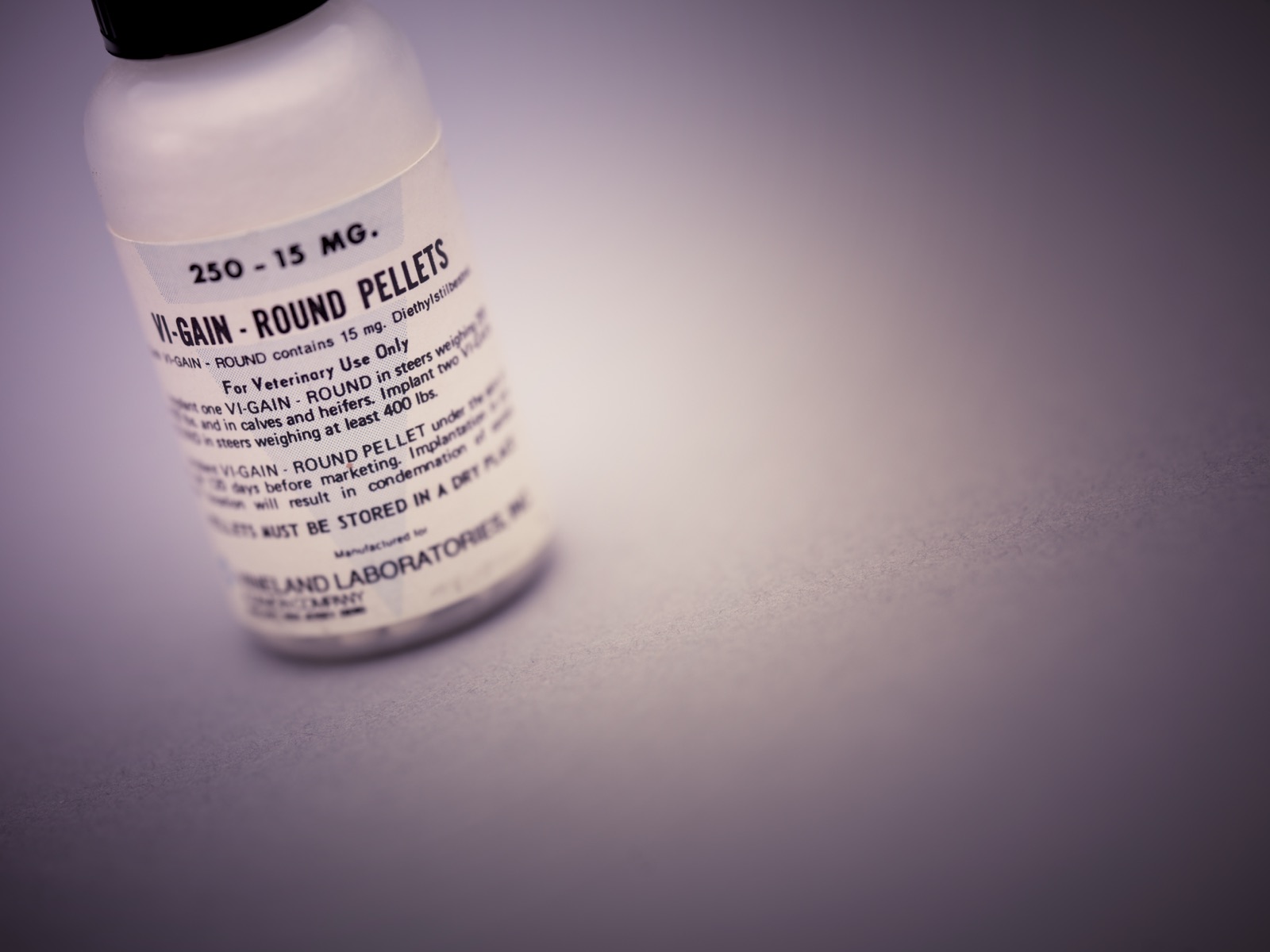
Diethylstilbestrol — DES — was the kind of drug that seems, in hindsight, designed to teach a lesson about how medicine can fail. A cheap synthetic estrogen, first made in 1938 and never patented, it was prescribed from around 1940 onward to millions of pregnant women in the United States and elsewhere, marketed with the soothing promise that it would prevent miscarriage and make 'normal pregnancies more normal.' It did neither. As early as 1953, a careful controlled study showed that DES did nothing to prevent miscarriage — and yet doctors went on prescribing it to pregnant women for nearly two more decades. The true cost did not appear in the women who took it, or even in their pregnancies, but in the children those pregnancies produced. In 1971, doctors traced a sudden cluster of a rare vaginal cancer in young women — a cancer almost never seen in people that age — back to a single common factor: their mothers had taken DES while carrying them. It was the first time a drug had been shown to cause cancer not in the person who took it but in their child, years later, through the wall of the womb. The harm had waited a generation to appear. Behind it lay a tangle of failures — a drug sold without good evidence, kept on the market long after it was shown useless, and made by so many companies that, decades later, the women it injured often could not even prove whose pill their mothers had swallowed. This is the story of DES: what it was, why it was given, the delayed catastrophe it caused, and the lasting marks it left on medicine and the law.
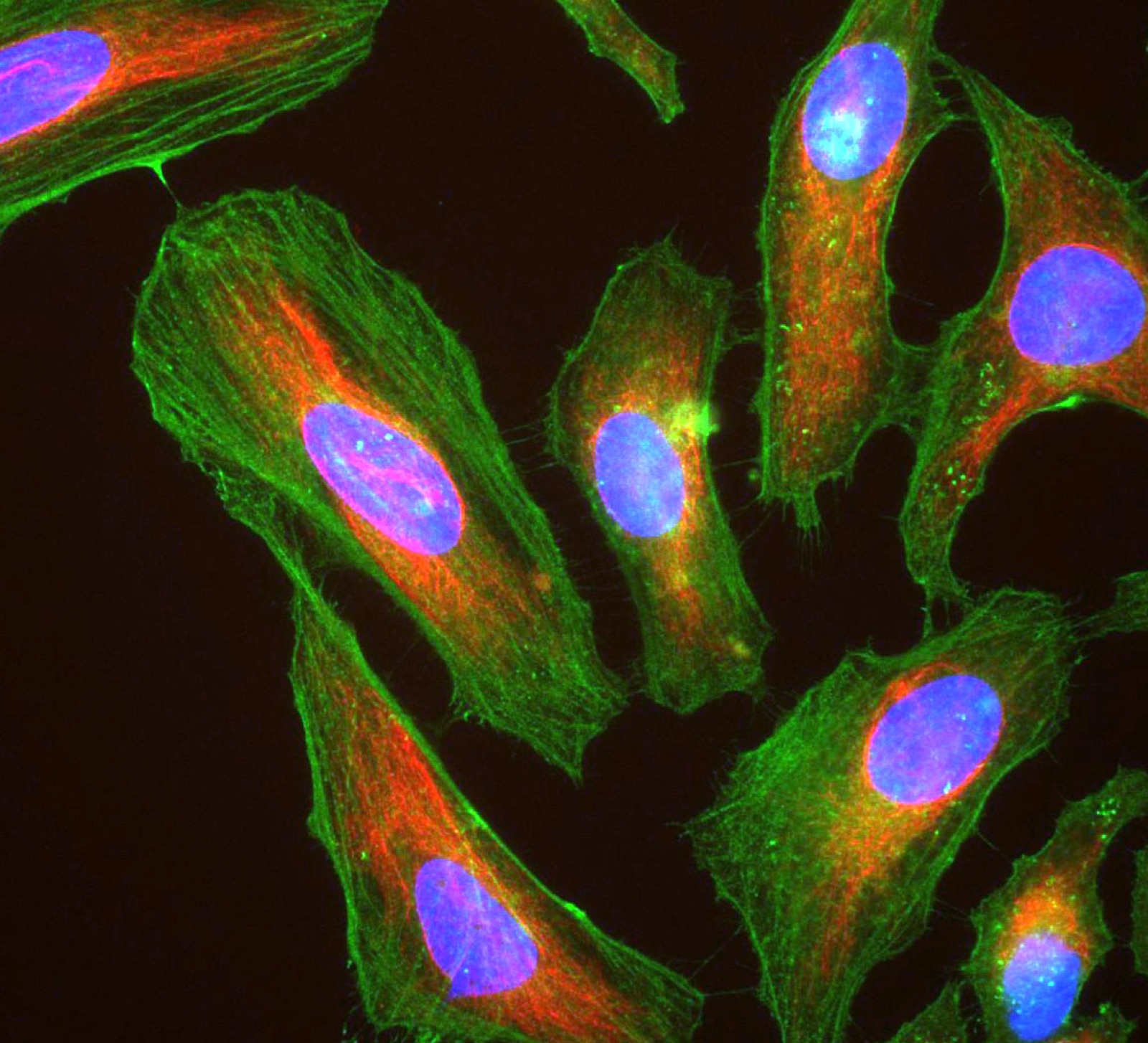
Henrietta Lacks and the Cells That Would Not Die
In the early months of 1951, a thirty-one-year-old Black woman named Henrietta Lacks went to the Johns Hopkins Hospital in Baltimore — one of the few hospitals in the segregated United States that would treat Black patients — with a cervical cancer that was killing her with frightening speed. During her treatment, a surgeon shaved two small samples from her cervix, one healthy and one cancerous, and sent them to a laboratory down the hall. No one asked Henrietta's permission, and no one told her; this was simply how things were done, especially to a poor Black patient in a charity ward. She died that October and was buried in an unmarked grave. But the cancer cells from that sample did something no human cells had ever reliably done before: they survived, and divided, and kept dividing, doubling every day, apparently without limit. They were the first immortal human cell line, and the scientist who grew them named them HeLa, after the first letters of her first and last names. Over the following decades those cells — descended from a woman almost no one knew anything about — would become one of the foundational tools of modern biology: used to develop the polio vaccine, to map the human genome, to test drugs and radiation and cosmetics, to study cancer and AIDS and the viruses that cause them, sent into space, and grown by the ton and sold around the world in a multi-billion-dollar industry. Henrietta's own family knew none of it for more than twenty years, received nothing, and in many cases could not afford the medicine her cells helped create. This is the story of the woman behind HeLa, of what was taken and what was built from it, and of a debt that the science of an era was structured never to pay.
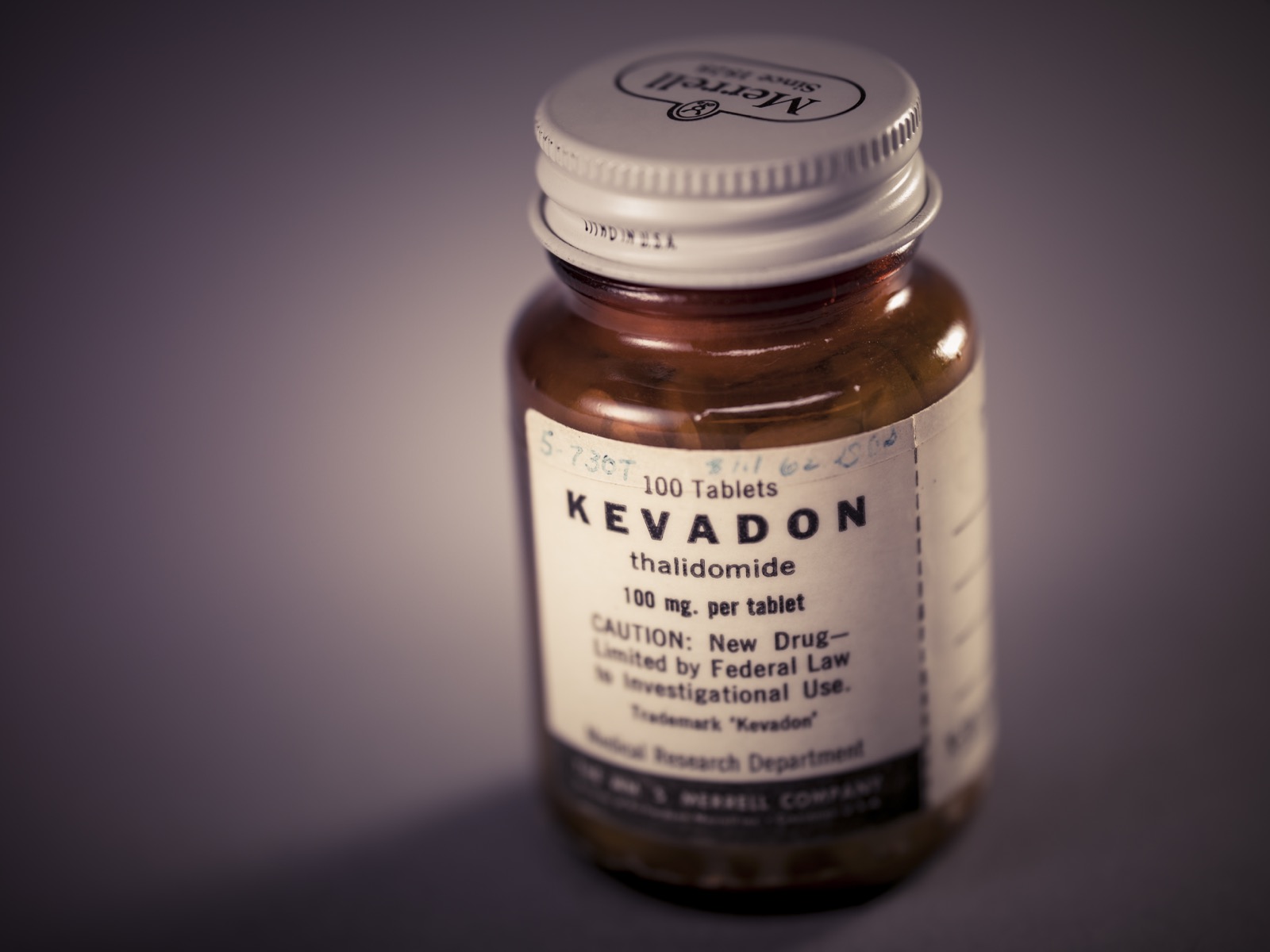
Thalidomide and the Wonder Drug That Came for the Unborn
It was sold as the safest drug imaginable. Thalidomide — marketed as Contergan in West Germany, Distaval in Britain, Neurosedyn in Sweden, and Kevadon in North America — was a sedative and sleeping pill that the German company Grünenthal advertised as so harmless it was impossible to take a fatal overdose, suitable even for children, and, crucially, safe for pregnant women suffering morning sickness. None of it had been properly tested for what it did to a developing fetus, because in the late 1950s almost no one tested for that at all. Between 1957 and 1961 the drug was sold in dozens of countries, and as it spread, something terrible began to appear in maternity wards: babies born with limbs shortened or missing entirely — hands attached at the shoulder, the condition doctors called phocomelia — along with damage to ears, eyes, hearts, and internal organs. By the time the cause was identified and the drug pulled from shelves in late 1961, roughly ten thousand children worldwide had been born with thalidomide injuries, and thousands more had died before or shortly after birth. The United States was very nearly spared entirely, because of one woman: Frances Oldham Kelsey, a new reviewer at the Food and Drug Administration who, against sustained pressure from the manufacturer, simply refused to approve it. The thalidomide disaster destroyed the comfortable assumption that a drug on the market must be safe, broke the makers' long resistance to accountability, and forced governments to rebuild the entire system by which medicines are tested and approved. This is the story of how it happened, who stopped it, and what it changed.
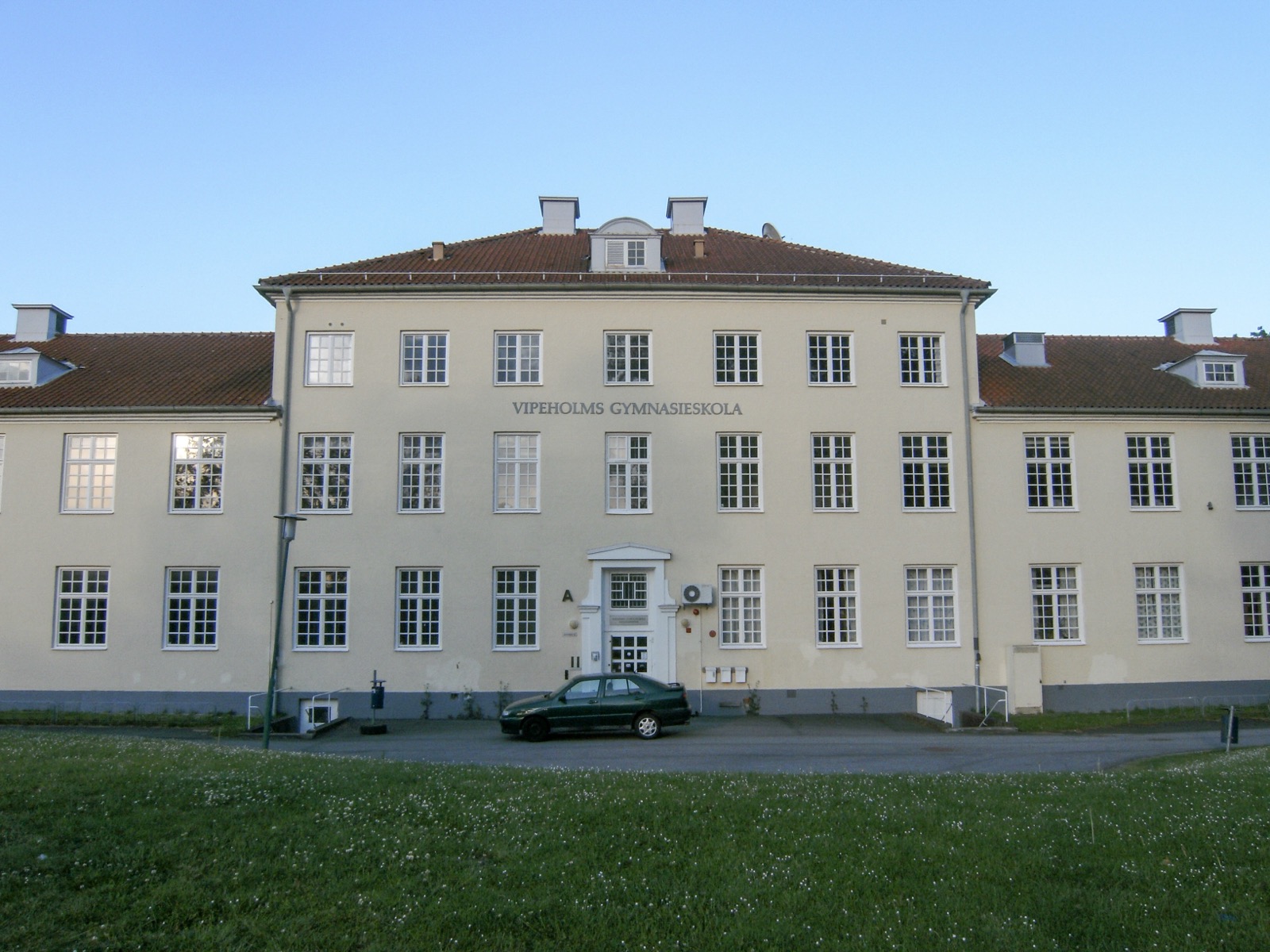
The Vipeholm Experiments and the Toffee Made to Rot Teeth
At the Vipeholm hospital outside Lund, in southern Sweden, the patients could not leave and could not consent. They were adults with severe intellectual disabilities, classified in the language of the time as 'uneducable,' housed for life in a state institution that controlled every meal they ate. And in the years after the Second World War, that total control made them, in the eyes of Sweden's medical authorities, the perfect material for an experiment. The country had one of the worst rates of tooth decay in the world, and the National Board of Health wanted to understand, definitively, what caused it. So between 1945 and the mid-1950s, researchers used the people of Vipeholm to find out — feeding different groups different diets, and, in the most notorious phase, giving some of them large quantities of a specially formulated sticky toffee, eaten between meals, that was engineered to cling to the teeth and bathe them in sugar for as long as possible. The patients' mouths were the laboratory. Many of them developed severe, irreversible cavities. The studies that resulted were a genuine scientific landmark: they established, more clearly than any work before, that it is sugar — and above all sugar eaten frequently and in sticky form — that drives tooth decay. That finding reshaped dentistry and gave Sweden its enduring tradition of lördagsgodis, sweets saved for Saturdays. But it was bought with the teeth of people who were never asked, and could not have answered. This is the story of what was done at Vipeholm, what it taught the world, and the question it leaves about the price of knowledge.
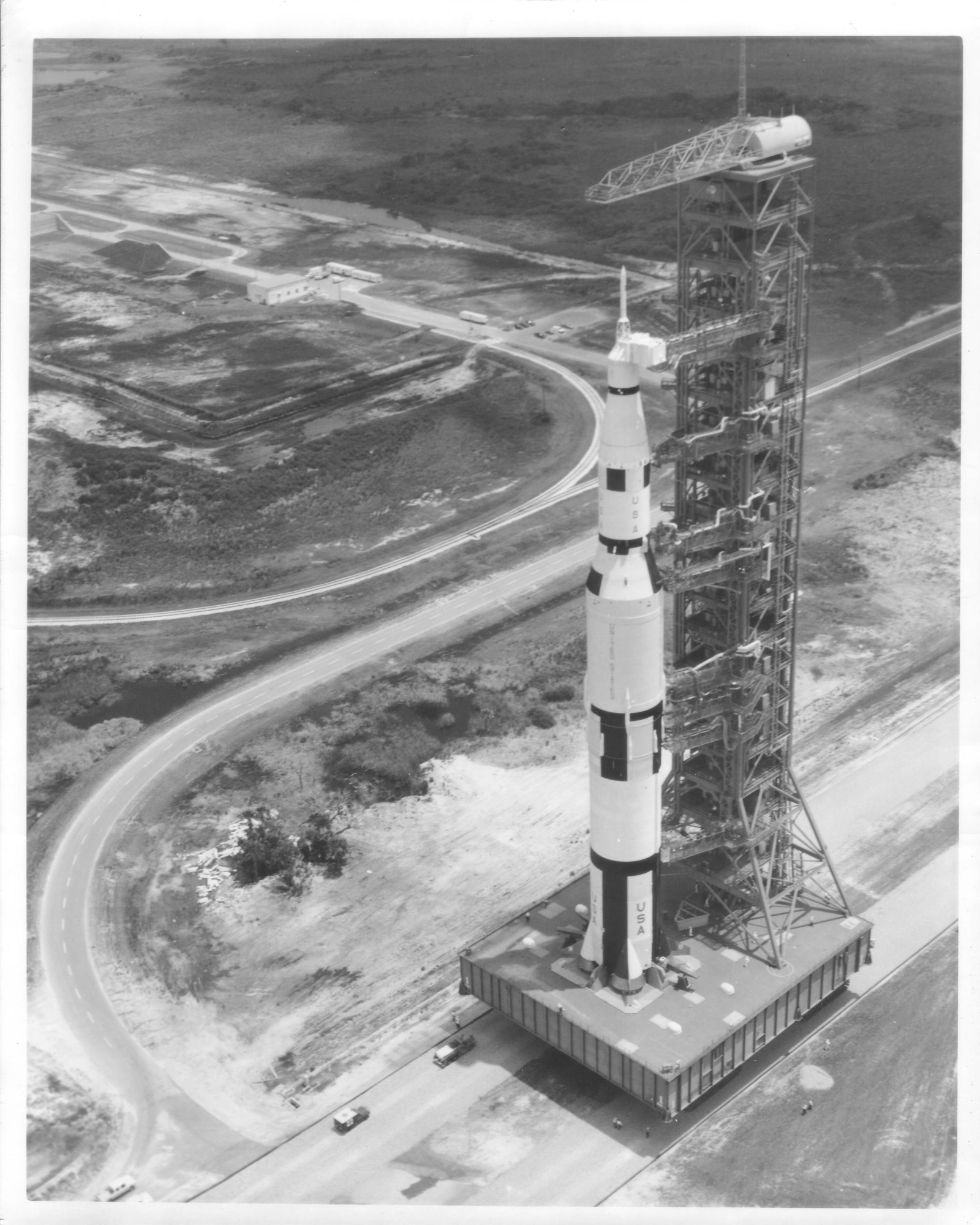
Operation Paperclip
Between 1945 and 1959, the U.S. Army Ordnance Corps and the Joint Intelligence Objectives Agency secretly transported more than 1,600 German scientists, engineers, and technicians from defeated Nazi Germany to the United States — together with files that had been quietly stripped of references to Nazi Party membership, SS rank, and slave-labour exploitation. The clip on the folder was where the program got its name. The most prominent of the imported men was Wernher von Braun, designer of the V-2 ballistic missile, who twenty-four years later watched the Saturn V — a rocket built by his Huntsville team — lift Apollo 11 toward the Moon.
MK-Ultra
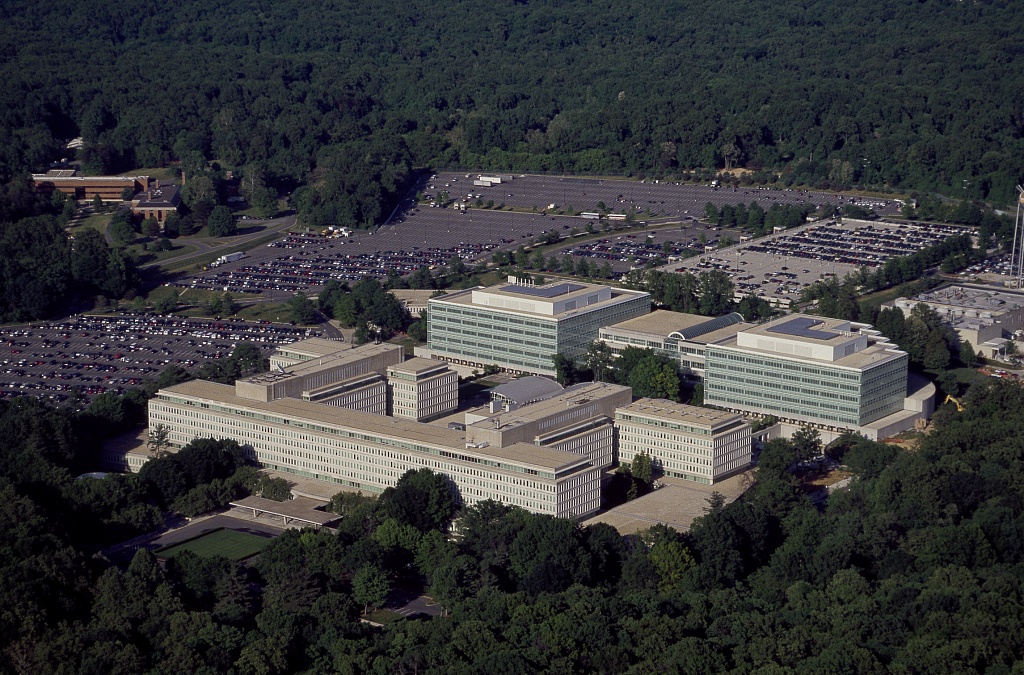
Between 1953 and 1973, the Central Intelligence Agency ran one of the most ambitious — and least restrained — human-experimentation programs in American history. The goal was mind control. The subjects rarely knew they were subjects. By the time the public found out, most of the records had been burned.
9 files · end of the line