
An anatomical model of the human heart. Vioxx was sold as a gentler painkiller, but its danger lay in the cardiovascular system: the drug raised the risk of heart attack and stroke, a signal that sat in Merck's own data for years before the medicine was withdrawn. Wikimedia Commons / Alaa Najjar, CC BY-SA 3.0.
Vioxx and the Painkiller That Broke Hearts
United States, 1999–2004 — Merck sold a blockbuster painkiller to tens of millions of people while a deadly signal sat in its own data: Vioxx raised the risk of heart attack and stroke. The company explained it away for years. By the time the drug was pulled, the toll was measured in tens of thousands of dead
- Category
- Health & Medicine
- Published
- Length
- 4,120 words · 18 min read
- Author
- The editors
Vioxx is the most modern of the drug disasters in this archive, and in some ways the most disturbing, because it happened in an era that was supposed to know better. This was not the 1950s of thalidomide or DES, before modern drug regulation existed. This was the year 2000, with the full apparatus of clinical trials, FDA oversight, and peer-reviewed journals in place — and a dangerous drug stayed on the market for years anyway, sold by a respected company that had the evidence of harm in its own files. Vioxx is what a pharmaceutical catastrophe looks like when all the modern safeguards are present and still fail.
This is the story of how that happened.
A gentler painkiller
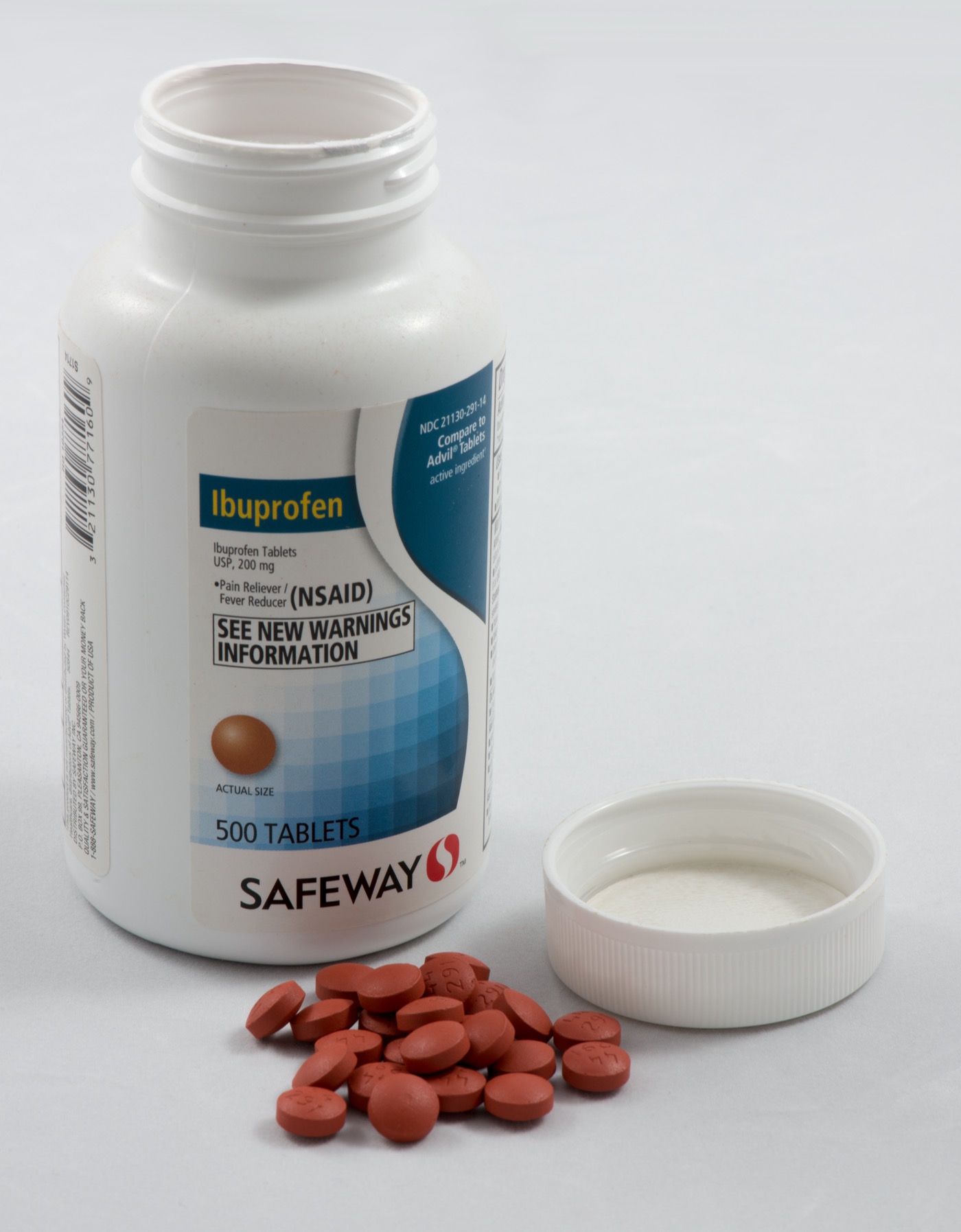
The promise behind Vioxx was real and appealing. Traditional non-steroidal anti-inflammatory drugs — aspirin, ibuprofen, naproxen — relieve pain and inflammation effectively, but they do so by blocking enzymes (COX-1 and COX-2) that also help protect the lining of the stomach, which is why long-term use can cause ulcers and sometimes dangerous gastrointestinal bleeding. For the millions of people with chronic arthritis who needed daily pain relief, this was a serious problem. The COX-2 inhibitors, a new class of drugs developed in the 1990s, were designed to block only the COX-2 enzyme responsible for pain and inflammation while sparing the stomach-protective COX-1 — pain relief, in theory, without the ulcers.
Merck's entry in this new class was rofecoxib, branded Vioxx, and the FDA approved it in 1999. The company marketed it with extraordinary force — direct-to-consumer television advertising, an army of sales representatives, and a message that resonated with patients and doctors alike: here, at last, was a strong painkiller you could take every day without wrecking your stomach. It worked, in the sense that it relieved pain and was indeed gentler on the gut, and it sold enormously. Within a few years Vioxx was one of the best-selling drugs in the world, a multi-billion-dollar product taken by tens of millions of people for everything from arthritis to ordinary aches. The stomach was protected. The problem was elsewhere.
The signal in VIGOR
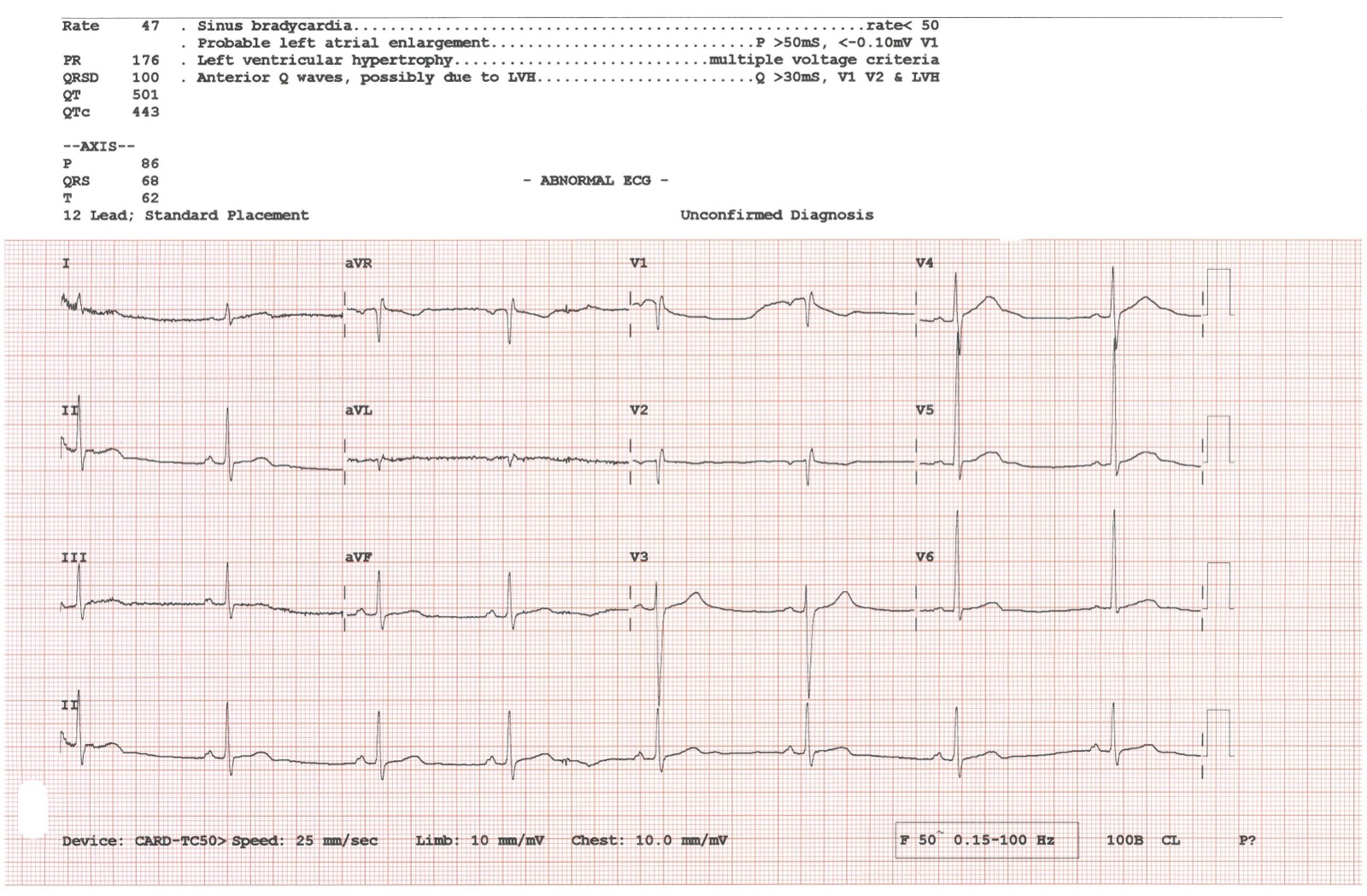
The first clear warning came from a study Merck itself designed for a different purpose. In 2000, the company published a large trial called VIGOR, intended to demonstrate that Vioxx caused fewer gastrointestinal problems than naproxen, an older painkiller. On that score it succeeded. But the trial turned up something the company had not been looking for: the patients taking Vioxx had suffered far more heart attacks than those taking naproxen — by some measures around five times as many.
Faced with this result, Merck had a choice, and the choice it made is the heart of the scandal. There were two possible explanations for the gap. One was that naproxen had protected the hearts of the patients taking it — that the older drug was unexpectedly good for the cardiovascular system, making Vioxx look bad only by comparison. The other was that Vioxx itself was causing heart attacks. Merck embraced the first explanation and promoted it heavily: the "naproxen hypothesis," which held that the disparity reflected a benefit of naproxen rather than a harm of Vioxx. The trouble was that there was little solid evidence that naproxen had any such strong protective effect, while the alternative — that a COX-2 inhibitor might tip the body's chemistry toward clotting and thus toward heart attacks — was biologically plausible and worrying. Merck chose the interpretation that let it keep selling the drug.
Downplaying and dodging
What turned a debatable scientific judgment into a genuine scandal was the conduct that surrounded it, much of which emerged only later through litigation and investigation. Internal Merck documents revealed a company working hard to manage the cardiovascular problem as a marketing threat rather than a medical one. Sales representatives, according to materials disclosed in court, were trained with techniques — one infamous program was nicknamed "Dodge Ball" — for deflecting and dodging the safety questions that doctors were increasingly asking about Vioxx and the heart. There were allegations of company involvement in ghostwritten journal articles that put a favourable gloss on the data, and of efforts to discredit or pressure outside researchers who raised concerns.

The scientific record itself became contested. Years later, the New England Journal of Medicine, which had published the VIGOR results in 2000, took the unusual step of issuing an "expression of concern," noting that some heart-attack data had not been included in the published paper — that the picture presented to the medical world had been, in effect, incomplete in a way that made Vioxx look safer than the full data suggested. Through all of this, the drug stayed on the market and the marketing continued. For roughly four years after the VIGOR signal, Vioxx went on being prescribed to millions of people, many of whom were never told there was any question about their hearts at all.
It is worth pausing on the human meaning of that four-year gap. Vioxx was not a drug of last resort, given to the desperately ill for whom any risk was worth taking; it was a convenience drug, a more comfortable way to manage arthritis and everyday pain that, for most of the people taking it, offered no survival benefit over cheaper, older alternatives. The cardiovascular risk it carried was therefore a risk taken for very little reward — people died of heart attacks to avoid an upset stomach. And because the danger was invisible and statistical, the victims and their families almost never knew, at the time, that the drug was implicated. A man in his sixties who had a fatal heart attack while taking Vioxx for his knees was simply a man who had a heart attack; the connection, if it was made at all, came later, from epidemiologists working with numbers, not from the deathbed. The disaster was real but diffuse, scattered across the ordinary statistics of heart disease in a way that made it both enormous and nearly invisible.
APPROVe and the withdrawal
In the end it was another Merck study that closed the case. The company had been running a trial called APPROVe to test whether Vioxx could prevent the recurrence of colon polyps — an attempt to expand the drug's market into cancer prevention. Instead, the trial produced the clearest evidence yet of harm: patients taking Vioxx for more than about eighteen months had a significantly increased risk of heart attack and stroke compared with those on placebo. This time there was no older comparison drug to blame, no "naproxen hypothesis" available. The drug was being compared against a sugar pill, and it was still causing cardiovascular events. The result was unambiguous.
On September 30, 2004, Merck announced that it was voluntarily withdrawing Vioxx from the market worldwide. The company framed the decision as responsible — acting on new data as soon as it was clear — but to many observers the more salient fact was how long the warning signs had been visible before that clarity was finally forced upon the company by a trial it could not explain away. A blockbuster taken by tens of millions of people vanished from pharmacies overnight, and the question immediately became: how many people had it already harmed?
Counting the dead
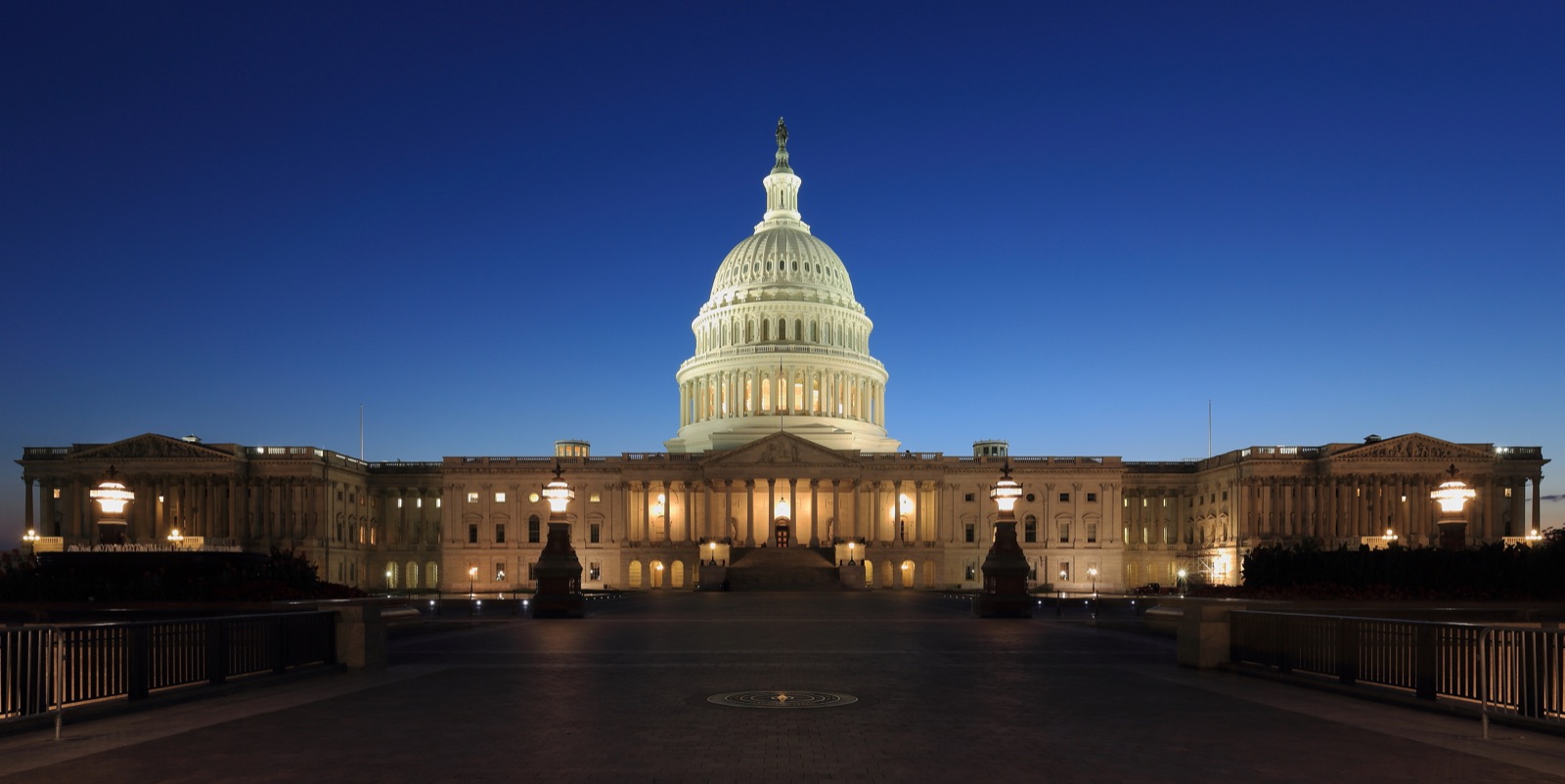
The answer, by the most cited estimate, was staggering. David Graham, a scientist in the FDA's own drug-safety office, had been studying Vioxx's cardiovascular risks, and he calculated that the drug may have caused on the order of tens of thousands of excess heart attacks and sudden cardiac deaths in the United States alone — with estimates ranging into the tens of thousands of deaths. In November 2004, weeks after the withdrawal, Graham testified before the United States Senate and delivered a damning verdict: not only had Vioxx been a disaster, but the FDA as currently structured was, in his words, "virtually defenseless" against the next one. He described an agency too close to the industry it regulated and too weak in monitoring drugs once they were approved and on the market.
The precise toll will always be uncertain, because a heart attack in a middle-aged or older person on a painkiller does not announce its cause; many, perhaps most, of the cardiovascular events Vioxx contributed to were never attributed to it at the time. That is part of what makes a drug like Vioxx so insidious: unlike the visible birth defects of thalidomide, its harm blended into the ordinary background of heart disease, killing people in a way that looked exactly like the deaths that happen anyway. The scale only became visible through statistics — by comparing rates of heart attack among those who took the drug and those who did not — rather than through any single identifiable tragedy.
The reckoning
The legal aftermath was vast. Merck faced a flood of litigation — some twenty-seven thousand lawsuits, on behalf of tens of thousands of people who had suffered heart attacks or strokes, or their survivors. The company initially adopted an aggressive strategy of fighting each case individually, betting that it could win enough to deter the rest, and the early trials produced a mix of verdicts. But the scale was unsustainable, and in 2007 Merck agreed to a settlement of $4.85 billion to resolve the bulk of the claims — one of the largest pharmaceutical settlements in history to that point, though spread across so many victims that individual payments were modest. Separately, in 2011, Merck pleaded guilty to a criminal charge related to the marketing of Vioxx and paid roughly a billion dollars more in penalties.

The way Merck fought the cases is itself revealing. By contesting each claim individually and forcing plaintiffs to prove that Vioxx specifically — rather than ordinary risk factors — had caused their particular heart attack, the company turned the very insidiousness of the drug into a legal defence. Because a Vioxx-induced heart attack looked identical to any other, attributing a single death to the drug was genuinely hard, and Merck won several early trials on exactly that ground. The statistical certainty that the drug had killed thousands coexisted with the legal difficulty of proving it had killed any one named person — a gap that worked in the company's favour until the sheer volume of litigation made a global settlement the rational choice.
For all its size, the reckoning had real limits. The settlement was a civil resolution that allowed Merck to compensate victims without a courtroom finding of liability for each death; the company maintained that it had acted appropriately on the evidence as it emerged. No executive went to prison. And measured against the company's revenues and the scale of the harm alleged, even billions of dollars represented a cost of doing business more than a catastrophe for the firm. As with so many corporate cases in this archive, the money was enormous in absolute terms and survivable in relative ones.
The regulatory failure
Beyond Merck, the Vioxx affair became a referendum on the system meant to keep dangerous drugs away from the public — and the verdict was unflattering. The episode exposed a structural weakness at the core of modern drug regulation: the FDA is far better at deciding whether to approve a drug than at policing it afterward. A medicine is approved on the basis of trials involving thousands of people over limited time; but once it is on the market and taken by millions for years, rarer or slower harms can appear that no pre-approval trial would catch — and the system for detecting those, known as post-marketing surveillance, was weak, under-resourced, and dependent in part on the very companies that profited from the drugs.
The fallout reshaped the field. The other COX-2 inhibitors came under intense scrutiny; some were withdrawn or restricted, and the survivors carried new warnings. More broadly, the Vioxx disaster fed directly into reforms strengthening the FDA's authority to require post-approval safety studies and to monitor drugs already on the market, and into a lasting wariness about direct-to-consumer drug advertising and the cosy relationship between regulators and the pharmaceutical industry. The painful lesson — that approval is not the end of the safety question but only the beginning — was written into policy at considerable cost.
What is established, and what it means
The core facts of the Vioxx case are not in dispute. The drug raised the risk of heart attack and stroke; Merck's own data showed a signal by 2000; the company promoted an innocent explanation and kept selling the drug for years; a clearer trial forced its withdrawal in 2004; the estimated harm ran to tens of thousands of cardiovascular events; and the company paid billions to settle. What remains a matter of interpretation is the question of intent and culpability — how much Merck genuinely believed its own naproxen hypothesis versus how much it chose a convenient story to protect a blockbuster, a question litigated for years and never resolved into a simple verdict.
But the larger meaning does not depend on resolving that question. The Vioxx story is, above all, a lesson about the limits of trust in a system where the entity that makes a drug, profits from it, and controls much of the data about it is also the entity best positioned to notice when it is dangerous. Merck was not a fringe operator; it was one of the most respected names in medicine, and that is exactly why the case is so unsettling. It shows that the ordinary machinery of modern pharmaceuticals — trials, journals, regulators, marketing — can all function more or less as designed and still deliver a deadly drug to millions, because the incentives at the center push toward selling rather than warning.
In the end, Vioxx stands as the modern entry in a long line of drug disasters, and the one that should trouble us most, because it cannot be dismissed as a relic of a less careful age. It happened with the full apparatus of twenty-first-century medicine in place — and that apparatus, it turned out, was strong at the front door and weak at the back. A drug that relieved pain and quietly raised the odds of a fatal heart attack was sold to tens of millions of people while the evidence of its danger sat, for years, in the files of the company that made it. The pain it eased was real. So were the hearts it stopped. The lasting question Vioxx leaves is not whether the system can approve a good drug, but whether it can be trusted to admit, in time, when a drug it approved is killing people — and the honest answer, on the evidence, is that it could not, and may still not, do so fast enough.
Sources
- C. Bombardier et al., the VIGOR study, New England Journal of Medicine (2000), and the journal's later "Expression of Concern" (2005–2006) — primary.
- R. S. Bresalier et al., the APPROVe trial, New England Journal of Medicine (2005) — primary.
- D. J. Graham et al., analysis of Vioxx cardiovascular risk, The Lancet (2005) — primary/academic.
- David Graham, testimony before the US Senate Committee on Finance (November 2004) — primary.
- Records of the Vioxx products-liability litigation and the 2007 settlement — primary.
- US Department of Justice, the 2011 Merck guilty plea and settlement over Vioxx marketing — primary.
- Tom Nesi, Poison Pills: The Untold Story of the Vioxx Drug Scandal (2008) — secondary.
- Reporting by The New York Times, The Wall Street Journal, and The Lancet on the Vioxx withdrawal and its aftermath (2004–2007) — secondary.
- Scholarship on post-marketing drug surveillance and FDA reform prompted by the Vioxx case — academic.
Inspired this / based on it
Tom Nesi
St. Martin's Press. A detailed account of the Vioxx affair and its corporate and regulatory failures.
Filed under
- #vioxx-merck
- #vioxx
- #rofecoxib
- #merck
- #pharmaceuticals
- #drug-safety
- #david-graham
- #fda
- #cardiovascular
- #2000s
- #confirmed
Click any tag for every article carrying it.
Continue reading
Purdue Pharma and OxyContin
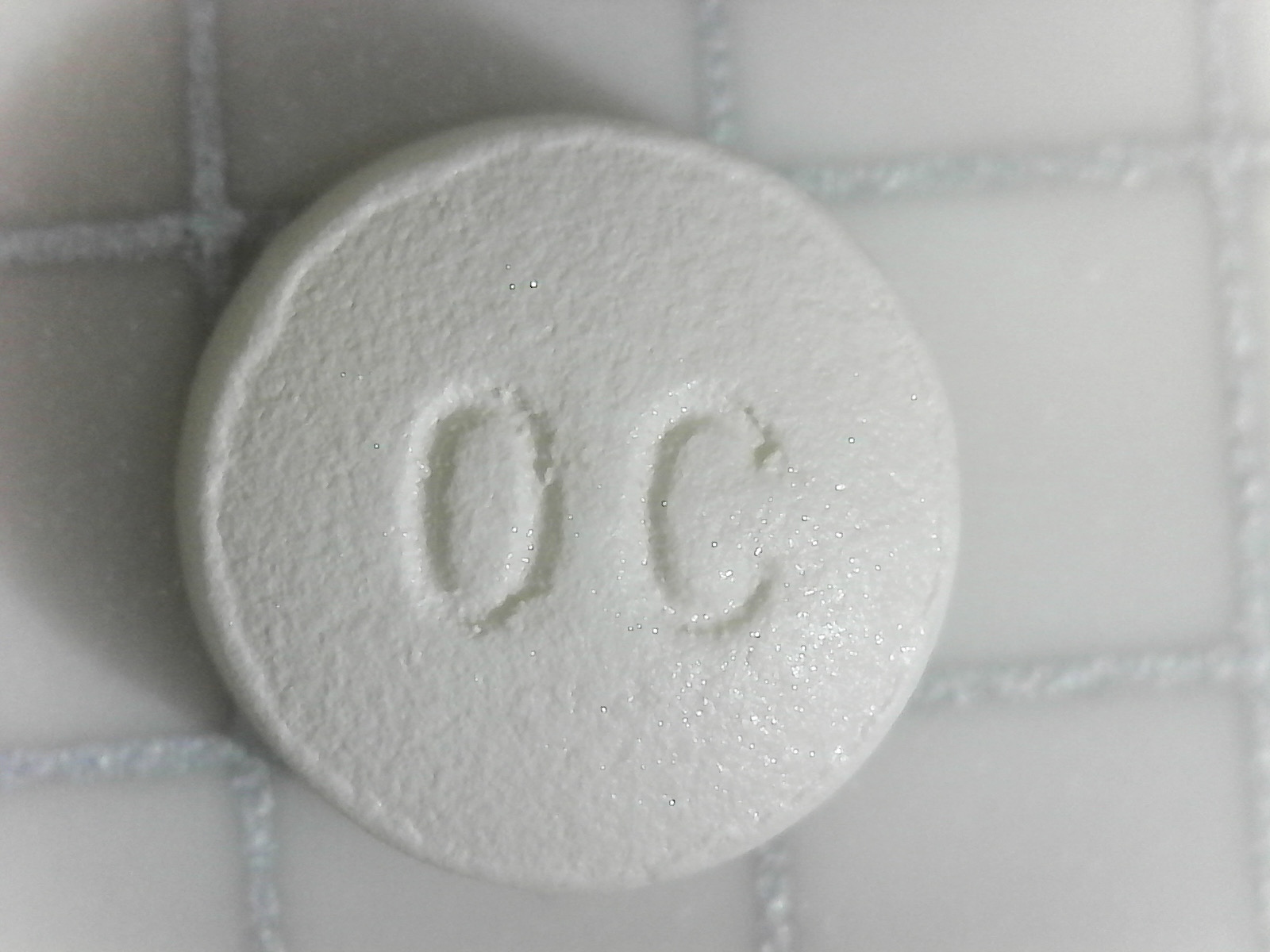
In December 1995, the U.S. Food and Drug Administration approved a new extended-release oxycodone formulation manufactured by the privately-held Stamford, Connecticut pharmaceutical company Purdue Pharma. The drug was called OxyContin. Its FDA-approved label stated that the controlled-release formulation 'is believed to reduce the abuse liability of the drug.' Within weeks of the January 1996 launch, Purdue's sales force was telling physicians that the risk of addiction was 'less than one percent' — a number drawn from a single 1980 letter to the editor in the *New England Journal of Medicine* that the company would, over the next twenty years, cite approximately 600 times in its promotional materials. The letter had observed 4 cases of addiction in 11,882 hospitalized patients given any opioid for any duration. It was not, by any reasonable standard, evidence for an outpatient sustained-release formulation. By 2010, OxyContin's annual revenue had reached approximately $3.1 billion. By 2017, drug overdose was the leading cause of death for Americans under 50. The cumulative U.S. opioid death toll from 1999 to 2023, by the CDC's count, exceeded 700,000. Purdue Pharma pleaded guilty to federal criminal misbranding charges in 2007 (paying $634.5 million) and again in 2020 (agreeing to $8.3 billion in penalties as part of a bankruptcy reorganization). The Sackler family — owners of Purdue throughout the period — were the subject of a separate $6 billion settlement that was struck down by the U.S. Supreme Court in 2024 (*Harrington v. Purdue Pharma*) and is, as of mid-2026, being renegotiated. Patrick Radden Keefe's 2021 book *Empire of Pain* is the most comprehensive single-volume treatment of the case.
DES and the Cancer That Waited a Generation
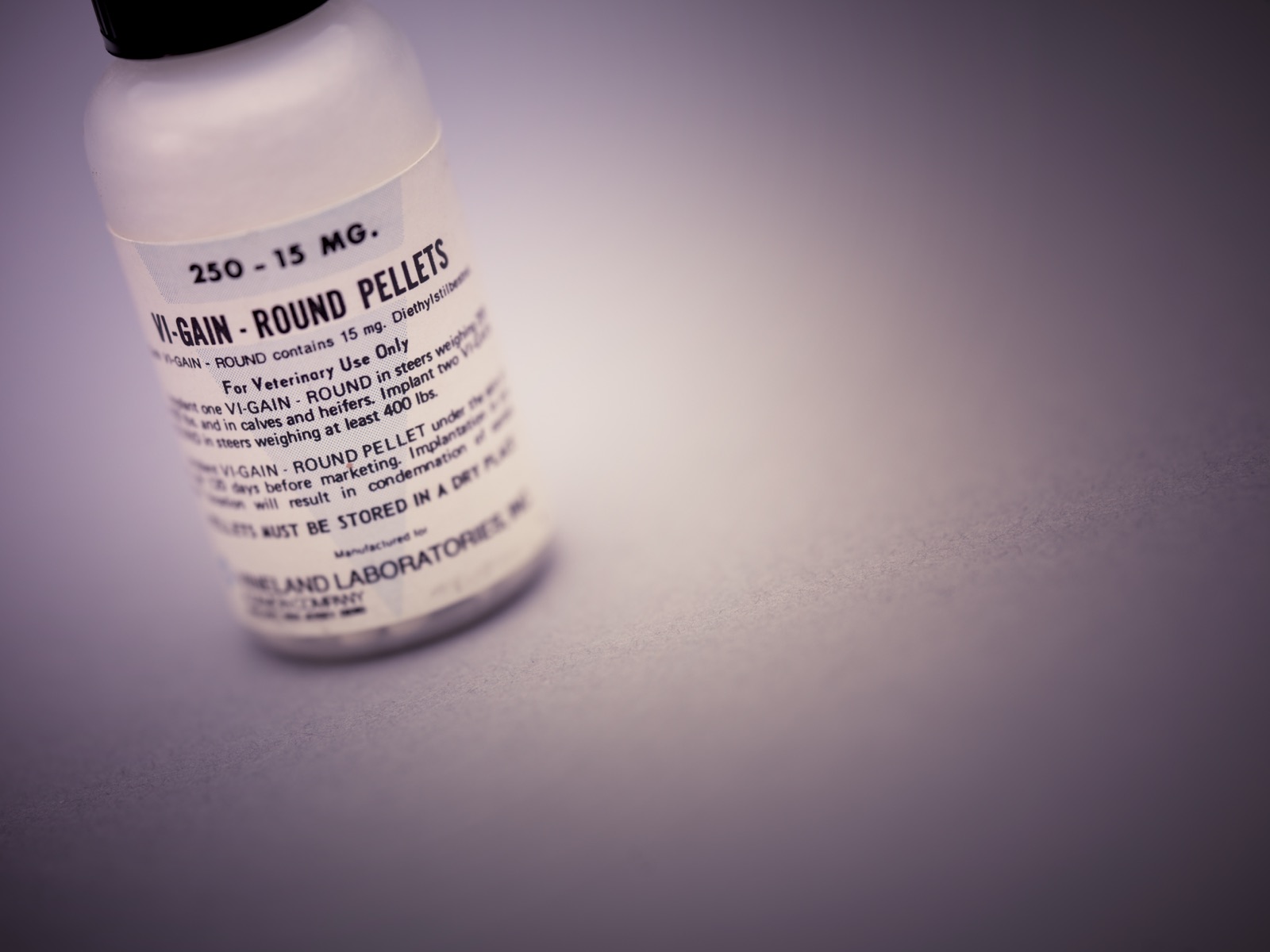
Diethylstilbestrol — DES — was the kind of drug that seems, in hindsight, designed to teach a lesson about how medicine can fail. A cheap synthetic estrogen, first made in 1938 and never patented, it was prescribed from around 1940 onward to millions of pregnant women in the United States and elsewhere, marketed with the soothing promise that it would prevent miscarriage and make 'normal pregnancies more normal.' It did neither. As early as 1953, a careful controlled study showed that DES did nothing to prevent miscarriage — and yet doctors went on prescribing it to pregnant women for nearly two more decades. The true cost did not appear in the women who took it, or even in their pregnancies, but in the children those pregnancies produced. In 1971, doctors traced a sudden cluster of a rare vaginal cancer in young women — a cancer almost never seen in people that age — back to a single common factor: their mothers had taken DES while carrying them. It was the first time a drug had been shown to cause cancer not in the person who took it but in their child, years later, through the wall of the womb. The harm had waited a generation to appear. Behind it lay a tangle of failures — a drug sold without good evidence, kept on the market long after it was shown useless, and made by so many companies that, decades later, the women it injured often could not even prove whose pill their mothers had swallowed. This is the story of DES: what it was, why it was given, the delayed catastrophe it caused, and the lasting marks it left on medicine and the law.
Big Tobacco's Cancer Cover-Up
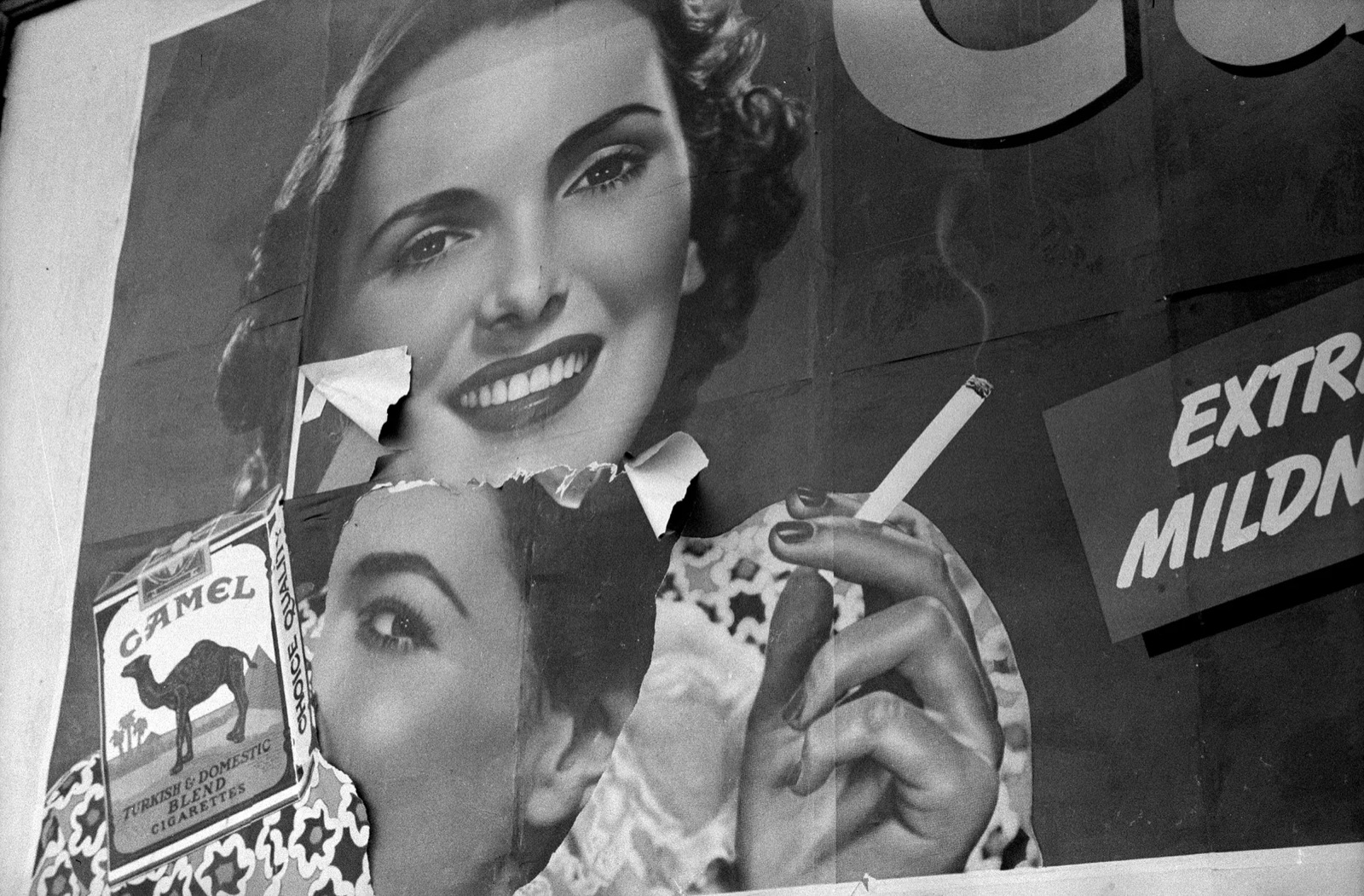
On the morning of January 4, 1954, a full-page advertisement appeared in 448 American newspapers under the headline *A Frank Statement to Cigarette Smokers*. It was signed by the chief executives of the United States' six largest tobacco companies. The advertisement assured the American public that 'there is no proof that cigarette smoking is one of the causes of cancer' and that the industry would underwrite scientific research to find the truth. The advertisement had been drafted by John W. Hill of the Hill & Knowlton public-relations firm, hired by the tobacco industry's chief executives at a meeting at the Plaza Hotel in New York on December 14-15, 1953. The strategy that the meeting produced — manufacture doubt about epidemiological evidence the industry already privately accepted, do this through industry-funded research that produced findings inconsistent with the public-health consensus, and continue to sell cigarettes to American smokers while doing so — would be sustained for forty-four years. It would be ended, in 1998, by the Master Settlement Agreement: the largest civil legal settlement in American history at $206 billion across 25 years, paid by the surviving tobacco companies to 46 states, the District of Columbia, and five U.S. territories. By that point, an estimated 8 million Americans had died from smoking-related cancers, cardiovascular disease, and respiratory illness during the cover-up period.