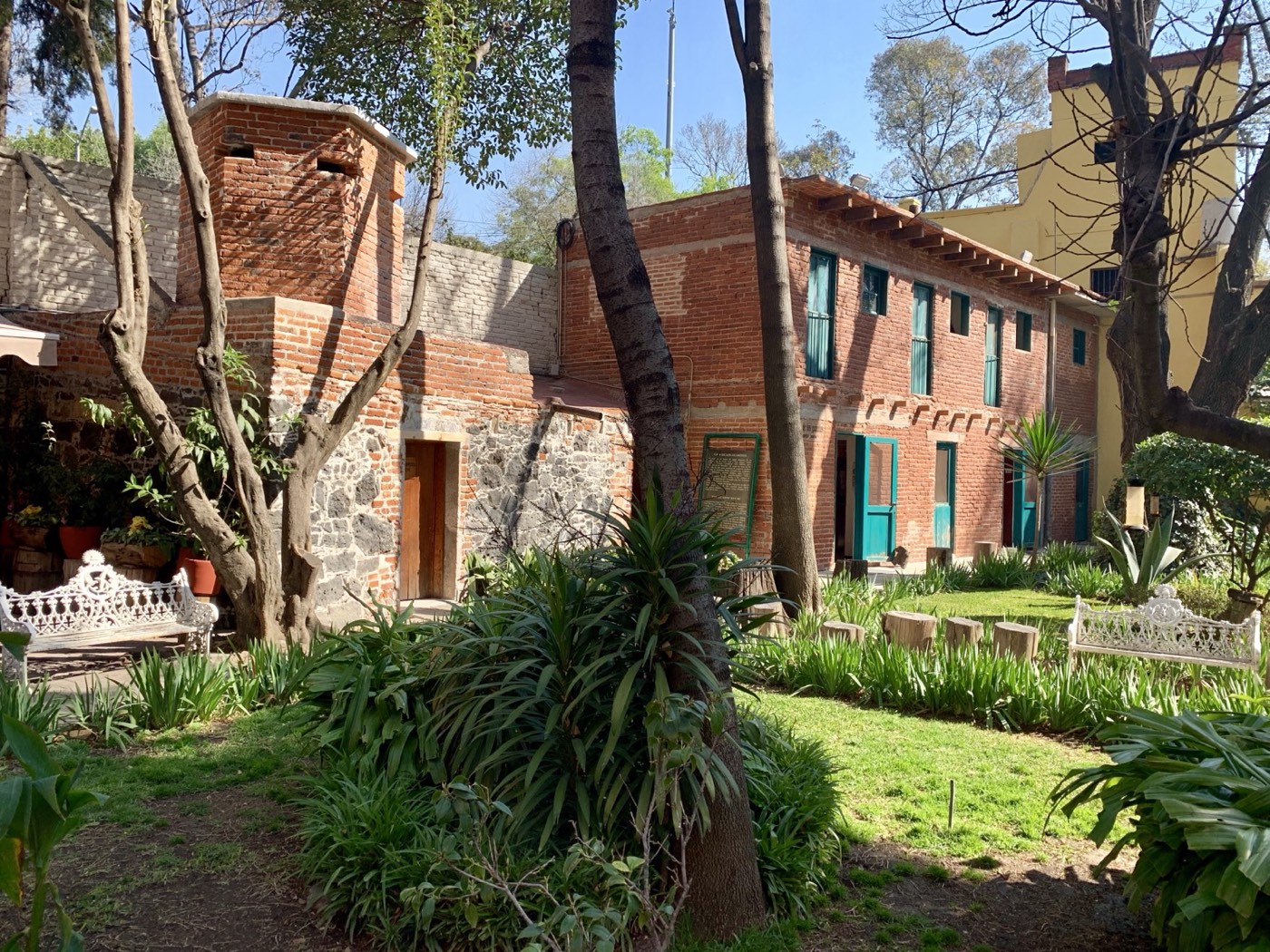
The house in Coyoacán, Mexico City, where Trotsky spent his last exile behind high walls and watchtowers — and where he was assassinated on 20 August 1940. It is now a museum. Wikimedia Commons / CC BY-SA 4.0.
The Assassination of Trotsky: Stalin's Ice Axe in Mexico
Mexico City, 20 August 1940 — After more than a decade hunting his greatest rival across the world, Stalin finally reached Leon Trotsky in a fortified house in Coyoacán, where an NKVD agent buried an ice axe in the exiled revolutionary's skull. It is the best-documented state assassination of the twentieth century
- Category
- State & Intelligence Operations
- Published
- Length
- 3,550 words · 18 min read
- Author
- The editors
The assassination of Leon Trotsky is, in one sense, the least mysterious political murder of the twentieth century. We know who ordered it — Joseph Stalin — and who carried it out, and how, and why, and even the code name under which Soviet intelligence pursued it. Where the killings of a Kennedy or a King have generated endless doubt and conspiracy, Trotsky's death is documented in the archives of the very state that arranged it. And yet it is also one of the most revealing, because it shows a totalitarian state reaching across the world to murder a single unarmed writer in exile — not for anything he could still do to it, but for what he represented: the living memory of a different revolution, and the most articulate voice against Stalin's tyranny. To follow Trotsky from the heights of 1917 to the fortified house in Coyoacán is to watch the Russian Revolution devour one of its own makers, and to see the lengths to which absolute power will go to silence a critic it can neither answer nor forget. It is a story with a genuine villain and a genuine, if complicated, victim.
This is the story of how Stalin finally killed Leon Trotsky.
The revolutionary in exile
To understand why Stalin wanted Trotsky dead, one must understand who Trotsky had been. Lev Davidovich Bronstein — Trotsky was a revolutionary pseudonym — was, with Lenin, one of the two towering figures of the Bolshevik Revolution of 1917: the organiser of the October seizure of power in Petrograd, the first Soviet commissar for foreign affairs, and then, as the young Soviet republic fought for its life in the Civil War, the founder and commander of the Red Army, which he built and led to victory. For a time he was arguably the second man in the revolutionary state, and a plausible heir to Lenin. But when Lenin sickened and died in 1924, it was not the brilliant, arrogant Trotsky who won the ensuing struggle for power but the patient, ruthless Party administrator Stalin, who outmanoeuvred him utterly.
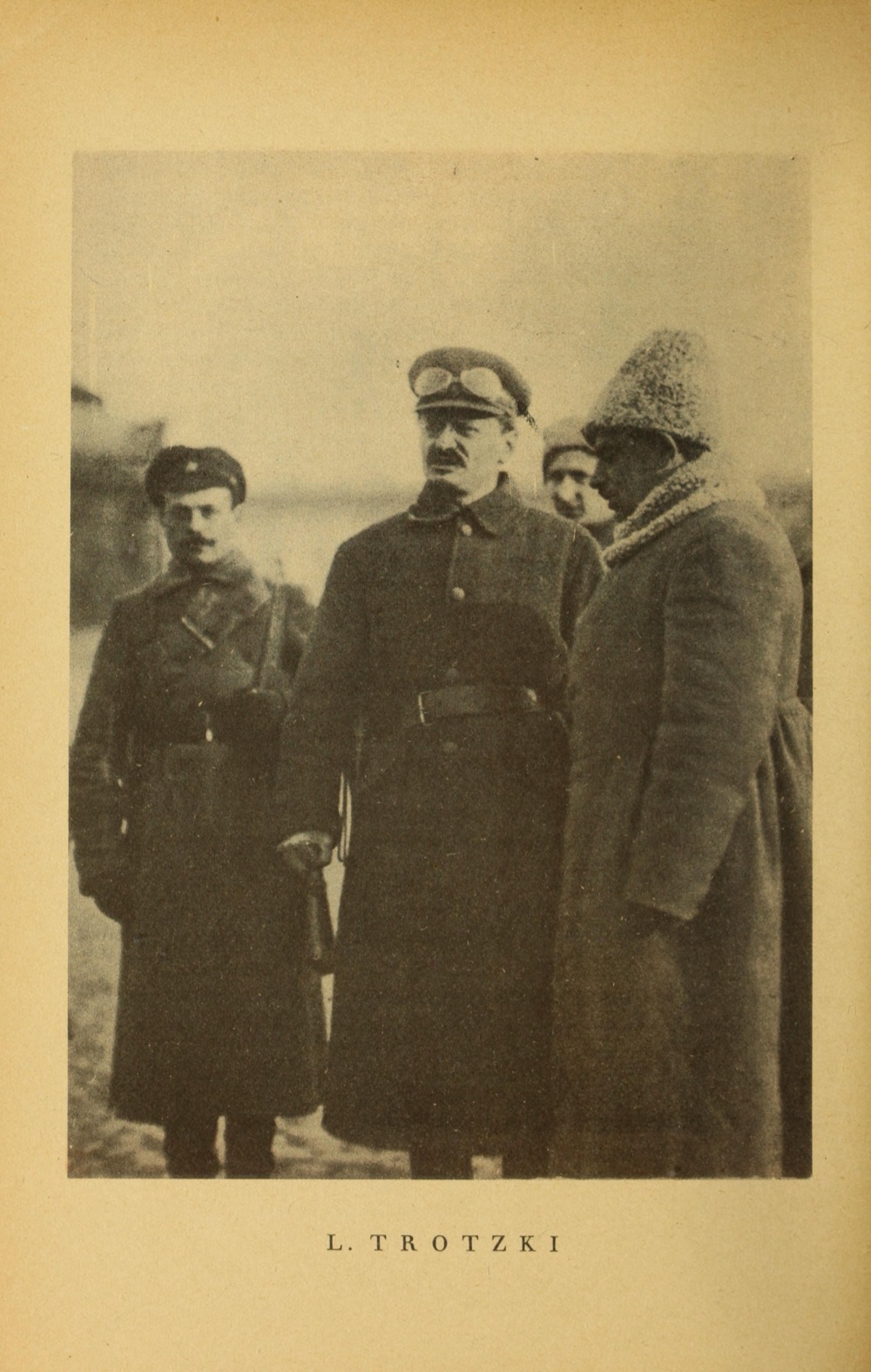
The fall was total. Trotsky was removed from his posts, expelled from the Communist Party in 1927, internally exiled to Kazakhstan, and finally deported from the Soviet Union altogether in 1929. From then on he was a stateless wanderer, granted grudging and temporary refuge in Turkey, then France, then Norway, writing furiously all the while — histories of the revolution, a merciless analysis of Stalin's "betrayed" revolution, and a stream of articles that made him the most prominent and dangerous critic of Stalinism in the world. He was not merely a defeated rival; he was the living alternative, the man who could say, with unique authority, that Stalin had strangled the revolution Trotsky had helped to make. That was why Stalin could not simply leave him to grow old in exile.
Stalin's long vendetta
The campaign against Trotsky was not a single plot but a sustained, worldwide vendetta that consumed the last years of his life and the lives of nearly everyone close to him. In the Soviet Union, Stalin made Trotsky the phantom arch-villain of the Great Terror: at the Moscow show trials of 1936 to 1938, old Bolsheviks were forced to confess to belonging to a vast, wholly fictitious "Trotskyite" conspiracy to wreck the Soviet state and murder its leaders, and were shot. The word "Trotskyist" became a death sentence. Abroad, Stalin's secret police, the NKVD, waged a quieter but no less lethal war against Trotsky's supporters and family. His son Lev Sedov, his closest collaborator, died in a Paris clinic in 1938 in circumstances widely believed to involve the NKVD; another son perished in the USSR; secretaries and followers across Europe were murdered or vanished, one left decapitated in the Seine.
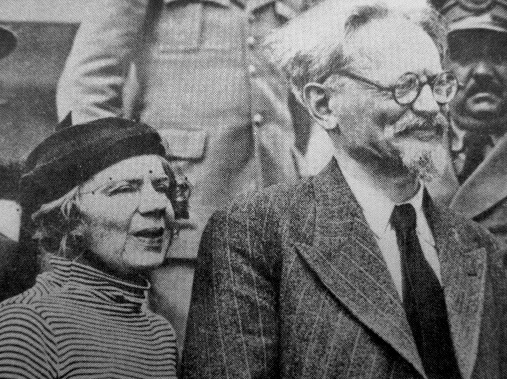
Against this onslaught Trotsky fought with the only weapons he had left: his pen and his political organisation. In 1938 he founded the Fourth International, a rival to Stalin's Communist International, intended to keep alive a revolutionary socialism opposed to Stalinism. It was, in practical terms, tiny and embattled, but to Stalin it was intolerable — the institutional form of the one thing he could not abide, an alternative authority within the communist movement. By the time Trotsky reached Mexico, he knew with certainty that Stalin meant to kill him, and that it was only a matter of time. "I have been condemned to death," he wrote in effect; he lived, as he put it, on borrowed time, and worked feverishly to set down his testimony before it ran out.
The fortress in Coyoacán
Mexico, alone among the nations, gave Trotsky refuge. The left-wing government of President Lázaro Cárdenas granted him asylum in 1937, and, helped at first by the painters Diego Rivera and Frida Kahlo, he settled in the Coyoacán district of Mexico City. After the threats grew unmistakable, his home on the Avenida Viena was turned into a fortress: its walls were raised and reinforced, watchtowers and steel doors added, an alarm system installed, and a rotating guard of devoted young followers and Mexican police mounted around the clock. Trotsky worked in his study among his books and papers, kept his rabbits and chickens in the garden, and continued to write, but he lived under permanent siege, aware that the fortifications might delay his killers but probably not stop them.
He was right. The first serious attempt came in the small hours of 24 May 1940, and it was no lone gunman but a small army. A group of around twenty armed men, led by the celebrated Stalinist muralist David Alfaro Siqueiros and disguised in police and military uniforms, overpowered the guards, burst into the compound, and raked Trotsky's bedroom with machine-gun and pistol fire — firing, by some counts, more than two hundred rounds. That Trotsky and his wife Natalia survived at all was near-miraculous: waking at the first shots, they threw themselves into a corner and under the bed, and the storm of bullets passed over them, wounding their young grandson only slightly. The raiders fled, believing they had succeeded. One of Trotsky's American guards, Robert Sheldon Harte, was abducted and later found murdered. The fortress had held, barely — but everyone understood the reprieve was temporary.
The man with the ice axe
The agent chosen to finish what Siqueiros had failed to do was a young Spanish communist named Ramón Mercader, and his method was patience. Operating under the false identity of "Frank Jacson," a supposedly apolitical Belgian businessman, Mercader had spent many months worming his way into Trotsky's world. He had begun by seducing Sylvia Ageloff, an American Trotskyist close to the household, and through her had gained an entrée to the fortified house, presenting himself as a sympathetic, well-off friend of the movement with no strong politics of his own. Over repeated visits he made himself a familiar, trusted face, someone the guards would admit without alarm. It was a classic deep-cover operation: not a break-in but a slow, deliberate cultivation of access, aimed at the one moment when Trotsky would let his guard down and Mercader would be alone with him.
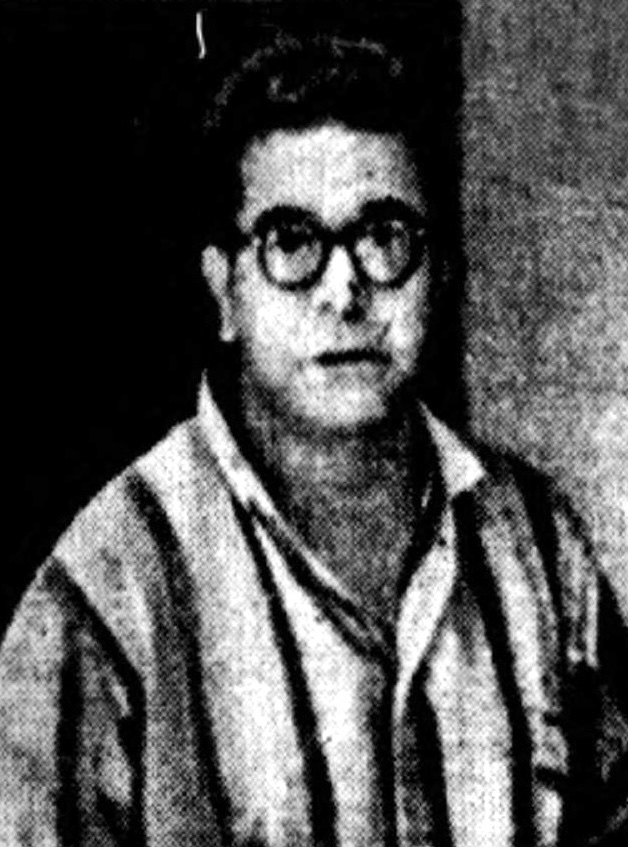
By August 1940 that trust was established. Mercader had taken to bringing Trotsky drafts of political articles he claimed to have written, seeking the great man's comments — a pretext that gave him reason to be alone with Trotsky at his desk. On the afternoon of 20 August, he arrived with another such article, wearing, despite the mild weather, a raincoat over his arm. Concealed in it he carried three weapons: a pistol, a dagger, and a shortened mountaineer's ice axe. He had chosen the ice axe, he later said, because it was silent, hoping to kill Trotsky without a sound and escape before the guards knew. He was admitted, as he had been many times before, and shown into the study.
20 August 1940
What happened in the study is known from the accounts of Natalia, the guards, and Mercader himself. Trotsky, courteous as ever, sat at his desk and bent over the article Mercader had brought, beginning to read. Mercader stepped behind him, drew the ice axe from beneath the raincoat, and brought it down on the top of Trotsky's head. He had expected the blow to kill instantly and silently. It did neither. Trotsky let out a terrible cry, rose, and — sixty years old, gravely wounded, but ferociously strong-willed to the last — turned and fought his attacker, grappling with him, even biting his hand, long enough for the guards to rush in. They seized Mercader and began to beat him, and might have killed him, but Trotsky, bleeding and half-blinded, ordered them to keep the assassin alive so that he could be made to talk: "He must not be killed," he said; "he must be forced to speak."
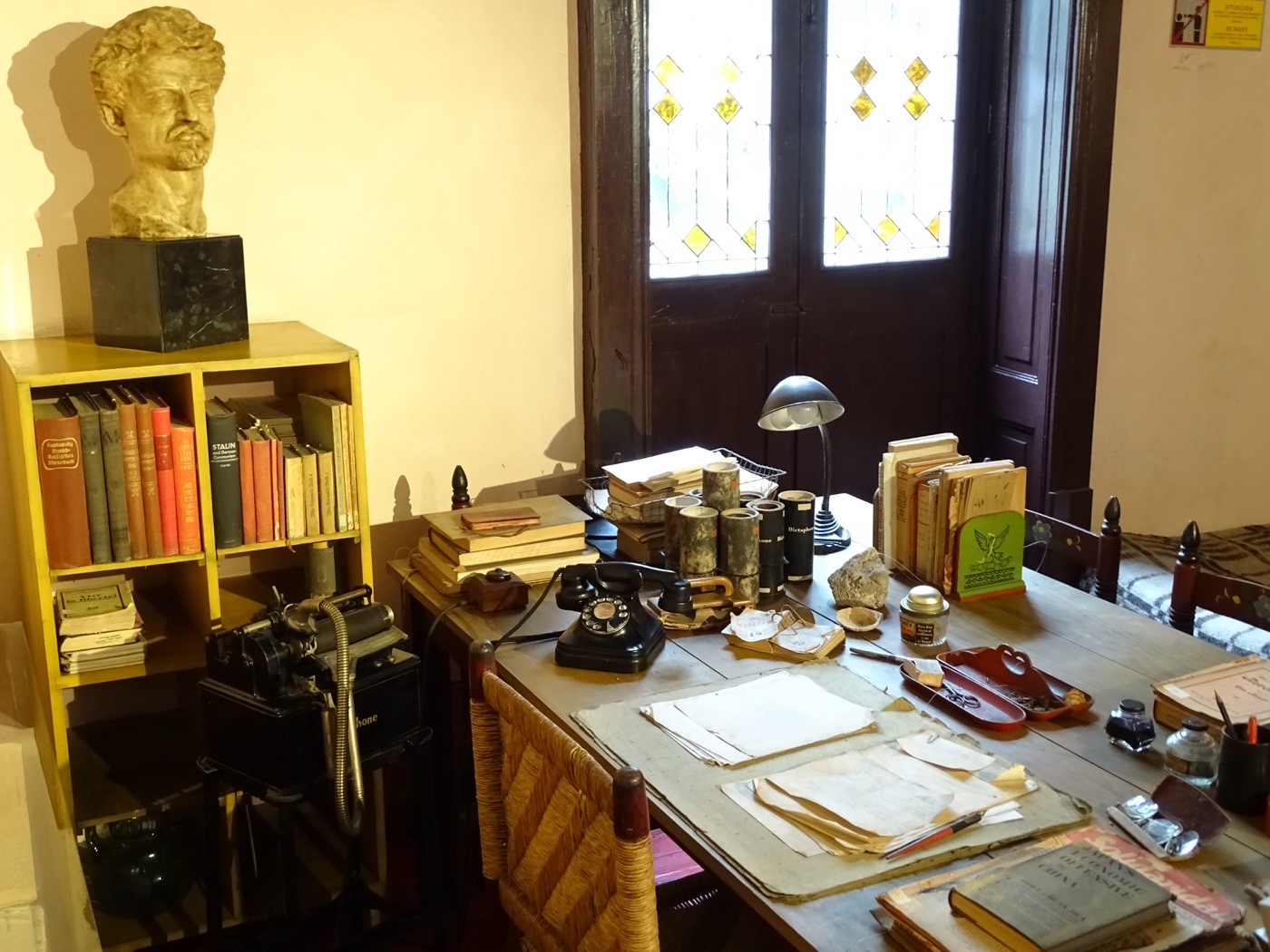
Trotsky was taken to hospital, conscious and even lucid for a time, but the wound was mortal. He died the following day, 21 August 1940, with Natalia beside him. He was sixty. In his last days he had, with characteristic foresight, written a testament affirming his faith in the revolutionary future and his love for his wife; and to the end he insisted that his death was the work of Stalin. He was entirely correct. The man who had helped make the Russian Revolution was murdered, at his own desk, by the revolution's usurper.
Aftermath
Ramón Mercader kept his secret with remarkable discipline. At his trial in Mexico he maintained the fiction that he was a disillusioned follower who had killed Trotsky in a personal, political disenchantment, and he never publicly admitted his true identity or his NKVD role. Convicted of murder, he served the full twenty years of his sentence in a Mexican prison and was released in 1960, whereupon he made his way, via Cuba, to the Soviet Union. There the truth of his service was quietly honoured: he was awarded the Order of Lenin and the title Hero of the Soviet Union, the state's highest distinction, for the murder he had committed twenty years before. He lived out his years in Moscow and Havana and died in 1978; his mother Caridad had also been decorated. The Soviet state had rewarded the killing as the loyal service it was.
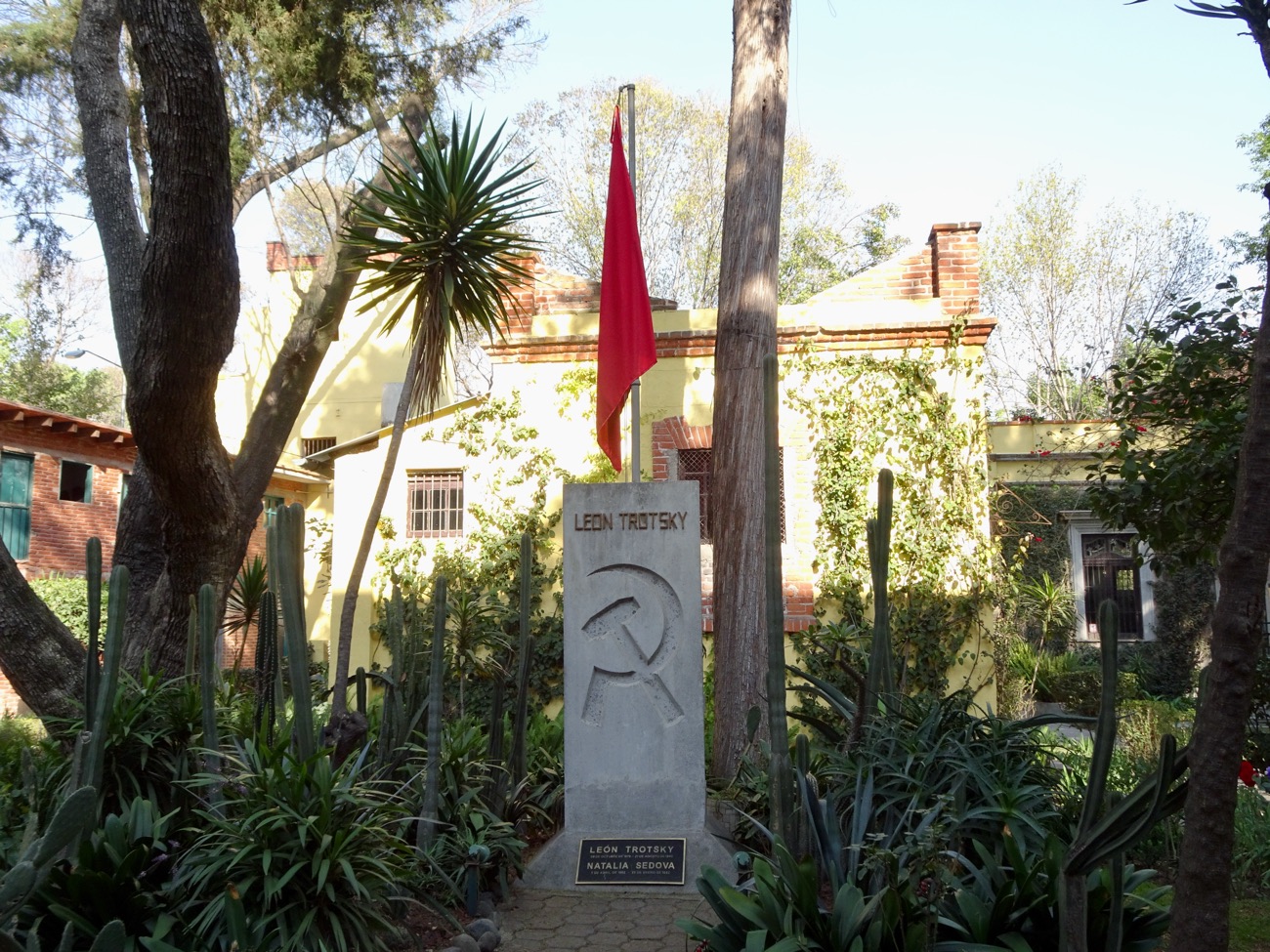
For decades, the full inside story rested on defectors' accounts and inference, but the opening of the Soviet archives after 1991 confirmed it in detail: the operation code-named Duck, its direction by Eitingon under Beria and Stalin, the roles of Caridad Mercader and the wider NKVD network. Trotsky's widow Natalia Sedova lived on until 1962, guarding his legacy. His ashes were buried in the garden of the Coyoacán house, beneath a plain monument bearing a hammer and sickle, where they remain. The house is now a museum, its study kept as it was, the bullet holes from the Siqueiros raid still visible in the walls — a preserved scene of one of history's most thoroughly documented political murders.
What it means
The killing of Trotsky endures as the archetype of the state assassination of a political exile — the moment a totalitarian regime demonstrated that no distance, no border, and no fortress could protect a man it had marked for death. It matters partly for what it reveals about Stalinism: a system so threatened by mere criticism, by the existence of an alternative memory of the revolution, that it would devote years of effort and the resources of its intelligence service to silencing one ageing writer at his desk in Mexico. And it matters as a benchmark of truth. In an age awash in conspiracy theories about who "really" killed this or that public figure, Trotsky's murder stands as the documented reality: a genuine conspiracy, genuinely reaching to the summit of a state, proven beyond doubt by the archives of the killers themselves. When people imagine shadowy state assassinations, this is what one actually looks like — and how, in the end, it can be known.
In the end, Leon Trotsky died as he had lived, at his desk, pen in reach, fighting to the last breath against the man who had stolen his revolution and now took his life. Stalin had pursued him with the patience of an obsession and the resources of an empire, and in a fortified house in Coyoacán he finally succeeded, through an agent's months of patient deceit and a single silent blow. But the murder did not erase what Stalin most feared — Trotsky's words, which survive him, and the record of the crime, which the passing of the Soviet state itself laid bare. The ice axe silenced the man; it did not silence the testimony. And so the assassination that was meant to be the final act of Stalin's war on his own past became instead one of its most enduring monuments — a fully documented reminder of what absolute power will do to those who refuse to stop speaking, and of how, given time, even the best-kept secrets of a tyranny can be dragged into the light.
In the end, the assassination of Leon Trotsky remains the clearest window we have into the reach and ruthlessness of a totalitarian state. It took Stalin more than a decade, the deaths of Trotsky's children and comrades, a failed machine-gun raid, and finally a patient agent with an ice axe to silence a single exiled writer — and even then, the silence was incomplete. Trotsky's books outlived him; the truth of his murder outlived the Soviet Union that committed it; and the fortified house in Coyoacán, with its bullet-scarred walls and its quiet study, stands today as a museum to the whole terrible sequence. It is a place that tells a rare and valuable kind of truth: not the shadowy, unprovable conspiracy of legend, but a documented crime of state, ordered from the top, carried out in cold blood, and, in the fullness of time, laid open for all to see. That is what makes Trotsky's death, for all its horror, also a lesson — in what tyranny fears, in what it will do, and in the stubborn refusal of the truth to stay buried.
Inspired this / based on it
Bertrand M. Patenaude
A detailed account of Trotsky's last exile and murder in Mexico.
Joseph Losey
A dramatization starring Richard Burton as Trotsky and Alain Delon as Mercader.
Filed under
Click any tag for every article carrying it.
Continue reading
The Assassination of Franz Ferdinand: The Shot That Lit the World
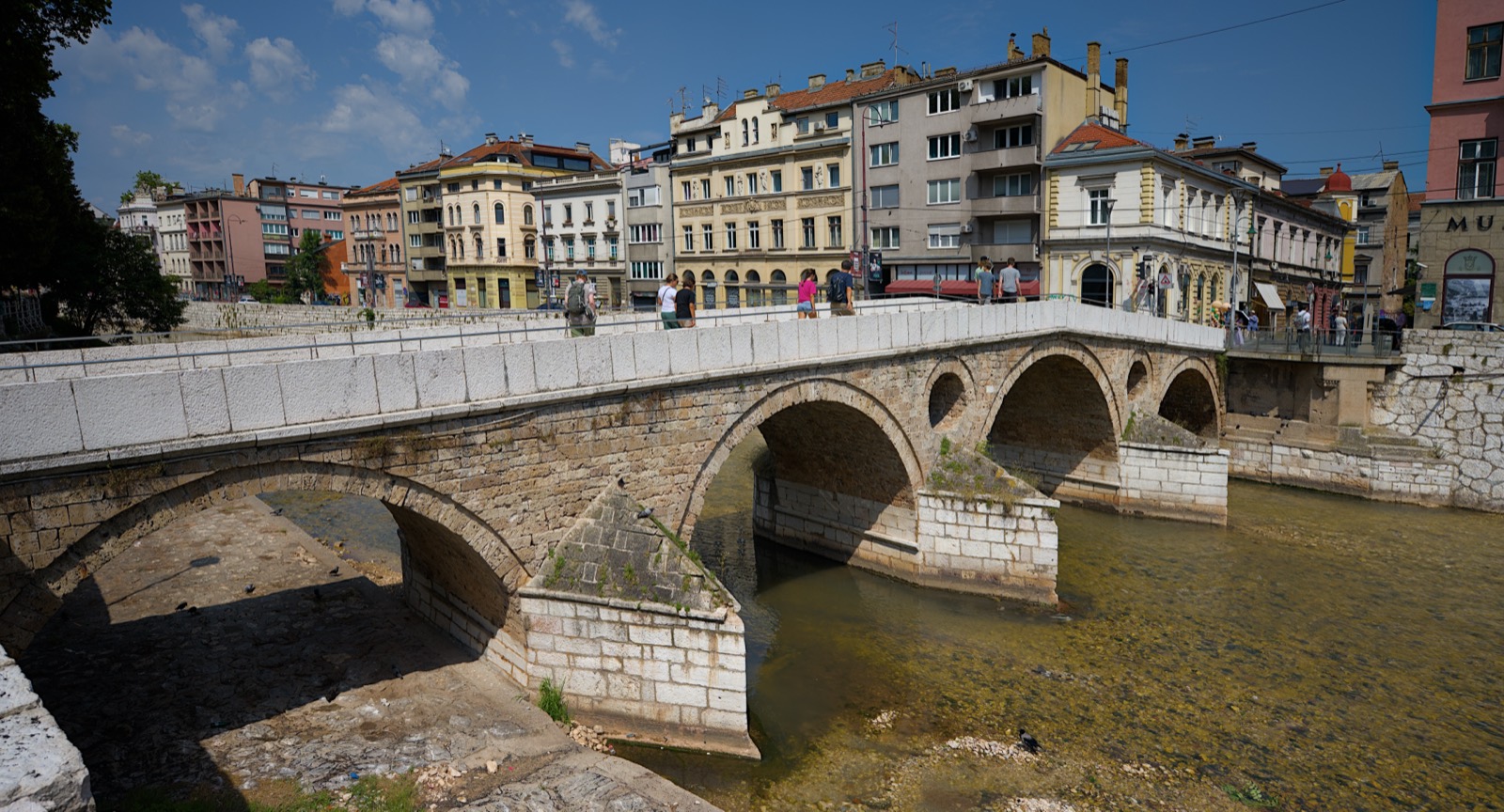
On the morning of 28 June 1914, Archduke Franz Ferdinand of Austria, heir presumptive to the throne of Austria-Hungary, rode through the streets of Sarajevo with his wife Sophie in an open car. Waiting along the route were members of a group of young Bosnian Serb nationalists, armed and trained by a secret society with links to Serbian military intelligence, who had come to kill him. The first attempt failed: a bomb was thrown and bounced away, wounding others but not the Archduke. It should have ended there. But a series of small mistakes — a change of route not passed to the drivers, a wrong turn, a car stopped to reverse at the worst possible spot — brought Franz Ferdinand's stalled vehicle to a halt a few feet from one of the assassins, Gavrilo Princip, who had given up and drifted away from his post. He stepped forward and fired twice. The Archduke and his wife were dead within minutes. What followed was not merely a tragedy for two people and their orphaned children but a catastrophe for the world: over the next six weeks, a tangle of alliances, ultimatums, and mobilisations turned a political murder in the Balkans into the First World War, which would kill some twenty million people and destroy four empires. This is the story of the shot that lit the world — and of how very nearly it was never fired.
The Capture of Adolf Eichmann
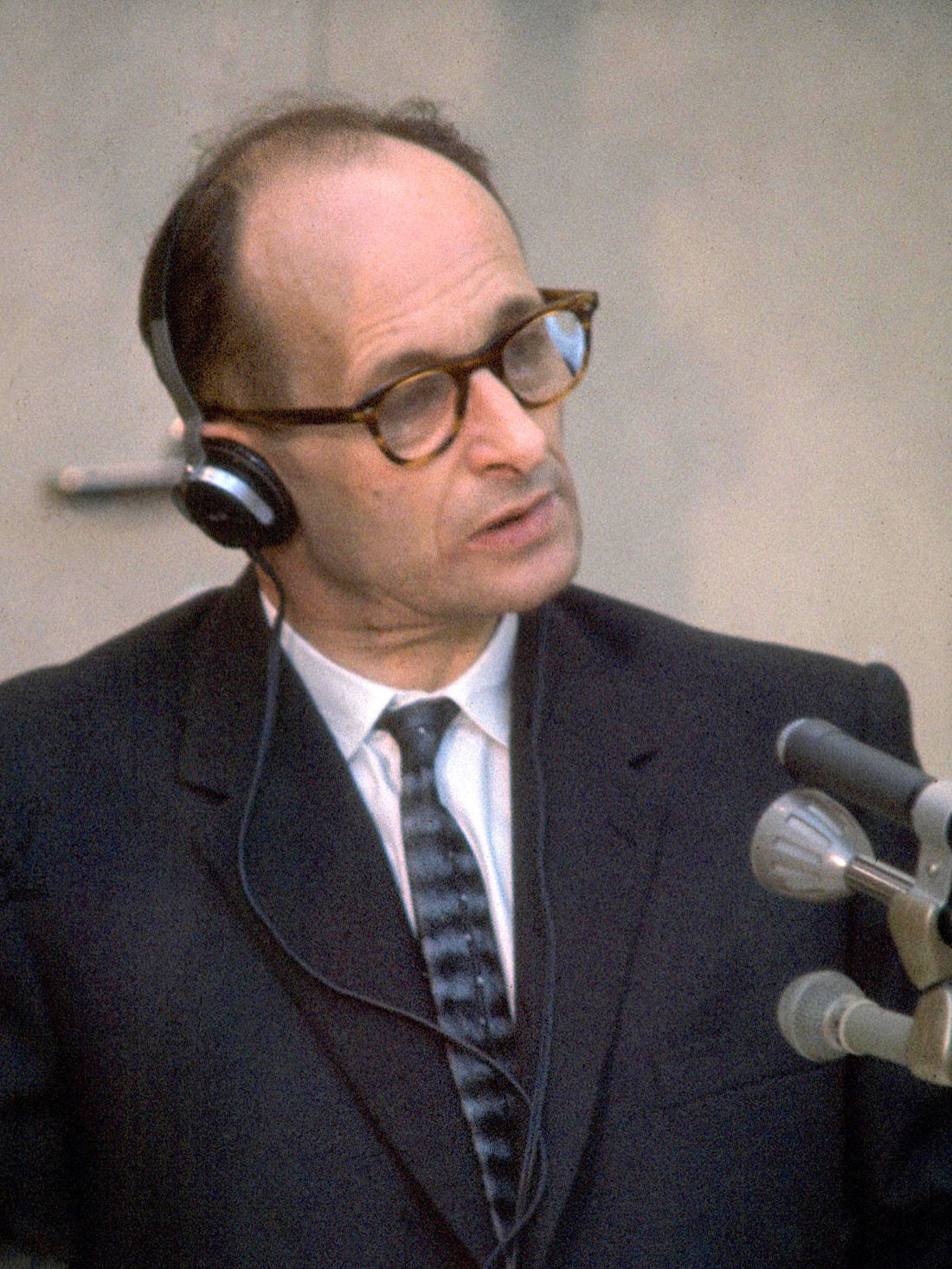
Adolf Eichmann had been one of the principal administrators of the Holocaust — the SS officer who managed the vast machinery of deportation that carried millions of Jews to the ghettos and the killing centres of Nazi-occupied Europe. When the Second World War ended, he slipped away, hid his identity, and eventually escaped along the clandestine routes that carried fugitive Nazis to South America. By the 1950s he was living in Argentina under the name Ricardo Klement, an unremarkable factory worker in the suburbs of Buenos Aires, his family around him, his past apparently buried. But he had not been forgotten. A chance tip, passed through a courageous West German prosecutor who did not trust his own country's institutions to act, reached the intelligence service of the young state of Israel. In 1960 a small team of Israeli operatives travelled secretly to Argentina, confirmed that the quiet Herr Klement was indeed Eichmann, and on the evening of 11 May seized him as he walked home from the bus near his house on Garibaldi Street. They held him in a safe house, secured his signature on a statement agreeing to be tried, and then — because Argentina would never have handed him over — smuggled him out of the country disguised as a member of an airline crew, aboard a flight that had brought an Israeli delegation to Buenos Aires. Days later, Israel's prime minister announced to a stunned parliament that Eichmann was in Israeli hands and would face justice. The trial that followed, in Jerusalem in 1961, became one of the defining events in the world's reckoning with the Holocaust. This is the story of how he was found, taken, and brought to account.
The Building of the Berlin Wall, 1961
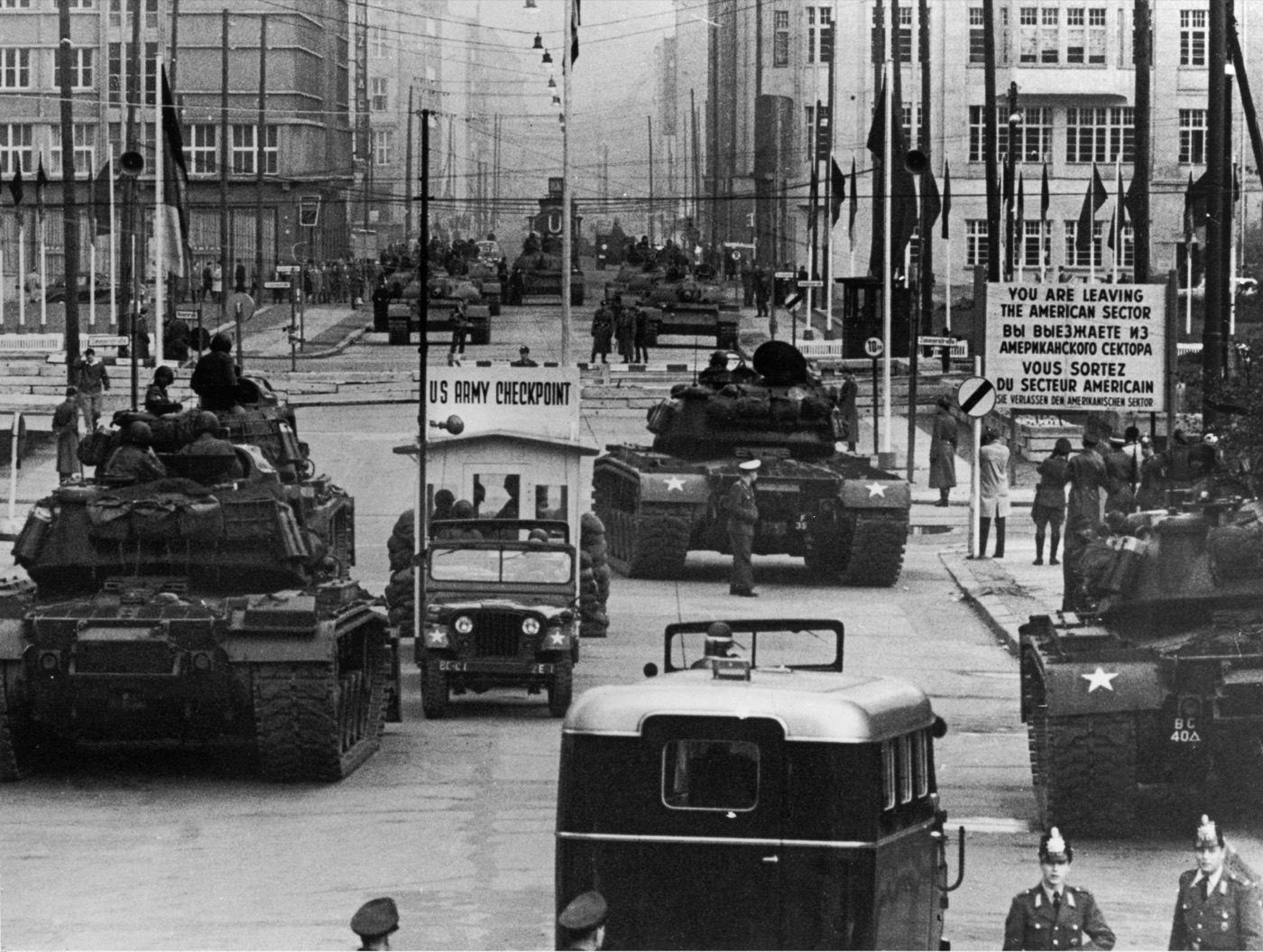
For more than a decade after the Second World War, Berlin was the great open wound of the Cold War and its most dangerous flashpoint. The city lay deep inside communist East Germany, yet it was itself divided into a Soviet-controlled east and a Western-controlled west, and the border that ran through it remained, almost uniquely, open. Through that gap, across the 1950s, millions of East Germans simply walked to freedom — boarding a train or a tram in the east and stepping off in the west, and from there flying out to a new life. They were disproportionately the young, the skilled, the educated: doctors, engineers, teachers, the very people a struggling socialist state could least afford to lose. By 1961 this haemorrhage threatened the survival of East Germany itself, and its leaders, with the backing of the Soviet Union, resolved to stop it the only way they could — by closing the door. In the early hours of Sunday 13 August 1961, East German troops and police moved into position along the sector boundary and began to seal it with barbed wire, tearing the city in two while most of its people slept. Within days the wire was giving way to concrete, and a permanent wall was rising through streets and squares, separating families, neighbours, and workplaces with a suddenness that stunned the world. The Western powers protested furiously but did not intervene, for they understood that the wall, monstrous as it was, did not threaten their own position in West Berlin — and that to challenge it by force risked a war that might go nuclear. The Berlin Wall would stand for twenty-eight years as the physical embodiment of a divided world. This is the story of the weekend it went up.