Tag
#soviet-union
4 articles
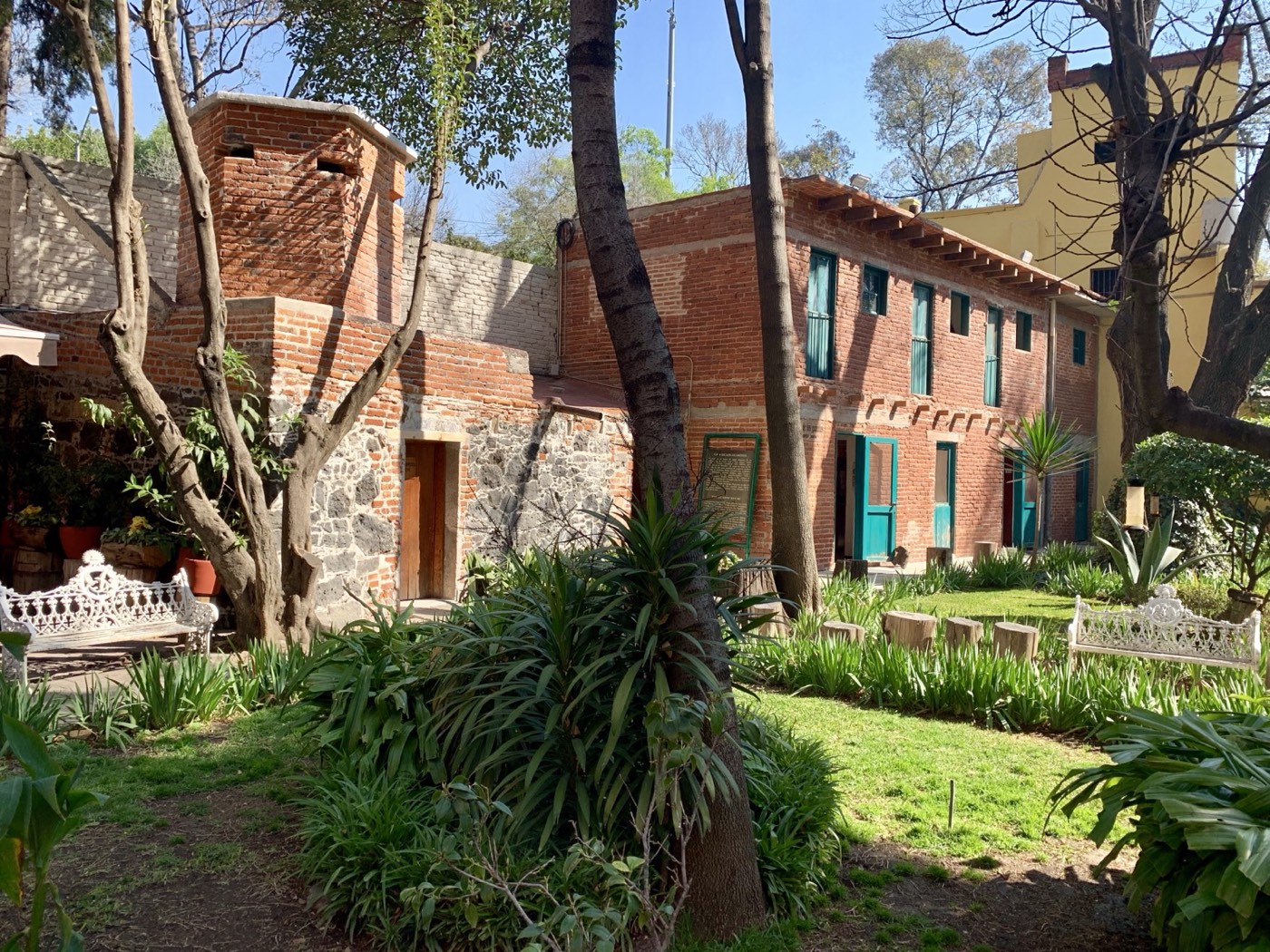
The Assassination of Trotsky: Stalin's Ice Axe in Mexico
Leon Trotsky had once stood at the very summit of the Russian Revolution — the organiser of the Bolshevik seizure of power in 1917, the founder and commander of the Red Army, the man many expected to succeed Lenin. Instead he lost the struggle for power to Joseph Stalin, and became the most hunted political exile on Earth. Expelled from the Soviet Union in 1929, he wandered from Turkey to France to Norway before Mexico granted him asylum, and everywhere he went the long arm of Stalin's secret police followed. One by one, his collaborators, his secretaries, and his own children were killed or died in suspicious circumstances, until Trotsky, living behind the high walls and watchtowers of a fortress-like house in the Coyoacán district of Mexico City, was almost the last of his circle left alive. On 20 August 1940, a young man he believed to be a devoted follower came to show him an article. As Trotsky bent over his desk to read it, the visitor drew a mountaineer's ice axe from beneath his coat and drove it into the old revolutionary's skull. Trotsky died the next day. The killer was an agent of Stalin's NKVD, and the operation had been approved at the very top of the Soviet state. Unlike so many political murders shrouded in doubt, this one is documented down to its code name. This is the story of how Stalin finally killed Leon Trotsky.
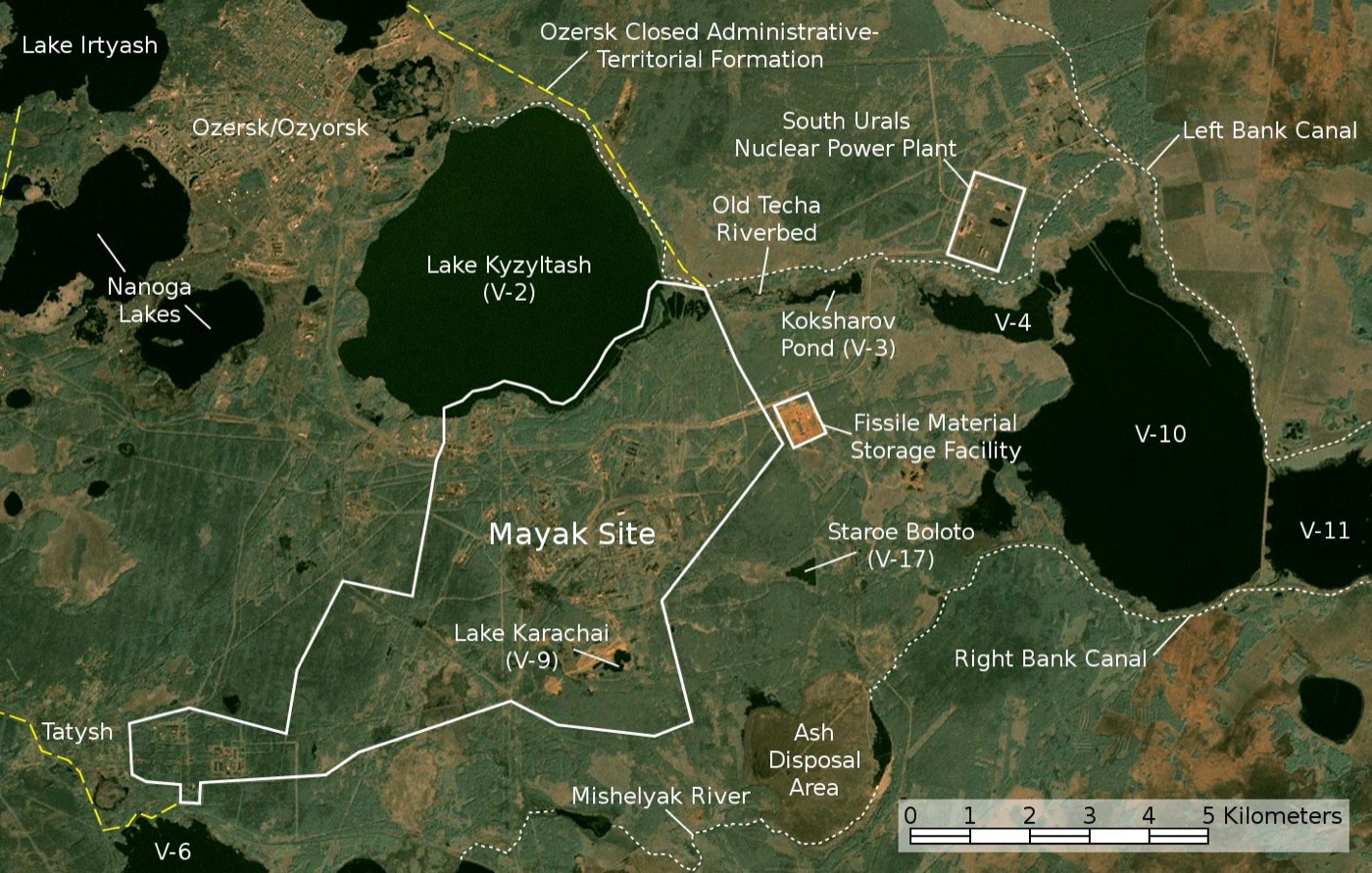
Kyshtym: The Soviet Nuclear Disaster Hidden for Thirty Years
On 29 September 1957, a tank of high-level radioactive waste exploded at the Mayak plutonium complex, a secret Soviet nuclear weapons facility in the southern Ural Mountains. The cooling system on the tank had failed and gone unrepaired; the waste inside overheated, dried, and detonated in a chemical explosion powerful enough to hurl off the tank's heavy concrete lid and fling a plume of radioactive material high into the air. The fallout drifted northeast on the wind, settling over thousands of square kilometers of farmland, forest, and villages in what became known as the East Urals Radioactive Trace. Hundreds of thousands of people lived in the contaminated zone; thousands would eventually be evacuated, their villages bulldozed and their crops and livestock destroyed, often with little or no explanation of why. By the measure of radioactivity released, it was one of the worst nuclear accidents in history — surpassed only, decades later, by Chernobyl and Fukushima. And yet almost no one outside a tight circle of Soviet officialdom knew it had happened. The facility was so secret it did not officially exist, located in a closed city that did not appear on maps; the disaster took its name, Kyshtym, from the nearest town that could be publicly named. The Soviet Union concealed the catastrophe almost completely for thirty years, denying it even as rumors leaked west, until the openness of the late 1980s finally forced the truth into the light. This is the story of the nuclear disaster that the world was not allowed to know.
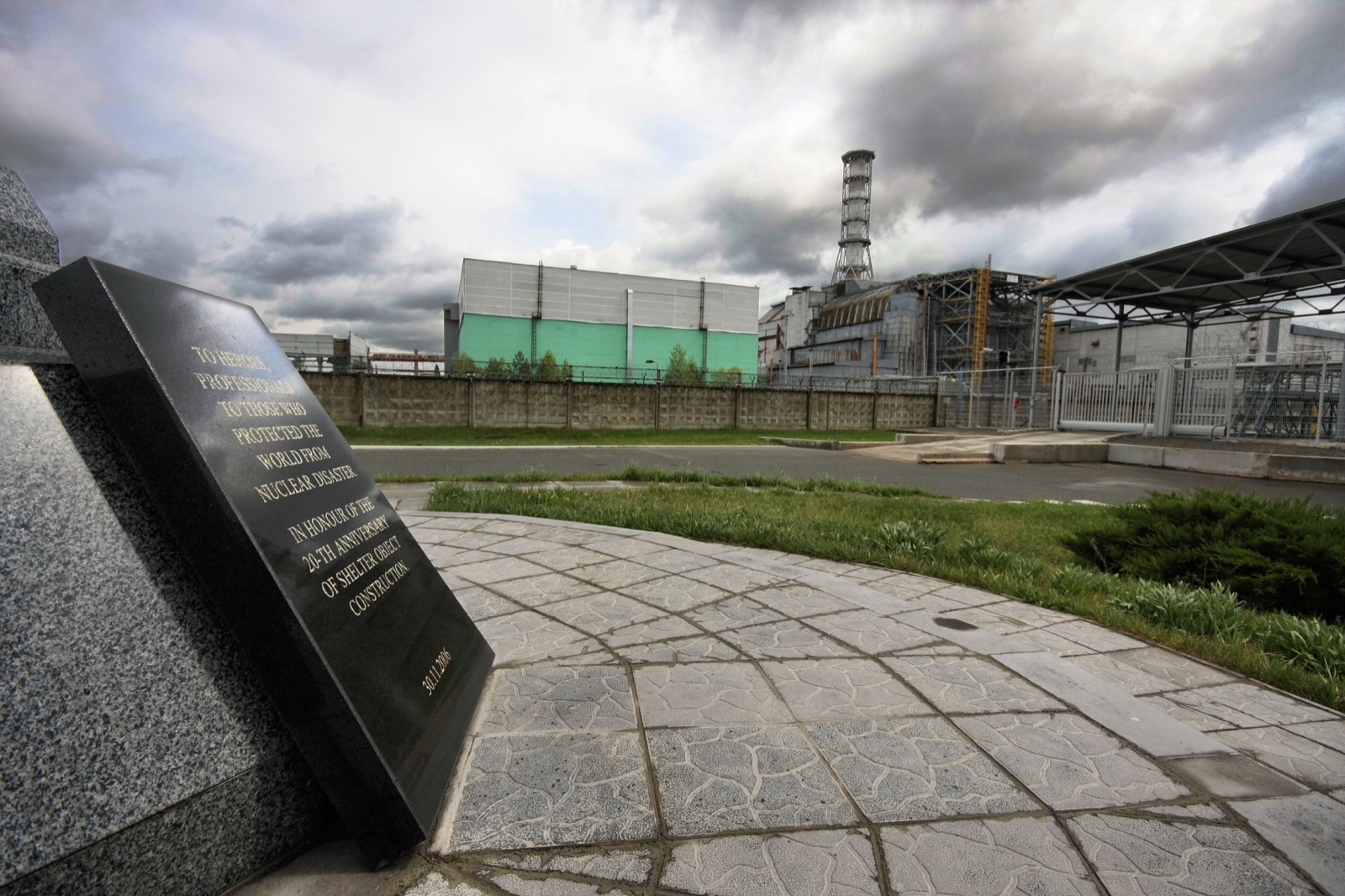
Chernobyl
At 1:23:40 a.m. local time on Saturday, April 26, 1986, reactor 4 at the V. I. Lenin Nuclear Power Plant near Pripyat, Ukrainian Soviet Socialist Republic, exploded. A planned low-power safety test, run by night-shift personnel who had been ordered to proceed despite warnings, drove the RBMK-1000 reactor into a state its designers had specifically marked as forbidden. The graphite-tipped control rods, lowered to scram the reactor, briefly added reactivity before shutting it down. The core's thermal output spiked to approximately 30,000 megawatts — ten times rated capacity — in four seconds. Two steam explosions ripped the 1,000-tonne upper biological shield off the reactor and exposed the burning graphite core to the atmosphere. Two workers died at the moment of explosion. Twenty-nine more — firefighters, control-room operators, plant electricians — died from acute radiation syndrome within four months. Forty-eight hours passed before the city of Pripyat (population 49,360) was evacuated. The Soviet government did not publicly acknowledge the accident until April 28, after Swedish nuclear technicians at Forsmark detected the airborne plume 1,200 kilometres to the northwest. The cover-up was, by Mikhail Gorbachev's own subsequent assessment, the moment Soviet glasnost became unavoidable.
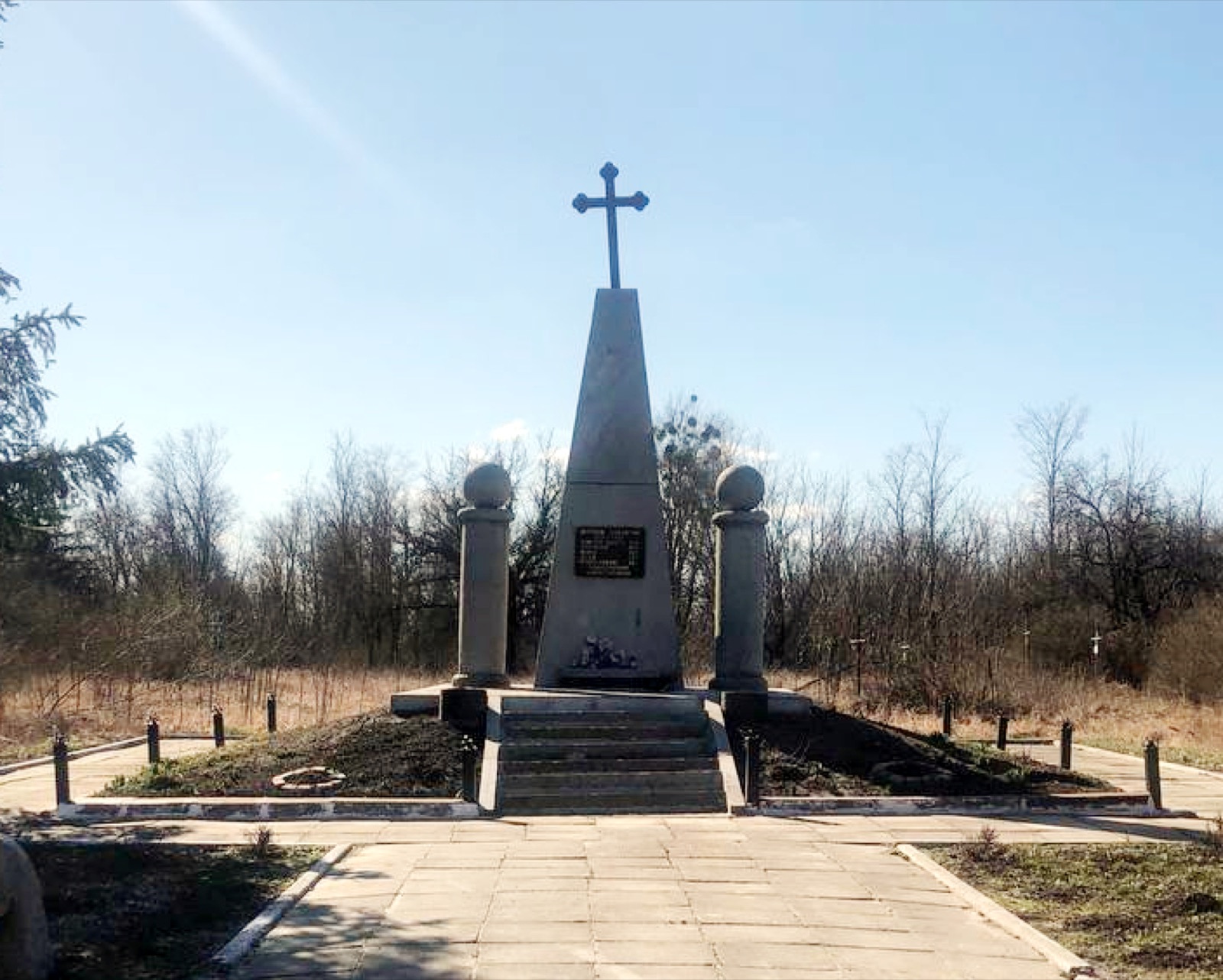
The Holodomor
Between the winter of 1932 and the summer of 1933, between 3.5 million and 7.5 million people died of starvation and starvation-related illness in the Ukrainian Soviet Socialist Republic and the adjacent grain-producing regions of the North Caucasus and Kazakhstan. The deaths were not the result of crop failure. The 1932 Ukrainian harvest was below average but not catastrophically so; the deaths occurred because the Soviet state confiscated the harvest. Joseph Stalin's regime, working through Ukraine's Communist Party leadership under Lazar Kaganovich and Pavel Postyshev, imposed grain-procurement quotas that exceeded what the harvest could yield. When the quotas were not met, the state introduced 'blacklists' of villages — barred from receiving any goods, including food, until they delivered the quota. The state introduced an internal-passport system in late 1932 that prevented peasants from leaving their villages to find food elsewhere. Border guards turned back peasants attempting to cross into Russia or Belarus. The death toll, denied by the Soviet government for fifty-seven years, has since been documented through demographic analysis, opening of Soviet archives after 1991, and recovery of the photographic record — particularly the photographs of the Austrian engineer Alexander Wienerberger, who documented the famine in Kharkiv on a Leica camera he smuggled out of the USSR. The Ukrainian word *Holodomor* combines *holod* (hunger) and *moryty* (to kill, exterminate). The word was first used publicly by Ukrainian diaspora writers in the 1980s. The Ukrainian government formally recognized the events as genocide in 2006. As of 2024, the Holodomor has been recognized as genocide by approximately 34 countries and the European Parliament.
4 files · end of the line