
San Francisco, home of uBiome. The company was a product of the city's health-technology boom — a microbiome startup riding genuine scientific excitement to a near-billion-dollar valuation. Behind the science-forward image, prosecutors alleged, lay a business built substantially on improperly billing health insurers. Wikimedia Commons / Brocken Inaglory, CC BY-SA 3.0.
uBiome and the Gut-Test Startup That Billed Its Way to a Billion
San Francisco, 2012–2019 — uBiome promised to revolutionise health by sequencing the bacteria in your gut. It reached a billion-dollar valuation not by selling tests so much as by systematically over-billing insurers for them. In 2019 the FBI raided its offices, and the company collapsed
- Category
- Finance & Economy
- Published
- Length
- 3,580 words · 18 min read
- Author
- The editors
uBiome is the least famous of the tech-fraud collapses gathered here, and in a way the most instructive precisely because of that. It had no black-turtleneck visionary on magazine covers, no truck rolling downhill, no $8 billion hole — its fraud was quiet, technical, and embedded in the unglamorous machinery of health-insurance billing. That is exactly why it repays attention: it shows that the hype-to-collapse pattern of the era did not require a charismatic fraudster or a dramatic lie, only a real-seeming business and a willingness to game a system in pursuit of the growth that investors demanded. uBiome is the fraud as ordinary process rather than grand deception.
This is the story of the gut-test startup that billed its way to a billion.
The microbiome moment
uBiome was born at the crest of a genuine wave of scientific enthusiasm. In the 2010s, research into the human microbiome — the vast communities of bacteria and other microbes that live in and on our bodies, especially in the gut — was exploding, with studies linking it to digestion, immunity, metabolism, and even mood and mental health. The microbiome became one of the most exciting frontiers in biology, and the idea that understanding your own microbial makeup could improve your health captured both scientific and popular imagination.
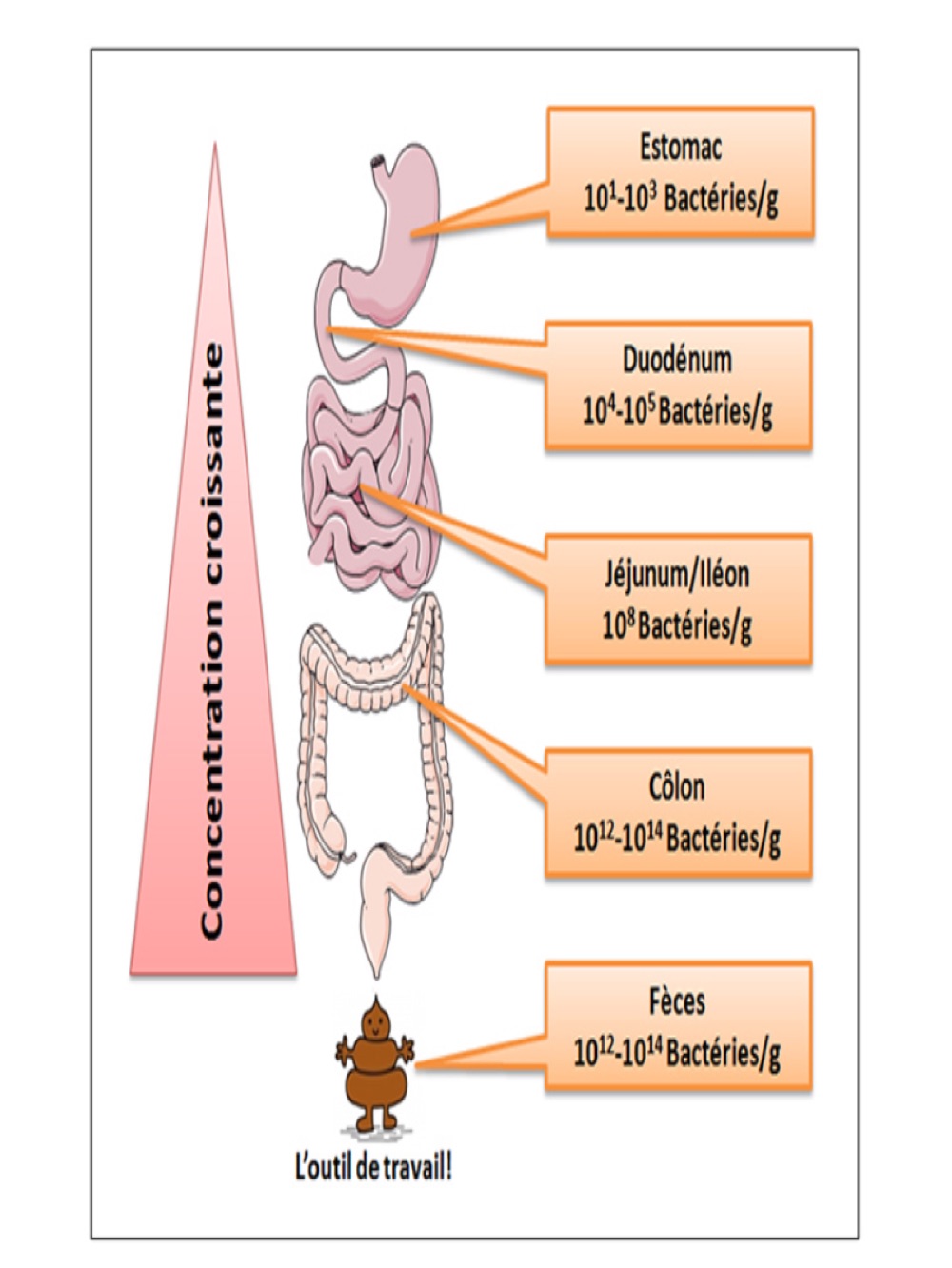
uBiome positioned itself at the consumer edge of this revolution. Founded by Jessica Richman and Zachary Apte, it offered kits that let people sample their own gut bacteria (via a stool swab) and have the microbes sequenced, returning a report on the composition of their microbiome. It began partly as a citizen-science venture, appealing to the curious and the health-conscious, and it raised significant venture capital from respected investors who saw it as a leader in a hot field. The science was real, the field was genuinely promising, and the company acquired a glossy, credible reputation. The problem was the gap between the excitement of microbiome research in general and what uBiome's test could actually, usefully tell an individual about their health — and the even bigger problem of how the company chose to make money.
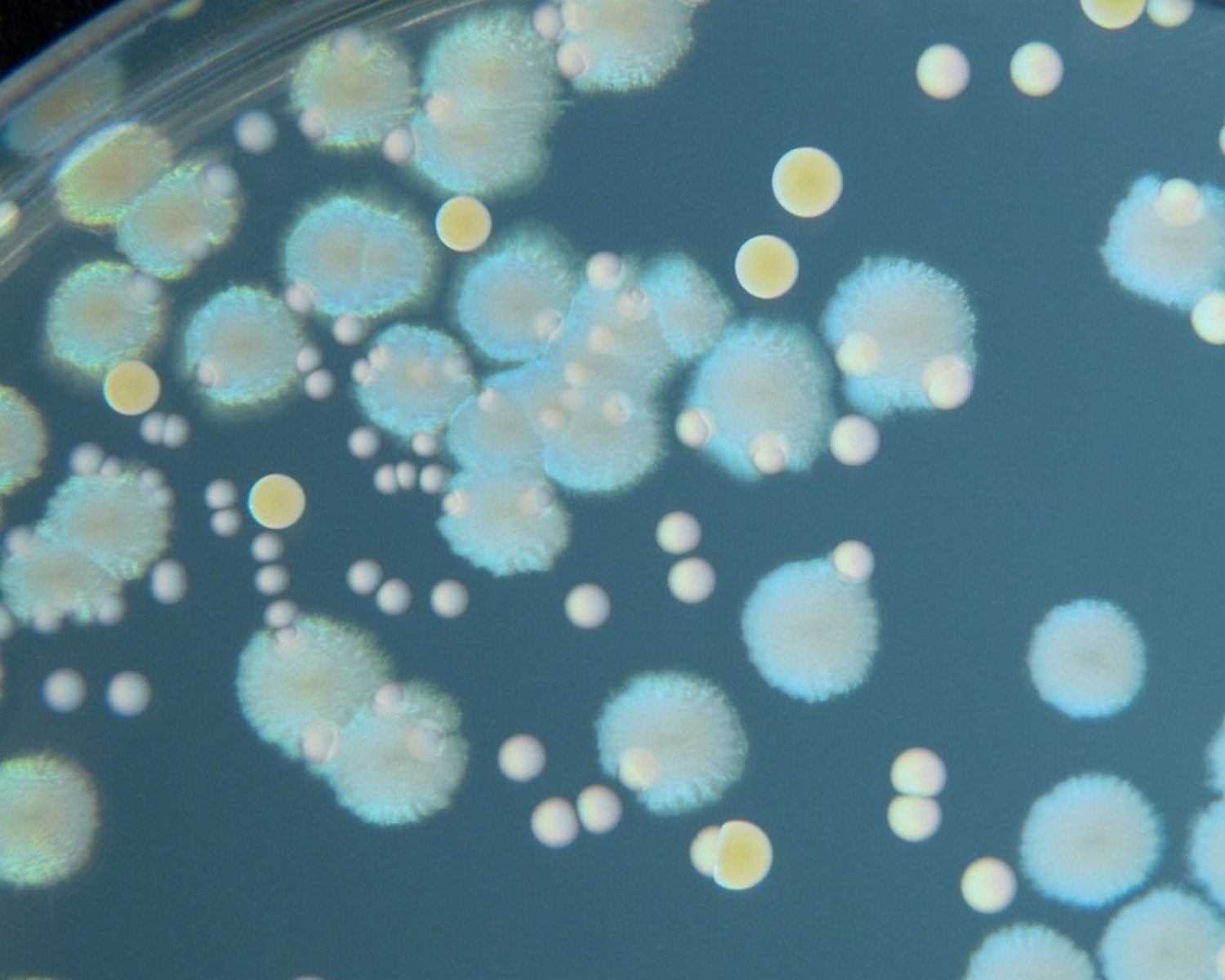
It is worth being fair to the science, because the gap between research and product is itself part of the story. Microbiome science is genuine and important, but in the 2010s — and still — it was largely at the stage of establishing associations rather than delivering reliable, individual clinical guidance. Knowing the rough composition of your gut bacteria did not, for most people, translate into concrete, validated medical action; the field simply was not there yet. uBiome, like several consumer genomics and microbiome companies of the era, sold the excitement of the science somewhat ahead of its practical usefulness — promising insight that the underlying research could not yet reliably provide. This was not itself a crime; it was the ordinary over-optimism of consumer health tech. But it created the underlying problem: a product whose honest market was limited by how little it could actually tell you, attached to a company whose valuation demanded explosive growth. That mismatch is what drove the search for revenue elsewhere.
The billing machine
A consumer kit that tells you about your gut bacteria out of curiosity is a modest business; the reports were of limited proven clinical value, and there are only so many curious customers willing to pay out of pocket. To become the high-growth, high-revenue company its valuation implied and its investors wanted, uBiome needed a bigger source of money. It found one in health insurance.
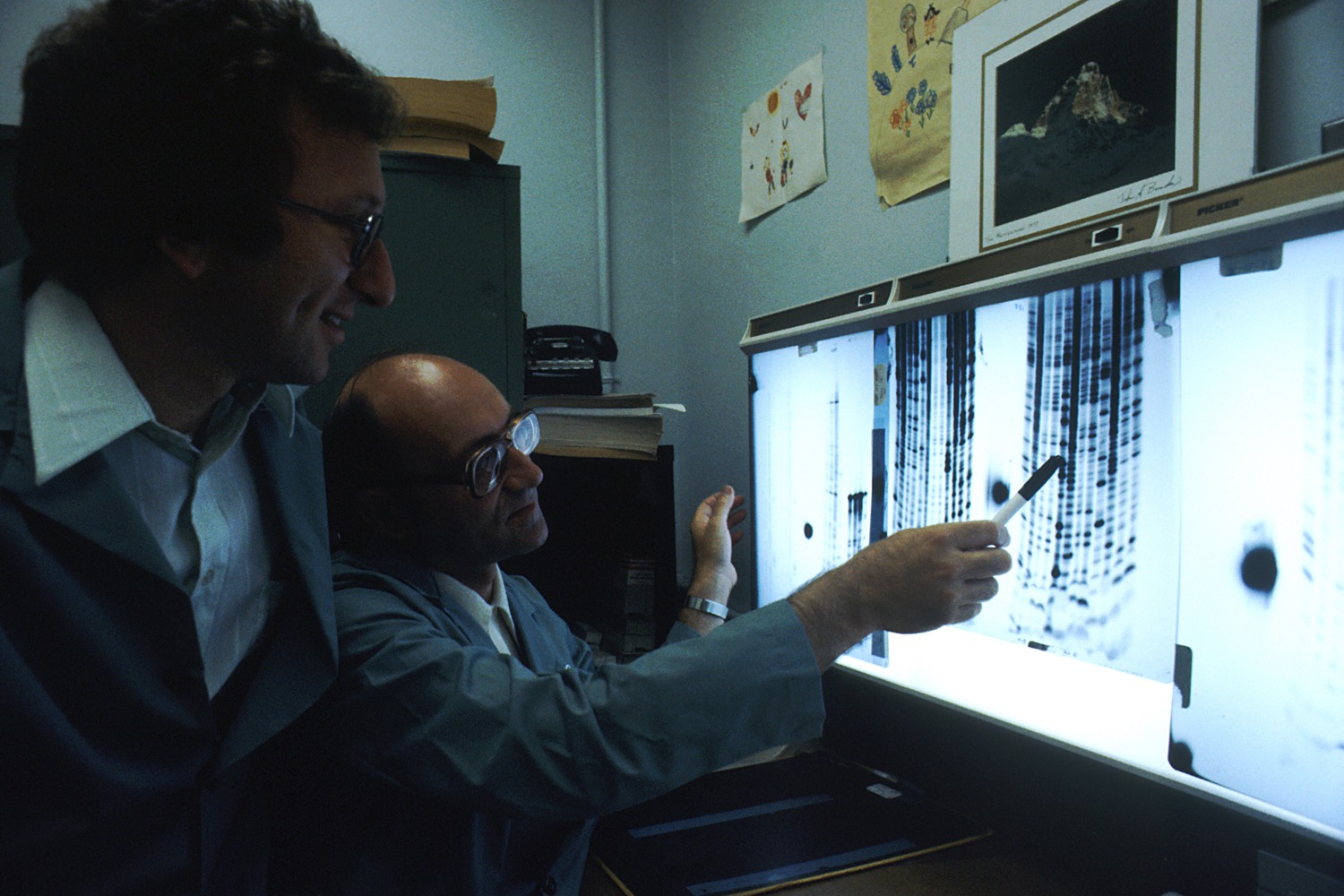
uBiome reframed its tests as clinical diagnostics — products a doctor could order for a patient and that an insurer would then pay for — and built a business around billing insurers for them. This is where the alleged fraud lived. According to the later charges and investigations, uBiome billed health insurers improperly and aggressively in several ways: it billed for tests that were not medically necessary; it billed repeatedly for the same samples, re-running and re-billing to maximise revenue; and it relied on doctors to authorise the tests who were not genuinely independent — in effect, captive physicians who would approve the orders the company needed. The company's impressive revenue growth, which had helped justify its soaring valuation, was substantially the product of this billing scheme rather than of genuine, properly authorised clinical demand. The science-startup story, in other words, sat atop a machine for extracting money from insurers.
The shift from consumer kit to insurance-billed diagnostic was, in hindsight, the hinge on which the whole company turned — and it is worth understanding why it was so tempting and so dangerous. A consumer who pays forty or a hundred dollars out of pocket for a curiosity test imposes a natural ceiling on a business: people will only spend so much on a report of limited practical use. But a test billed to an insurer as a clinical diagnostic can command a far higher price, paid by a third party who is not the person being tested and who relies on the honesty of the provider and the ordering doctor to ensure the test was warranted. The incentives are obvious and perilous: a company that can get tests classified as billable, ordered freely, and paid by insurers has found a far richer vein than consumer sales — and every additional test, necessary or not, is more revenue. Without rigorous independent checks on whether the tests were genuinely needed, the model drifts naturally toward over-testing and over-billing, which is precisely what prosecutors alleged uBiome did.
The raid and the collapse
The reckoning came suddenly and visibly. In April 2019, the Federal Bureau of Investigation raided uBiome's San Francisco offices, reportedly as part of an investigation into its billing practices — specifically how it had billed insurers for its tests. A federal raid on a celebrated startup's headquarters is about as public a signal of serious trouble as exists, and it detonated the company's reputation.
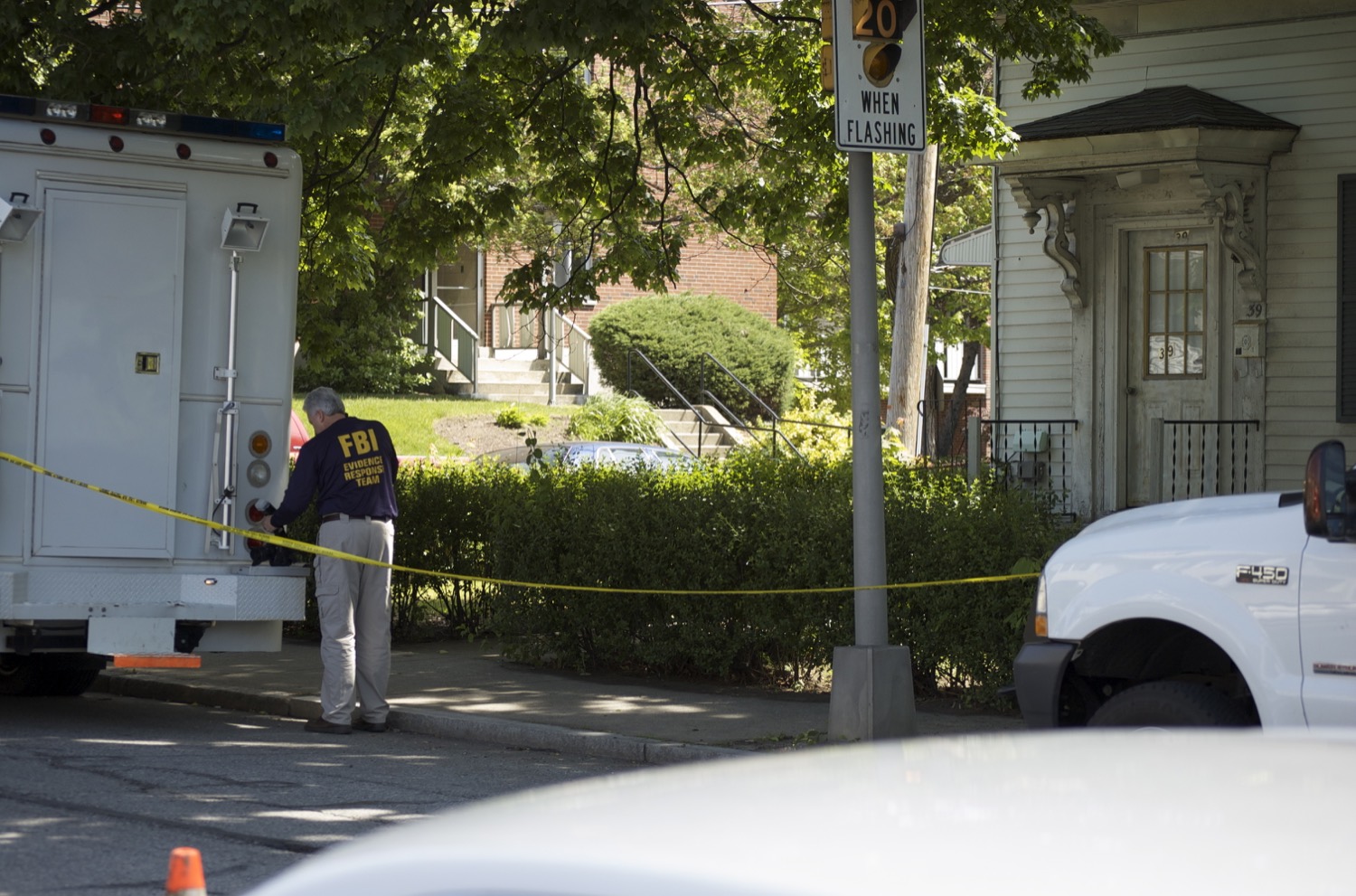
The aftermath was swift. The board placed the co-founders, Richman and Apte, on administrative leave; investigations by insurers and regulators intensified; investors and partners fled. Unable to survive the collapse of its reputation and the freezing of its insurance revenue, uBiome filed for bankruptcy in late 2019, only months after the raid. A company that had been valued near a billion dollars and hailed as a microbiome pioneer was effectively dead within a year of the FBI walking through its doors. The science it had been built around did not vanish — microbiome research continued — but the company that had tried to monetise it through improper billing was finished.
The charges
In 2021, US federal prosecutors brought charges against the two co-founders. Jessica Richman and Zachary Apte were accused of defrauding investors and insurers — of deceiving investors about the company's business and prospects, and of defrauding health insurers through the improper billing scheme. The Securities and Exchange Commission also brought civil charges alleging they had misled investors. The allegations painted a picture of founders who had not merely run a struggling business but had built its apparent success on deception, both of the insurers they billed and of the backers they raised money from.
By the time the charges were filed, the two founders had reportedly left the United States, complicating efforts to bring them to trial. As with several of these cases, the legal resolution became protracted and, in key respects, unresolved — the company gone, the founders abroad, the accountability incomplete. But the core allegation was clear and serious: that uBiome's billion-dollar story had been substantially fraudulent, its growth manufactured through a billing scheme rather than earned through genuine demand.
The founders themselves had cultivated a degree of personal mystique that later drew scrutiny. Jessica Richman, the public face and CEO, had been celebrated as a role model — a woman leading a hot science startup, who spoke at conferences and gave interviews about innovation and health. As the company unravelled, questions were raised about aspects of how she and Apte had presented themselves and the business to investors and the public. The familiar pattern flickered here too, in muted form: the compelling founder narrative, the science-for-good mission, the gap between image and reality. uBiome never produced a figure as famous as Holmes or Bankman-Fried, but the same machinery — a charismatic founder story smoothing the path for a business that did not bear close inspection — was at work.
What is established, and what it means
The core of the uBiome story is alleged in federal charges rather than fully settled by a completed trial, given the founders' departure, but the central facts — the improper billing, the FBI raid, the collapse, the charges — are documented and not seriously disputed. The lessons it offers are distinct from, and complementary to, those of its flashier peers.
The first is that fraud does not require drama. The other cautionary tales in this genre have unforgettable images — the blood machine, the rolling truck, the missing billions, the beanbag billionaire. uBiome had none of that. Its alleged fraud was mundane and procedural: tests billed that should not have been, samples billed twice, authorisations that were not real. This is, in a sense, the more common and more dangerous form of corporate wrongdoing, because it is boring — it hides in the complexity of billing codes and medical authorisations, where few outsiders look and fewer understand what they are seeing. The lesson is that the absence of a dramatic lie is not evidence of honesty; some of the most effective frauds are buried in tedious process precisely because tedium repels scrutiny.
The second is about the peculiar vulnerability of the medical-billing system. uBiome's scheme worked because health insurance billing in the United States is enormously complex, opaque, and difficult to police — a system in which a company that controls the ordering of tests, the running of them, and the billing for them has substantial room to extract money improperly before anyone notices. The same opacity that frustrates ordinary patients trying to understand their bills also creates space for systematic abuse. uBiome is a case study in how a genuinely interesting technology can be bolted onto a billing system and turned into a money-extraction machine, and in how that machine can run for years because the system it exploits is too complicated for easy oversight.
In the end, uBiome is the genre's reminder that fraud need not be spectacular to be serious. There was a real science here, a genuinely exciting field, and a technology that more or less functioned — and yet the company built atop them became, prosecutors allege, a scheme to extract money improperly from insurers, sustained by the same pressure to grow into an inflated valuation that drove its flashier cousins. No visionary in a turtleneck, no truck rolling downhill, no missing billions: just tests that shouldn't have been ordered, bills that shouldn't have been sent, and a near-billion-dollar valuation resting on them, until the FBI walked through the door and the whole quiet machine fell apart. It is the least cinematic of these stories and, for that reason, perhaps the most worth remembering — because the fraud that hides in the billing codes, boring and unseen, is the kind most likely to be happening somewhere right now.
Sources
- United States Department of Justice and the Securities and Exchange Commission, charges against Jessica Richman and Zachary Apte (2021) — primary.
- Reporting on the April 2019 FBI raid on uBiome's offices — primary/ secondary.
- uBiome's bankruptcy filing (2019) — primary.
- Investigative reporting by the Wall Street Journal, Business Insider, and others on uBiome's billing practices and collapse (2019–2021) — secondary.
- Coverage of the microbiome-science field and the limits of consumer microbiome testing — secondary/academic.
- Reporting on the founders' departure from the United States and the status of the charges — secondary.
- Analyses of health-insurance billing fraud and the vulnerabilities of the US medical-billing system — academic.
Filed under
Click any tag for every article carrying it.
Continue reading

Theranos and the Drop of Blood That Wasn't There
Elizabeth Holmes dropped out of Stanford at nineteen to build a company around an idea that sounded like the future: a small machine that could run a comprehensive battery of medical tests — hundreds of them — from a single drop of blood drawn painlessly from a finger-prick, cheaply and instantly, in any pharmacy or home. She called the company Theranos, dressed in a black turtleneck in conscious imitation of Steve Jobs, and spoke in a deep voice about democratising health care and saving lives. Silicon Valley believed her. So did some of the most powerful men in America, who joined her board: former secretaries of state Henry Kissinger and George Shultz, former defense secretary James Mattis, and others. So did the pharmacy giant Walgreens, which put Theranos blood-testing centres in its stores. By 2014 the company was valued at around nine billion dollars and Holmes, on paper, was the youngest self-made female billionaire in the world, hailed on magazine covers as the next Jobs. There was only one problem, and it was the whole problem: the machine did not work. It could not do what she claimed, it never had, and inside the company the tests on real patients were secretly being run, badly, on ordinary commercial analysers — producing results so unreliable that people received dangerously wrong information about their own blood. Theranos was not a brilliant idea that failed; it was, a court would eventually find, a fraud. This article tells the story of how a company built on a drop of blood that wasn't there fooled so many for so long, who finally exposed it, and what it revealed about the culture that made it possible.

Nikola and the Electric Truck That Rolled Downhill
In June 2020, an electric-and-hydrogen truck company called Nikola went public, and within days its stock-market value briefly soared past that of Ford — the hundred-and-seventeen-year-old maker of millions of actual vehicles. Nikola, by contrast, had never sold a single truck, never produced one for a paying customer, and had essentially no revenue. What it had was a vision — zero-emission semi-trucks powered by batteries and hydrogen fuel cells that would clean up the heavily polluting world of long-haul freight — and a charismatic founder, Trevor Milton, who sold that vision with relentless, theatrical confidence. He named the company after Nikola Tesla (the electric-car company Tesla having taken the inventor's surname), positioned himself as the next Elon Musk, and made a stream of bold claims about trucks that worked, technology that was ready, and orders worth billions. The most famous demonstration of Nikola's prototype showed one of its trucks gliding smoothly along a road, apparently under its own power — proof, it seemed, that the vehicle was real and functional. It was not. The truck had no working powertrain; it had simply been towed to the top of a gentle hill and allowed to roll down under gravity, filmed so as to look as if it were driving. When a short-seller's report revealed this and a litany of other deceptions in September 2020, Nikola's story began to collapse. Trevor Milton was charged with fraud, and in 2023 he was convicted. This article tells the story of the truck that rolled downhill — a case study in how far hype, a green mission, and a confident founder could inflate a company built on claims that were not true.

Vioxx and the Painkiller That Broke Hearts
Vioxx was supposed to be a better painkiller. Approved in 1999 and marketed aggressively by the pharmaceutical giant Merck, it belonged to a new class of drugs — the COX-2 inhibitors — that promised the pain relief of traditional anti-inflammatories like ibuprofen and naproxen without their tendency to cause stomach ulcers and bleeding. It was a blockbuster almost instantly, prescribed to some eighty million people worldwide and earning Merck around two and a half billion dollars a year at its peak. But sitting inside the company's own clinical data was a signal it did not want to see: Vioxx increased the risk of heart attack and stroke. A large Merck study had pointed to it as early as 2000, and rather than confront the possibility that its blockbuster was dangerous, the company offered an alternative explanation, kept marketing the drug, and — according to documents later revealed in court — trained its sales force to dodge doctors' questions about heart safety. It was not until 2004, when a second trial produced cardiovascular results too clear to spin, that Merck withdrew Vioxx from the market. By then a scientist at the United States Food and Drug Administration had estimated that the drug may have caused tens of thousands of excess heart attacks and deaths. This is the story of Vioxx: a drug that worked as a painkiller and killed as a side effect, a company that saw the danger and looked past it, and a disaster that exposed how poorly the system guards against a medicine that turns out to be lethal after it is already in millions of bodies.