Tag
#2000s
6 articles

Knutby: The Swedish Pentecostal Cult and the Nanny Made to Kill
Knutby is a small village in the countryside of Uppland, north of Stockholm, the kind of quiet Swedish place where little is expected to happen. But within it, over the late 1990s and early 2000s, a small Pentecostal free-church congregation, the Knutby Filadelfia, had turned inward and grown strange. Its members had come to believe that one of their own leaders, a woman named Åsa Waldau, was the 'Bride of Christ' — a divine figure destined to marry Jesus at his return — and the congregation had developed the isolating, all-controlling dynamics of a cult, in which spiritual authority and personal power were dangerously fused. At the center of the drama was a charismatic and manipulative pastor, Helge Fossmo, who exercised profound influence over the community and, in particular, over a vulnerable young woman named Sara Svensson, who worked as a nanny for his family and whom he had drawn into a secret relationship. In January 2004, that machinery of manipulation produced murder. Sara Svensson, acting on the direction of Fossmo — who had manipulated her, in part through anonymous text messages purporting to carry divine authority — shot and killed Fossmo's wife, Alexandra, and gravely wounded a neighbor, the husband of another woman with whom Fossmo was involved. The crime, when it was unraveled, revealed not the act of a lone disturbed woman but the terrible product of a coercive religious community and a pastor who had turned a follower into a weapon. This is the story of Knutby, of the murder it produced, and of how a closed congregation became a machine for making an ordinary person kill.
WorldCom and the $11 Billion Accounting Fraud
By the turn of the millennium, WorldCom was one of the largest telecommunications companies on earth — a sprawling empire assembled in barely a decade by a former milkman and basketball coach named Bernard Ebbers, who had bought up dozens of rivals to turn a tiny Mississippi long-distance reseller into a colossus that carried a huge share of the world's internet traffic and owned the famous MCI brand. Then the telecom bubble burst, revenues sagged, and the company faced an impossible problem: how to keep reporting the steady profits that Wall Street demanded when the underlying business was deteriorating. The answer, devised by its finance department, was breathtakingly simple and entirely fraudulent. Ordinary operating expenses — the fees WorldCom paid other networks to carry its calls — were quietly reclassified as long-term capital investments, the way a company might treat the cost of building a factory. With a few accounting entries, billions of dollars in costs vanished from the books and reappeared as assets, and the losses turned, on paper, into healthy profits. The deception eventually totalled some $11 billion, the largest accounting fraud yet seen. It was uncovered not by regulators or outside auditors but by WorldCom's own internal-audit team — a handful of people led by a vice-president named Cynthia Cooper, who pursued the anomalies in secret, often at night, against the resistance of the company's own chief financial officer. When they brought their findings to the board in June 2002, the company collapsed into the biggest bankruptcy in American history, its CEO was sent to prison for twenty-five years, and Congress passed a sweeping law that changed how every public company in the country keeps its books. This is the story of the fraud, the woman who exposed it, and the reckoning that followed.
Enron and the Most Innovative Company That Never Really Made Money
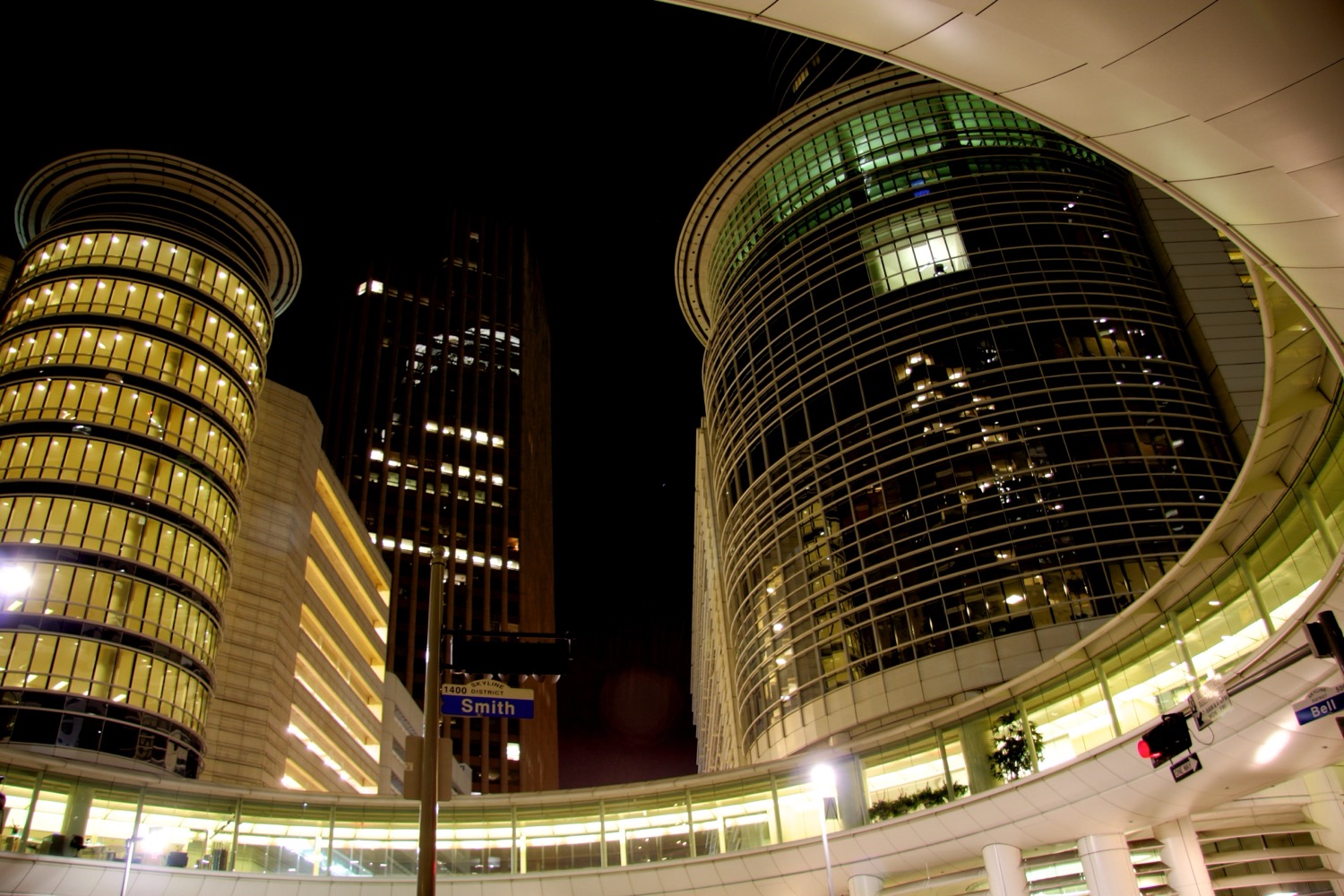
For six consecutive years, Fortune magazine named Enron the most innovative company in America. The Houston-based energy company had, the story went, transformed itself from a sleepy operator of natural-gas pipelines into a dazzling new kind of business — a trading powerhouse that bought and sold energy and almost anything else, light on physical assets and heavy on financial genius, the very model of the modern corporation. Its stock soared; its executives were celebrated as visionaries; its revenues, on paper, rocketed past $100 billion. And then, in the autumn of 2001, it all came apart with breathtaking speed. It emerged that Enron's reported profits were substantially an illusion, manufactured through aggressive and deceptive accounting; that the company had hidden enormous debts and losses in a web of hundreds of secretive off-the-books entities, some named after Star Wars characters; and that the 'innovation' the world had admired was, to a damaging degree, the art of making a company that did not really make money look as though it made a great deal. In about six weeks, Enron went from a $60 billion blue-chip giant to the largest corporate bankruptcy in American history to that point. Twenty thousand employees lost their jobs and, in many cases, their retirement savings, which had been tied up in Enron stock. Its auditor, Arthur Andersen — one of the five great global accounting firms — was destroyed in the fallout. The scandal sent executives to prison, prompted landmark reforms, and became the defining symbol of corporate fraud at the turn of the millennium. This article tells the story of how the most admired company in America turned out to be a confidence trick, and how the trick unravelled.

Bernie Madoff and the Biggest Ponzi Scheme in History
Bernard L. Madoff was not a fringe hustler but a pillar of Wall Street. He had helped build the Nasdaq stock market and served as its chairman; he ran a respected market-making firm; he moved easily among the wealthy, the philanthropic, and the powerful. And alongside his legitimate business, he ran an investment-advisory operation that was, for decades, the envy of finance: a fund that delivered remarkably steady, positive returns year after year, in good markets and bad, never seeming to lose money. To be allowed to invest with Madoff was a mark of status, a privilege extended to wealthy individuals, charities, university endowments, banks, and feeder funds around the world. There was only one problem, and it was total: the investments did not exist. Madoff was not generating those steady returns by any strategy at all. He was running a Ponzi scheme — paying the 'returns' and redemptions of existing investors with the fresh money of new ones, while no real trading took place. For decades it worked, because as long as more money came in than went out, the scheme could continue and the statements could show whatever Madoff wanted them to show. When the financial crisis of 2008 triggered a wave of withdrawals he could not meet, the scheme collapsed, and the scale of it stunned the world: customer account statements showed about $65 billion that did not exist, built on perhaps $17–20 billion of real money that investors had actually handed over and that was now largely gone. It was the largest Ponzi scheme in history. And the most damning detail of all was that a financial analyst named Harry Markopolos had been telling the Securities and Exchange Commission, repeatedly and in detail, for nine years, that Madoff was a fraud — and had been ignored. This article tells the story of the respectable man who ran the biggest financial fraud ever, the warnings the watchdogs missed, and the lives it destroyed.

Vioxx and the Painkiller That Broke Hearts
Vioxx was supposed to be a better painkiller. Approved in 1999 and marketed aggressively by the pharmaceutical giant Merck, it belonged to a new class of drugs — the COX-2 inhibitors — that promised the pain relief of traditional anti-inflammatories like ibuprofen and naproxen without their tendency to cause stomach ulcers and bleeding. It was a blockbuster almost instantly, prescribed to some eighty million people worldwide and earning Merck around two and a half billion dollars a year at its peak. But sitting inside the company's own clinical data was a signal it did not want to see: Vioxx increased the risk of heart attack and stroke. A large Merck study had pointed to it as early as 2000, and rather than confront the possibility that its blockbuster was dangerous, the company offered an alternative explanation, kept marketing the drug, and — according to documents later revealed in court — trained its sales force to dodge doctors' questions about heart safety. It was not until 2004, when a second trial produced cardiovascular results too clear to spin, that Merck withdrew Vioxx from the market. By then a scientist at the United States Food and Drug Administration had estimated that the drug may have caused tens of thousands of excess heart attacks and deaths. This is the story of Vioxx: a drug that worked as a painkiller and killed as a side effect, a company that saw the danger and looked past it, and a disaster that exposed how poorly the system guards against a medicine that turns out to be lethal after it is already in millions of bodies.
The Madrid Train Bombings and the Battle Over Who Did It
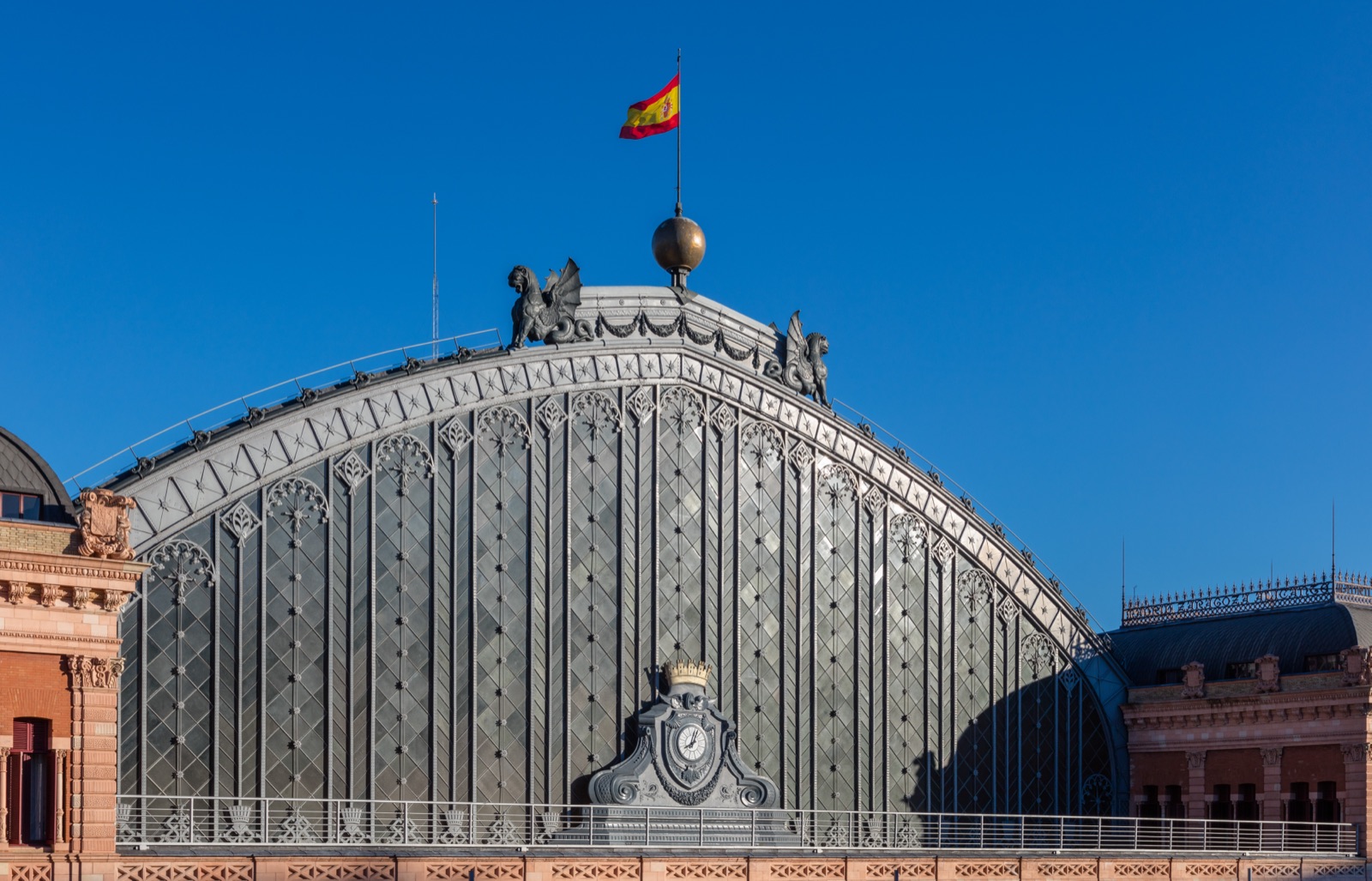
At the height of the morning rush on Thursday, March 11, 2004, ten bombs hidden in sports bags exploded within a few minutes of each other on four packed commuter trains converging on Madrid's Atocha station. One hundred and ninety-three people were killed and around two thousand injured — the deadliest terrorist attack in Spanish history and, at the time, in the history of post-war Europe. The bombs were crude and devastating: military plastic explosive packed with nails and screws, triggered by the alarms of cheap mobile phones. The attack fell three days before a general election that the governing conservative Partido Popular had expected to win, and from the first hours its government insisted, repeatedly and emphatically, that the perpetrator was ETA, the Basque separatist group it had spent years promising to defeat. The evidence pointed elsewhere almost at once — to an unexploded bag with a phone detonator, to a van near the departure station holding detonators and a cassette of Quranic verses, to a local cell of Islamist radicals enraged by Spain's participation in the war in Iraq. Over a frantic weekend the public came to believe it was being misled, gathered in spontaneous protests outside the ruling party's headquarters, and on March 14 voted the government out. Three years later, after the longest trial in modern Spanish history, the courts established the truth in detail: a jihadist cell, inspired by al-Qaeda, had carried out the massacre, and ETA had had nothing to do with it. And yet the case never closed in the public mind. A determined campaign — by newspapers, broadcasters, and politicians of the defeated right — kept alive the claim that the official account was a cover-up and that the real authors of 11-M had been hidden, for years after the verdict and, in corners of Spanish life, to this day. This article sets out what happened, what the courts proved, what genuinely remains murky, and how a fully solved crime became one of the most contested events in modern European politics.
6 files · end of the line