Tag
#ancient-history
4 articles
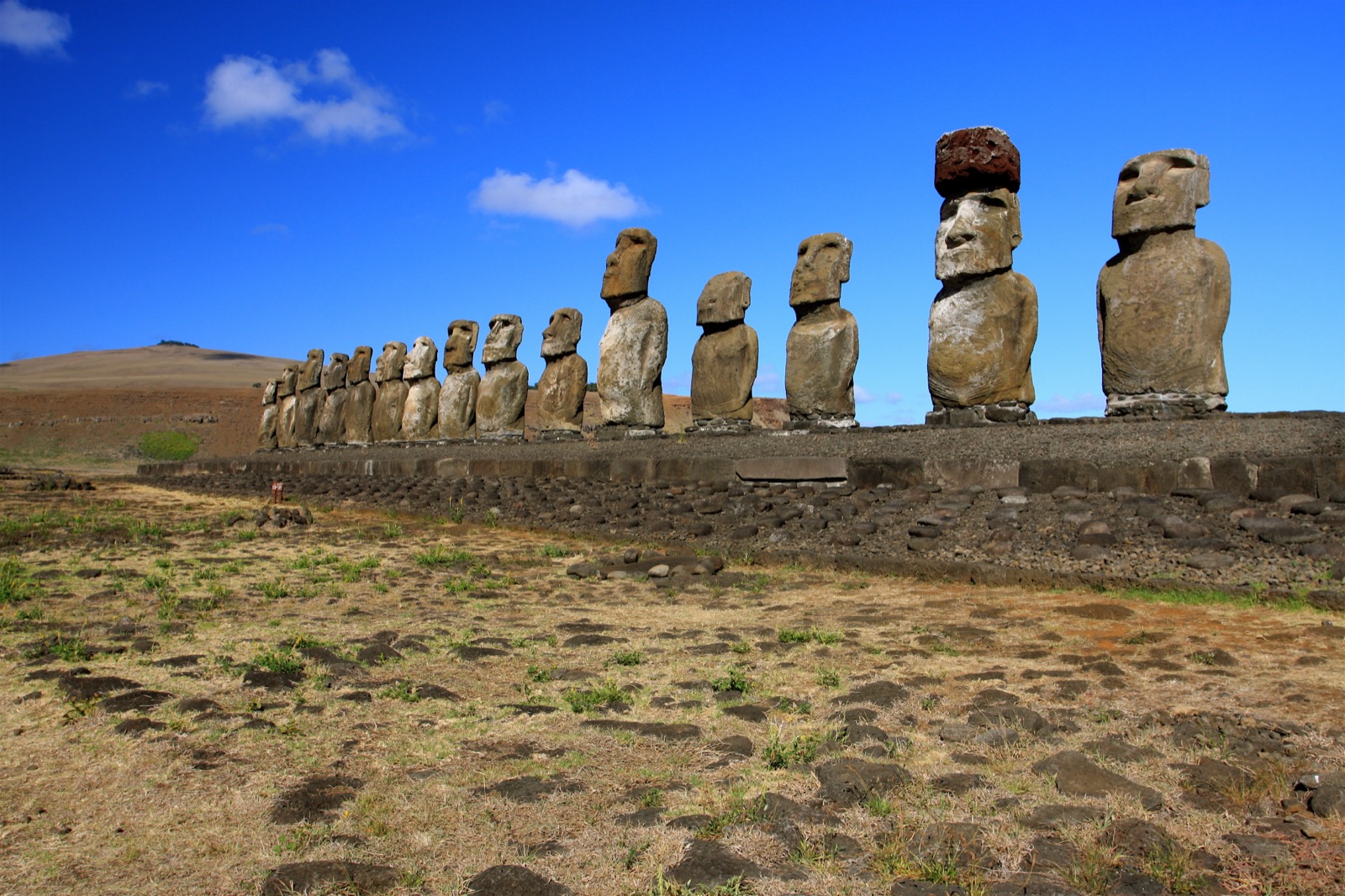
The Moai of Easter Island: The Statues That Walked
Rapa Nui — Easter Island — is one of the loneliest places inhabited by human beings, a small volcanic triangle in the southeastern Pacific more than three thousand kilometres from the coast of Chile and some two thousand from the nearest inhabited island. On this remote speck of land, a Polynesian society created one of the most recognisable bodies of monumental art in the world: the moai, nearly a thousand colossal stone figures, carved from volcanic rock and raised on stone platforms to gaze inland over the people they were made to protect. For centuries, outsiders looked at these statues on their treeless island and asked how so 'primitive' a people could have made and moved them — a question that led, at its worst, to fantasies of lost continents and ancient astronauts, and, more insidiously, to a powerful modern morality tale in which the islanders supposedly destroyed their own environment, felled their last tree to haul their idols, and collapsed into famine and war: a cautionary fable of self-inflicted ecological ruin. Both the wonder and the warning turn out to be built on misunderstanding. The moai are unmistakably the work of the Rapanui themselves; recent experiments suggest they were 'walked' upright to their platforms, exactly as island tradition always said; and the story of ecological suicide has been steadily dismantled, revealing instead a resilient people whose real catastrophe came not from within but from the arrival of outsiders. This is the story of the statues that walked.
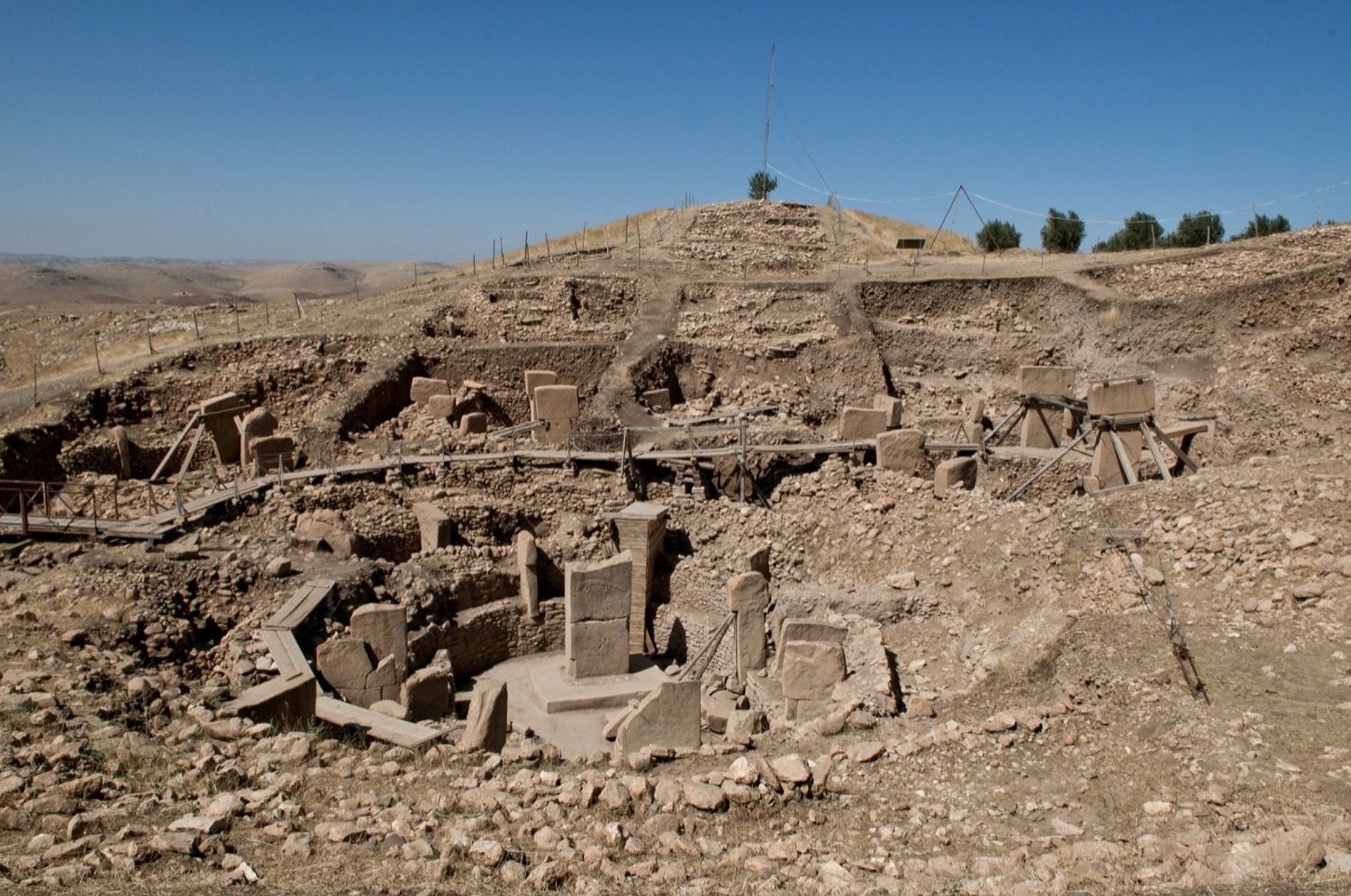
Göbekli Tepe: The Temple That Rewrote Prehistory
On a limestone ridge overlooking the plains of southeastern Turkey, near the ancient city of Urfa, stands a place that forced archaeologists to rewrite the earliest chapter of the human story. Göbekli Tepe — the name means 'Potbelly Hill' in Turkish — is a complex of great circular enclosures built from massive T-shaped stone pillars, some more than five metres tall and weighing many tons, many of them carved in relief with foxes, boars, snakes, scorpions, vultures, and other animals. It is staggeringly old. Radiocarbon dating places its construction to around 9500 BCE and earlier, making it roughly eleven and a half thousand years old — some six thousand years older than Stonehenge and seven thousand older than the Great Pyramid. What made the discovery revolutionary was not merely its age but who built it: not a settled society of farmers with cities and kings, but hunter-gatherers, people without pottery, without metal, without the wheel, and without — at least at first — agriculture itself. The prevailing wisdom had long held that monumental architecture was a product of civilisation, something only settled, food-producing societies could afford. Göbekli Tepe stood that assumption on its head, and suggested that the impulse to gather and build something great may have come first. It is a genuine mystery — but a mystery of human achievement, not of lost super-civilisations or visitors from the stars. This is the story of the temple that rewrote prehistory.
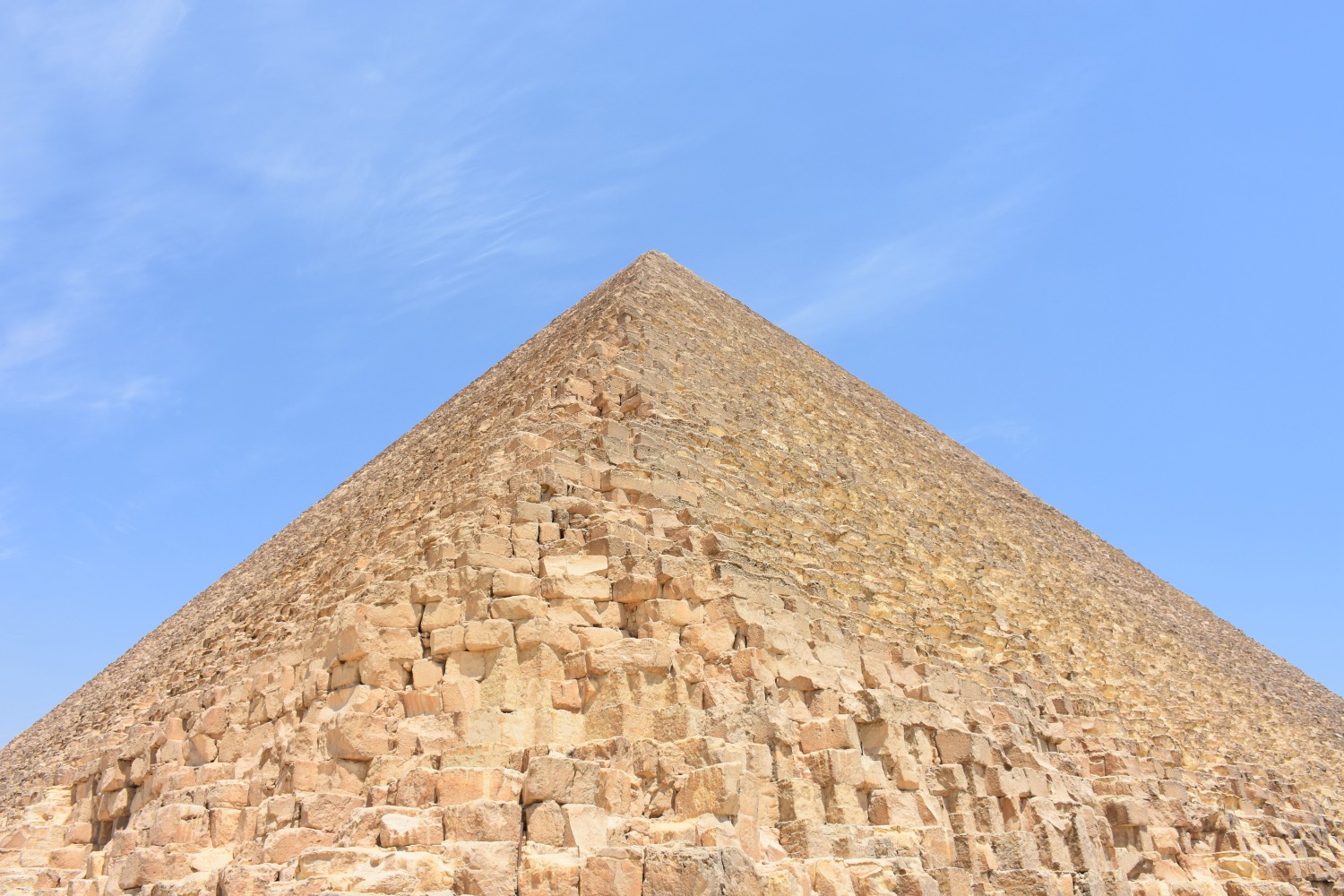
The Great Pyramid of Giza: How It Was Really Built
The Great Pyramid of Giza is the last of the Seven Wonders of the Ancient World still standing, and the most famous building humanity has ever made. Raised around 2560 BCE on the Giza plateau outside modern Cairo as a tomb for the pharaoh Khufu, it rose to a height of some 146 metres, built from roughly 2.3 million blocks of stone weighing, on average, over two tonnes each — and it remained the tallest human-made structure on Earth for nearly four thousand years. Its scale, its precision, and its antiquity have made it a screen for every kind of speculation: that it was built by slaves cracking under the lash, or could not have been built by ancient Egyptians at all; that it encodes the mathematical constant pi, the dimensions of the Earth, and prophecies of the future; that it was a power plant, a beacon, or a monument raised with the help of visitors from the stars. Almost none of this is true, and the strangest thing about the Great Pyramid is that the real story of how it was built — recovered from the workers' own village, their cemeteries, the quarries, and even a four-and-a-half-thousand-year-old logbook kept by one of the men who supplied it — is more remarkable than any fantasy. It was built by Egyptians: skilled, paid, well-fed, superbly organised Egyptians, working with copper, stone, timber, rope, and an administrative genius that is the true marvel of the age. This is the story of how the Great Pyramid was really built.
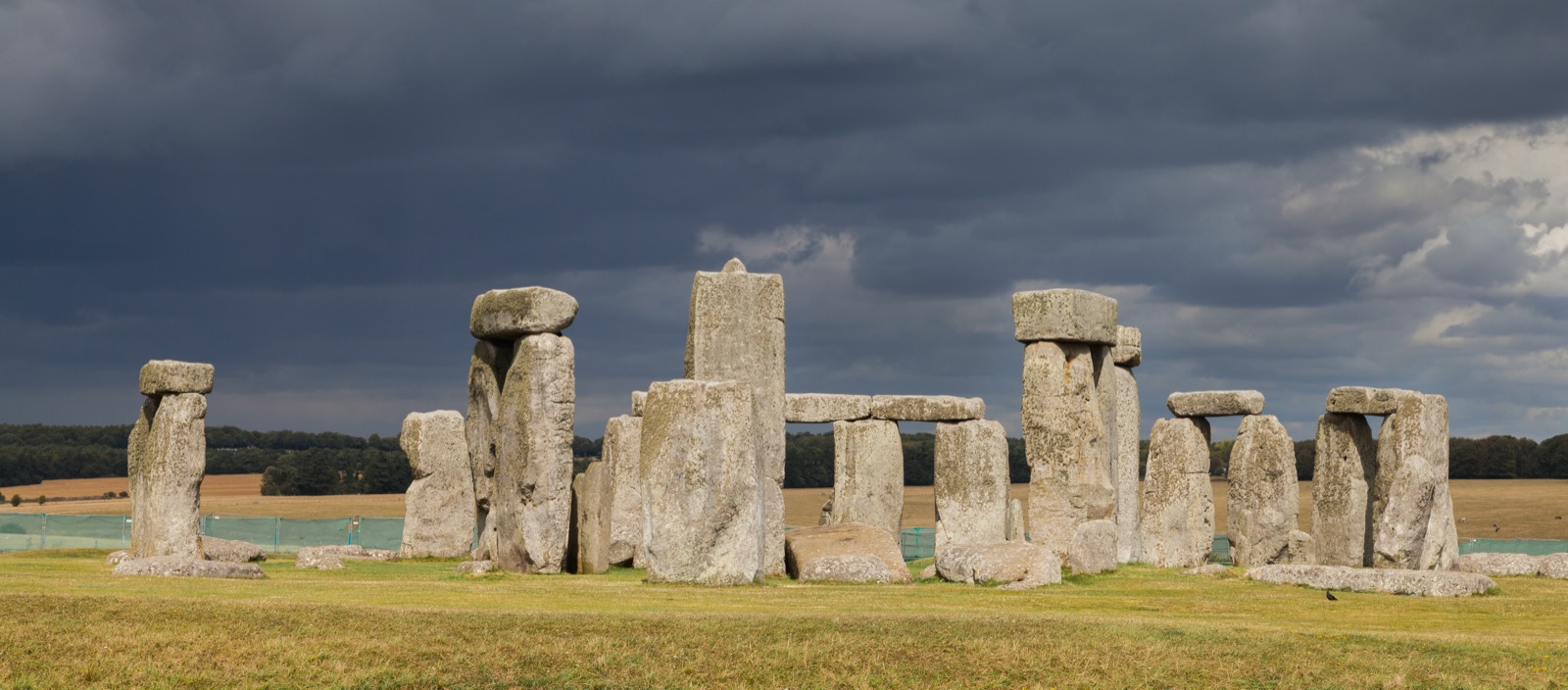
Stonehenge: The Great Stone Circle of Salisbury Plain
On the open chalk downland of Salisbury Plain in southern England stands the most famous prehistoric monument in the world: a ring of enormous standing stones, some capped by level lintels, arranged with a precision that has drawn wonder and speculation for more than a thousand years. Stonehenge was not built in a day, or in a single lifetime, or by a single people. It grew over roughly fifteen hundred years, from about 3000 BCE, beginning as a simple circular earthwork and cremation cemetery and culminating, centuries later, in the great stone architecture we know — the towering sarsens quarried from the hills to the north, and the smaller 'bluestones' brought, astonishingly, some 150 miles overland from the mountains of west Wales. Its builders, working with antler picks, timber, rope, and muscle, dressed the stones with woodworking joints translated into rock, raised lintels weighing tonnes onto uprights, and aligned the whole monument to the rising and setting of the sun at the solstices. For centuries, outsiders credited the achievement to anyone but the people who actually managed it — to Merlin and giants, to Druids, and in our own age to visitors from the stars. The truth is that Stonehenge is the work of prehistoric Britons of extraordinary skill and organisation. How they built it, we largely understand. Why they built it is a question we are still, carefully, trying to answer. This is the story of the great stone circle.
4 files · end of the line