Tag
#informed-consent
4 articles

The Guatemala Syphilis Experiments and the Deliberate Infection of the Powerless
Between 1946 and 1948, doctors working for the United States Public Health Service travelled to Guatemala and did something that even the medical ethics of their own era forbade: they deliberately gave people syphilis. Not by accident, not as a side effect of withholding treatment, but on purpose — infecting more than a thousand Guatemalan prisoners, soldiers, psychiatric patients, and commercial sex workers with syphilis, gonorrhea, and chancroid, in order to study how the diseases spread and whether the new wonder drug penicillin could prevent them. The subjects were chosen precisely because they were powerless: confined to a prison, a barracks, or an asylum, in a poor country far from American oversight, where no one would ask whether they had agreed. Many were never told what was being done to them. Some were infected by having the bacteria applied directly to abraded skin or injected into their bodies; psychiatric patients who could not possibly understand were among them. At least eighty-three of the people caught up in the studies later died, though the link to the experiments was never fully untangled. The work produced little usable science, was never published, and was quietly buried — its records filed away in the papers of the doctor who ran it, the same man who would go on to help direct the infamous Tuskegee study. It stayed hidden for over sixty years, until a historian found those records in 2010. This is the story of what the United States did in Guatemala, why it was done where it was done, and how a government came to apologise for a crime that almost no one had known about.
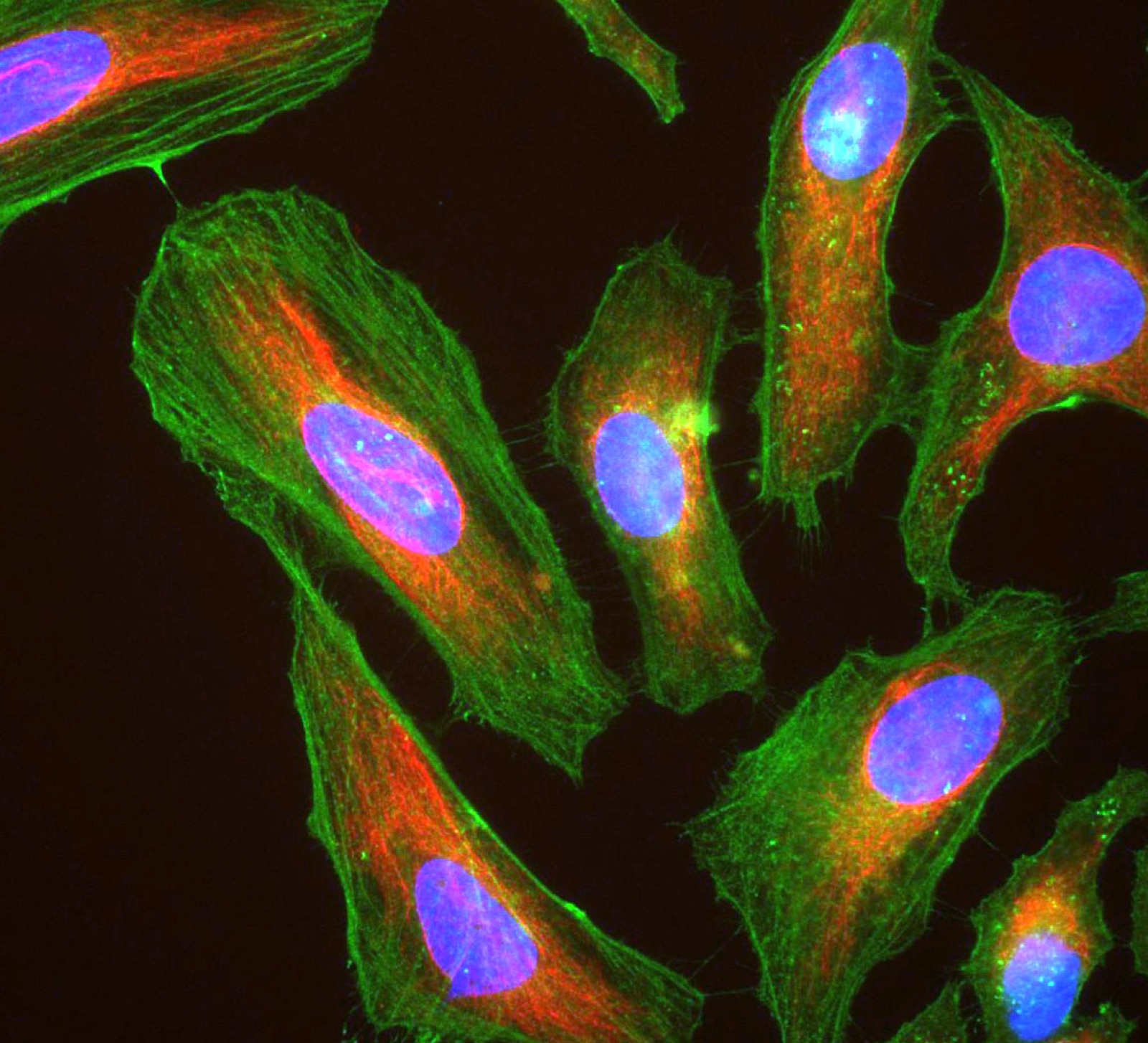
Henrietta Lacks and the Cells That Would Not Die
In the early months of 1951, a thirty-one-year-old Black woman named Henrietta Lacks went to the Johns Hopkins Hospital in Baltimore — one of the few hospitals in the segregated United States that would treat Black patients — with a cervical cancer that was killing her with frightening speed. During her treatment, a surgeon shaved two small samples from her cervix, one healthy and one cancerous, and sent them to a laboratory down the hall. No one asked Henrietta's permission, and no one told her; this was simply how things were done, especially to a poor Black patient in a charity ward. She died that October and was buried in an unmarked grave. But the cancer cells from that sample did something no human cells had ever reliably done before: they survived, and divided, and kept dividing, doubling every day, apparently without limit. They were the first immortal human cell line, and the scientist who grew them named them HeLa, after the first letters of her first and last names. Over the following decades those cells — descended from a woman almost no one knew anything about — would become one of the foundational tools of modern biology: used to develop the polio vaccine, to map the human genome, to test drugs and radiation and cosmetics, to study cancer and AIDS and the viruses that cause them, sent into space, and grown by the ton and sold around the world in a multi-billion-dollar industry. Henrietta's own family knew none of it for more than twenty years, received nothing, and in many cases could not afford the medicine her cells helped create. This is the story of the woman behind HeLa, of what was taken and what was built from it, and of a debt that the science of an era was structured never to pay.
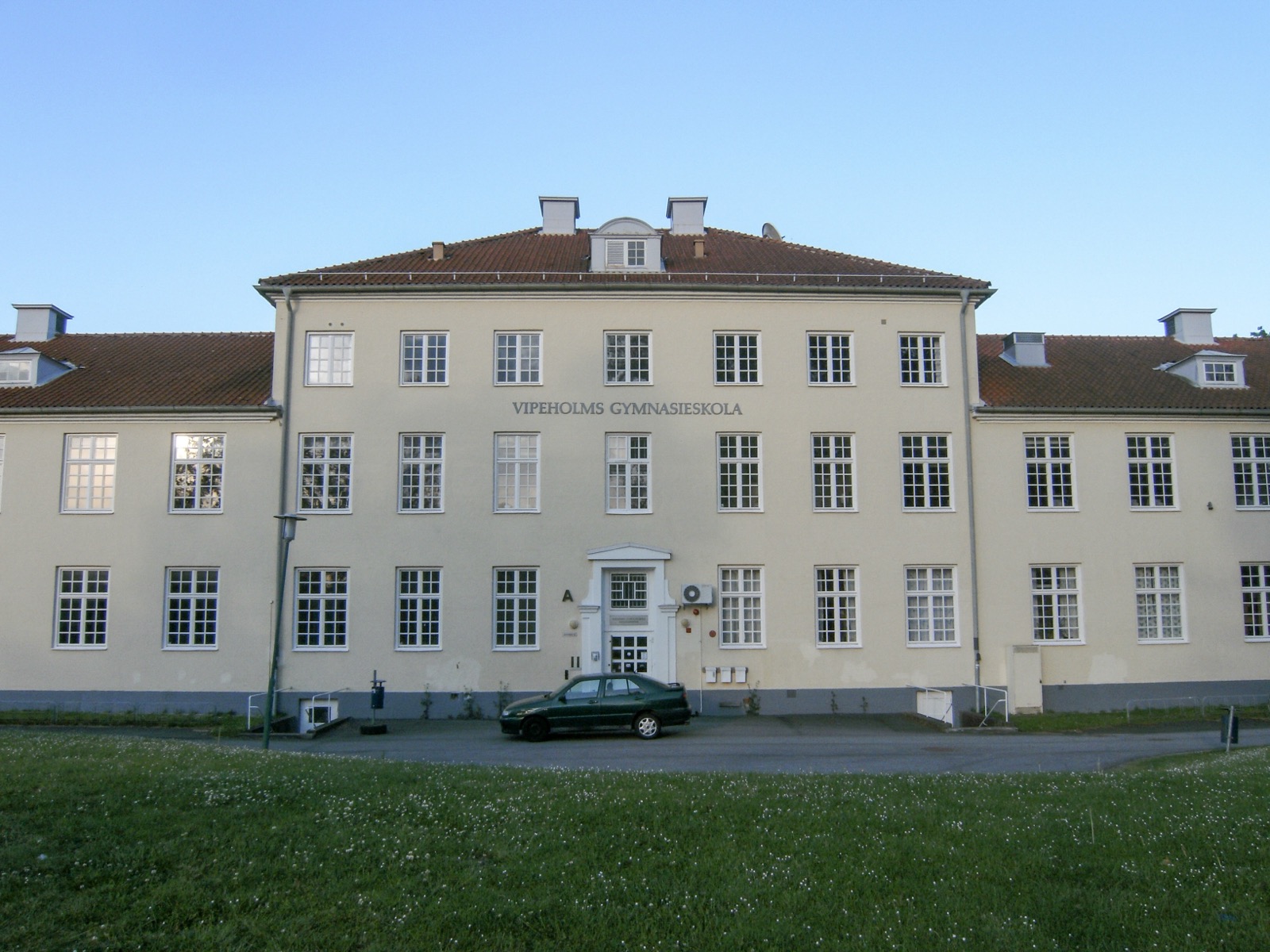
The Vipeholm Experiments and the Toffee Made to Rot Teeth
At the Vipeholm hospital outside Lund, in southern Sweden, the patients could not leave and could not consent. They were adults with severe intellectual disabilities, classified in the language of the time as 'uneducable,' housed for life in a state institution that controlled every meal they ate. And in the years after the Second World War, that total control made them, in the eyes of Sweden's medical authorities, the perfect material for an experiment. The country had one of the worst rates of tooth decay in the world, and the National Board of Health wanted to understand, definitively, what caused it. So between 1945 and the mid-1950s, researchers used the people of Vipeholm to find out — feeding different groups different diets, and, in the most notorious phase, giving some of them large quantities of a specially formulated sticky toffee, eaten between meals, that was engineered to cling to the teeth and bathe them in sugar for as long as possible. The patients' mouths were the laboratory. Many of them developed severe, irreversible cavities. The studies that resulted were a genuine scientific landmark: they established, more clearly than any work before, that it is sugar — and above all sugar eaten frequently and in sticky form — that drives tooth decay. That finding reshaped dentistry and gave Sweden its enduring tradition of lördagsgodis, sweets saved for Saturdays. But it was bought with the teeth of people who were never asked, and could not have answered. This is the story of what was done at Vipeholm, what it taught the world, and the question it leaves about the price of knowledge.
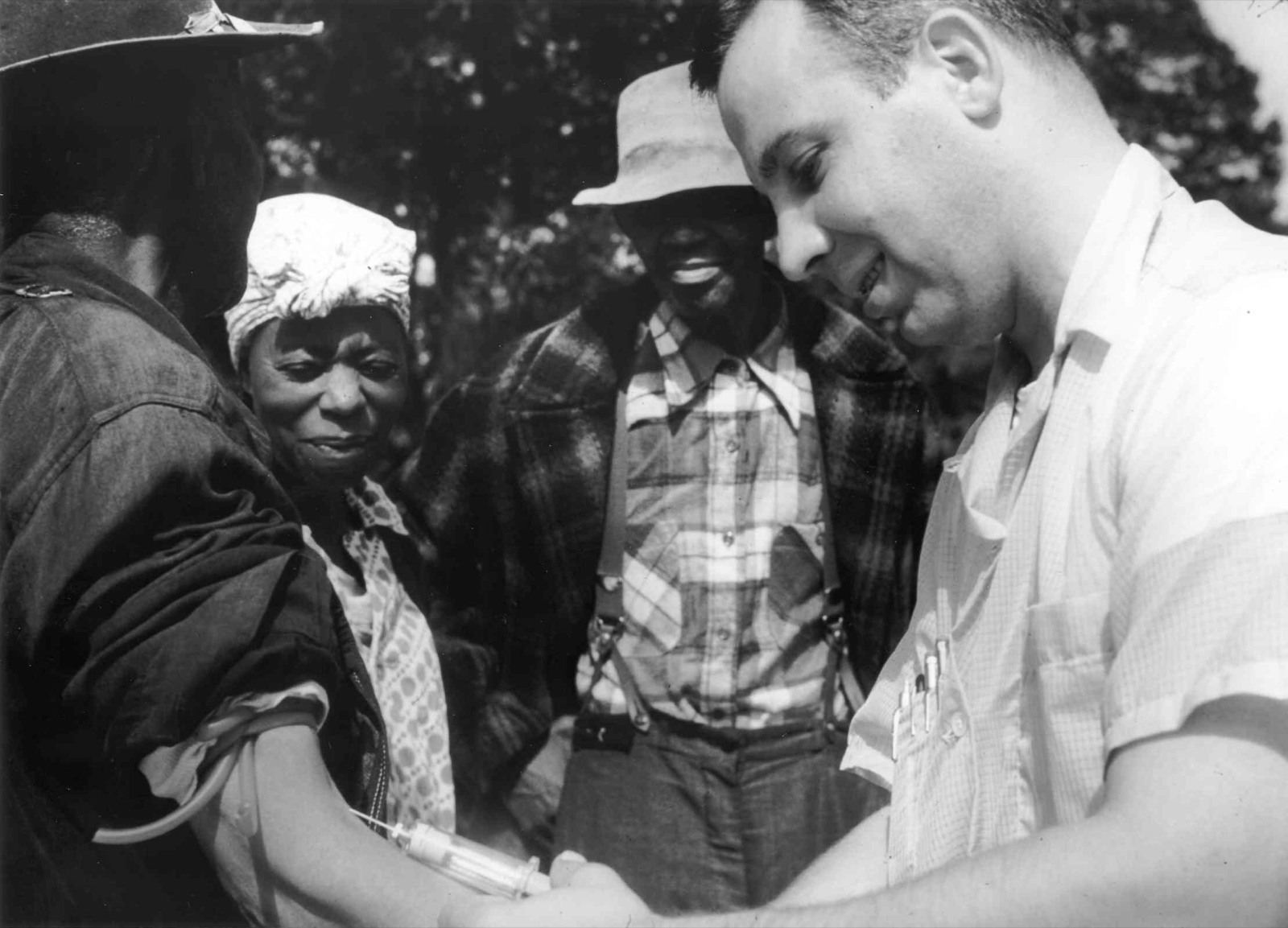
The Tuskegee Syphilis Study
In 1932, the U.S. Public Health Service began a study of 399 Black men in Macon County, Alabama, who had syphilis. They were told they were being treated. They were not. For forty years — including the twenty-five years after penicillin became standard care — the Public Health Service watched the disease take its course. A whistleblower's documents reached the Associated Press on July 25, 1972, and the study ended a few months later. President Clinton apologized on behalf of the United States government in 1997.
4 files · end of the line