Tag
#japan
4 articles
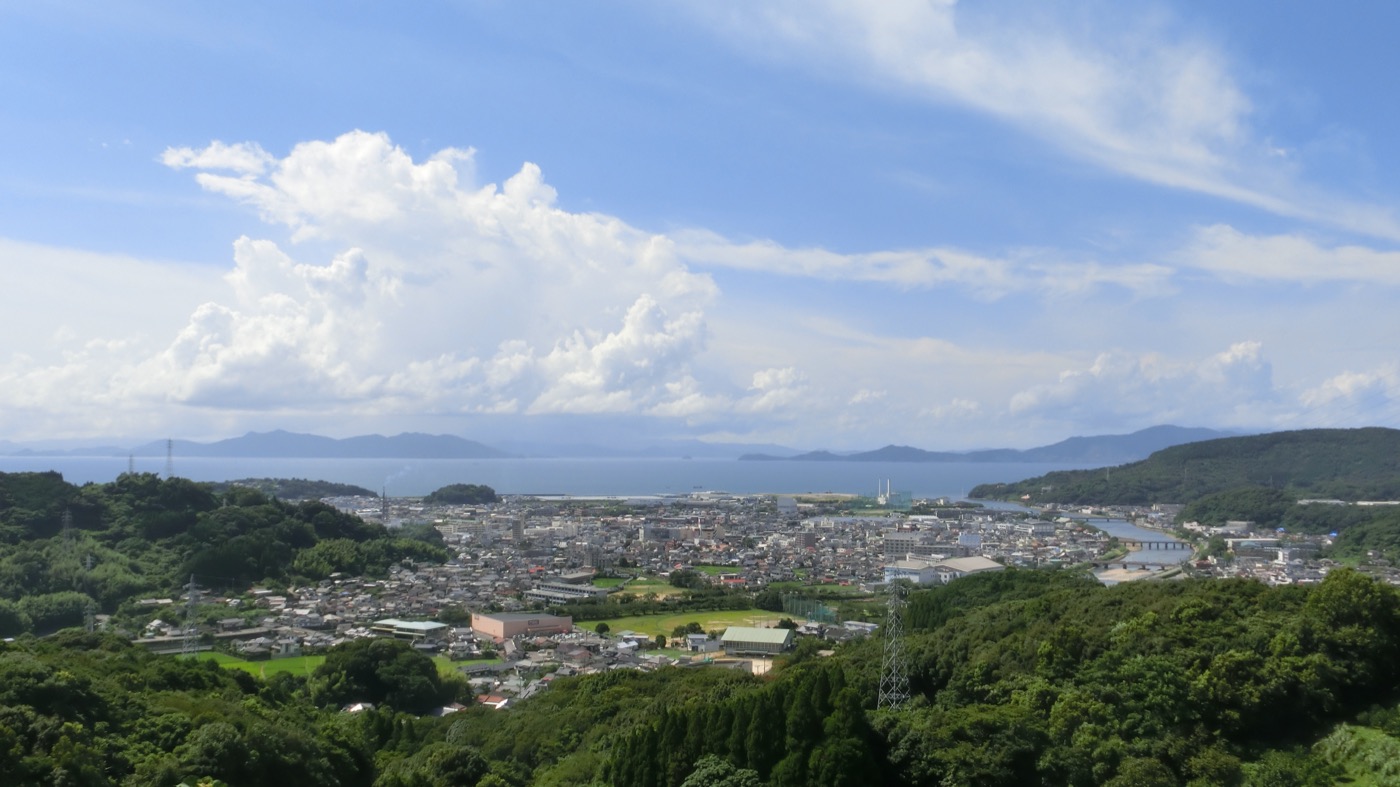
Minamata: The Mercury Poisoning a Company Hid for Years
For more than three decades, a chemical factory in the small Japanese coastal town of Minamata discharged mercury into the sea, and for years the company that owned it knew, or had every reason to know, what that mercury was doing to the people who lived there. The Chisso Corporation made acetaldehyde using a process that produced methylmercury as a by-product, and from the 1930s it released that poison, in its untreated wastewater, into Minamata Bay and the surrounding Shiranui Sea. The mercury accumulated in the fish and shellfish that were the daily food of the local fishing families, and it destroyed their nervous systems. By the 1950s the town was witnessing terrible scenes: cats convulsing and hurling themselves into the sea, birds dropping from the sky, and then people — fishermen and their wives and their children — struck down by a mysterious illness that robbed them of control over their bodies, their senses, and sometimes their lives. Children were born already poisoned, having absorbed the mercury in the womb. When researchers traced the cause to the Chisso factory's effluent, the company disputed the science, funded doubt, and kept discharging mercury for years more. Most damning of all, Chisso's own company doctor had proved, in a quiet experiment with cats, that the factory's wastewater caused the disease — and the company suppressed his findings and ordered him to stop. The poisoning continued until 1968. The victims would spend decades fighting for recognition, compensation, and the simple acknowledgement of what had been done to them. This is the story of Minamata disease, one of the defining environmental catastrophes of the twentieth century, and of the long concealment at its heart.
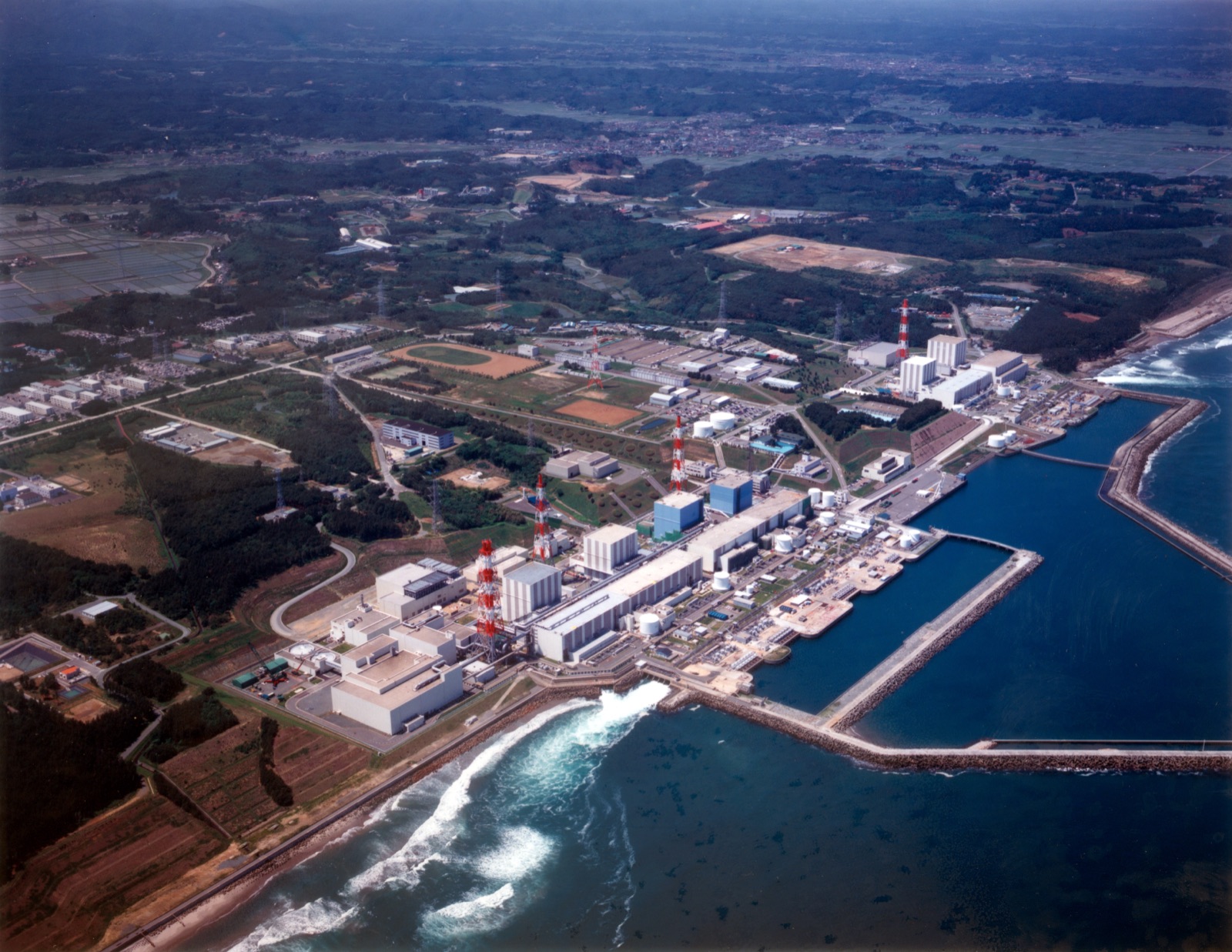
Fukushima and the Disaster That Was Foreseen
At 14:46 on the afternoon of Friday, March 11, 2011, the seabed ruptured off the Pacific coast of northern Japan in a magnitude 9.0 earthquake — the most powerful ever recorded in the country — and some fifty minutes later a tsunami reaching fourteen metres and more came over the sea wall at the Fukushima Daiichi Nuclear Power Plant, operated by the Tokyo Electric Power Company. The waves flooded the basements where the emergency generators stood, the plant lost all electrical power, and the cooling systems for three operating reactors went dark. Over the following four days the cores of units 1, 2, and 3 melted, hydrogen explosions tore the roofs off reactor buildings on March 12, 14, and 15, and radioactive material spread across the surrounding prefecture and out to sea. The accident was rated, with Chernobyl, at the maximum level of the international scale — Level 7. More than 150,000 people were evacuated from their homes, some of them never to return. And yet the central fact of Fukushima is not the wave. It is that the wave had been foreseen: that TEPCO's own engineers had calculated, three years earlier, that a tsunami of 15.7 metres was possible at the site, and that the company had deferred, doubted, and shelved the finding rather than act on it. When the National Diet of Japan convened the first independent investigation commission in the country's constitutional history, its chairman, Kiyoshi Kurokawa, wrote that what happened at Fukushima 'was a profoundly man-made disaster — that could and should have been foreseen and prevented.' This article examines the four days the cores melted, the warning that was filed away, the word the operator would not say for two months, and the strange arithmetic of accountability that followed: three executives acquitted in a criminal court, and four ordered in a civil one to pay their old company thirteen trillion yen.
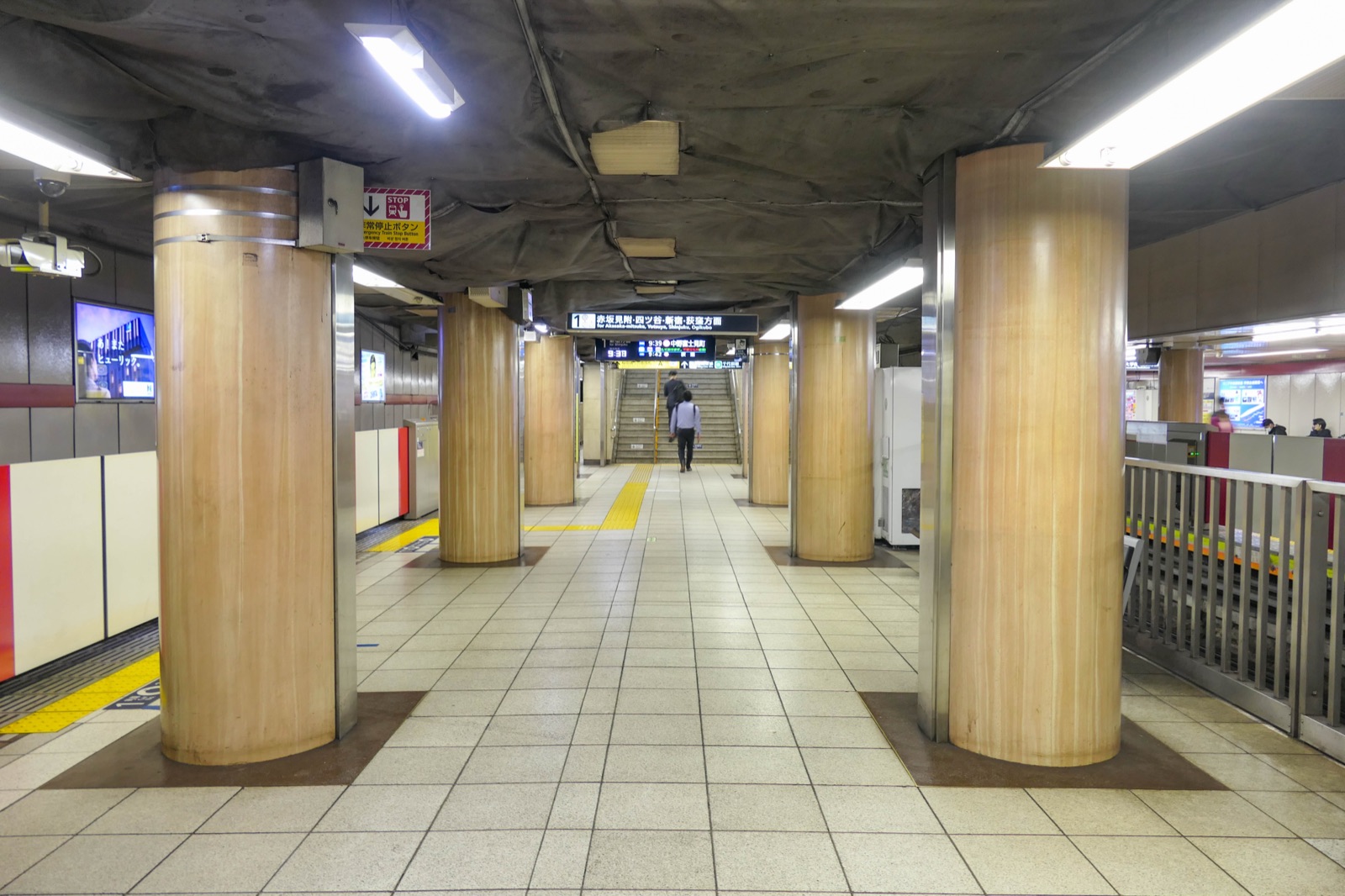
Aum Shinrikyo and the Tokyo Subway Attack
At 7:48 a.m. on Monday, March 20, 1995, five members of the Japanese new-religious-movement *Aum Shinrikyo* boarded five different trains on three converging Tokyo subway lines. Each carried two or three plastic bags wrapped in newspaper, each bag containing approximately 600 milliliters of impure liquid sarin. As the trains approached Kasumigaseki station — the station at the political heart of Tokyo, beneath the National Diet, the Supreme Court, and the major ministries — each man set down his package, pierced the bags with the sharpened tip of an umbrella, and stepped off at the next station. The released sarin evaporated through the morning commute. The first 911 call came at 8:09 a.m. By the time the trains had been cleared, hospitals across Tokyo were processing the largest mass-casualty event in Japanese postwar history: 13 dead (a 14th died of injuries 14 years later), approximately 5,800 injured, of whom approximately 1,000 required hospitalization. The attackers belonged to a cult that, in 1989, had been registered as a recognized religious organization with Japanese authorities, and by 1995 claimed approximately 40,000 members worldwide. Its founder, Shoko Asahara — a half-blind acupuncturist and yoga instructor — had ordered the attack as part of a planned millenarian apocalypse that would establish Aum theocratic rule in Japan. Asahara was executed by hanging on July 6, 2018, together with six other Aum senior figures. The attack remains the single most consequential act of chemical-weapon terrorism by a non-state actor in modern history.
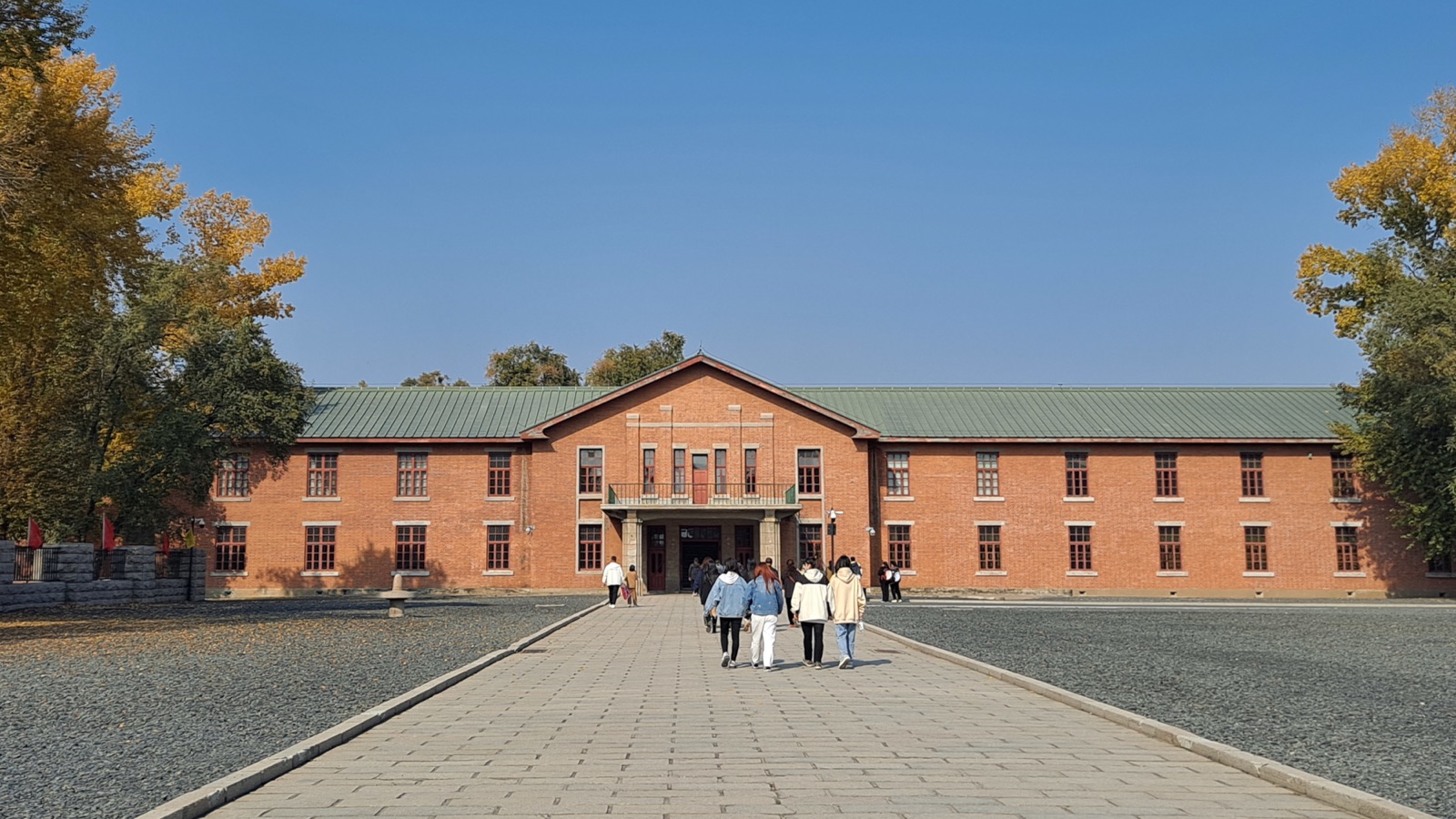
Unit 731
Between 1936 and 1945, the Imperial Japanese Army operated a 6-square-kilometer biological-warfare research compound at Pingfang, 24 kilometers south of the city of Harbin in Japanese-occupied Manchuria. The compound's bureaucratic designation was the *Epidemic Prevention and Water Purification Department of the Kwantung Army* — Unit 731 (七三一部隊, *Nana-san-ichi Butai*) was the unit number. Under its founding director, Surgeon General Shirō Ishii (1892-1959), Unit 731 conducted a sustained program of lethal medical experimentation on prisoners — primarily Chinese, but including Korean, Russian, and Allied POW subjects. The experiments included vivisection without anesthesia, deliberate frostbite induction and amputation, deliberate infection with plague, anthrax, cholera, typhus, and other pathogens, weapons-testing experiments using captured prisoners as targets, and field-testing of biological weapons on Chinese civilians in cities including Ningbo (1940) and Changde (1941). The total number of victims is contested; the most-cited estimates range from 3,000 to 12,000 direct experimental subjects plus a much larger number of Chinese civilians killed in field-deployment operations (estimates range from 200,000 to 580,000 across Chinese cities). When Soviet forces declared war on Japan in August 1945, Unit 731 personnel destroyed the Pingfang compound, killed the remaining ~400 prisoners, and escaped to Japan. Twelve Unit 731 staff were prosecuted at the 1949 Soviet Khabarovsk War Crime Trial; none were prosecuted at the 1946-1948 Allied International Military Tribunal for the Far East (the Tokyo Trials). General Ishii and his senior officers received explicit immunity from prosecution from U.S. occupation authorities under General Douglas MacArthur, in exchange for the surrender of Unit 731's research records and Ishii's personal cooperation. The U.S. Army declassification of approximately 100,000 pages of Unit 731-related material between 1999 and 2007 established the operational details of the immunity arrangement. The Japanese government did not formally acknowledge Unit 731 until 2002; it has not formally apologized.
4 files · end of the line