Tag
#kennedy
4 articles
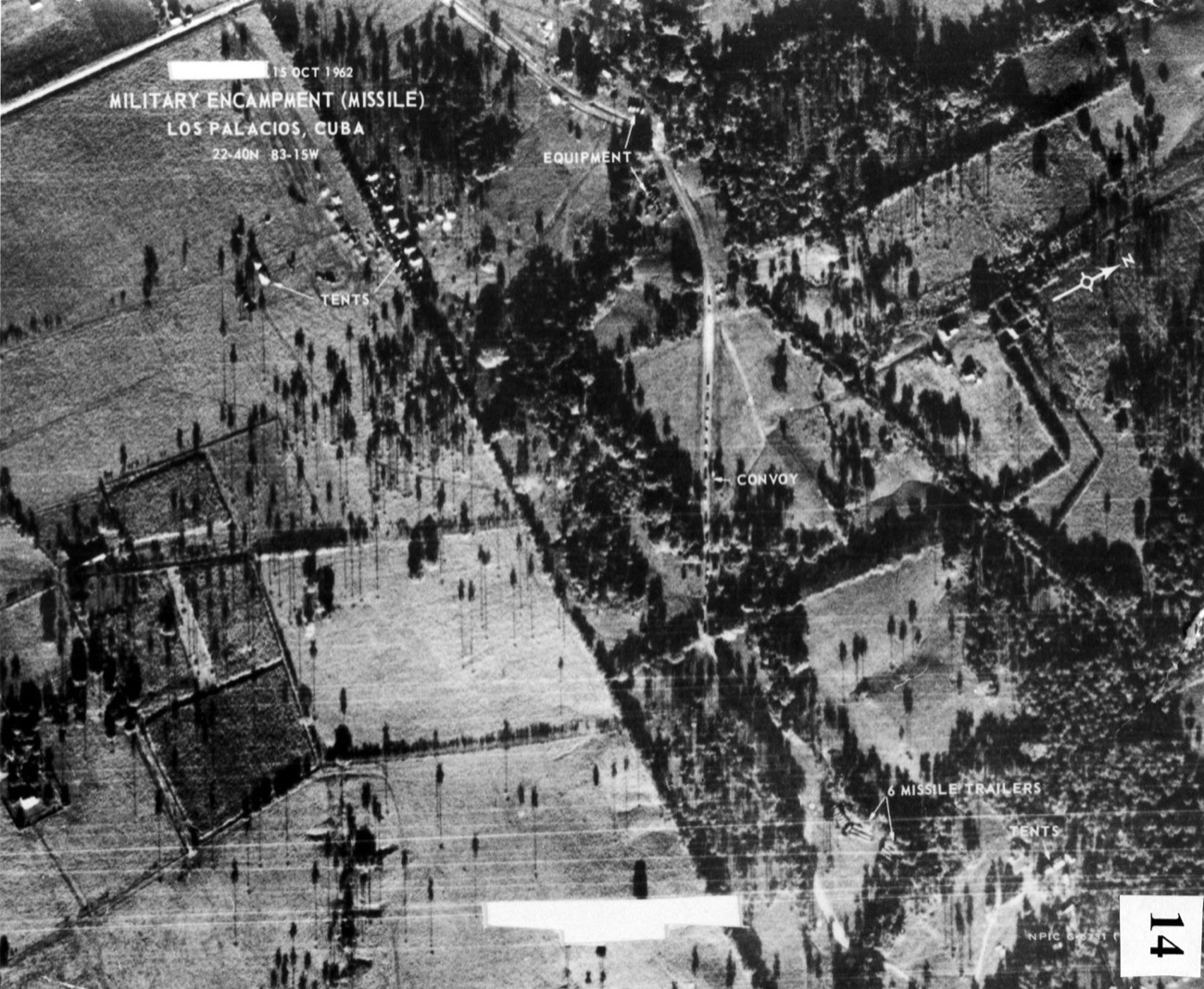
The Cuban Missile Crisis: Thirteen Days on the Nuclear Brink
In October 1962, the Cold War came within a hair's breadth of becoming a nuclear one. For thirteen days that month, the United States and the Soviet Union confronted each other over the discovery that the Soviets had secretly installed nuclear missiles in Cuba, ninety miles from the American coast, capable of striking much of the United States within minutes. American reconnaissance had caught the deployment while the missile sites were still being built; President John F. Kennedy imposed a naval blockade of the island and demanded the missiles' removal; and for the better part of two weeks the world held its breath as the two superpowers, each armed with the power to destroy the other and much of humanity, edged toward the abyss. It was, and remains, the closest the world has ever come to full-scale nuclear war — closer, it later emerged, than even the participants understood at the time, with more than one moment in which a single decision, or a single frightened officer, might have triggered catastrophe. That it ended not in annihilation but in a negotiated settlement was the product of nerve, restraint, back-channel diplomacy, a secret deal, and no small amount of luck. This is the story of the Cuban Missile Crisis — the secret deployment, the discovery, the standoff, the near-catastrophes, and the fragile bargain that saved the world.
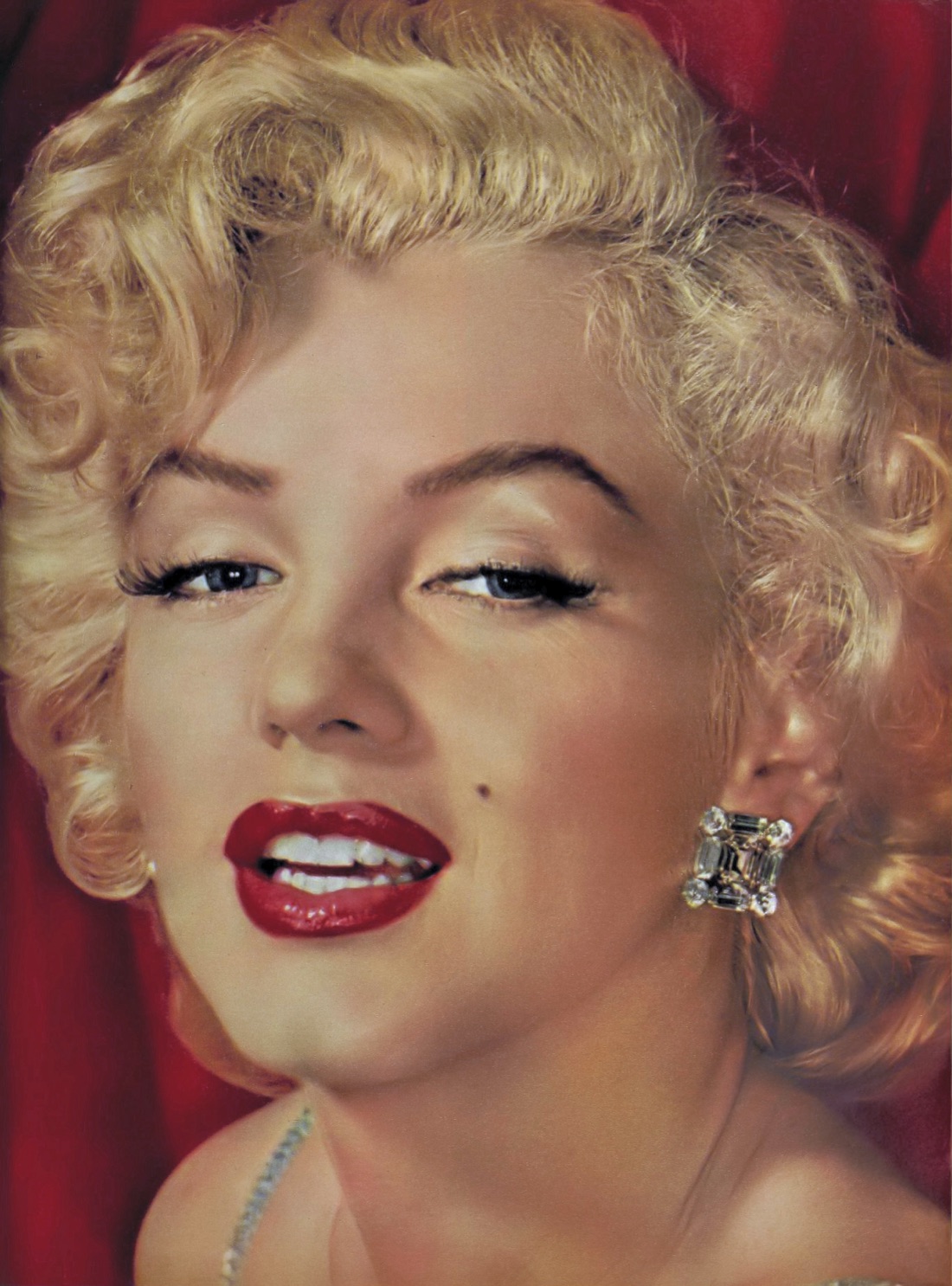
The Death of Marilyn Monroe: The Star, the Overdose, and the Theories
In the early hours of 5 August 1962, Marilyn Monroe — the most photographed and adored star of her age, an icon of Hollywood glamour recognised the world over — was found dead in the bedroom of her modest home in the Brentwood district of Los Angeles. She was thirty-six years old. The Los Angeles County coroner determined that she had died of acute barbiturate poisoning, a lethal quantity of sleeping pills in her system, and classified the death as a 'probable suicide,' consistent with her long and painful history of depression, insomnia, and dependency on the drugs that both sustained and endangered her. It should have been, and in its essentials was, the tragic end of a brilliant, fragile woman whom fame had exploited more than it had protected. But the investigation that night was careless and confused, the timeline muddled, the accounts of those present contradictory; and Monroe's rumoured connections to President John F. Kennedy and his brother, Attorney General Robert Kennedy, gave rise almost immediately to whispers, and then to an enduring industry, of conspiracy — that she had been murdered, or silenced, to protect powerful men. Sixty years on, those theories persist, unproven and unpersuasive, while the documented evidence points, as it did from the start, toward a lonelier and more ordinary tragedy. This is the story of the death of Marilyn Monroe — what is known, what is not, and why the difference matters.
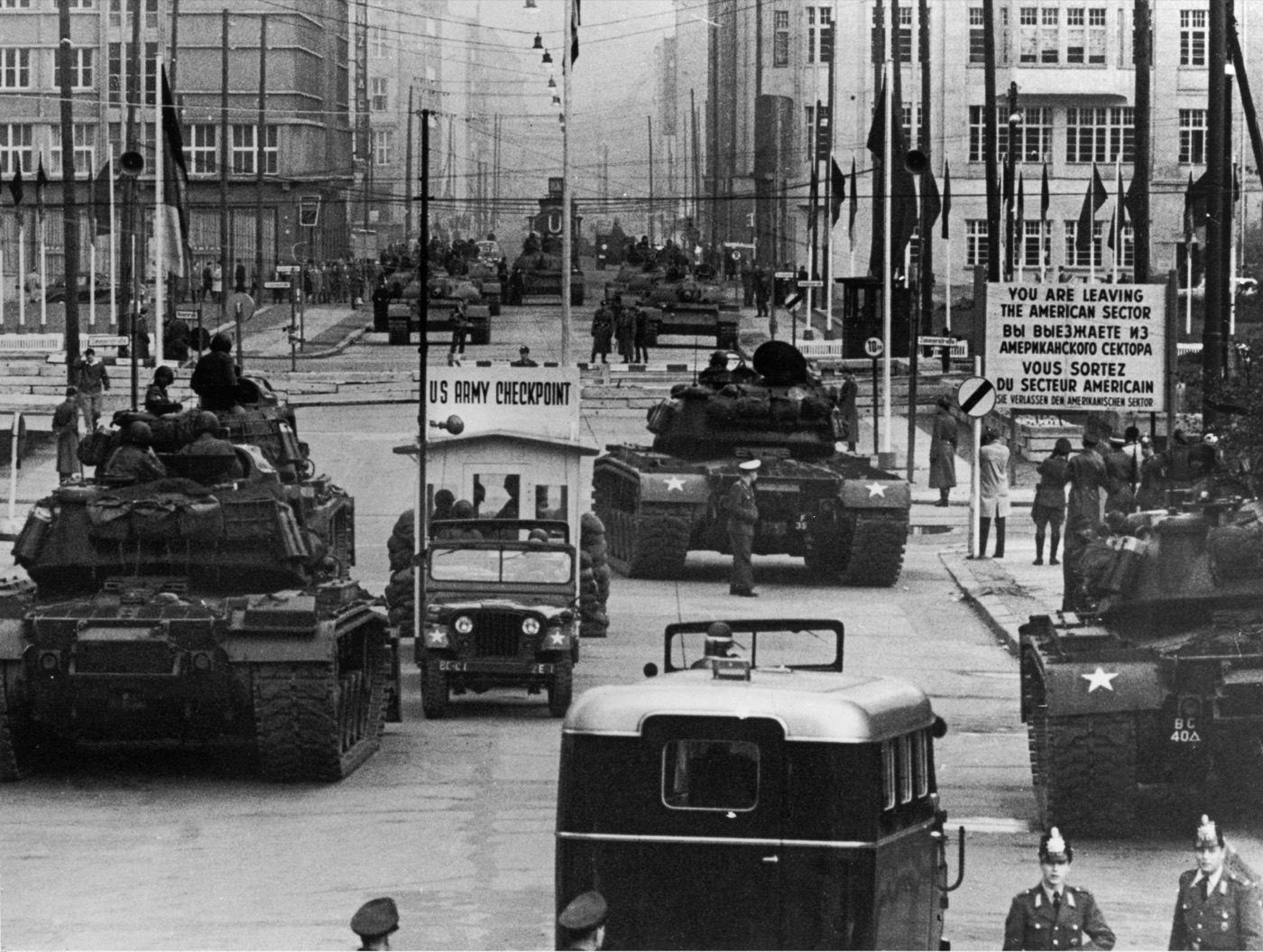
The Building of the Berlin Wall, 1961
For more than a decade after the Second World War, Berlin was the great open wound of the Cold War and its most dangerous flashpoint. The city lay deep inside communist East Germany, yet it was itself divided into a Soviet-controlled east and a Western-controlled west, and the border that ran through it remained, almost uniquely, open. Through that gap, across the 1950s, millions of East Germans simply walked to freedom — boarding a train or a tram in the east and stepping off in the west, and from there flying out to a new life. They were disproportionately the young, the skilled, the educated: doctors, engineers, teachers, the very people a struggling socialist state could least afford to lose. By 1961 this haemorrhage threatened the survival of East Germany itself, and its leaders, with the backing of the Soviet Union, resolved to stop it the only way they could — by closing the door. In the early hours of Sunday 13 August 1961, East German troops and police moved into position along the sector boundary and began to seal it with barbed wire, tearing the city in two while most of its people slept. Within days the wire was giving way to concrete, and a permanent wall was rising through streets and squares, separating families, neighbours, and workplaces with a suddenness that stunned the world. The Western powers protested furiously but did not intervene, for they understood that the wall, monstrous as it was, did not threaten their own position in West Berlin — and that to challenge it by force risked a war that might go nuclear. The Berlin Wall would stand for twenty-eight years as the physical embodiment of a divided world. This is the story of the weekend it went up.
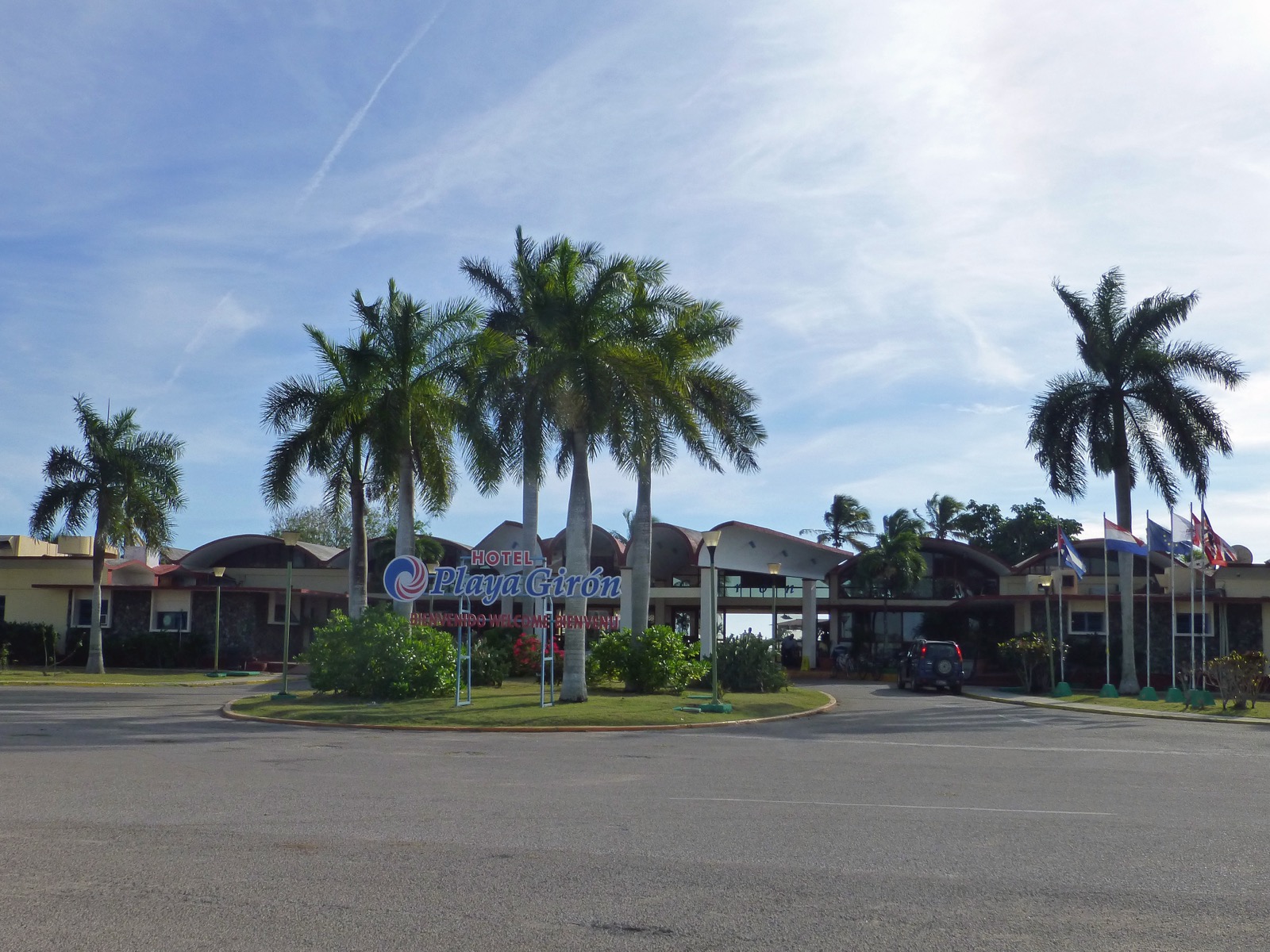
The Bay of Pigs
On the night of Sunday, April 16, 1961, approximately 1,400 Cuban exiles trained by the United States Central Intelligence Agency embarked from a staging port at Puerto Cabezas on Nicaragua's Mosquito Coast aboard chartered freighters of the García Line. They were Brigade 2506 — the operational unit codename derived from the serial number of the brigade's first combat fatality during the Guatemalan training phase. Their objective: an amphibious landing on the southern coast of Cuba at Bahía de Cochinos — the Bay of Pigs — followed by the establishment of a beachhead from which a provisional Cuban government-in-exile would be declared, internal opposition to Fidel Castro's two-and-a-half-year-old revolutionary government would be encouraged, and conventional U.S. military intervention could, if events warranted, be requested under cover of a civil war already in progress. The plan had been developed under the Eisenhower administration from March 1960; the operational variant executed in April 1961 had been authorized by President John F. Kennedy, in office for 87 days, on April 4 and again on April 16. The operation was, in its own operational terms, a comprehensive failure: the air strikes on Cuban airfields scheduled for the morning of April 15 destroyed only a fraction of Castro's air force; the landings on April 17 met immediate, sustained, and well-organized resistance; the second wave of U.S. air support was cancelled by Kennedy on April 16-17; the brigade was overrun at the beach within 72 hours. Brigade casualties: 114 killed, 1,189 captured. The captured personnel were held in Cuba until December 1962 when they were exchanged for approximately $53 million in U.S.-supplied food and medicine. Within weeks of the operation, Kennedy had requested the resignations of CIA Director Allen Dulles, CIA Deputy Director Charles Cabell, and Deputy Director for Plans Richard Bissell. Within eighteen months, the Soviet decision to install medium-range nuclear missiles on Cuban territory — a decision Nikita Khrushchev later attributed in part to the demonstration of U.S. willingness to attempt military overthrow — had brought the United States and the Soviet Union to within hours of nuclear exchange. The Bay of Pigs is the foundational documented operational failure of the U.S. intelligence community and the immediate institutional precursor to the Cuban Missile Crisis.
4 files · end of the line