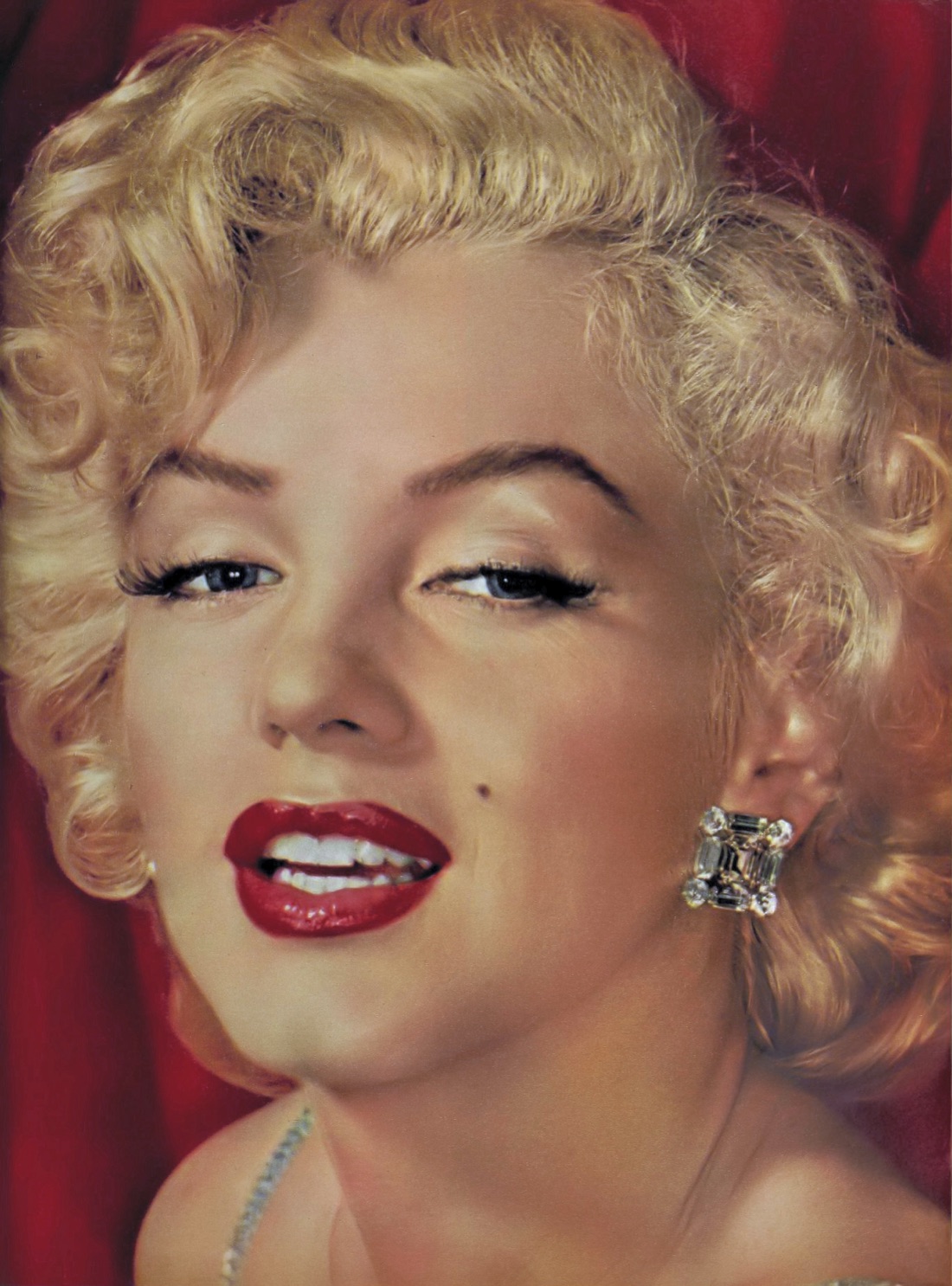
Marilyn Monroe, photographed near the end of her life. The most famous star of her era, she died in 1962 at the age of thirty-six. Wikimedia Commons / Public Domain.
The Death of Marilyn Monroe: The Star, the Overdose, and the Theories
Los Angeles, 5 August 1962 — The most famous woman in the world was found dead in her Brentwood home at thirty-six, killed by a barbiturate overdose the coroner ruled a probable suicide. A sloppy investigation and her ties to the Kennedys have fed decades of theories — but the evidence tells a quieter, sadder story
- Category
- Assassinations & Disappearances
- Published
- Length
- 3,550 words · 18 min read
- Author
- The editors
The death of Marilyn Monroe sits at the intersection of two very different things: a genuine human tragedy and a durable cultural myth. The tragedy is that of a gifted, troubled woman, damaged by a brutal childhood and by the machinery of fame, who struggled all her adult life with mental illness and with a dependence on the barbiturates that killed her, and who died alone at thirty-six. The myth is the one that has grown up around that death — of murder and cover-up, of the Kennedys and the mob and the CIA, of a woman who knew too much and was silenced for it. The two are not equally supported by evidence. The tragedy is documented in the coroner's report, in the accounts of those who knew her, and in the long, sad record of her suffering; the myth rests on the undeniable sloppiness of the investigation and on speculation about her private life, inflated over decades into something the facts cannot bear. To write honestly about Monroe's death is to hold these apart: to take seriously the real inconsistencies in the case without pretending they prove what they do not, and, above all, to remember the person at the centre of it, too often lost behind the icon and the intrigue.
This is the story of her death.
Norma Jeane
Behind the dazzling public image was a life of extraordinary hardship and resilience. Marilyn Monroe was born Norma Jeane Mortenson in Los Angeles in 1926, to a mother who suffered from severe mental illness and could not care for her; she spent her childhood in a succession of foster homes and an orphanage, enduring instability and, by her own account, abuse. She married young, worked in a factory, and was discovered as a model before breaking into film. Reinvented as "Marilyn Monroe," she clawed her way to stardom through the early 1950s, and by the middle of the decade was one of the biggest stars in the world, luminous on screen in films like Gentlemen Prefer Blondes, The Seven Year Itch, and Some Like It Hot, which showcased a comic gift and a screen presence that outlasted the "dumb blonde" roles the studios pressed on her.
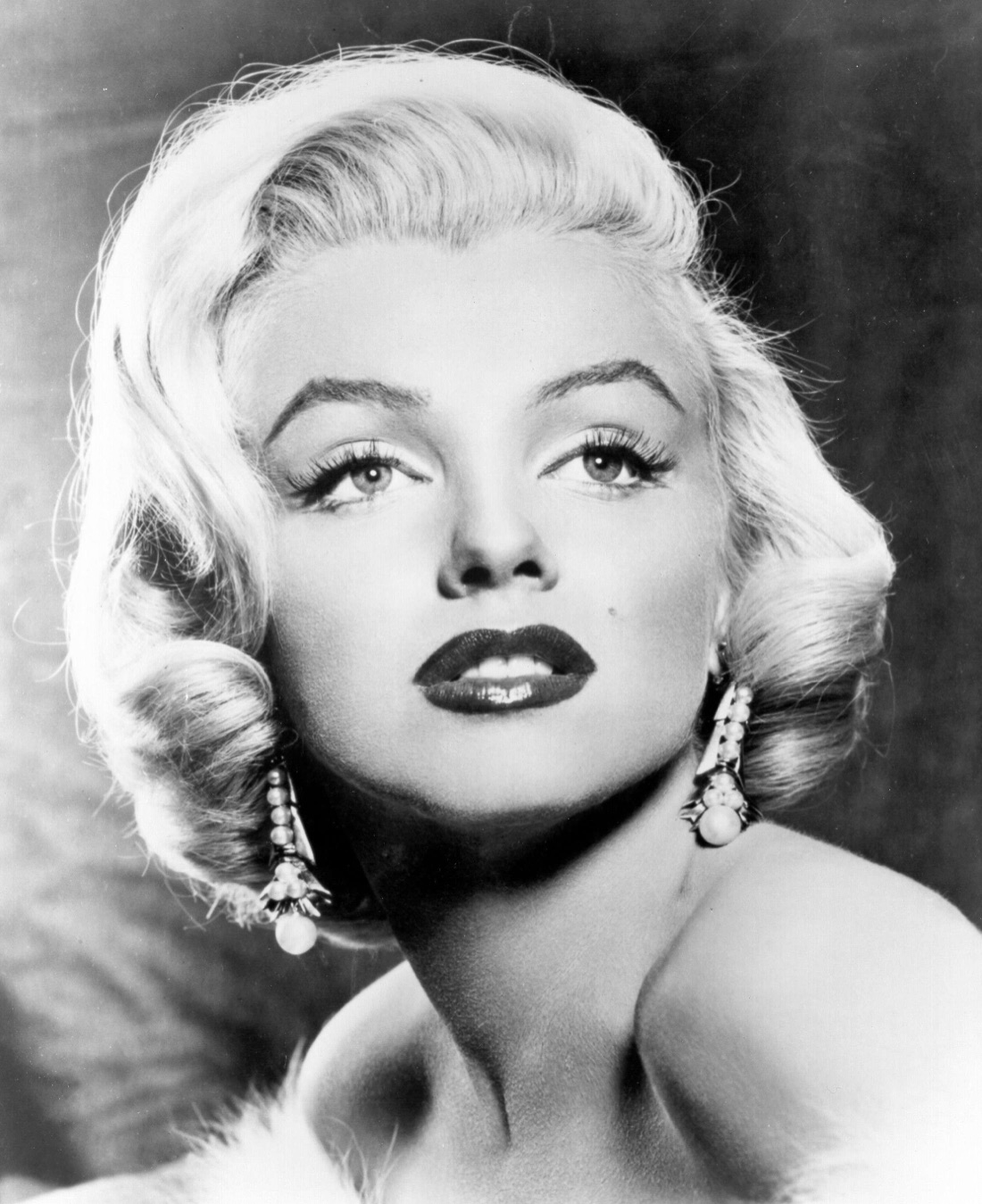
But fame did not heal the wounds beneath. Throughout her adult life Monroe struggled with depression, anxiety, and chronic insomnia, and increasingly with the barbiturates and other drugs prescribed to manage them — a dependency that, in an era of casual over-prescription and little understanding of addiction, went dangerously unchecked. She was intelligent, ambitious, and serious about her craft, studying at the Actors Studio and forming her own production company, yet she was also profoundly insecure, prone to lateness and paralysing anxiety on set, and caught in a cycle of stardom and self-doubt. Her marriages — to the baseball legend Joe DiMaggio and the playwright Arthur Miller — brought her little lasting happiness. The woman the world saw as the embodiment of confident glamour was, in private, often frightened and alone.
The final year
The last year of Marilyn Monroe's life was one of turmoil, but also, in ways that complicate the simplest reading of her death, of tentative hope. Professionally, 1962 was a crisis: she was fired from the film Something's Got to Give for chronic absences blamed on her fragile health, her reputation in Hollywood at a low ebb. Personally, she was isolated, her marriages behind her, dependent on her psychiatrist Dr. Ralph Greenson to a degree many later found troubling, and leaning heavily on medication to sleep. And yet, against this, there are signs that she was also planning for a future: negotiating her return to the film, giving interviews, redecorating her newly bought house — the first home she had ever owned — and speaking of projects to come. This ambiguity, between despair and hope, is part of why her death has never resolved into a single clear story.
Central to any honest account is the reality of her mental health and addiction, too often glossed over in the rush to intrigue. Monroe had made previous suicide attempts or overdoses, had been briefly hospitalised in a psychiatric clinic in 1961, and was, by the accounts of those close to her, in a precarious emotional state, cycling between medications prescribed by more than one doctor. In the context of 1962 — before modern understanding of addiction, depression, and the lethal interactions of barbiturates — a fatal overdose, whether deliberate or accidental, was a tragically foreseeable risk for a woman in her condition. This is not the stuff of conspiracy; it is the ordinary, preventable machinery of a mental-health tragedy, and it is where the evidence most clearly points.
The night
The events of the night of 4 to 5 August 1962 are known chiefly through the accounts of the two people at the house: Monroe's housekeeper, Eunice Murray, and her psychiatrist, Dr. Ralph Greenson, whom Murray called that night. By the generally accepted outline, Monroe retired to her bedroom in the evening; later, Murray, noticing a light under the door and unable to rouse her, became alarmed and summoned Greenson, who broke in through a window and found Monroe unresponsive in her bed, an array of pill bottles nearby. She was already dead. The police were called, and she was pronounced dead at the scene in the small hours. It was, on its face, the discovery of a woman who had died of an overdose in her sleep.

It is worth noting that the coroner did not rest on the toxicology alone. To help determine the manner of death, his office convened a "psychological autopsy" — a review by a team of suicide experts from the Los Angeles Suicide Prevention Center, who examined Monroe's history, her state of mind, and the circumstances, and concluded that suicide was the most probable explanation, consistent with her depression, her prior overdoses, and her habitual, sometimes careless use of sedatives. It was a more careful process than the case's reputation for sloppiness suggests, and it is part of why the "probable suicide" finding, for all the genuine uncertainty around it, has proved durable. The messiness lay less in the medical determination than in the handling of the scene and the timeline, and it is there that doubt has always fed.
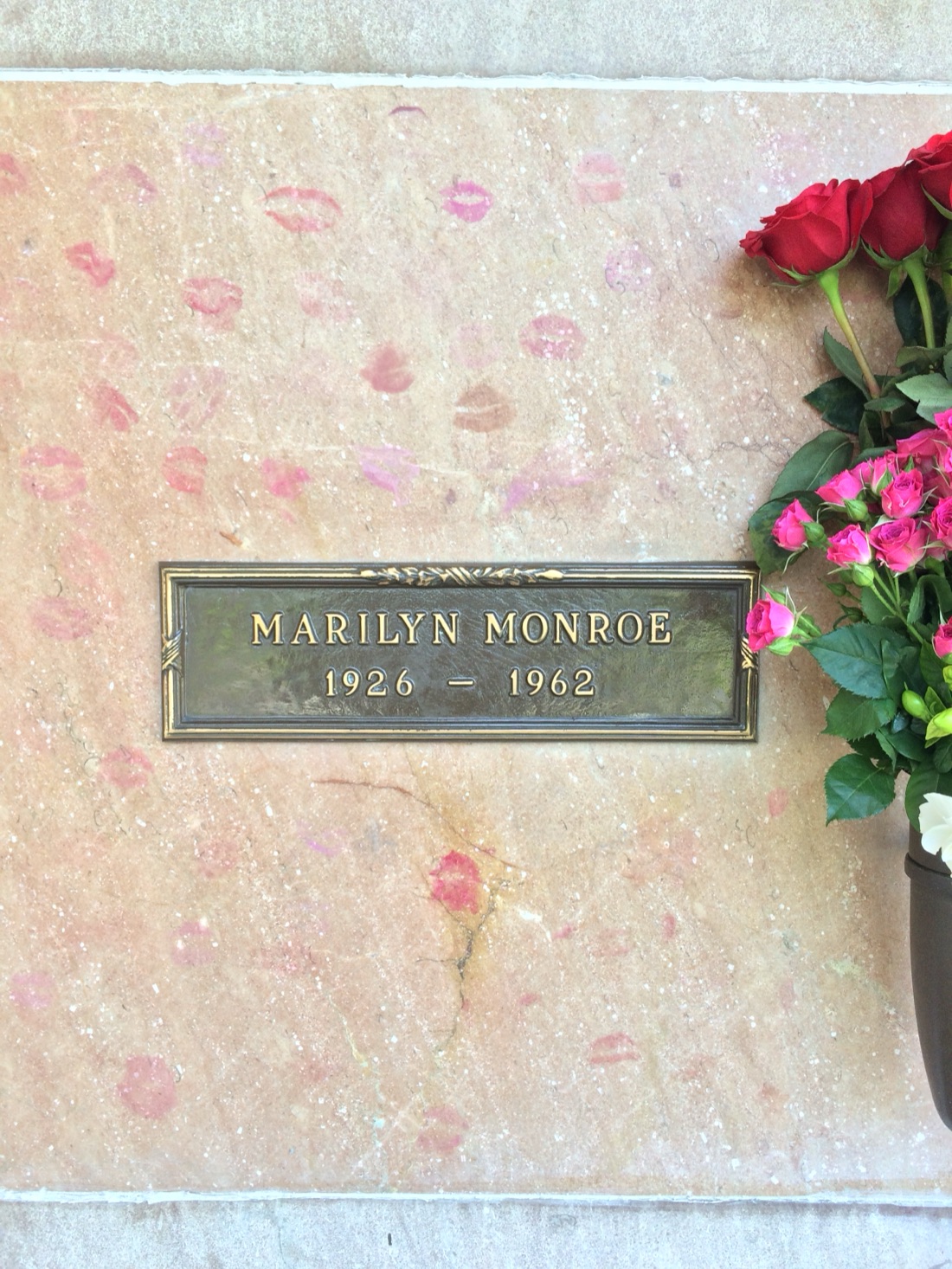
The human aftermath, too, deserves remembering. Monroe's funeral, a small and private affair, was arranged not by the Hollywood establishment that had used her but by her former husband Joe DiMaggio, who pointedly excluded the film-industry figures he blamed for her unhappiness and who, for two decades afterward, had roses delivered to her crypt. That gesture — a private grief set against the public spectacle her death became — captures something essential about the case: the gulf between the real woman, mourned by the few who had loved her, and the mythologised figure whose death the world would spend sixty years turning into a puzzle.
The inconsistencies
If the cause of death is clear, the circumstances around it are genuinely untidy, and it is these loose ends, not any physical evidence of murder, that have fed decades of doubt. The investigation was, by common consent, poorly handled: the scene was not treated with the rigour a suspicious death demands, and important questions went unasked or unanswered. The timeline of the night was confused, with apparent delays between the discovery of Monroe's body and the call to police that were never satisfactorily explained. Eunice Murray's account shifted over the years, and in later life she made remarks that seemed to hint at more than she had originally told, without ever amounting to a coherent alternative story. Some observers questioned how Monroe could have swallowed so many pills without more residue being found in her stomach, raising theories of injection or other means — though medical experts have noted that rapid absorption can account for this.
The Kennedy theories
The conspiracy theories that have attached themselves to Monroe's death center on her rumoured relationships with the two most powerful brothers in America: President John F. Kennedy and his brother, Attorney General Robert F. Kennedy. That Monroe had some association with the Kennedys is historically supported — she famously sang "Happy Birthday, Mr. President" to JFK in May 1962, and there is credible evidence of at least a brief involvement with him — and this real thread has been spun into an elaborate tapestry of claims: that she kept a diary of state secrets, that she threatened to expose the affairs, that she was therefore murdered by the CIA, the FBI, the mafia, or the Kennedys' agents, and that her death was disguised as a suicide and the investigation deliberately botched to conceal it. In these theories, the sloppiness of the inquiry becomes not incompetence but design.
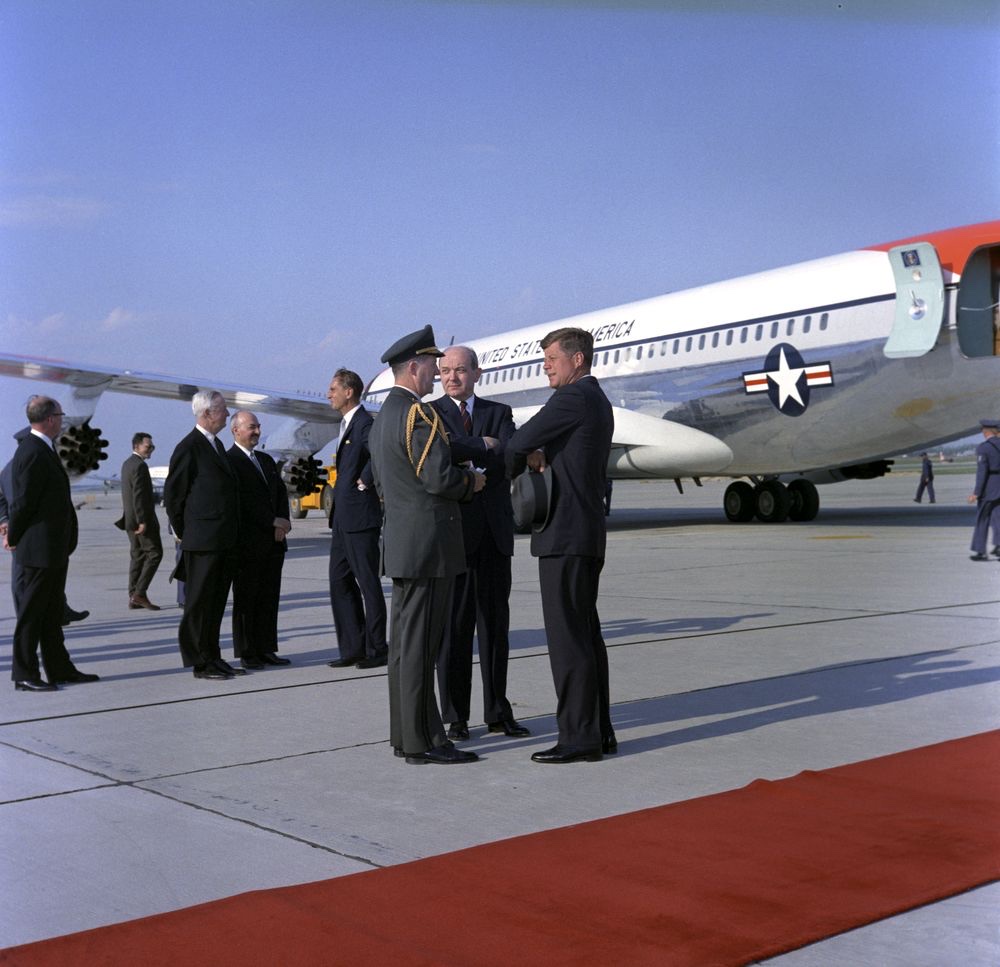
The trouble with these theories is that, for all their persistence, they rest on inference and rumour rather than evidence. No credible proof has ever surfaced of a murder, of the fabled diary, of a plot, or of a cover-up beyond ordinary incompetence. The 1982 review of the case by the Los Angeles District Attorney's office — prompted precisely by these swirling theories — examined the claims and found no reliable evidence of homicide or of a conspiracy warranting the case's reopening, while acknowledging the original investigation's serious flaws. The theories survive not because they are supported but because they are irresistible: they attach a glamorous, world-historical significance to a death that was, in reality, the mundane and terrible outcome of illness and addiction. It is a more comforting story, in a way, than the truth.
What the evidence supports
Weighing it all, the responsible conclusion is clear in outline and honest about its limits. Marilyn Monroe died of a barbiturate overdose; of that there is no real doubt. Whether that overdose was a deliberate act of suicide or an accidental one — the two genuinely plausible explanations — cannot now be established with certainty, and the coroner's careful "probable suicide," with its acknowledgement of doubt, remains the fairest summary. The investigation was badly handled, and that carelessness is a real failing, but carelessness is not the same as conspiracy, and it is more than adequately explained by the standards of the time and the chaos of a celebrity death, without recourse to murder. The Kennedy connection is real as a matter of Monroe's biography but unsupported as an explanation of her death. The lingering sense of mystery is genuine, but it is a mystery of manner and motive — suicide or accident — not of a hidden crime.
What it means
Marilyn Monroe's death, and the mythology that swallowed it, tell us as much about ourselves as about her. She has become one of the most enduring icons of the twentieth century, her image endlessly reproduced, her name a shorthand for a certain kind of doomed glamour — and that very iconicity has made it hard to see the death for what it was. We have preferred, collectively, the version with the Kennedys and the cover-up, because it flatters her importance and ours, over the version in which a mentally ill woman died of an overdose because the people and systems around her failed to keep her safe. In this the Monroe case is a cautionary tale not about assassination but about how we treat the famous and the fragile: exploiting them in life, mythologising them in death, and looking past the ordinary human suffering that is usually the real story.
In the end, the death of Marilyn Monroe is less a mystery than a tragedy that we have insisted on turning into a mystery. The physical facts are not seriously in dispute: she died of the barbiturates she had come to depend on, in a home she had only just made her own, at the age of thirty-six, after a life of remarkable achievement and profound, largely unaddressed pain. Whether her last act was one of despair or of accident we will probably never know, and that uncertainty is the one genuine unknown at the heart of the case. Everything else — the murder plots, the secret diaries, the silencing of a dangerous witness — is the myth the culture built to avoid the plainer, harder truth. Marilyn Monroe was not silenced by a conspiracy; she was lost to an illness and an addiction that her time could not treat and her fame would not let her escape. Remembering her clearly means remembering that, and mourning the woman rather than debating the legend.
In the end, the death of Marilyn Monroe endures as a mirror in which each generation sees what it wishes to: a murder mystery, a political scandal, a cautionary tale, a tragedy of fame. The evidence, soberly weighed, supports the last of these and not the others. A brilliant, wounded woman died of an overdose of the drugs she relied on to survive, either by her own hand or by tragic accident, at the end of a life in which the world took everything she had to give and gave too little back. The mishandling of the investigation left room for doubt, and her proximity to power gave that doubt a glamorous shape, but neither has ever produced evidence of the crime the theories require. What remains, when the myth is set aside, is simply the loss — of a person, not a puzzle — and the quiet reproach it offers to a culture that still finds a conspiracy easier to contemplate than the ordinary, preventable death of someone it claimed to love.
Inspired this / based on it
Robert Slatzer
One of the early books advancing conspiracy claims about her death; its reliability is disputed.
Simon Curtis
A film portraying Monroe (Michelle Williams) during the making of a 1956 film.
Filed under
- #marilyn-monroe-1962
- #marilyn-monroe
- #hollywood
- #kennedy
- #unsolved-mystery
- #los-angeles
- #1960s
- #media
- #mystery
Click any tag for every article carrying it.
Continue reading

The Death of Natalie Wood: Drowning Off Catalina
On the morning of 29 November 1981, the body of Natalie Wood — one of the most cherished actresses of her generation, a star since childhood — was found floating in the Pacific Ocean about a mile from her yacht, the Splendour, off the coast of Santa Catalina Island in California. She was forty-three, and she had drowned. The night before, she had been aboard the yacht with three other people: her husband, the actor Robert Wagner; her Brainstorm co-star, Christopher Walken; and the boat's captain, Dennis Davern. The Los Angeles coroner initially ruled the death an accidental drowning, theorising that she had slipped while trying to secure or board the yacht's dinghy and had been unable to climb back out of the cold water. But the account of that night was troubled from the start — there had reportedly been drinking and an argument aboard, the stories of those present shifted over the years, and Wood, it was widely known, had a lifelong fear of water. Three decades later, in 2011, the case was reopened; the cause of death was formally amended to 'drowning and other undetermined factors'; and in 2018 her husband was named a 'person of interest' — though he has always denied any wrongdoing, was never arrested or charged, and no evidence of foul play has ever been established. This is the story of the death of Natalie Wood — a genuine mystery in which the official record itself declines to say for certain what happened.
The Death of Bruce Lee: The Dragon's Sudden End
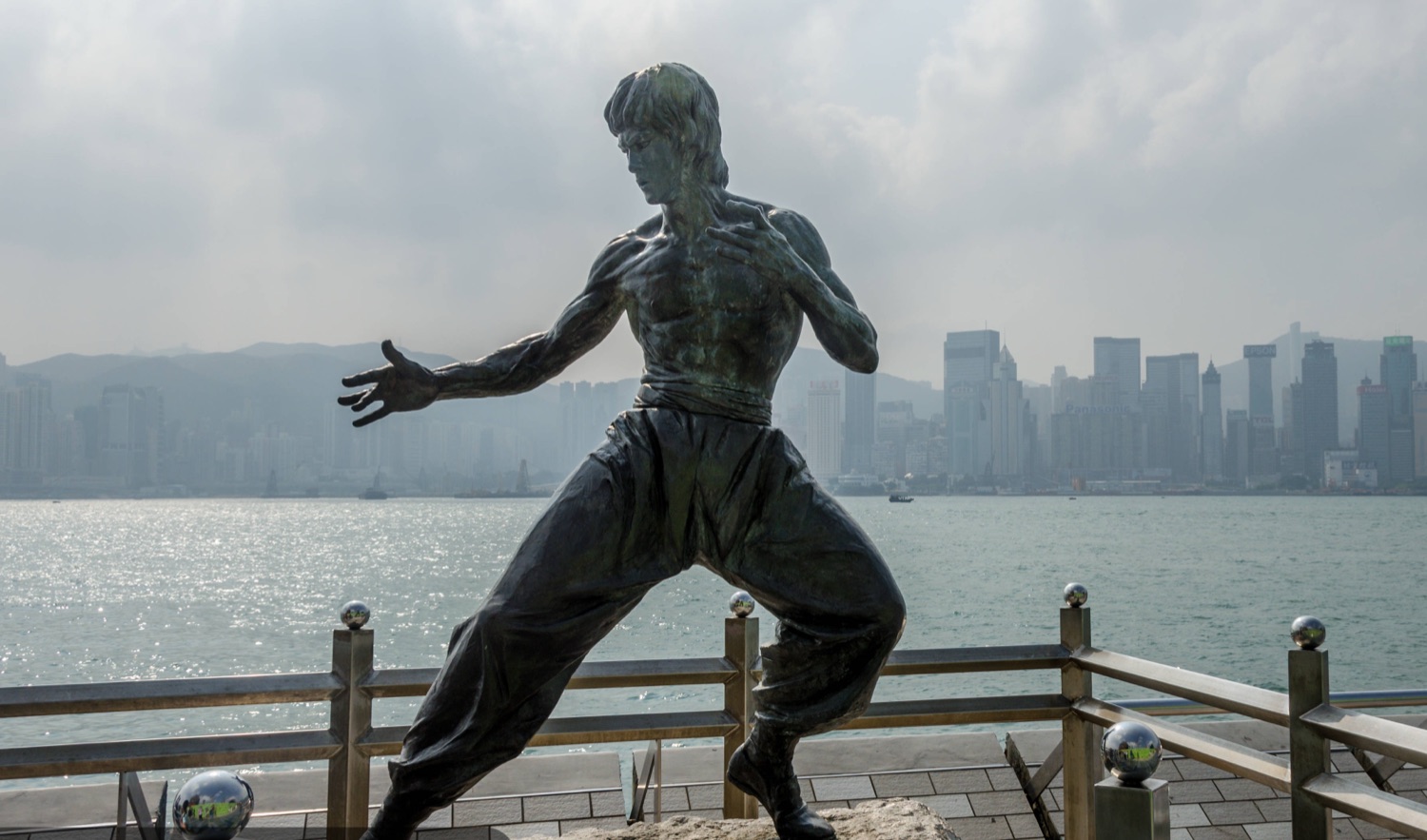
On the evening of 20 July 1973, Bruce Lee — the martial artist, actor, and philosopher who had done more than anyone to bring kung fu to the world, and who stood on the very threshold of global superstardom — lay down in a Hong Kong apartment with a headache and never woke up. He was thirty-two years old, extraordinarily fit, and weeks away from the release of Enter the Dragon, the film that would make him an immortal icon. His sudden death at the height of his powers stunned the world and seemed, to many, impossible: how could a man who embodied physical perfection simply die of a headache? A coroner's inquest concluded that he had died of a swelling of the brain — cerebral oedema — most likely triggered by a reaction to a common painkiller, and returned a verdict of 'death by misadventure.' But that clinical answer has never satisfied everyone, and in the vacuum of certainty a thicket of theories has grown: that he was murdered by rival martial artists or organised crime, that he fell to an ancient family curse later 'confirmed' by the freak death of his son, that some exotic 'death touch' had felled him. The medical reality is at once more mundane and more genuinely uncertain than any of these. This is the story of the death of Bruce Lee — of what the evidence shows, what remains unknown, and why the legends persist.
The Death of Kurt Cobain: The Reluctant Icon and the Theories
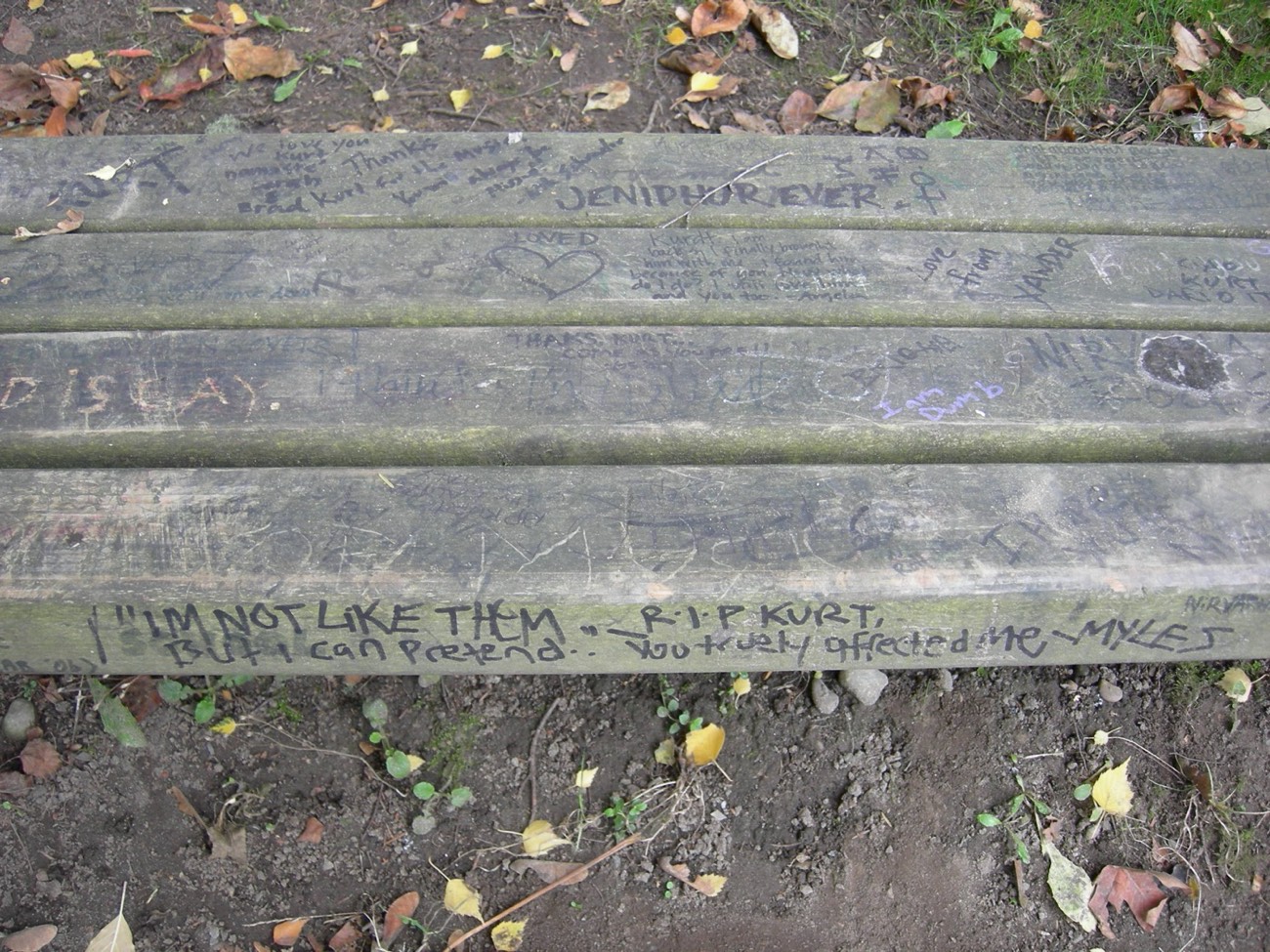
In early April 1994, Kurt Cobain — the singer, songwriter, and guitarist of Nirvana, the band that had carried underground rock into the mainstream and made him, against his own wishes, the defining voice of a generation — was found dead at his home in Seattle. He was twenty-seven years old. His death, from a self-inflicted gunshot wound, was ruled a suicide by the King County medical examiner and the Seattle police, a conclusion the authorities have reaffirmed in the decades since, including in a fresh review on the twentieth anniversary. Cobain had long struggled with severe depression, a debilitating chronic stomach condition, and heroin addiction, and had survived a near-fatal overdose only weeks before; a note was found at the scene. For most of those who knew him and have studied the case, his death was the tragic culmination of years of pain. Yet from the beginning a minority have insisted otherwise — that Cobain was murdered, that the suicide finding was wrong, with suspicion aimed in various directions — and these claims, amplified by books and films, have kept a conspiracy alive. This article examines his death with the care such a subject demands: what the evidence establishes, why the murder theories have not held up, and, above all, the human tragedy of mental illness and addiction that the conspiracy too often obscures. If you are struggling, please know that help is available, and that reaching out is a sign of strength, not weakness.